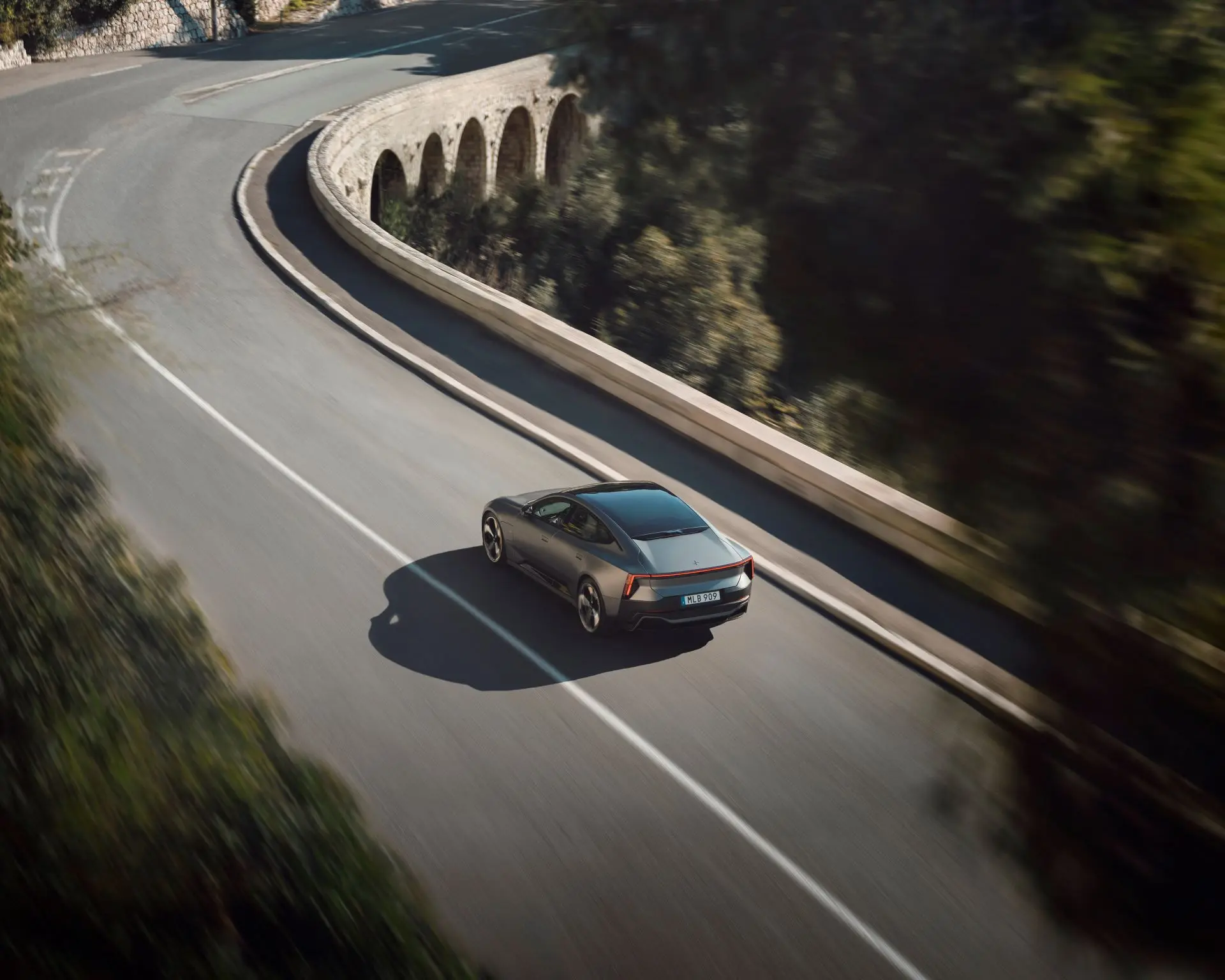
In a bold intersection of science, emotion, and electric mobility, Polestar and the University of Oxford SDG Impact Lab have launched a pioneering pilot study aimed at answering a deceptively simple question: can the thrill of driving be defined, observed, and measured like any other performance metric?
For more than a century, driving excitement has been shaped by instinctive cues. The roar of combustion engines, the vibration of mechanical components, and the raw sensory theatre of speed have traditionally defined what enthusiasts call “feel.” But as electrification reshapes the automotive landscape, those familiar signals are fading into silence. In their place emerges a new frontier where performance must be understood not just through acceleration figures, but through human experience itself.
The collaboration between Polestar and the SDG Impact Lab reflects this shift. Their joint research initiative brings together engineering science and experimental psychology, assembling a multidisciplinary team of doctoral innovation fellows under the guidance of senior Oxford academics. Together, they are exploring whether the emotional peaks of driving can be translated into measurable physiological, cognitive, and behavioural signals.
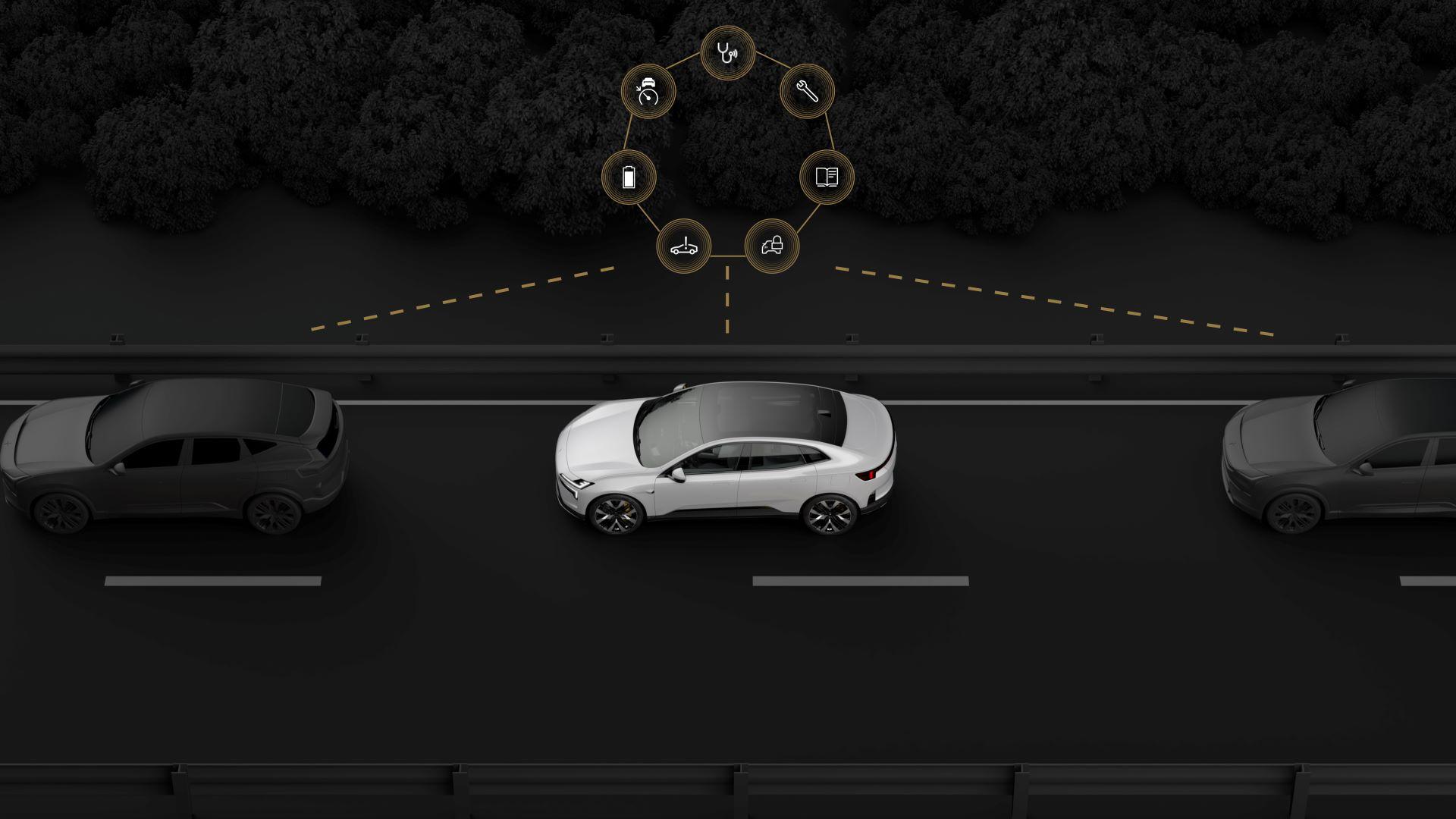
At the heart of the study is a high-performance Polestar vehicle, where participants’ responses will be recorded through a blend of brain activity monitoring and biometric tracking. Heart rate, neural response patterns, attention shifts, and physical inputs are being analysed in real time to determine whether excitement behind the wheel can be quantified rather than merely described.
The implications stretch far beyond academic curiosity. As electric vehicles become mainstream, the industry faces a subtle but important challenge: redefining what “performance” actually means when traditional sensory cues are no longer central. The research suggests that driving thrill may be less about noise and more about a holistic alignment between driver, machine, and environment.
Testing will include real-world driving sessions at the Gotland Ring circuit, providing a controlled yet dynamic environment to capture behavioural and emotional data at speed. These findings are expected to feed into broader discussions on how future vehicles are designed, tuned, and experienced.
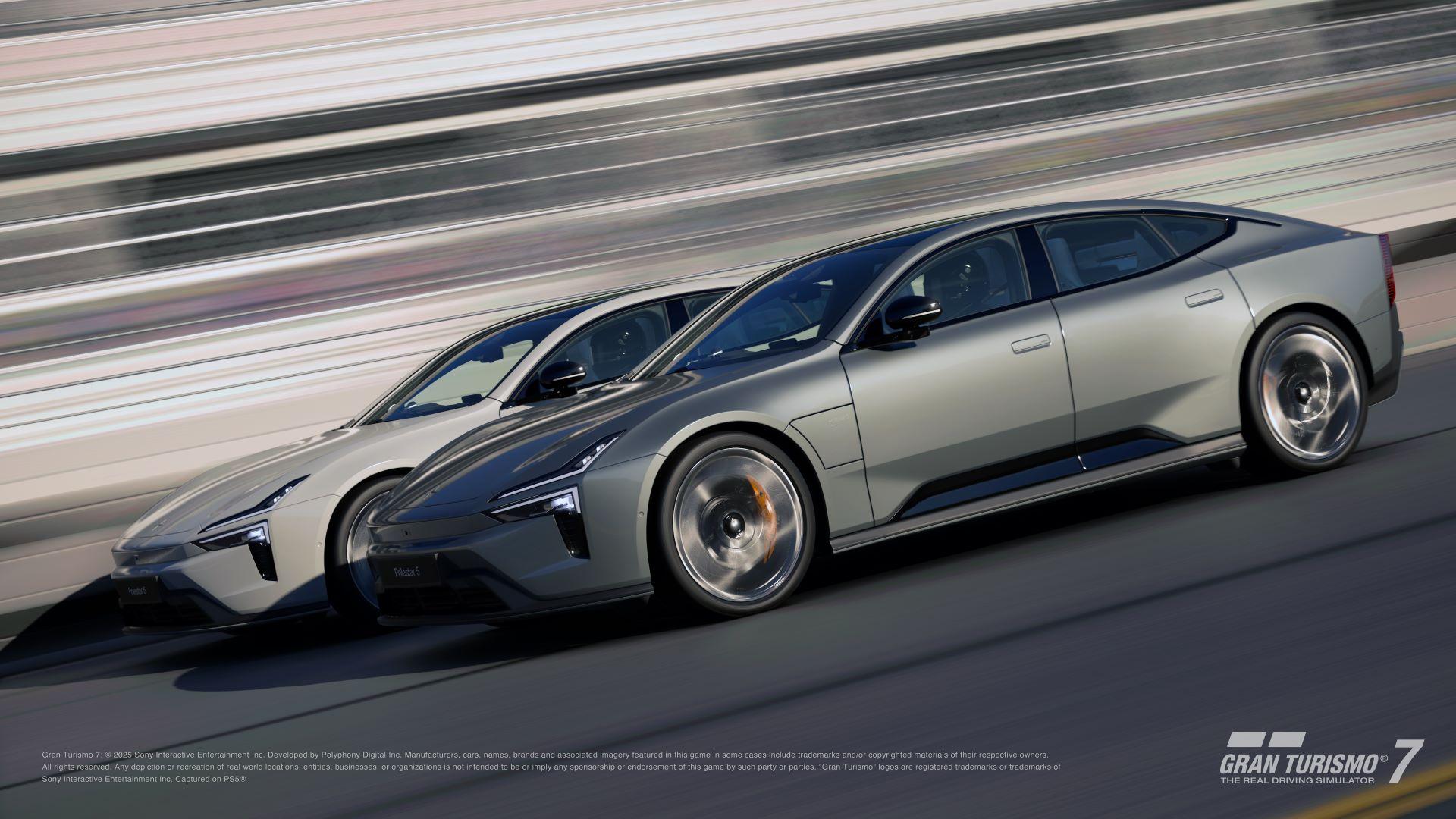
Polestar’s own performance philosophy already leans into this evolution. With models such as the Polestar 5, the brand has emphasised precision engineering, reduced weight architecture, and advanced chassis systems that prioritise feedback and responsiveness over conventional power metrics. The company argues that electrification does not diminish driving excitement, but rather offers new dimensions through which it can be expressed.
This philosophy is echoed by Christian Samson, Head of Product Attributes at Polestar, who highlights the importance of moving beyond straight-line acceleration as the default benchmark of performance. In his view, scientific insight could provide an additional tuning layer for engineers, helping refine vehicle dynamics in ways that align more closely with human perception.
Beyond engineering outcomes, the study also carries a cultural ambition. By shaping how driving excitement is understood and communicated, the partners hope to influence consumer perception of electric mobility and accelerate the broader transition to sustainable transport systems. In doing so, they are positioning emotion not as a soft metric, but as a critical variable in the green energy narrative.
Running from March through July 2026, with results expected later in the year, the project represents a rare convergence of academia and automotive design. It treats driving not simply as motion, but as a measurable human experience waiting to be decoded.
If successful, the work could redefine how future vehicles are developed, shifting the industry from horsepower wars to a more nuanced frontier where thrill itself becomes a design parameter.