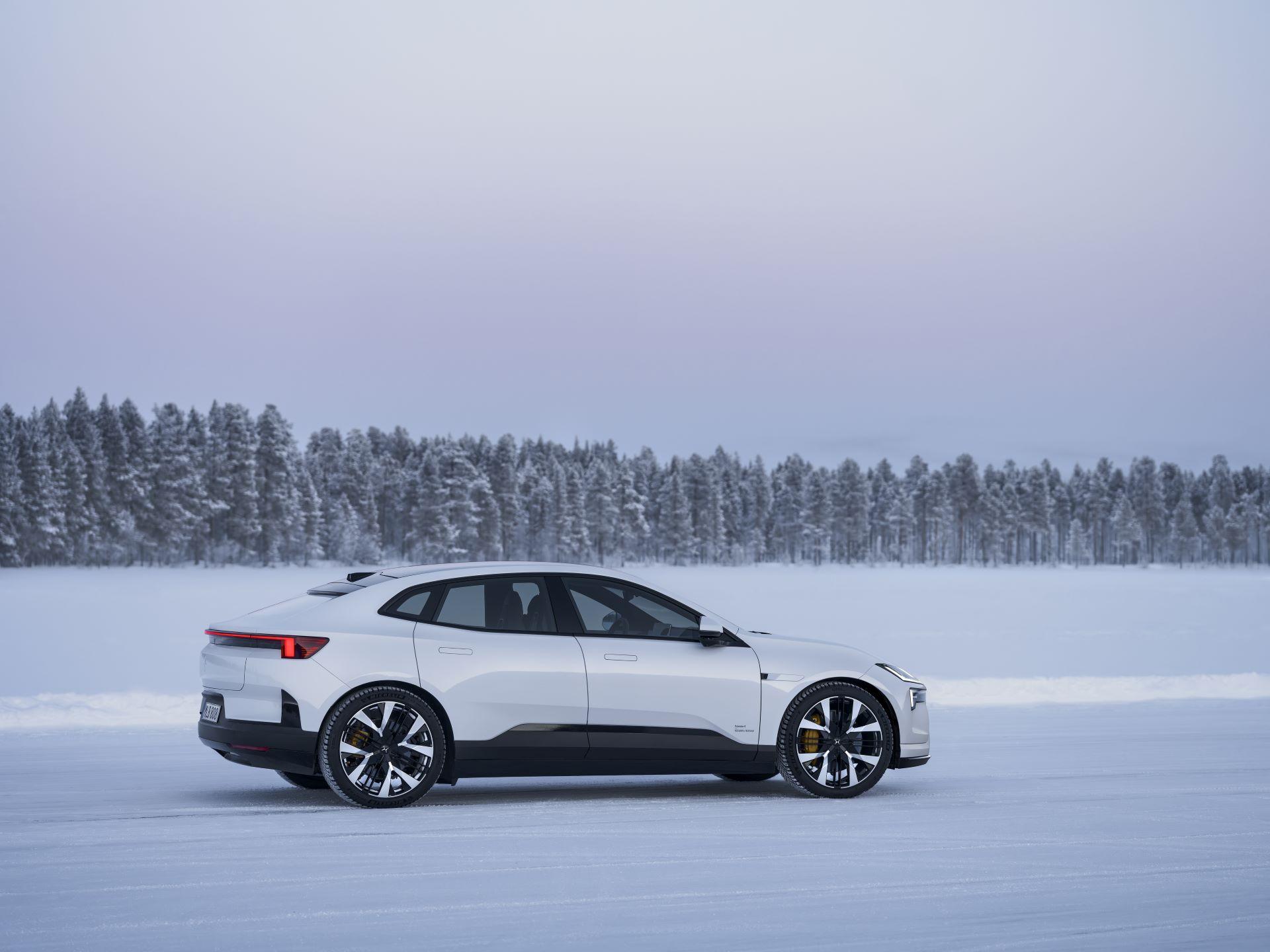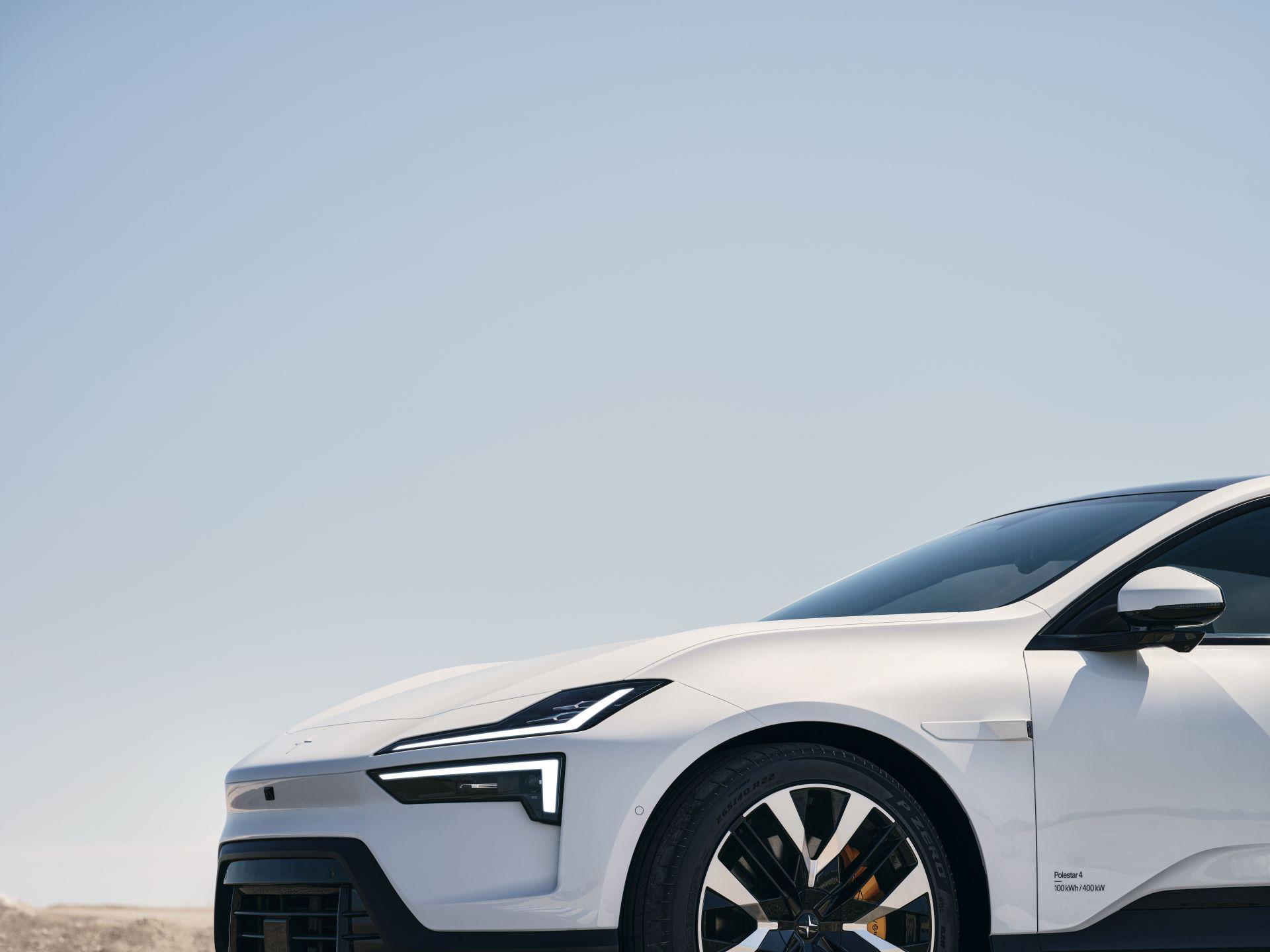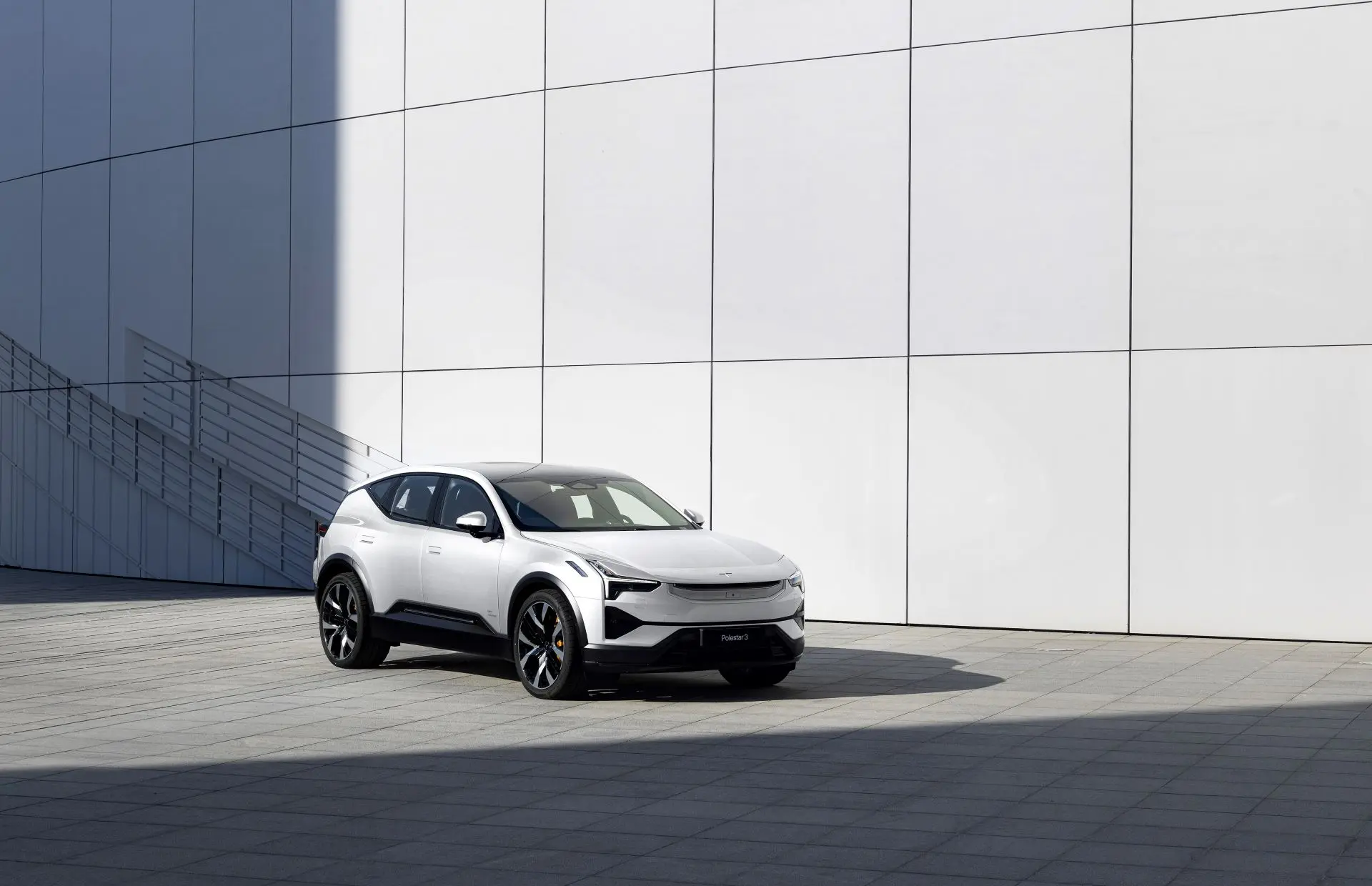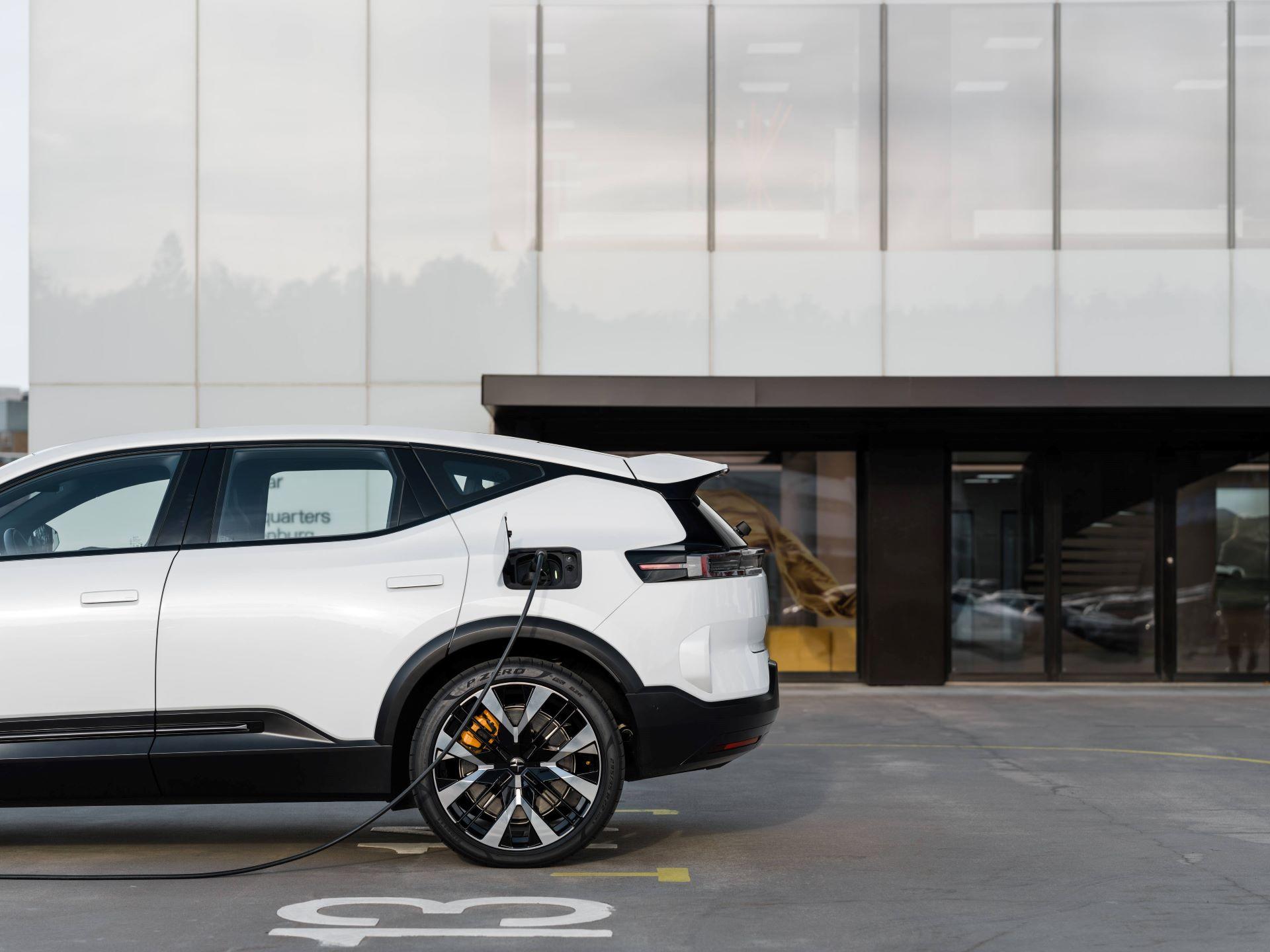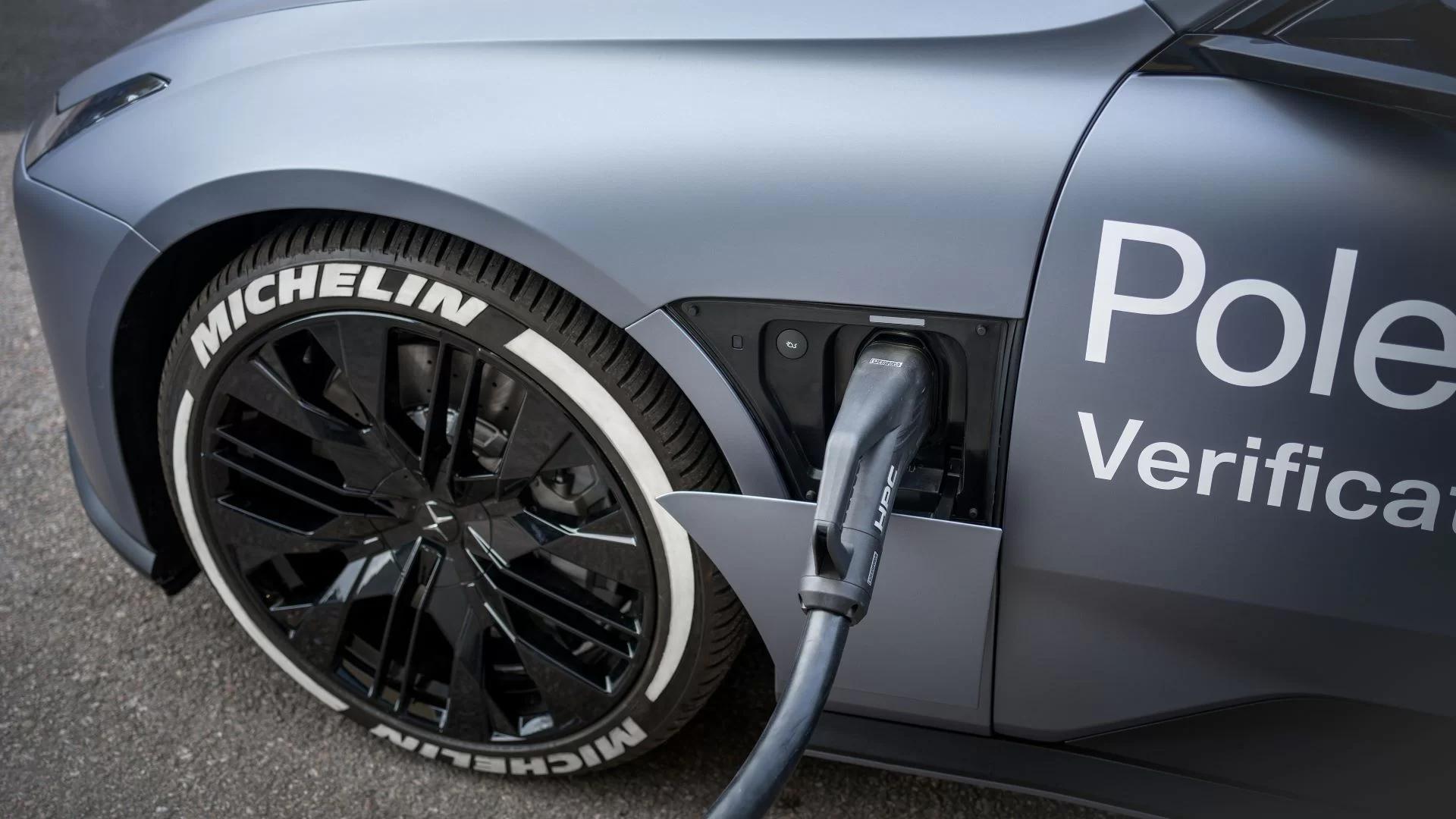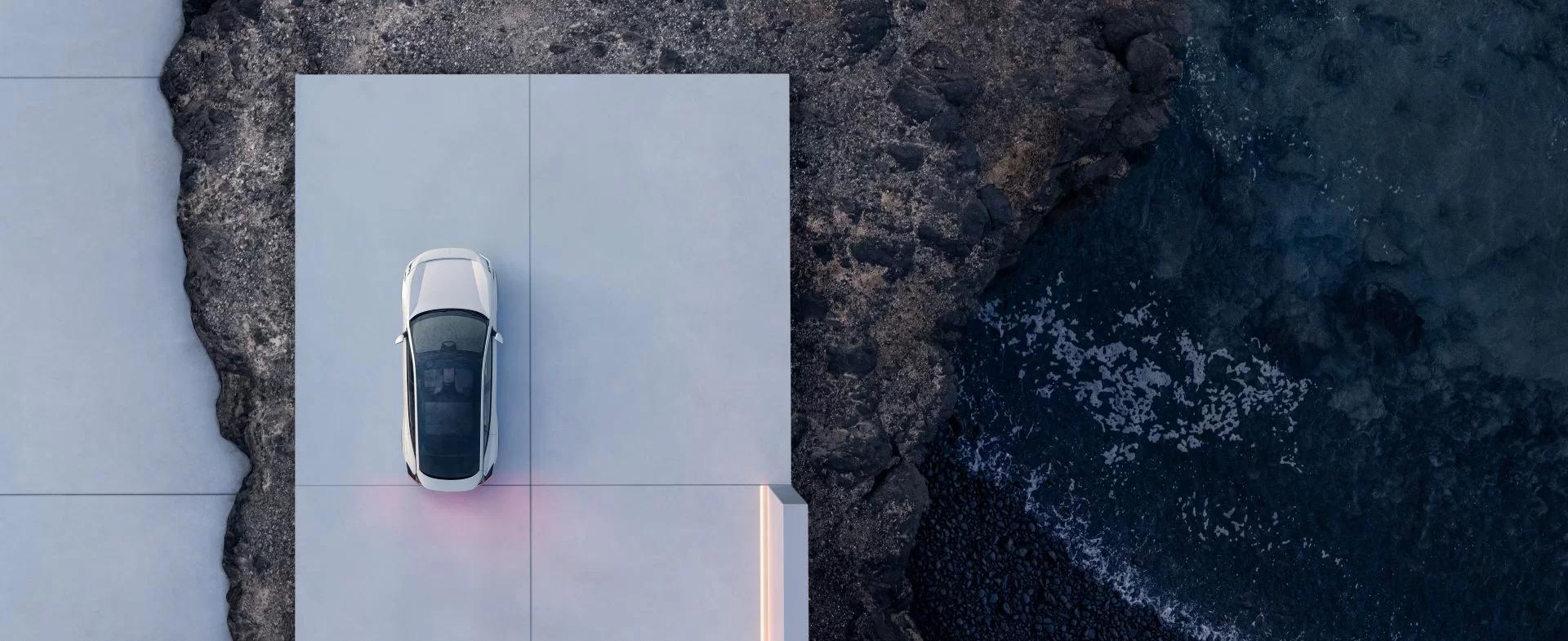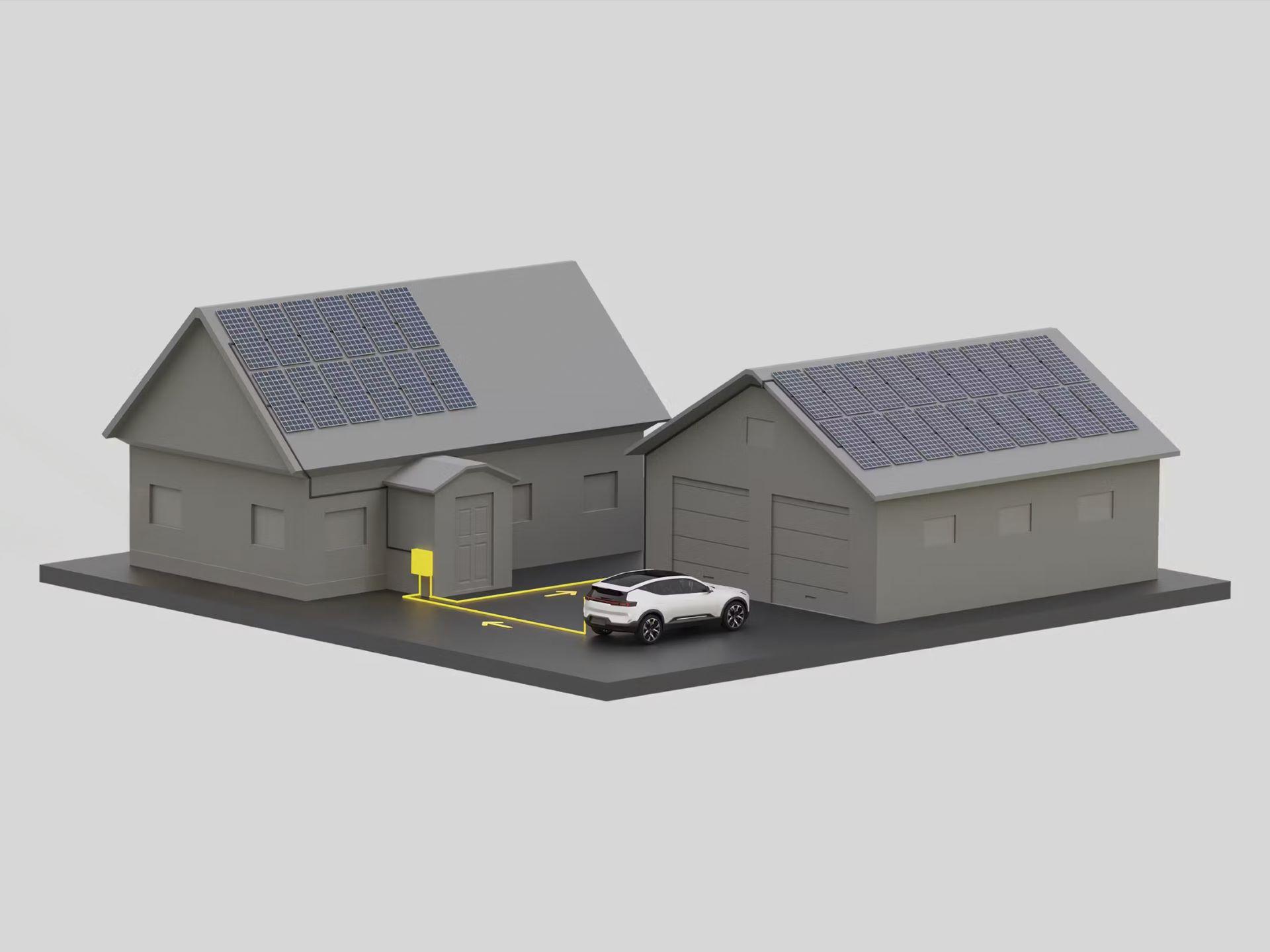
GOTHENBURG, SWEDEN – 18 November 2025. Polestar is taking a decisive step into the future of home energy integration with the launch of its first bi-directional charging offer for Polestar 3 customers in the United States, debuting in California. Developed in partnership with home energy innovator dcbel, the programme enables vehicle-to-home (V2H) capability, blackout protection support and intelligent charging management—all designed to lower ownership costs and maximise the value of renewable energy.
Michael Lohscheller, Polestar CEO, describes the move as transformative: “Bi-directional charging is a gamechanger, not only for the car industry, but the home energy ecosystem. As it lowers your total cost of ownership and makes your car work for you even when parked, this makes the choice of driving a Polestar even more attractive.”
Turning the Car Into an Energy Asset
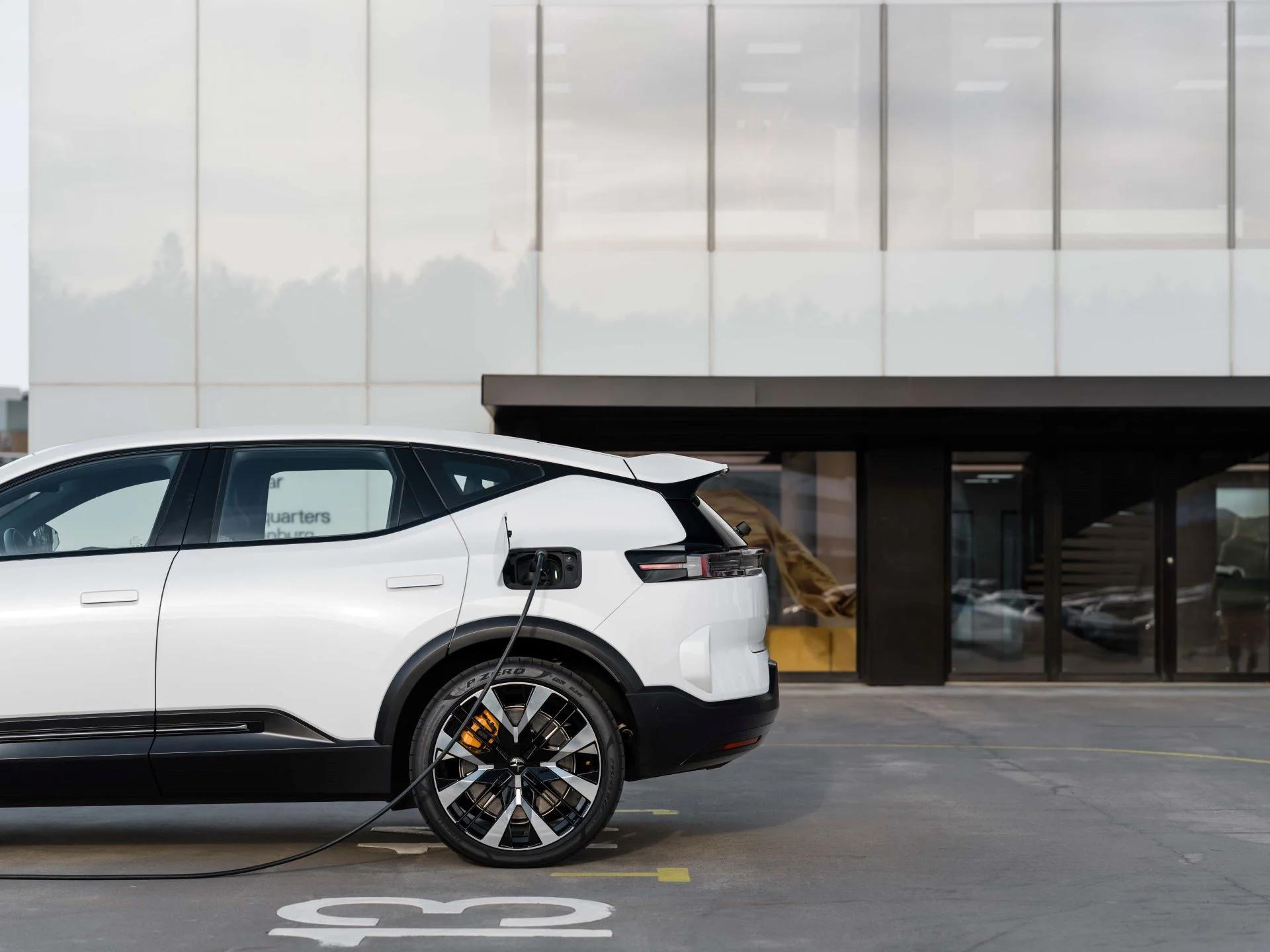
Bi-directional charging allows an electric vehicle to both receive and discharge energy, turning the battery into a dynamic part of the home energy equation. With the ability to send power back to a residence—or eventually to the grid—Polestar 3 becomes more than a premium electric SUV; it becomes an energy storage device with the potential to reduce electricity bills, stabilise local infrastructure and support a cleaner energy mix.
The initial solution uses direct current (DC) technology to enable V2H on Polestar 3’s 400-volt electrical architecture. California residents will be the first to access the offering, leveraging the state’s strong incentives for clean energy technologies.
Through dcbel’s Ara home energy system, eligible Polestar 3 owners can reduce charging costs by up to USD 1,300 per year² and rely on their vehicle as a backup power source during outages—providing home support for up to 10 days³, depending on consumption.

Maximising Incentives for California Homeowners
As part of a California Energy Commission programme administered by dcbel, residents can benefit from substantial rebates covering a significant portion of both the system hardware and installation costs. The result is a turnkey package that accelerates adoption of cutting-edge home energy technologies while reducing the financial barrier to entry.
More details on the offer are available at polestar.dcbel.energy.
A Foundation for Polestar’s Larger Bi-Directional Roadmap
Olivier Loedel, Head of Software Product Management at Polestar, highlights the significance of the launch: “We are very excited to deliver this initial bi-directional charging offer together with our North American partner dcbel. It’s a new technology that requires a sophisticated and intelligent ecosystem, and this marks an important first step as we aim to launch bi-directional charging features to more Polestar customers in more markets.”
Polestar is continuing to expand its bi-directional charging ambitions globally. In Germany—and soon other European regions—the company has introduced the Zaptec Go², a bi-directional-ready AC home charger built in partnership with Zaptec. Fully compatible with Polestar 3, the charger anticipates future software updates that will unlock AC bi-directional functionality once available.
Driving the Future of Smart Energy
The launch of bi-directional charging for Polestar 3 owners in California marks the beginning of a broader transformation in how electric vehicles interact with homes and energy systems. By enabling cars to support the grid, protect homes during outages and reduce operating costs, Polestar is helping redefine the role of EVs—not merely as transportation devices, but as intelligent, flexible components of the modern energy ecosystem.
As the technology scales and more markets come online, Polestar’s growing network of bi-directional-ready solutions positions the brand at the forefront of the shift toward smarter, more resilient electrified living.