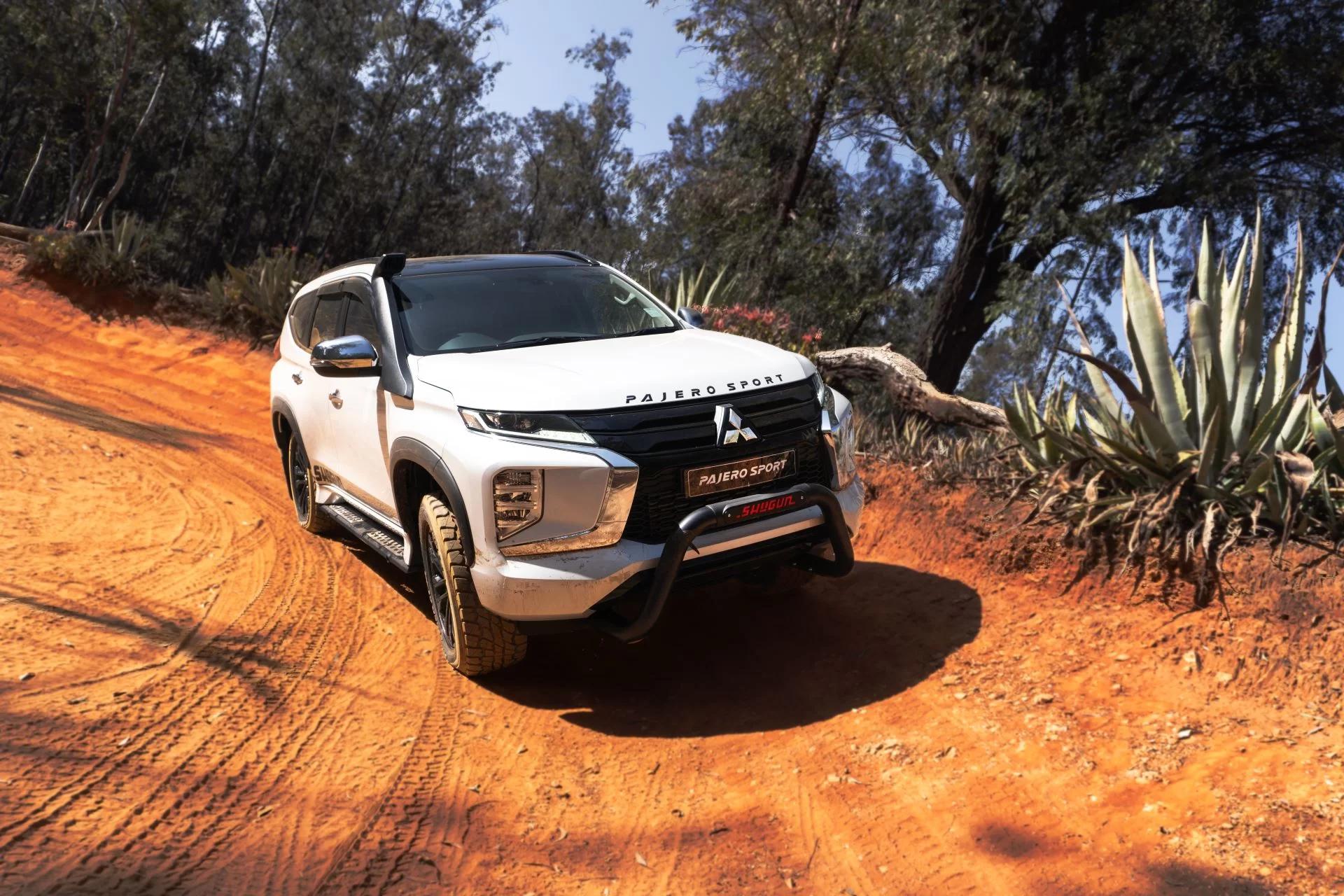
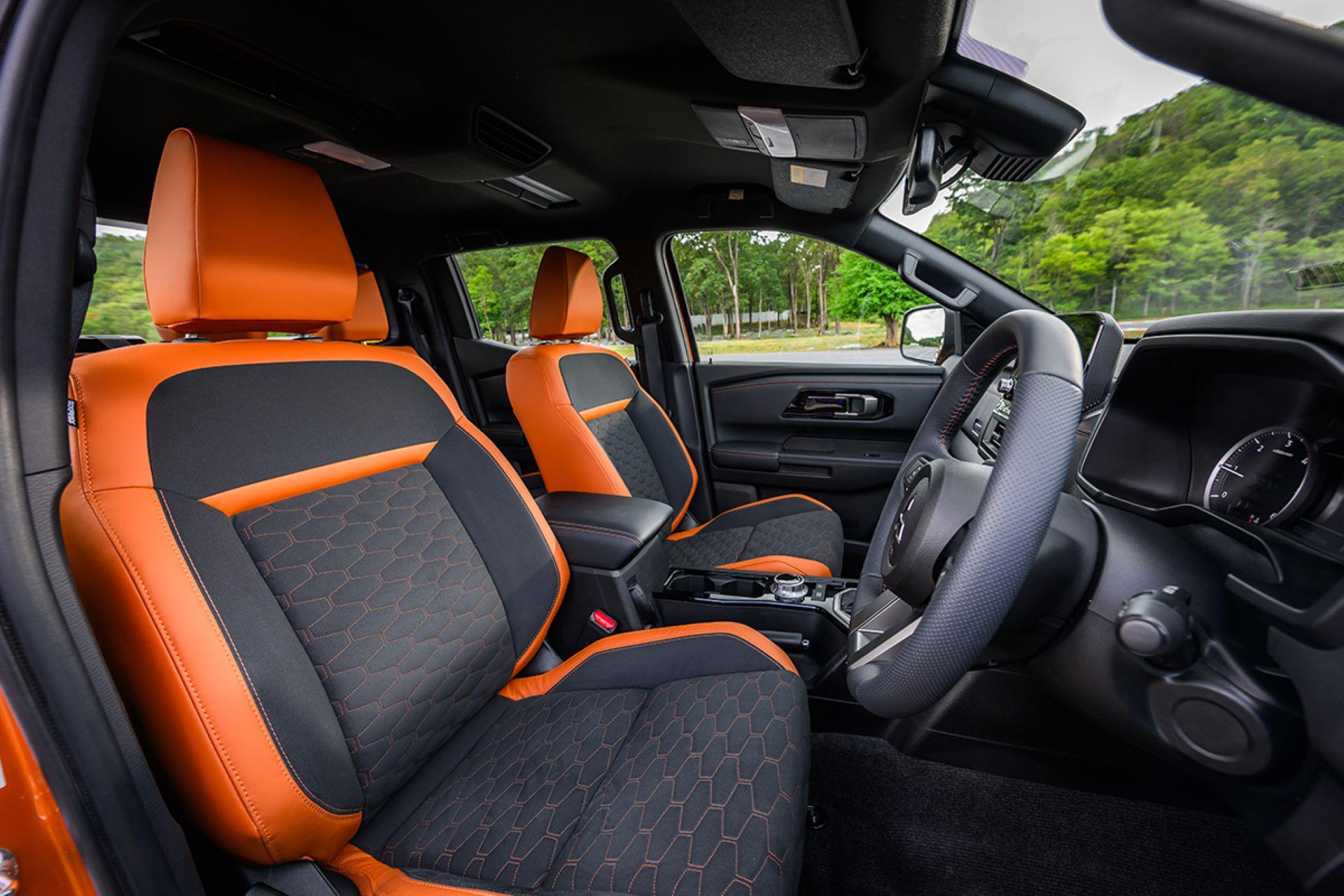
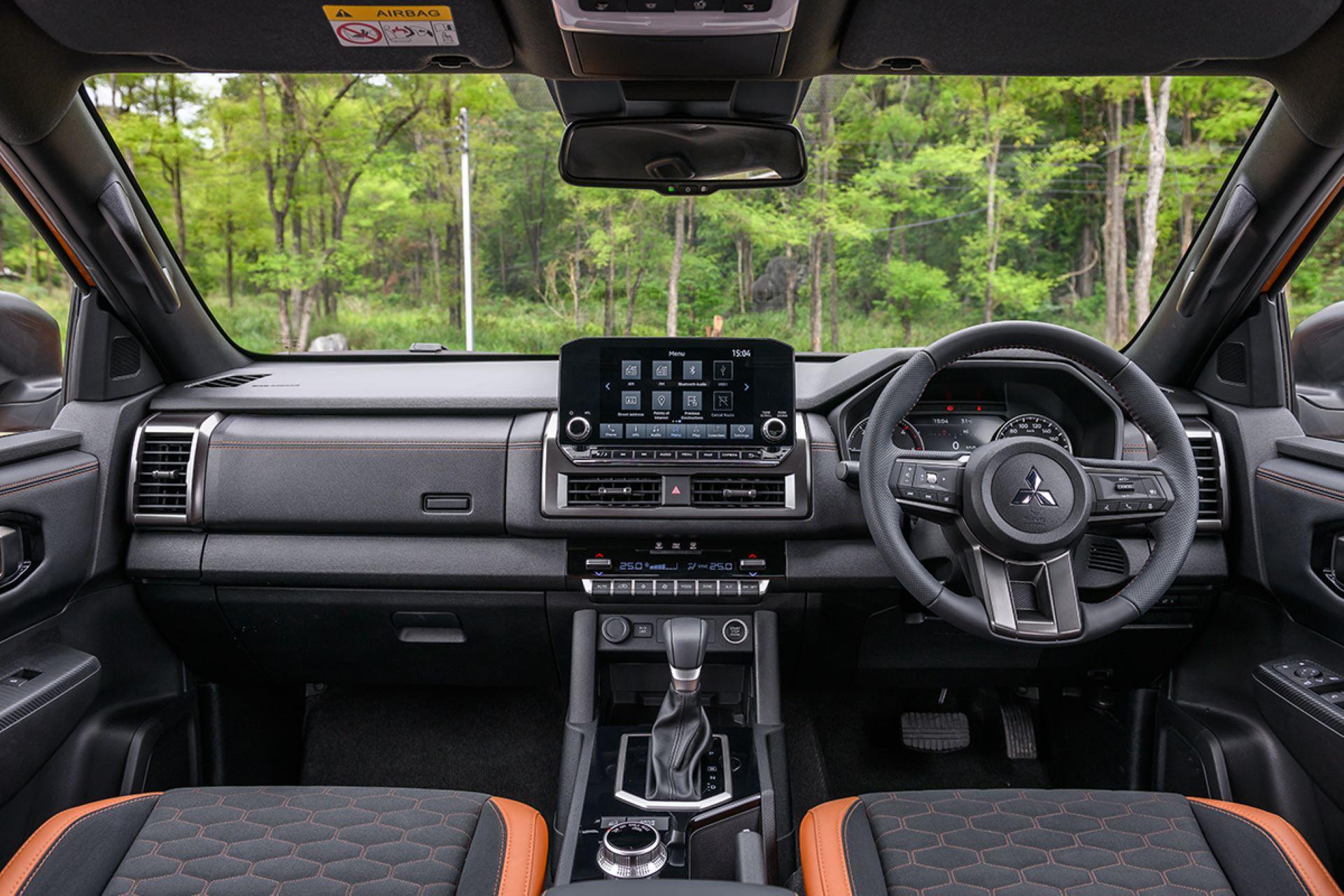
In Johannesburg, the bakkie segment is never still. It shifts, sharpens, and reinvents itself with the same persistence as the roads it is built to conquer. Now, Mitsubishi Motors South Africa is stepping firmly into that evolution with a refreshed Triton lineup that blends added muscle, darker attitude, and a stronger focus on driver assistance technology.
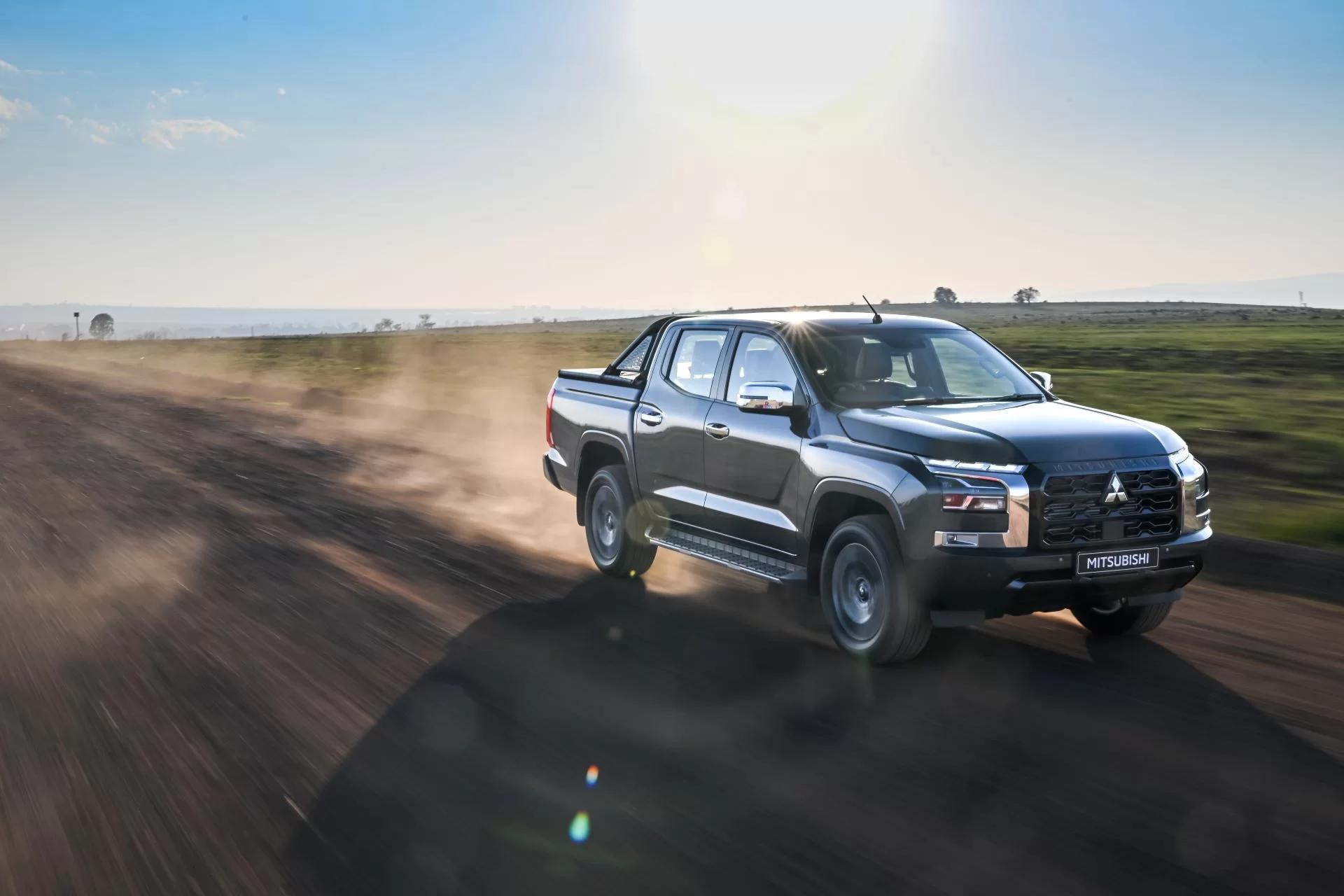
At the centre of this update is the introduction of the Mitsubishi Triton Bi-Turbo, a new derivative designed to push the nameplate further into the competitive upper tier of the double-cab market. It arrives not as a subtle refresh but as a deliberate statement: more power, more technology, and a more assertive visual identity tailored for customers who expect their bakkie to work hard while looking every bit the part.
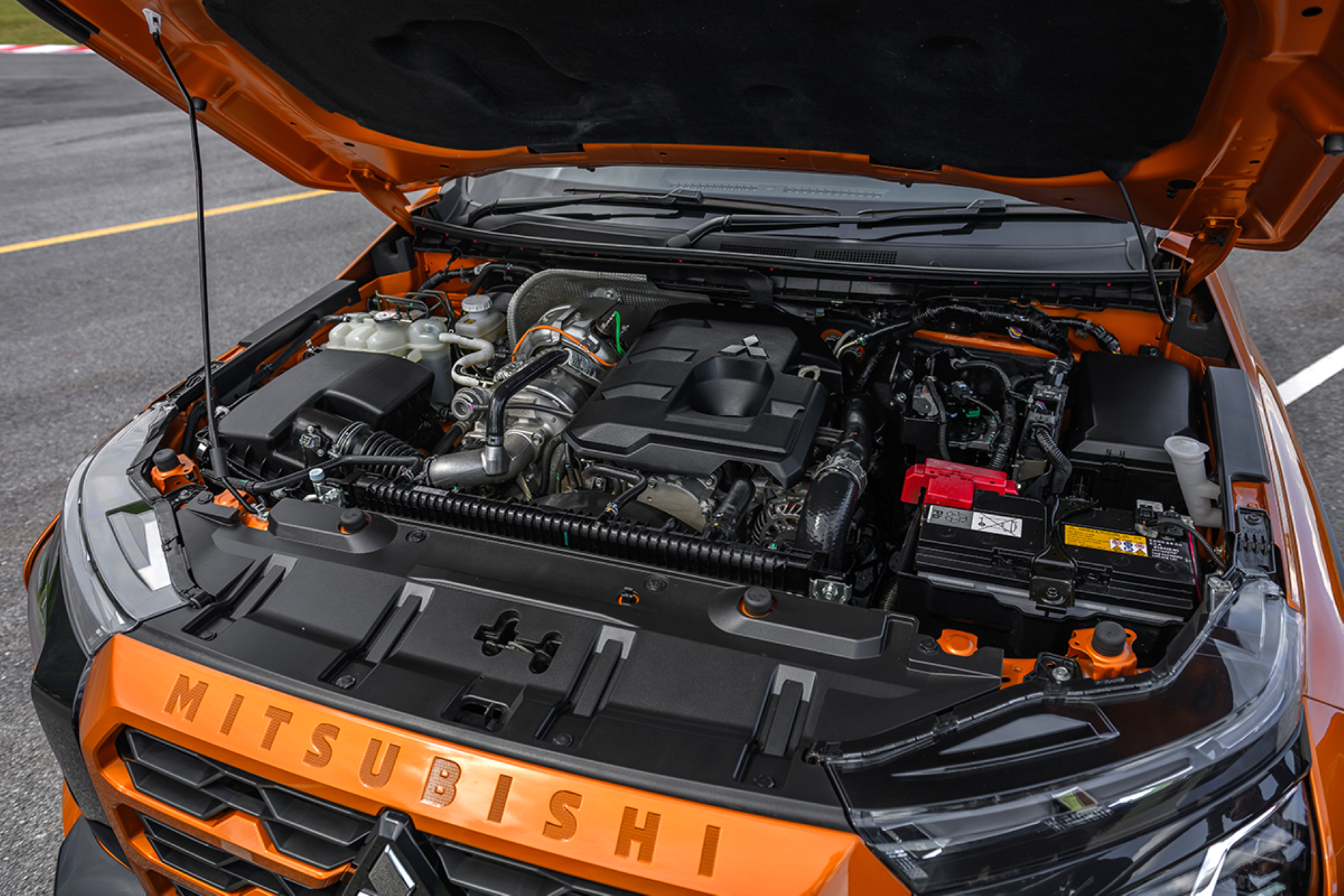
Under the bonnet, the Bi-Turbo variant benefits from a finely tuned version of the 2.4-litre 4N16 DI-DC engine. With variable geometry turbocharging optimised for performance, it delivers 150 kW at 3 500 rpm and 470 Nm between 1 500 and 2 750 rpm. Paired with a six-speed automatic transmission and offered exclusively in 4x4 configuration, it is clearly positioned for both demanding terrain and everyday usability, bridging the gap between workhorse capability and refined road behaviour.
Mitsubishi has also leaned heavily into safety and driver confidence. The Mitsubishi Motors Safety Sensing suite introduces a wide range of advanced systems, including adaptive cruise control, forward collision mitigation with pedestrian detection, lane departure warning, blind spot monitoring, rear cross traffic alert and a multi around monitor. It is a technological layer that reflects how modern bakkie buyers increasingly expect SUV-like intelligence without sacrificing ruggedness.
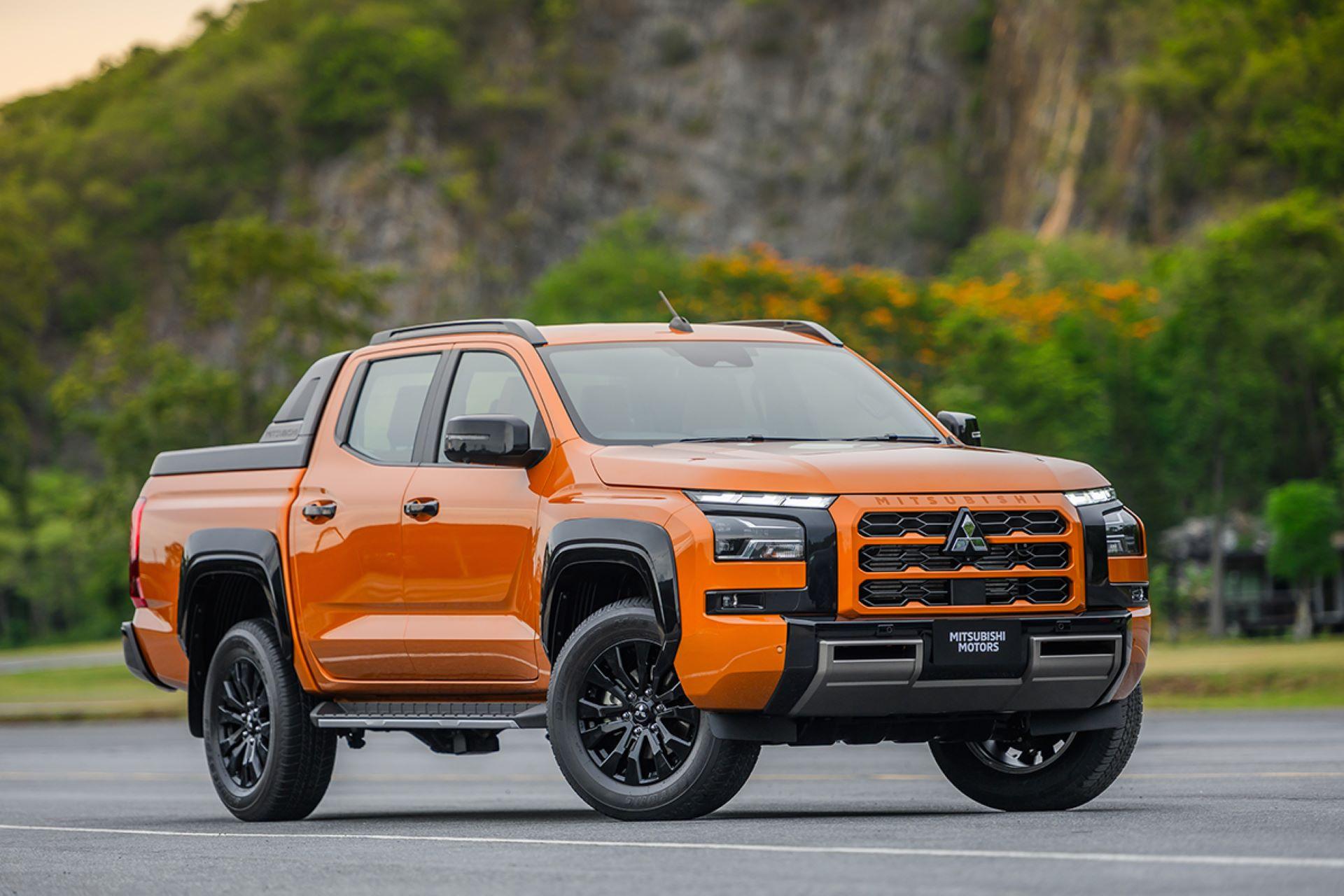
Visually, the Triton Bi-Turbo takes a more assertive approach to design. The brand’s Dynamic Shield concept has been reworked into a stronger, more three-dimensional front presence, complemented by L-shaped LED daytime running lights that give the vehicle a sharp, almost predatory expression. T-shaped rear lighting reinforces width and stance, while roof rails, a styling bar, heated mirrors and an assisted tailgate complete a specification list aimed at blending utility with lifestyle appeal.
Alongside the new flagship derivative, the updated Triton GLS brings its own design shift, one that trades brightwork for a more modern, monochromatic aesthetic. Chrome elements have been replaced with blacked-out finishes across key exterior touchpoints, including the fog lamp bezels, door handles, side steps and mirror housings. Even the 18-inch alloy wheels adopt a darker metallic tone, creating a unified “beast mode” visual identity that aligns with current styling trends in the bakkie market.
According to Mitsubishi Motors South Africa’s General Manager for Product & Marketing, Lerato Nonyane, the updates are intended to ensure the Triton remains aligned with the changing expectations of local buyers. That means balancing durability and off-road strength with improved comfort, safety and design sophistication, especially as competition in the segment continues to intensify.
Taken together, the introduction of the Bi-Turbo derivative and the refreshed GLS signals a clear direction of travel for Mitsubishi’s bakkie strategy in South Africa. It is no longer just about toughness alone, but about delivering a vehicle that can transition seamlessly between business demands, weekend escapes and increasingly tech-conscious daily driving.
Full specifications are expected to follow in the coming weeks, but the message is already clear: the Triton range is not just being updated, it is being recalibrated for a new era of expectation on South African roads.