



Munich, Germany — In the wake of a challenging third quarter, the BMW Group remains resolute in its forward momentum. Despite disruptions from technical adjustments related to its Integrated Braking System (IBS) and softening demand in China, BMW demonstrated remarkable resilience, posting robust electric vehicle (BEV) growth and affirming its commitment to long-term innovation. As global markets present mixed signals, BMW’s strategic agility and dedication to pioneering advancements keep it on course to achieve its fiscal goals.
Steady BEV Momentum Amid Complex Market Dynamics
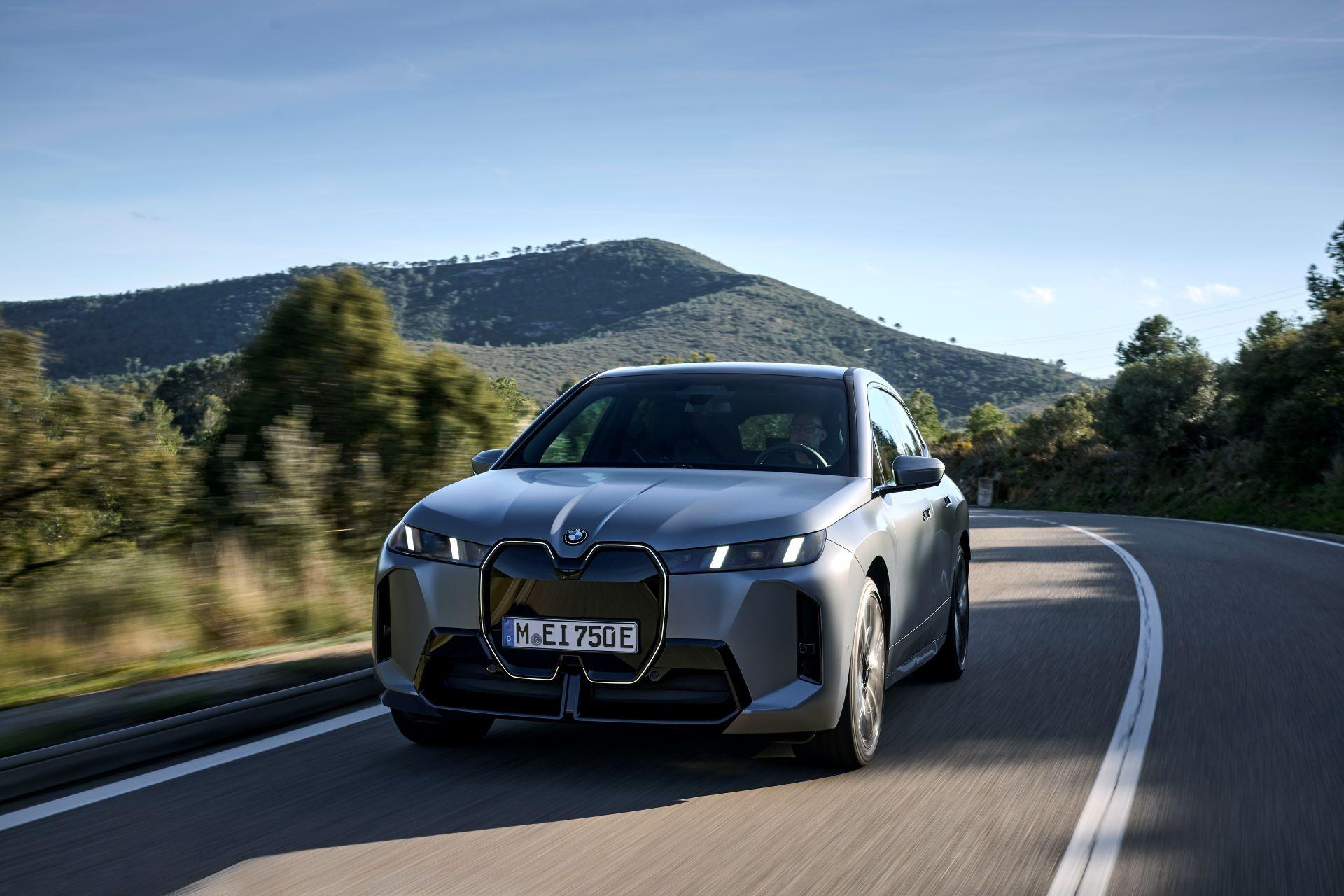
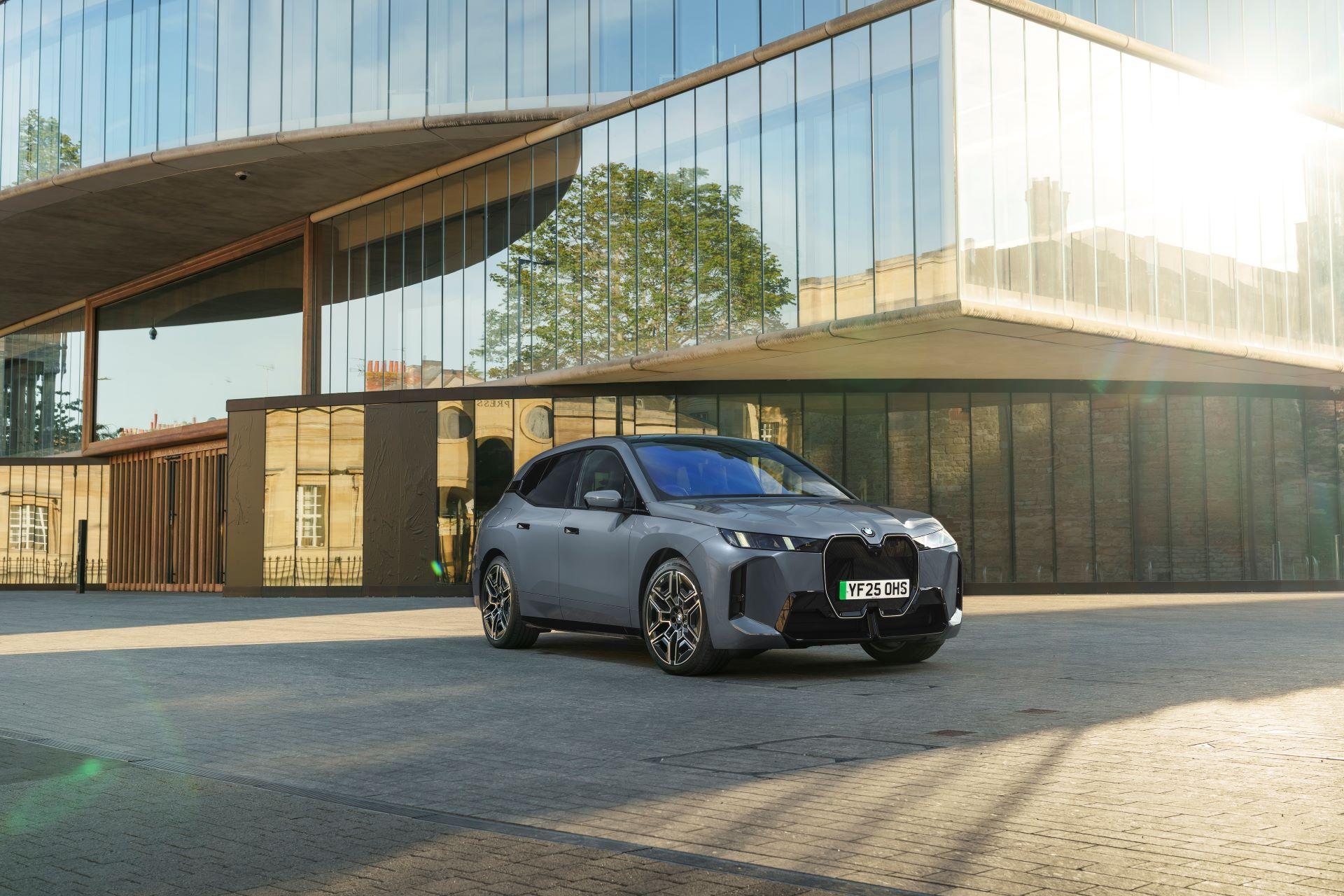
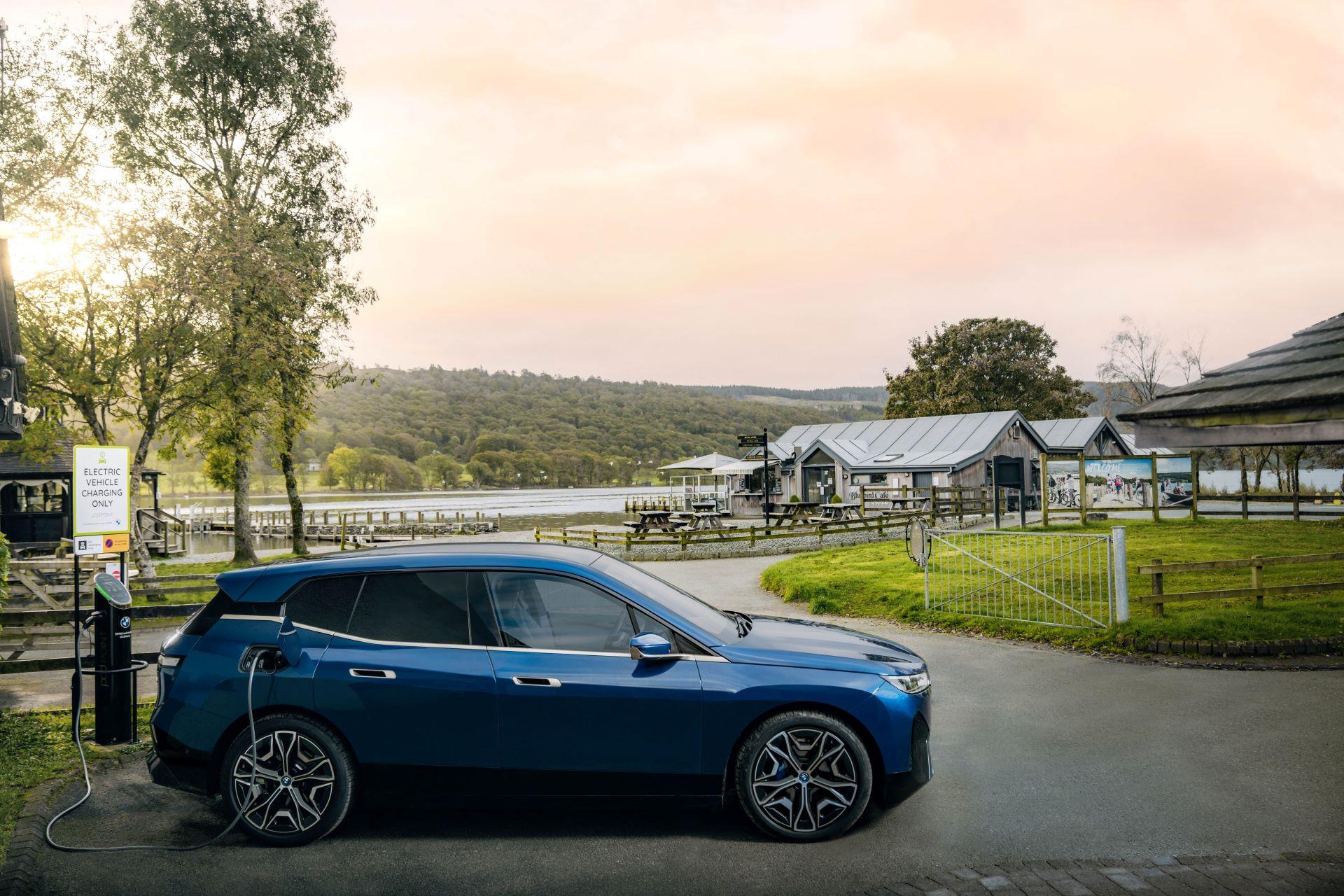
The third quarter saw an impressive surge in BMW Group’s fully electric vehicle sales, with BEV deliveries climbing by 10.1% year-on-year. Electric vehicles now account for 19.1% of the BMW Group’s total vehicle sales, highlighting BMW’s proactive commitment to e-mobility. This growth places the company in a competitive position as consumer demand shifts steadily toward sustainable transport solutions.
Over the nine-month period ending in September, BMW Group reported global sales of 1,754,157 vehicles across its BMW, MINI, and Rolls-Royce brands, a 4.5% decline compared to the same period in 2023. While the third quarter saw a 13% reduction in deliveries due to IBS-related challenges and production disruptions, the BMW brand itself grew by 4% in markets outside of China, with notable growth in Europe (+7.6%), driven by strong performances in key regions like Spain, the UK, France, and Italy.
Balancing Short-Term Performance with Long-Term Goals
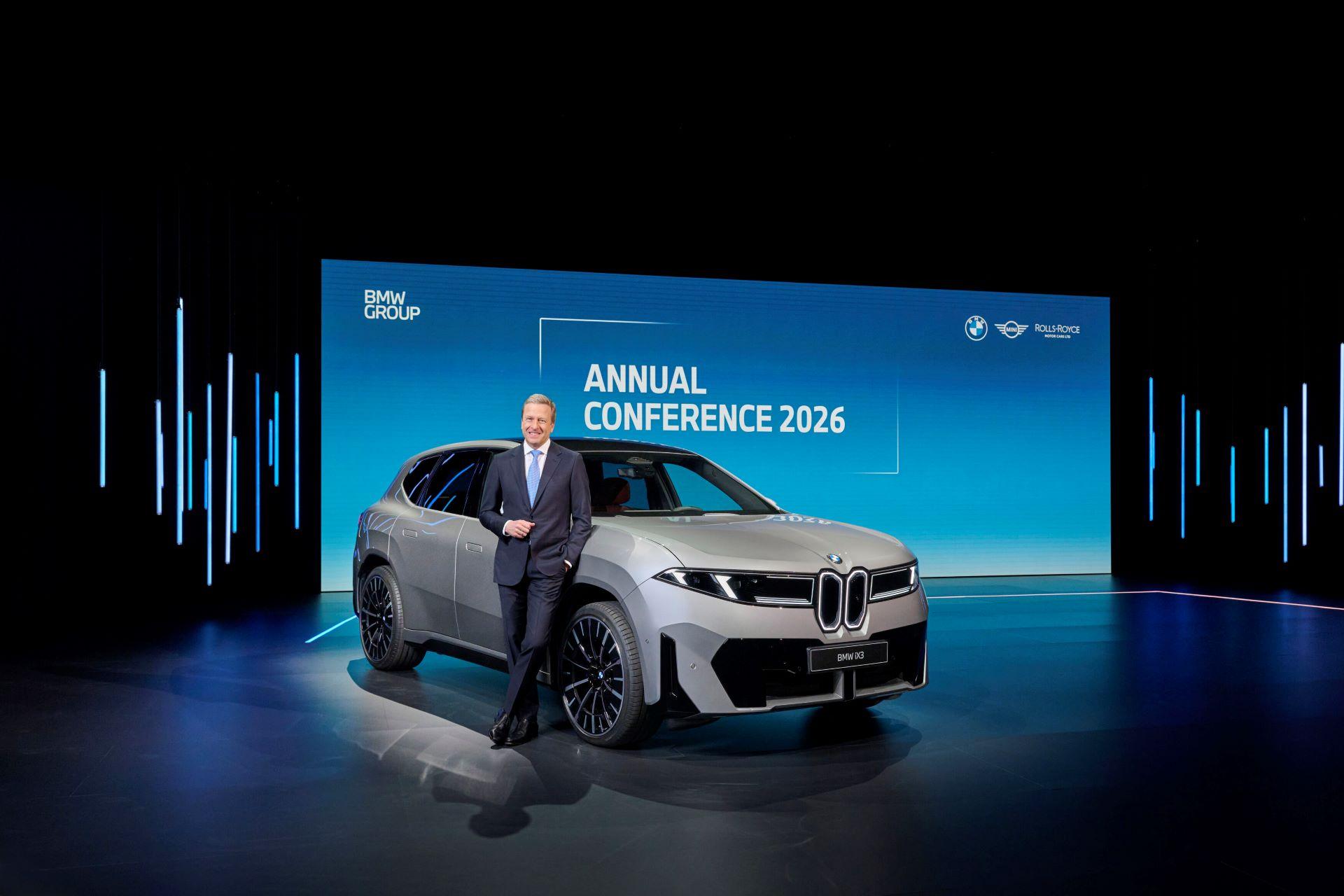
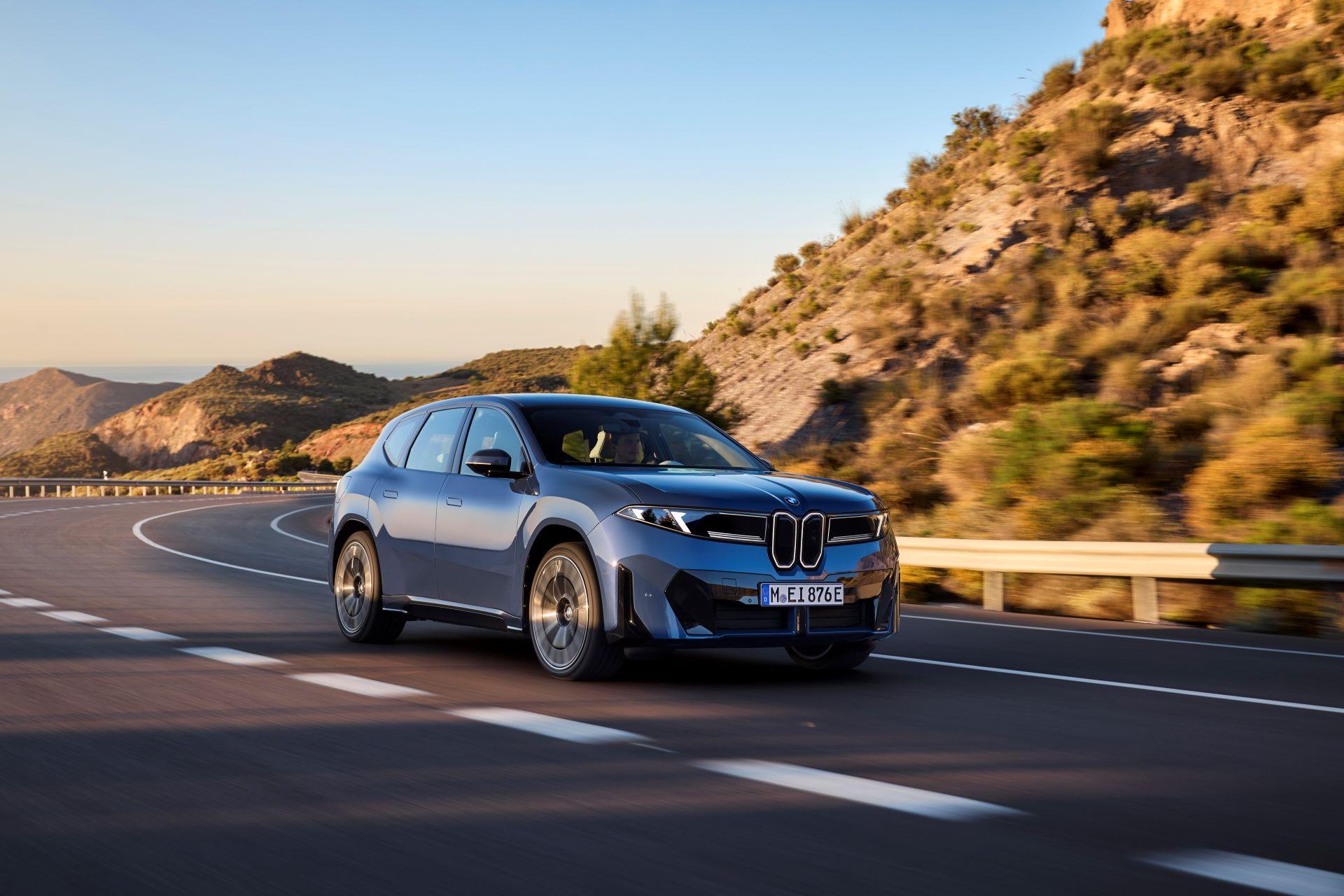
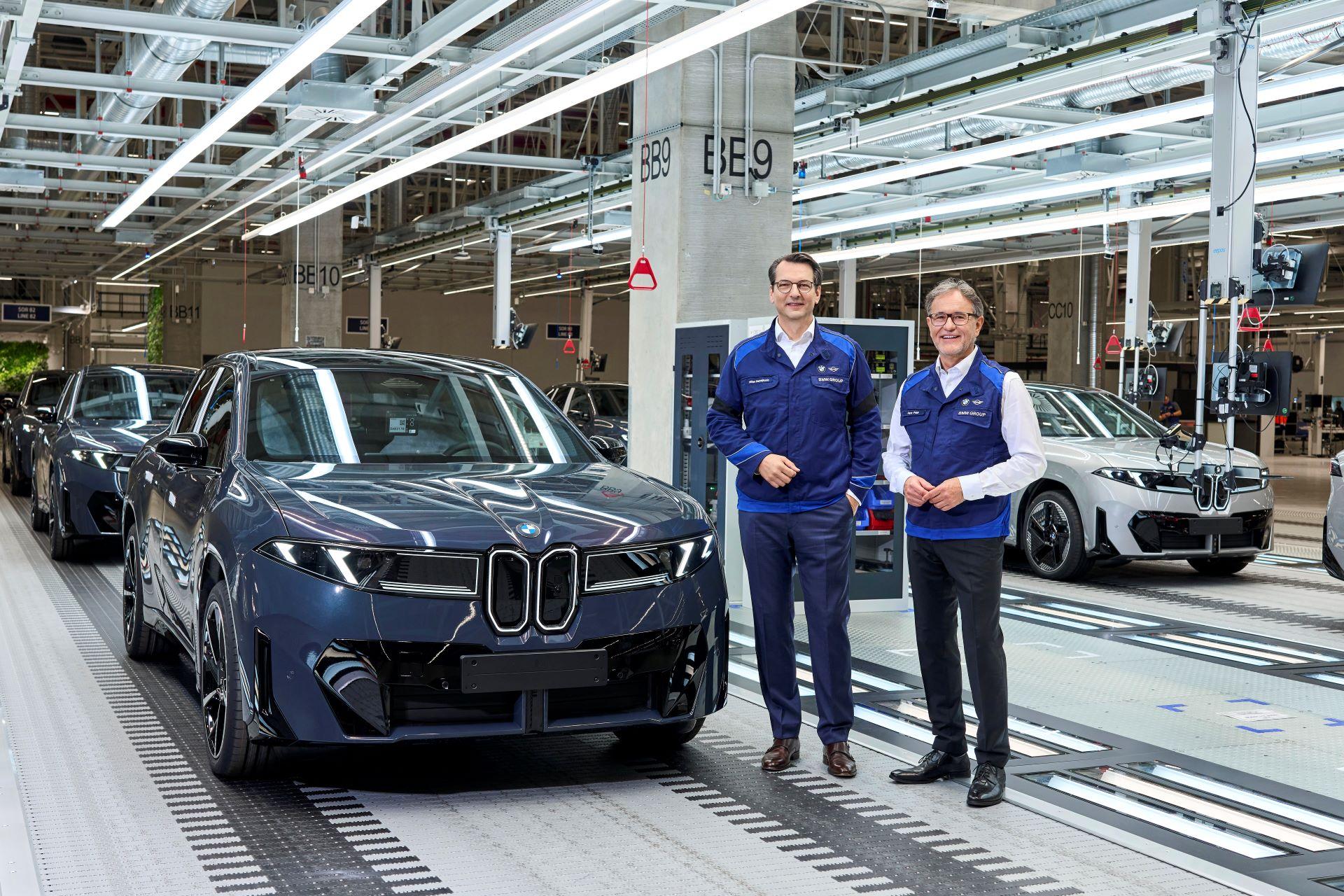
In response to the challenges of Q3, BMW Group has reaffirmed its financial guidance for 2024 while anticipating improved sales volume in Q4. The company is maintaining its projected cash flow of over €4 billion, with CEO Oliver Zipse expressing confidence in BMW’s dual focus on immediate earnings and the company’s future trajectory. “We are striking a balance between securing short-term earnings and long-term success,” Zipse said, underscoring BMW’s dedication to substantial investments in electrification, decarbonization, and digitalization as it prepares to launch its NEUE KLASSE model range next year.
These capital expenditures are central to BMW’s sustained competitiveness. With R&D expenses rising to €6.6 billion for the year-to-date—a 27.2% increase from last year—the automaker has made clear its intention to lead in innovative automotive technology. A substantial part of this investment supports the company’s NEUE KLASSE, which emphasizes advanced electric capabilities, minimized environmental impact, and increased digital integration across the product portfolio.
Q3 Financial Results Reflect Strategic Adjustments
BMW’s Q3 revenue totaled €32.4 billion, marking a 15.7% year-on-year decline largely due to lower vehicle deliveries and added costs related to the IBS issue. Group operating profit (EBIT) also dropped by 61% to €1.7 billion, primarily impacted by decreased sales in higher-end models in China and additional warranty provisions. Furthermore, negative valuation effects resulting from lower interest rates contributed to a Group financial result of -€858 million.
In the Automotive Segment, BMW posted revenues of €27.9 billion, a 13.2% decline year-on-year, while EBIT decreased by 79.8% to €634 million. Despite these impacts, BMW’s robust balance sheet and targeted operational strategies have enabled the automaker to mitigate potential disruptions and preserve market stability.
Streamlined Operations and Strategic Inventory Reduction
In Q4, BMW plans to expedite the replacement of IBS components in both customer-owned and stock vehicles, aiming to release blocked inventory back into the market. This move is expected to stabilize inventory levels and improve cash flow. Walter Mertl, BMW Group’s CFO, commented on the company’s financial discipline, noting that “stringent management” will support BMW’s auto free cash flow forecast, even with increased capital expenditures. Mertl also emphasized that sequentially higher deliveries and a refined product mix will be key contributors to stronger earnings in the fourth quarter.
Financial Services Segment Drives Consistent Growth
BMW’s Financial Services Segment showed resilience with a 12.5% increase in new financing and leasing contracts, totaling 1.25 million in the first nine months. The segment’s new business volume expanded to €46.5 billion, reflecting a 13.6% increase year-on-year, bolstered by robust demand and increased penetration rates. While lower end-of-lease vehicle resale revenues and normalizing used car market conditions impacted the segment’s earnings, the Financial Services Segment reported an EBT of €2.1 billion.
Adjusted Guidance Reflects BMW’s Strategic Adaptability
Looking ahead, BMW is maintaining its full-year guidance, with an expected EBIT margin of 6-7% for the Automotive Segment and a return on equity of 15-18% in Financial Services. The Motorcycle Segment is projected to maintain stable deliveries, with an EBIT margin of 6-7% and a return on capital employed (RoCE) of 14-16%.
The company’s guidance also emphasizes its continued flexibility and market adaptability, allowing it to navigate shifting economic landscapes while pursuing long-term growth. As BMW leverages its diverse and innovative product lineup, its sustained investment strategy positions the company to capture evolving demand trends and uphold its premium positioning in the automotive industry.
Despite a challenging third quarter marked by technical hurdles and fluctuating demand, BMW Group remains committed to its ambitious vision. Its proactive approach to investment and targeted operational adjustments reflect a company poised to secure both near-term resilience and enduring growth. As 2024 nears its end, BMW’s strategic focus on electrification, digitalization, and market adaptability ensures it is well-prepared for a future of sustainable automotive innovation.