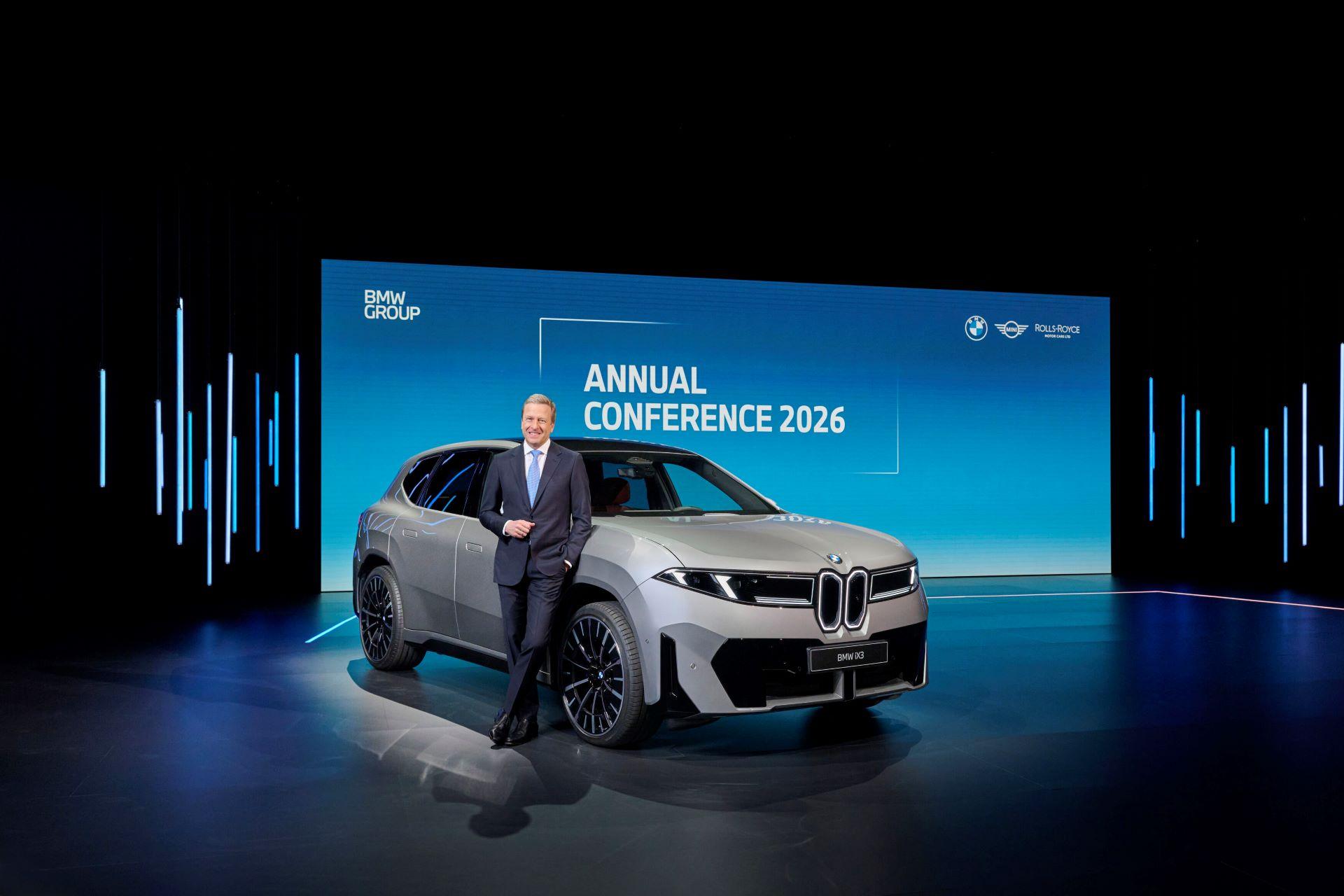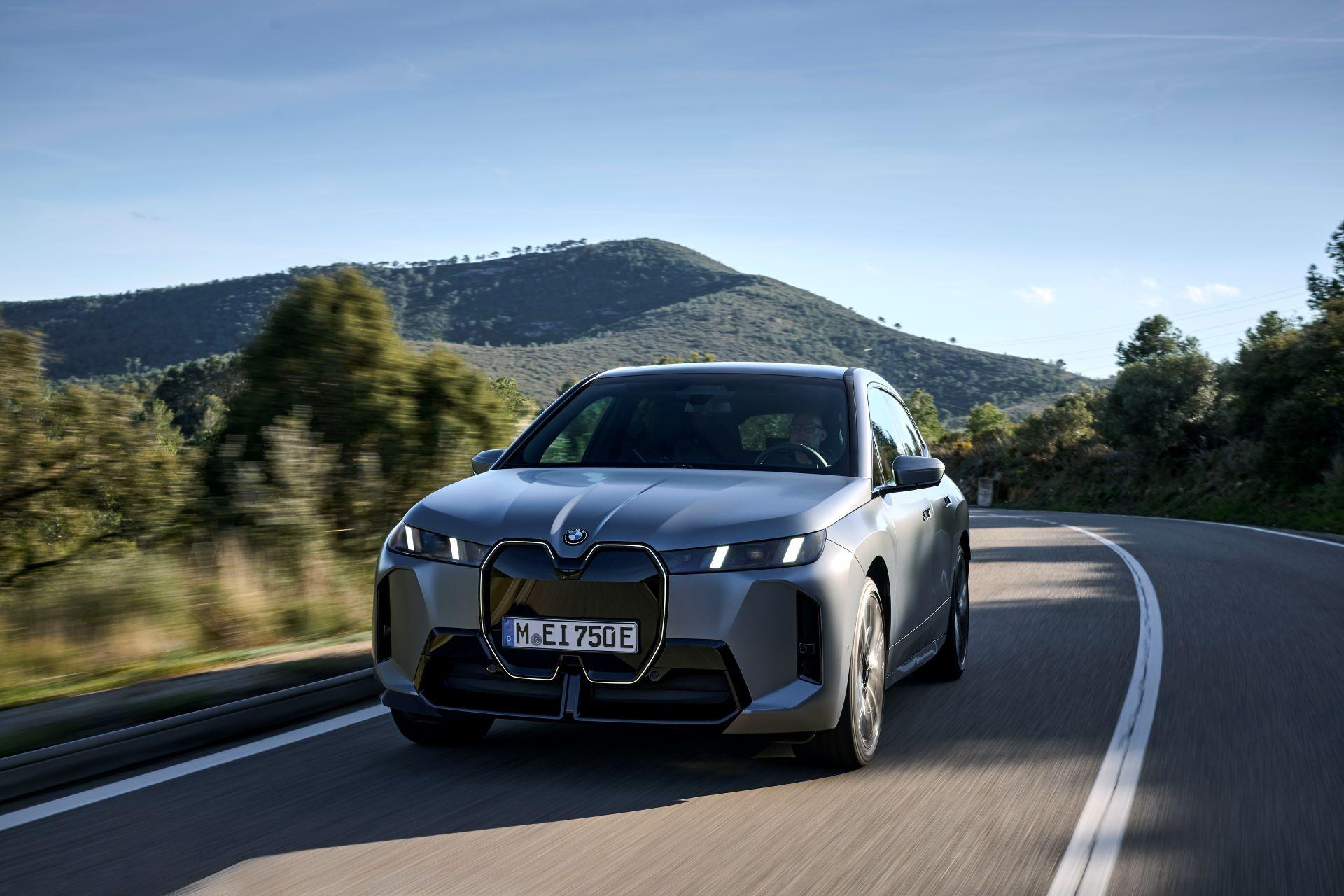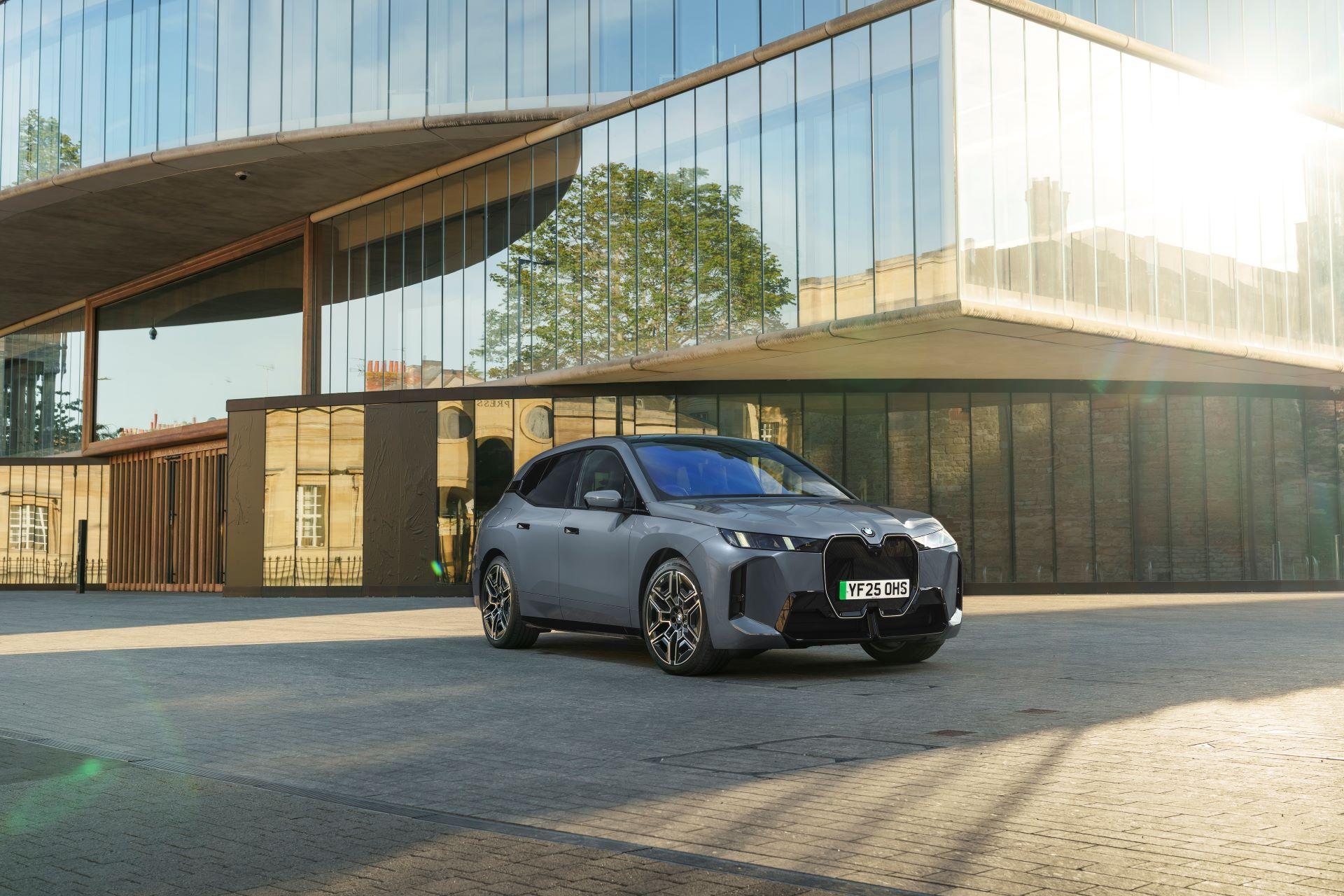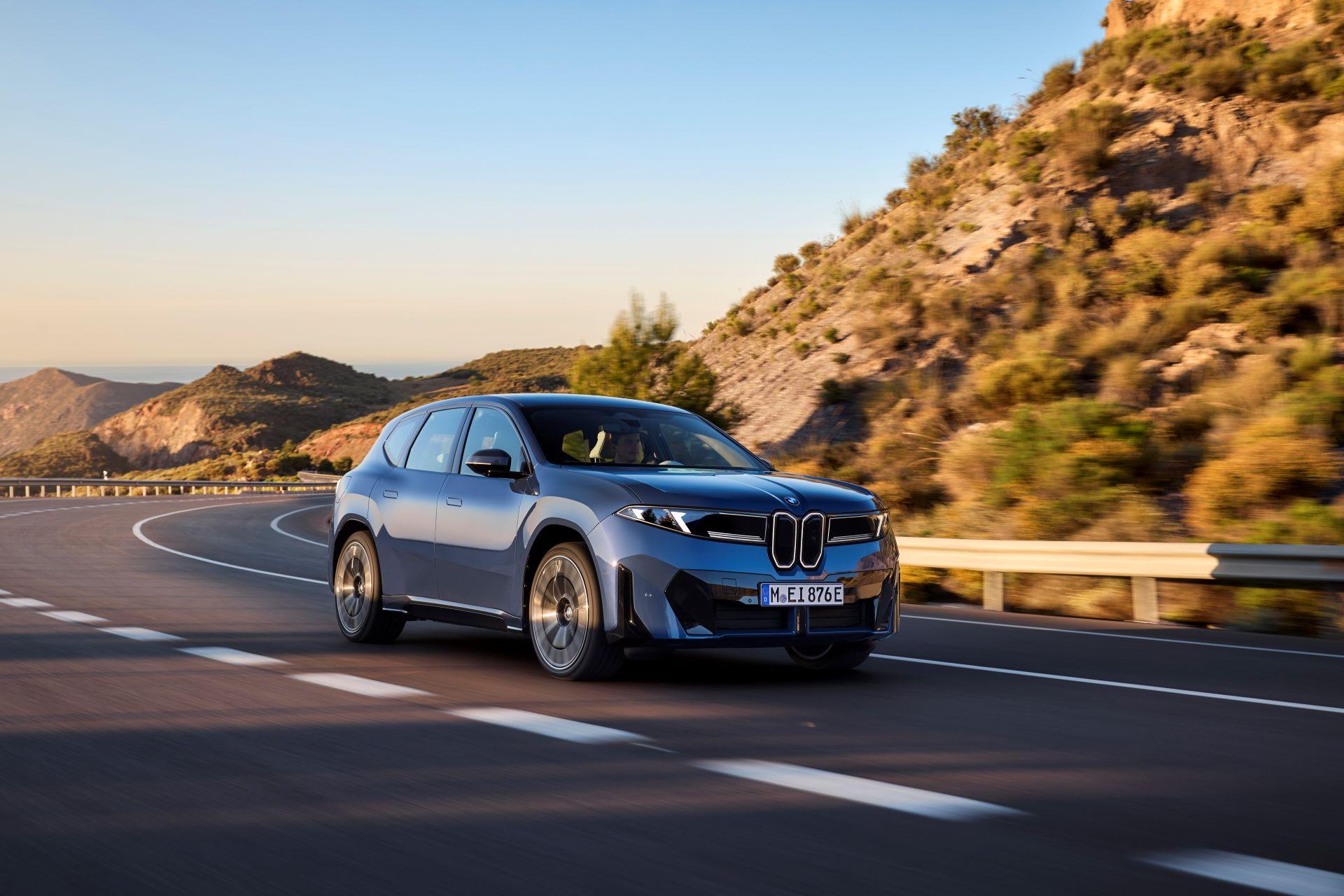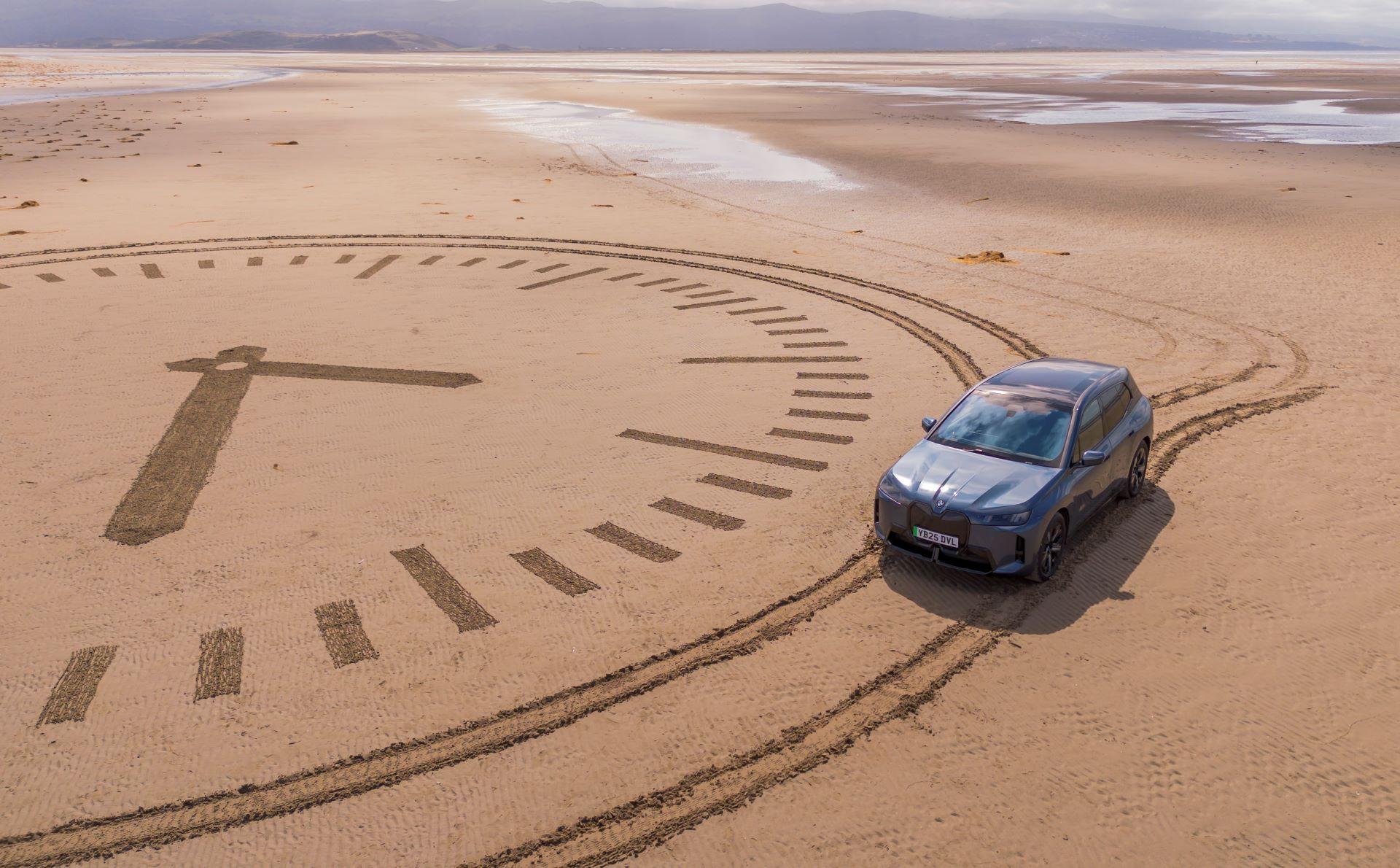



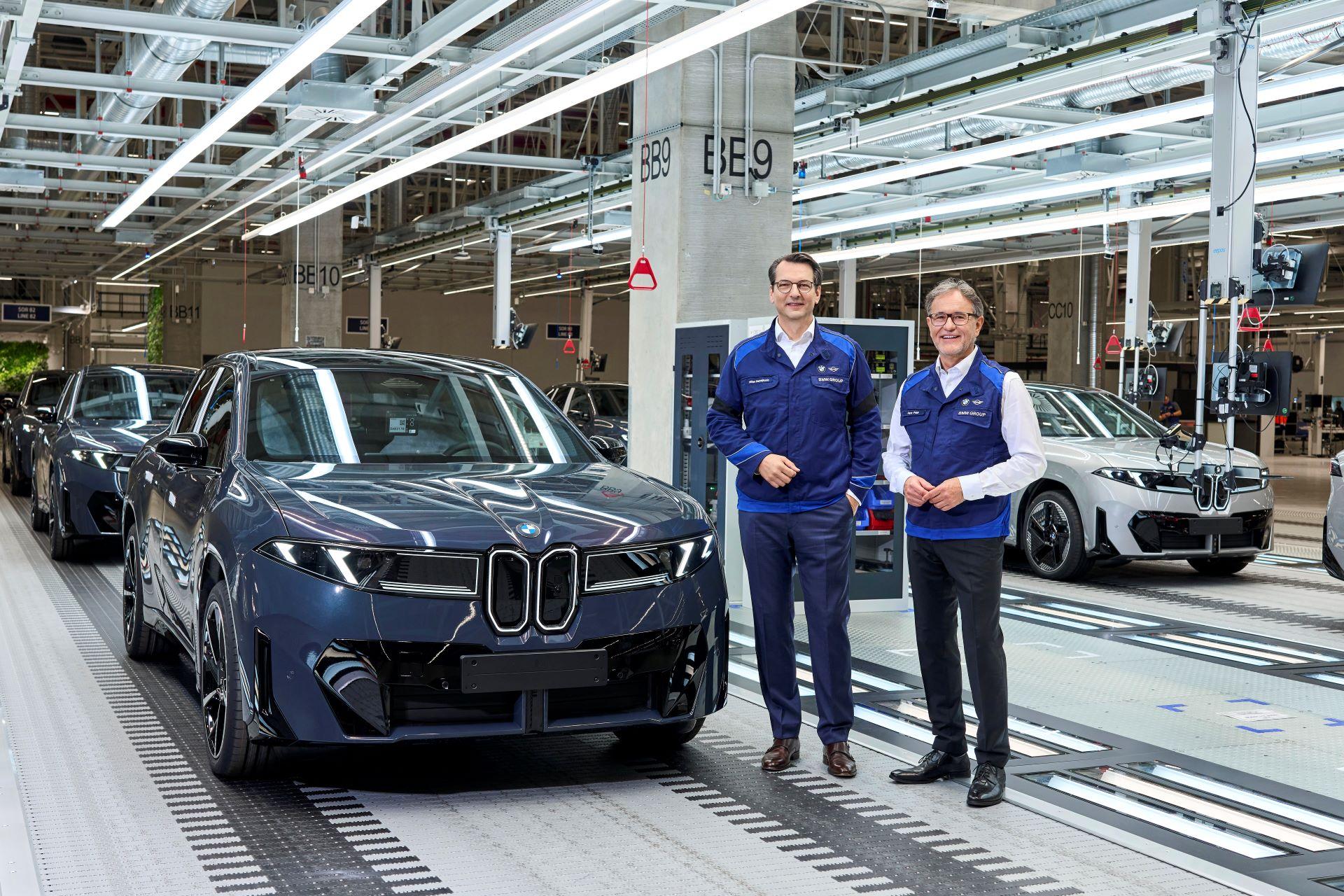
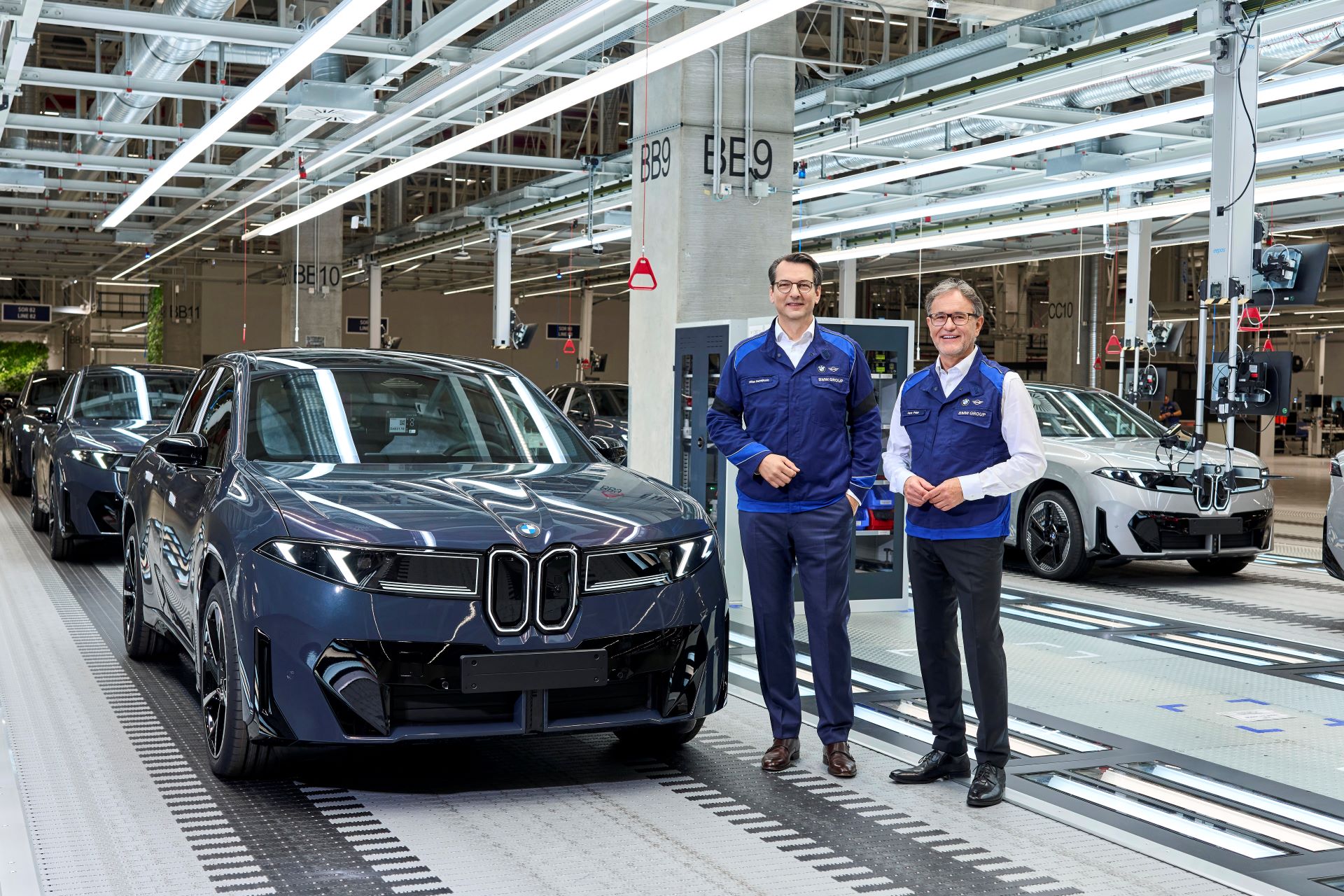
Debrecen, Hungary – The BMW Group’s next-generation production hub is ready to redefine the future of automotive manufacturing. As the company prepares to launch series production of the all-electric BMW iX3 in late October, its new Debrecen plant becomes the first in the global BMW network to operate entirely on renewable electricity during normal operations—without the use of fossil fuels.
A Milestone for the Neue Klasse
The BMW iX3 is the first model of the much-anticipated Neue Klasse, a product family that will carry the brand’s design and technology language into the next decade. Between now and 2027, the Neue Klasse’s advanced innovations will be integrated into 40 new models and updates. For Milan Nedeljković, BMW AG Board Member for Production, the Debrecen plant is central to that strategy:
“The start of series production for the BMW iX3 signals a new era of automotive manufacturing. Digital from the very beginning, the plant offers a new dimension in efficient production without fossil fuels.”
The iFACTORY Vision in Action
Debrecen embodies BMW’s “iFACTORY” philosophy—lean, green and digitally driven. From its inception, the facility was planned and tested entirely in a virtual environment. BMW’s Virtual Factory enabled engineers to run a full digital simulation of every process long before construction was complete.
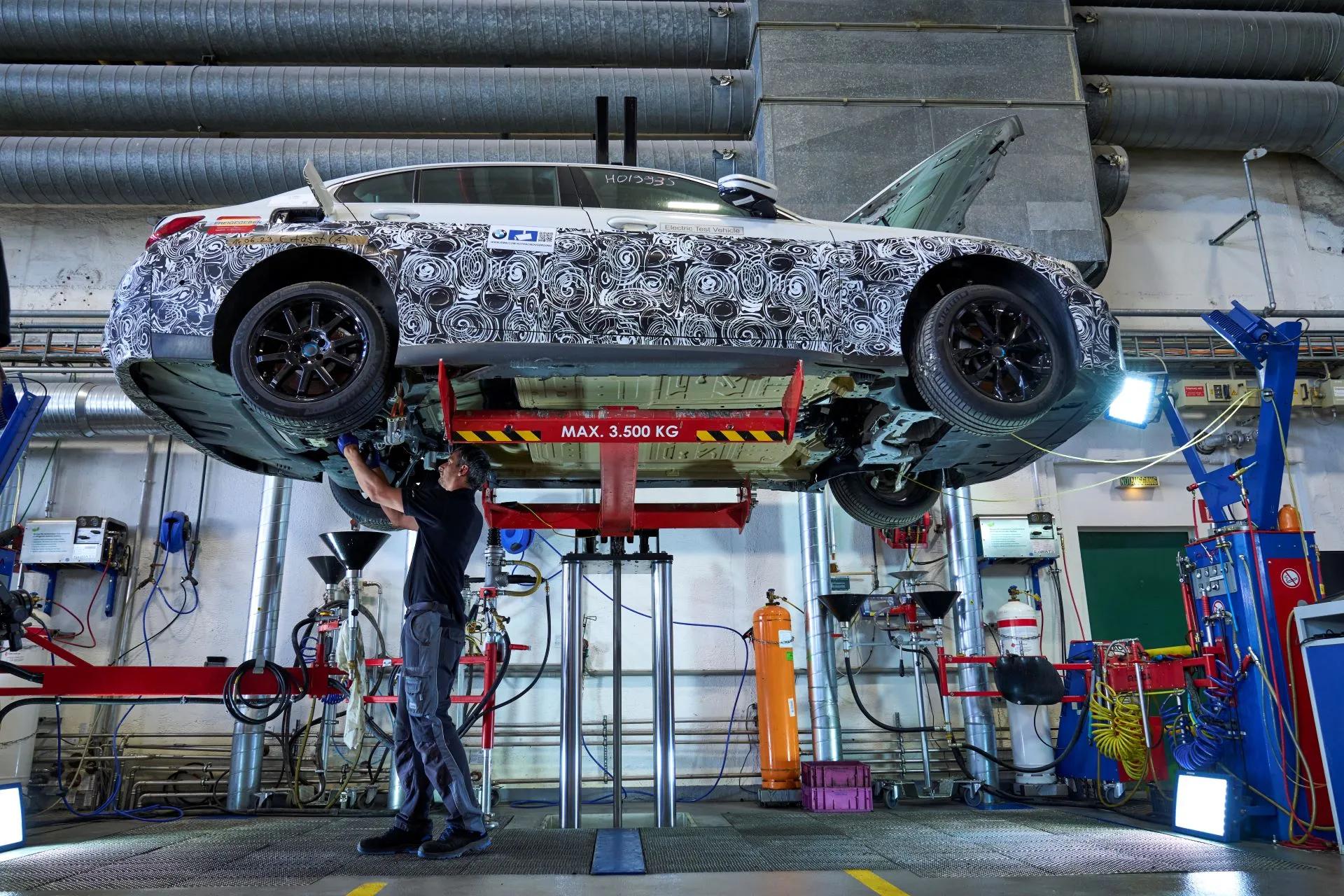
This digital-first approach means every step—from press shop to final assembly—has been optimised. The body shop’s nearly 1,000 robots were virtually positioned for maximum efficiency, while joining methods were reduced to simplify processes and cut complexity. Even design details, such as the Neue Klasse’s seamless door seals and optimised battery space, were developed in tandem with production teams for maximum customer benefit.
A Paint Shop Powered by Renewables
Nowhere is Debrecen’s clean-energy strategy more evident than in its state-of-the-art paint shop. Traditionally, paint processes depend on gas-fired systems to reach the required 180°C. Here, electricity from renewable sources provides all the energy needed, eliminating fossil fuels altogether.
This single innovation reduces annual CO₂e emissions by up to 12,000 tonnes. Roughly a quarter of the plant’s total electricity will come from an on-site 50-hectare photovoltaic installation, with surplus solar energy stored in a 1,800 m³ thermal storage system capable of holding 130 MWh of energy for later use.
Thanks to these measures, producing a BMW iX3 in Debrecen will generate roughly 80 kg of CO₂e across BMW’s internal network—a cut of about two-thirds compared to existing BMW models. For the Debrecen plant itself, emissions fall by around 90% to just 34 kg CO₂e per vehicle, even including the high-voltage battery.
AI and Intelligent Logistics
Artificial intelligence is the backbone of Debrecen’s production efficiency. BMW’s in-house AIQX (Artificial Intelligence Quality Next) platform uses sensors and cameras to monitor quality in real time, providing instant feedback to workers and enabling predictive analysis.
The vehicles themselves will soon become active participants in the plant’s industrial IoT ecosystem—conducting self-analysis, interacting with staff and sharing diagnostic information through on-board cameras and IT systems.
Meanwhile, a “finger structure” layout—refined from BMW’s Leipzig plant—ensures 80% of parts are delivered directly to their point of assembly. Autonomous tugger trains transport high-voltage batteries from production to the line, while Smart Transport Robots ferry smaller components. Linking all internal and external databases allows instant analysis of logistics data at the push of a button.
Gen6 Batteries Built on Site
Debrecen will also be the first BMW facility worldwide to begin series production of Gen6 high-voltage batteries—technology developed entirely in-house. These batteries are critical to the Neue Klasse’s next generation of electric vehicles.
Production processes were trialled at pilot plants and perfected using digital twins and AI-driven quality control. Following a “local for local” principle, high-voltage battery assembly happens directly on site, shortening supply chains and boosting efficiency.
A Blueprint for the Future
Hans-Peter Kemser, head of BMW Group Plant Debrecen, calls the facility a model for the company’s next era of manufacturing:
“We have taken on the challenge of building a completely new vehicle as the first job at an entirely new plant – and doing so in the leanest, most efficient way possible. The result is a facility that is not only flexible enough to integrate additional models but also a benchmark for sustainable production.”
As BMW prepares to ramp up output of the iX3 and future Neue Klasse vehicles, the Debrecen plant stands as a living showcase of the company’s iFACTORY vision: fully electric, fully digital, and fully aligned with the carbon-neutral future of premium mobility.