BMW Group is taking a bold step in advancing the circular economy with the relocation and expansion of its Recycling and Dismantling Centre (RDC) from Unterschleißheim to the Wackersdorf site. Scheduled for commissioning in early 2029, the new facility will become a cutting-edge Competence Centre Circularity, reinforcing BMW’s commitment to resource efficiency, sustainability, and technological innovation.
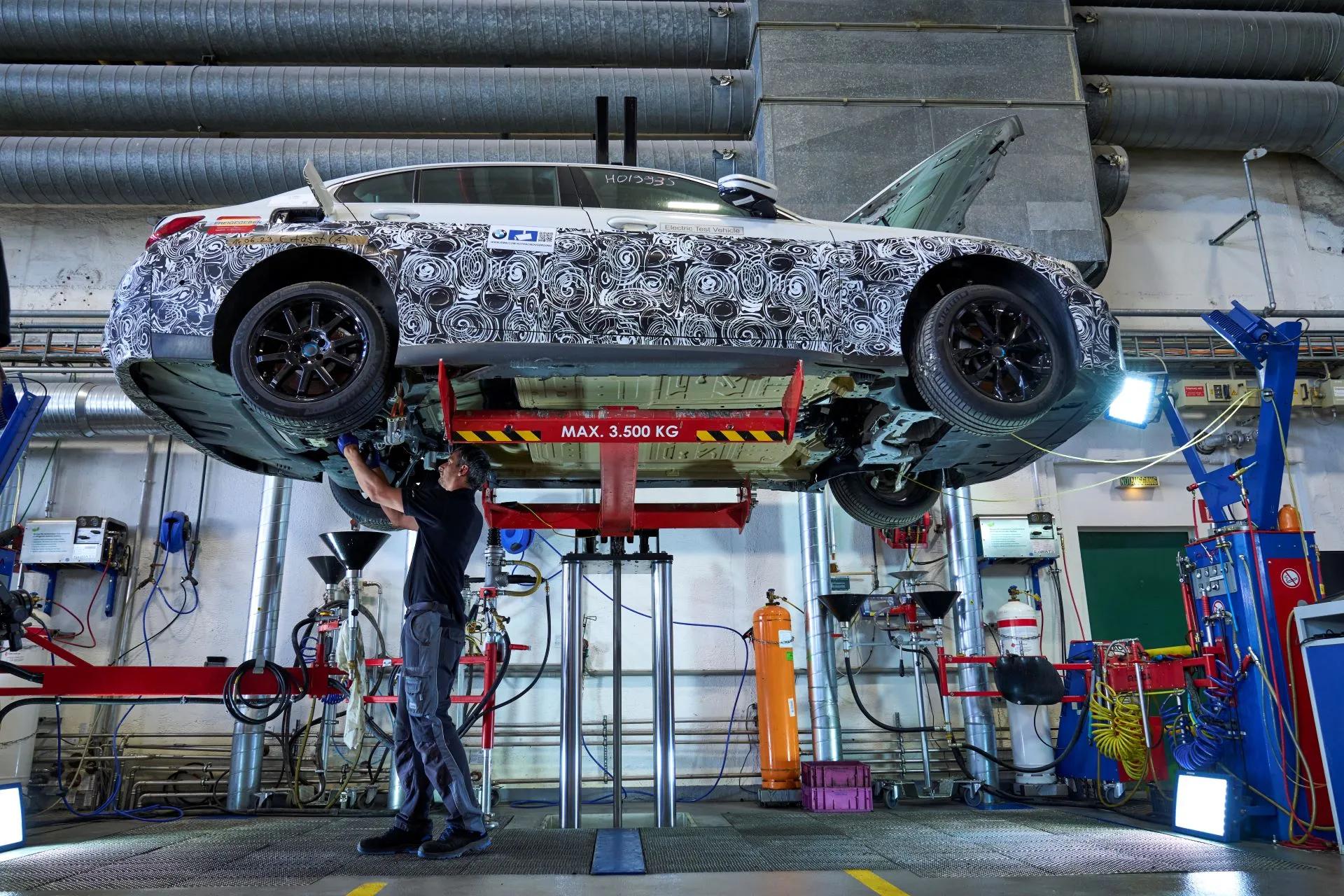
For over three decades, the RDC has pioneered methods for recycling automotive components and recovering valuable materials, insights that now feed directly into BMW’s product development. By moving to Wackersdorf, these activities will be further integrated with process, material, and technology development, creating a hub that will also focus on hydrogen vehicle recycling, automation of dismantling processes, and advanced shredding and sorting technologies.
Jörg Lederbauer, Vice-President Circular Economy, Spare Parts Supply High Voltage Battery and Electric Powertrain at BMW Group, emphasizes that the move underscores the company’s dedication to keeping materials in the cycle and reducing dependence on primary raw materials. High-quality secondary materials are set to play a growing role in lowering vehicles’ carbon footprints, while strengthening the company’s circular value chain.
The Wackersdorf location offers strategic advantages, with a track record of flexibility across multiple production areas, including cockpit and Rolls-Royce door production, parts supply for international plants, and battery testing. The establishment of the Competence Centre Circularity builds on this foundation, offering employees a forward-looking area of activity while reinforcing BMW’s long-term presence in the region.
The RDC’s work has global impact, supporting around 3,000 businesses across 32 countries with a shared recycling database that provides guidance on cost-effective component disassembly and material recovery. The new Competence Centre Circularity will further enhance BMW’s role as a leader in sustainable automotive practices, while creating strong regional value through close collaboration with local universities and technology transfer initiatives.
With planning now underway, the RDC in Unterschleißheim will remain fully operational until the move is complete. BMW Group will continue to provide updates as the project progresses, signaling a future where sustainable mobility and circular economy principles are embedded at the core of automotive innovation.