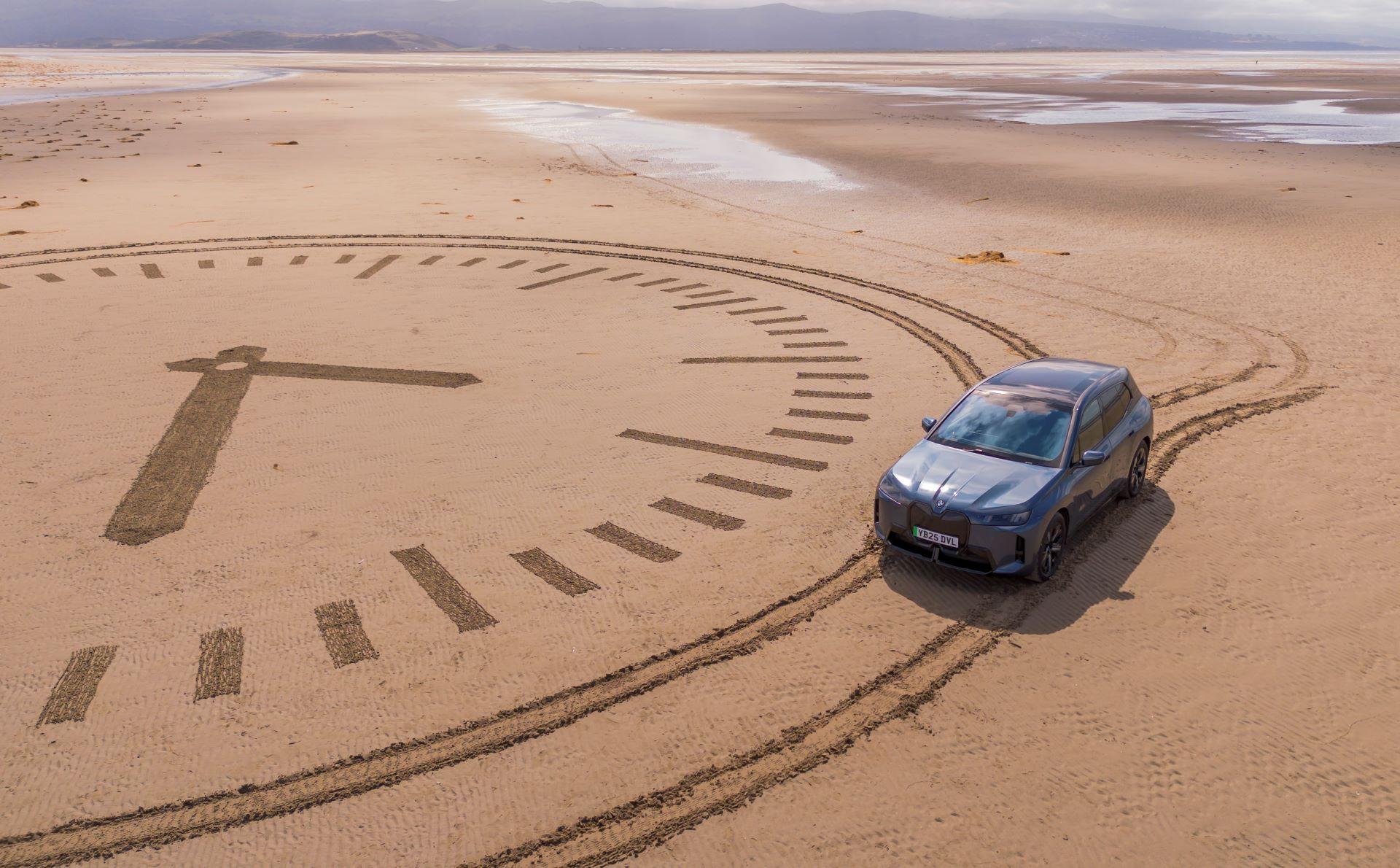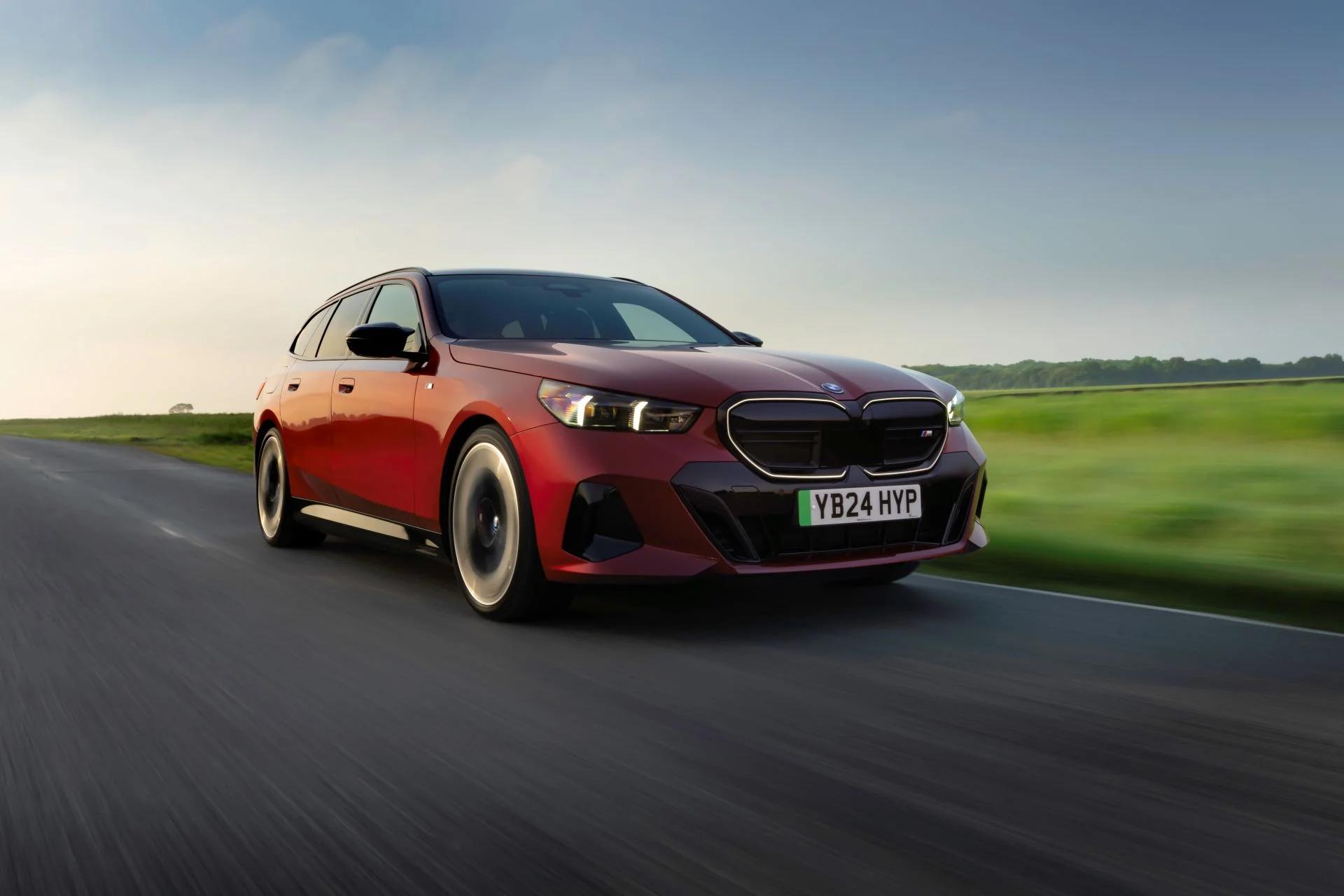



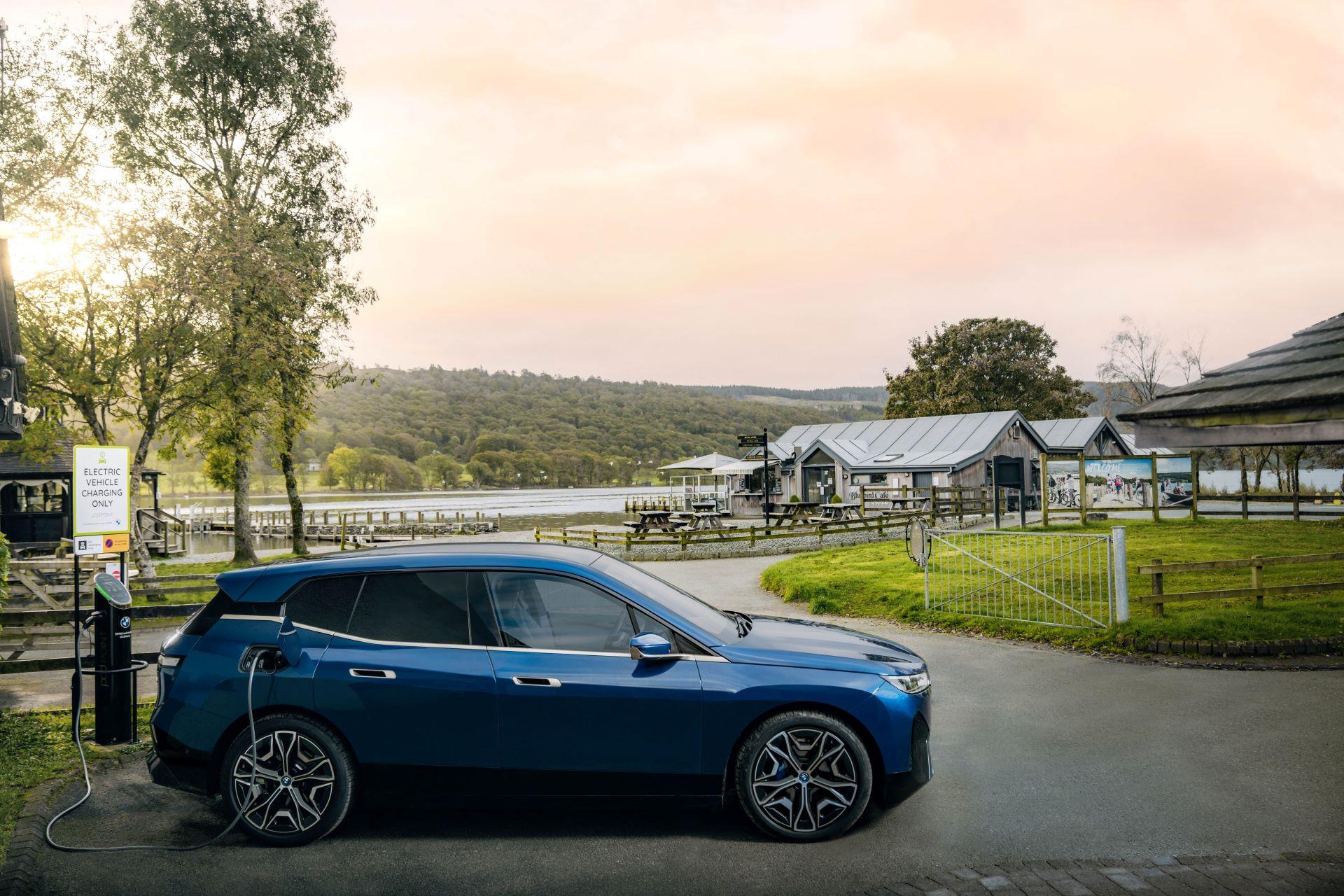
28 July 2025 – BMW UK and UK National Parks today mark the third anniversary of their landmark Recharge in Nature partnership by celebrating the far-reaching achievements made since the initiative’s inception in 2022. Designed to support sustainable access to Britain’s fifteen National Parks, the partnership has delivered major investment in electric vehicle infrastructure, biodiversity restoration, and community wellbeing initiatives, underpinned by BMW’s £1 million commitment to the project.
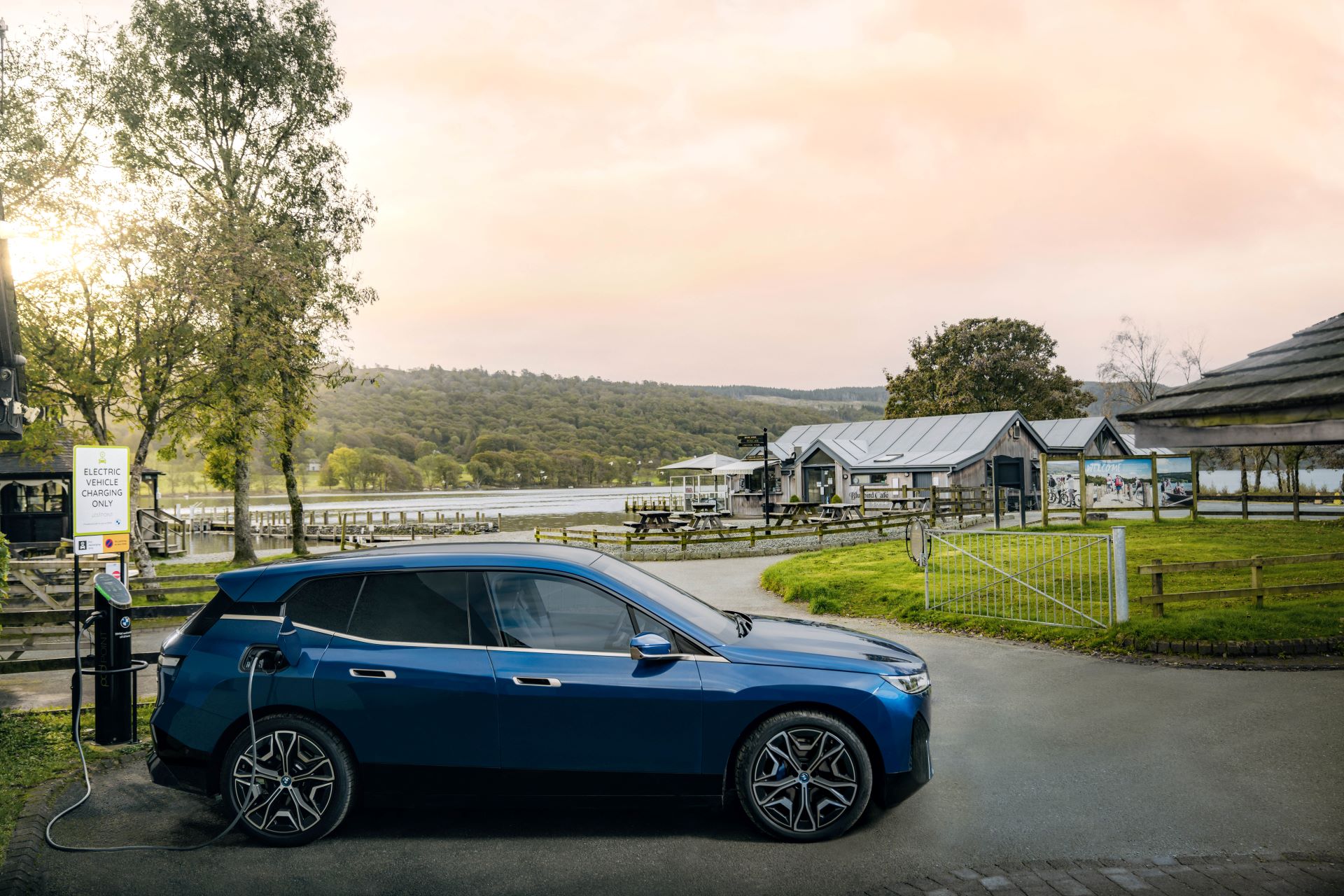
At the core of Recharge in Nature is a strategic effort to expand the UK’s rural EV charging network. Over the past three years, the partnership has funded the installation of 135 new EV charging sockets across the National Parks – with live chargers now operational in eight Parks including the Lake District, Peak District, Yorkshire Dales, North York Moors, Dartmoor, New Forest, and Bannau Brycheiniog. Completion of installations across the remaining seven Parks, including Northumberland, South Downs, and the Broads, is on track for November.
These new chargers have been carefully located to serve both local communities and visitors, addressing key infrastructure gaps and enhancing sustainable travel options to and within these protected landscapes. In the Broads, the programme is even extending to include charging posts for electric boats – a first for the initiative.
“Recharge in Nature is a shining example of how partnerships with business can drive meaningful progress,” said Emily Barrow, Brand Communication Manager at BMW UK. “Through investment in electric infrastructure and nature restoration, we’ve created a lasting legacy that supports not just the environment, but also the communities that care for and enjoy these incredible spaces.”
Beyond infrastructure, the partnership has empowered the National Parks to deliver fifteen transformative biodiversity and community projects across the UK, chosen and managed by on-the-ground experts to address local needs.
In Eryri (Snowdonia) National Park, environmental measures funded through the programme have protected Llyn Tegid – Wales’s largest natural lake – from agricultural pollution. Initiatives include the planting of over 20,000 trees, the creation of three dew ponds and eight natural dams, and close collaboration with local farmers to manage runoff. Together, these efforts slow the flow of rainwater and reduce phosphate levels entering the lake, safeguarding a unique ecosystem that supports rare species such as the endemic glutinous snail.
In the North York Moors, over 3,000 hours of youth engagement activities have helped young people develop conservation skills, improve their wellbeing, and gain access to employment pathways in environmental sectors. A similar focus on youth opportunity has seen the introduction of a Youth Engagement Ranger in Dartmoor National Park, who has helped over 1,300 young people – many of whom might not otherwise access green spaces – connect with nature through guided outdoor experiences.
Catherine Hawkins, Chair of National Parks Partnerships, praised the initiative’s wide-reaching impact:
“This partnership exemplifies what can be achieved when organisations unite around shared values. BMW UK’s support has not only helped dramatically increase access to EV charging across our National Parks, but also enriched biodiversity and empowered communities. Its success marks a powerful model for future partnerships that protect nature while enabling responsible access for all.”
The final phase of the programme, now underway, includes the creation and restoration of 35 dew ponds in the Cairngorms, a hay meadow regeneration initiative in the Lake District, and an inclusive transport project in Bannau Brycheiniog, further extending the reach and impact of the partnership.
As Recharge in Nature draws to a close, it leaves behind a blueprint for how private-public collaboration can foster tangible environmental and social benefits – and it reflects BMW Group’s broader commitment to sustainability. The company continues to advance its ambitious net-zero strategy, guided by science-based targets and centred on circularity, renewable energy, and electric mobility. In 2024, battery electric vehicles accounted for 26.9% of BMW’s UK sales, while globally, BEVs and plug-in hybrids represented nearly a quarter of the BMW Group’s total deliveries.
With more than 15 all-electric models on offer and a steadfast commitment to reducing CO₂ emissions by 40 million tonnes by 2030 (compared to 2019), BMW’s sustainability journey is accelerating – much like the EVs now recharging at the heart of Britain’s most cherished natural landscapes.