


The BMW Group delivered another resilient financial performance in 2025, maintaining earnings before tax above €10 billion despite growing tariff pressures and challenging global market conditions. The German automaker reported Group EBT of €10.236 billion for the year, while its EBT margin held steady at 7.7 percent, matching the previous year and underlining the company’s ability to balance profitability with ongoing investment in electrification and innovation.
Group net profit once again exceeded €7 billion, reaching €7.451 billion and providing the foundation for a dividend proposal broadly in line with 2024. The company plans to distribute €4.40 per share of common stock and €4.42 per preferred share, maintaining a payout ratio of 36.6 percent, near the upper end of its target range.
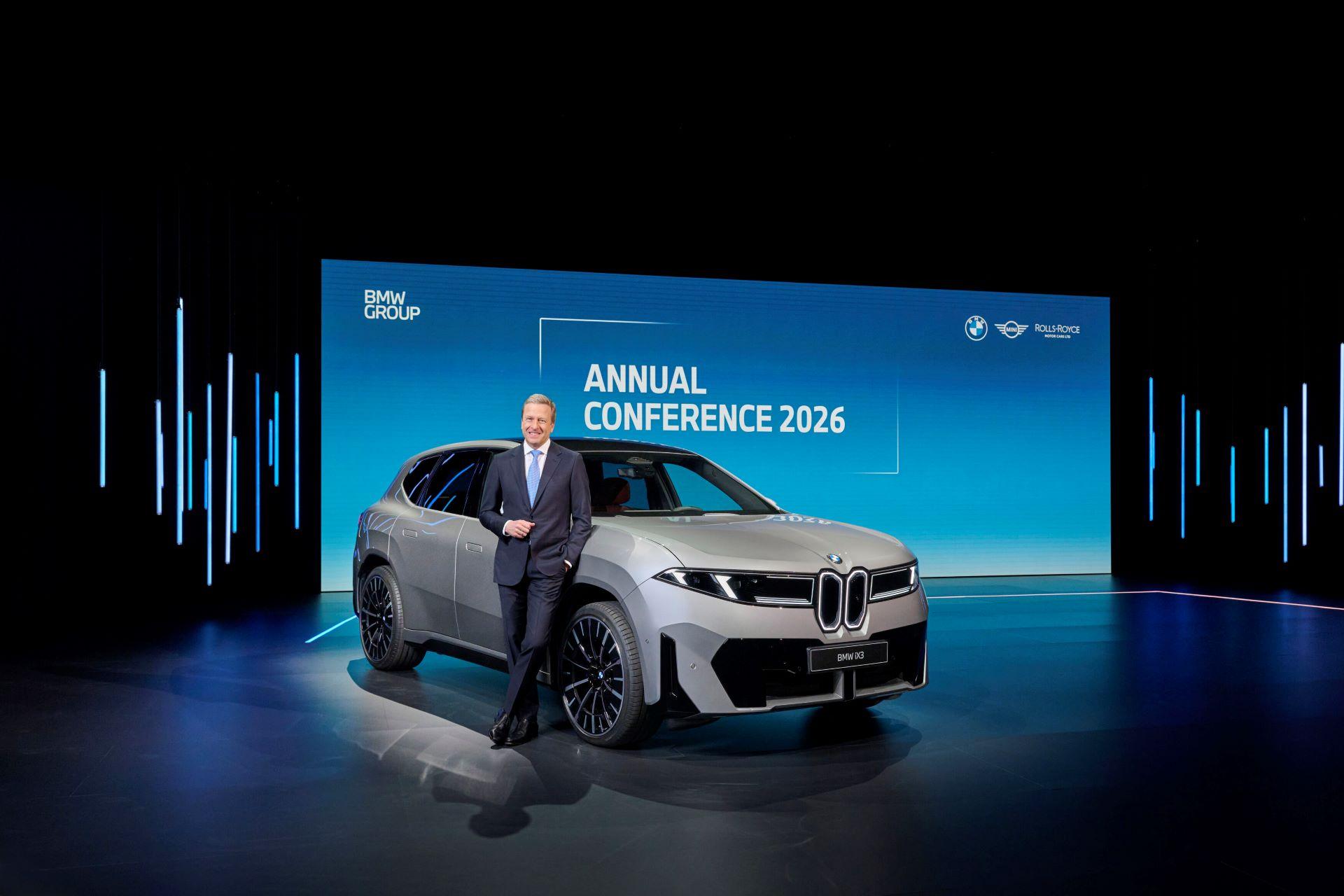
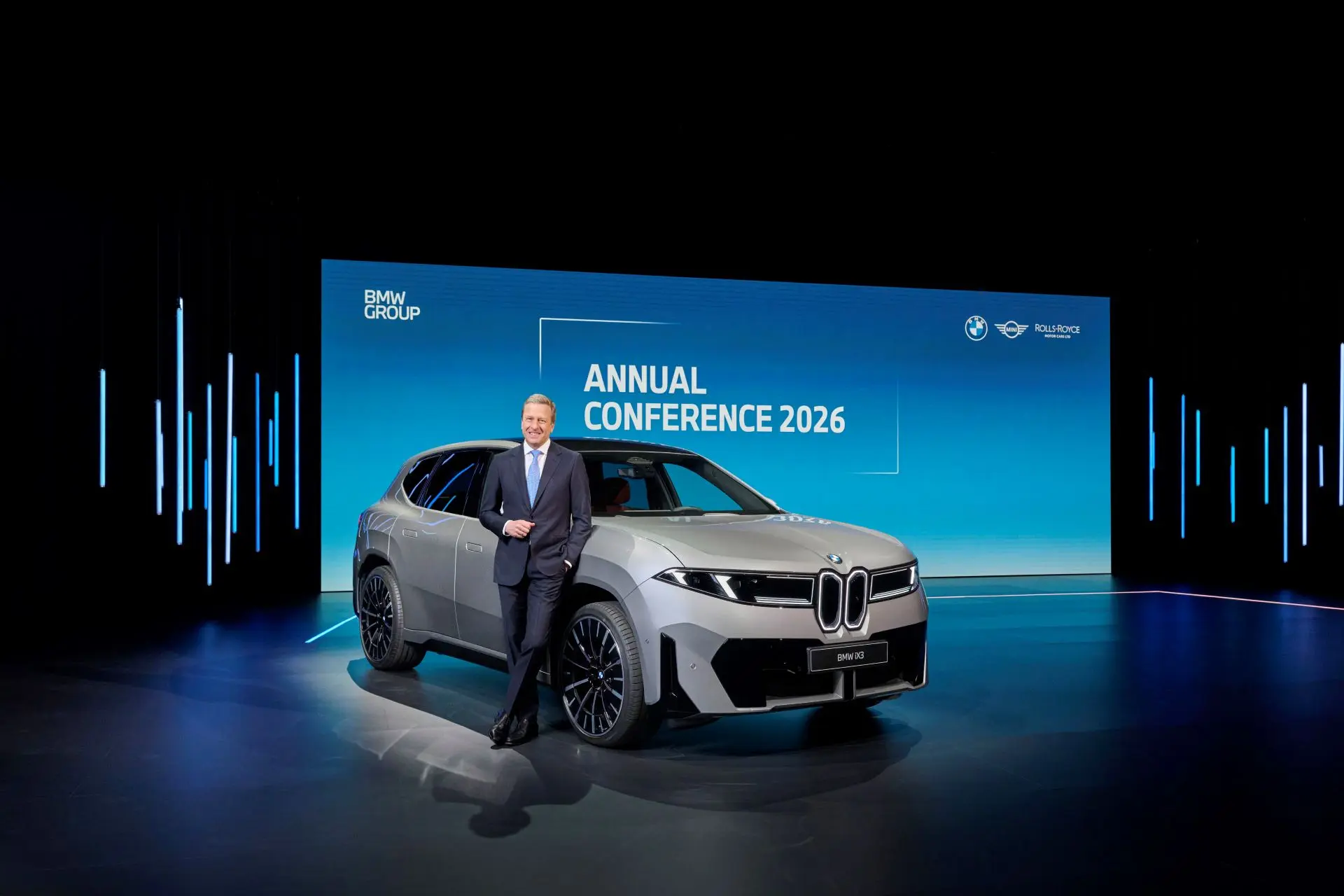
According to Oliver Zipse, Chairman of the Board of Management of BMW AG, the company’s steady performance reflects a long-term strategy built on flexibility and global reach. He emphasised that BMW’s technology-neutral approach, diverse product portfolio and international footprint have enabled the group to remain stable even amid economic and geopolitical uncertainty.
BMW’s strategy continues to embrace a wide range of drivetrain technologies, including traditional internal combustion engines, plug-in hybrids, battery-electric vehicles and, from 2028 onwards, hydrogen fuel cell models. This multi-path approach allows the company to adapt to differing regional demands while continuing to reduce emissions across its fleet. In 2025, BMW slightly exceeded European Union emissions targets with average fleet emissions of 90 grams of CO₂ per kilometre, achieved without relying on regulatory mechanisms such as pooling.
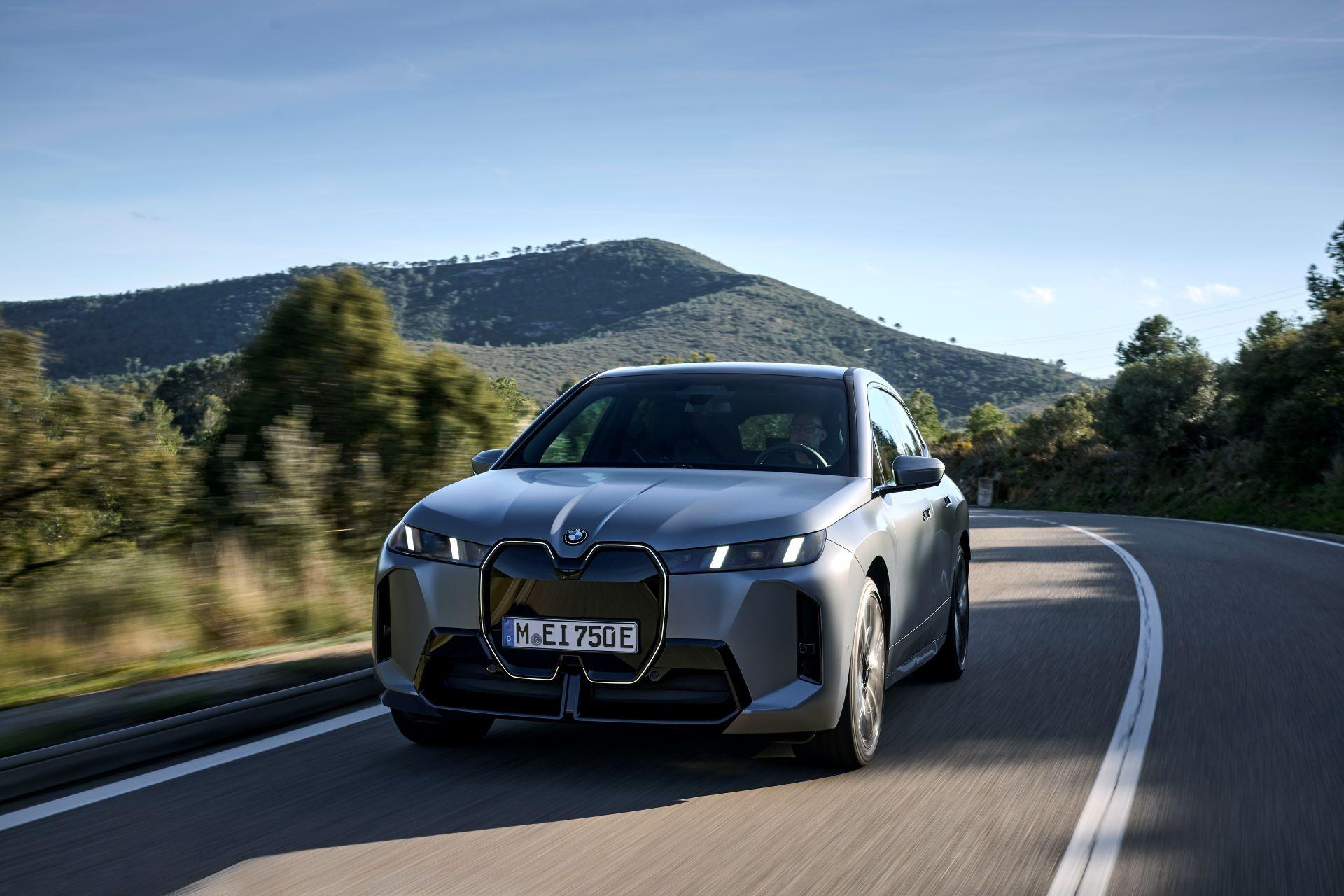
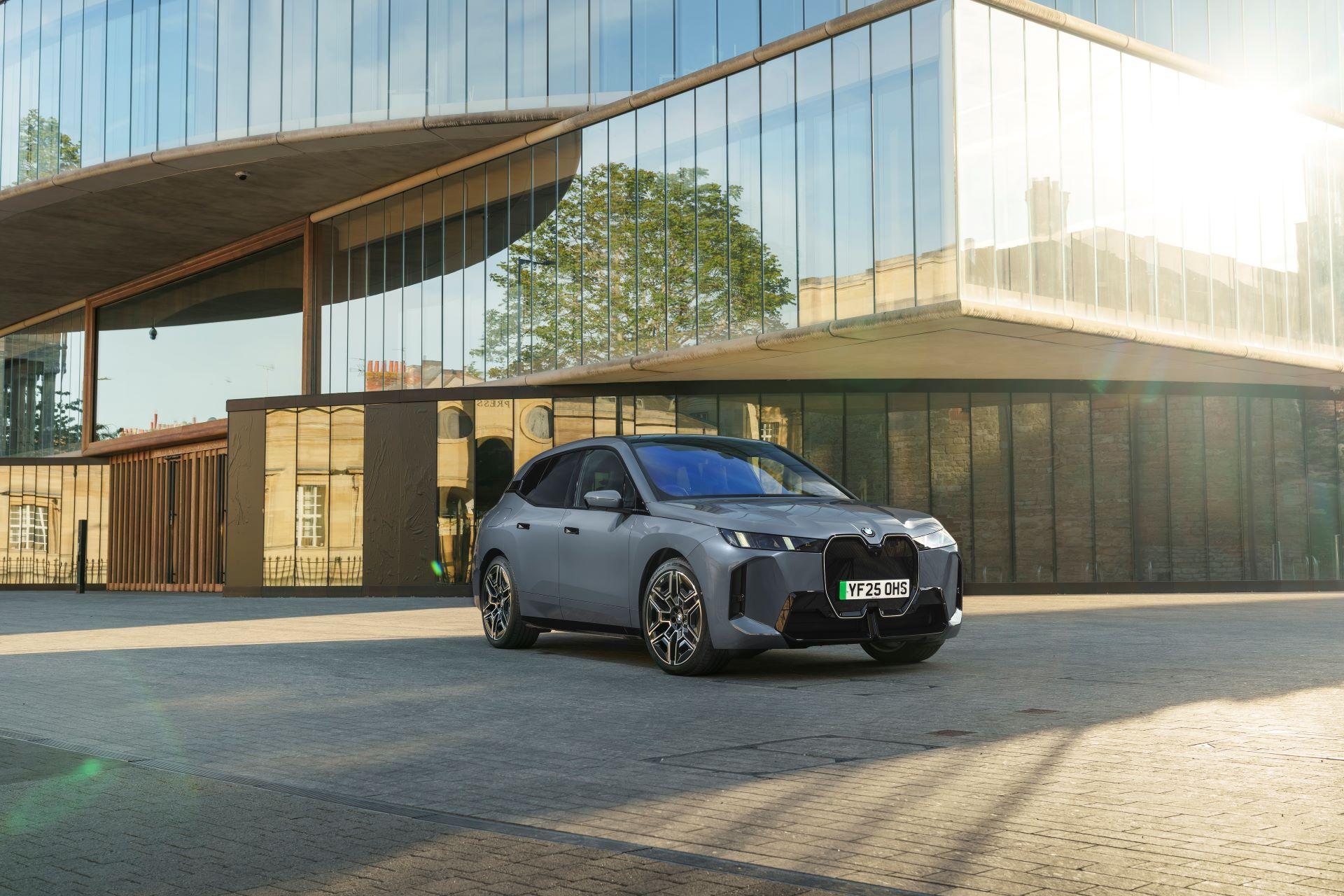
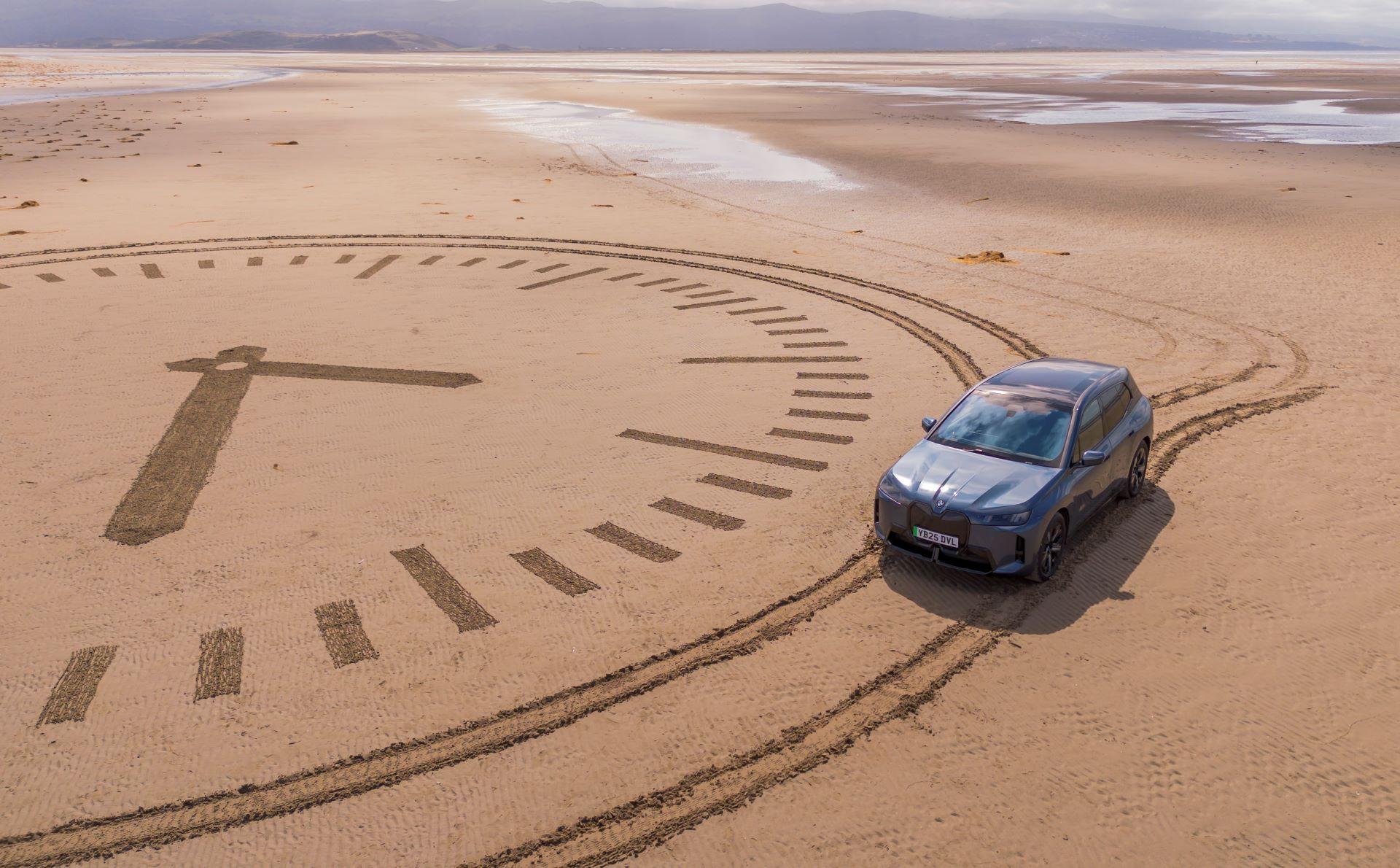
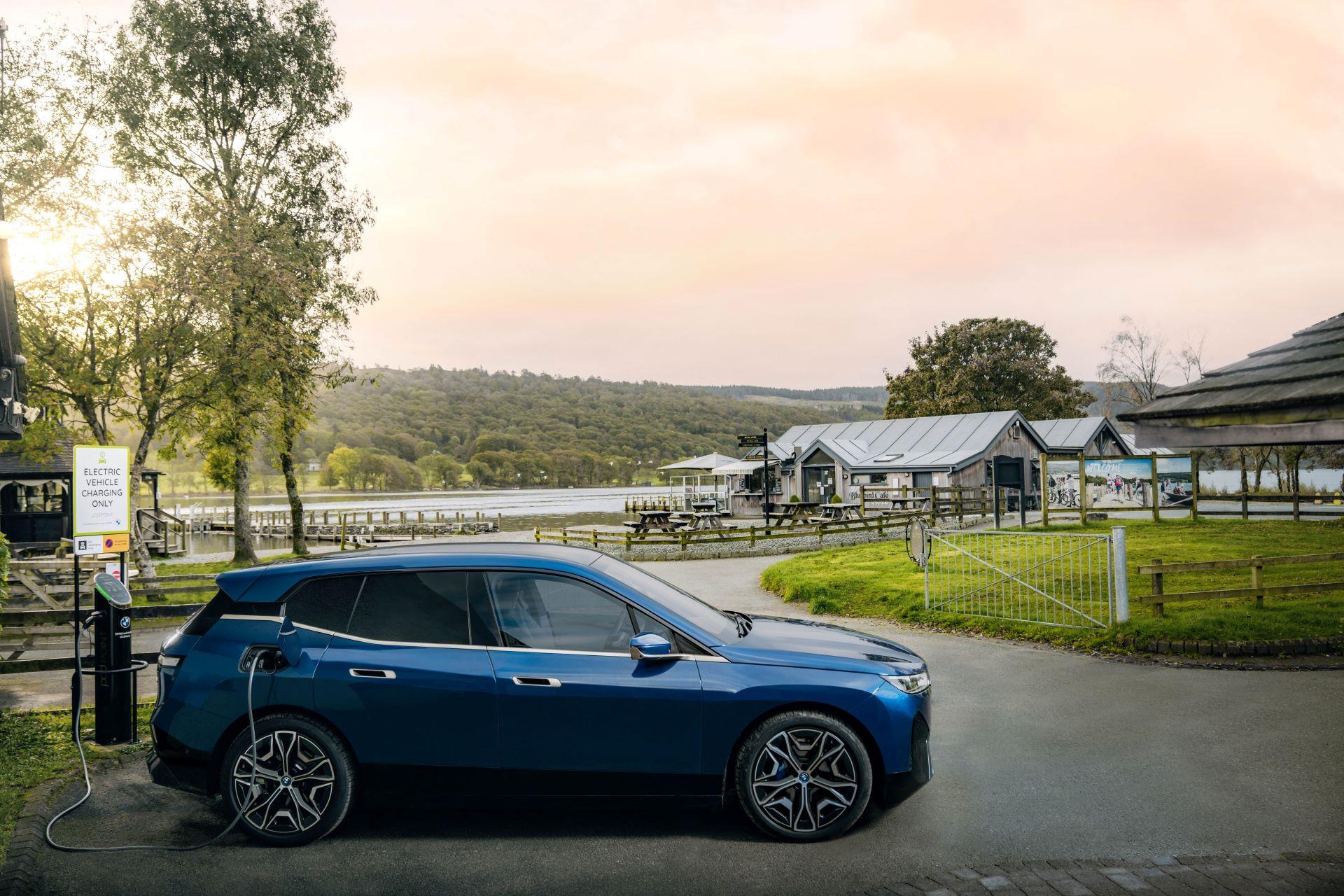
Electrification remains a central pillar of BMW’s growth plans. The group delivered 442,056 fully electric vehicles worldwide during the year, representing a 3.6 percent increase and accounting for 17.9 percent of total sales. When plug-in hybrid models are included, electrified deliveries reached 642,071 units, meaning one in four BMW Group vehicles sold globally in 2025 featured some form of electrified drivetrain.
The momentum was particularly evident in Europe, where electrified vehicles accounted for 40 percent of total BMW Group deliveries. Within the MINI brand, fully electric vehicles already represent more than one third of total sales, highlighting the rapid transformation underway within the company’s compact car division.
The group also achieved several electrification milestones. In June 2025, BMW delivered its 1.5-millionth fully electric vehicle, followed just two months later by the three-millionth electrified vehicle. The next landmark is expected this year, when BMW anticipates handing over its two-millionth battery-electric vehicle to customers.
Overall vehicle deliveries remained broadly stable during the year, with 2,463,681 premium vehicles delivered globally. While sales in China declined by 12.5 percent amid intense competition and pricing pressure, the company offset those losses with solid growth in other regions. Deliveries rose 7.3 percent in Europe and 5.6 percent in the Americas, demonstrating the benefits of BMW’s globally balanced market presence.
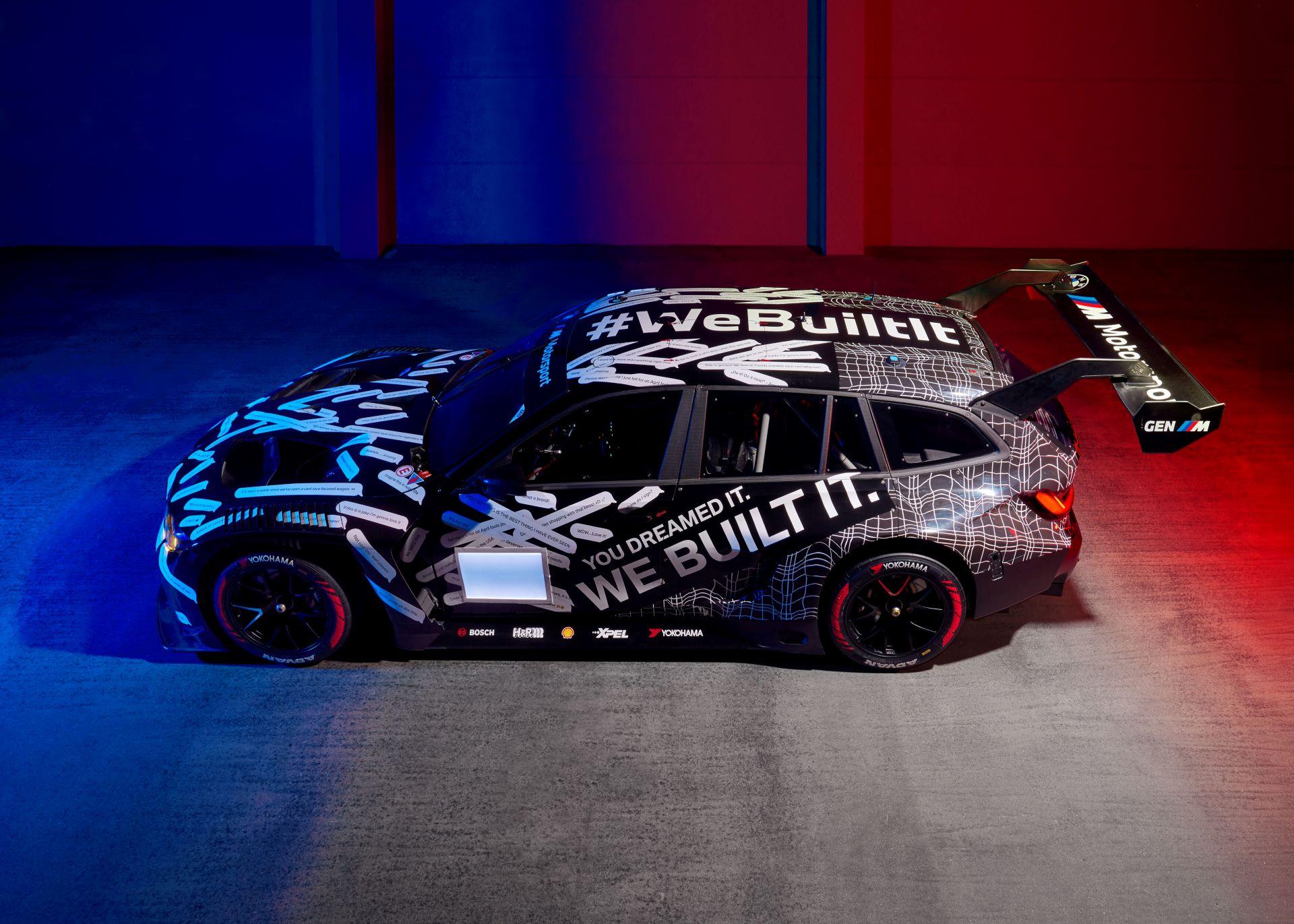
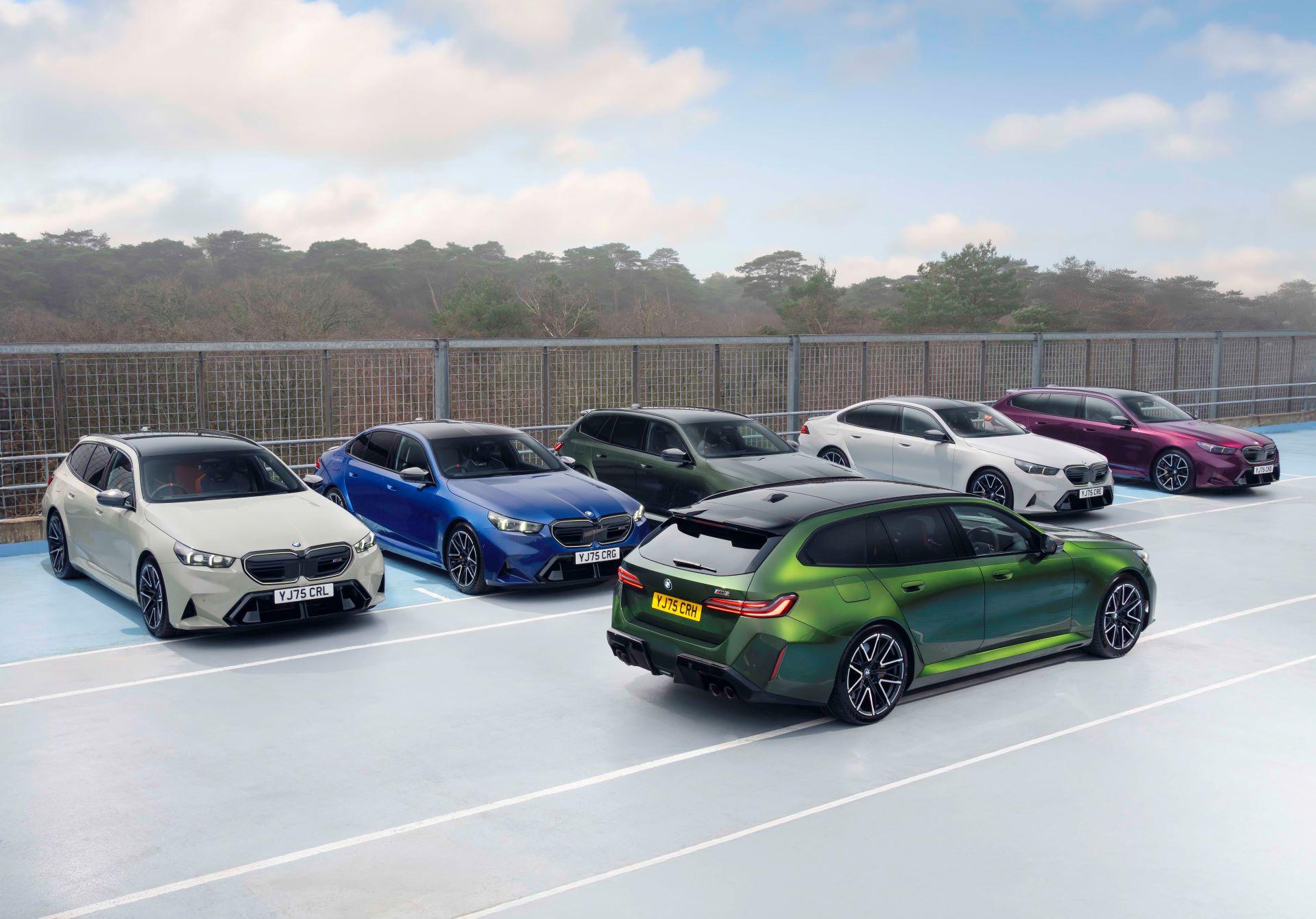
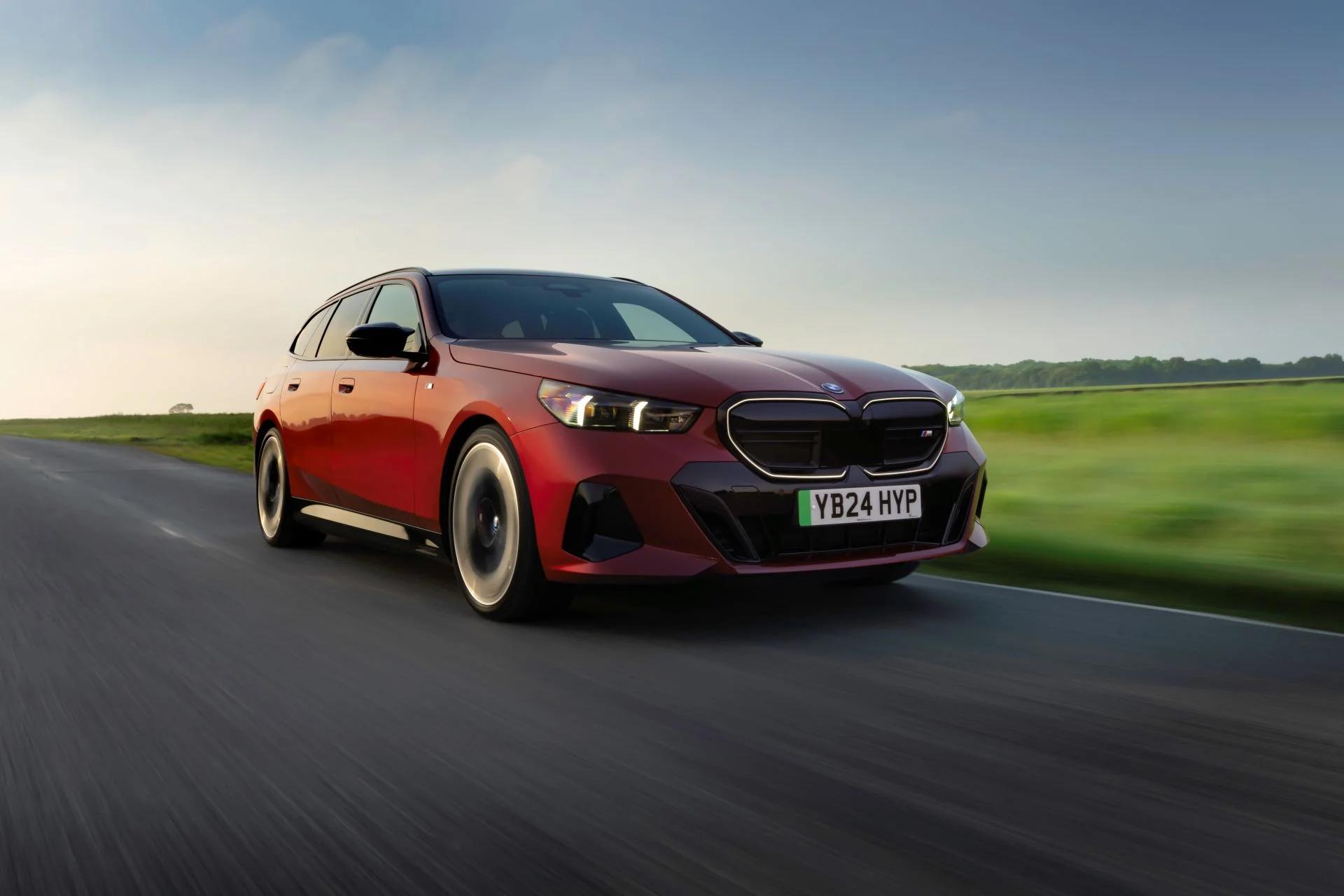
Several models played a key role in driving demand. Sales of the BMW 5 Series surged by more than 25 percent, while the compact BMW X2 posted a 33 percent increase. High-performance vehicles also continued their upward trajectory, with BMW M GmbH achieving a record 213,449 deliveries for the 14th consecutive year. The BMW M2 Coupé and the BMW M3 family proved particularly popular, helping push BMW M models to account for one in every ten BMW vehicles sold.
Within the MINI brand, deliveries rose sharply to 288,278 units, representing a 17.7 percent increase compared with the previous year. The MINI Countryman emerged as the brand’s best-selling model, while the new MINI Aceman, MINI Convertible and fully electric MINI Cooper contributed to the brand’s growth. Fully electric MINI vehicles accounted for more than 36 percent of the brand’s sales.
The Rolls-Royce marque remained stable, delivering 5,664 vehicles during the year. Demand remained strong for the Rolls-Royce Cullinan luxury SUV and the fully electric Spectre, reflecting the continued appetite for ultra-luxury vehicles even in a challenging market environment.
Financially, BMW maintained tight cost control throughout 2025. Total costs were reduced by €2.5 billion through disciplined management across research and development, manufacturing, and administrative expenses. R&D spending declined to €8.319 billion as investment cycles for major future technologies peaked in previous years, while capital expenditure dropped significantly to €7.237 billion.
Group revenues for the year reached €133.453 billion, down from €142.38 billion in 2024. The decline reflects strong competition in key markets, especially China, as well as negative currency effects related to the US dollar, Korean won and Chinese renminbi.
The automotive segment recorded an EBIT margin of 5.3 percent, remaining within BMW’s target range of 5 to 7 percent despite tariff pressures that reduced margins by roughly 1.5 percentage points. Meanwhile, the Financial Services division recorded a modest expansion in new credit financing and leasing contracts, particularly in Europe and China during the second half of the year.
Looking ahead, BMW expects global automotive markets to remain broadly stable in 2026. Sales volumes are forecast to stay close to current levels, with electric vehicles maintaining a similar share of total deliveries. However, higher tariffs, rising depreciation, raw material costs and currency fluctuations are expected to place additional pressure on margins.
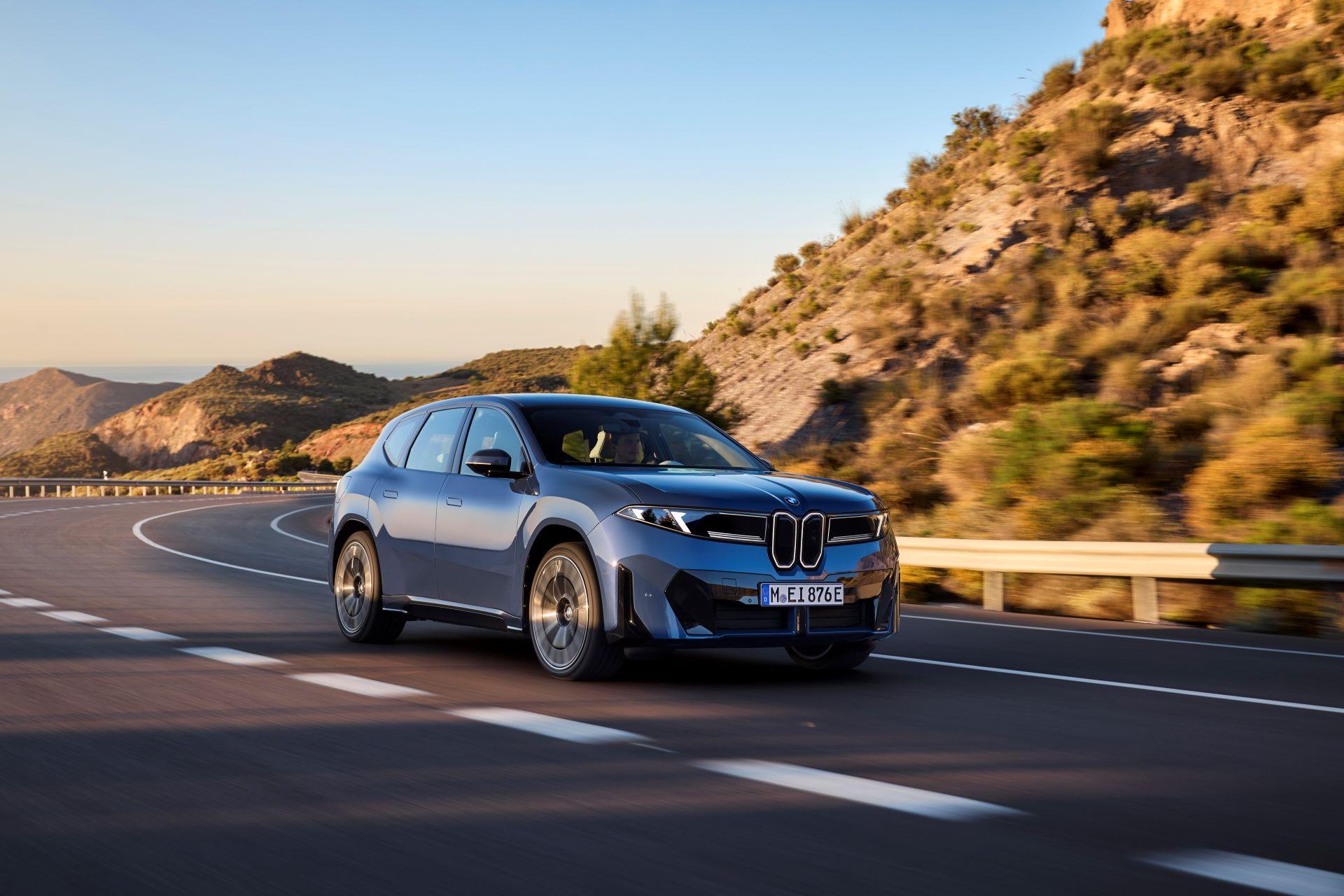
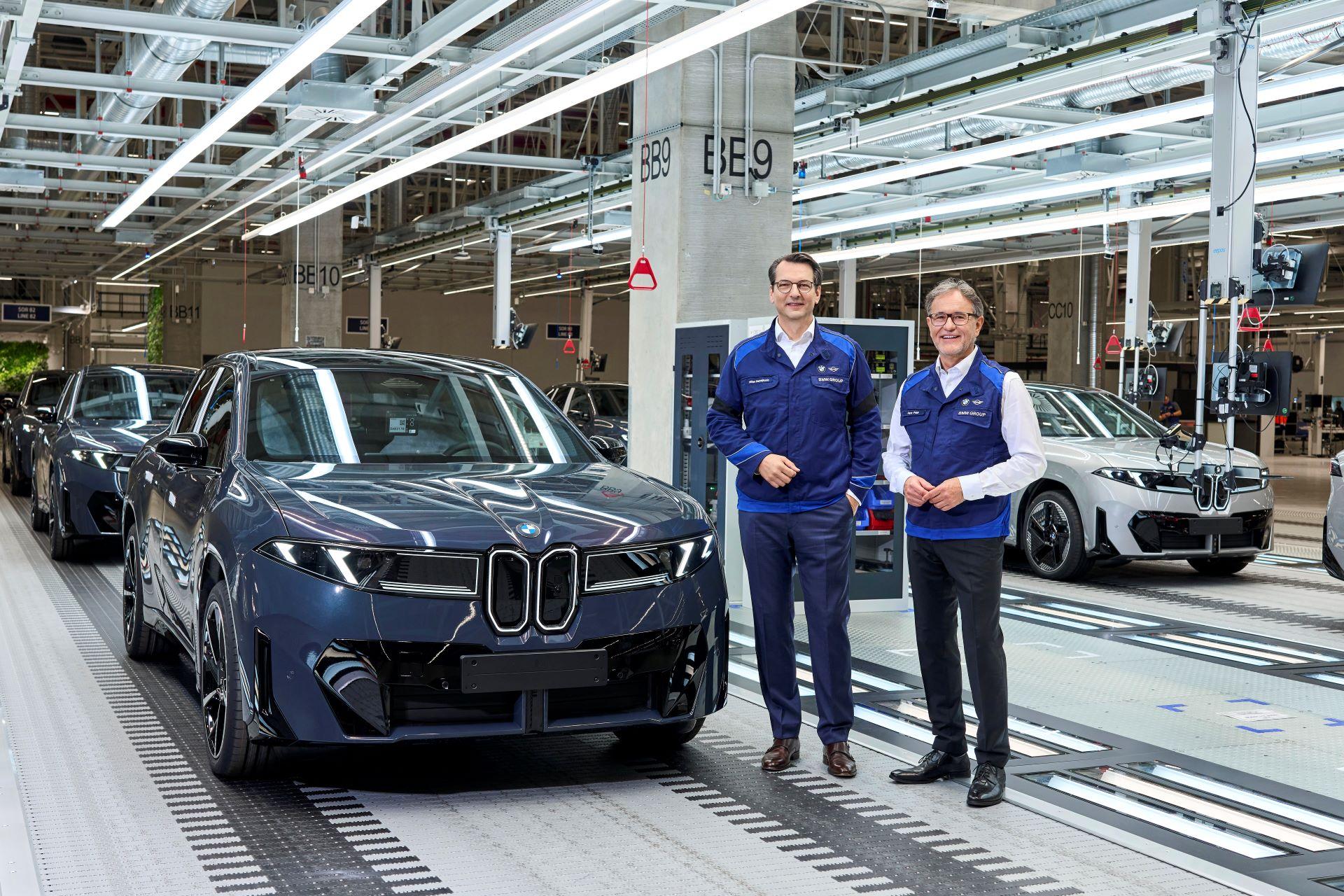
Even so, BMW’s next-generation electric architecture, known as NEUE KLASSE, is set to accelerate the company’s transformation. Production is already ramping up for the first model in the new platform family, the fully electric BMW iX3, which has generated strong demand across Europe. The second model, the next-generation BMW i3, is scheduled to make its design debut in Munich in the coming days.
By the end of 2026, BMW plans to offer customers a portfolio of 20 fully electric models. The rollout will continue rapidly over the coming years, with more than 40 new or updated vehicles scheduled to launch across the group’s brands by 2027, including next-generation versions of the BMW 3 Series and BMW X5.
Despite the challenges facing the global automotive industry, BMW remains confident in its direction. As Zipse concluded, the company’s early strategic positioning is now delivering results, allowing the group to maintain its course and continue executing its long-term vision for electrified mobility.