



In a world where automotive history can sometimes feel like a fading photograph, Maserati has chosen to ink its legacy in permanent detail. The marque’s Classiche division has reached a defining milestone, issuing its 100th Certificate of Authenticity to a car that is less a machine and more a turning point in design philosophy: the 3500 GT Vignale Convertible prototype.
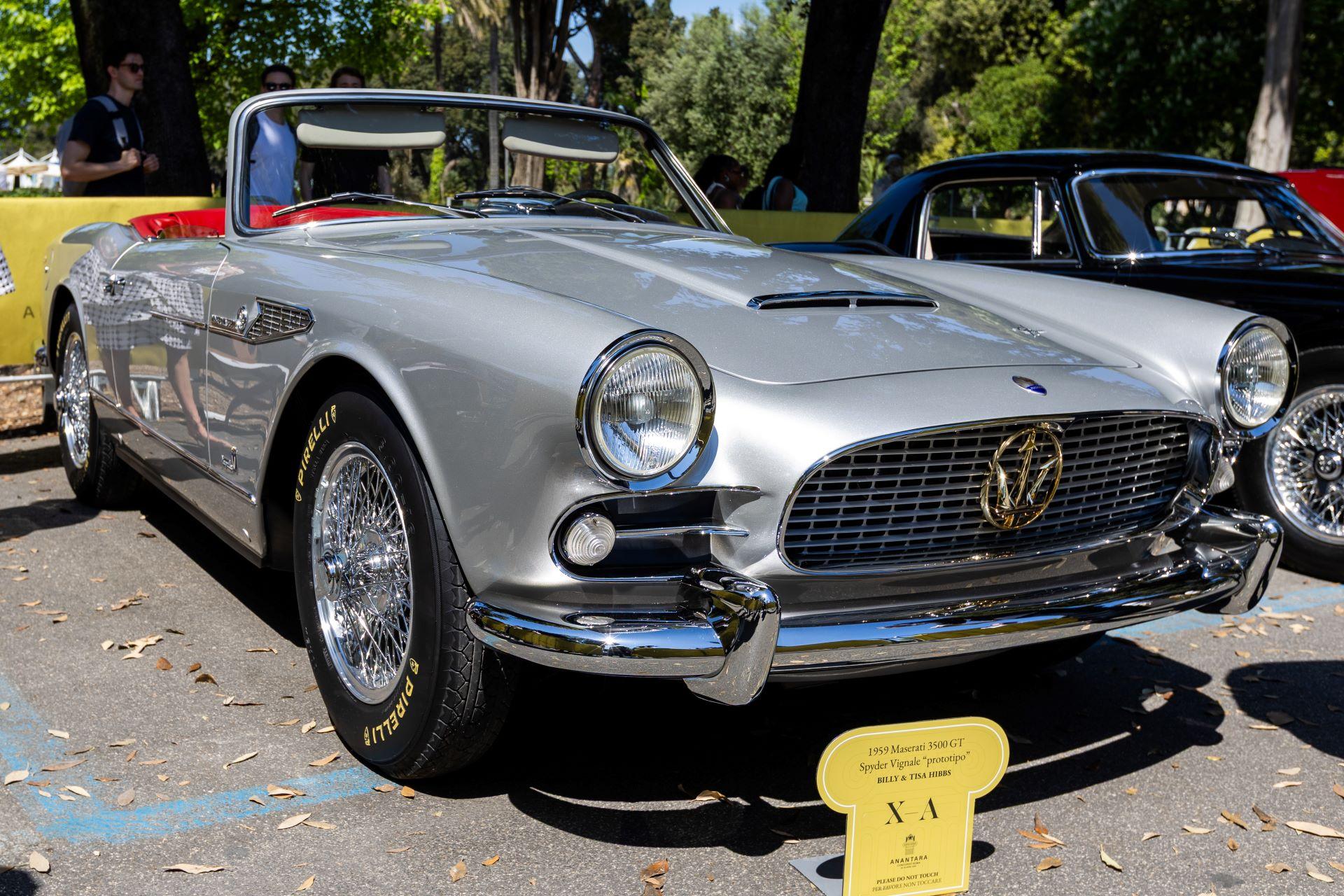
Born in Modena and unveiled to the world at the 1959 Turin Motor Show, this singular creation does not merely belong to Maserati’s past; it helped shape its future. Identified by chassis number 101505*, the prototype represents the genesis of the brand’s open-top grand touring lineage, a lineage that continues to ripple through its modern convertibles today.
Established in 2021, Maserati Classiche operates as both archivist and artisan, tasked with preserving the brand’s historical DNA. Working from the marque’s Modena workshops, the division has become a cornerstone of the broader BOTTEGAFUORISERIE initiative, blending meticulous research with traditional craftsmanship. Its Certificate of Authenticity is not handed out lightly. Each car undergoes forensic examination, with specialists dissecting technical specifications, cross-referencing historical documents and interrogating Maserati’s own archives to ensure every detail aligns with its original identity. The programme extends to vehicles over two decades old, as well as rare and limited-run models, making it one of the most rigorous heritage validation processes in the industry.
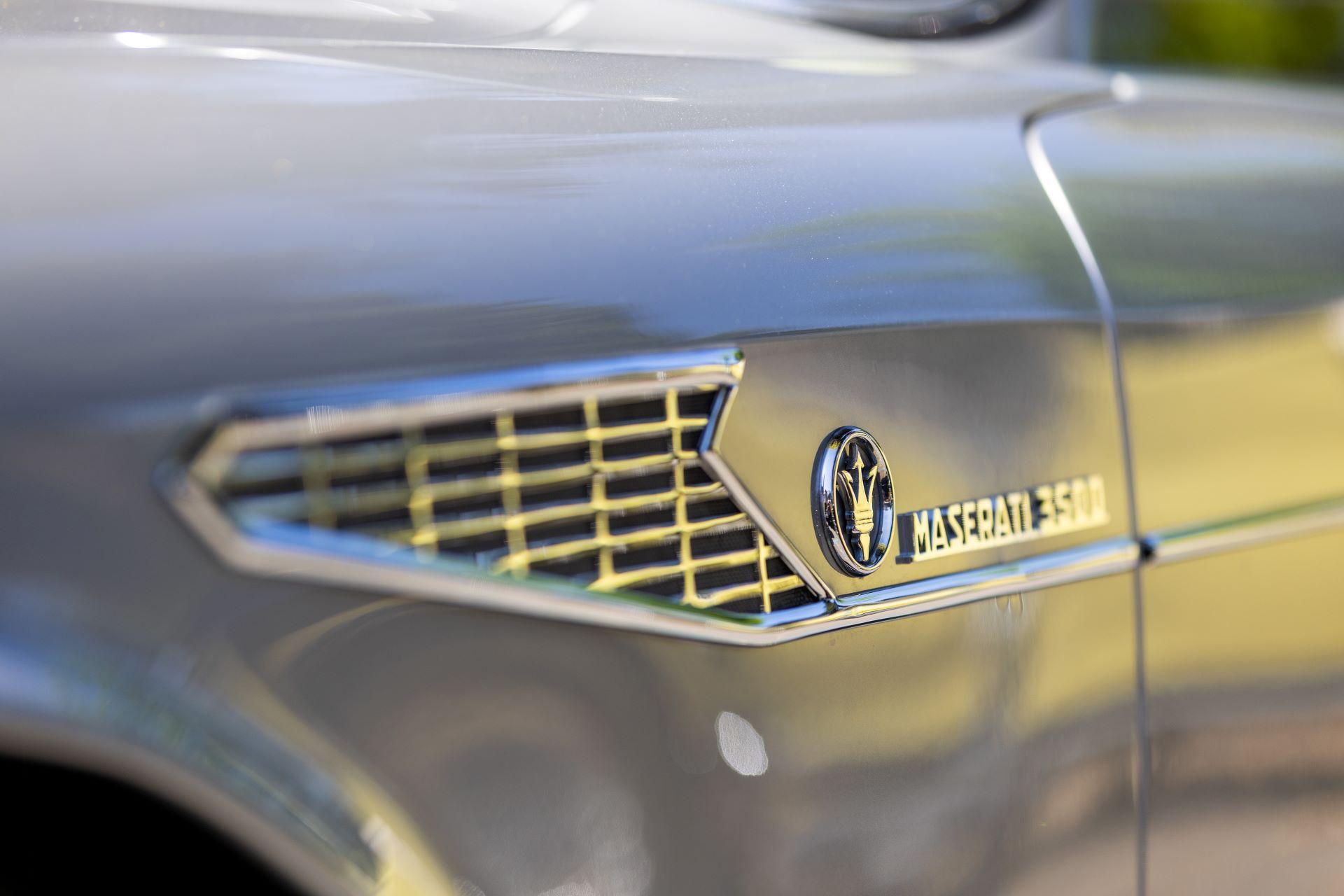
That the 100th certification belongs to the 3500 GT Vignale Convertible prototype feels almost inevitable. Styled by Giovanni Michelotti and realised by Carrozzeria Vignale, the car was never intended for mass production. Only five units were built, each serving as a rolling experiment in proportion, elegance and performance. Yet from this limited exercise emerged the blueprint for the production 3500 GT Vignale Convertible, of which around 250 examples would follow between 1959 and 1964. More importantly, it established the architectural language of Maserati’s future GranCabrio models, where speed and sophistication coexist under open skies.
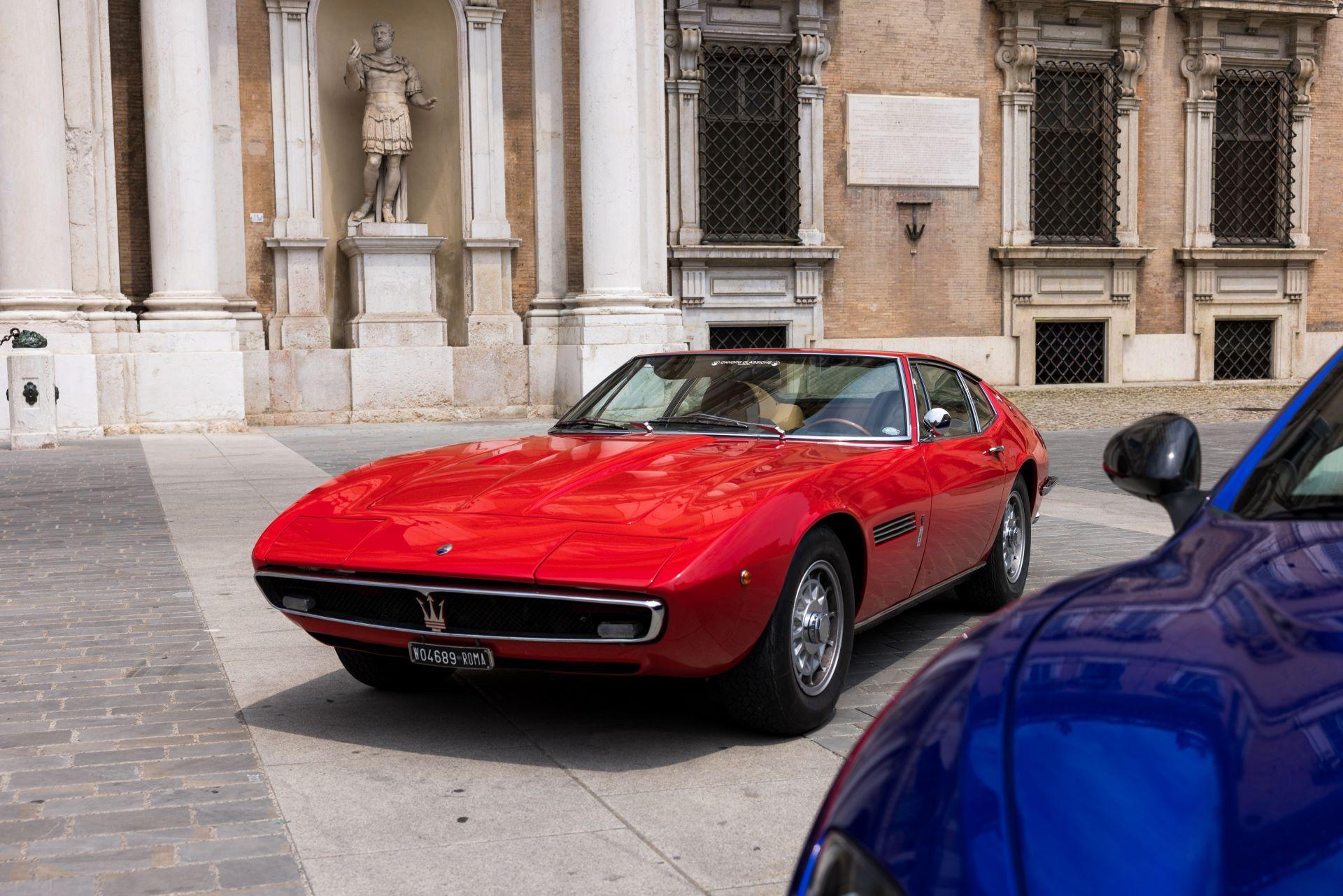
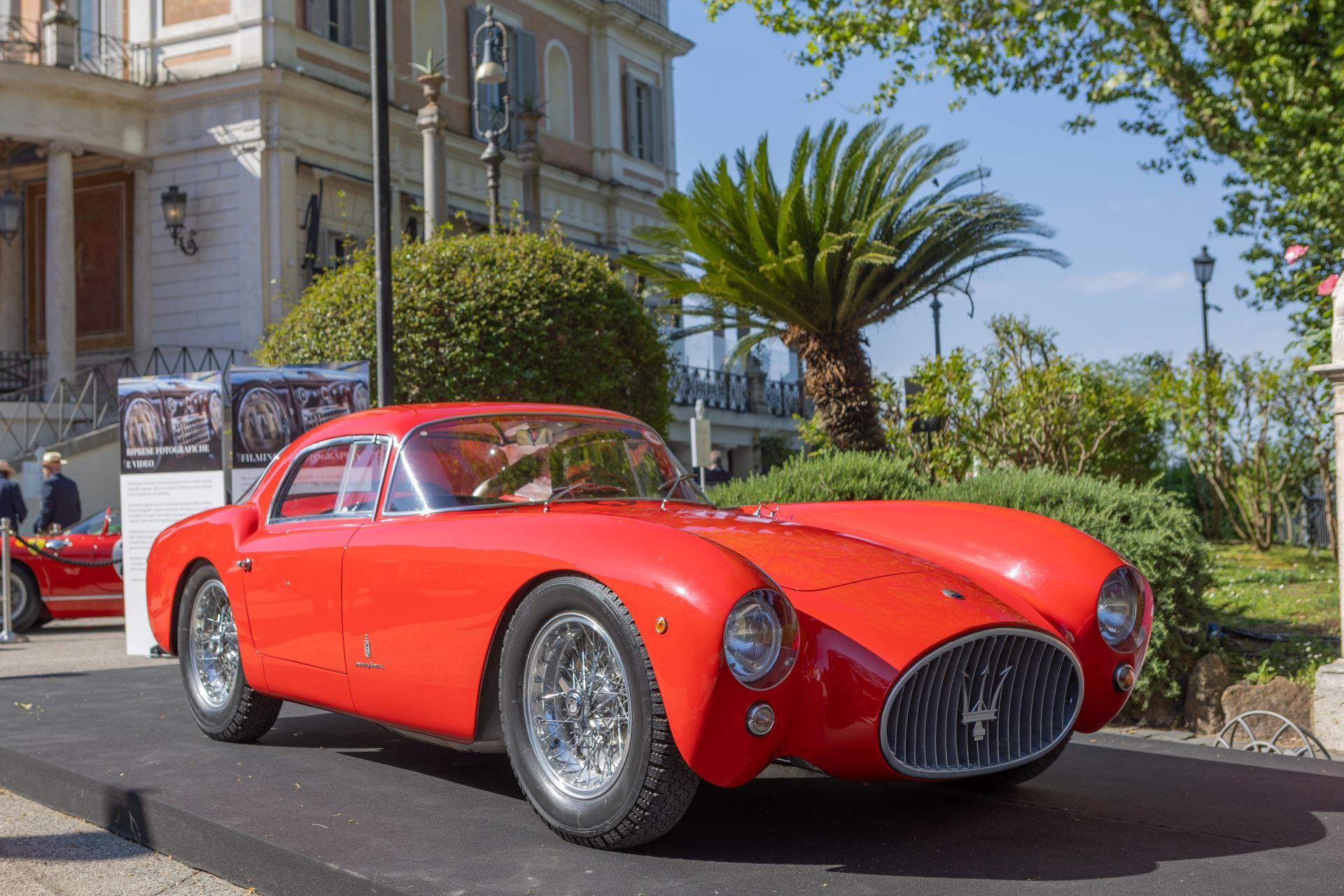
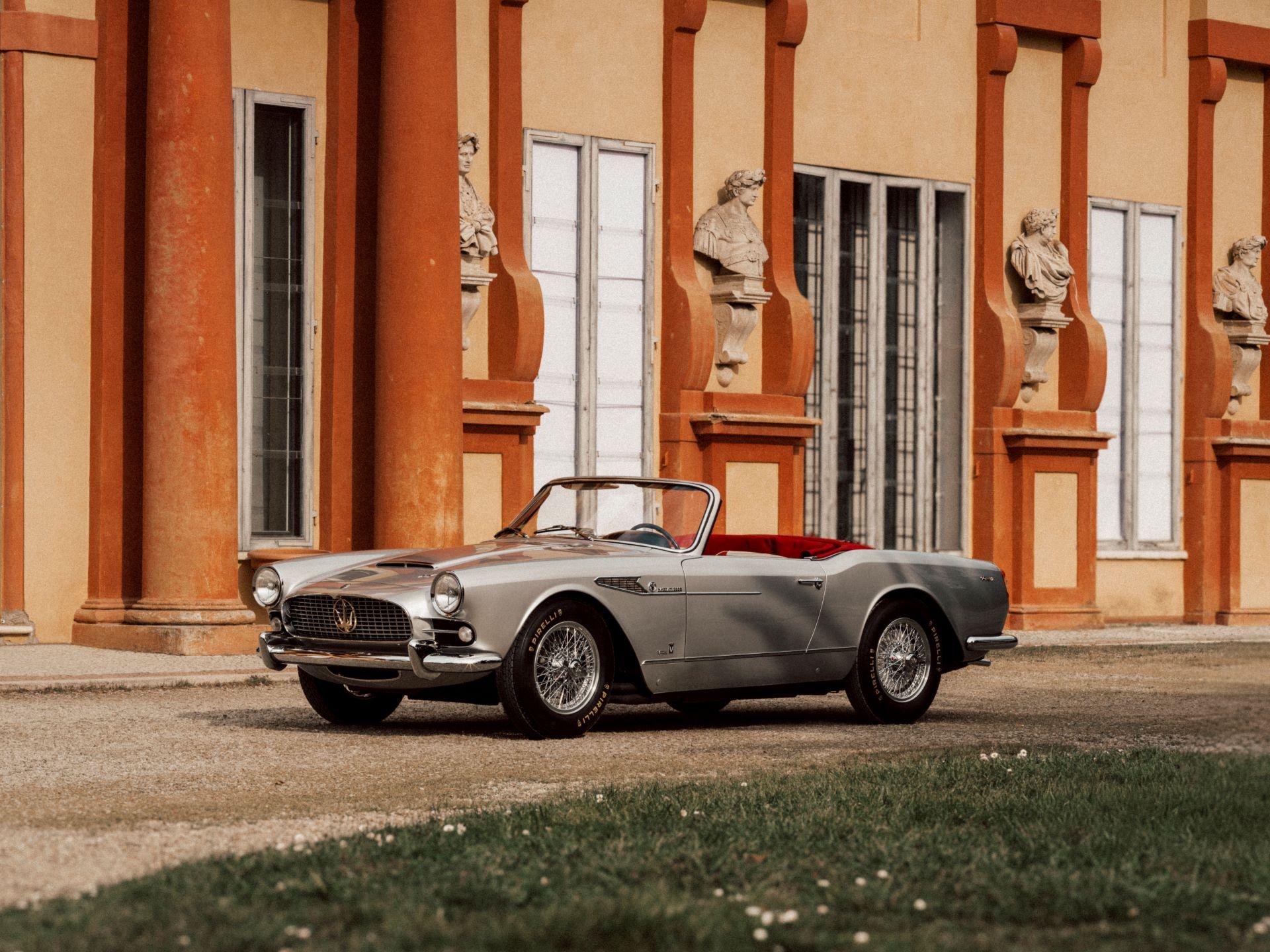
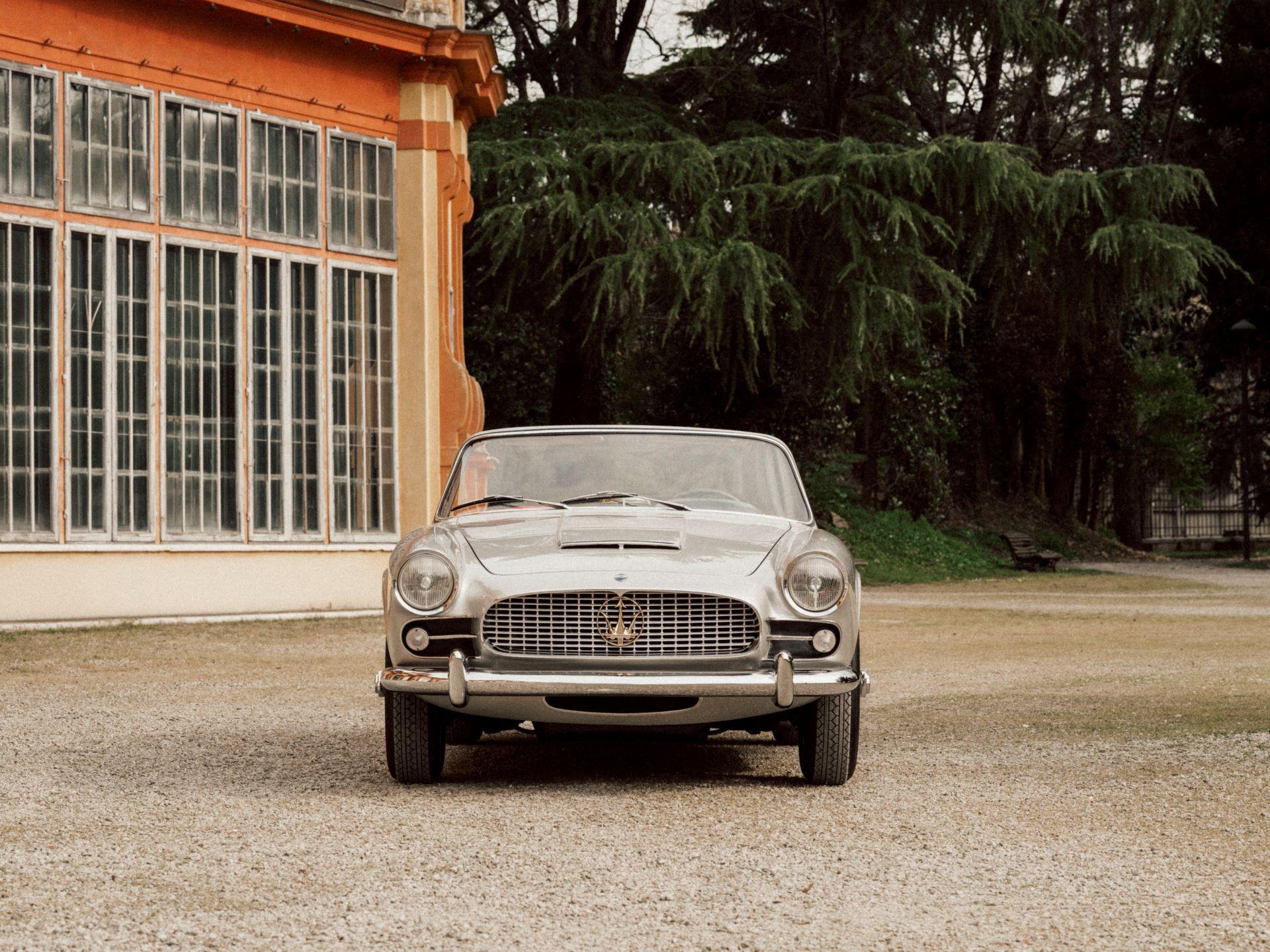
Visually, the prototype captures the essence of late-1950s Italian design with almost theatrical precision. Its long bonnet stretches forward like a statement of intent, while the rear tapers into a clean, confident line. The proportions are balanced but expressive, suggesting motion even at rest. The colour scheme amplifies this sense of identity. A silver exterior wraps around an interior finished in ivory and red, offset by blue carpeting and delicate gold accents. The palette mirrors the Vignale emblem, transforming the car into a three-dimensional homage to the coachbuilder’s visual signature.
Beneath this sculptural exterior lies the engineering that cemented Maserati’s reputation in the grand touring arena. The 3.5-litre inline six-cylinder engine, fed by Weber carburettors, produces 235 horsepower at 5,500 rpm. Paired with a four-speed ZF manual gearbox, the setup delivers a driving experience that balances performance with refinement. The chassis configuration, featuring double wishbone suspension at the front and a rigid rear axle supported by leaf springs, reflects the engineering conventions of its era while still enabling a top speed of approximately 235 km/h. Borrani wire wheels complete the mechanical ensemble, adding both visual elegance and functional integrity.
The car’s recent restoration, carried out between 2023 and 2026 in Modena, was as much an act of historical reconstruction as it was mechanical renewal. With direct support from Maserati Classiche, specialists worked to return the prototype to its exact 1959 Turin Motor Show specification. Every element was scrutinised, from structural components to aesthetic details, ensuring that the finished car does not reinterpret history but faithfully reinhabits it. The result is a vehicle that feels less restored than revived, as though it has stepped intact from its original moment in time.
Beyond its technical and aesthetic significance, the 3500 GT Vignale Convertible prototype marks a broader cultural shift within Maserati’s story. During the 1960s, the brand increasingly looked beyond Europe, particularly toward the United States, where demand for Italian luxury sports cars was accelerating. Open-top grand tourers became a key expression of this ambition, blending performance with the aspirational lifestyle associated with coastal highways and sunlit boulevards. The DNA established by this prototype would echo through decades of Maserati design, ultimately finding modern expression in today’s GranCabrio models.
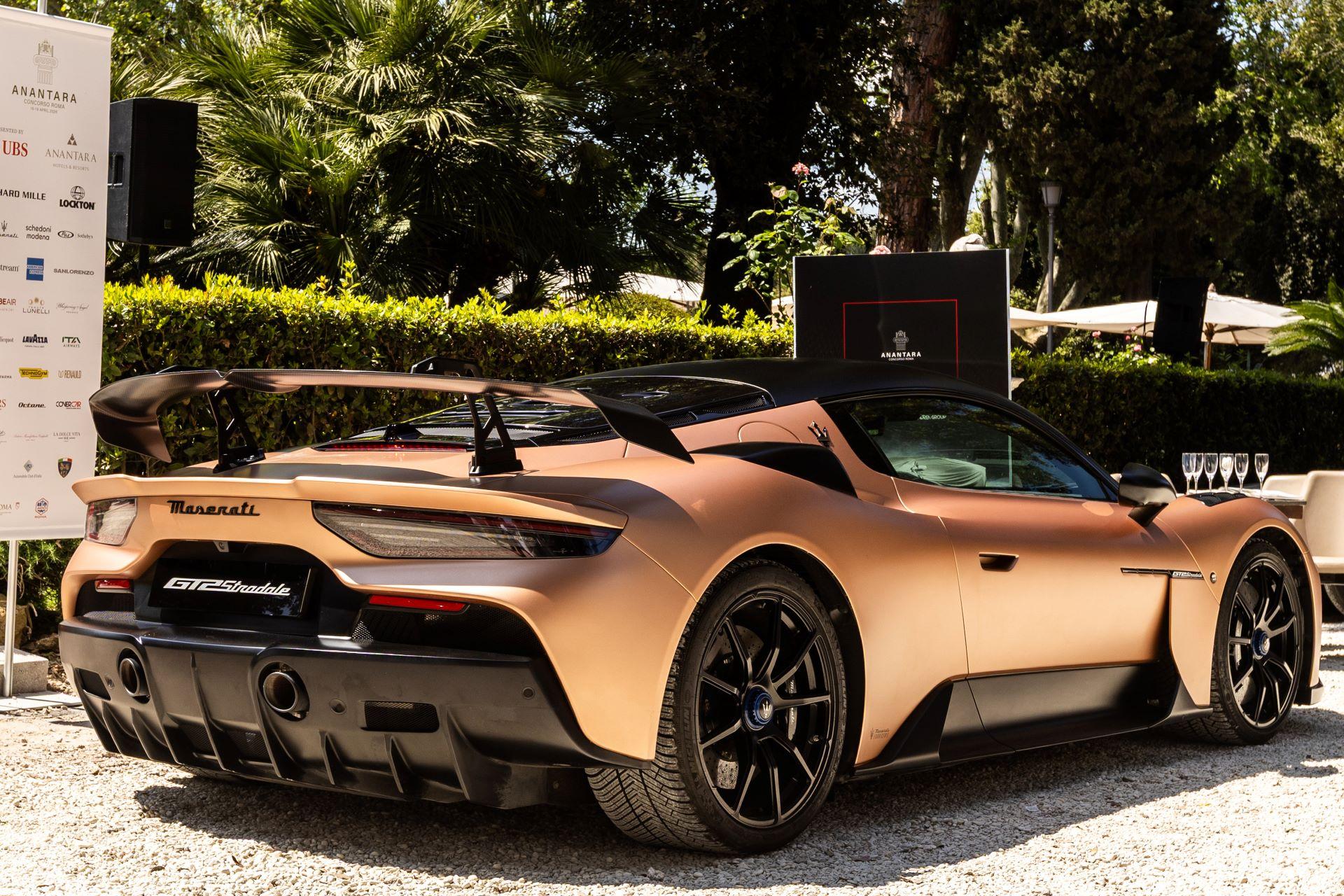
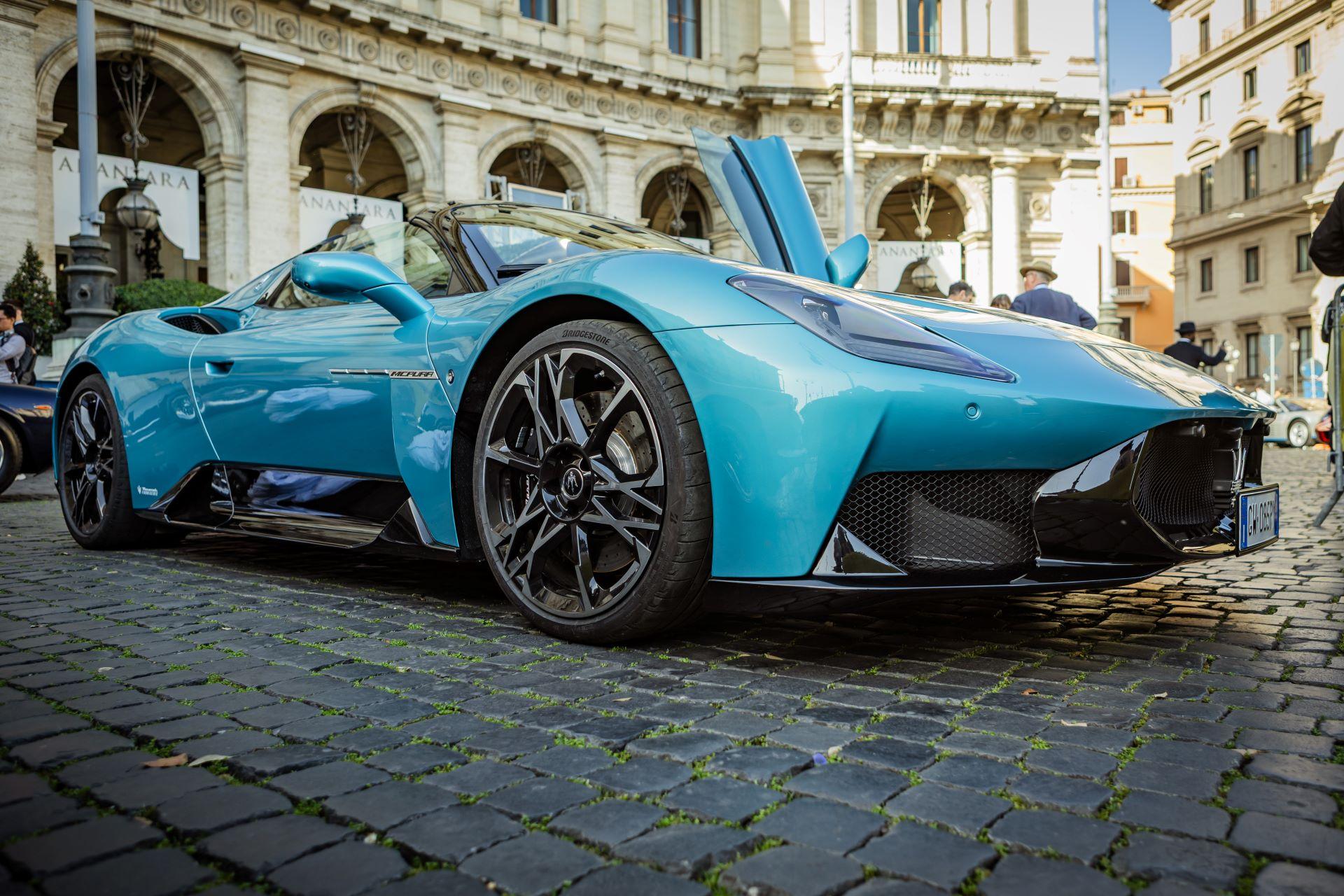
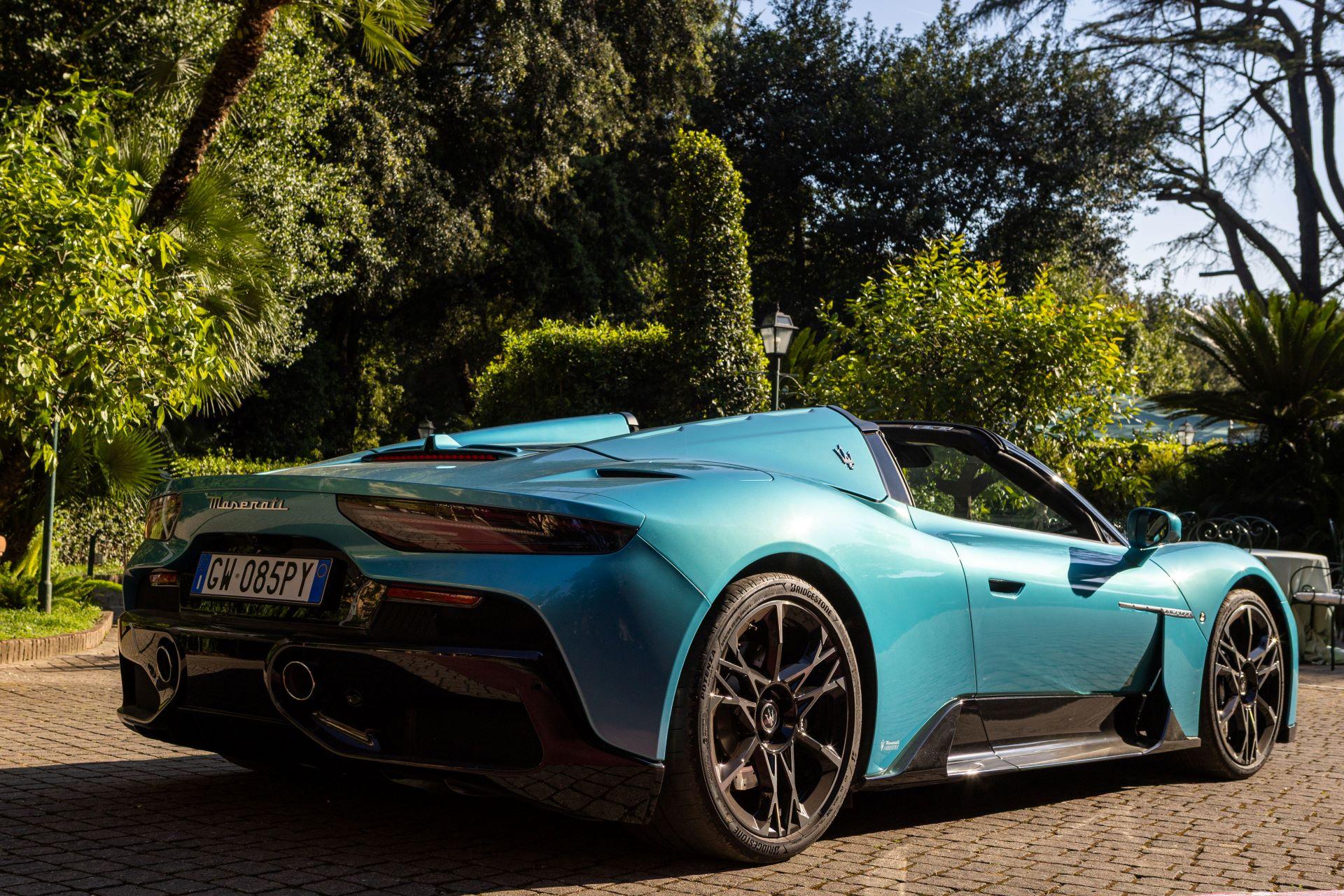
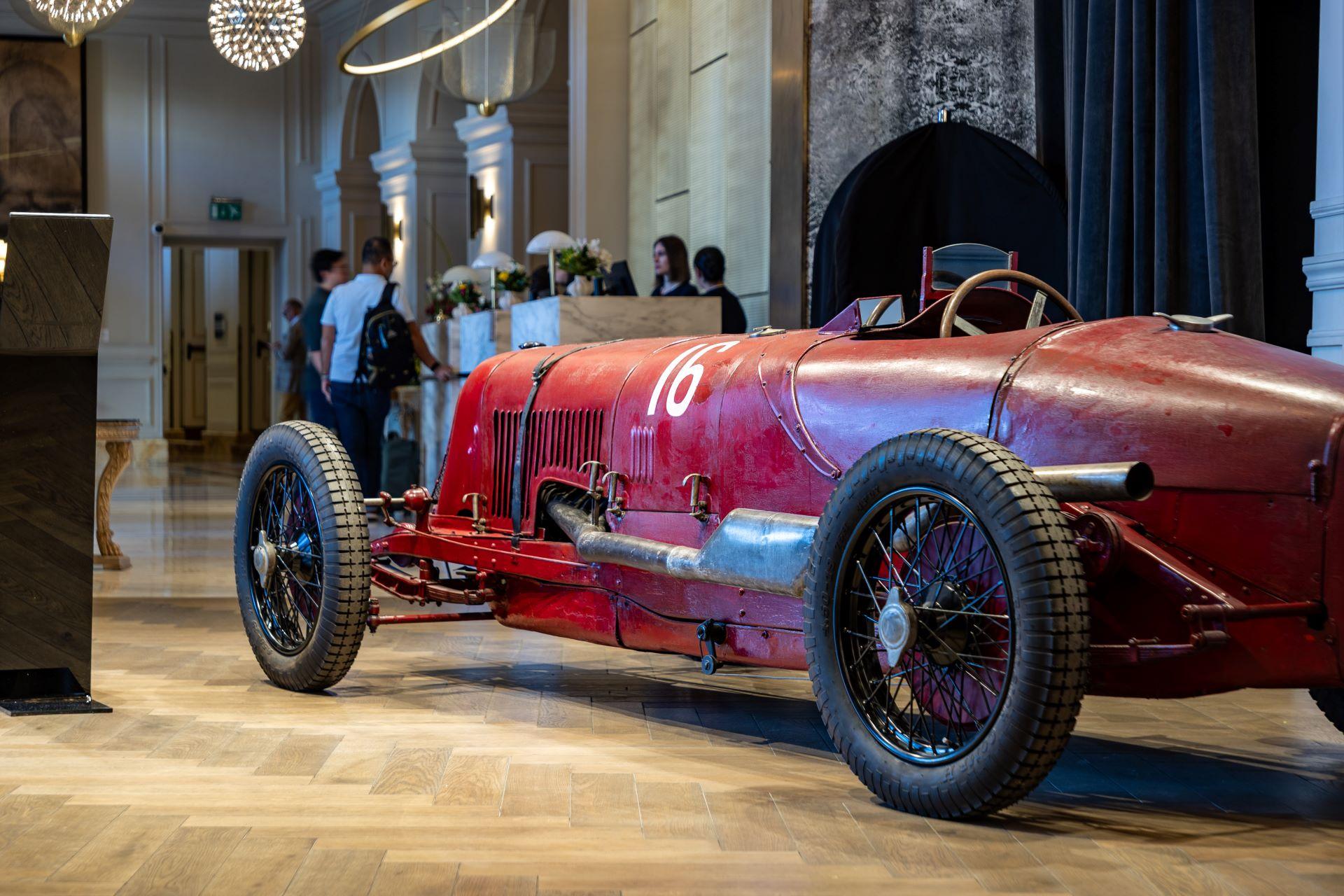
That continuity between past and present will be on full display at the inaugural Anantara Concorso Roma, where the prototype will take centre stage among some of the world’s most prestigious Italian automobiles. Set against the historic backdrop of Villa Borghese, the event offers more than a showcase of rare machines. It creates a dialogue between eras, allowing visitors to trace the evolution of Italian automotive excellence through tangible examples. In this setting, the 3500 GT Vignale Convertible prototype stands not only as a highlight but as a narrative anchor, connecting Maserati’s heritage to its contemporary identity.
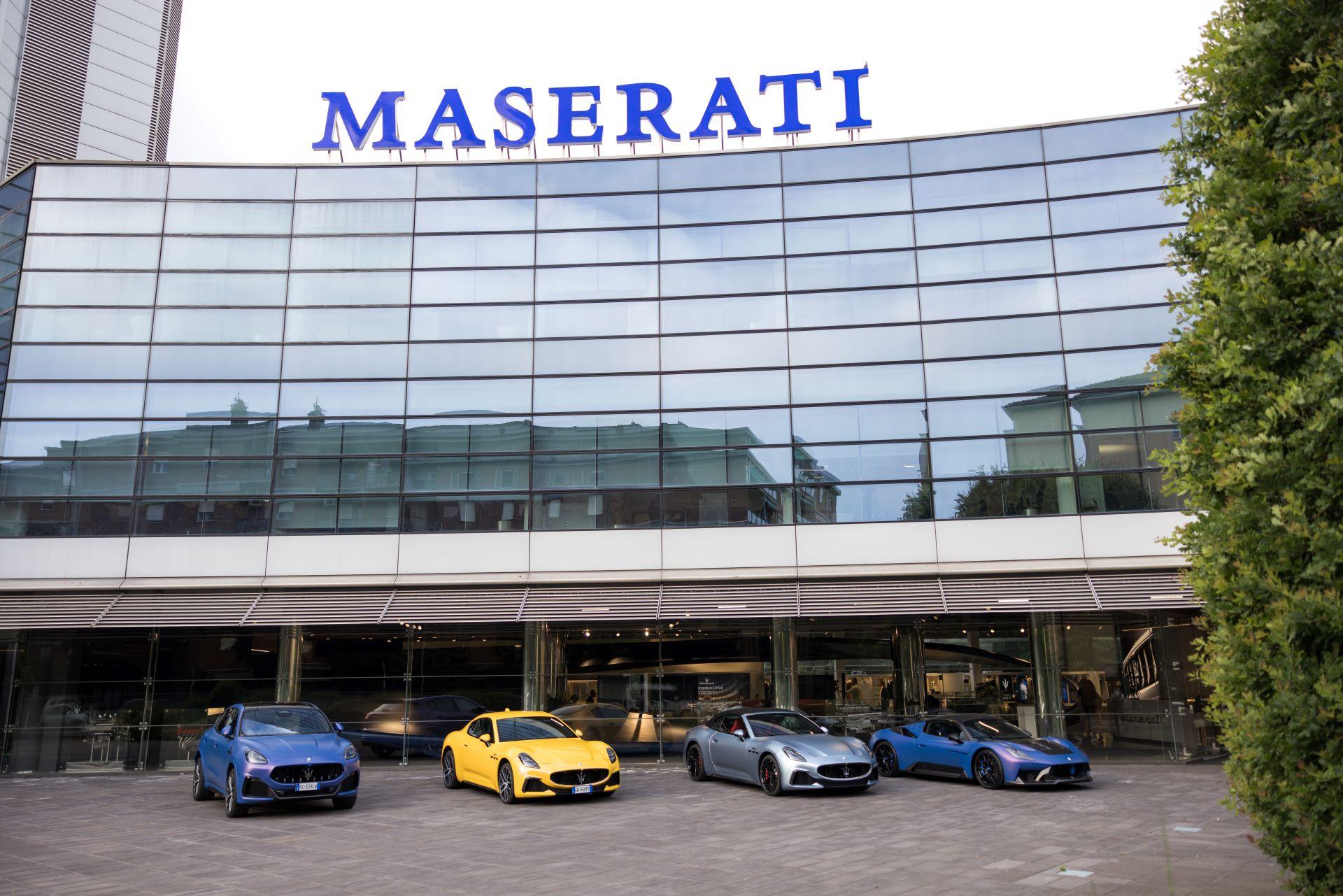
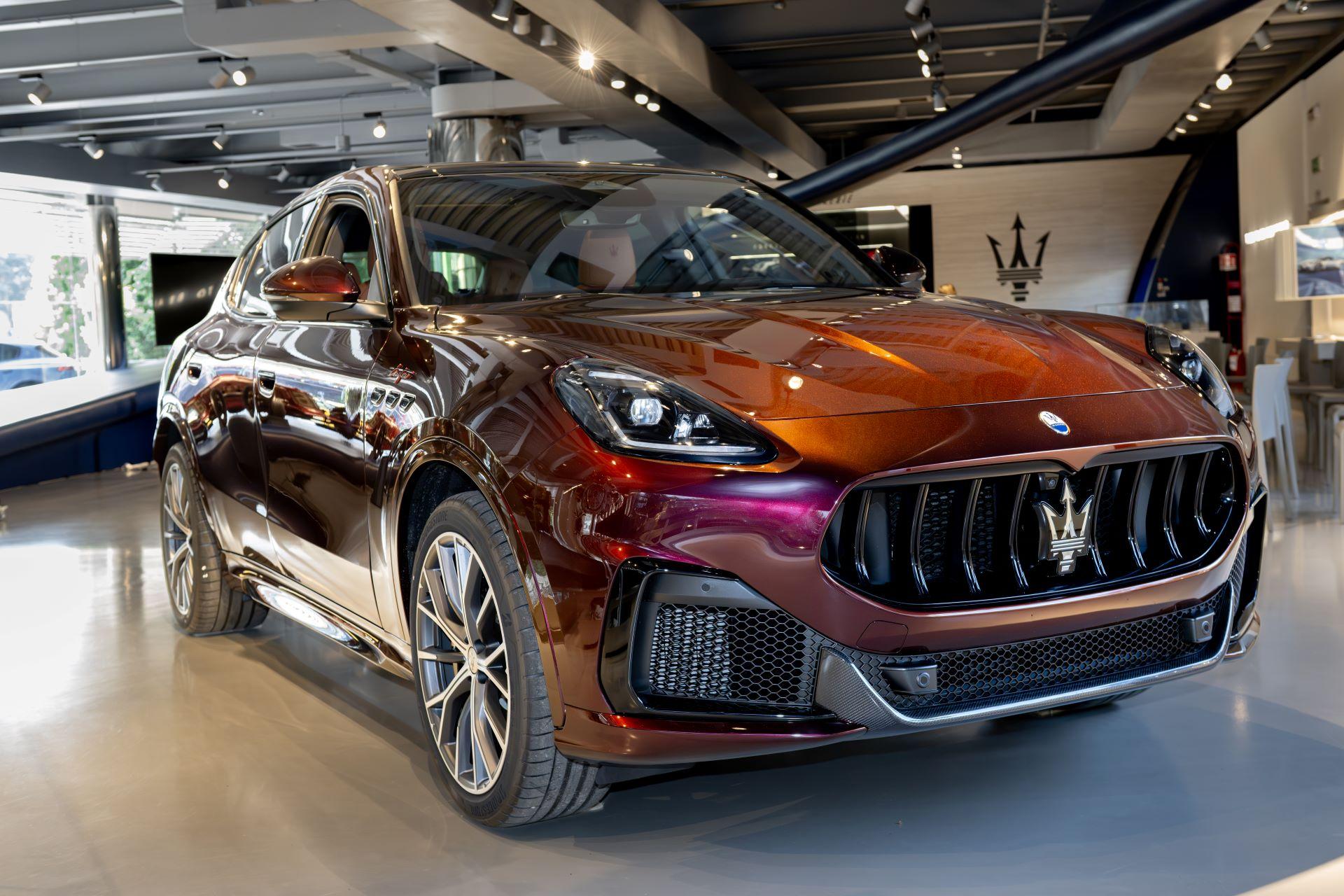
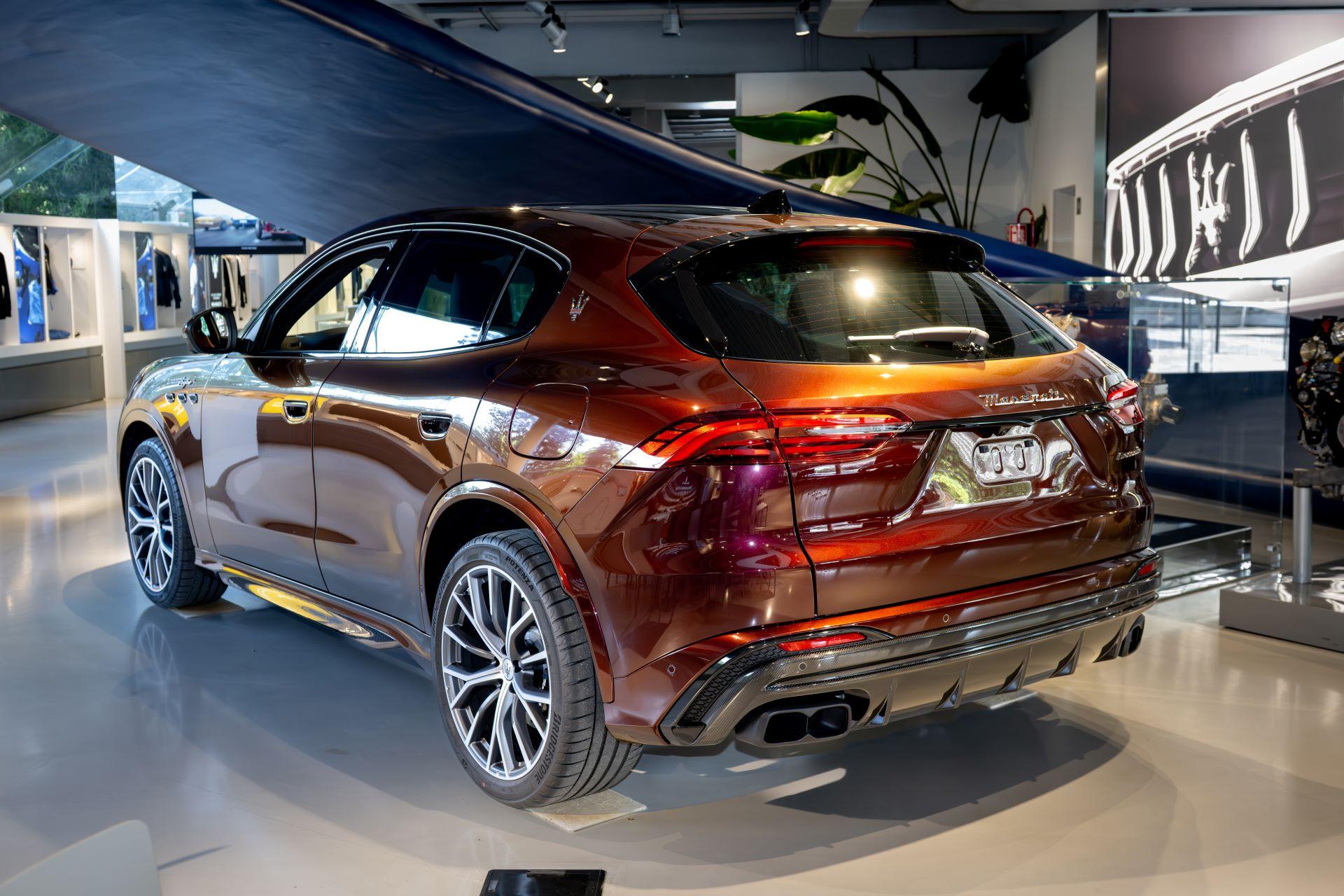
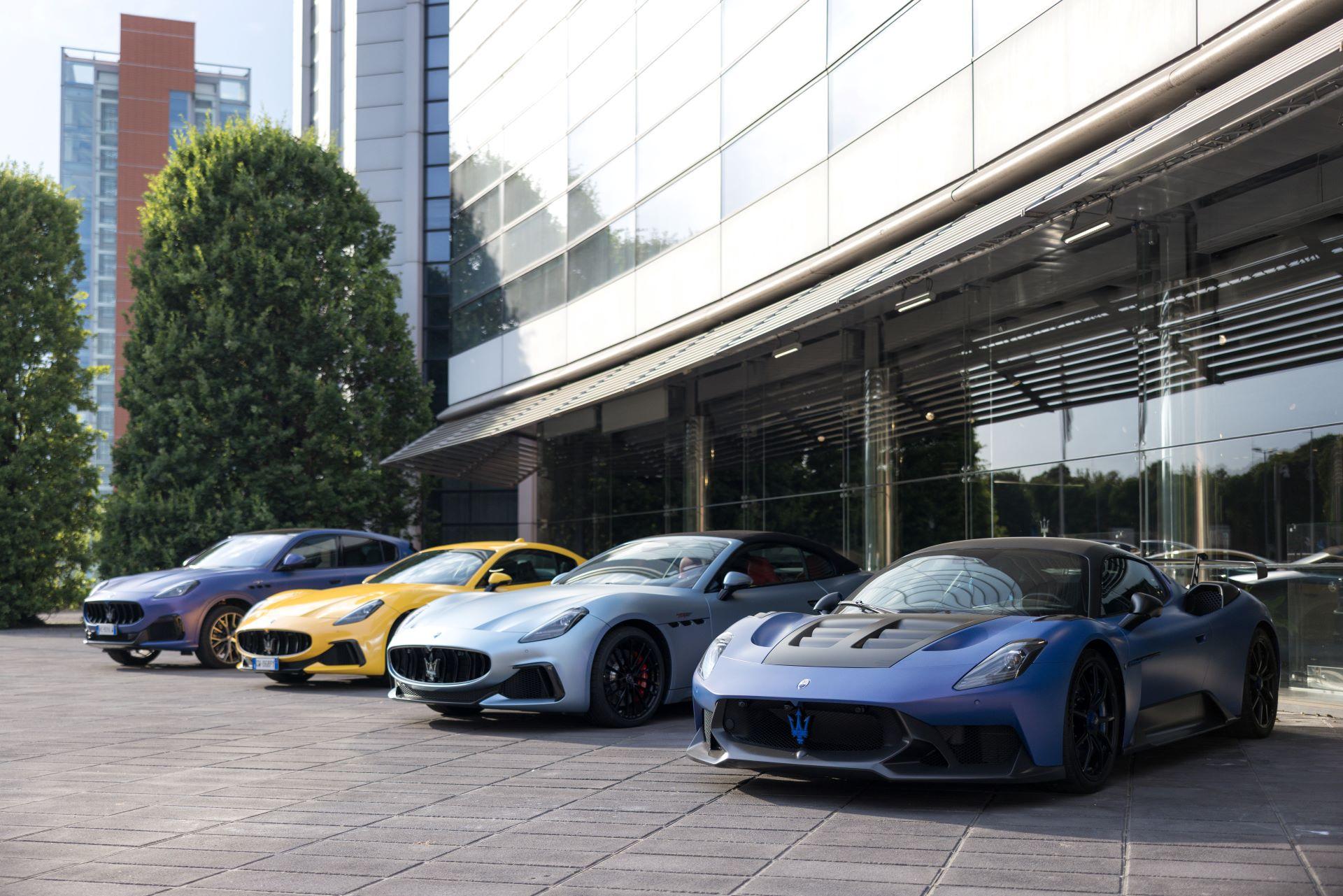
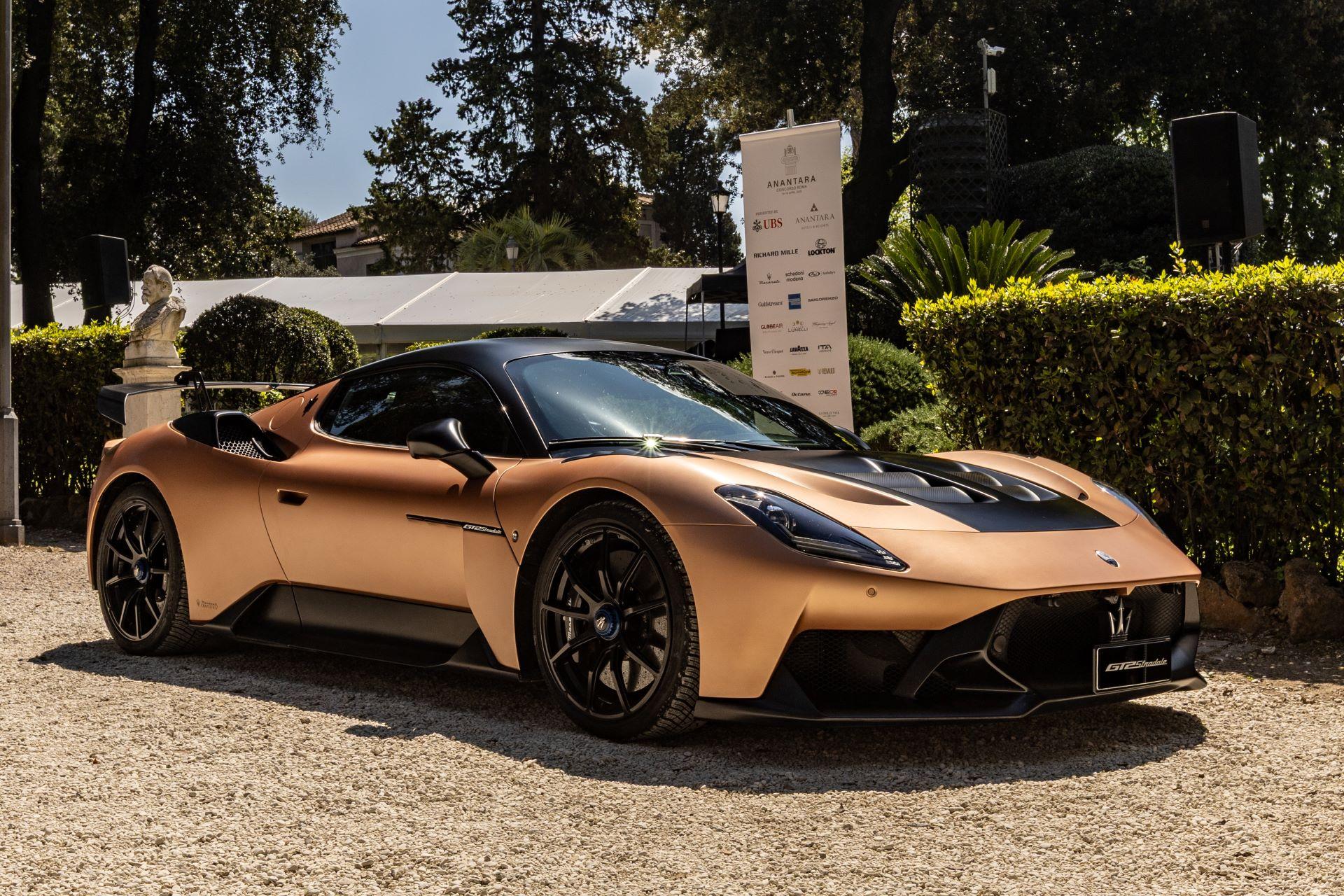
Maserati’s current line-up, which spans from the Grecale SUV to the GranTurismo and GranCabrio, reflects a brand that continues to evolve without losing sight of its origins. Whether through hybrid powertrains, fully electric Folgore models or the high-performance MC range, the company’s forward momentum is unmistakable. Yet milestones like the 100th Certificate of Authenticity serve as a reminder that innovation and heritage are not opposing forces. Instead, they operate in tandem, each informing the other.
In celebrating this achievement, Maserati Classiche has done more than validate a single car. It has reinforced the idea that history, when carefully preserved, becomes an active ingredient in shaping the future. The 3500 GT Vignale Convertible prototype is not simply a relic of a bygone era. It is a compass point, guiding the brand as it continues to define what an Italian grand tourer can be.