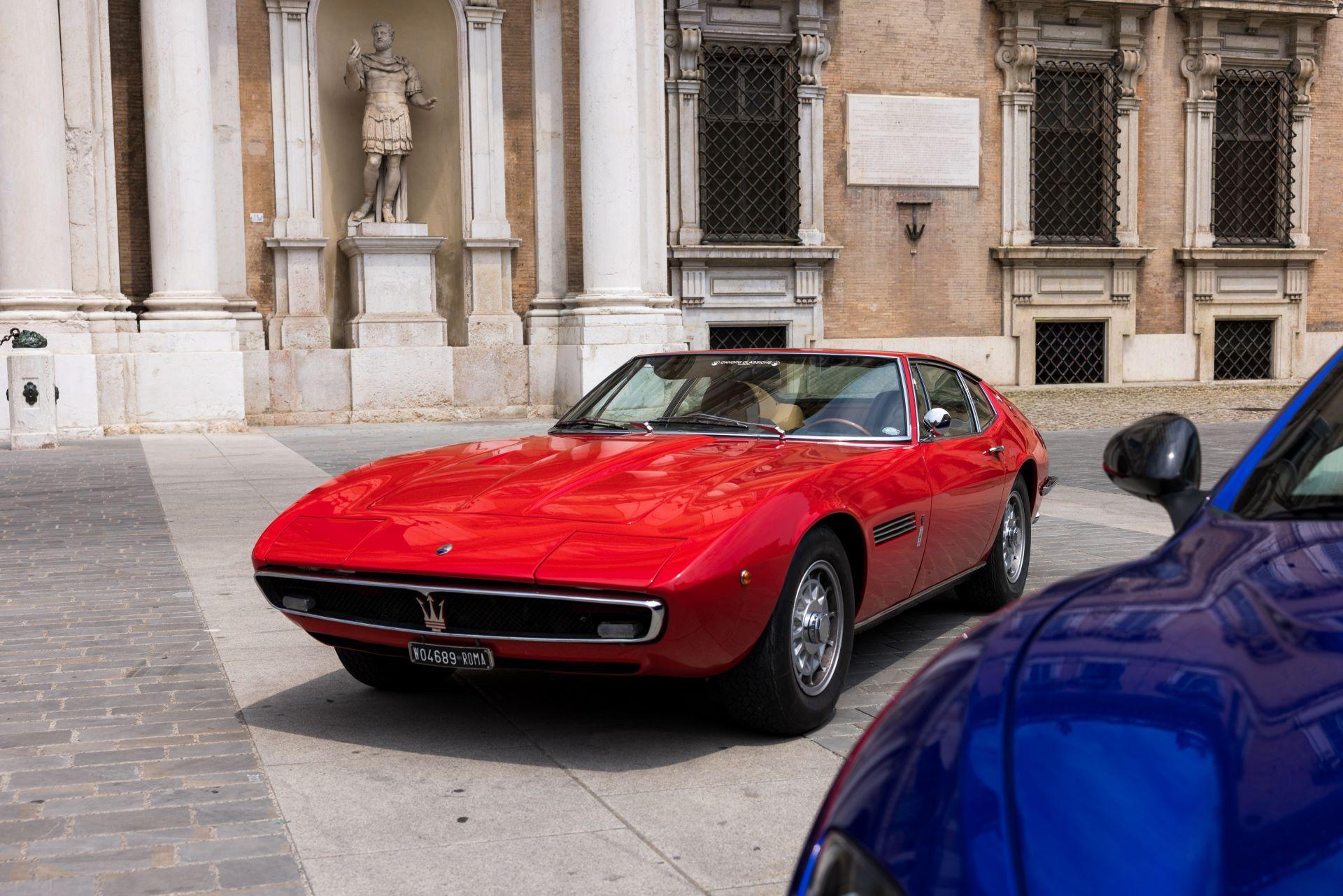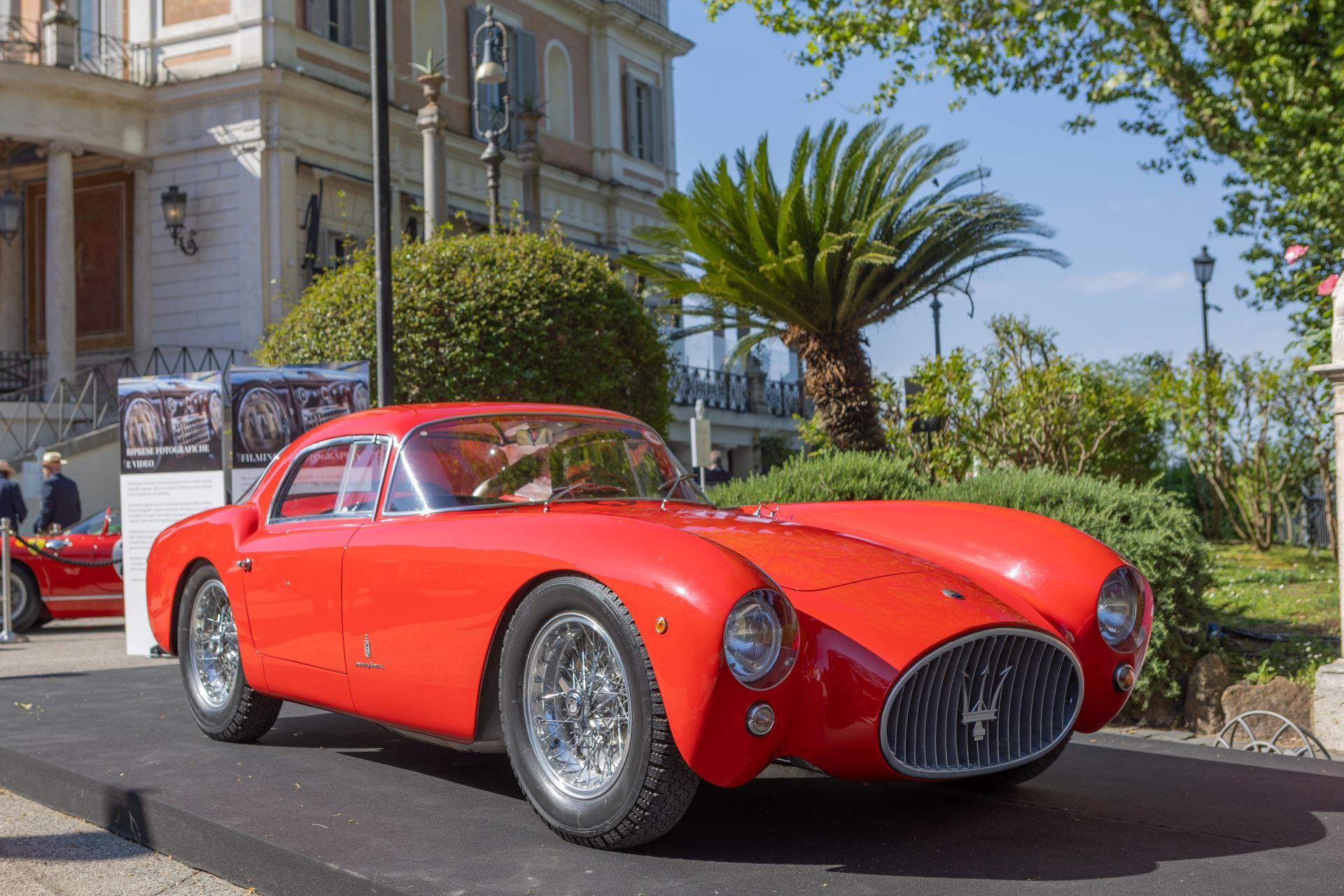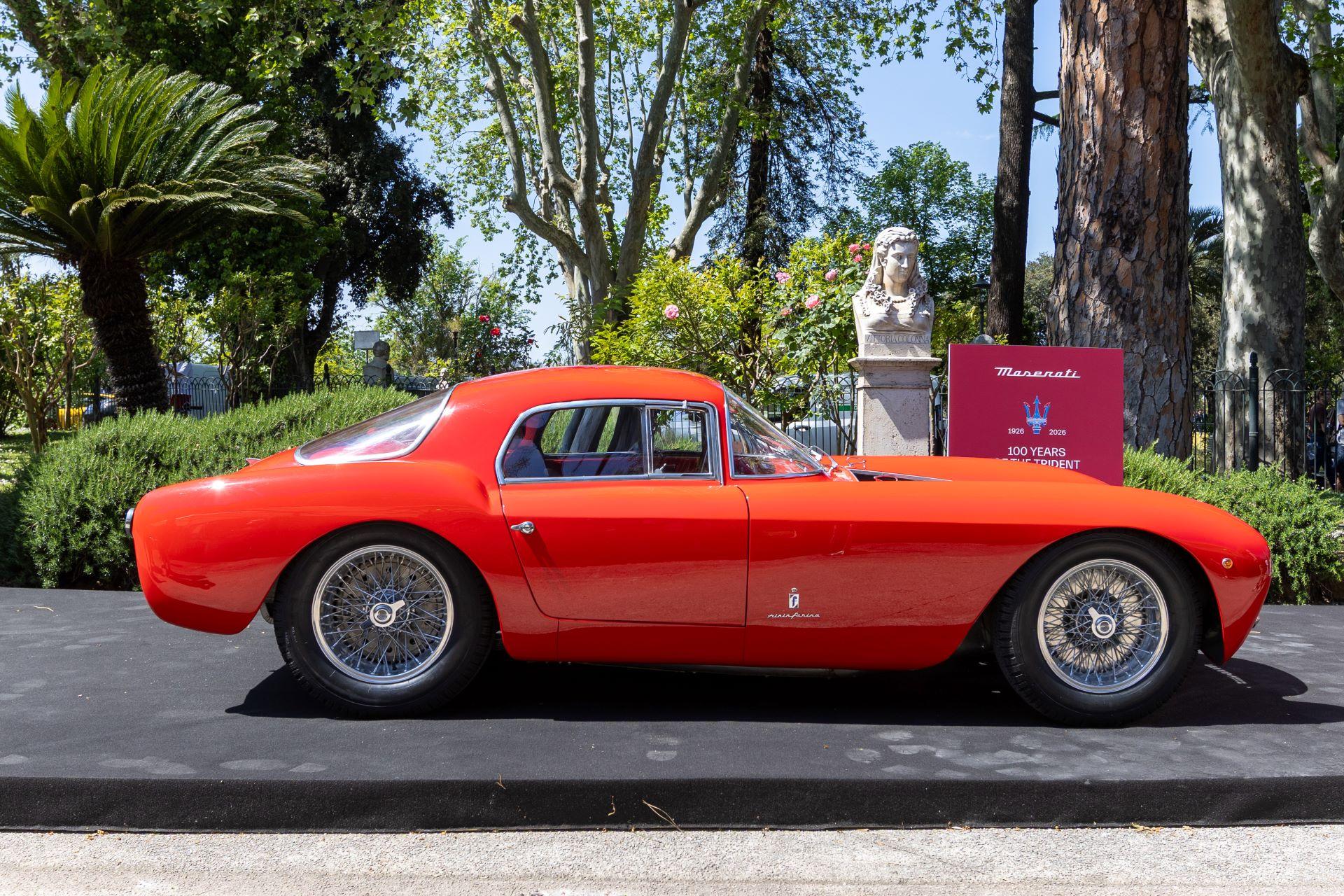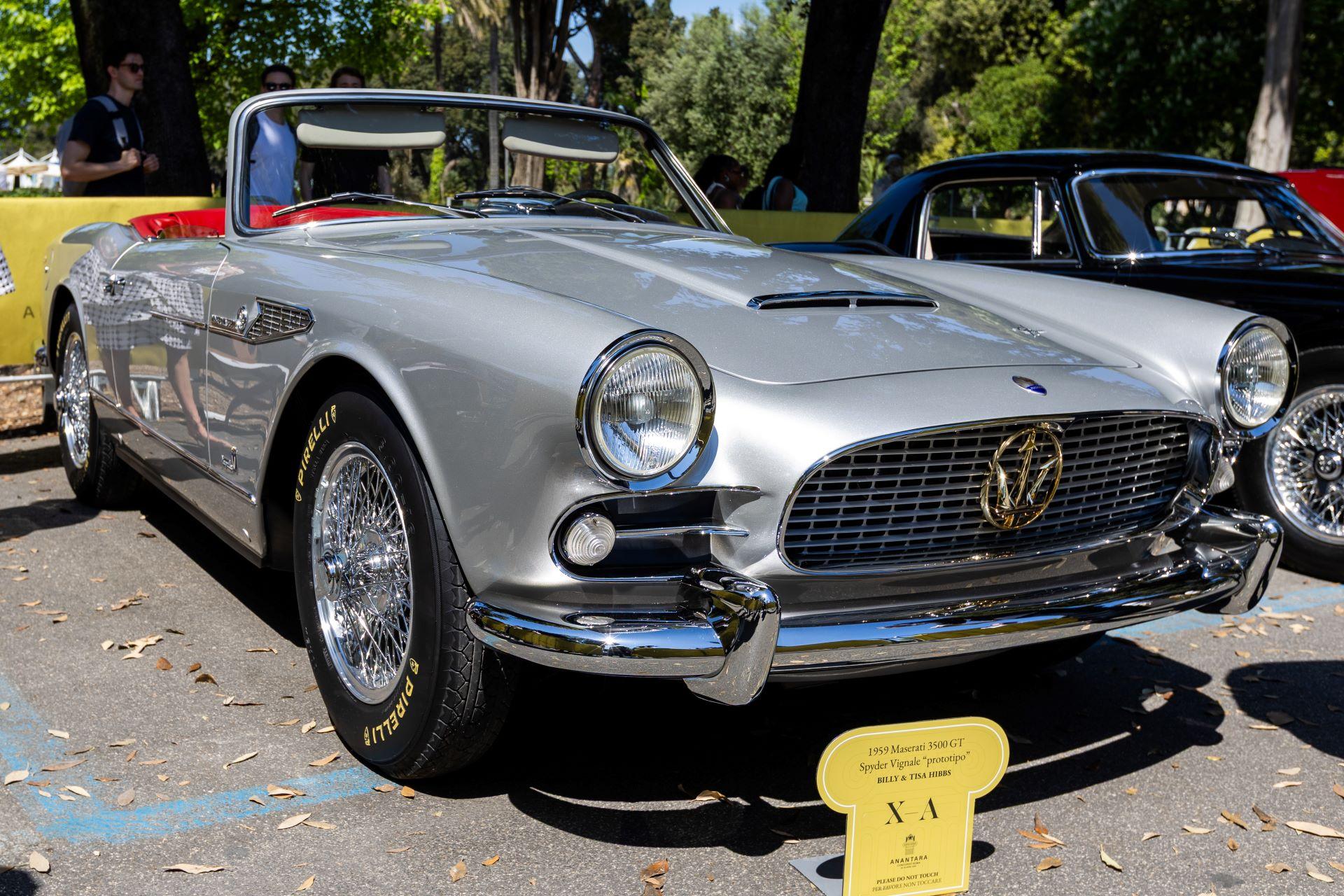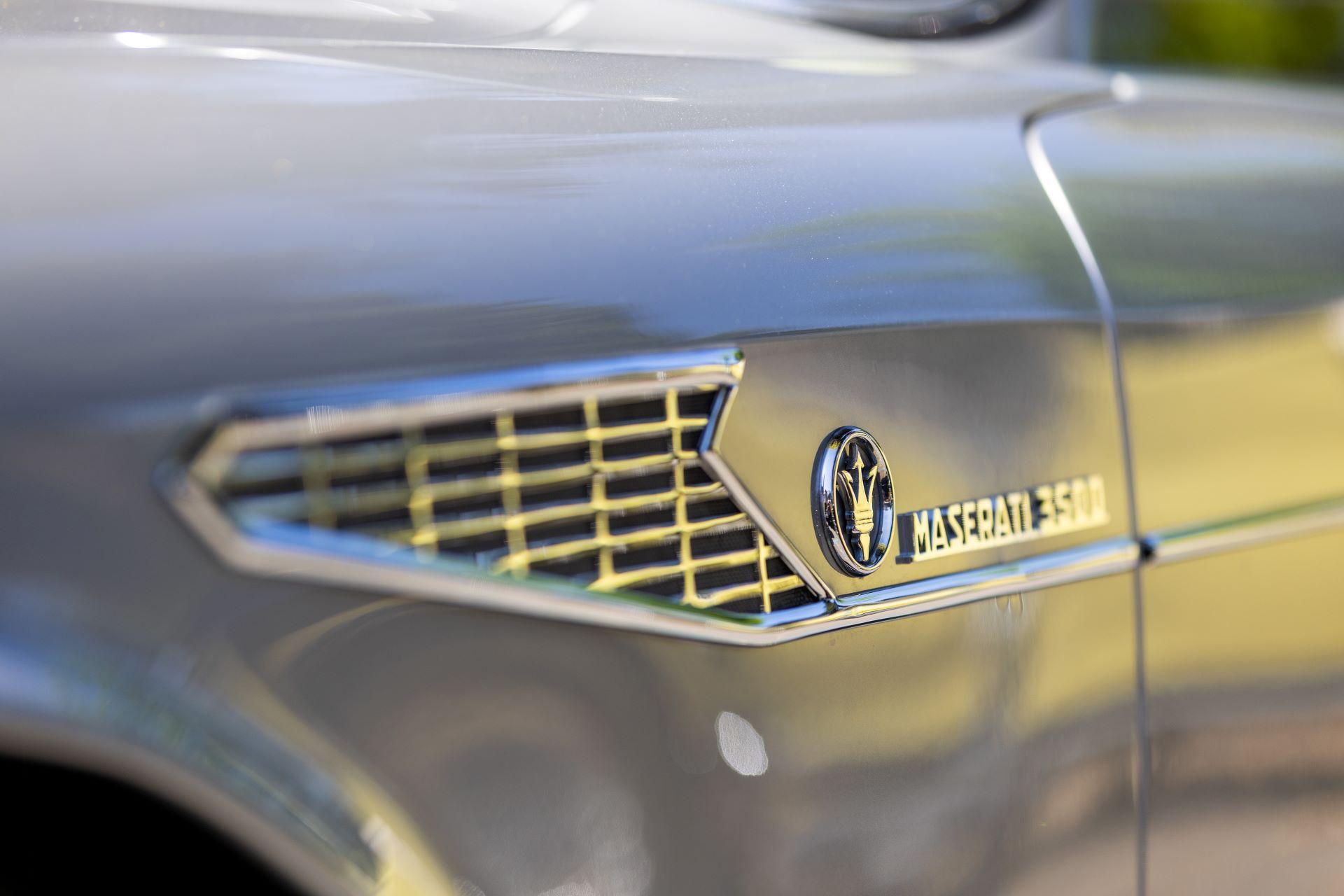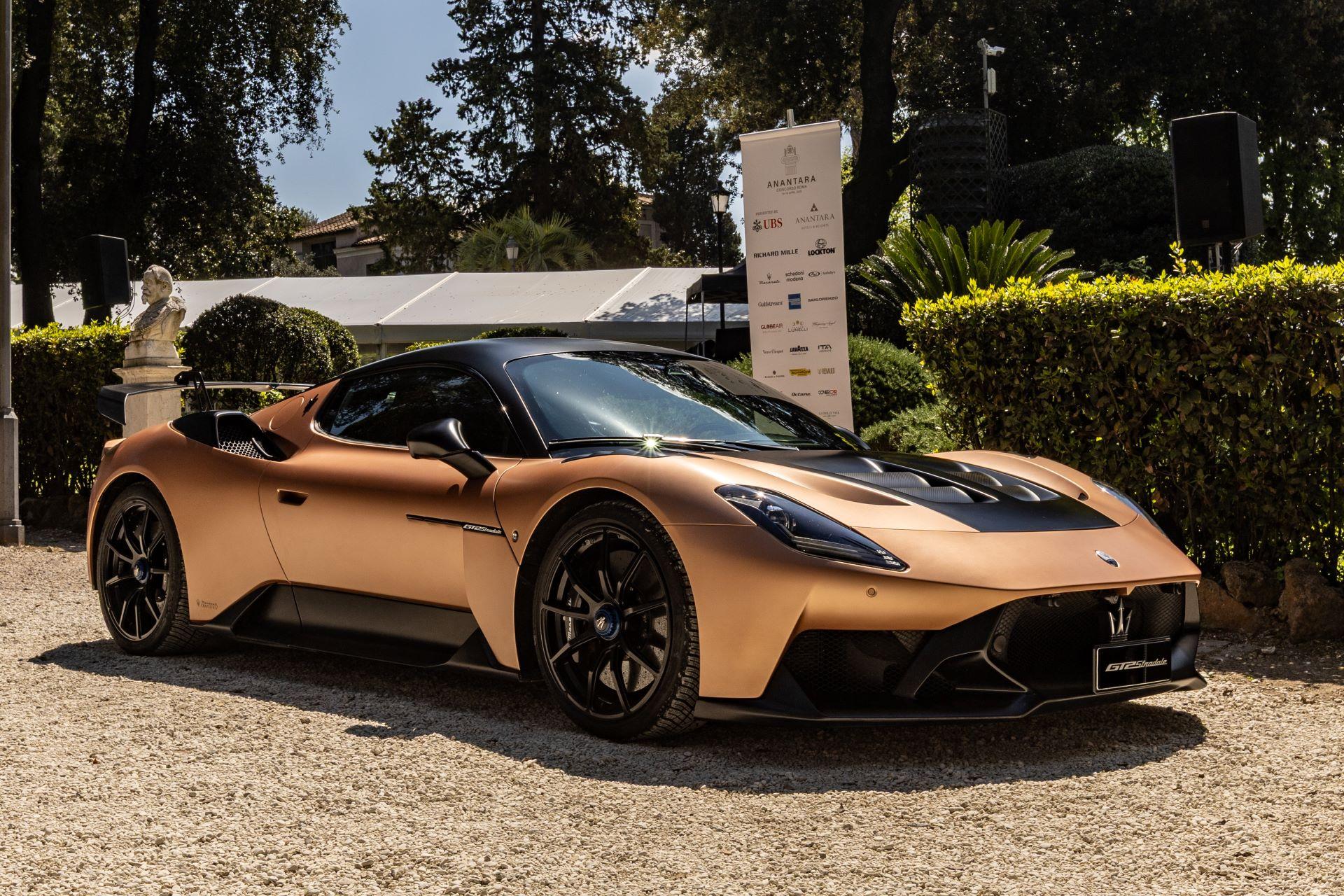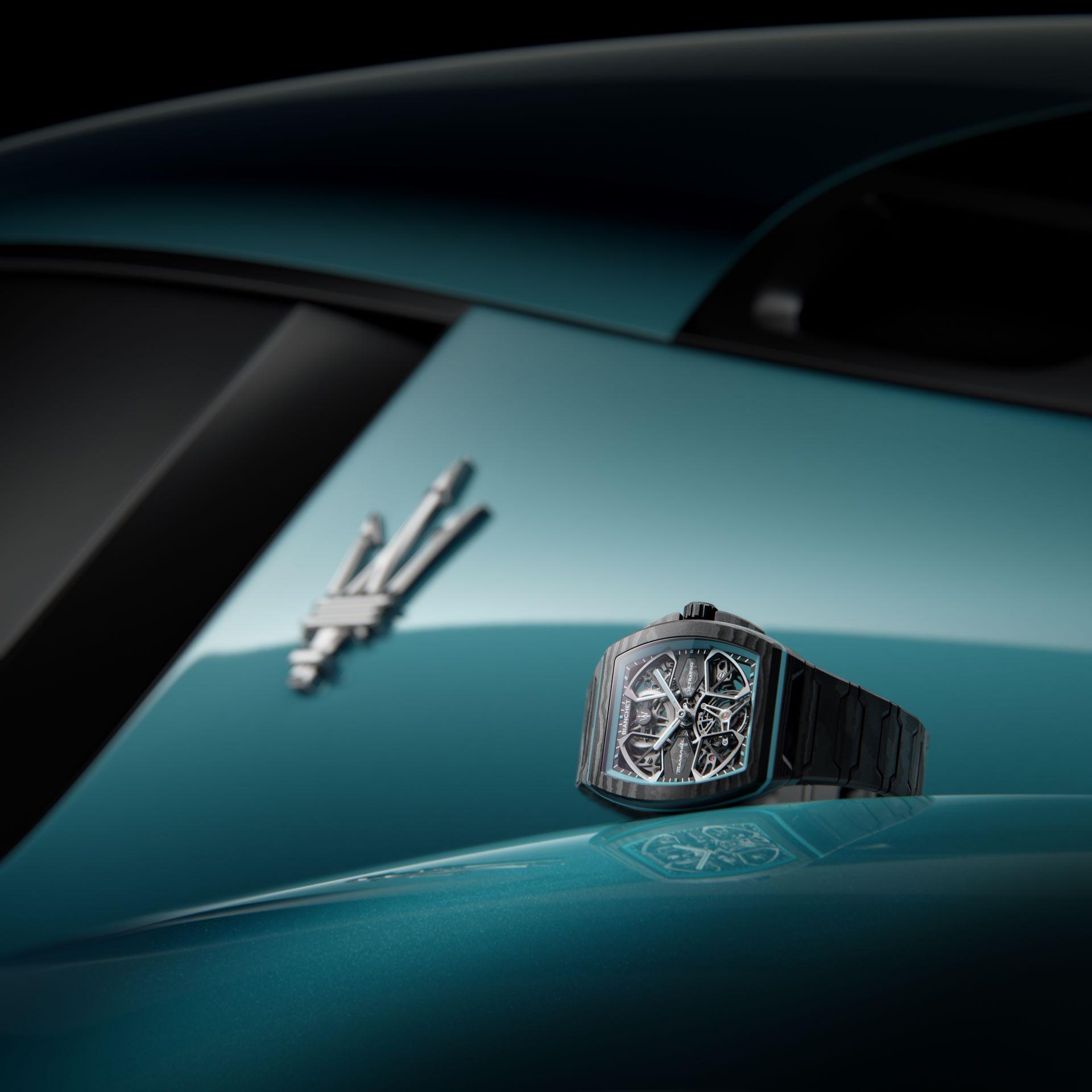





In Rome, where history lingers in stone and symbolism carries weight across centuries, Maserati chose a fitting stage to celebrate a century of its most enduring emblem. The Trident, first etched onto the bonnet of the Tipo 26 in 1926, has completed its journey from racing insignia to global icon, now immortalised in a philatelic miniature that captures both its legacy and its evolution.
The unveiling took place at the Palazzo Piacentini, within the ornate Sala degli Arazzi, where representatives from Italy’s industrial and cultural institutions gathered to honour a collection of stamps dedicated to the nation’s most influential brands. Among them, Maserati stood apart, marking not only the centenary of the Trident but also a defining moment in its own origin story: its first competitive victory at the Targa Florio. More than a symbolic nod, the stamp signals Maserati’s continued role as a standard-bearer for Italian engineering and design, over a century after its founding in Modena.
Rendered with deliberate elegance, the stamp is a study in restrained artistry. The contemporary Trident takes centre stage, its clean lines and poised geometry reflecting the brand’s modern identity. Behind it, a layered pattern of earlier iterations quietly narrates its transformation over time, woven into a deep blue background that evokes both heritage and refinement. A tricolour accent anchors the design in its Italian roots, while the word “Centenario” completes the composition with understated authority. Produced by the Istituto Poligrafico e Zecca dello Stato and distributed by Poste Italiane, the stamp is intended not as a collector’s curiosity alone, but as a circulating ambassador of Italian excellence.
For enthusiasts and collectors, a dedicated philatelic folder extends the experience. It pairs the stamp with a block of four, a First Day Cover bearing the official cancellation, and a detailed booklet tracing the story of the Trident. Together, these elements transform a small-format print into a tactile narrative, one that bridges art, industry, and memory.
The origins of the Trident remain rooted in a distinctly Italian fusion of creativity and symbolism. In 1926, as Maserati prepared to compete in the Targa Florio, the need for a defining emblem led Mario Maserati to draw inspiration from Bologna’s Fountain of Neptune. The sculpture, with its commanding figure and outstretched trident, offered more than visual appeal. It embodied authority, control, and a sense of dominion that translated seamlessly into the language of motorsport. What began as an artistic reference soon became a declaration of intent.
That intent has been proven repeatedly across decades of competition. From early dominance at the Targa Florio to victories on international circuits, Maserati’s racing pedigree has been inseparable from the symbol it carries. The marque claimed consecutive wins at the Indianapolis 500 in 1939 and 1940, secured multiple triumphs at the Targa Florio, and reached the pinnacle of Formula One in 1957 when Juan Manuel Fangio delivered a world championship behind the wheel of a Maserati. Each success reinforced the Trident as more than a badge, turning it into a shorthand for performance, precision, and Italian ambition.
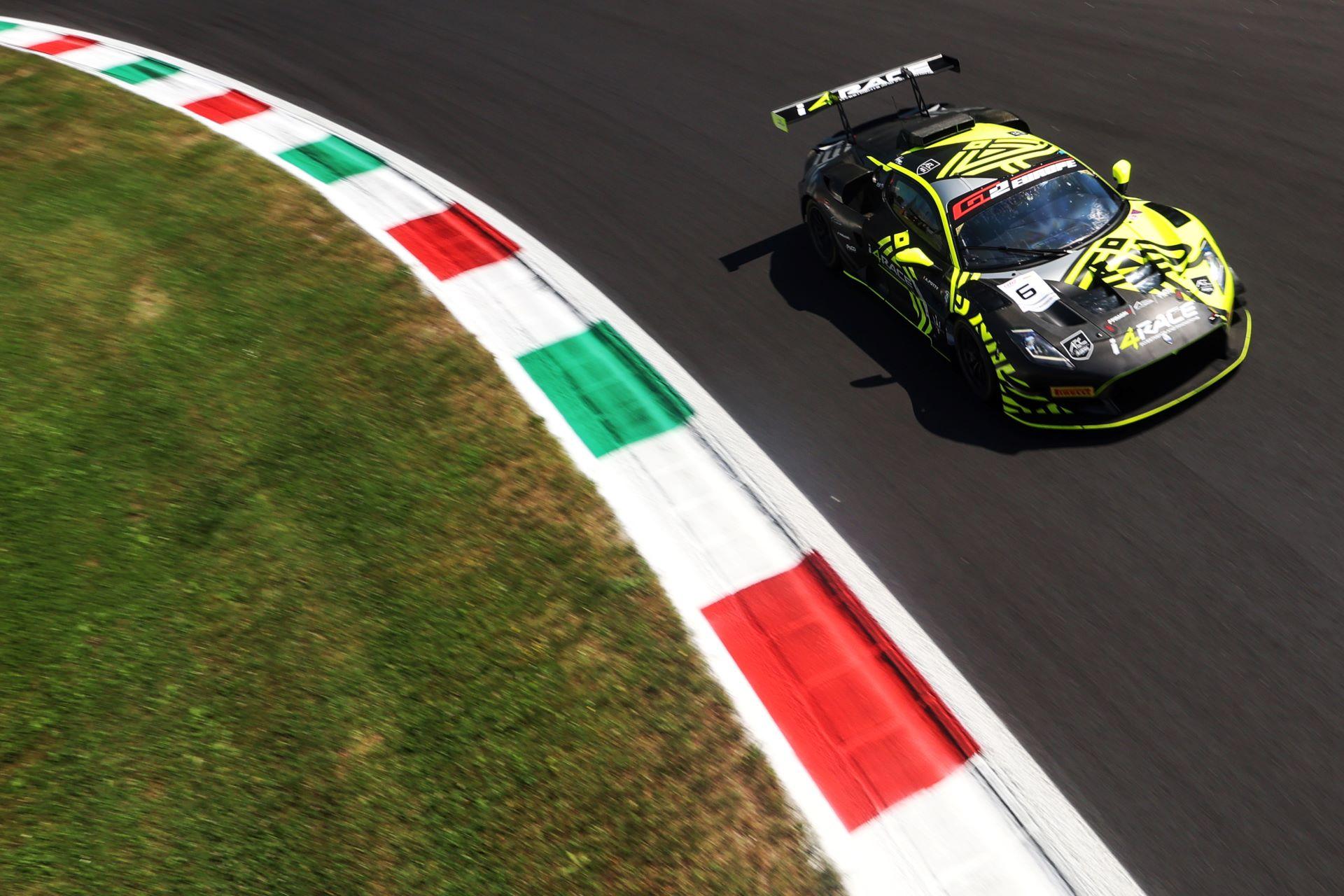
In more recent years, that legacy has continued to evolve rather than fade. The MC12 dominated FIA GT competition between 2005 and 2010, while the modern GT2 programme signals a renewed commitment to international racing. Today, Maserati competes across more than 20 championships worldwide, extending the reach of its emblem into new arenas while remaining anchored in its heritage.
As the Trident marks its first hundred years, the commemorative stamp offers something both simple and profound. It reduces a century of innovation, artistry, and competition into a format small enough to fit on an envelope, yet rich enough to carry a story across borders. In doing so, it reflects Maserati itself, a brand that has consistently balanced tradition and progress, transforming inspiration into identity and identity into enduring global appeal.