


At the heart of Rome’s Villa Borghese, where centuries of art and architecture meet the soft hum of contemporary elegance, the inaugural Anantara Concorso Roma unfolded as a celebration of Italian excellence in its most refined form. From 16 to 19 April 2026, Casina Valadier became a living gallery of automotive heritage and luxury hospitality, hosting 70 of the world’s rarest and most significant Italian collector cars in an immersive showcase that fused culture, design, and mechanical poetry.
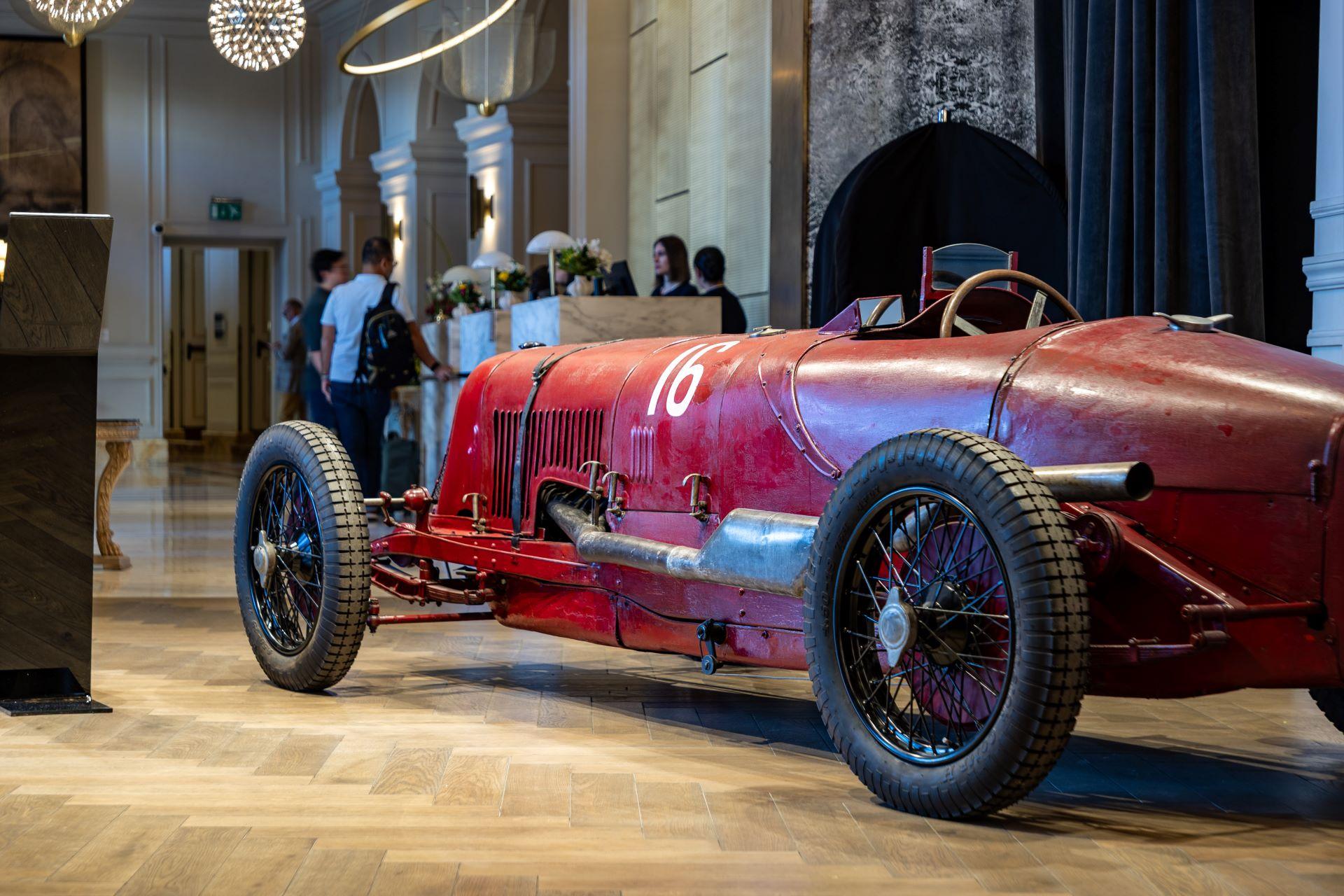
As Official Partner, Maserati arrived not merely as an exhibitor but as a narrative thread woven through past, present, and future. Its presence stretched across eras, beginning with the visceral legacy of early competition machines and flowing into the sculpted performance of today’s super sports cars. At the Anantara Palazzo Naiadi Rome Hotel, the legendary Tipo 26B from 1927 stood as a monumental reminder of Maserati’s racing origins, while at Casina Valadier, a curated stand welcomed enthusiasts into a world where heritage and innovation coexisted in seamless dialogue.
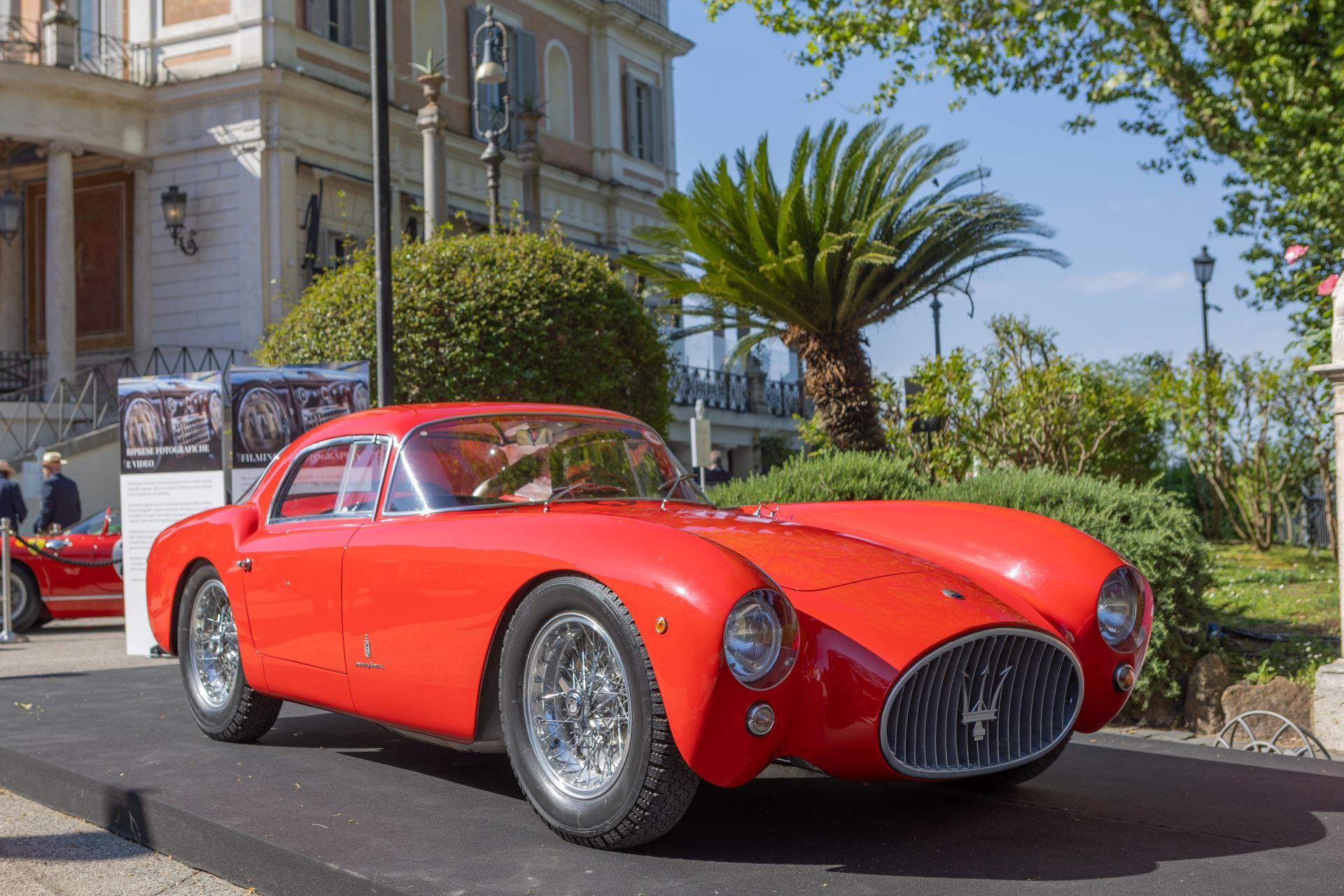
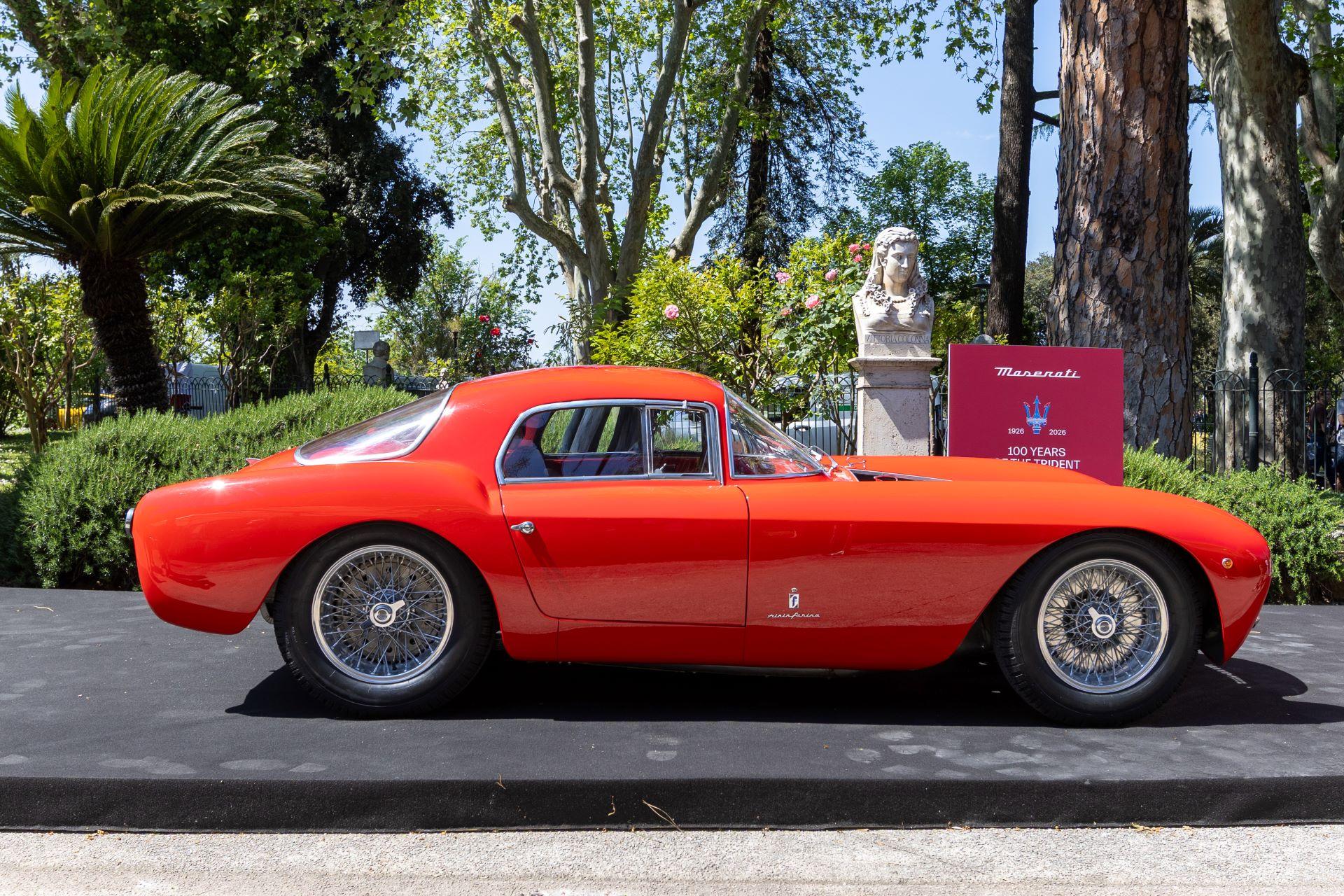
The Maserati display told a story of evolution written in aluminium, carbon fibre, and ambition. Among the most revered historical pieces was the A6GCS-53 Berlinetta Pininfarina from 1954, a rare post-war masterpiece that captured the moment Maserati began transitioning from pure competition engineering to the artistry of grand touring design. With only a handful ever produced, its presence underscored the brand’s role in shaping the aesthetic language of 1950s sports cars, where performance and elegance became inseparable ideals.
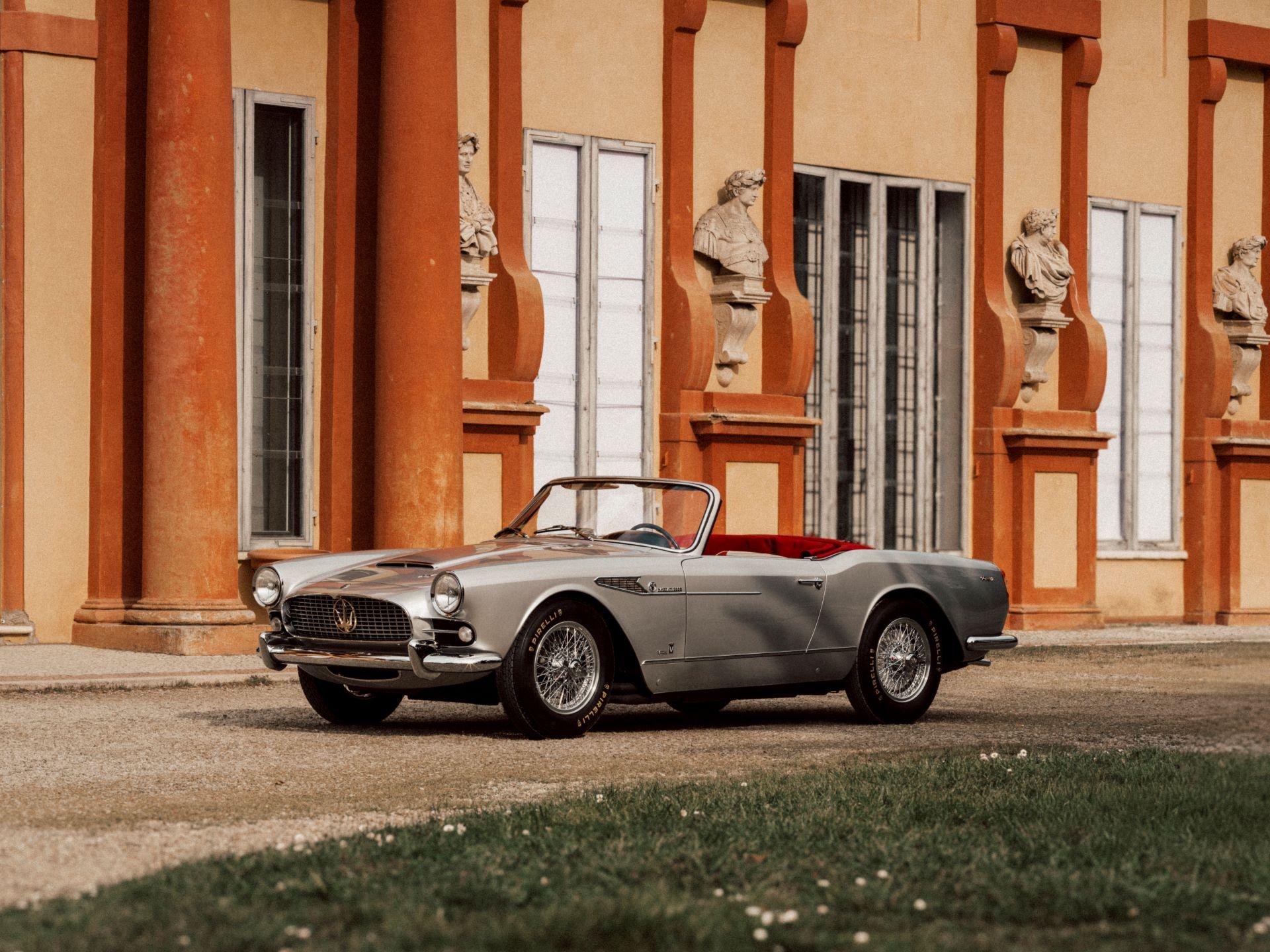
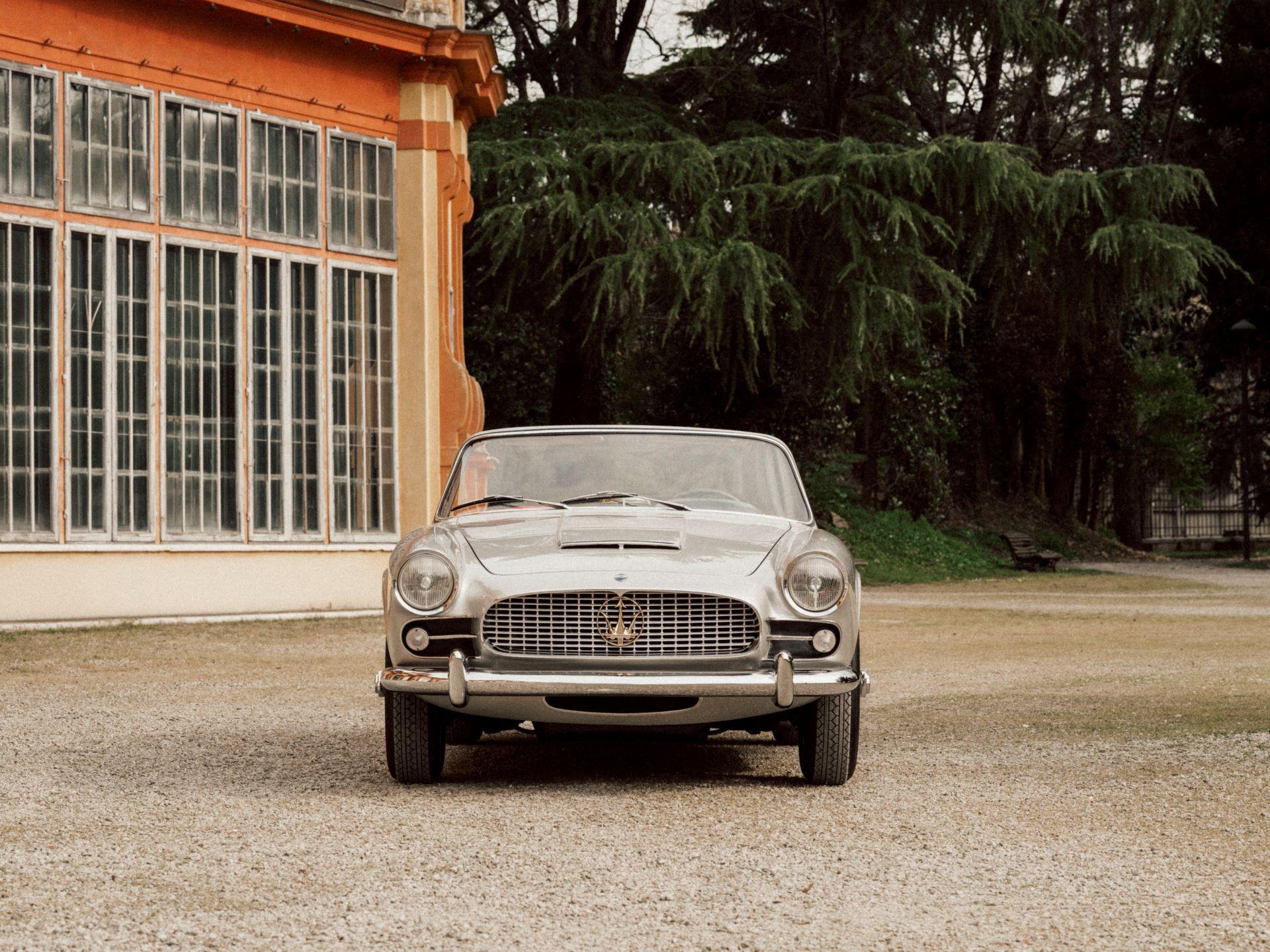
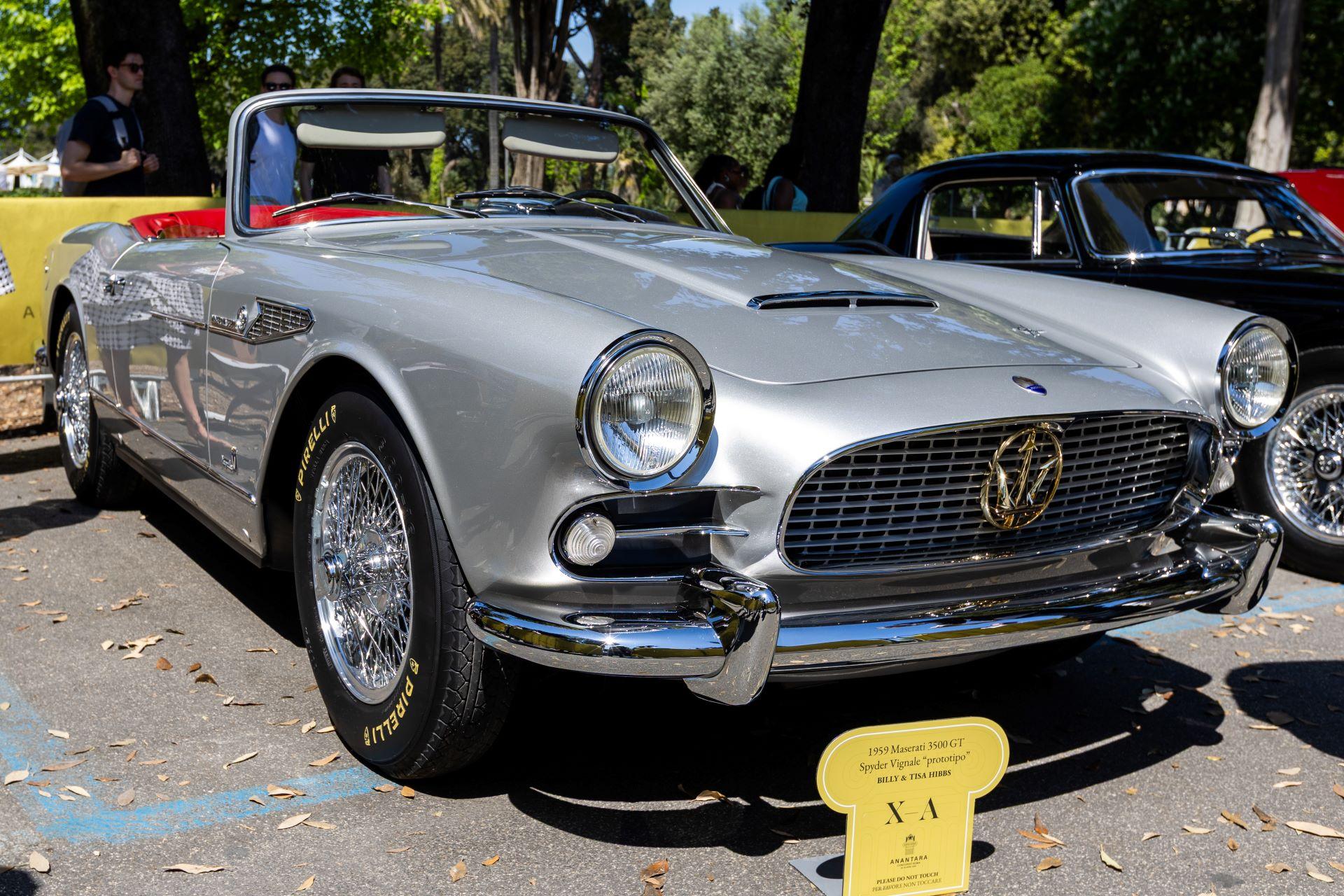
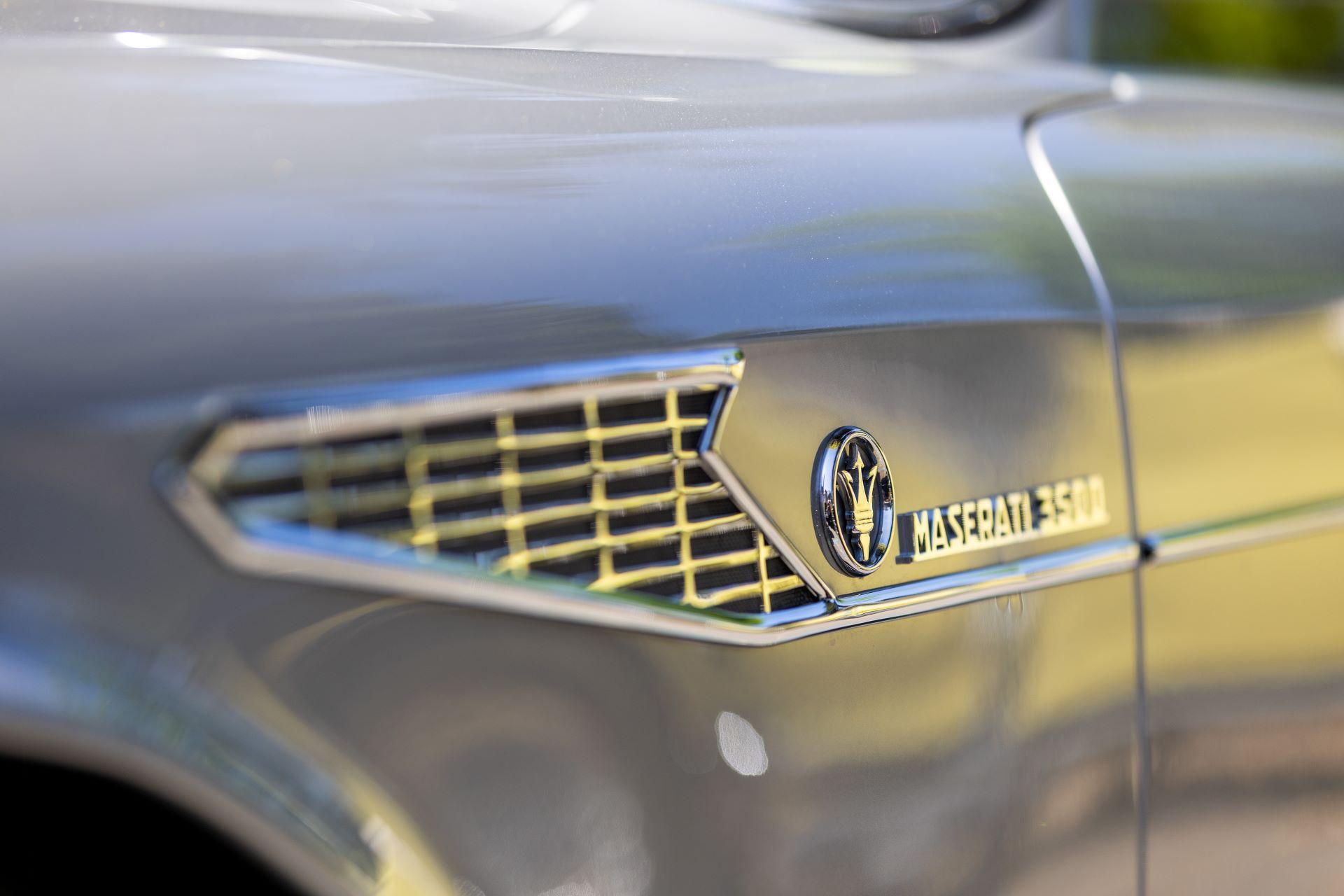
Equally compelling was the 3500 GT Convertible Vignale prototype, a car that bridged craftsmanship and innovation in a way few vehicles ever have. Recently certified by Maserati Classiche after a meticulous restoration, the model stands as both artefact and achievement, its refined Vignale lines and carefully preserved interior detailing reflecting a golden age of bespoke Italian coachbuilding. Its recognition at the event echoed its historical importance as one of the earliest foundations of Maserati’s grand touring legacy.
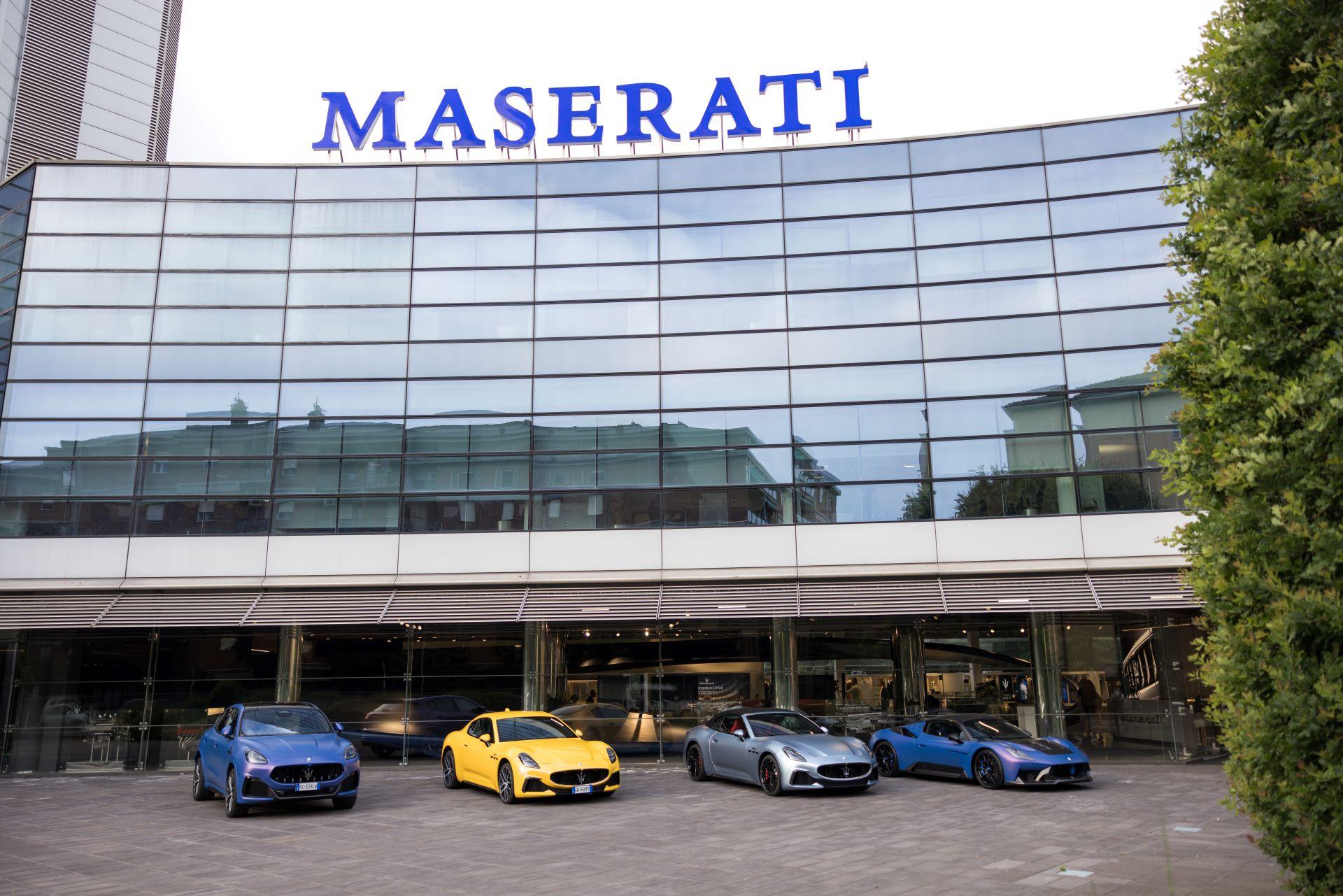
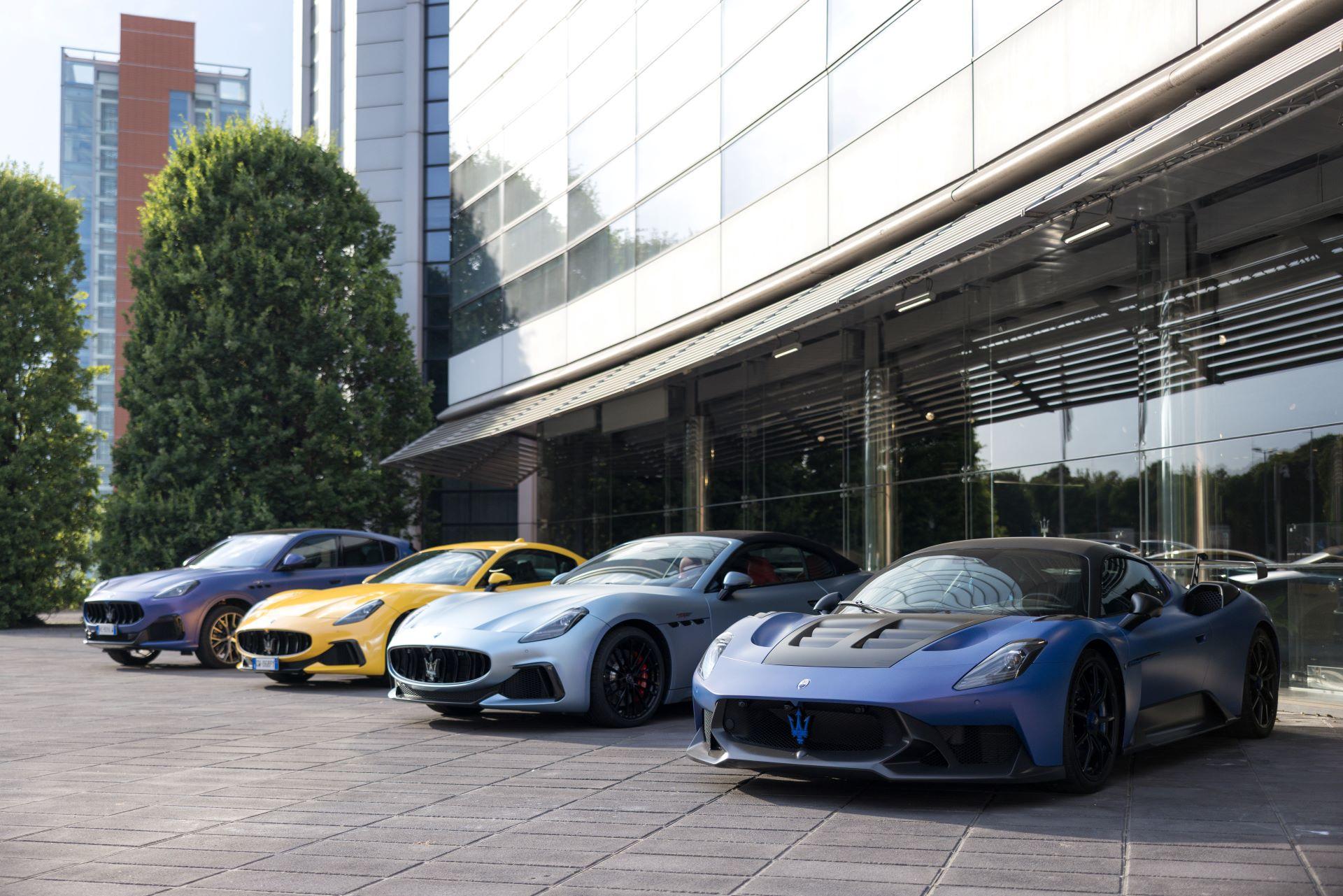
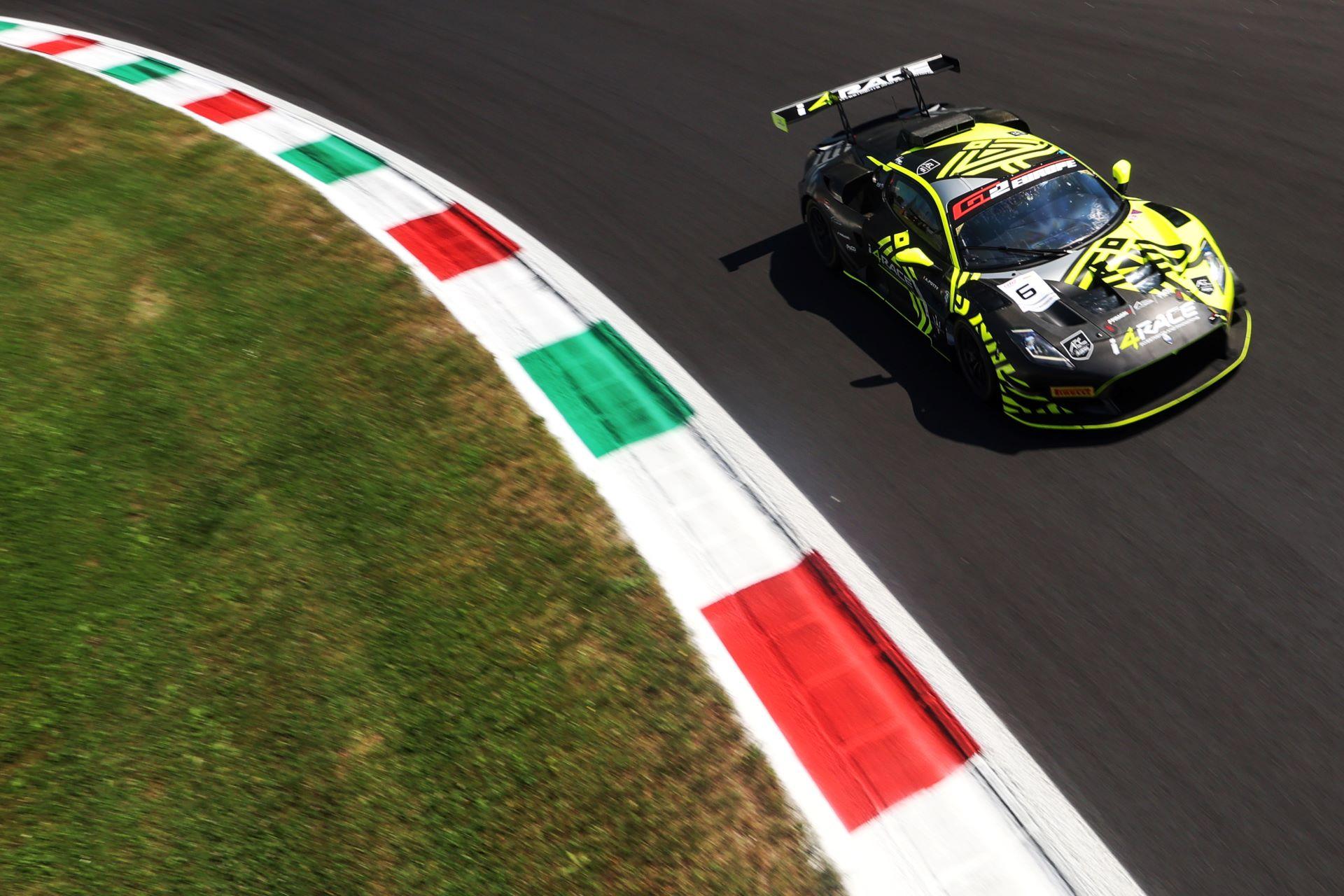
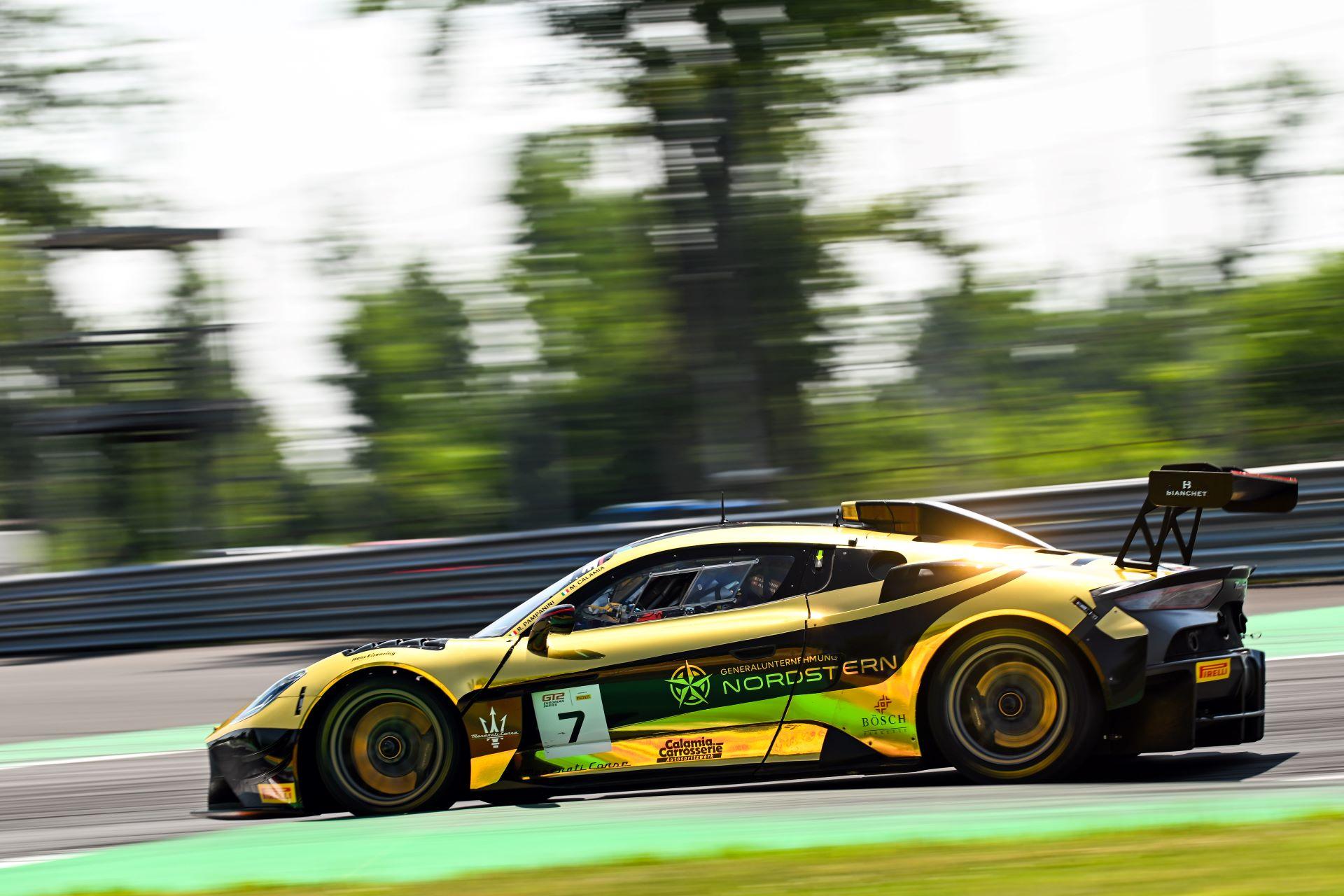
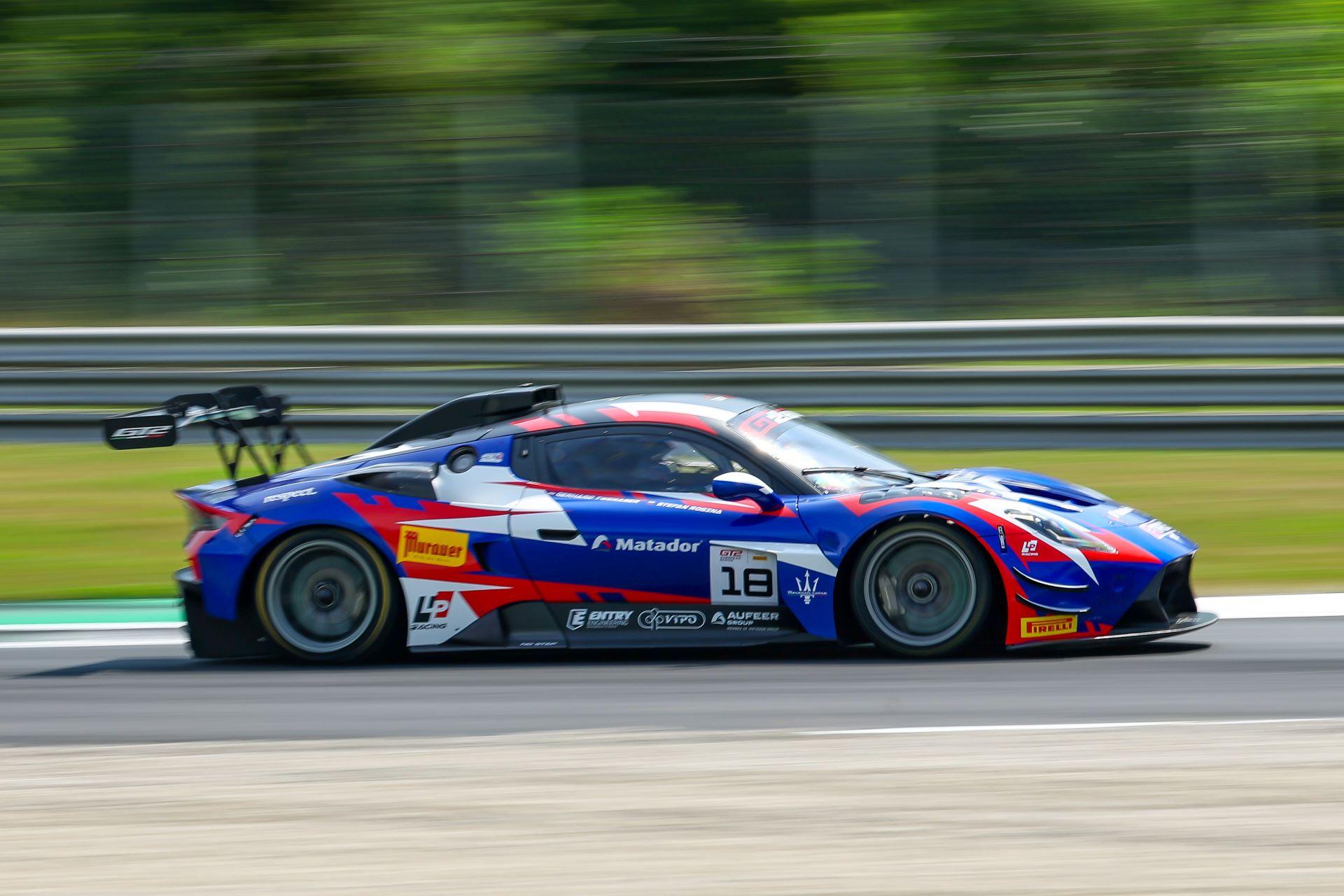
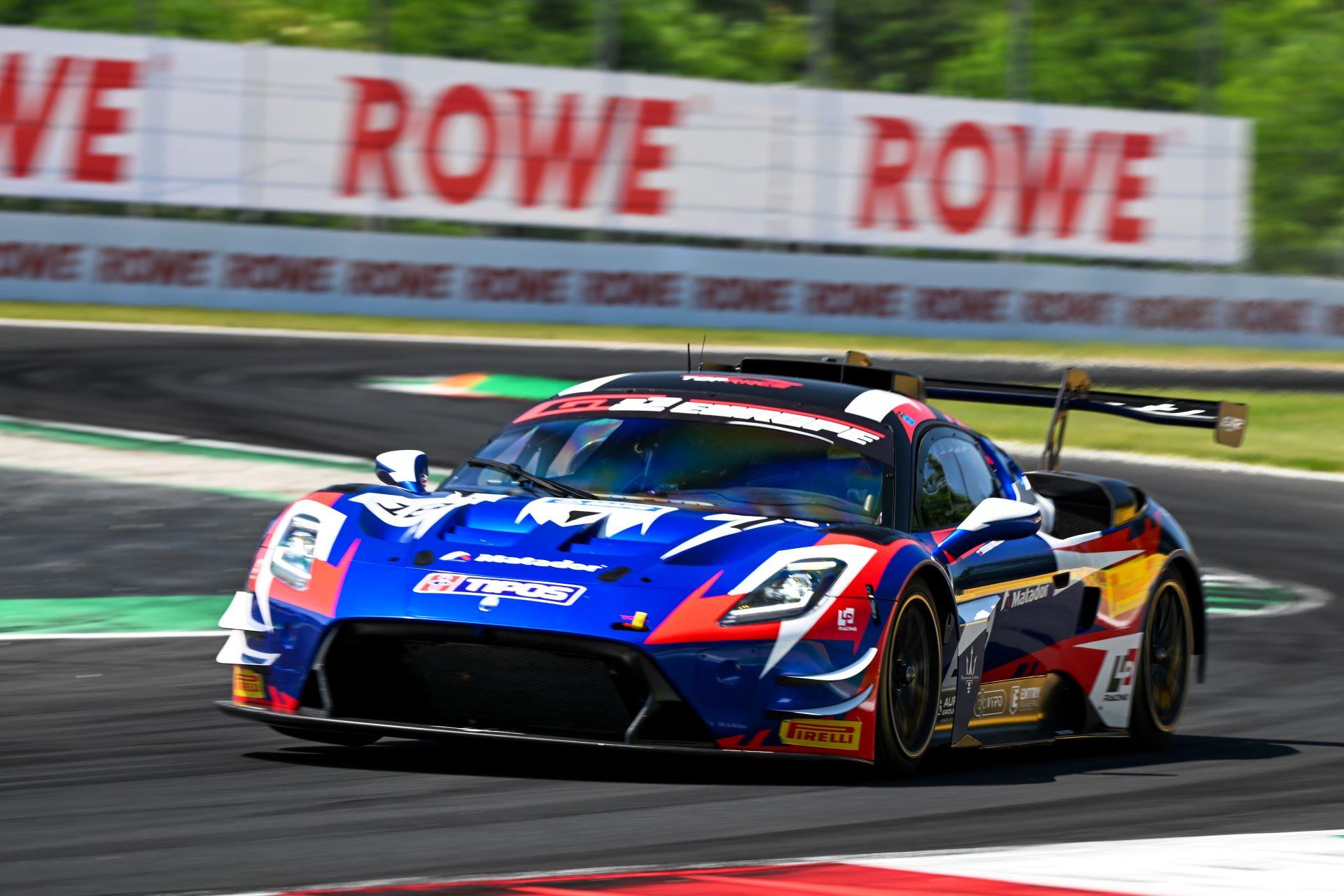
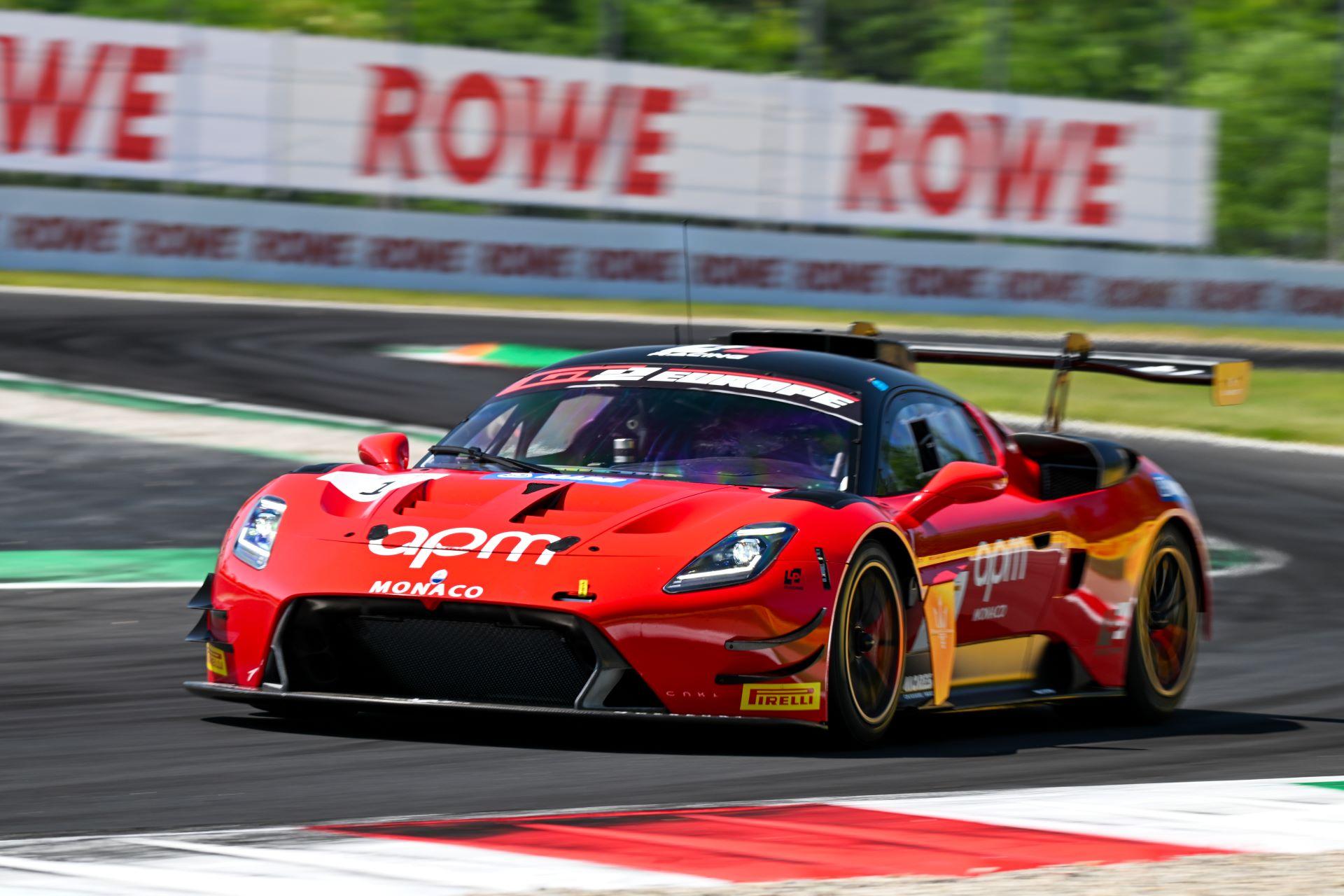
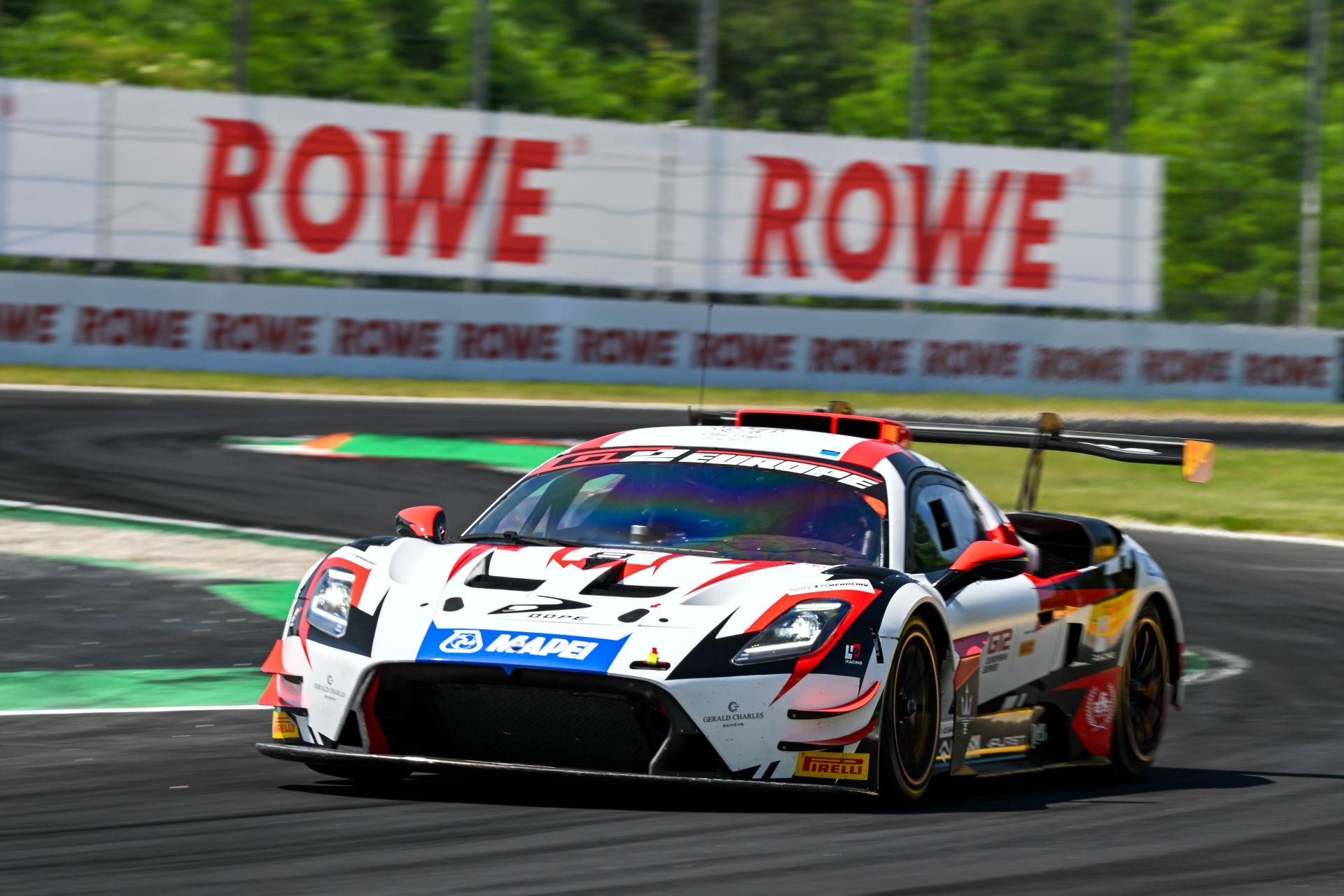
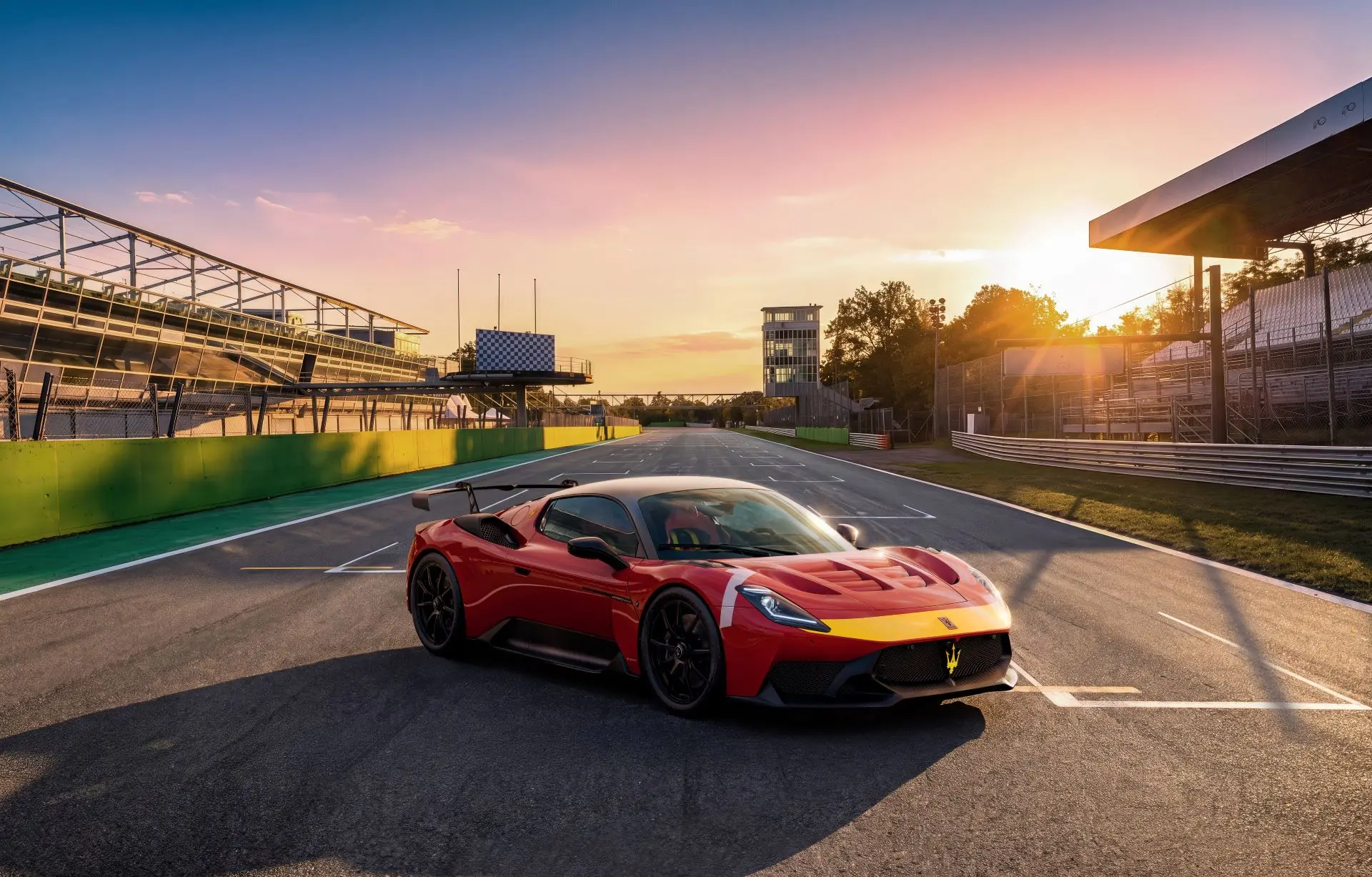
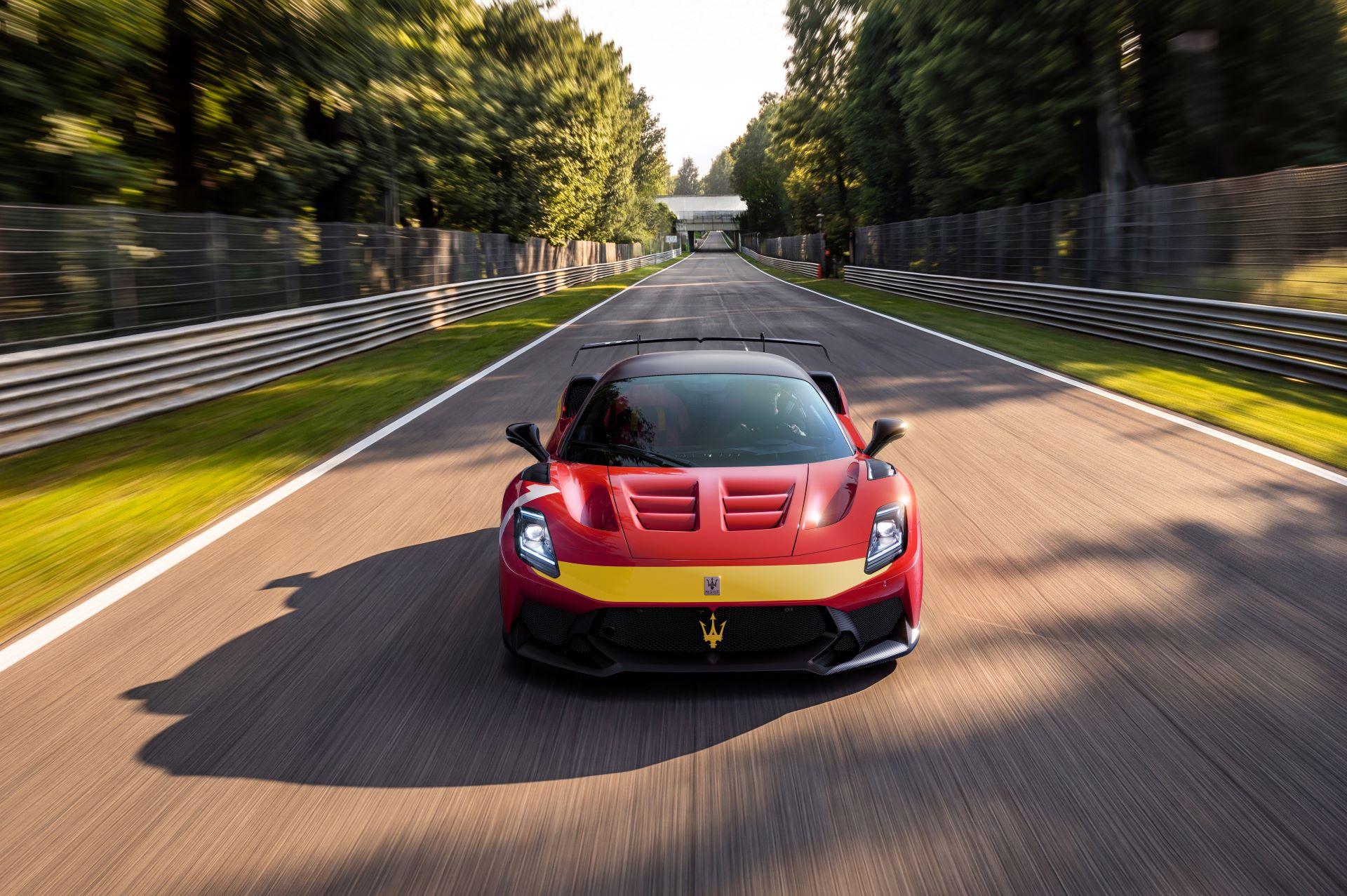
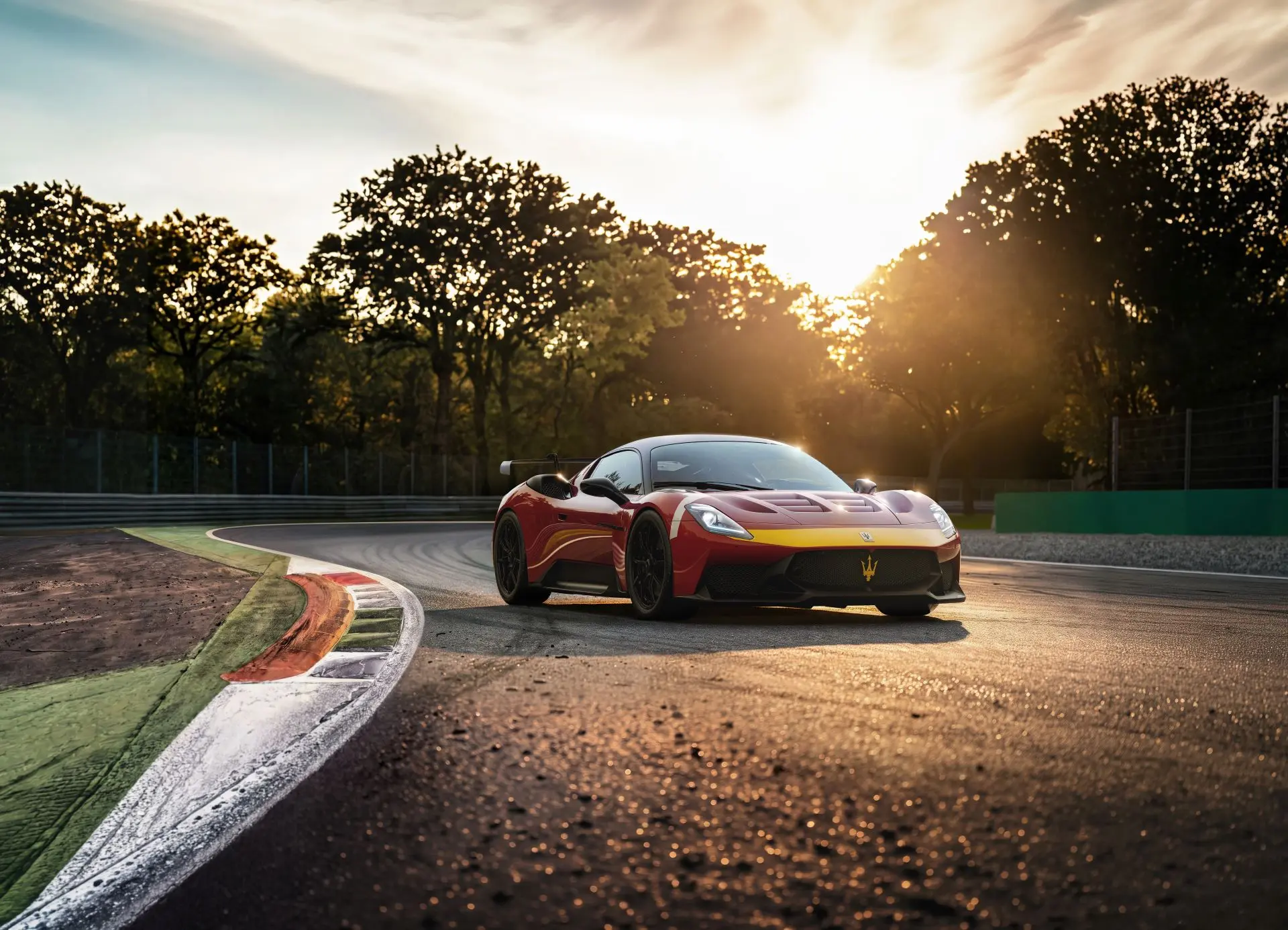
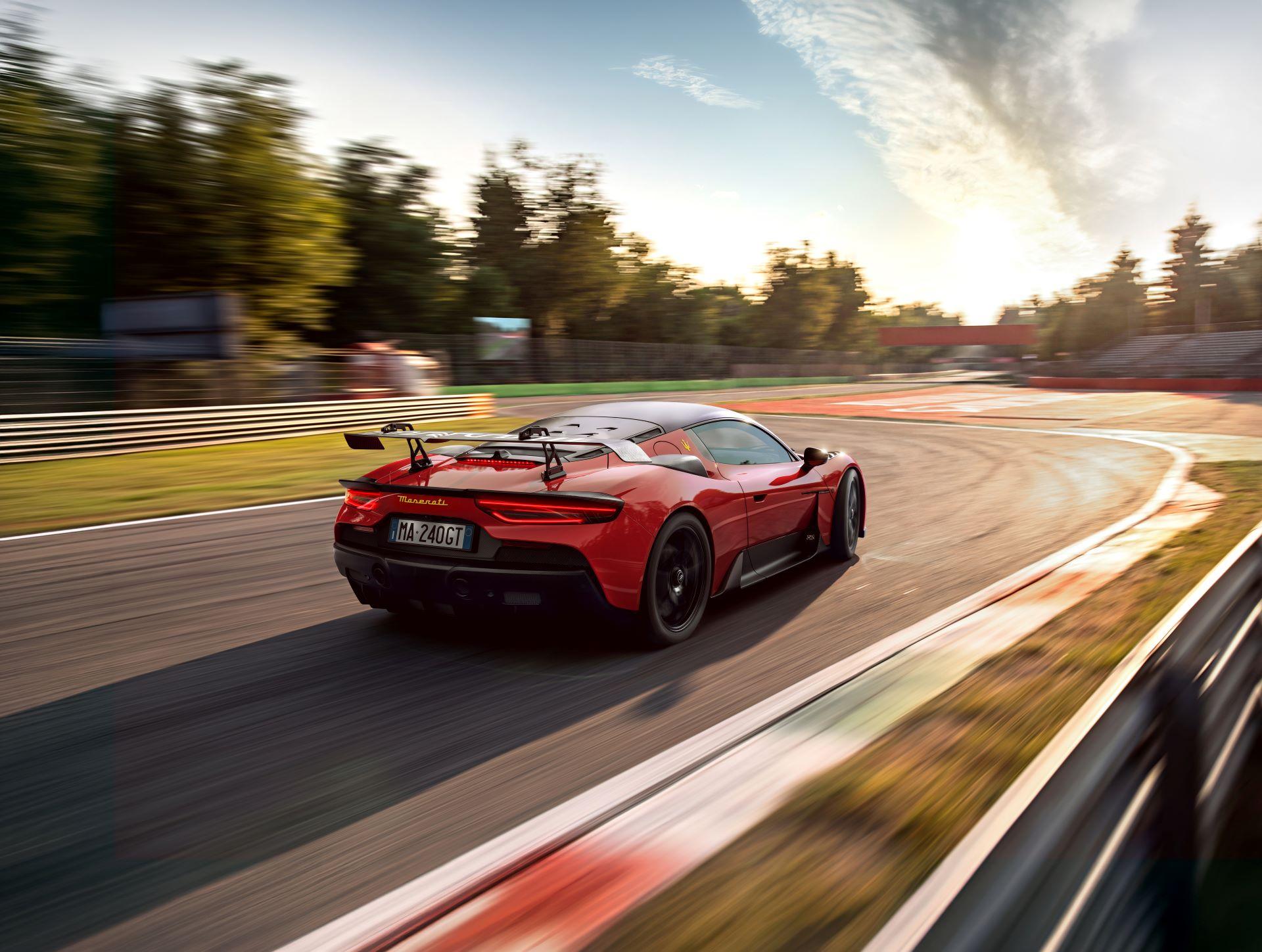
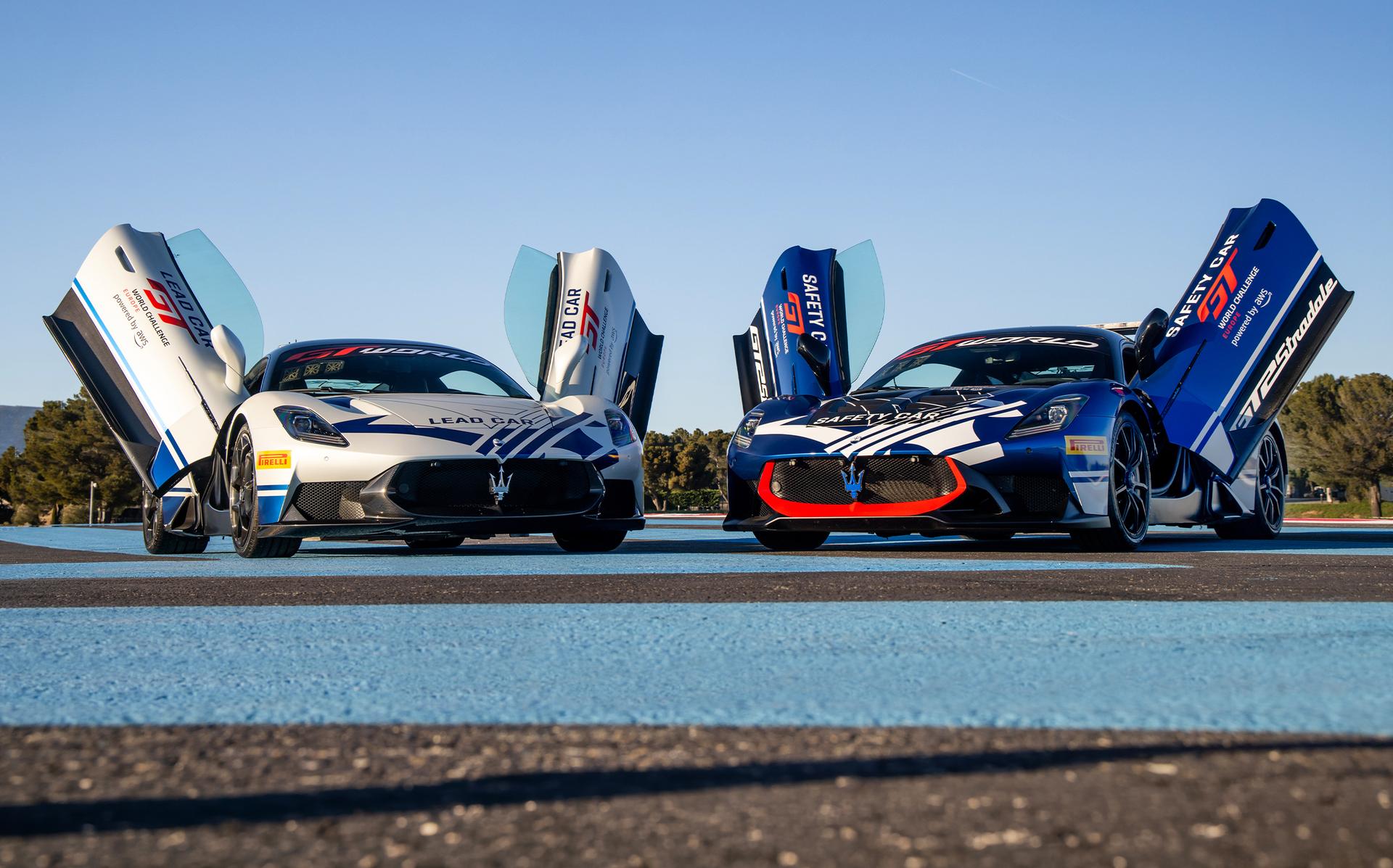
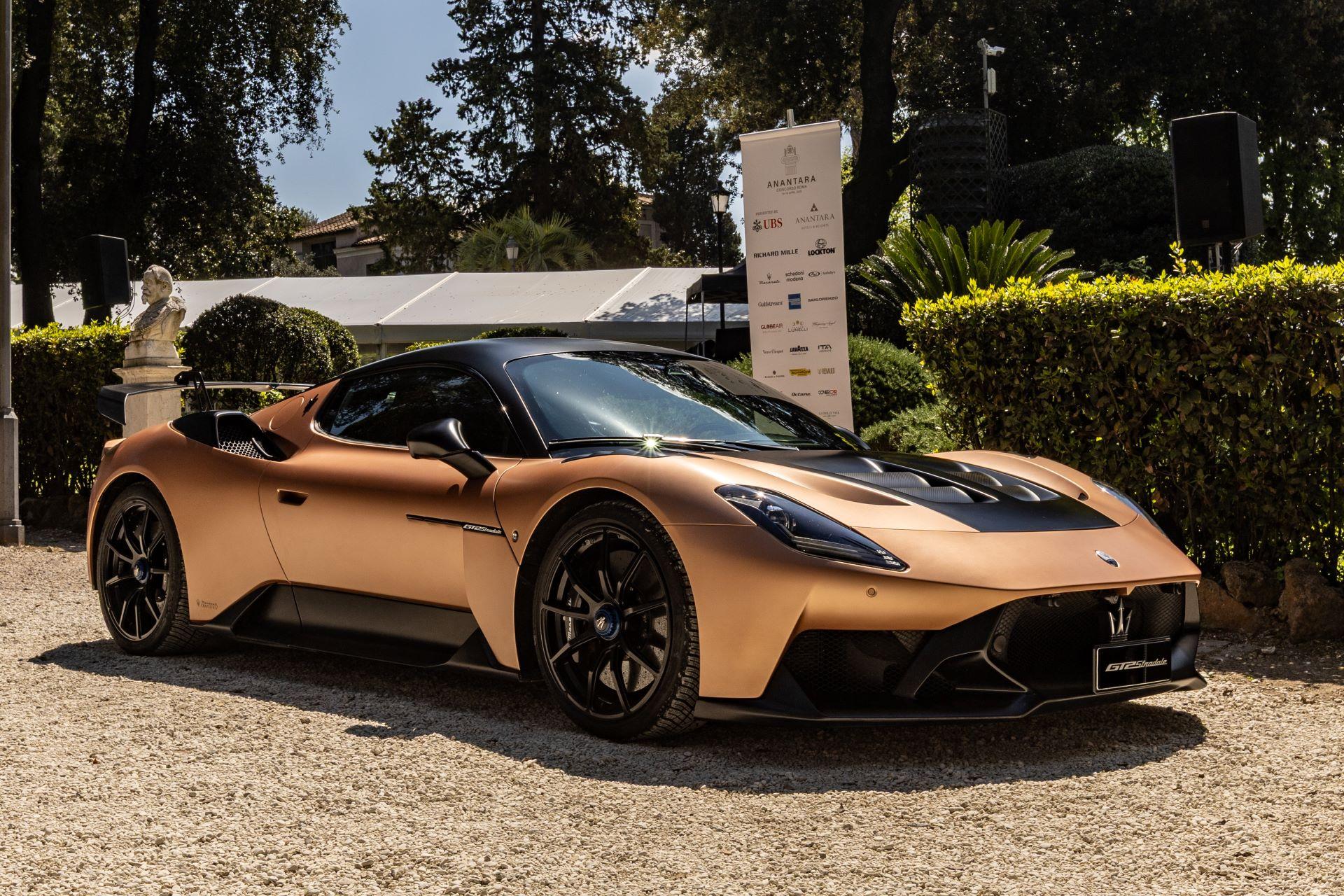
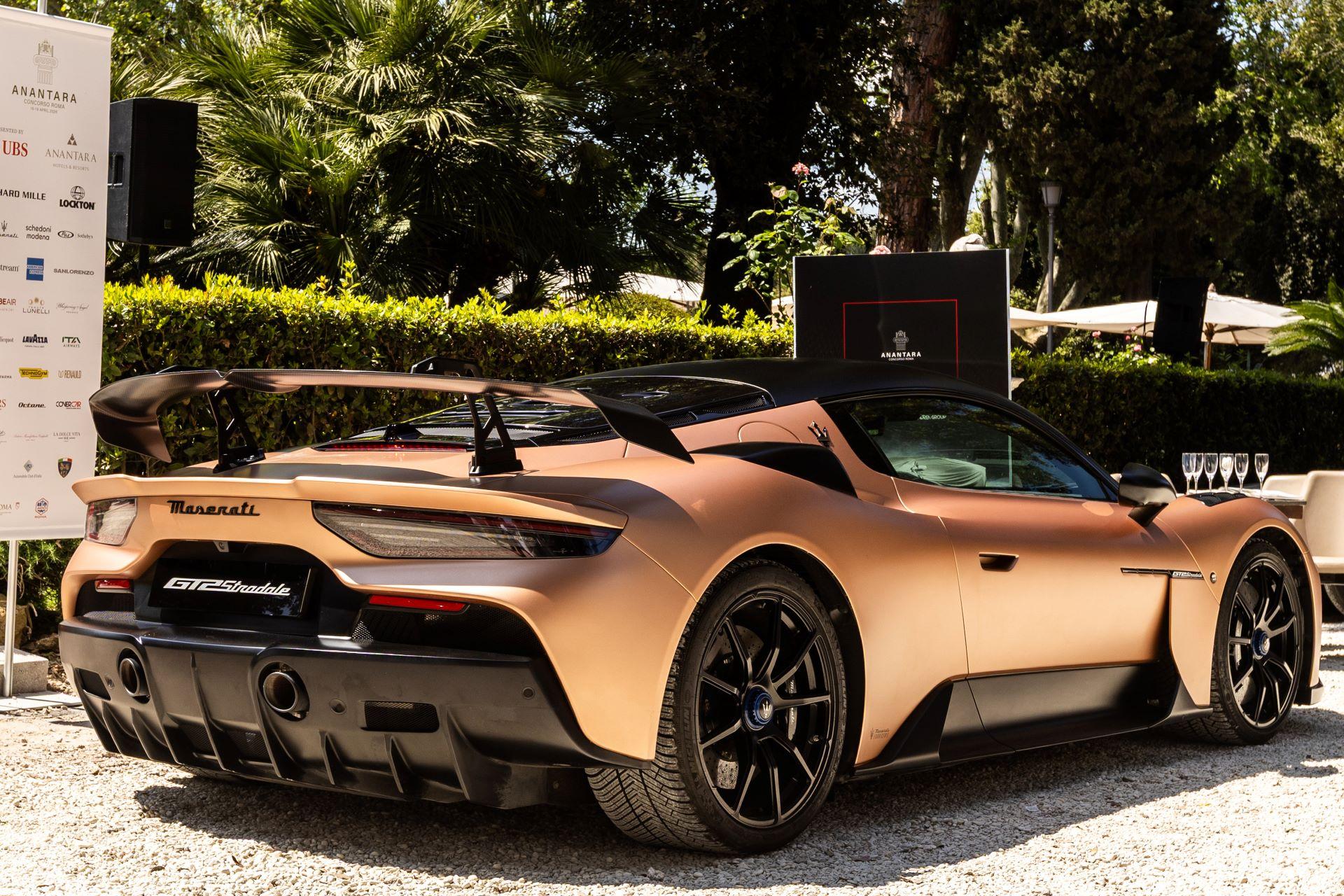
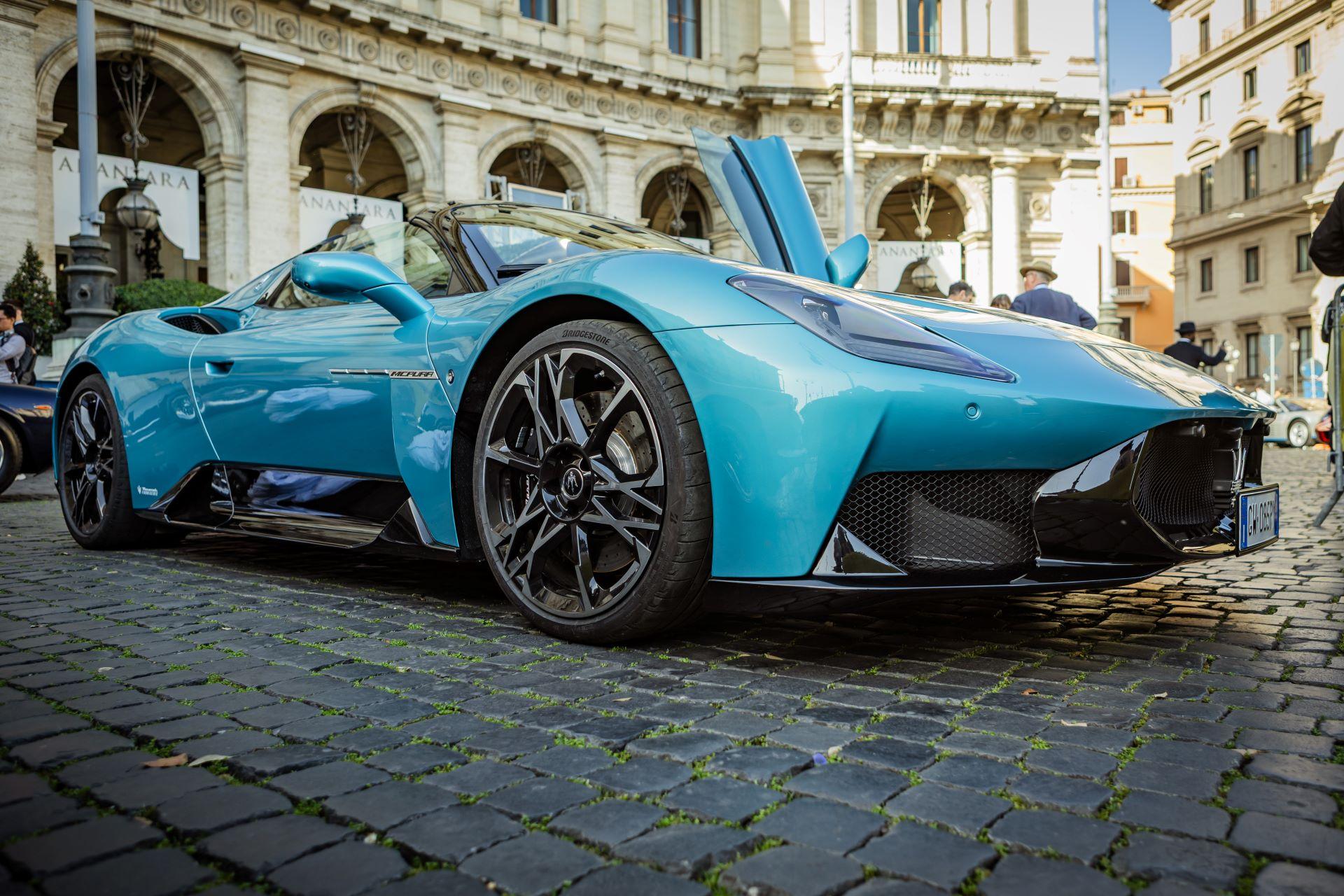
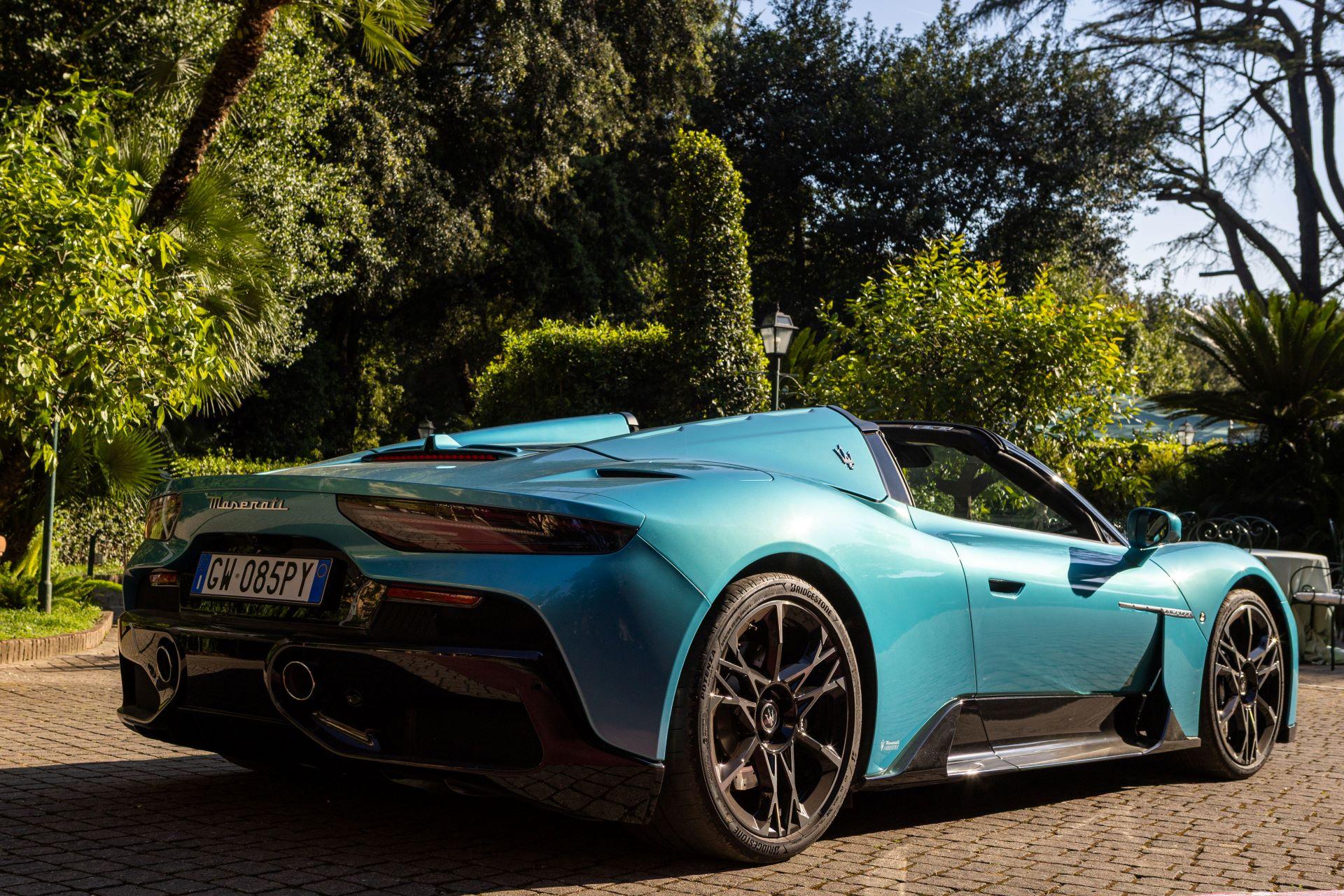
From this heritage-rich foundation, Maserati shifted seamlessly into its contemporary identity with the GT2 Stradale and MCPURA super sports cars. These modern expressions of the Trident philosophy showcased a different kind of artistry, one defined by carbon-fibre architecture, aerodynamic precision, and the uncompromising performance of the Nettuno V6 engine. The GT2 Stradale, with its racing lineage and road-legal aggression, and the MCPURA, with its lightweight engineering and striking visual identity, represented the cutting edge of Maserati’s ongoing pursuit of driving emotion.
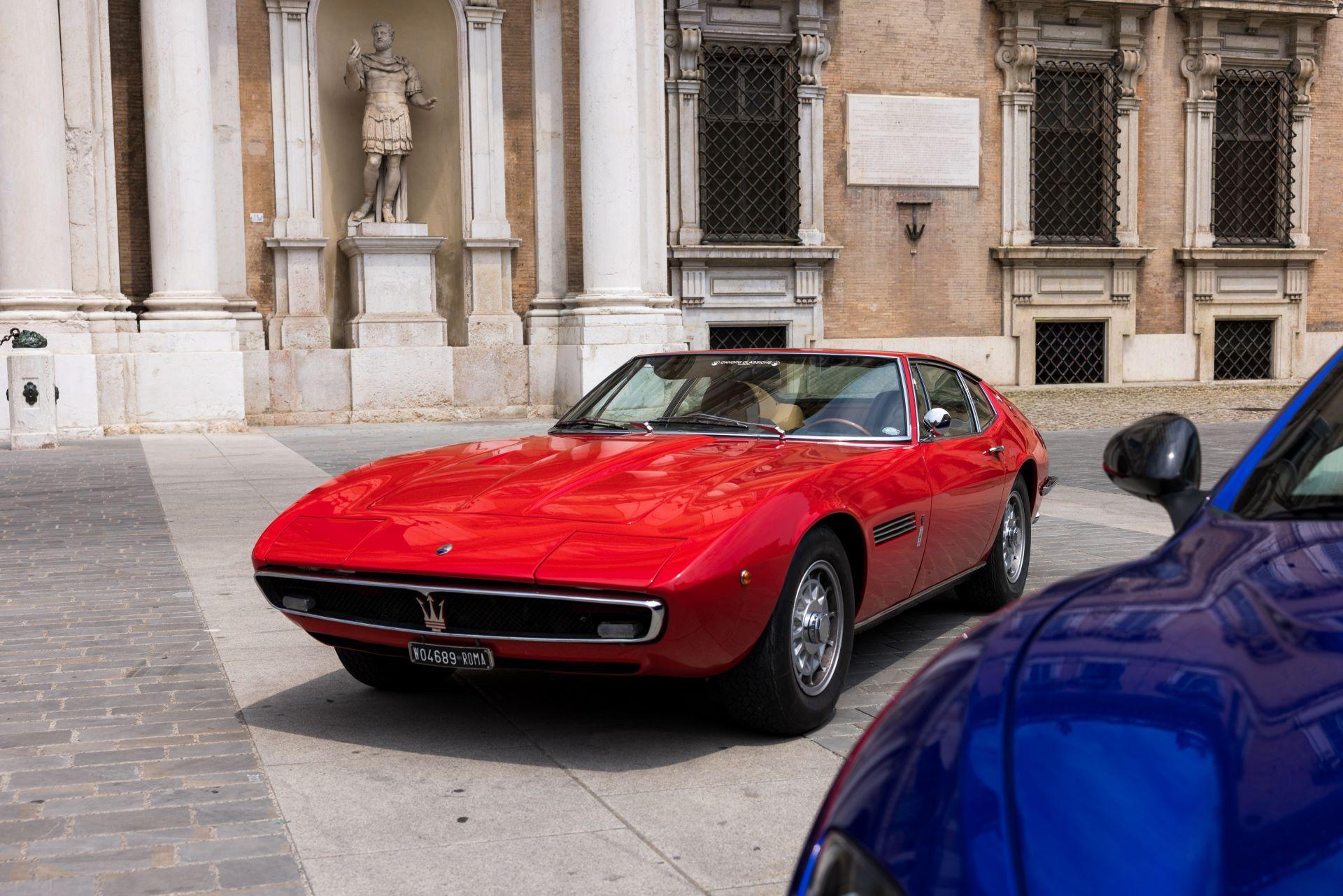
Across the grounds of Casina Valadier, the convergence of eras continued to captivate visitors. Icons such as the V4 Sport Zagato, the Ghibli SS, and additional 3500 GT variants from private collections extended the narrative of Maserati’s enduring influence on automotive design and performance. The V4 Sport Zagato’s Best of Show recognition added a further layer of prestige, reaffirming the timeless appeal of early Maserati engineering and coachbuilt artistry.
At the centre of this immersive experience stood Maserati Classiche, the guardian of authenticity and historical integrity. Through its meticulous certification programme and archival expertise, it ensures that each vehicle is preserved not only as a machine but as a cultural artefact. The presence of certified classics at the event highlighted the brand’s commitment to safeguarding its heritage while continuing to evolve its future-facing identity under the BOTTEGAFUORISERIE initiative.
The event itself, set against the evocative backdrop of Rome, extended beyond automotive admiration. It became a sensory journey through Italian hospitality, culinary tradition, and the enduring allure of La Dolce Vita. Within this atmosphere, Maserati’s centenary narrative added deeper resonance, recalling the moment the Trident first appeared on the Tipo 26 at the 1926 Targa Florio, a symbol born from artistic inspiration and competitive ambition that would go on to define one of motorsport’s most storied legacies.
Anantara Concorso Roma ultimately emerged as more than a concours. It became a living expression of Italian identity, where heritage and innovation share equal footing, and where Maserati’s presence served as both anchor and accelerant. In Rome, among timeless architecture and curated automotive icons, the Trident reaffirmed its place not only in history, but in the continuing evolution of performance, beauty, and design.