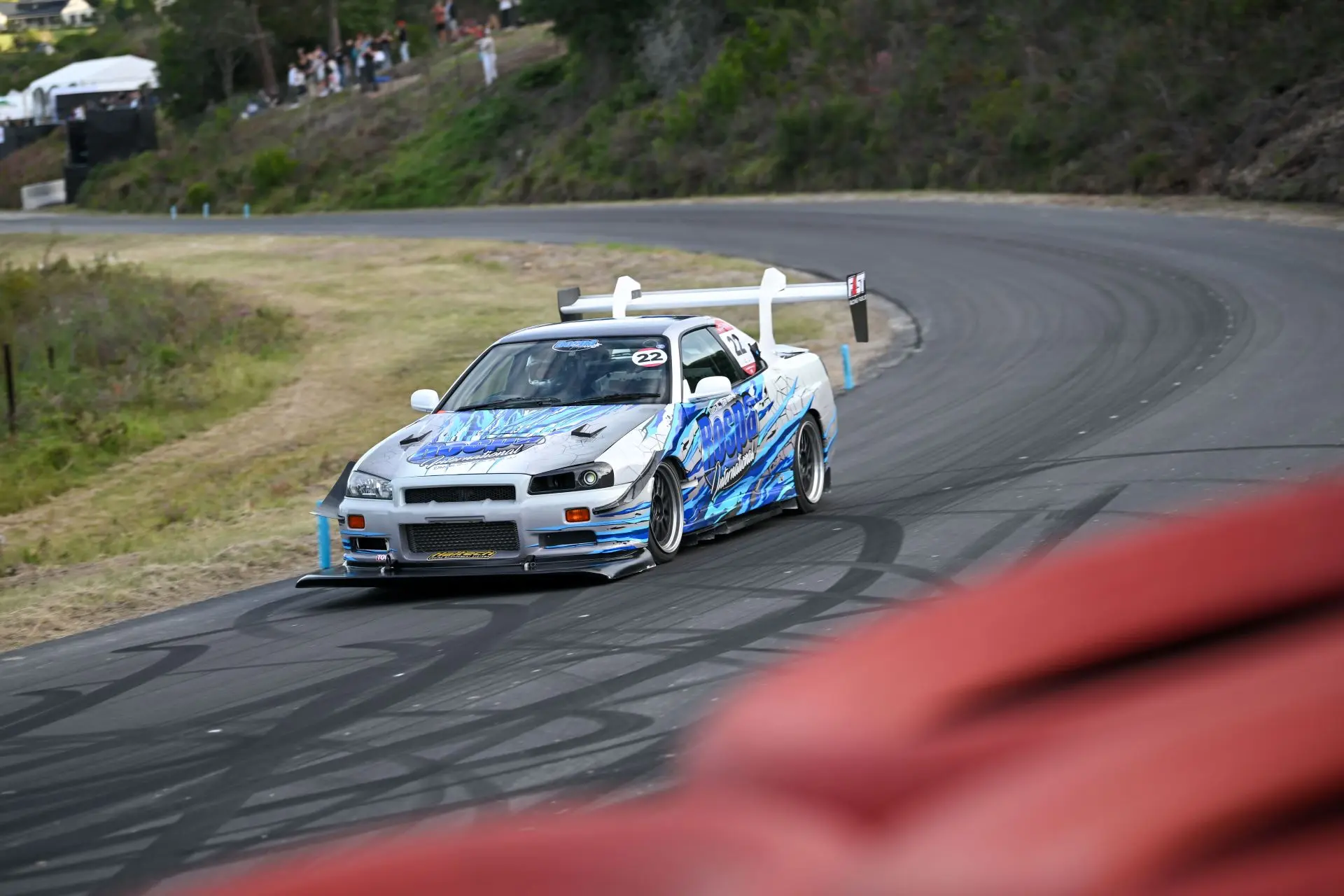
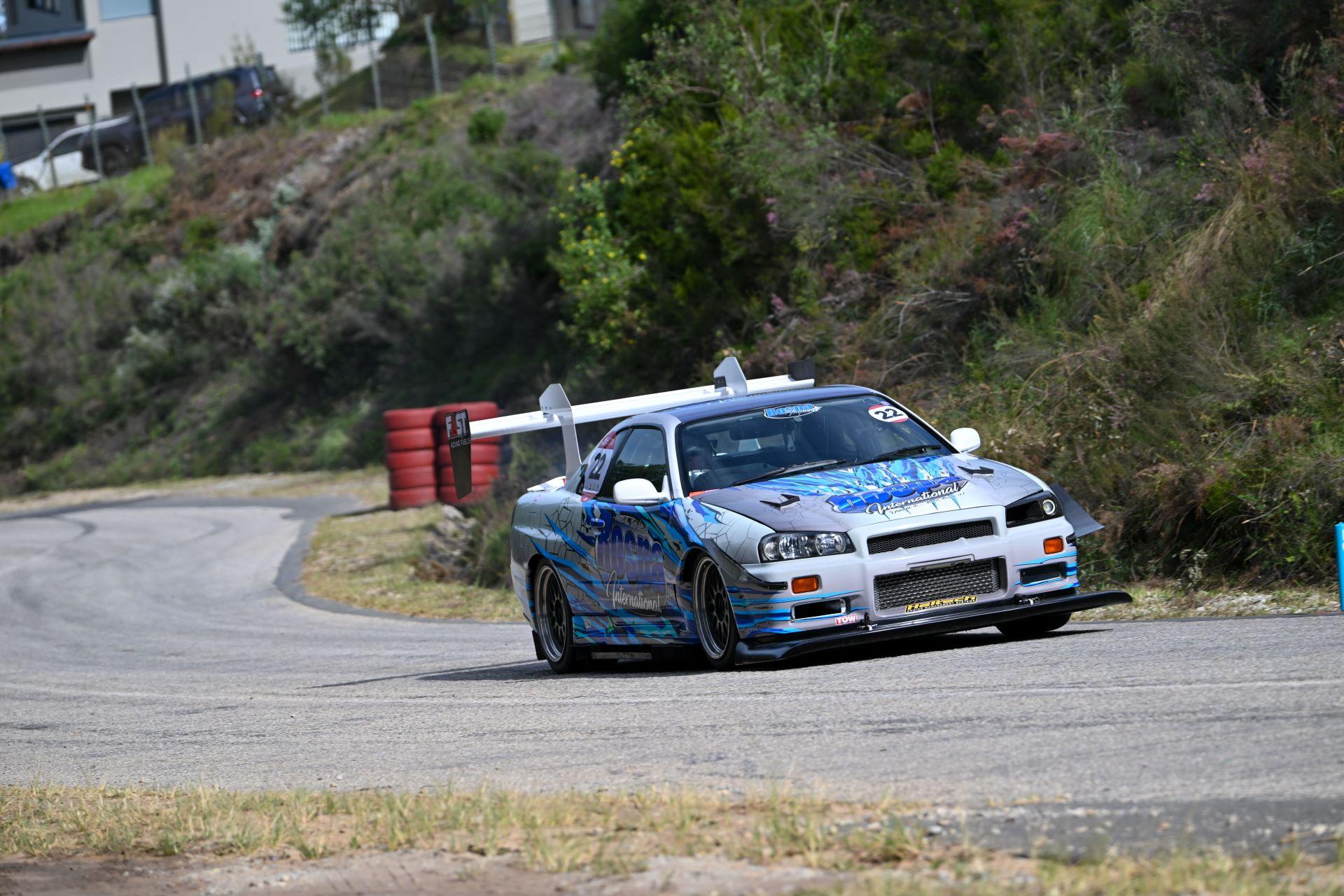
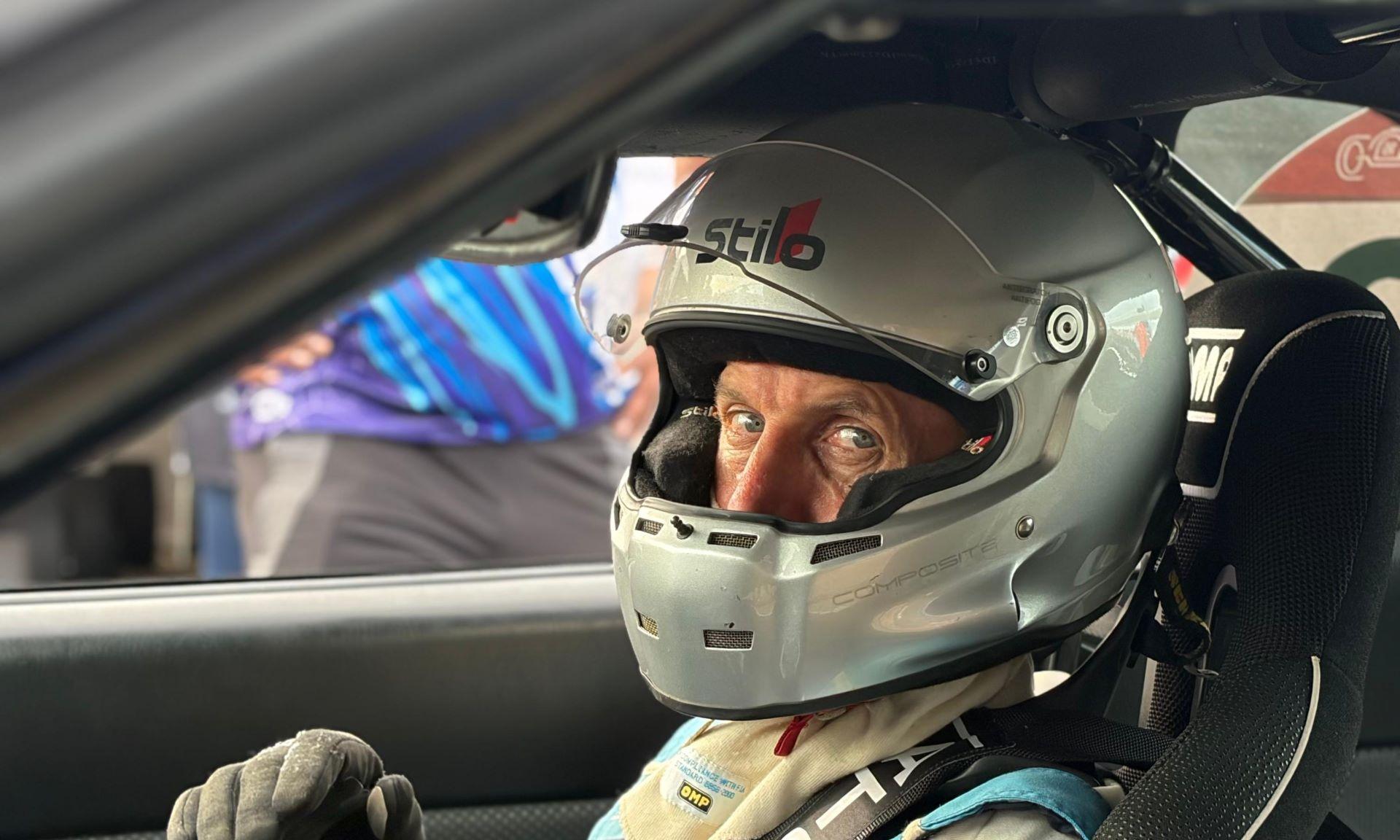
At Simola, where engines echo off the Knysna hills like thunder trying to learn music, Rospa International arrived with something more than ambition. They brought evolution. On only their third visit to South Africa’s most unforgiving hillclimb, the KZN-based performance outfit turned years of JDM passion into a statement of intent, backed by an increasingly formidable Nissan GT-R R34 that refused to be ignored.
Rospa International has long been known among enthusiasts as a gateway to some of the most desirable Japanese performance machines in the country. Behind the showroom reputation, however, a racing story has been quietly building. Founded by Himal Chris Paul, the team began as an extension of personal obsession, anchored by his own R34-series Nissan GT-R and a long-term vision that stretched far beyond display floors and import lists.
“I formed this team just three years ago,” said Paul. “The initial aim was to showcase the quality of cars we bring into South Africa. The second, and longer-term plan, was to compete against, and beat, the best in the country.”
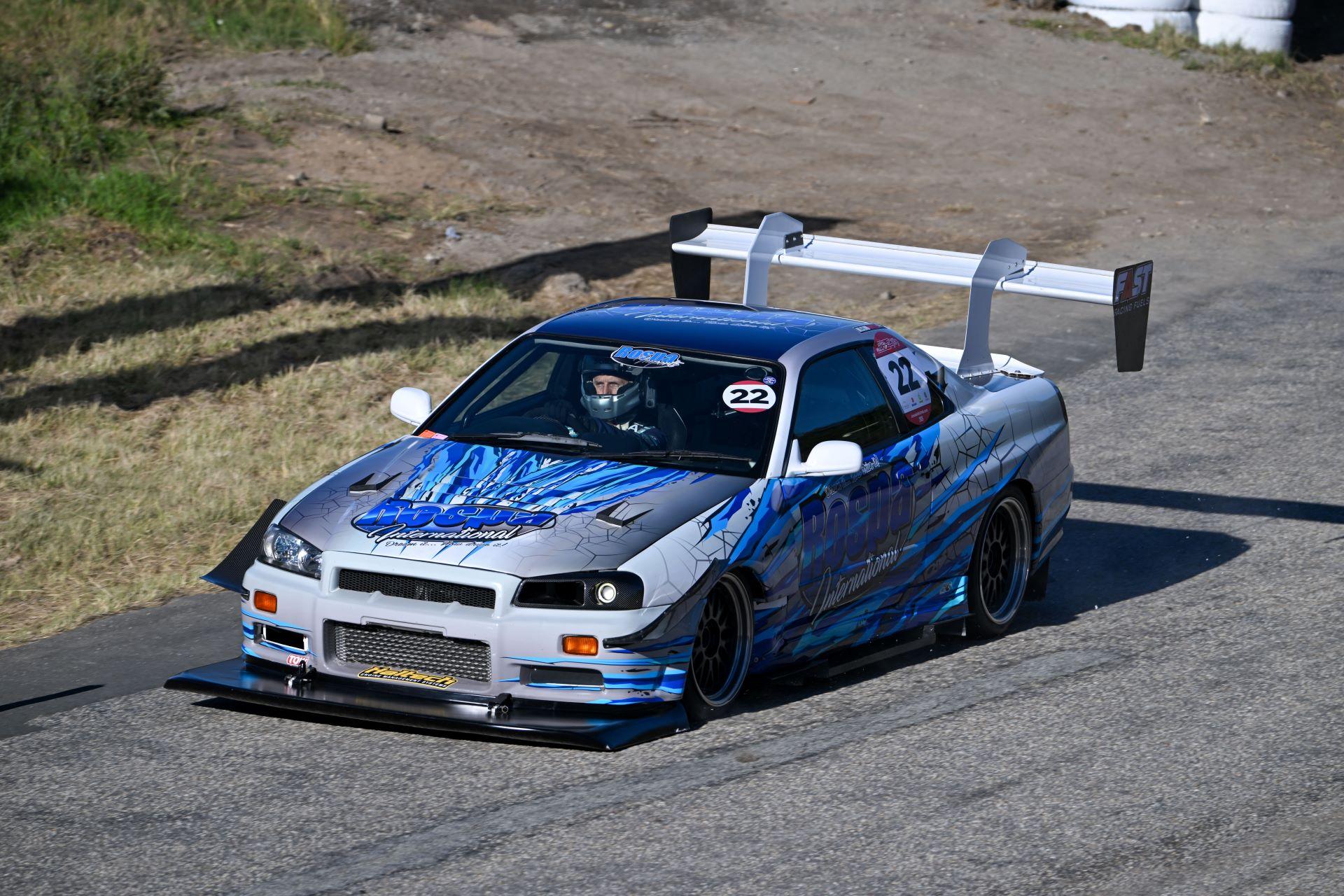
To turn that ambition into something tangible, Rospa leaned on the expertise of Steve Clark from No Sweat Racing, who transformed the GT-R into a properly weaponised hillclimb machine. The build reads like a mechanical manifesto. A 2.8-litre engine sits at its core, fed by upgraded turbochargers and governed by a standalone Haltech management system. A Holinger six-speed sequential transmission with paddle shifting gives it race-ready precision, while aggressive aerodynamics, including a large rear wing, deep front splitter and flat underfloor, keep it locked to the tarmac when physics starts negotiating its limits.
The project first roared into public view at the 2024 Simola Hillclimb, where Clark piloted the machine into a top ten finish in the shootout during its debut outing. It was an early warning shot, more promise than conclusion, but enough to suggest that Rospa’s intentions were not ornamental.
Ahead of the 2026 edition, the team returned to the workshop rather than the headlines. The GT-R received meaningful engineering refinement, most notably a redesigned front lower suspension setup featuring custom wishbones and a new subframe. A custom intake plenum with revised runners added another layer of performance, unlocking roughly 50 additional horsepower and sharpening the engine’s response in the midrange where Simola’s climb punishes hesitation.
Clark described the transformation in simple, tactile terms. “We could immediately feel the difference up the hill. The suspension lets us run a more aggressive setup with much more grip, and the extra torque just pulls harder out of every corner.”
The results arrived quickly. From the first practice runs in 2026, the GT-R was consistently among the front-running machines, trimming seconds with each ascent as driver and machine recalibrated to the demands of the 1.9-kilometre ribbon of asphalt.
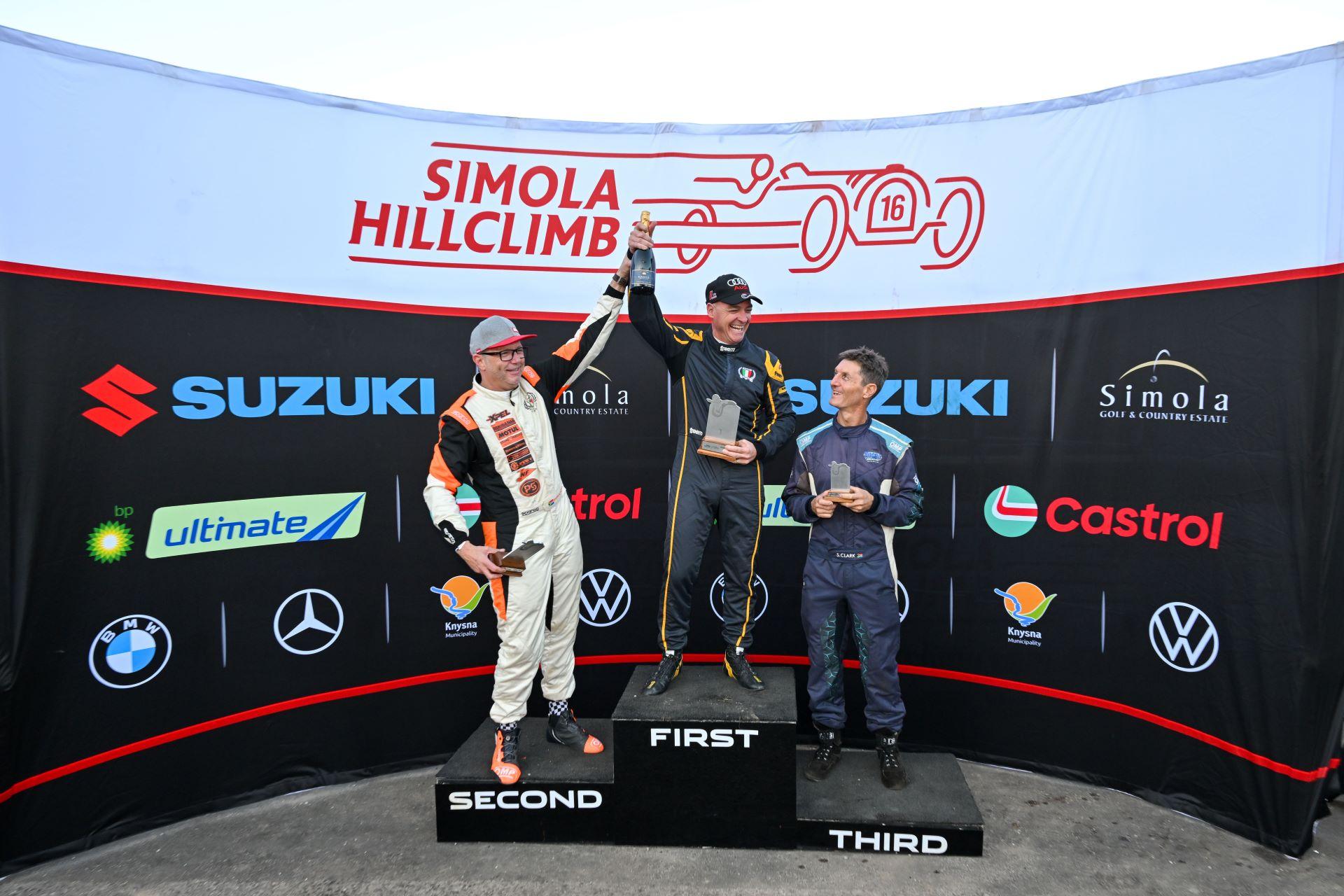
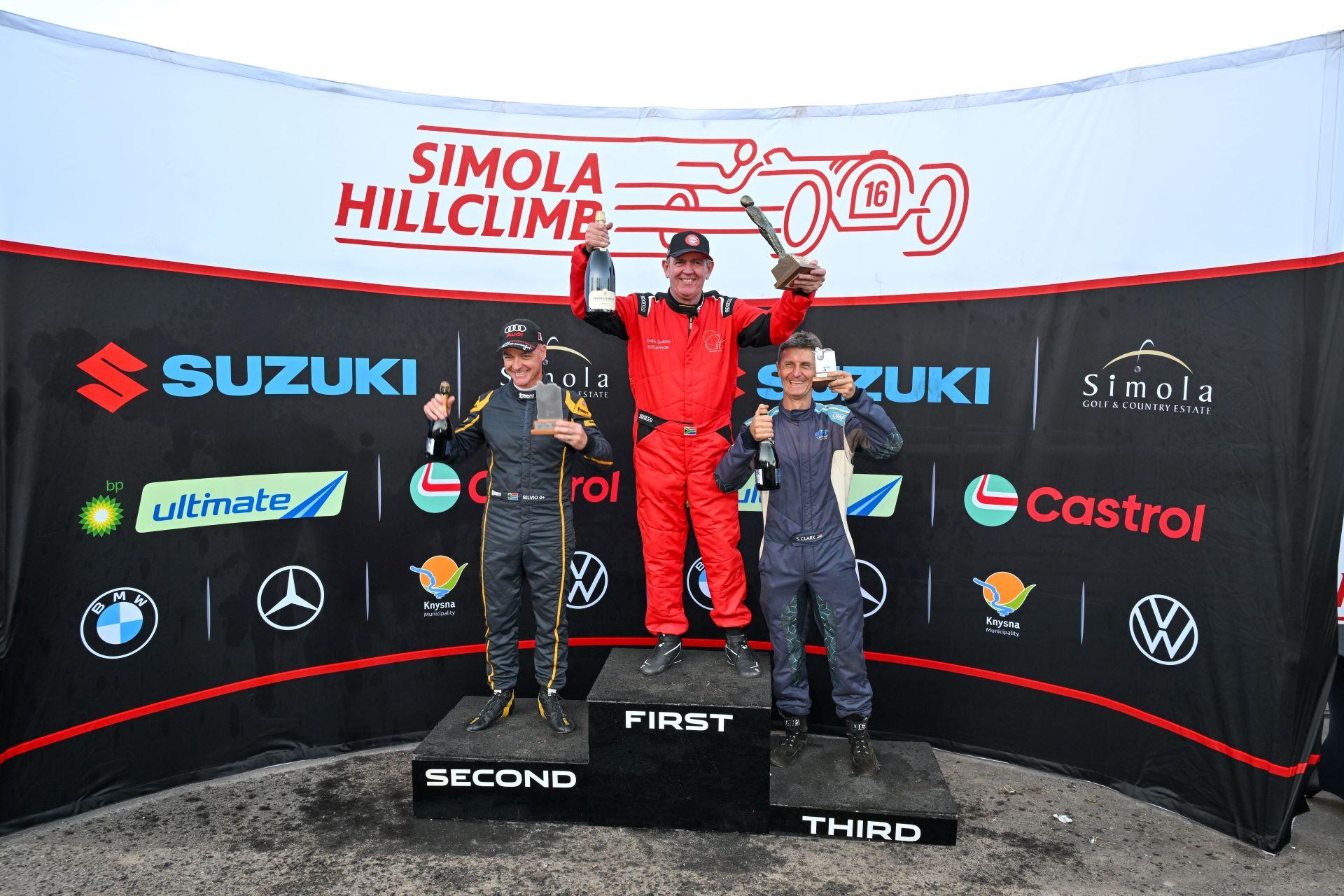
That momentum carried into qualifying, where Clark secured a place in the Class B05 final. Against heavily modified machinery and seasoned competition, he delivered a composed and committed drive that earned third place, finishing behind the Scribante entries that have long been benchmarks in South African hillclimb racing.
The true test, however, came in the King of the Hill Modified Saloon Car showdown, the weekend’s most watched and most punishing session. Clark pushed the GT-R to a blistering 39.827 seconds, a time that placed him firmly among elite company. Only Silvio Scribante in his Audi and Pieter Zeelie in his Toyota MR2 managed to go quicker, with Zeelie once again claiming top honours.
For Rospa International, the result was more than a podium tally. It was validation.
“It was a really good event for us this year. We didn’t have any serious mechanical issues. We could just make changes to go faster and it all clicked at the end of the day,” Clark reflected.
He also paid tribute to the car and its builder with characteristic honesty. “Steve is a madman behind the wheel. I don’t think anyone else can do what he does with this car. The times and our double podium show just how talented he is as both driver and technician.”
From Paul’s perspective, the trajectory is only beginning to steepen. Rospa International’s racing programme, still young by motorsport standards, is already evolving beyond national ambitions. Talks of further upgrades and international competition are no longer theoretical, but part of the next phase of development.
For a team that began as a personal expression of JDM admiration, Simola 2026 marked something more decisive. Not arrival, but acceleration.