

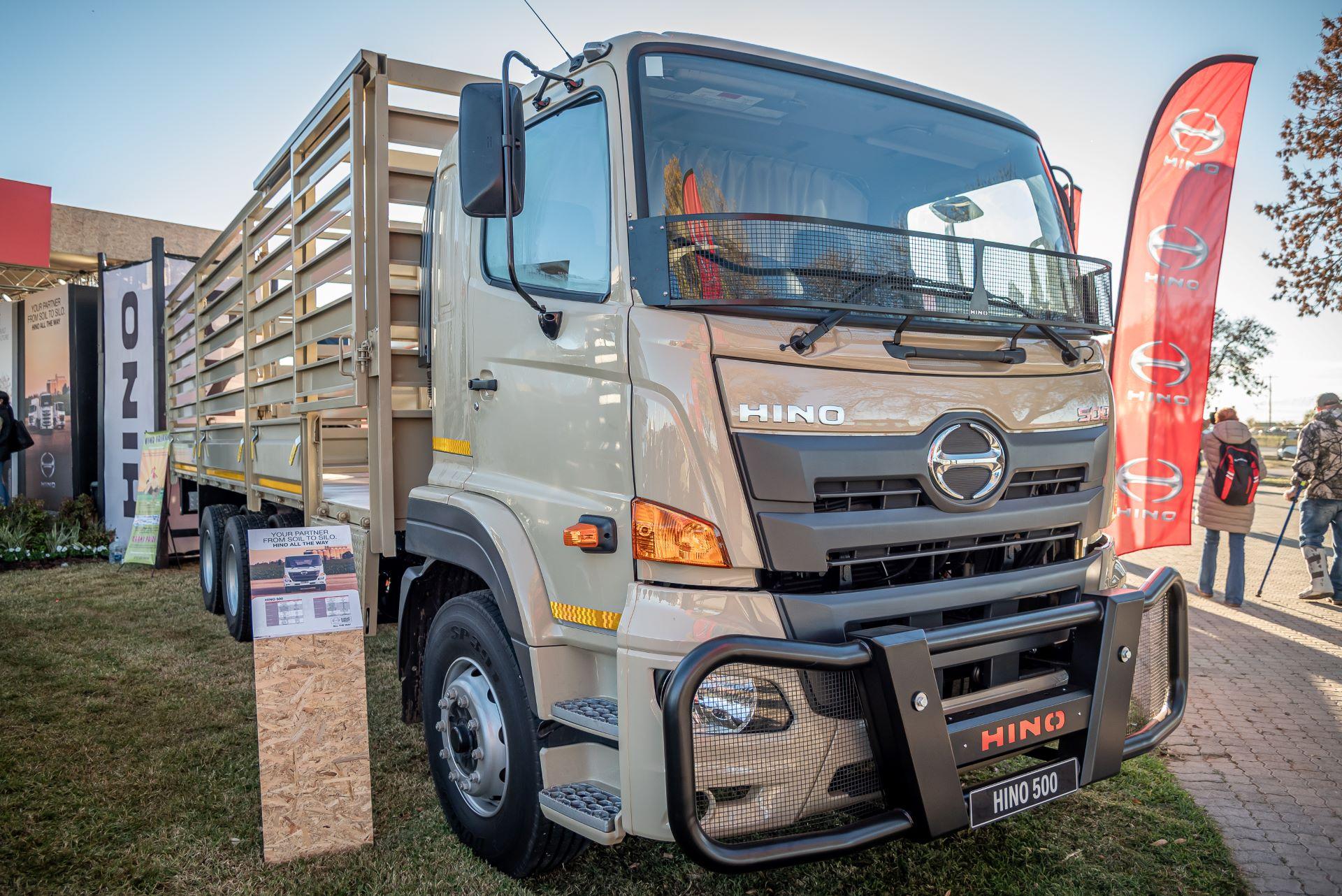
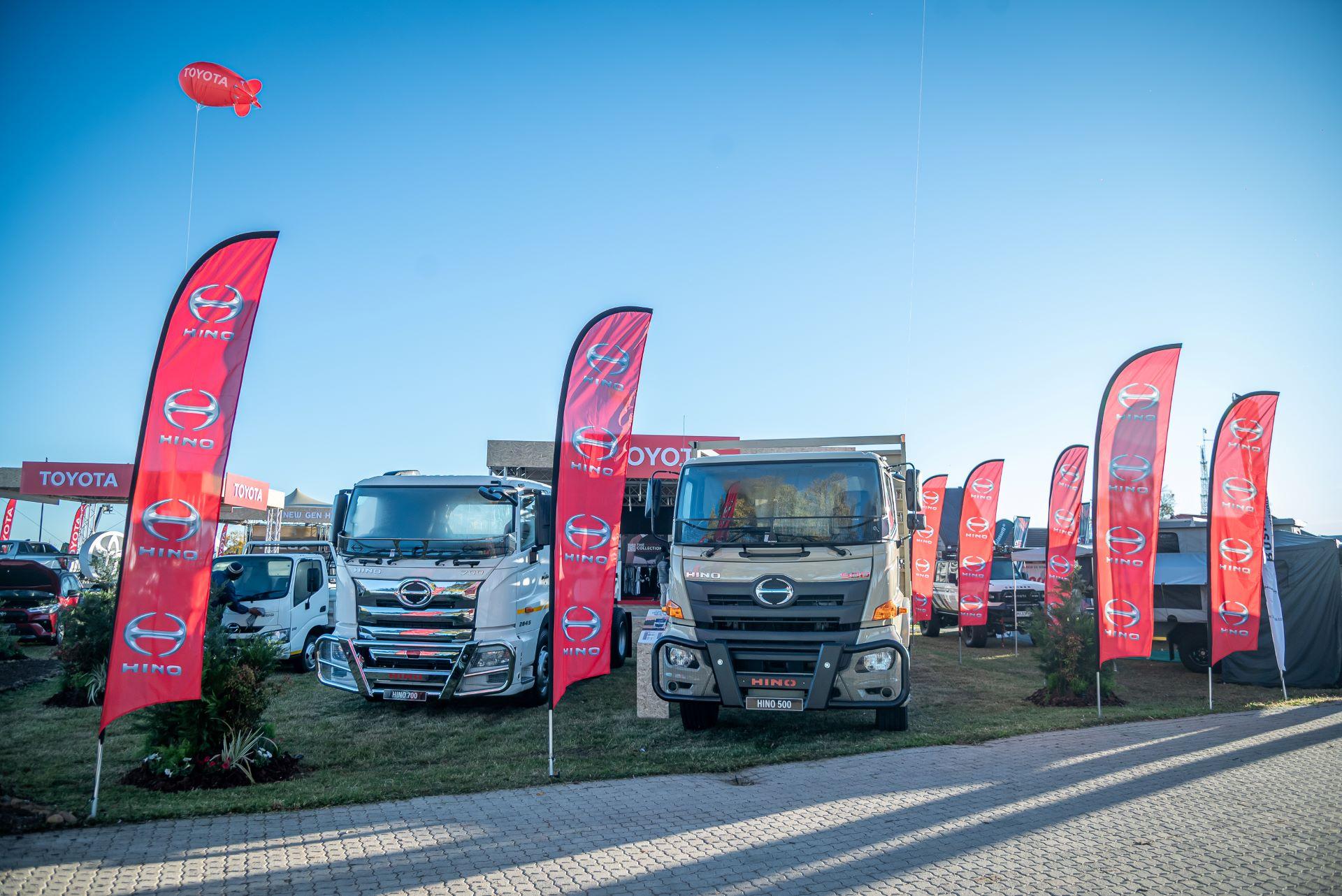
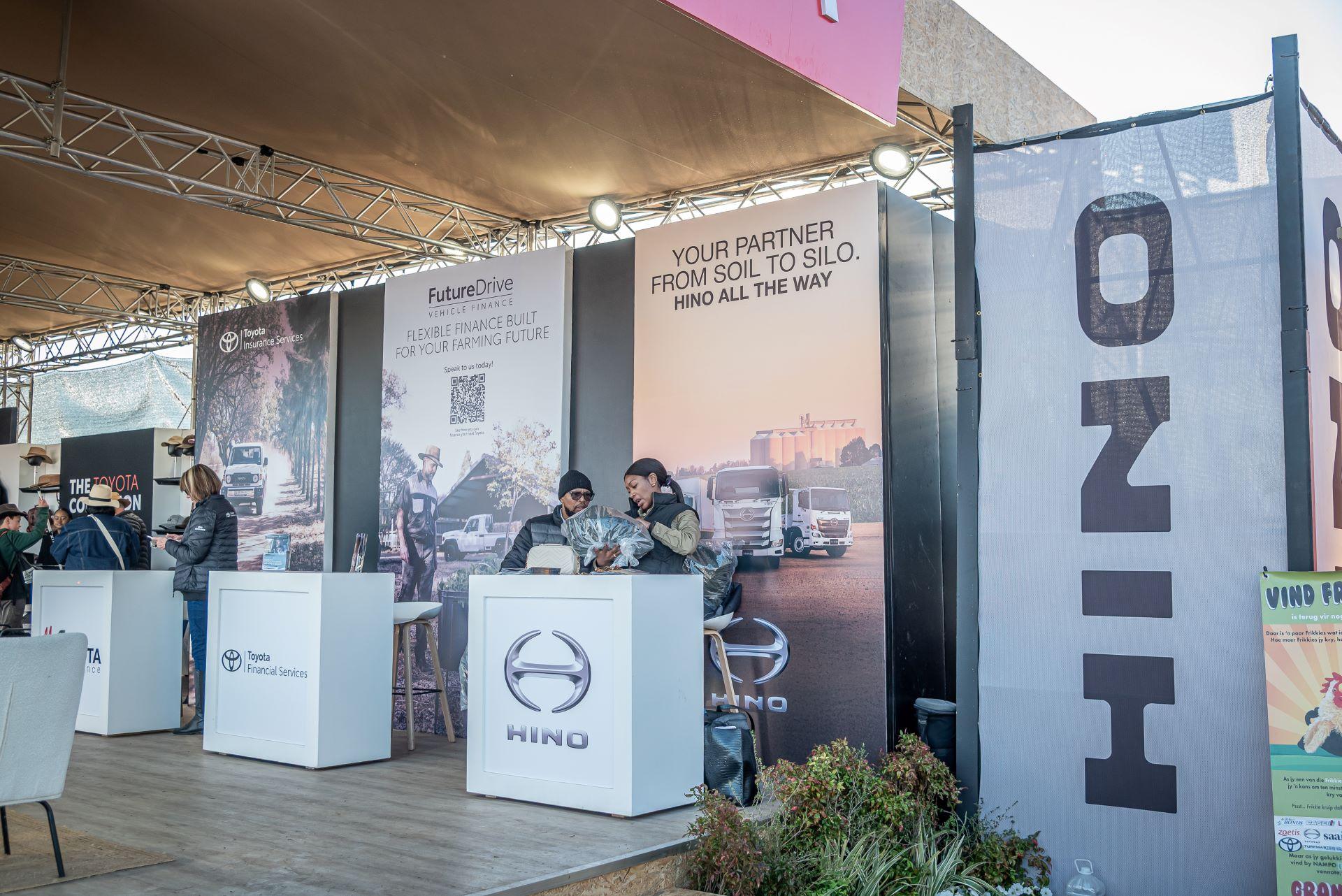
The global automotive industry is navigating one of its most volatile periods in over a century, shaped by regulatory flux, energy volatility, shifting trade barriers and persistent supply chain uncertainty. Yet amid the turbulence, Japanese commercial vehicle makers continue to demonstrate notable resilience, particularly in comparison to their European counterparts. This was the central message from Anton Falck, speaking at a media briefing held during the Nampo agricultural show in Bothaville on 11 May 2026.
Falck noted that while global conditions remain unpredictable, the structural integration of markets such as South Africa into international supply networks means local manufacturers are far from insulated. The growing influx of fully built imported vehicles into the country is also reshaping competitive dynamics, presenting both pressure and opportunity for domestic producers operating within a historically strong industrial base.
Within this evolving landscape, Hino South Africa continues to demonstrate steady performance. The brand recorded 3 178 units in the past year, securing a 10.2% share of the South African truck market, marginally down from 3 343 units and a 10.8% share in 2024. Early 2026 performance has remained consistent, with 930 units sold in the first four months, keeping the company on track to once again exceed the 3 000-unit threshold.
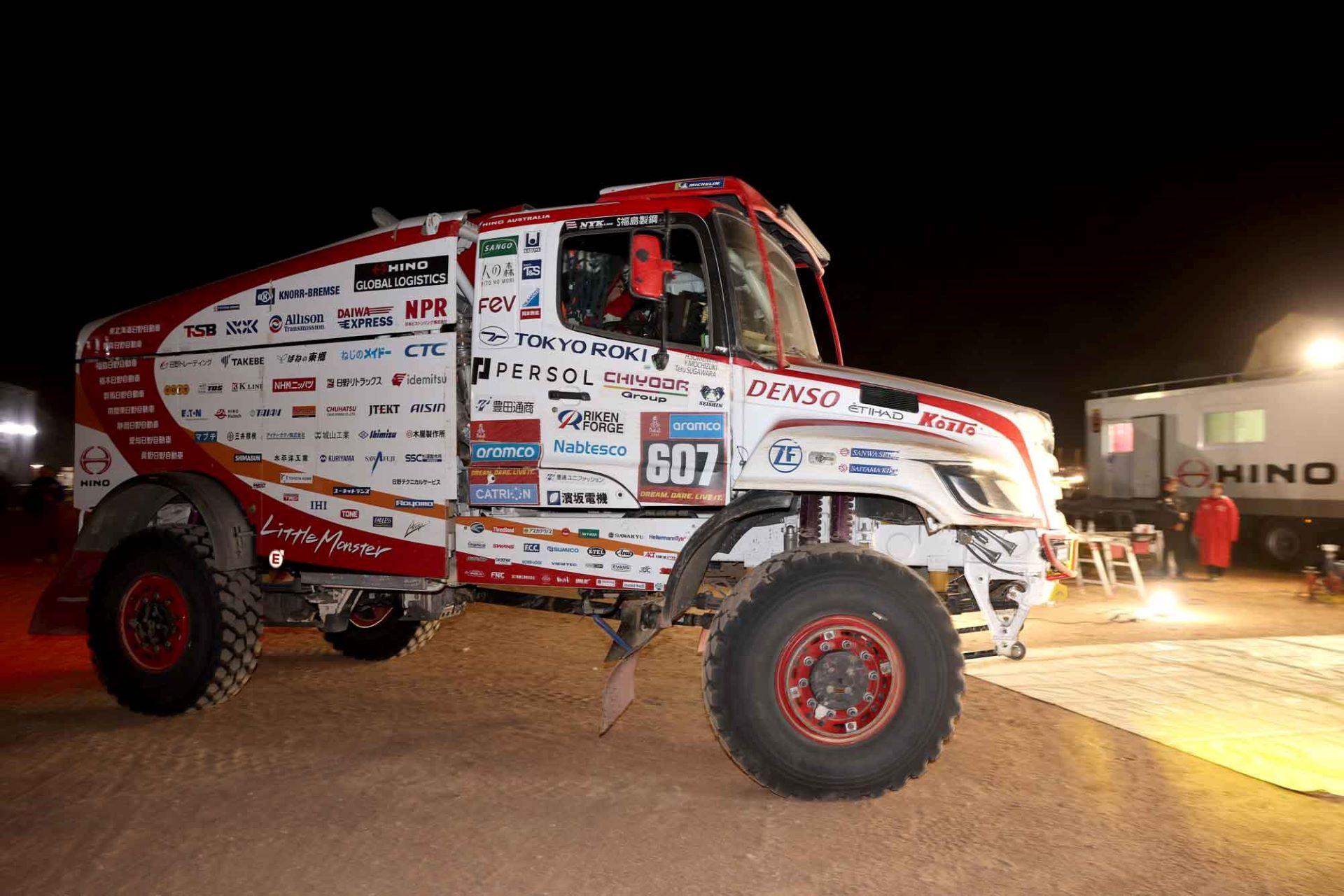
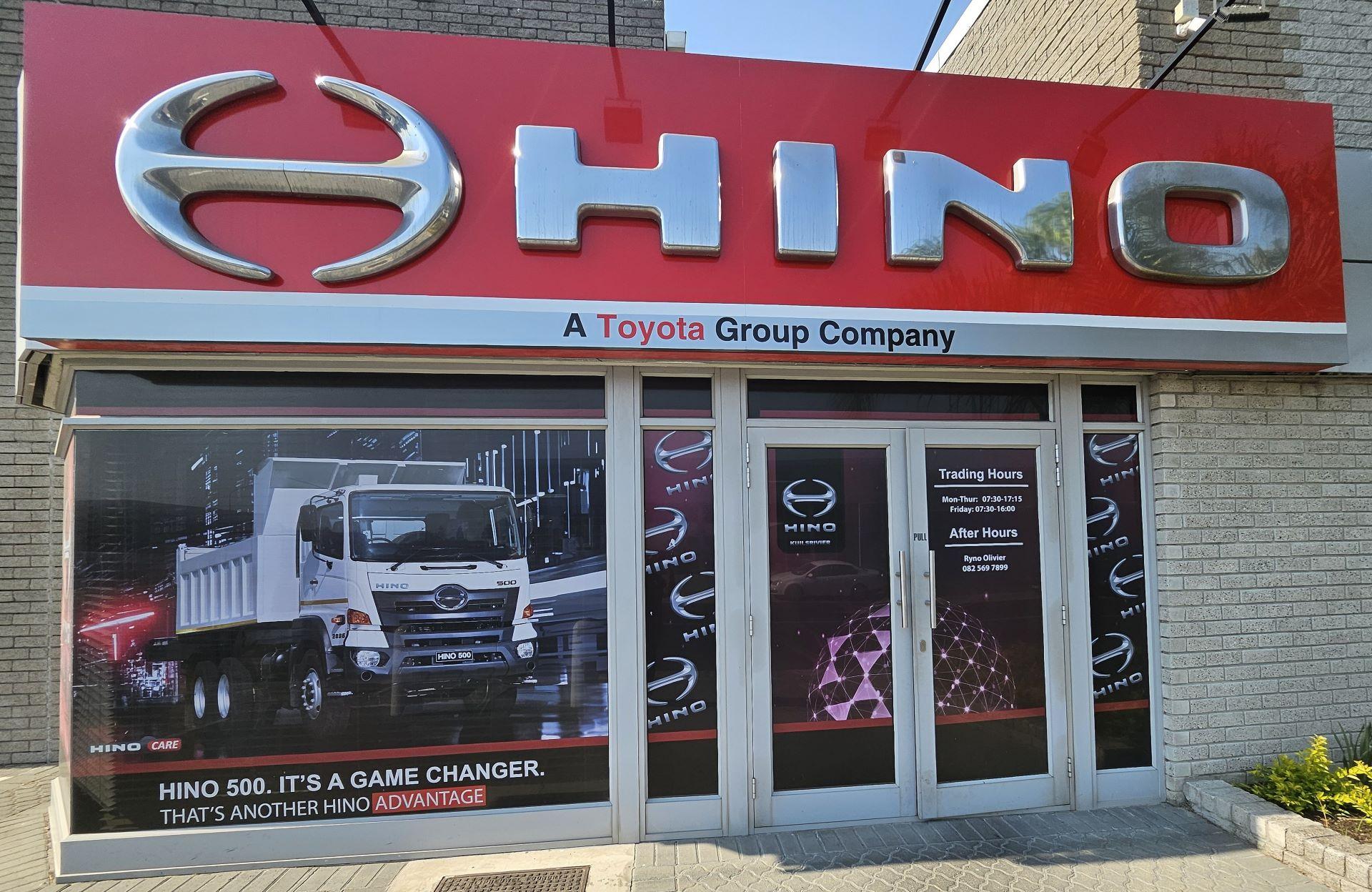
This stability comes as Hino Motors undergoes strategic restructuring, including its integration into a new entity known as Archion alongside Mitsubishi Fuso. The consolidation is designed to strengthen engineering capability, production efficiency and long-term competitiveness in a rapidly evolving global truck market.
A key highlight of Hino South Africa’s local performance remains its dominance in customer satisfaction metrics. In the latest Datatrack quarterly survey, which benchmarks 13 truck brands based on feedback from approximately 30 000 operators, the company achieved an overall score of 99.69 in Q1 2026. This marks the 12th consecutive quarter since early 2023 that Hino has held the top position across combined sales, service and parts categories, well above the national average of 95.76. The brand also led individual categories, including service performance at 99.81 and strong parts delivery scoring above industry norms.
The Datatrack results reinforce Hino’s “Total Support” philosophy, which prioritises vehicle uptime, lifecycle efficiency and cost predictability for fleet operators. This approach is increasingly critical in a market where operational margins are under pressure from rising input costs and logistical complexity.
On the supply chain front, Hino South Africa has undertaken a significant structural shift by transitioning its parts sourcing directly from Japan, moving away from its previous European distribution pathway. While the change initially introduced operational disruptions, particularly affecting filter availability within dealer networks, Falck confirmed that stabilisation efforts have largely restored performance levels. The company’s allocation fill rate has recovered to approximately 95%, nearing pre-transition standards, supported by expanded supplier partnerships, enhanced logistics capacity and increased strategic stockholding.
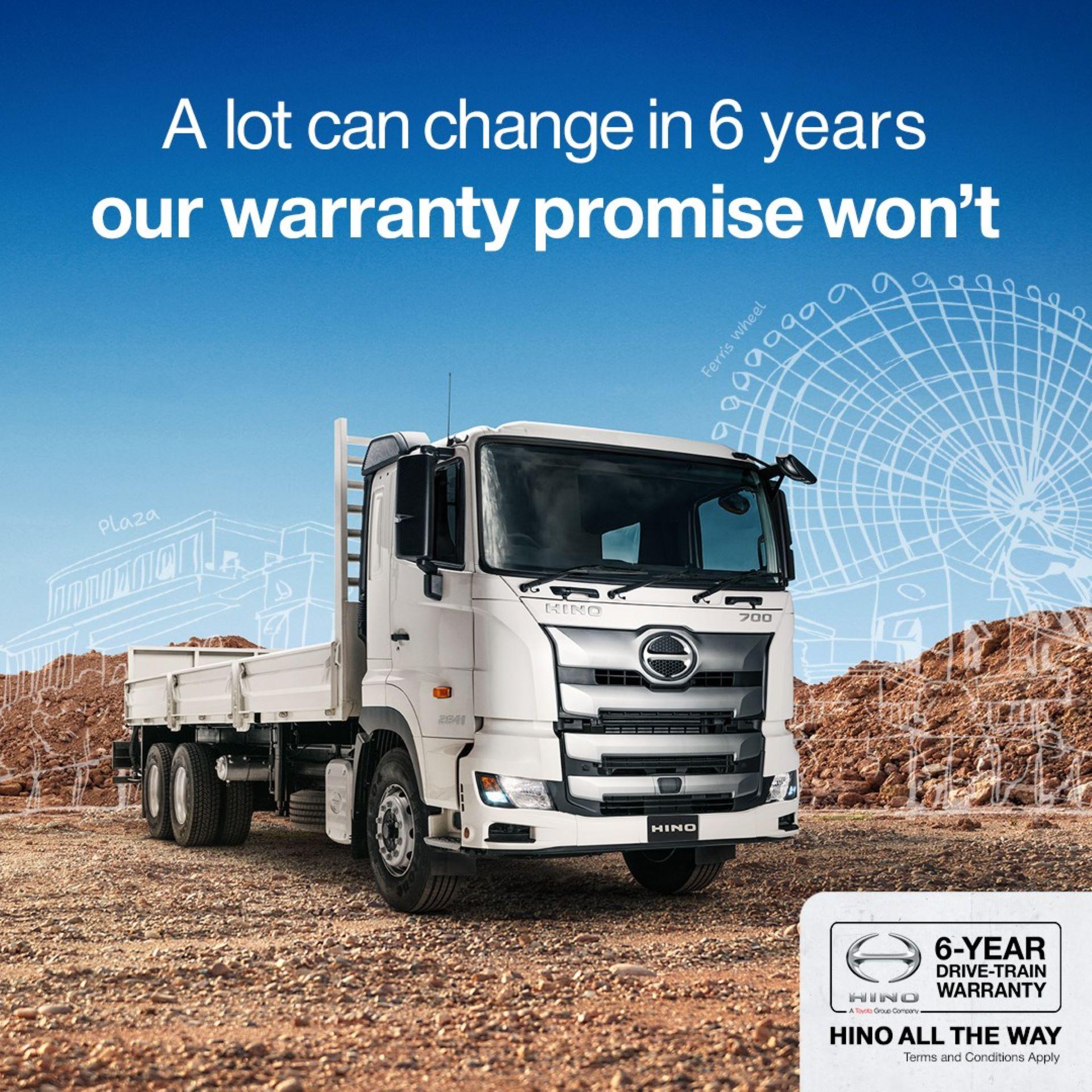
Product strategy has also evolved, with the introduction of an extended six-year drivetrain warranty in 2025 marking a significant enhancement in customer value. This replaces the previous two-year coverage and is supported by revised service and maintenance plans that deliver improved cost-per-kilometre predictability across ownership cycles. Looking ahead, Hino South Africa is preparing to launch Hino Care Gap Cover in mid-2026, which will further expand warranty coverage across key components such as cooling systems, electrical systems and towing support without increasing customer pricing.
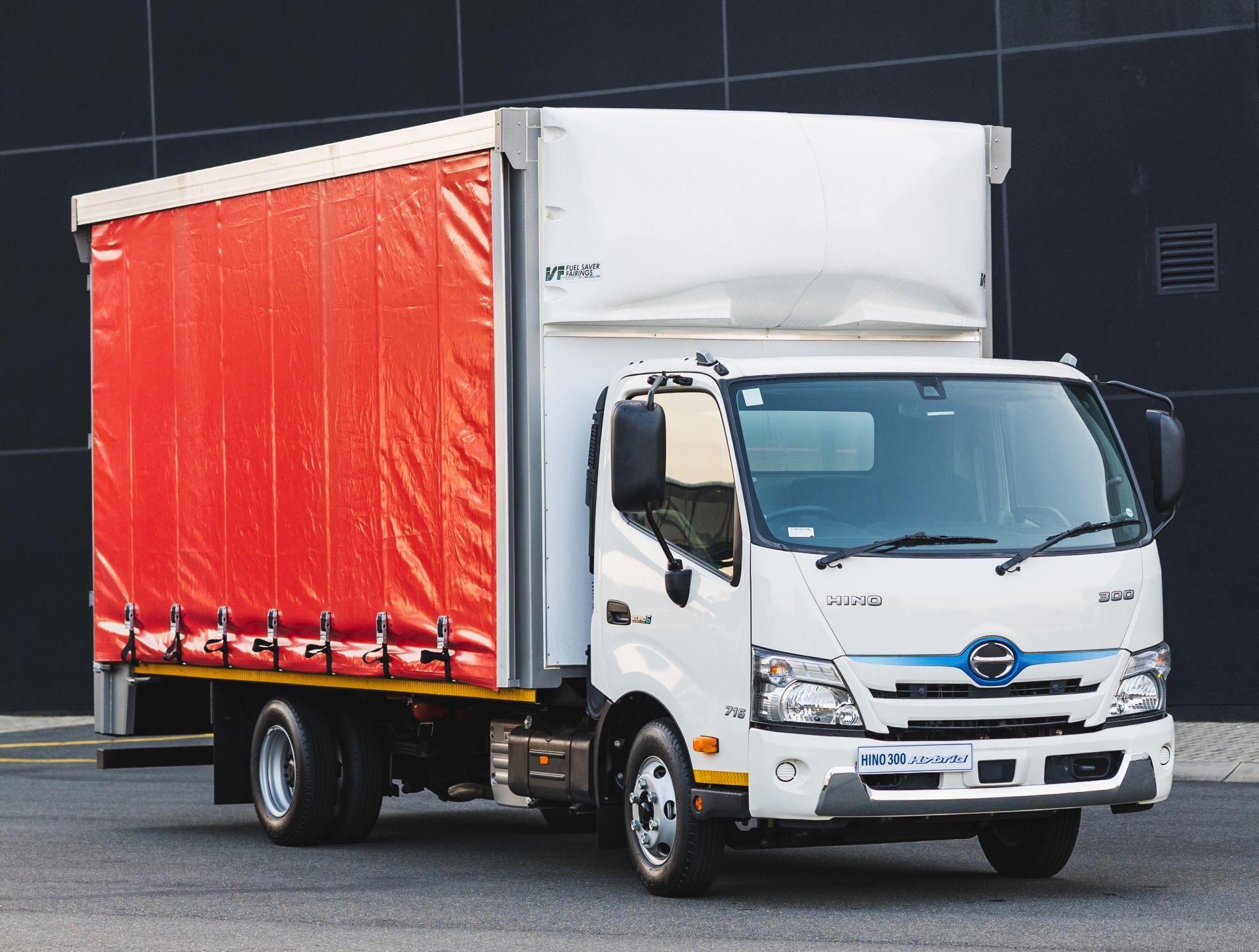
Innovation in alternative powertrains is also accelerating. Hino South Africa has introduced diesel-electric hybrid models into its 300 Series range, with 32 units being imported in total. Early deployments are already underway at the Toyota Africa Parts Centre, operated by Namlog, with initial units already in service and additional deployments planned for major fleet operators. These vehicles are integrated into Kinto, a subscription-based model that bundles vehicle usage, maintenance and servicing into a single monthly cost, supported by optional comprehensive insurance through Kinto Protect.
Early operational data from the hybrid programme indicates fuel efficiency improvements ranging between 15% and 30%, depending on application. In a market defined by rapidly rising diesel prices and tightening emissions expectations, these gains offer both economic and environmental advantages for fleet operators seeking long-term sustainability.
Further signalling its multi-pathway energy strategy, Hino South Africa is preparing to preview a prototype dual-fuel truck combining diesel and hydrogen technologies, underscoring the brand’s commitment to exploring diversified propulsion solutions suited to regional operating conditions.
Falck emphasised that despite global uncertainty, the company remains focused on strengthening customer relationships, improving operational resilience and expanding its technological footprint. With stable sales performance, strong customer satisfaction rankings and a growing portfolio of electrified and alternative fuel solutions, Hino South Africa positions itself as both a steady incumbent and an adaptive innovator in a rapidly transforming commercial vehicle sector.