

At the centre of South Africa’s agricultural calendar, NAMPO Harvest Day is more than an exhibition. It is where industry pulse, machinery ambition, and real-world economic pressure all meet in one open field. In 2026, Volkswagen Group Africa steps into this space with a carefully calibrated debut, using the platform to signal both its present strength and its future direction in mobility.
Hosted annually in Bothaville in the Free State, NAMPO Harvest Day is widely recognised as the largest agricultural exhibition in the Southern Hemisphere. It draws thousands of farmers, agribusiness leaders, fleet operators, and decision makers who rely on practical innovation rather than theoretical promise. For Volkswagen Group Africa, this environment offers something rare: a direct line to the people who depend on mobility solutions every day, under real operational conditions.
The Group’s 2026 presence is built around a forward-looking portfolio that spans passenger vehicles, commercial workhorses, and performance machines, with several models appearing publicly in South Africa for the first time. At the heart of this reveal is a clear message: mobility is evolving, and so too must the tools that support agriculture, logistics, and business infrastructure.
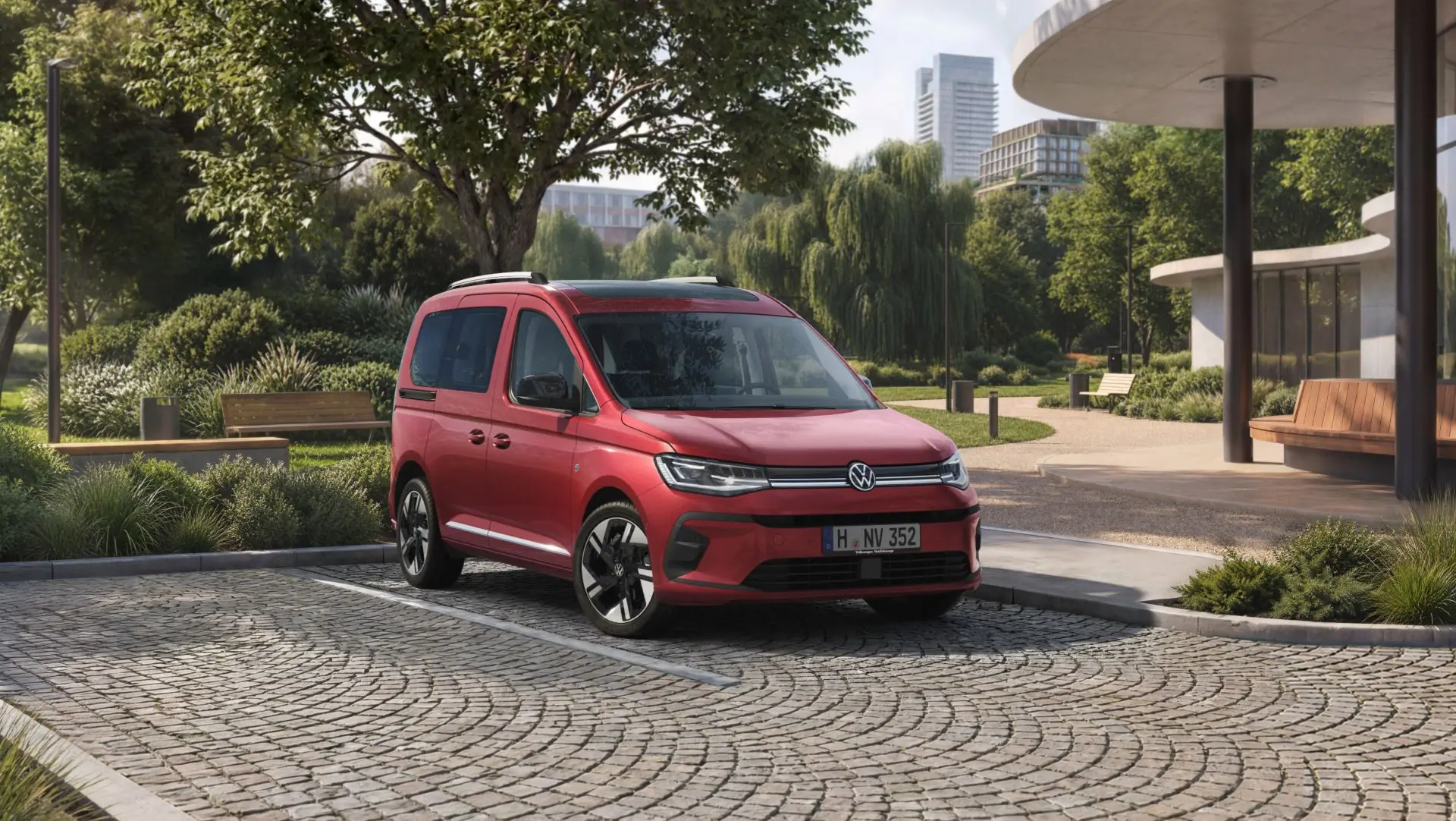
A key highlight is the introduction of the new Caravelle plug-in hybrid, marking a significant step in Volkswagen Group Africa’s electrification journey. Positioned as a flexible mobility solution, it reflects the growing demand for efficiency without sacrificing capability, particularly in sectors where distance, terrain, and reliability all matter equally.
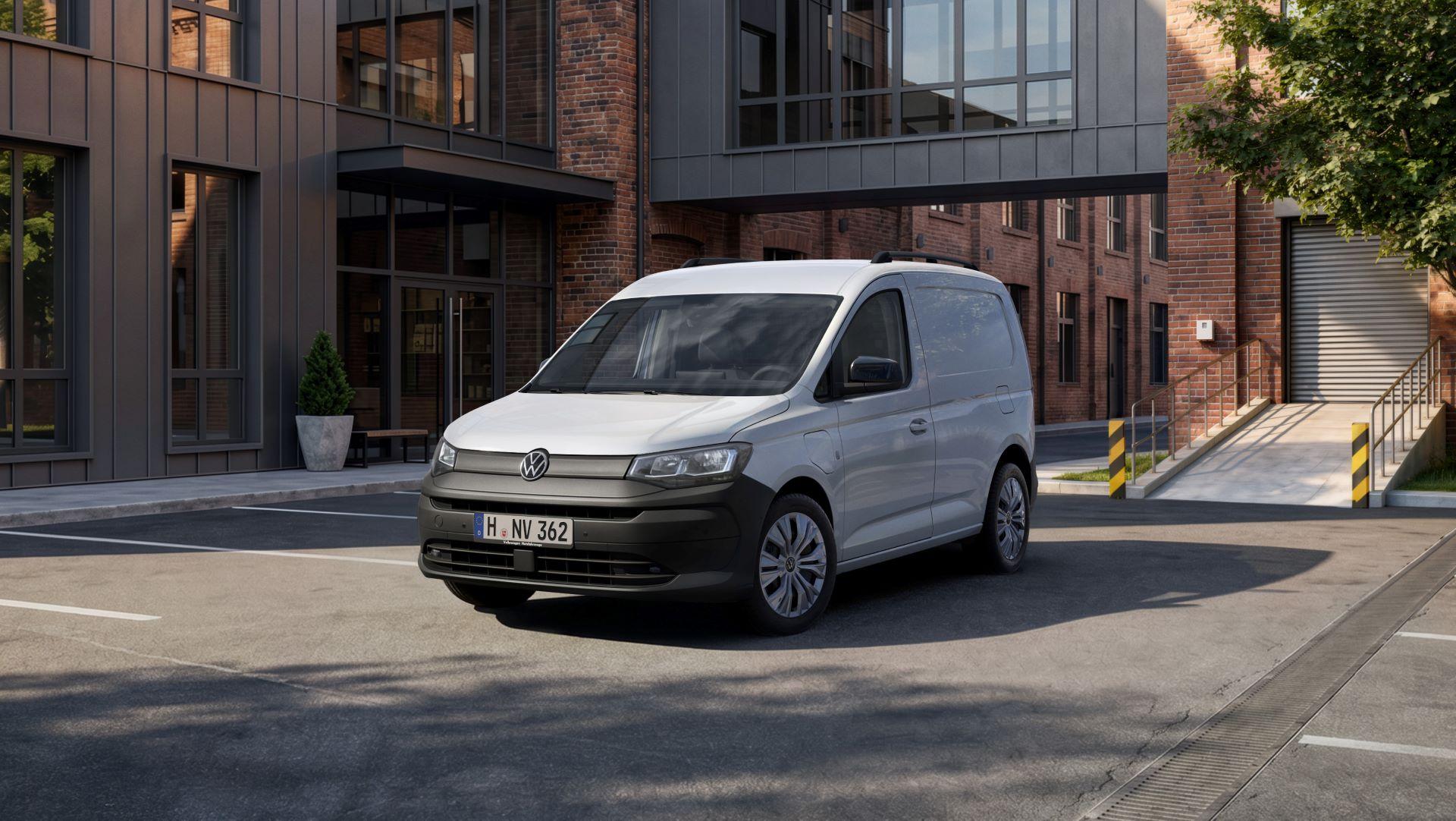
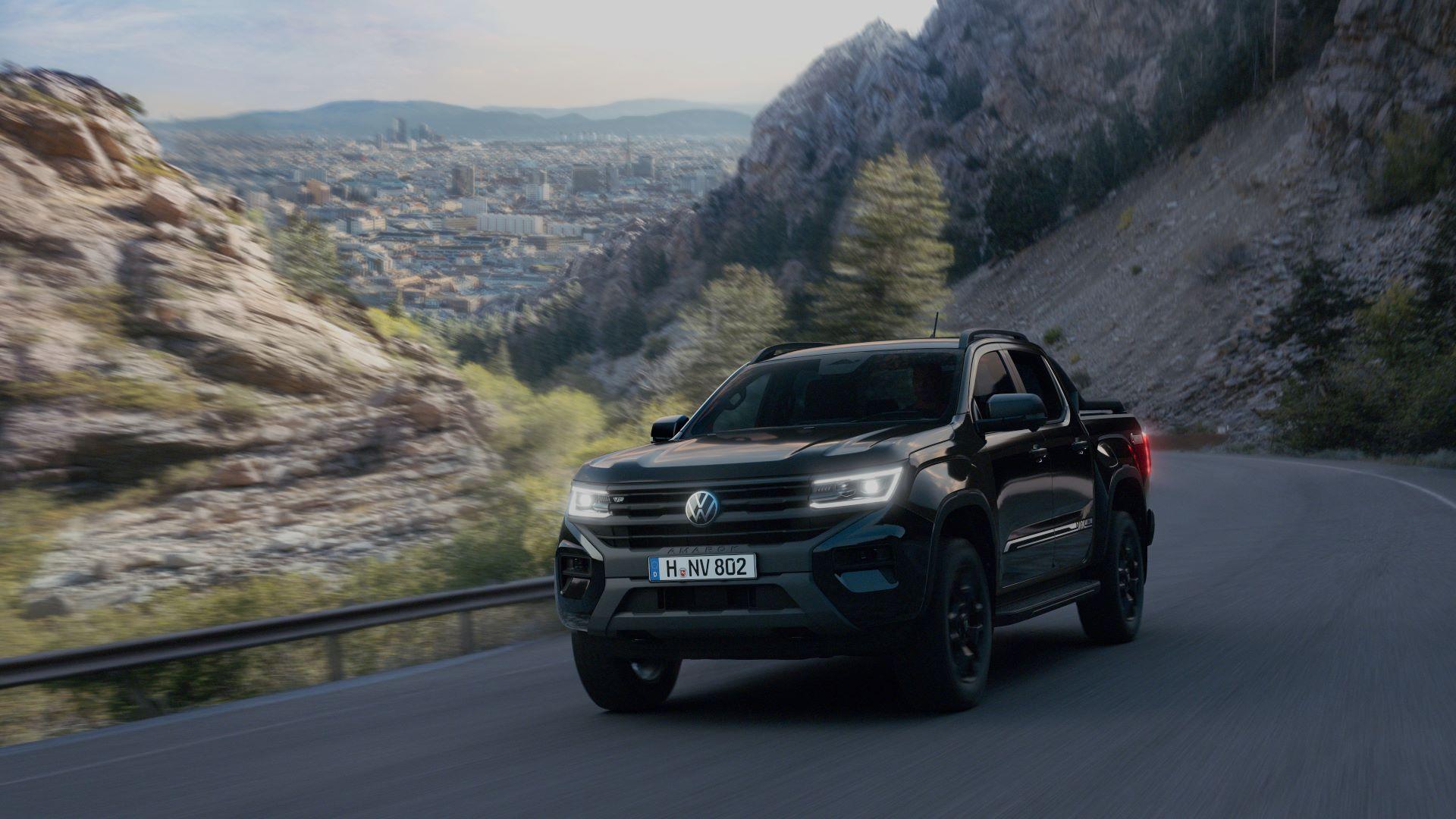
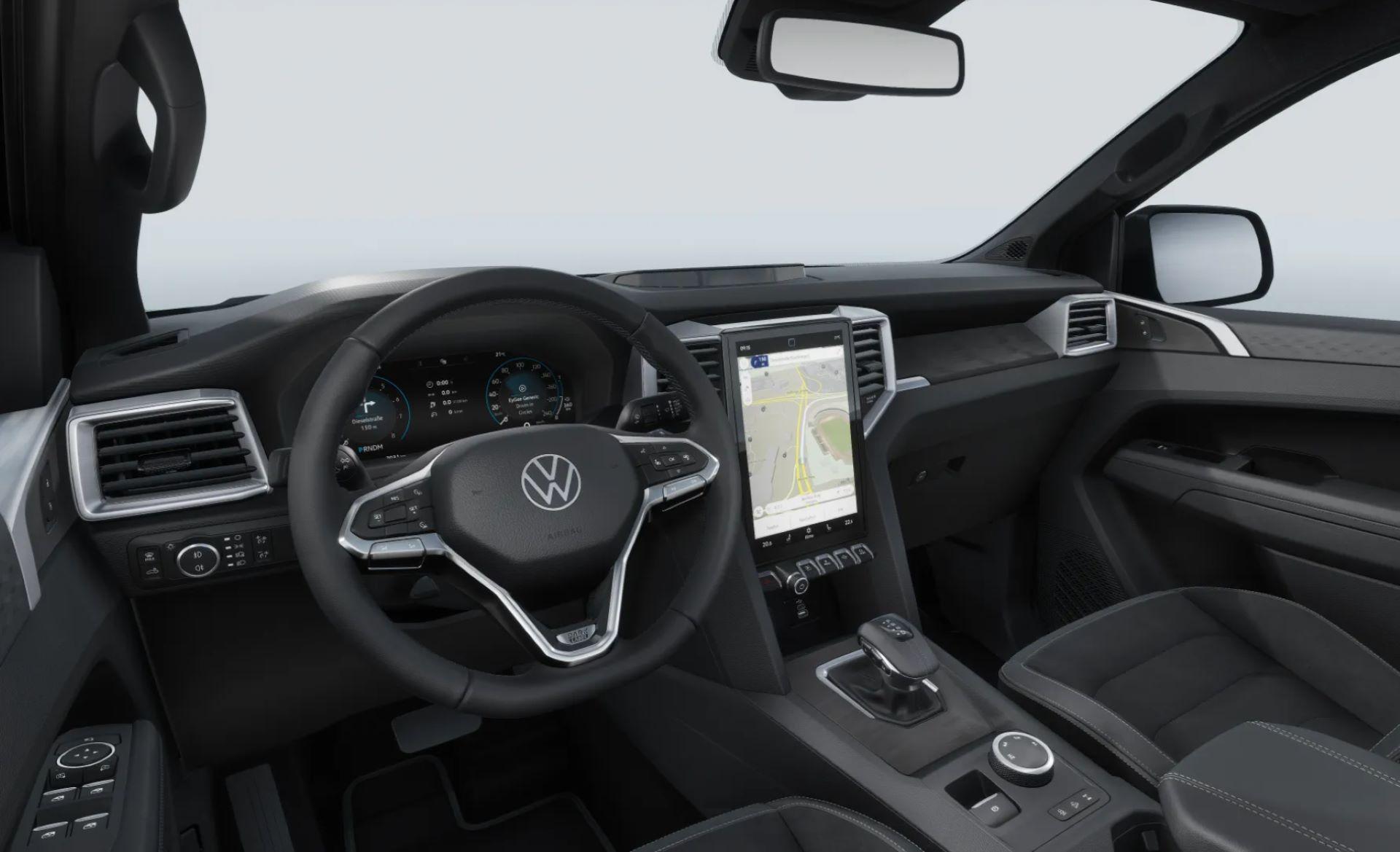
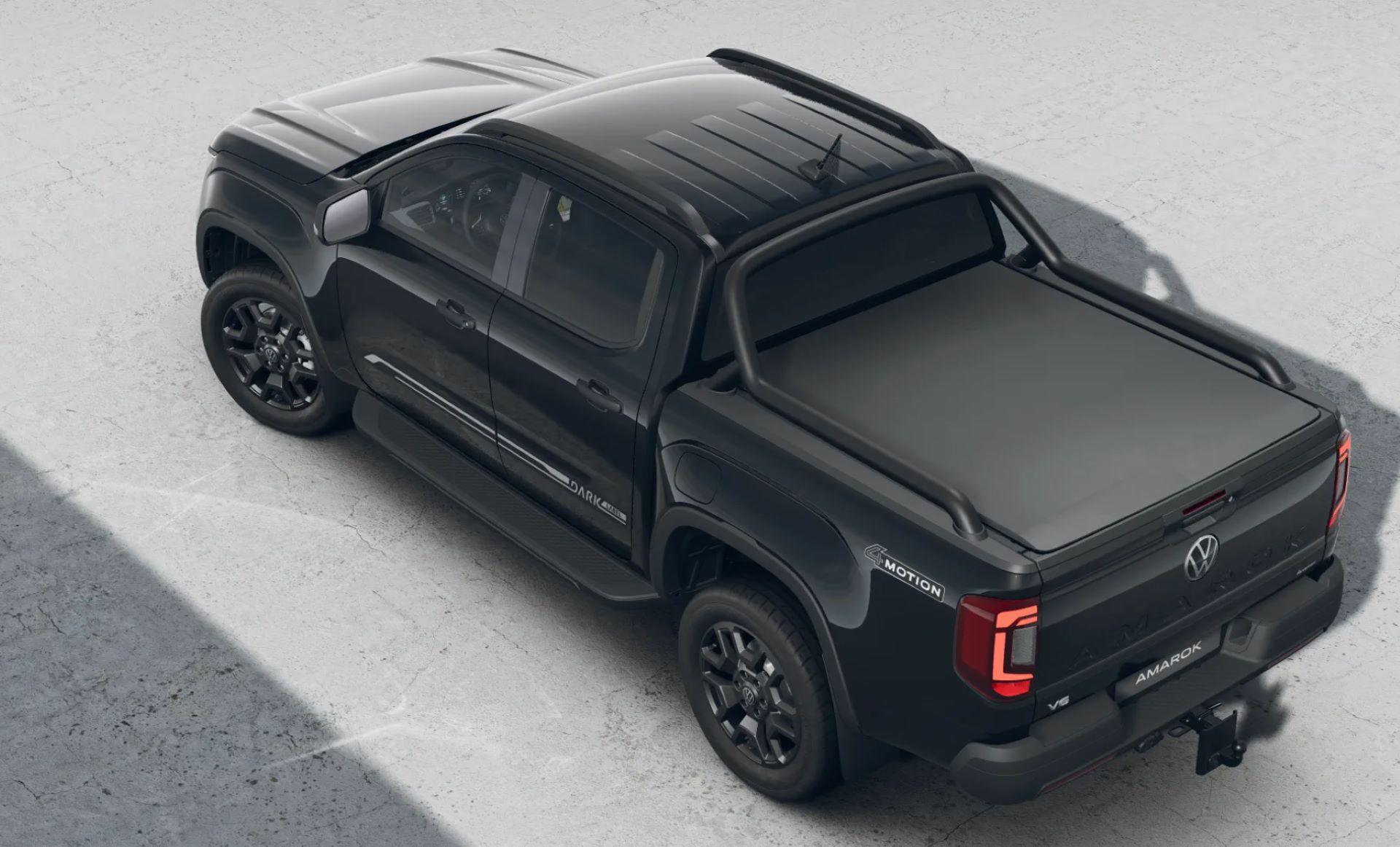
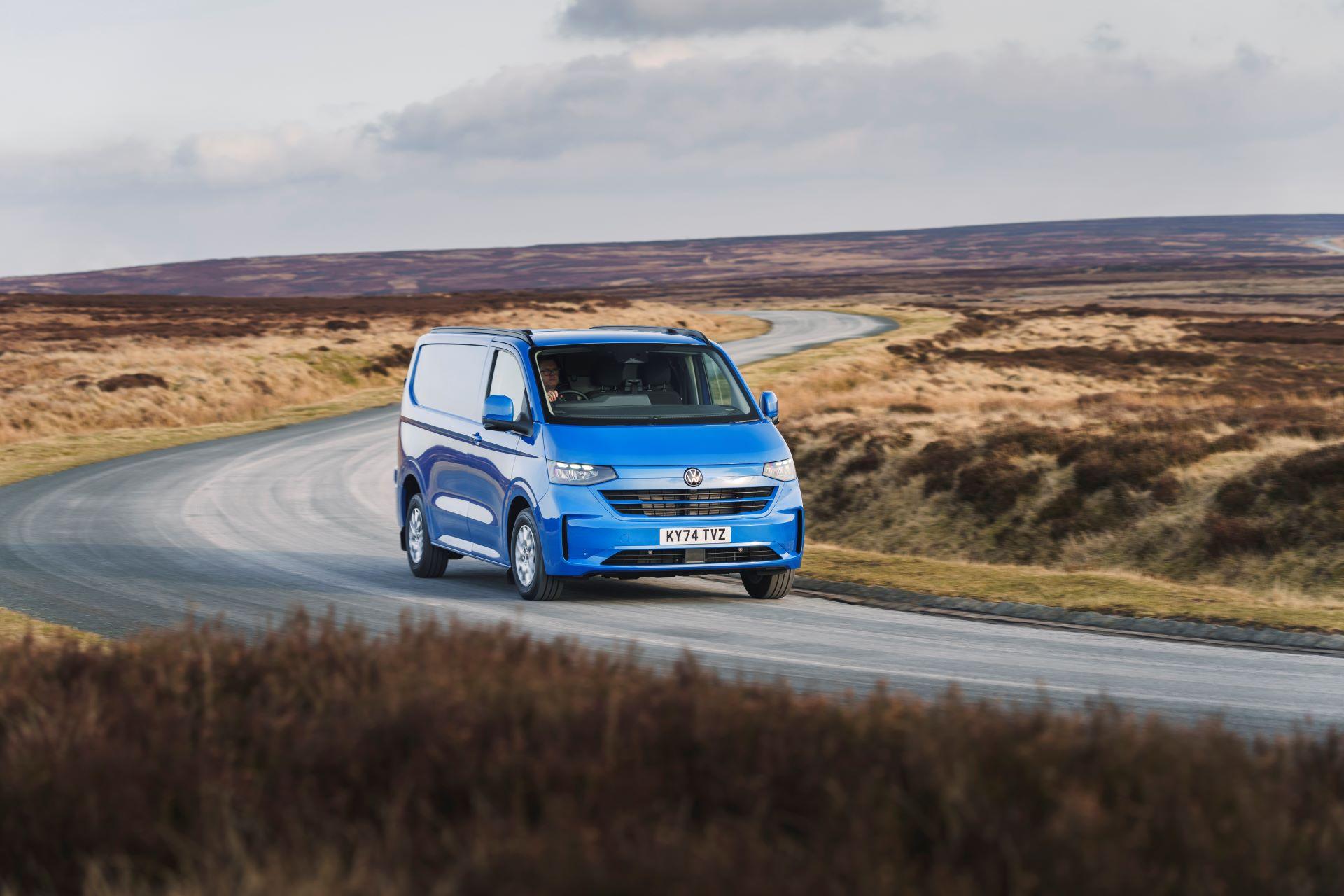
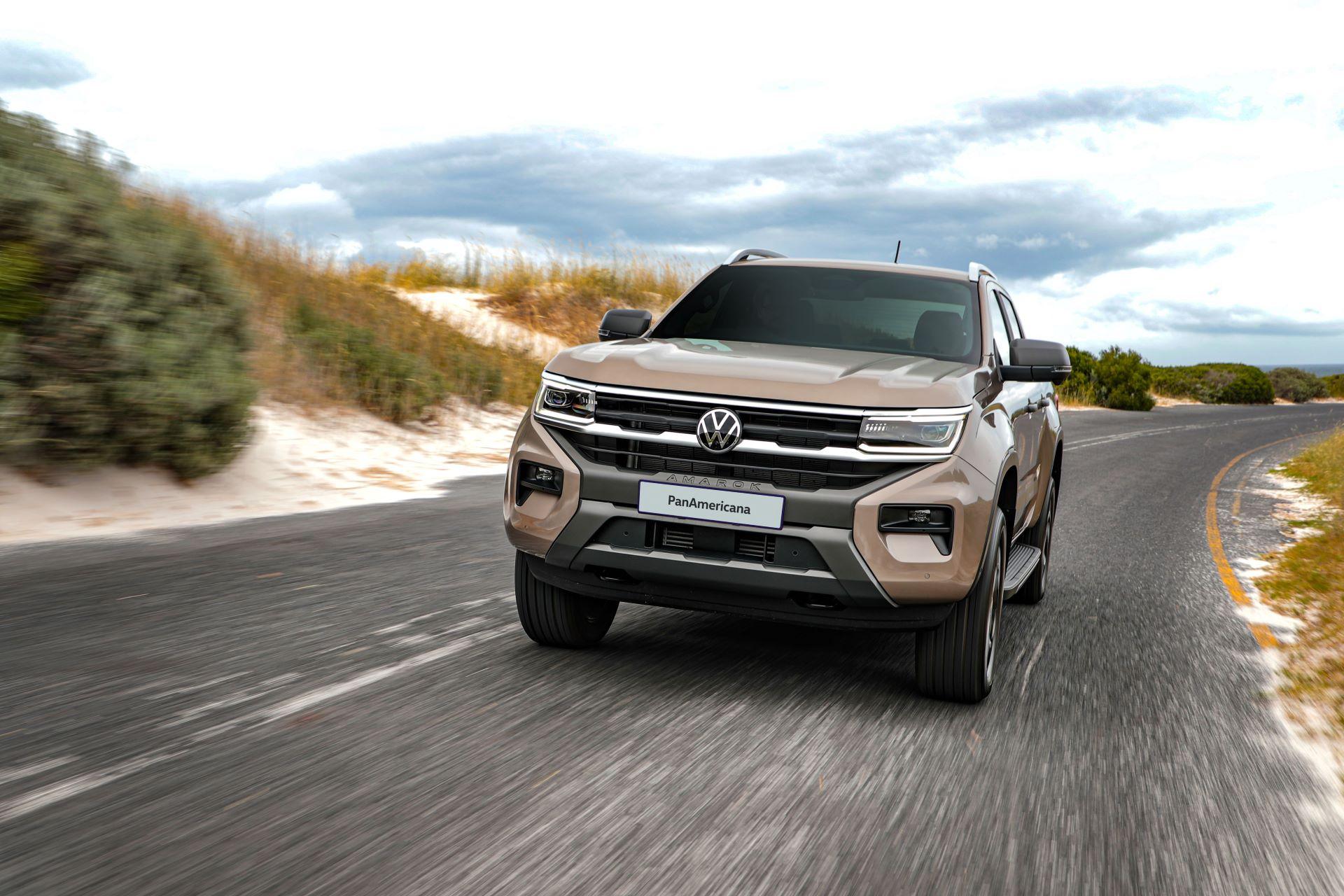
Alongside this future-focused debut, the commercial line-up reinforces the Group’s long-standing reputation for durability. The Amarok 222kW PanAmericana leads the charge, combining power and premium refinement in a bakkie designed for demanding environments. It is joined by the Volkswagen Crafter, a proven leader in the medium commercial segment, as well as the Transporter and Vivo Xpress, both of which continue to serve businesses requiring dependable, scalable mobility solutions.
Visitors will also be among the first to preview the new Caravelle plug-in hybrid, underscoring the shift toward electrified commercial applications. This is not presented as a distant concept, but as a practical step toward real-world adoption in industries where efficiency directly impacts profitability.
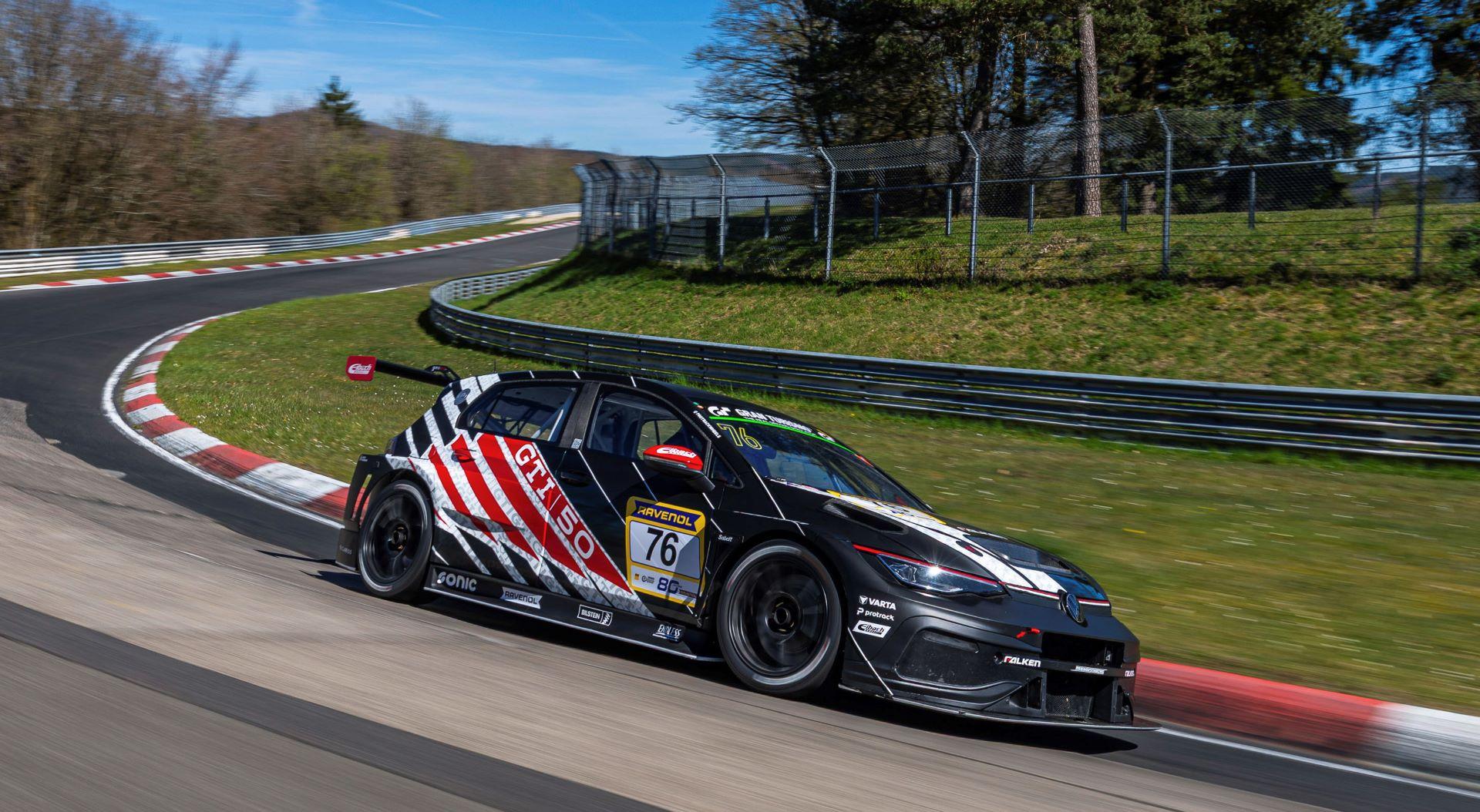
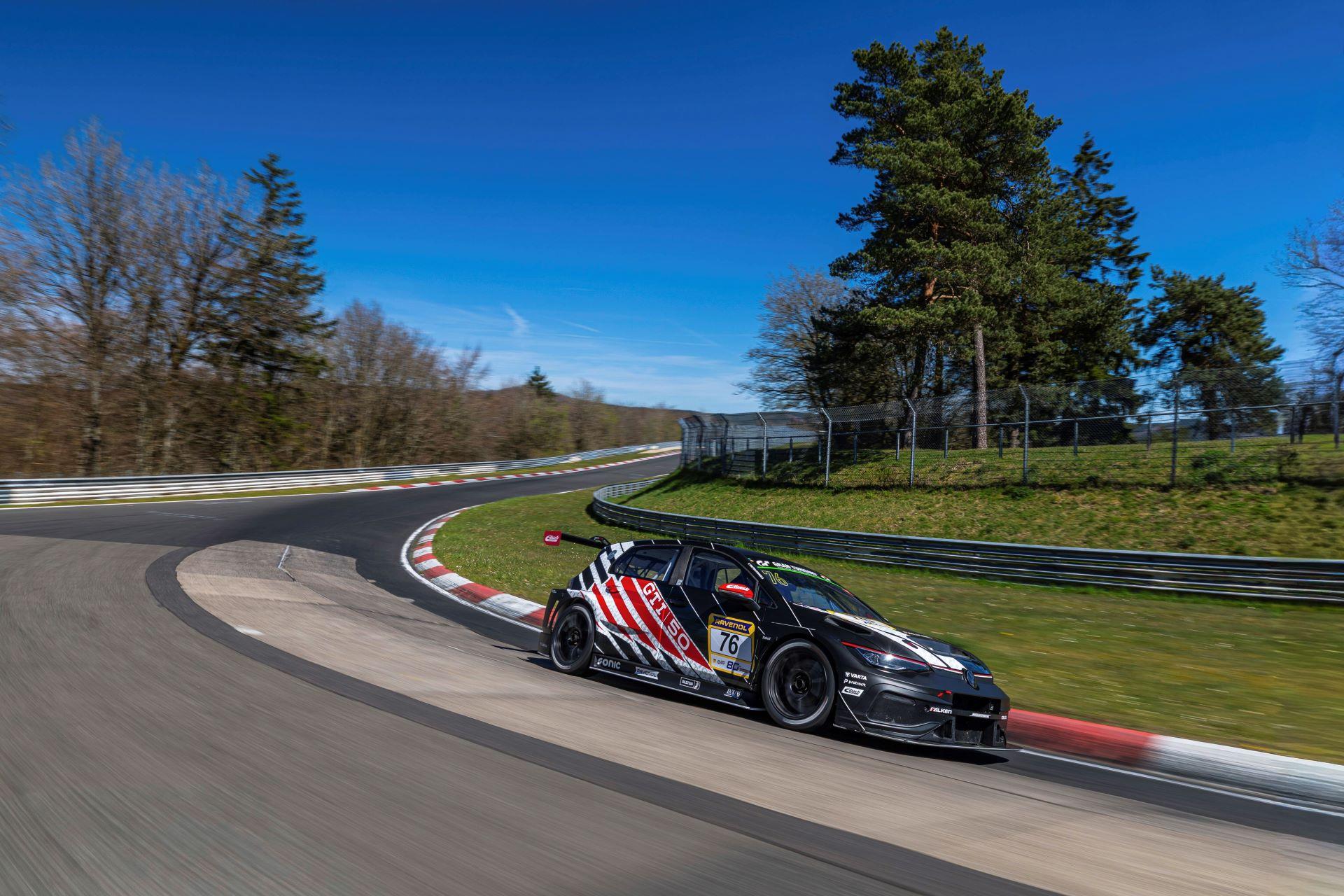
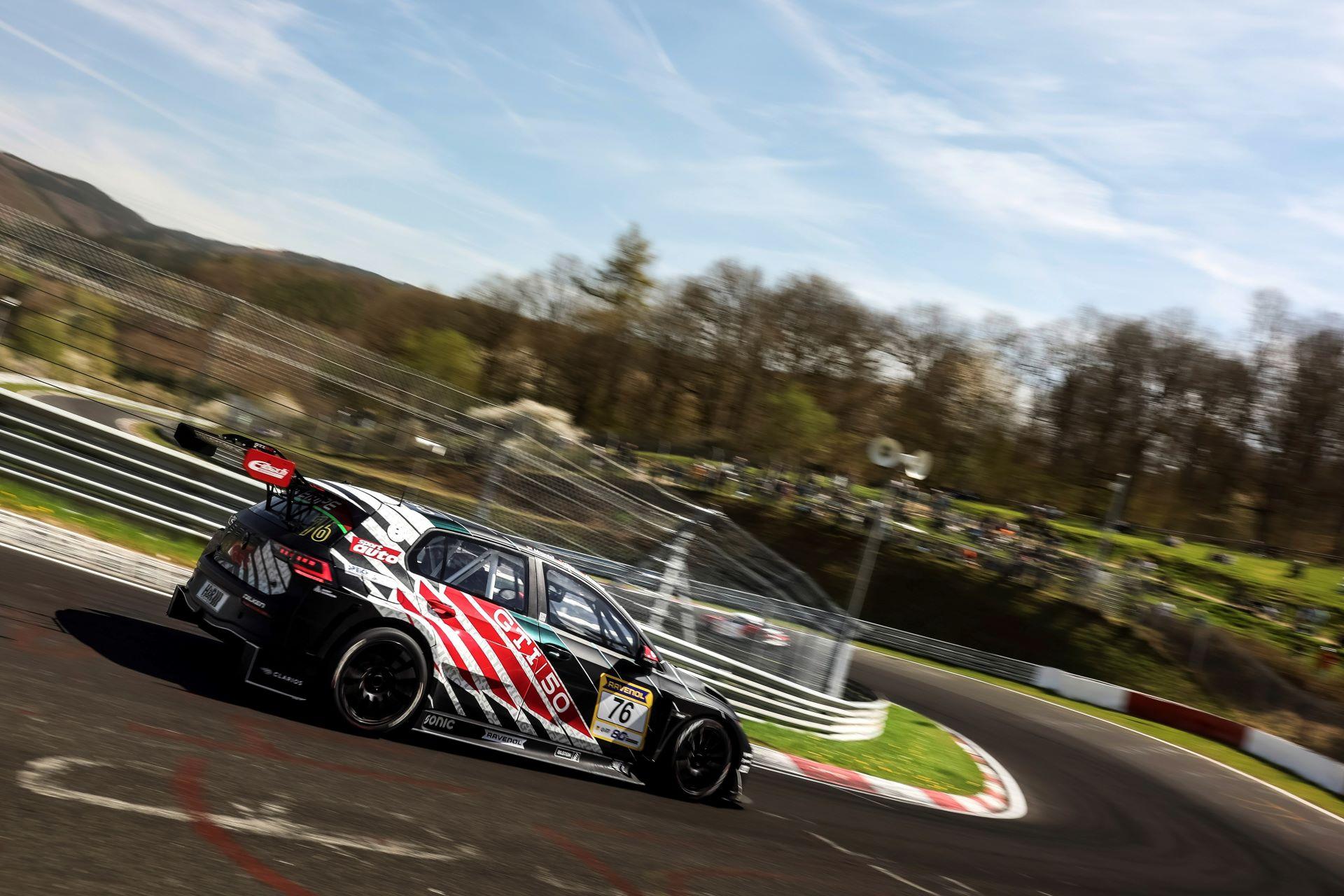
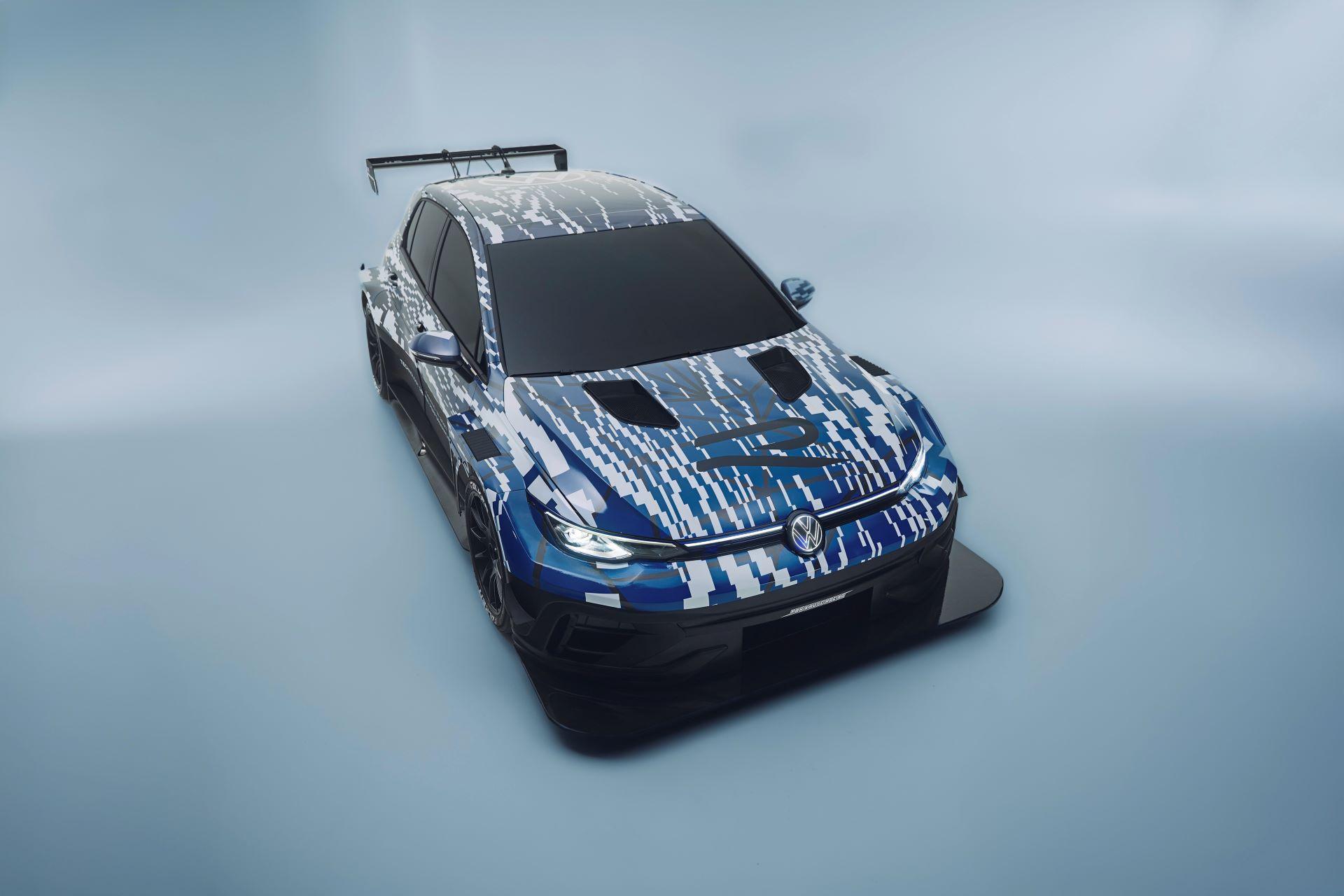
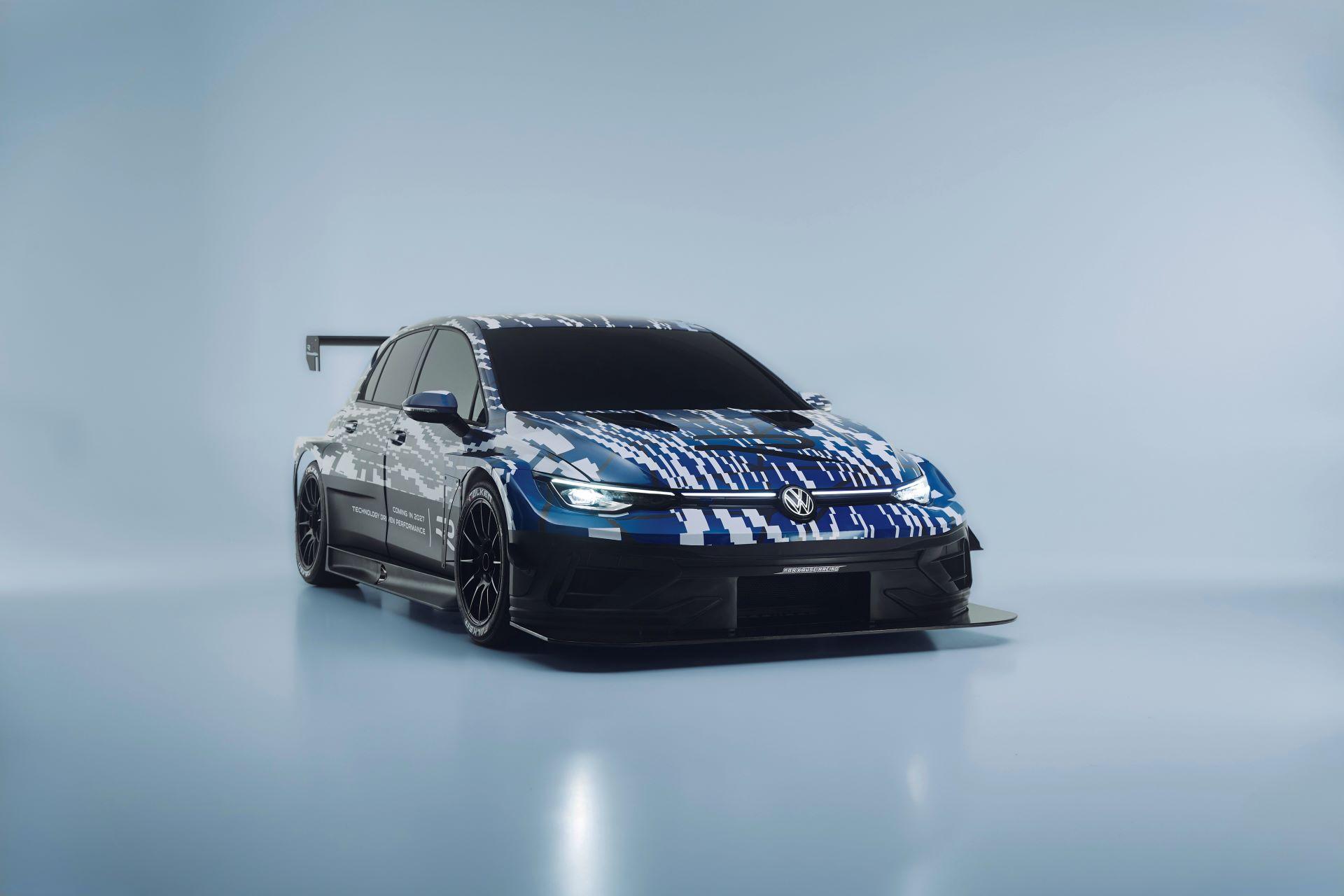
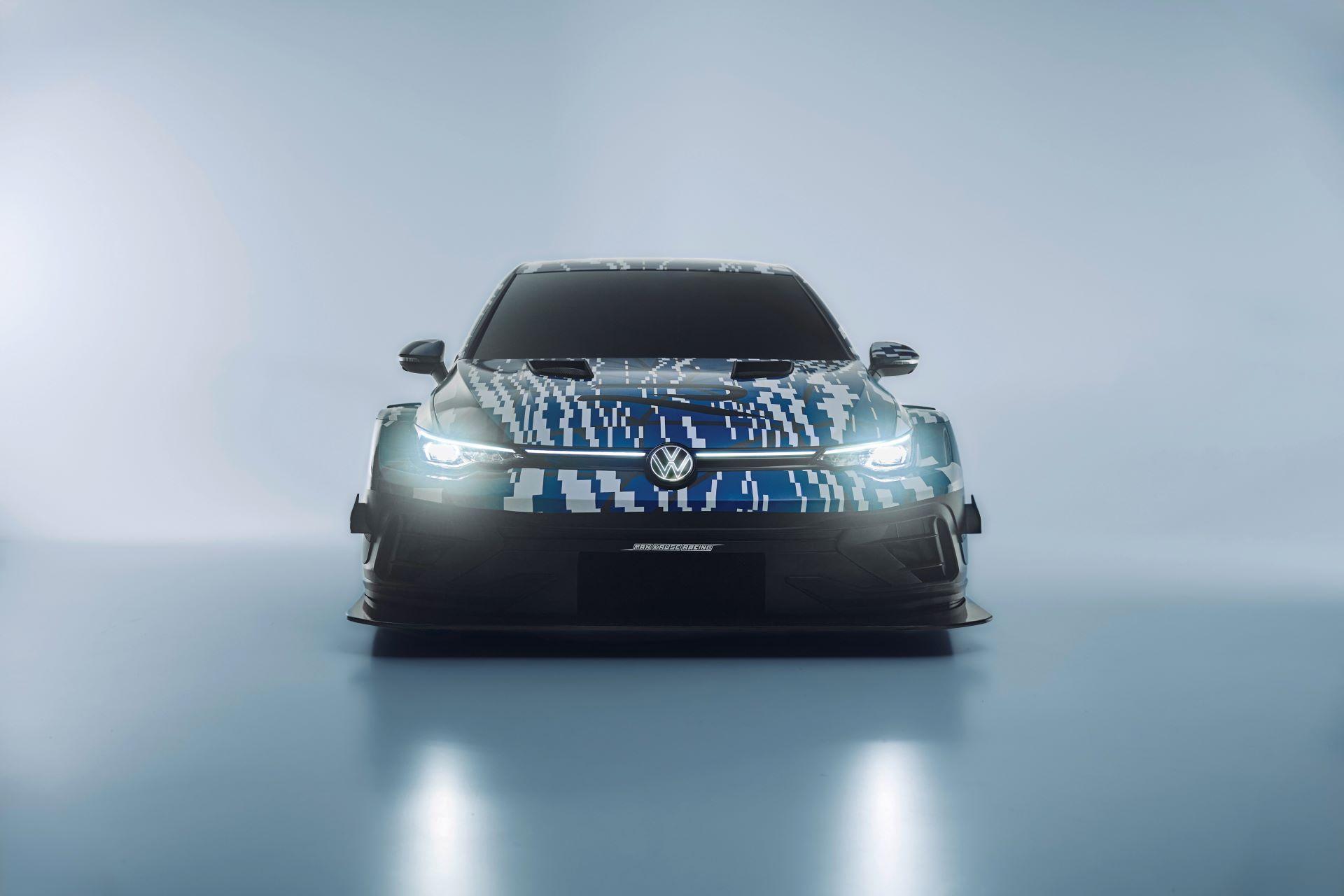
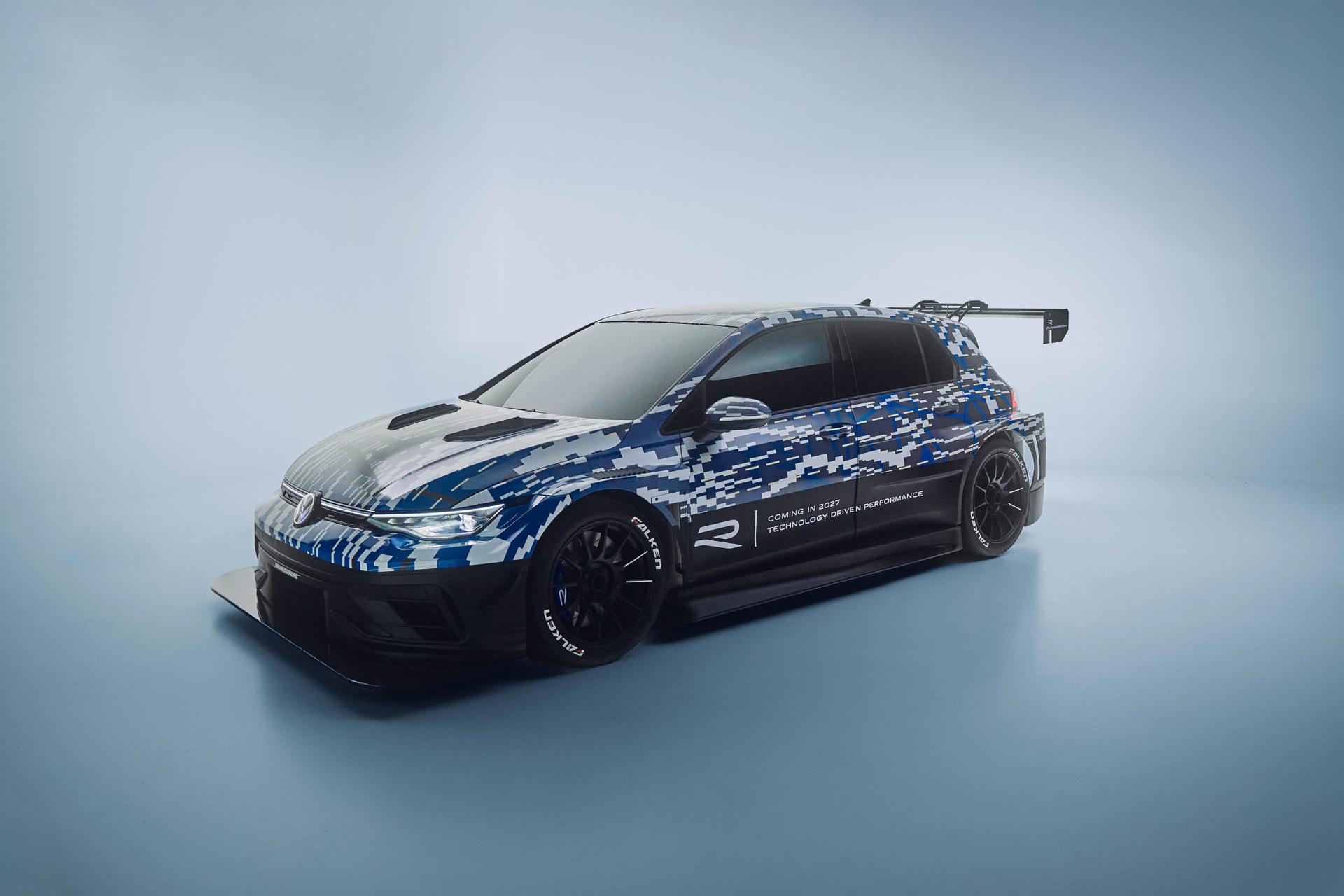
The showcase extends beyond Volkswagen Commercial Vehicles into the broader Group portfolio. The all-new Audi Q3 represents progressive compact SUV design and technology, offering a premium interpretation of everyday versatility. From Volkswagen Passenger Cars, the Golf GTI returns as a performance benchmark that continues to define its segment, while the Touareg Final Edition pays tribute to one of the brand’s most refined and capable SUVs.
Adding another layer of energy to the stand, a curated selection of Ducati motorbikes brings high-performance engineering and Italian design into the mix, expanding the experience beyond four wheels and reinforcing the Group’s multi-dimensional mobility identity.
Speaking ahead of the event, Volkswagen Group Africa’s acting Director of Sales and Marketing, Niels Wichmann, emphasised the strategic importance of NAMPO. The agricultural sector, he noted, continues to demand mobility solutions that are not only robust and reliable, but also efficient and adaptable. The Group’s product line-up has been curated specifically to meet those evolving needs while also reflecting the direction of future mobility.
Beyond the vehicles themselves, the Volkswagen Group Africa stand is designed as an interactive environment. Farmers, fleet operators, and business leaders are invited to engage directly with product specialists, explore new technologies, and gain practical insight into how innovation is reshaping mobility across industries that form the backbone of the South African economy.
As NAMPO continues to function as a critical meeting point for agriculture and industry, Volkswagen Group Africa’s participation underscores a broader commitment. It is not simply about showcasing vehicles, but about reinforcing a long-term role in supporting the systems that keep South Africa moving, working, and growing.