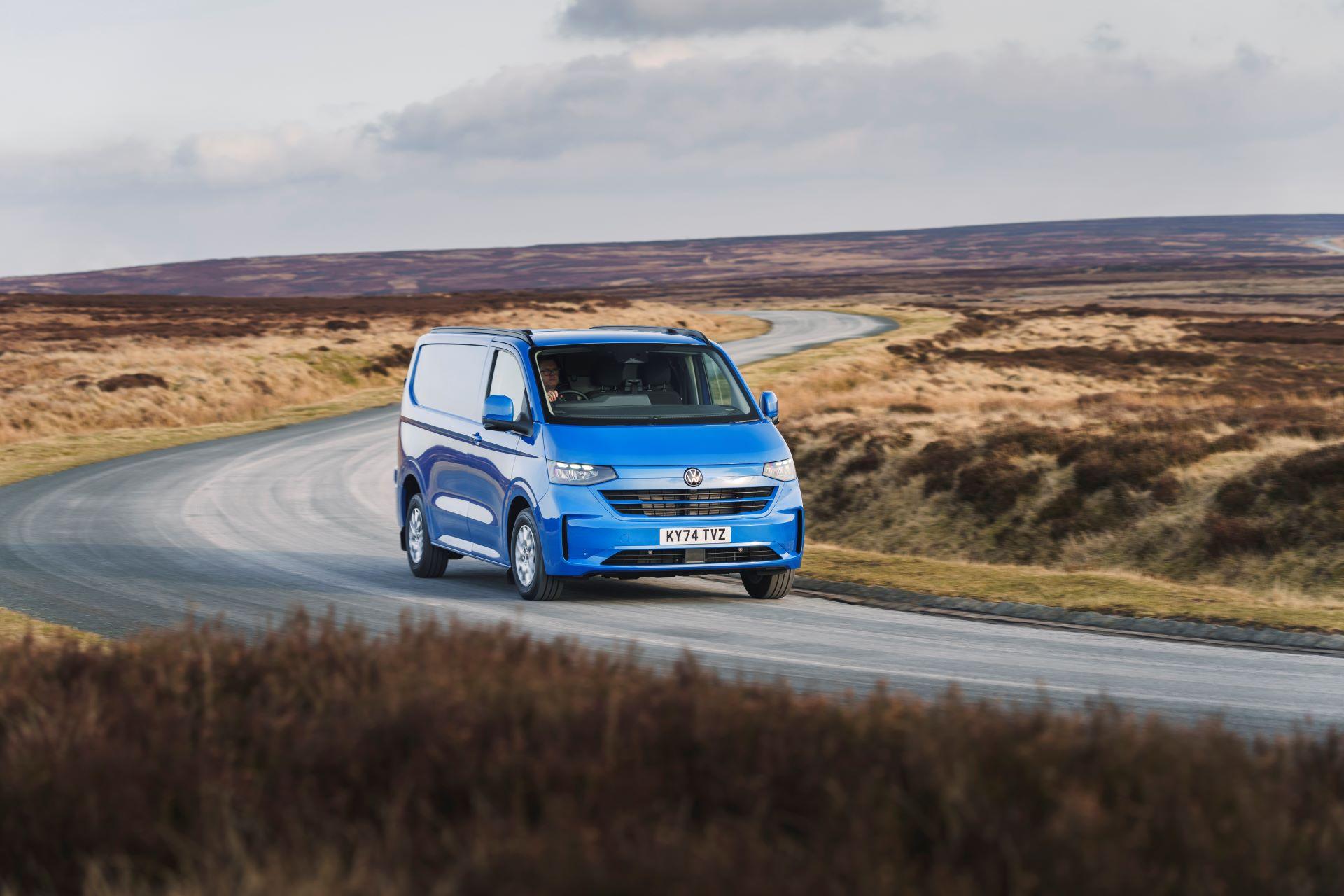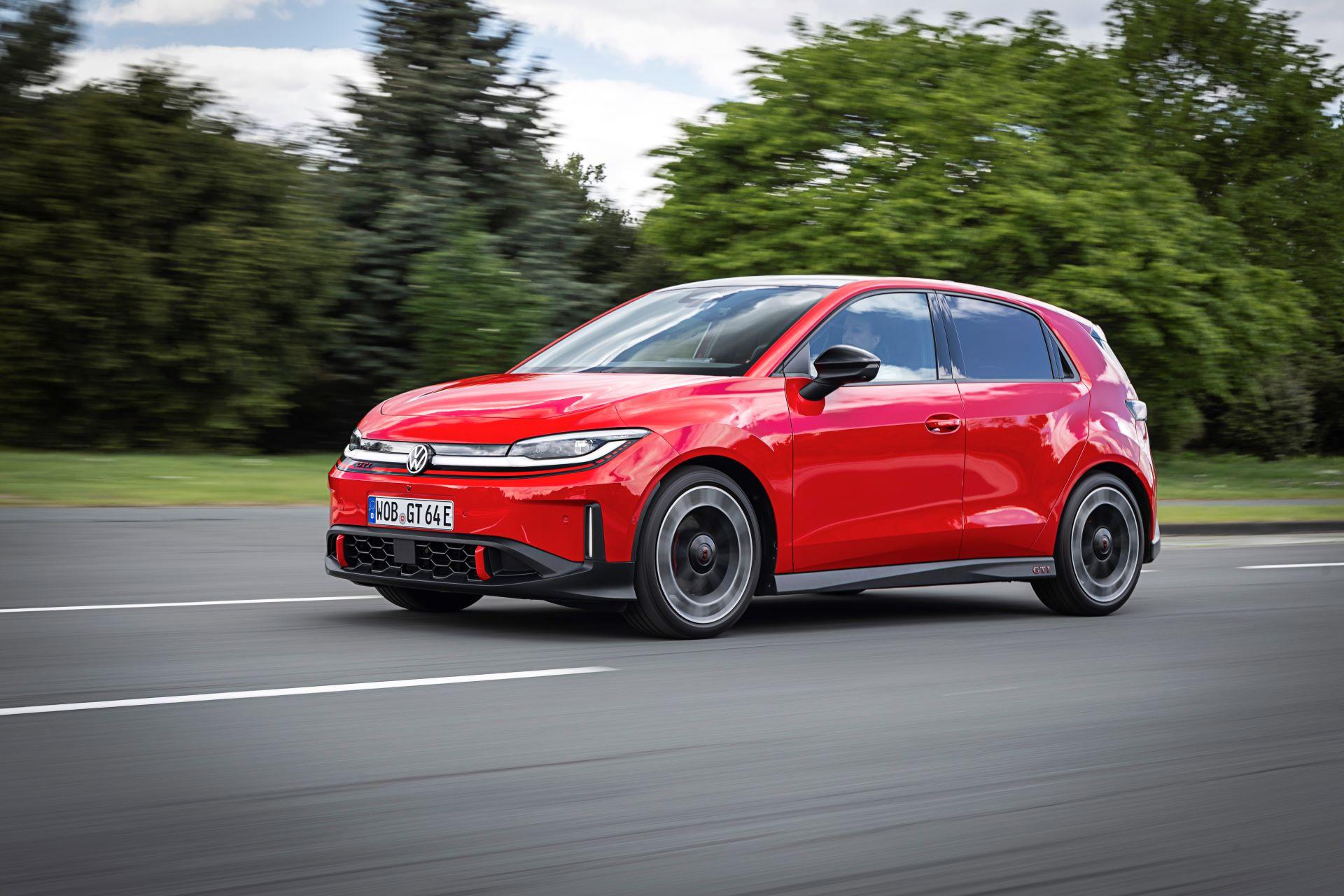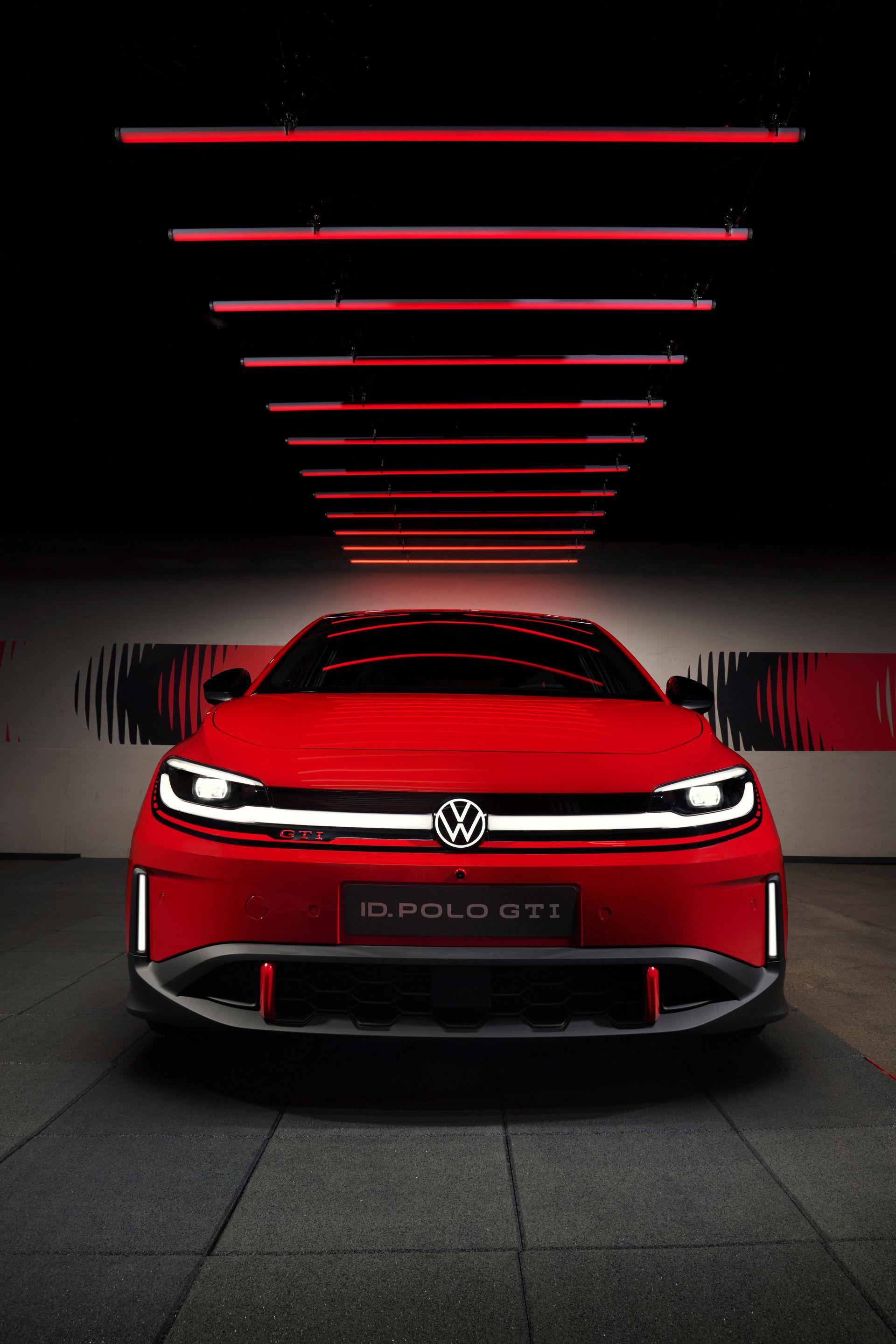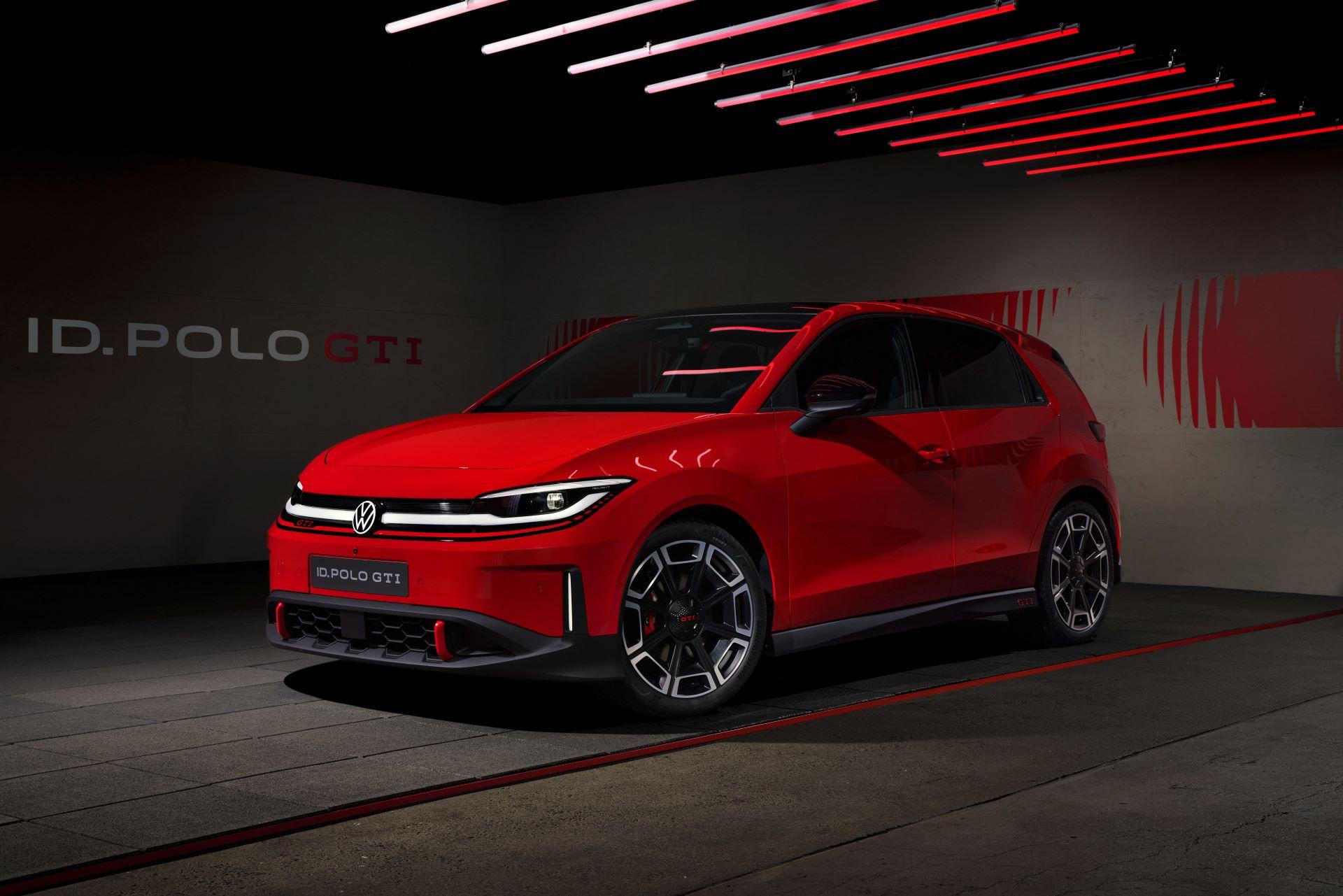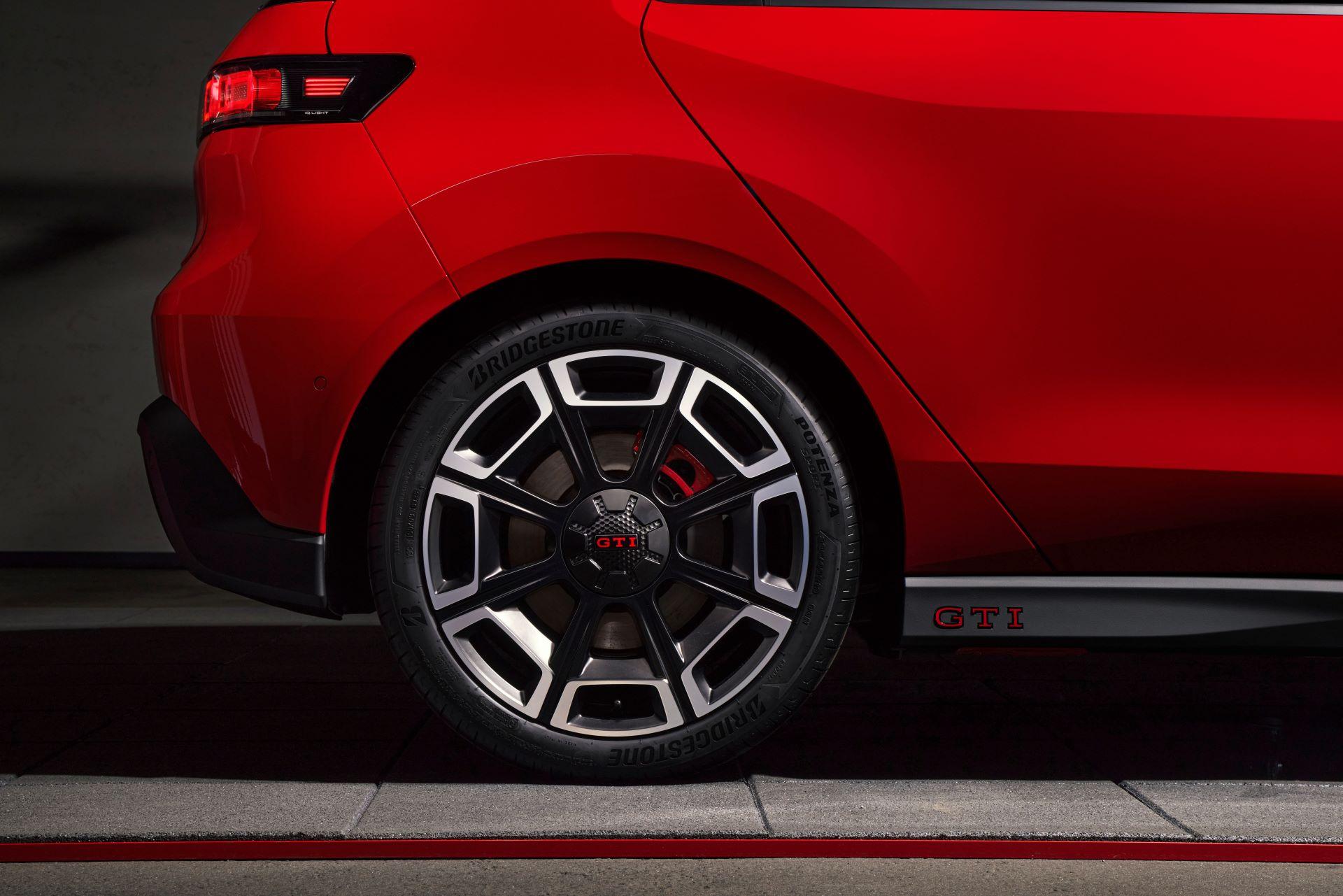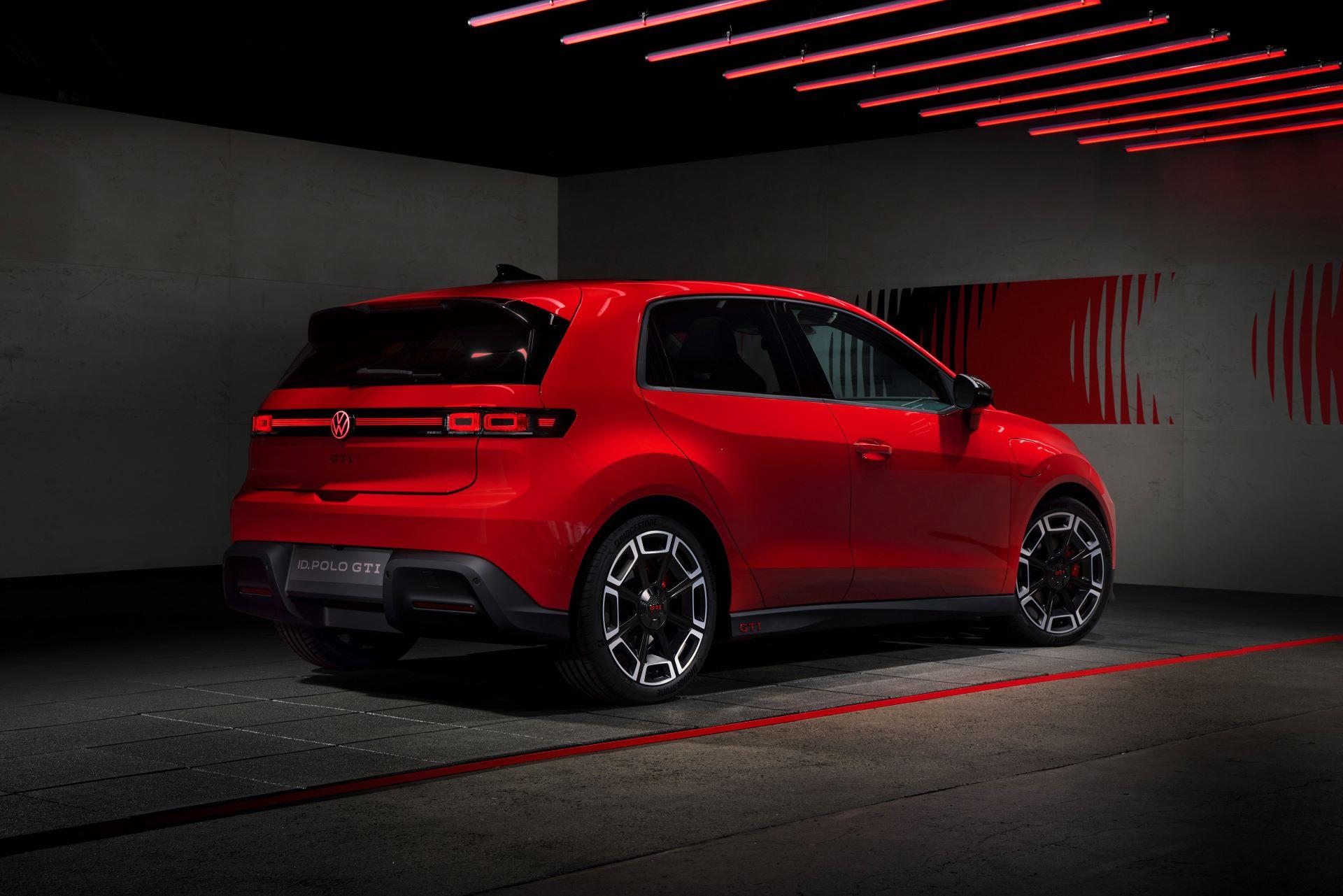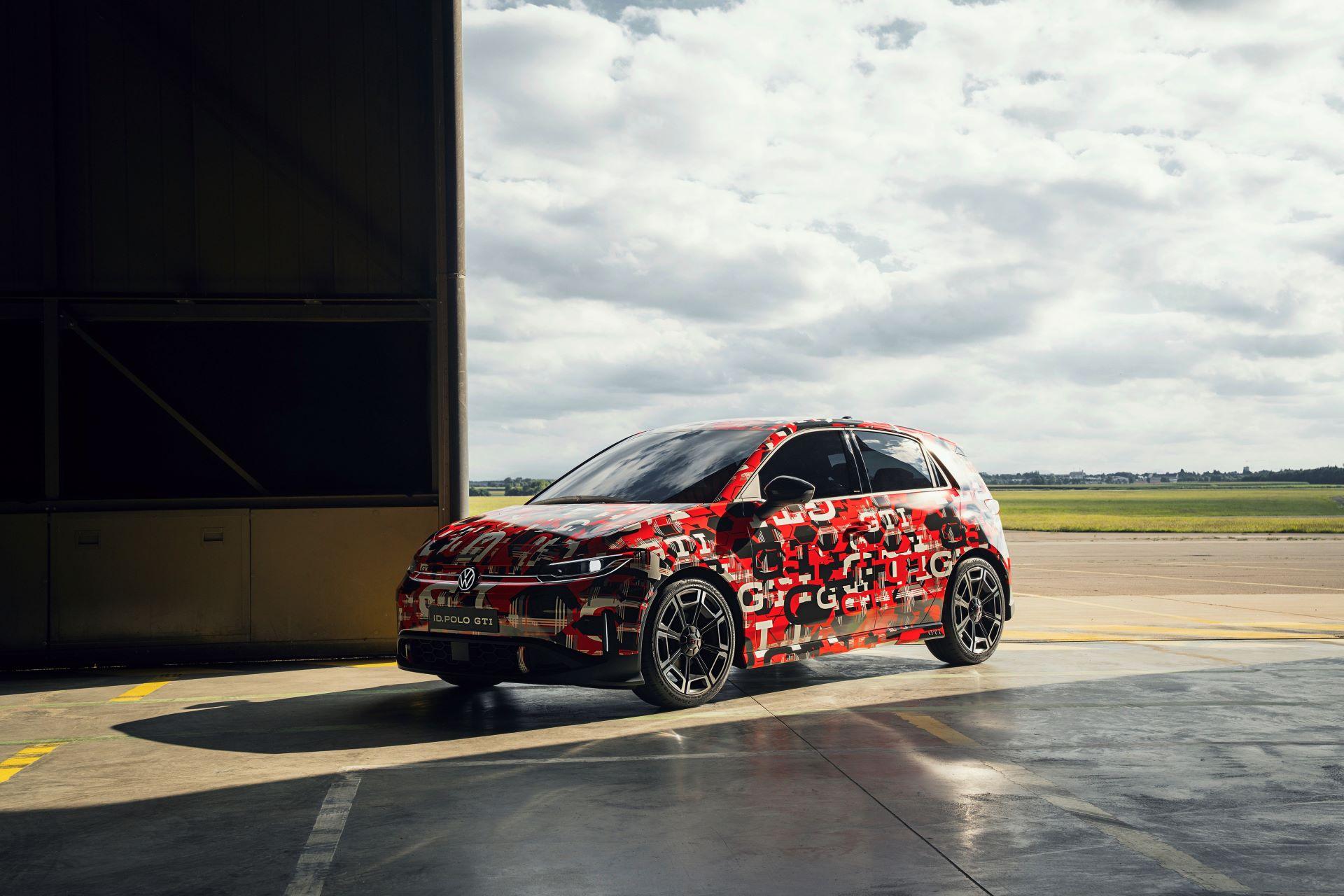





There’s something quietly poetic about a familiar name stepping into an entirely new chapter. For decades, the Polo has been the dependable companion in Volkswagen’s story, a small car with a big presence in everyday life. Now it trades petrol for electrons and routine for reinvention, emerging as the ID. Polo, a fully electric evolution that feels less like a replacement and more like a thoughtful continuation.
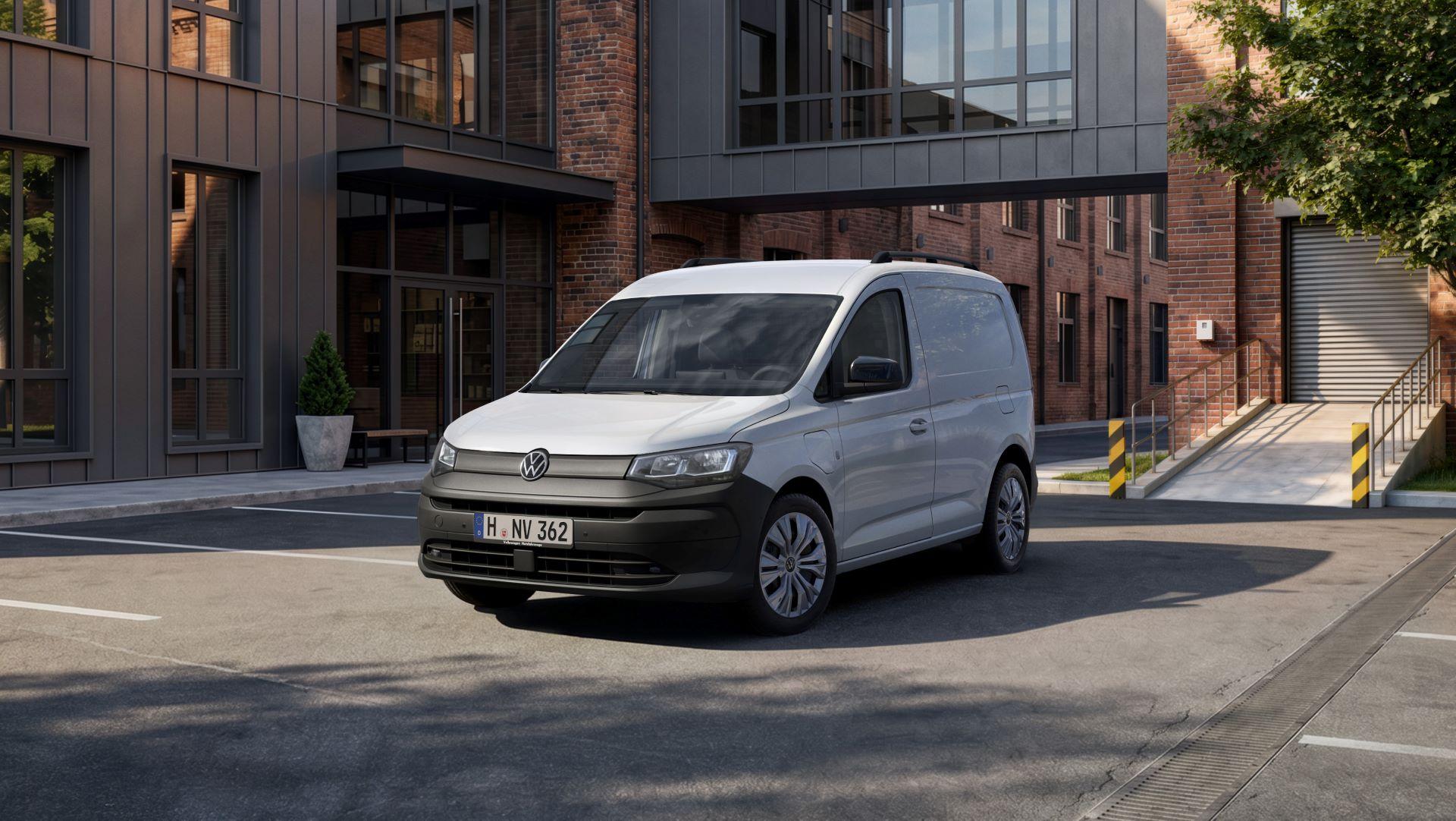
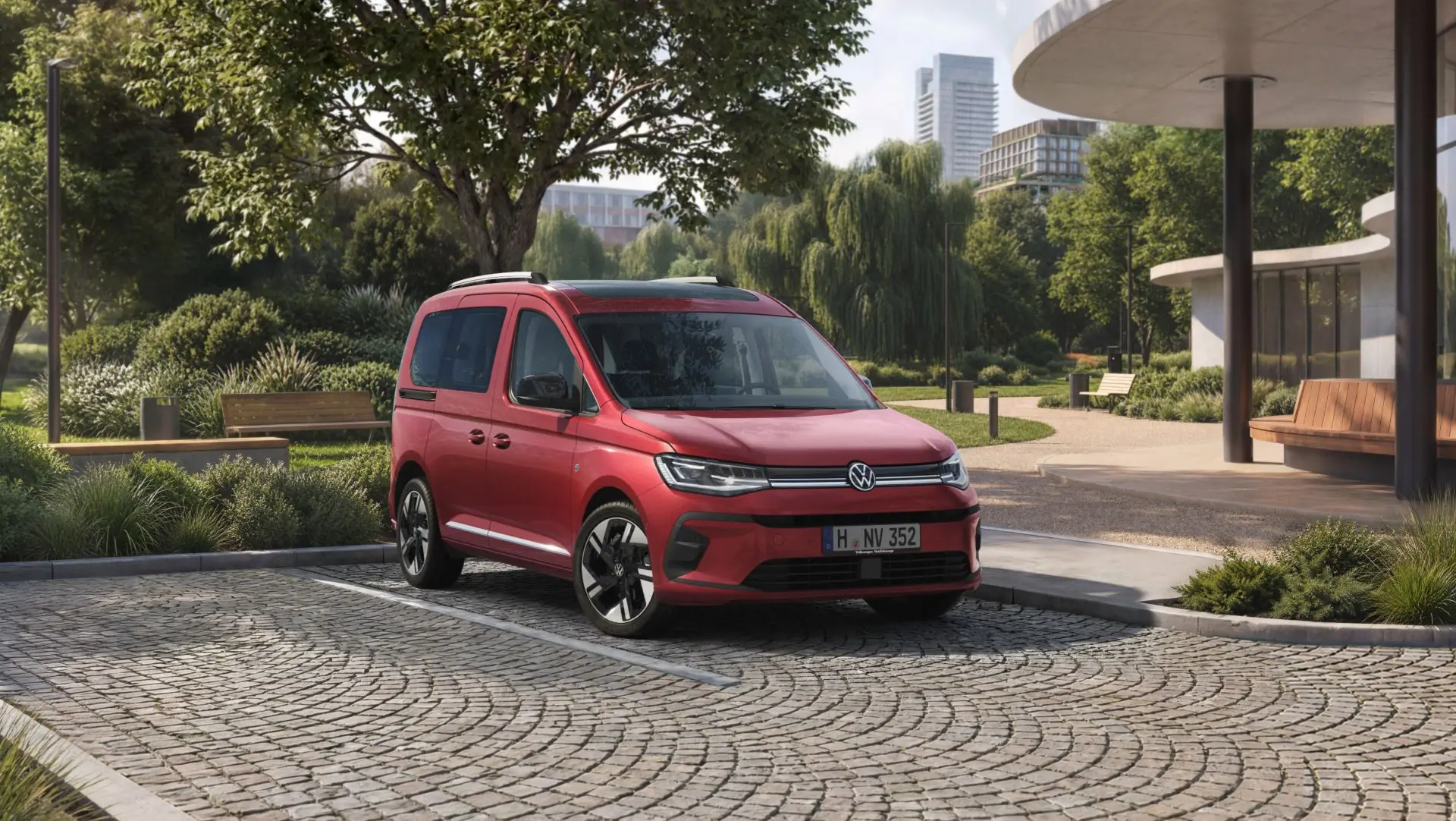
Volkswagen’s approach here is not to shock the senses, but to refine them. The design language, shaped under the “Pure Positive” philosophy, leans into clarity and restraint. It’s the kind of styling that doesn’t beg for attention but earns it over time, with proportions that feel balanced and details that nod to heritage without clinging to it. The C-pillar quietly echoes the Golf’s lineage, while the lighting signature adds a distinctly modern punctuation mark.
Underneath that composed exterior sits a platform engineered to make the most of electric architecture. The shift to front-wheel drive in the new MEB+ setup unlocks space in ways the combustion-era Polo simply couldn’t. The cabin stretches out with surprising generosity, comfortably seating five while offering a luggage capacity that edges into territory once reserved for larger cars. It’s the sort of spatial efficiency that makes city driving feel less like compromise and more like clever design.
Performance and efficiency arrive in three distinct flavours, catering to a spectrum of drivers. Entry-level variants prioritise balance and affordability, while the range-topping model leans into stronger performance and extended reach. At its peak, the ID. Polo delivers up to 454 kilometres of range, enough to turn daily commutes and weekend escapes into a seamless rhythm rather than a logistical puzzle. Fast charging keeps the tempo brisk, with 10 to 80 percent top-ups taking just over twenty minutes at DC stations.
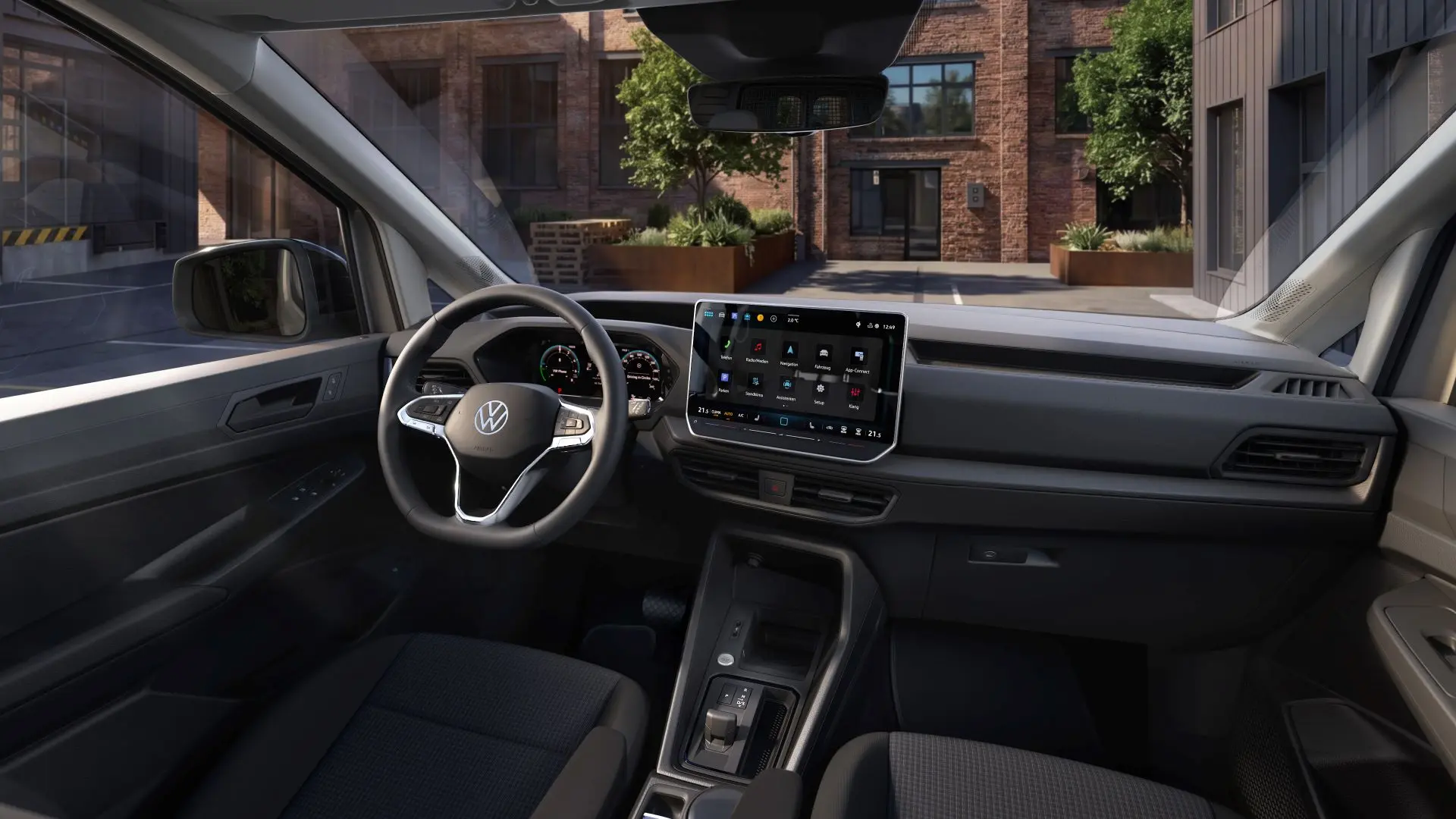
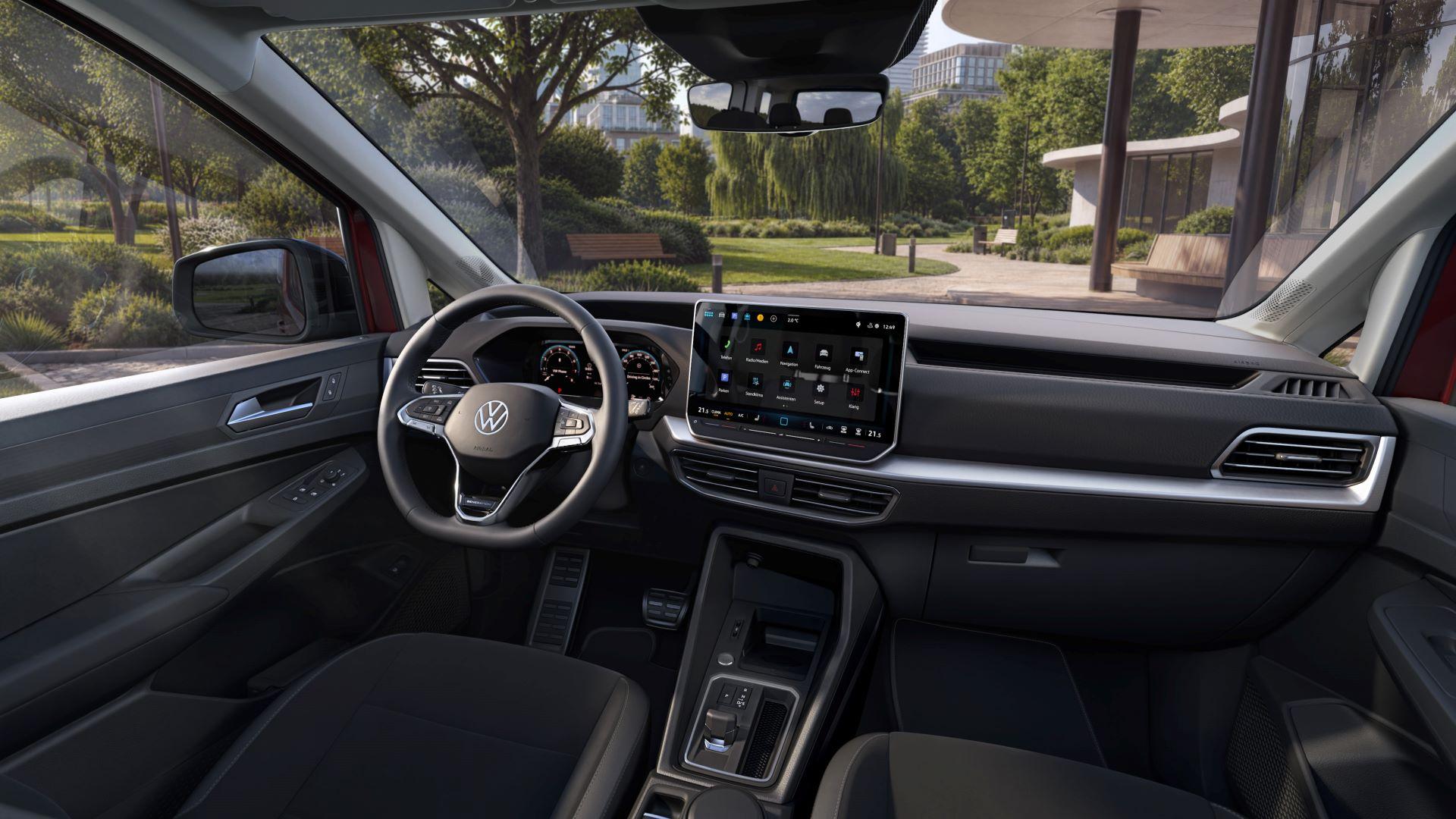
Inside, the experience is curated to feel intuitive rather than overwhelming. A 10-inch Digital Cockpit sits neatly in the driver’s line of sight, paired with a 13-inch infotainment display that feels more like a well-integrated tablet than an afterthought. Crucially, Volkswagen hasn’t abandoned physical controls entirely, striking a balance that many drivers will appreciate. There’s a sense that technology here serves the driver, not the other way around.
The ID. Polo also borrows confidence from higher segments, sprinkling in features that once felt out of reach for this class. Connected Travel Assist brings semi-automated driving into the mix, with the added trick of recognising traffic lights and responding accordingly. One-pedal driving simplifies urban navigation, turning stop-start traffic into a smoother, almost meditative experience. Then there’s vehicle-to-load functionality, which transforms the car into a mobile power source, ready to charge everything from e-bikes to outdoor gear.
Comfort and convenience scale up through the trim levels, from the well-equipped entry version to a top-tier variant that leans into premium territory. Matrix LED headlights, ambient lighting, and even massage seats make an appearance, blurring the lines between compact practicality and luxury indulgence. It’s a reminder that the democratization of technology is no longer a distant promise but an active reality.
Value remains a central thread in the narrative. Volkswagen positions the ID. Polo as an accessible gateway into electric mobility, aiming to bring EV ownership within reach of a broader audience. It’s a strategic move, but also a symbolic one. The Polo has always been about meeting people where they are, and in its electric form, it continues that mission with renewed relevance.
In the end, the ID. Polo doesn’t try to reinvent the idea of a small car from scratch. Instead, it reshapes a trusted formula with modern tools, preserving what made the original beloved while adapting it for a different kind of road ahead. It feels familiar, yet forward-looking, like an old friend who’s quietly learned a few new tricks.