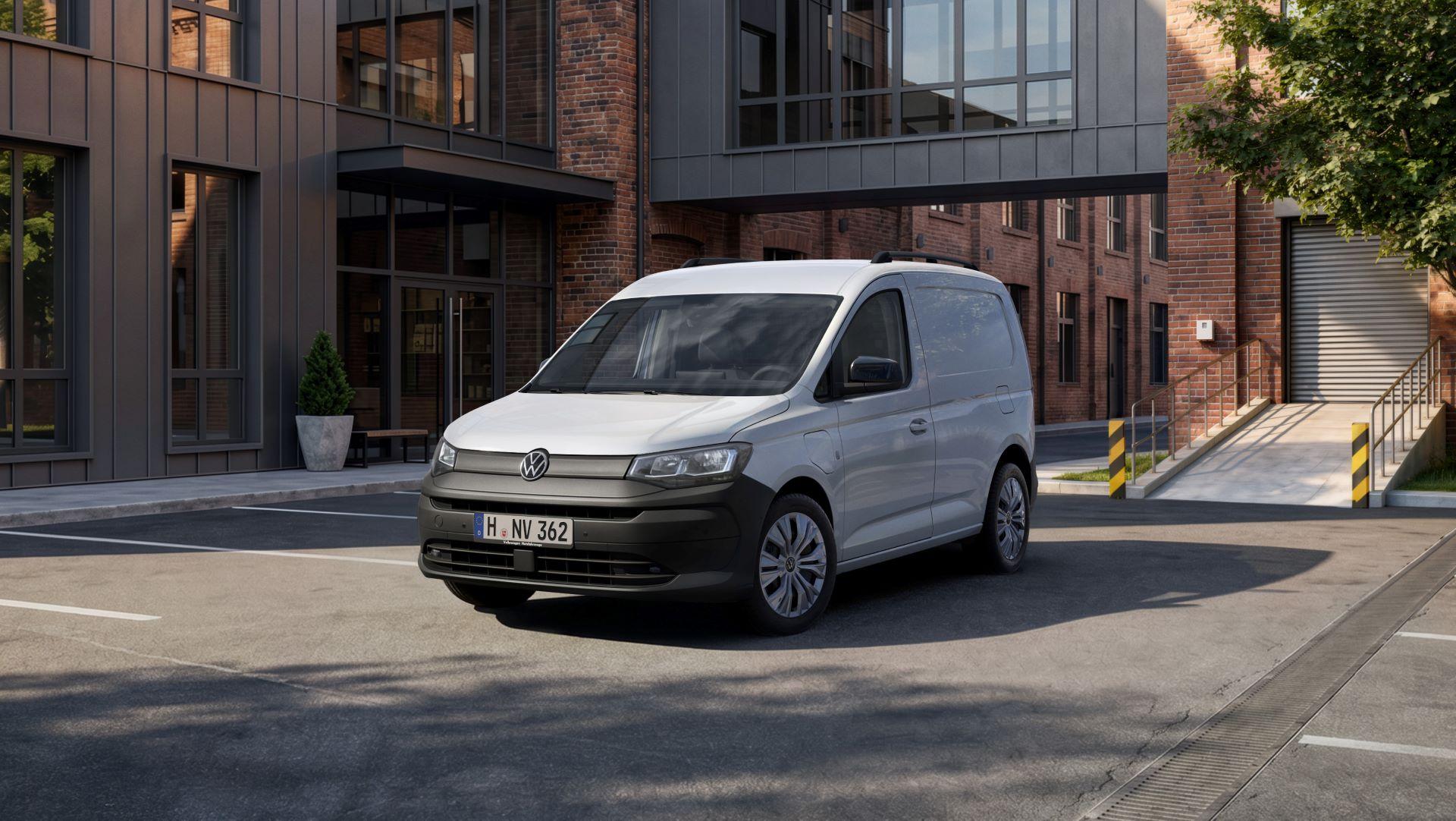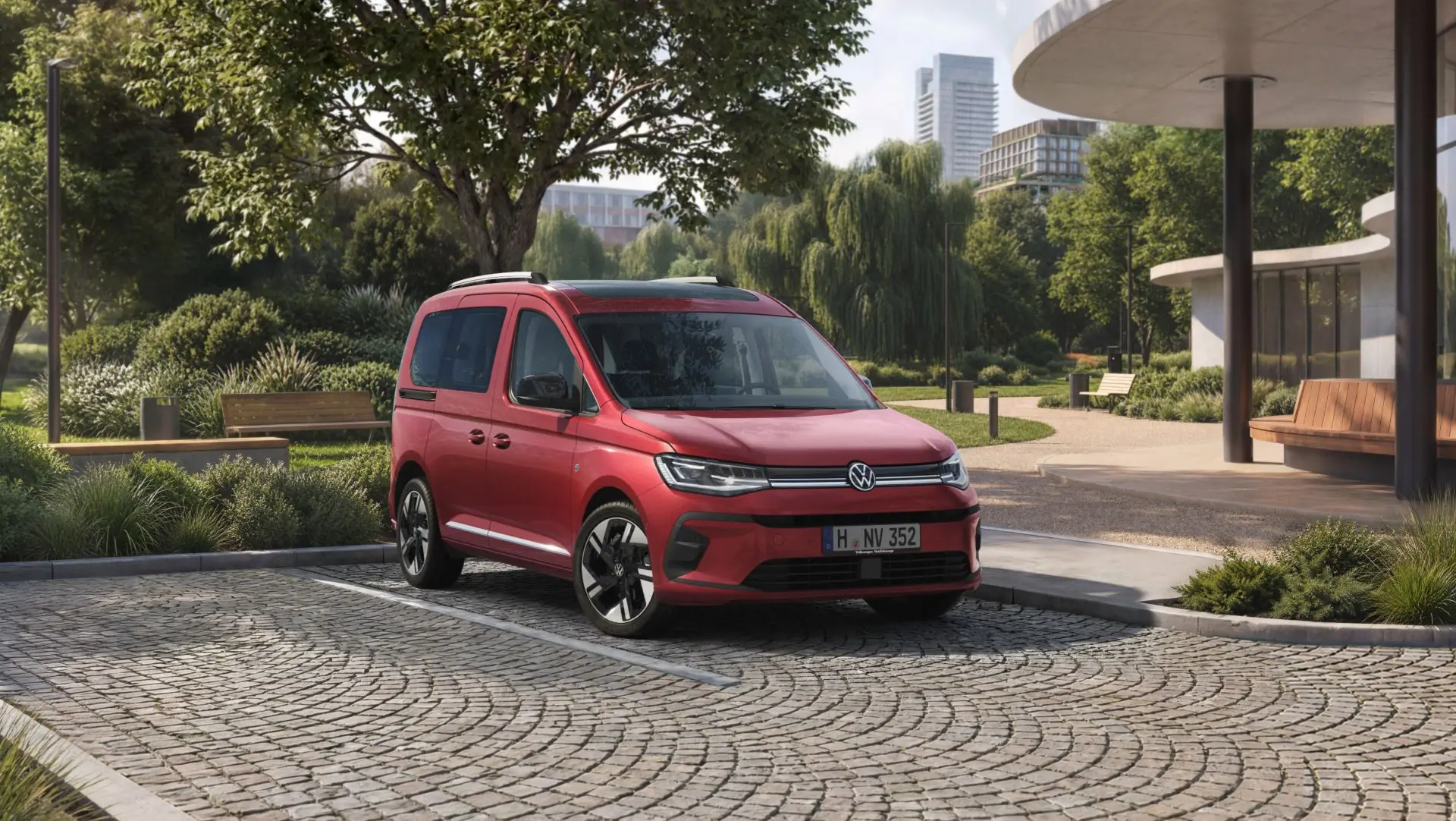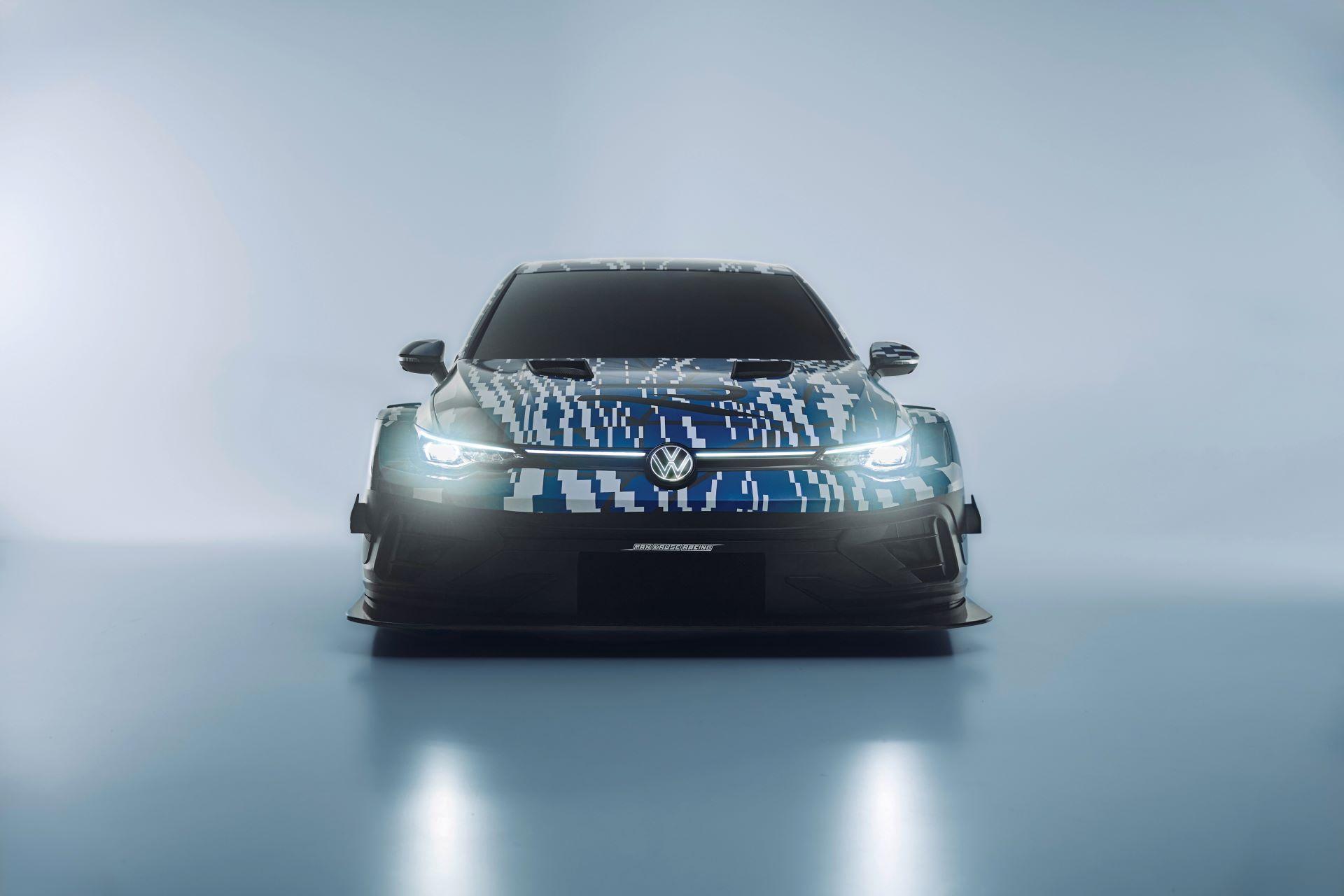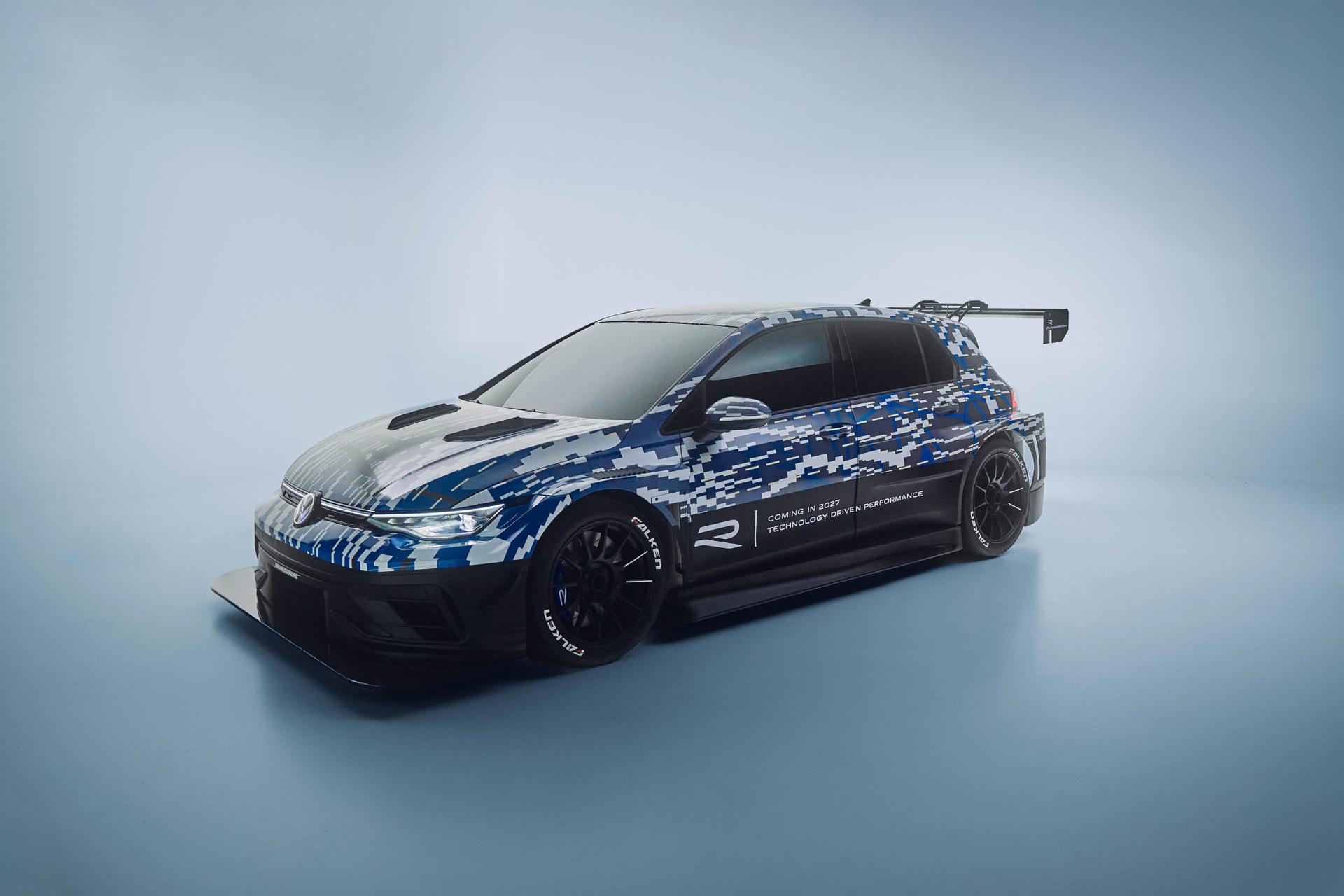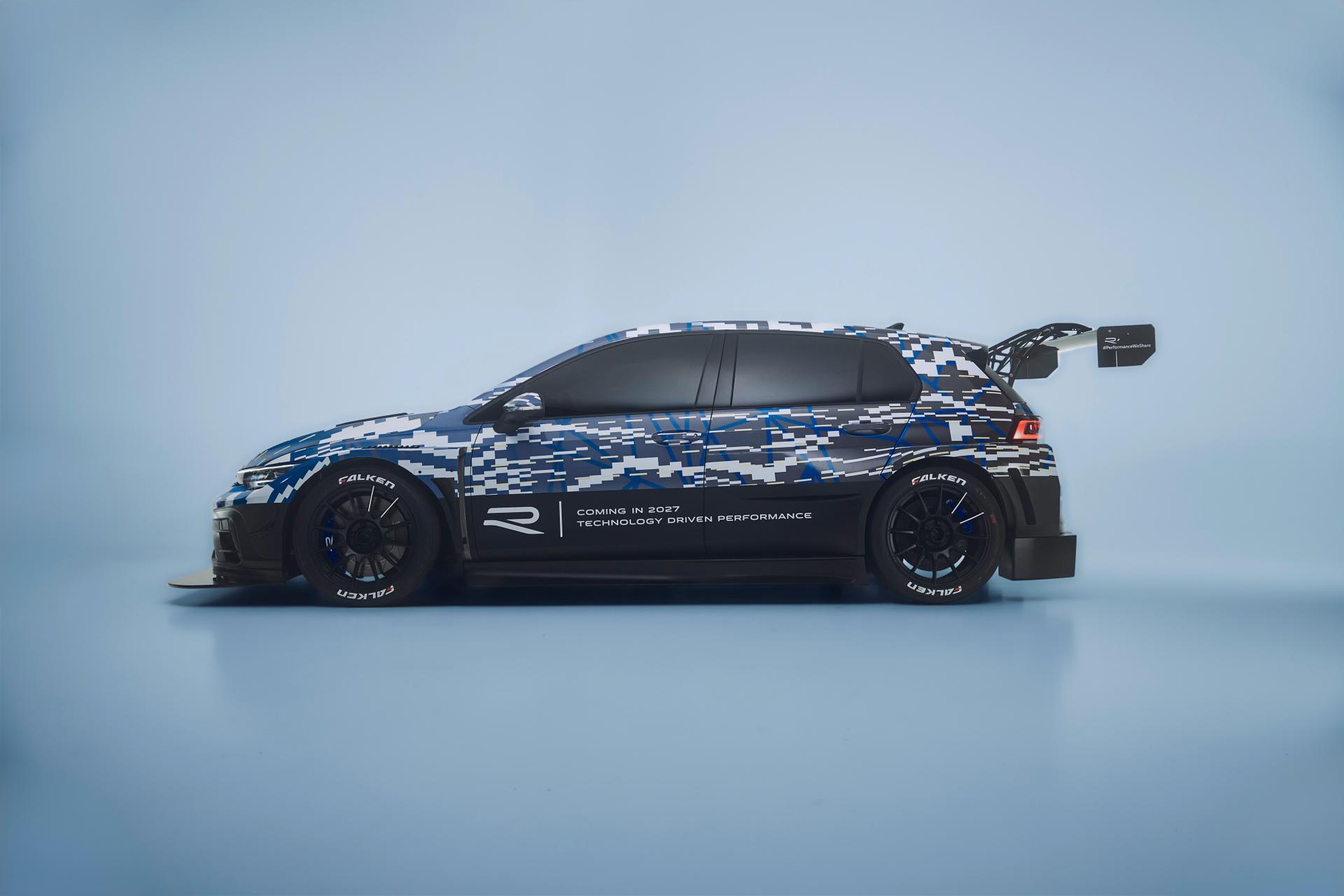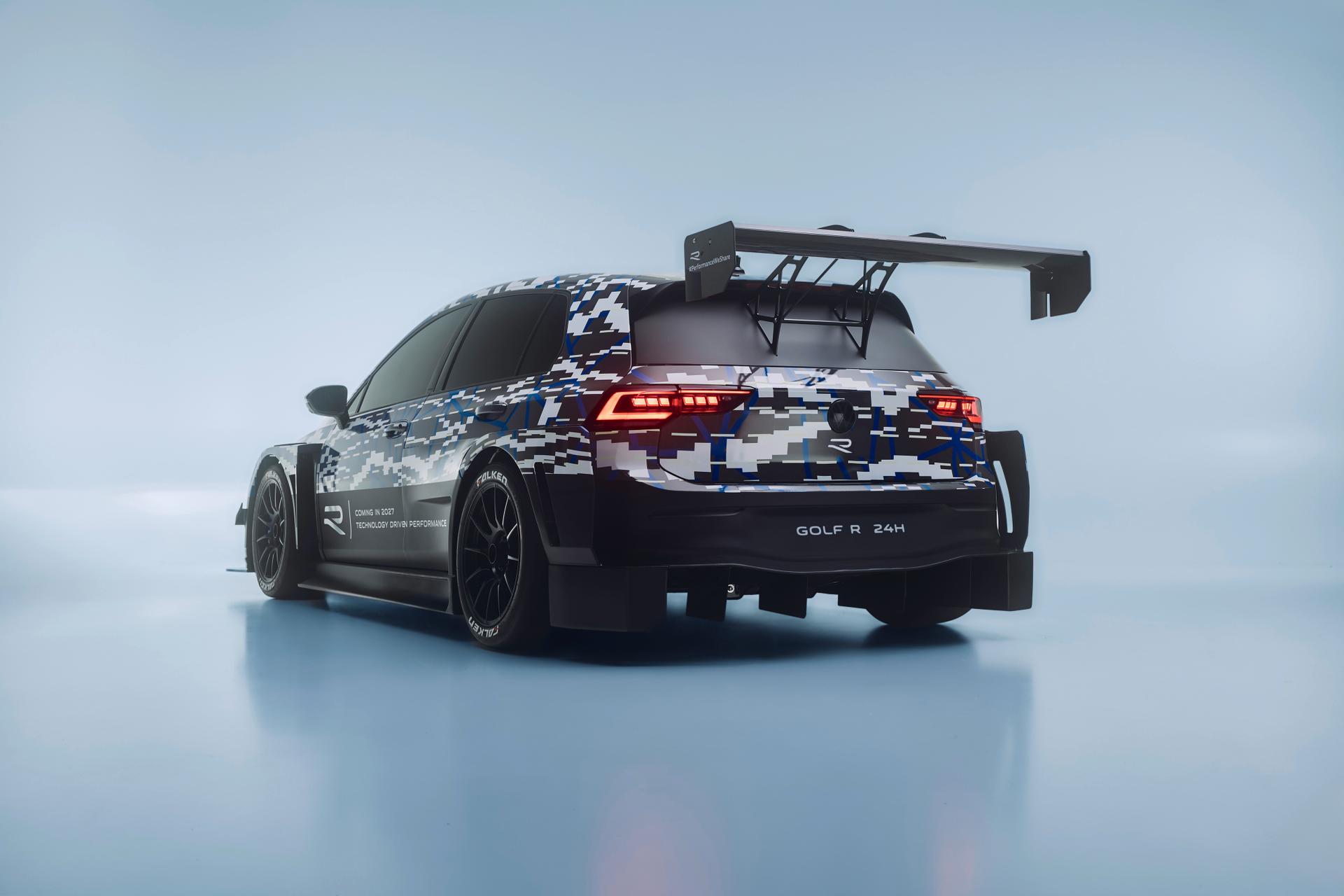



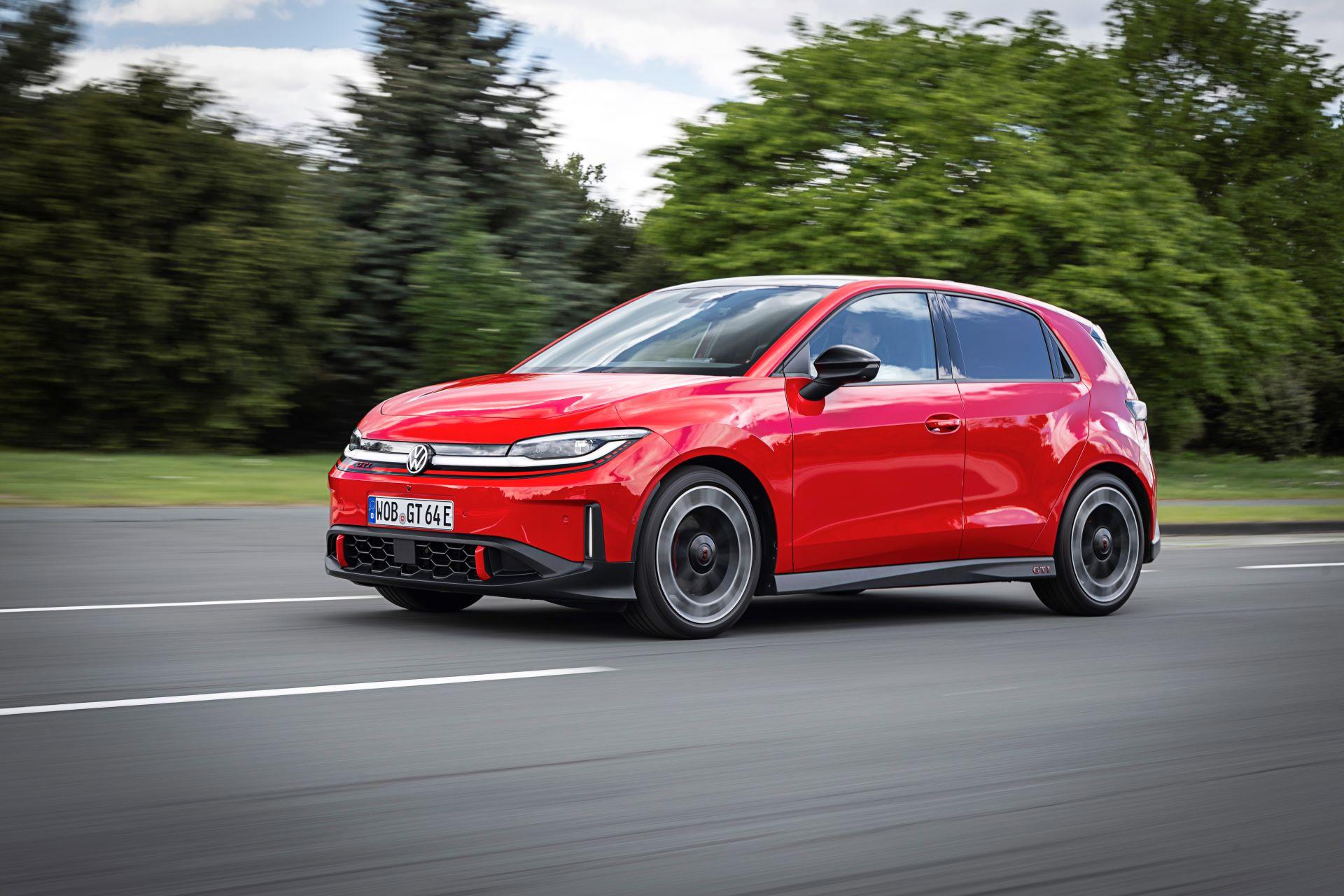
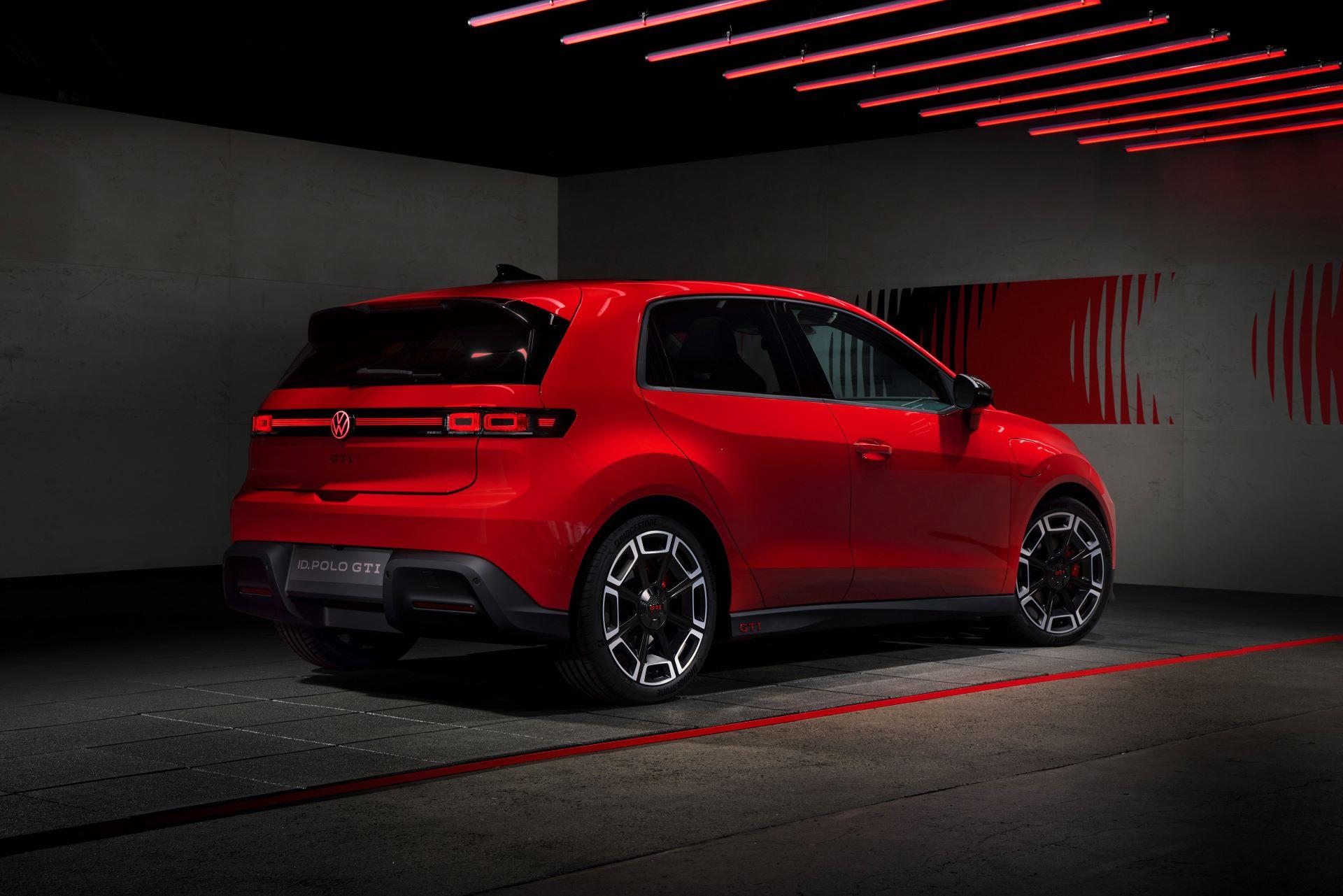
The GTI badge has always carried a certain kind of heartbeat. Not loud, not flashy, but insistent, like something mechanical trying to outpace its own reputation. Now, after five decades of combustion-fed identity, that heartbeat has been re-tuned for electricity. The ID. Polo GTI arrives as the first fully electric chapter in the GTI story, carrying the familiar red thread of performance heritage into a very different technological world.
At its core sits a front-mounted electric drive system delivering 166 kW (226 PS), with instant torque that peaks at 290 Nm. There is no waiting for revs, no turbo spool, just immediate forward motion shaped into something surprisingly disciplined. The sprint to 100 km/h in 6.8 seconds places it firmly in hot hatch territory, but the way it delivers that performance is where the real shift happens. Power is not simply unleashed; it is managed, channelled, and constantly recalibrated through systems designed to keep the car feeling sharp rather than chaotic.
That sense of control is reinforced by a front axle electronically controlled differential lock, working with adaptive DCC sports suspension and progressive steering. Together they give the ID. Polo GTI a kind of engineered agility, the feeling that the car is constantly adjusting its posture beneath you. Cornering is not just about grip, but about how confidently the chassis can rotate, settle, and re-accelerate without losing composure.
Volkswagen has also introduced a dedicated GTI driving profile, which acts almost like a personality switch. Press it and the vehicle tightens its responses across drivetrain, steering, and chassis systems. Even the digital cockpit shifts its visual language, reinforcing the sense that performance is not only mechanical, but sensory. It is a reminder that modern driving engagement is as much about interface as it is about hardware.
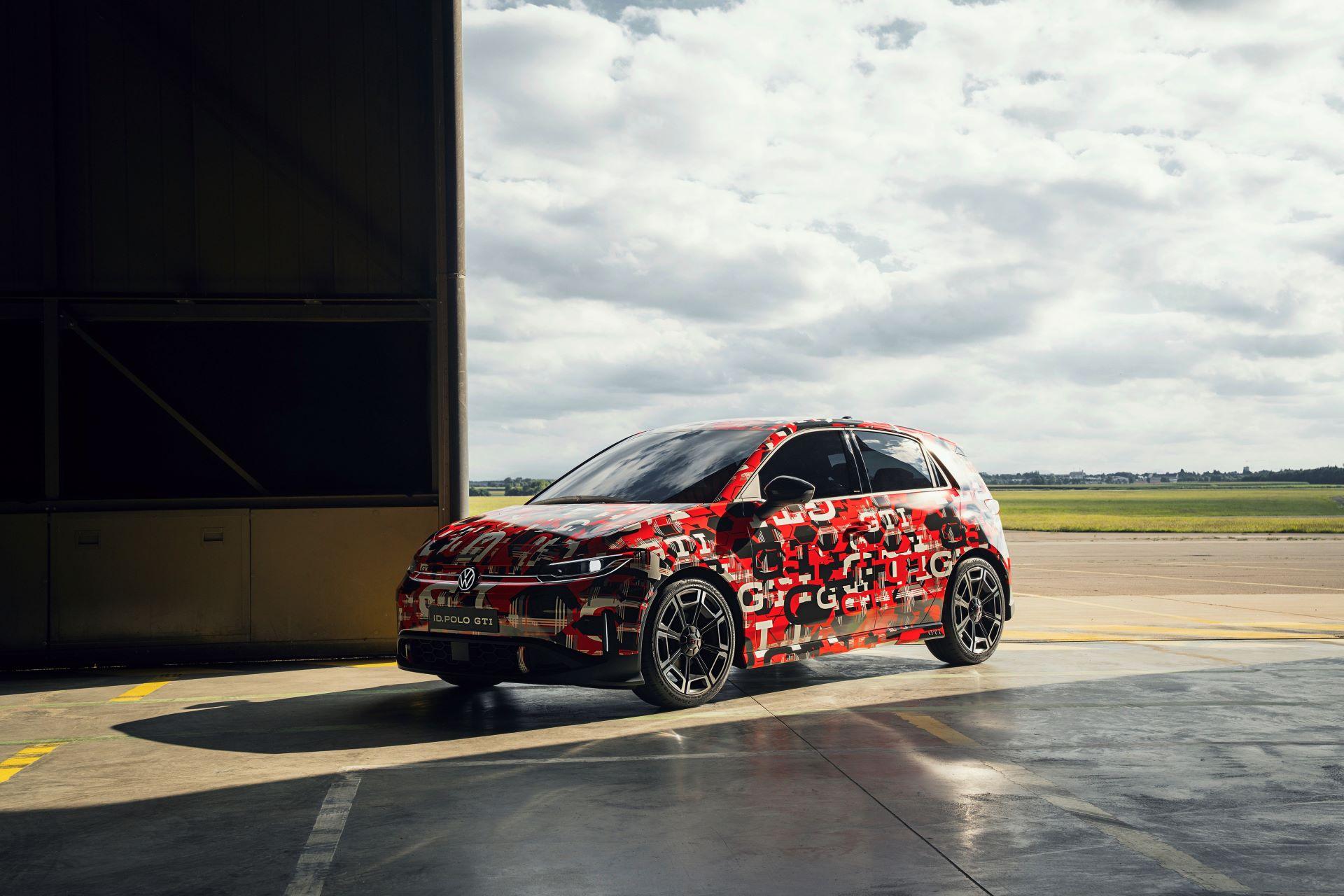
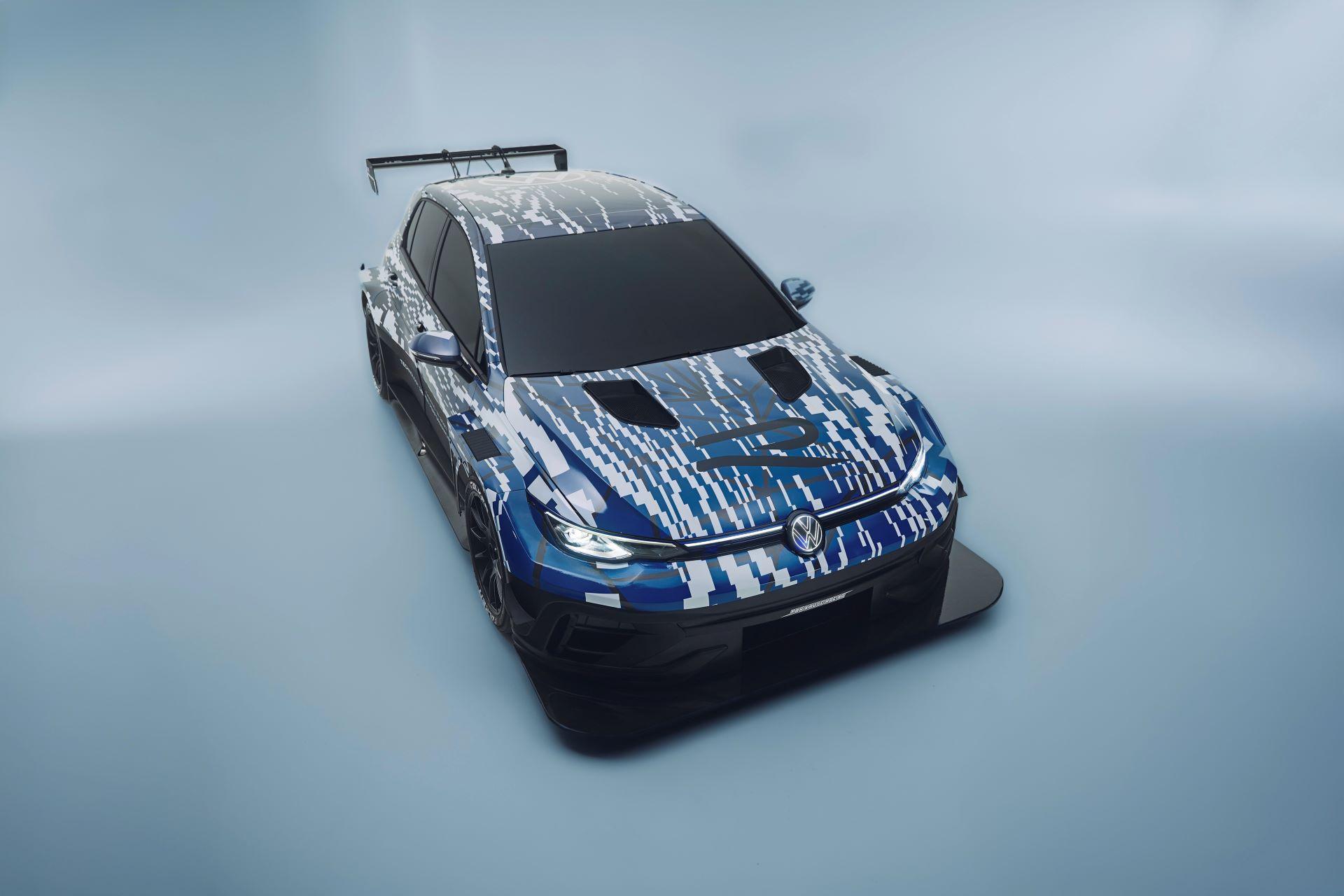
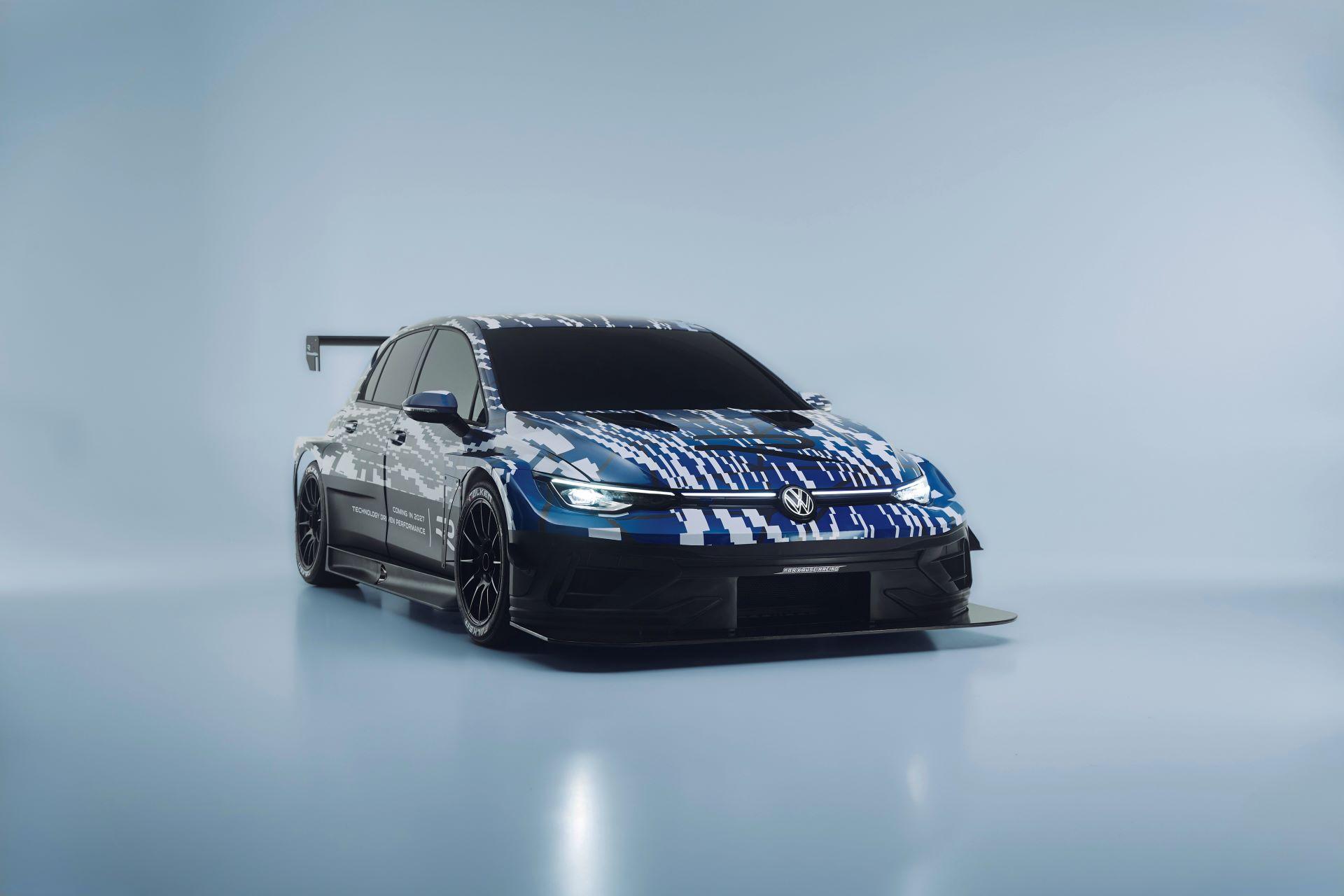
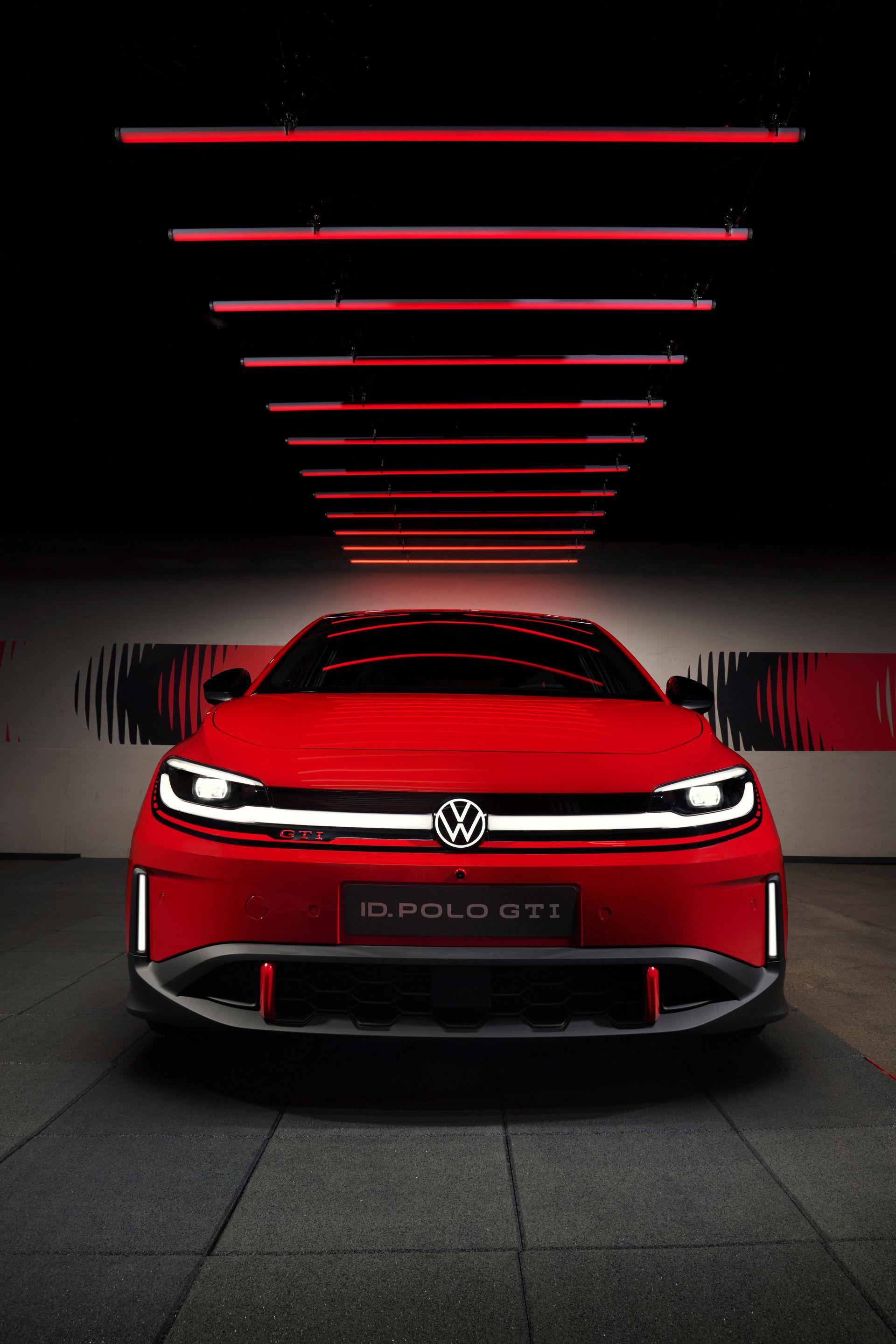
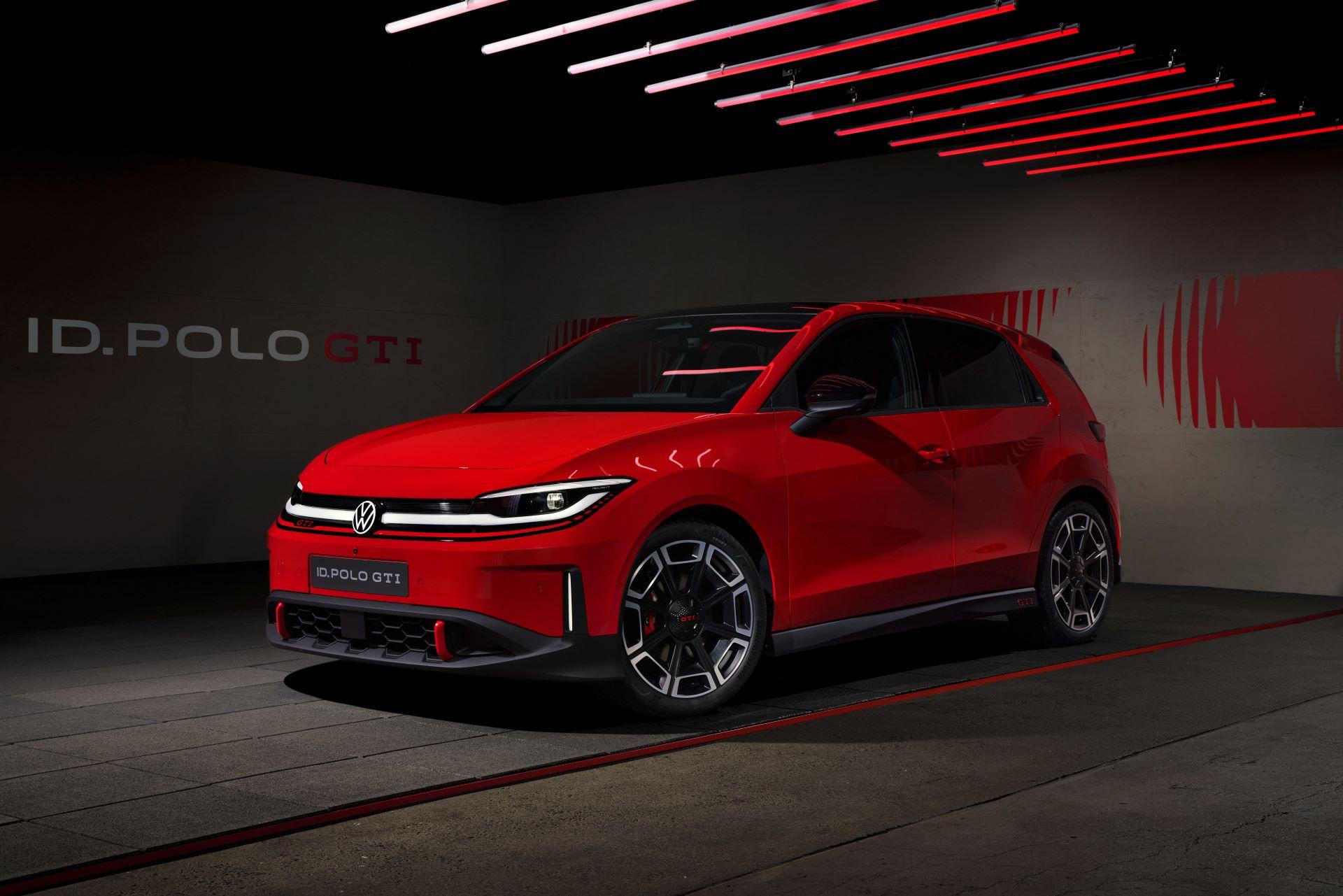
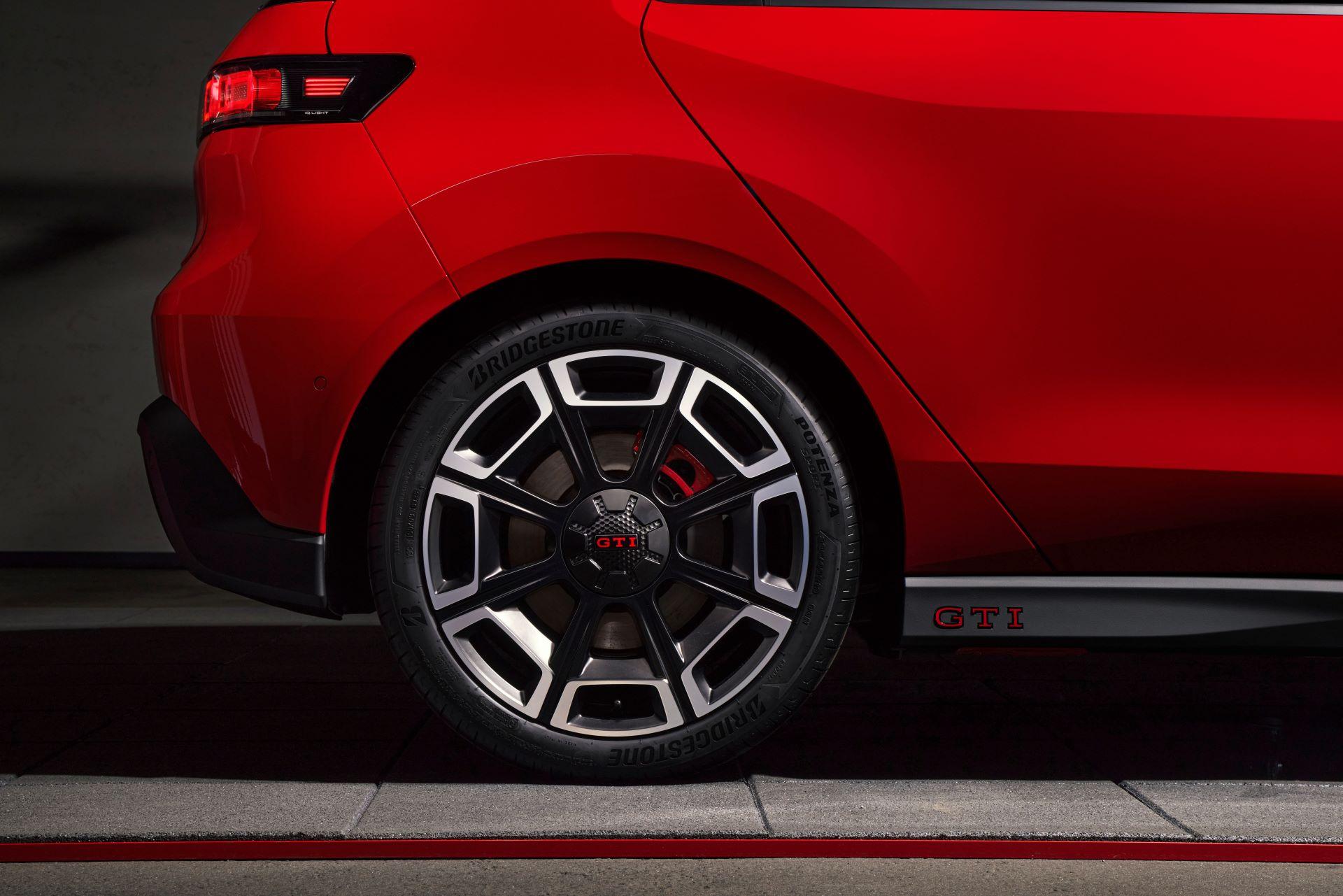
Visually, the ID. Polo GTI keeps its lineage visible without leaning on nostalgia. The signature red stripe stretches across the front, sitting above an illuminated VW badge and IQ.LIGHT LED matrix headlights. The stance is compact but assertive, sitting on 19-inch alloy wheels that visually anchor the car to the road. Subtle motorsport cues, like red vertical accents at the front and a sculpted rear diffuser, hint at function as much as design intent.
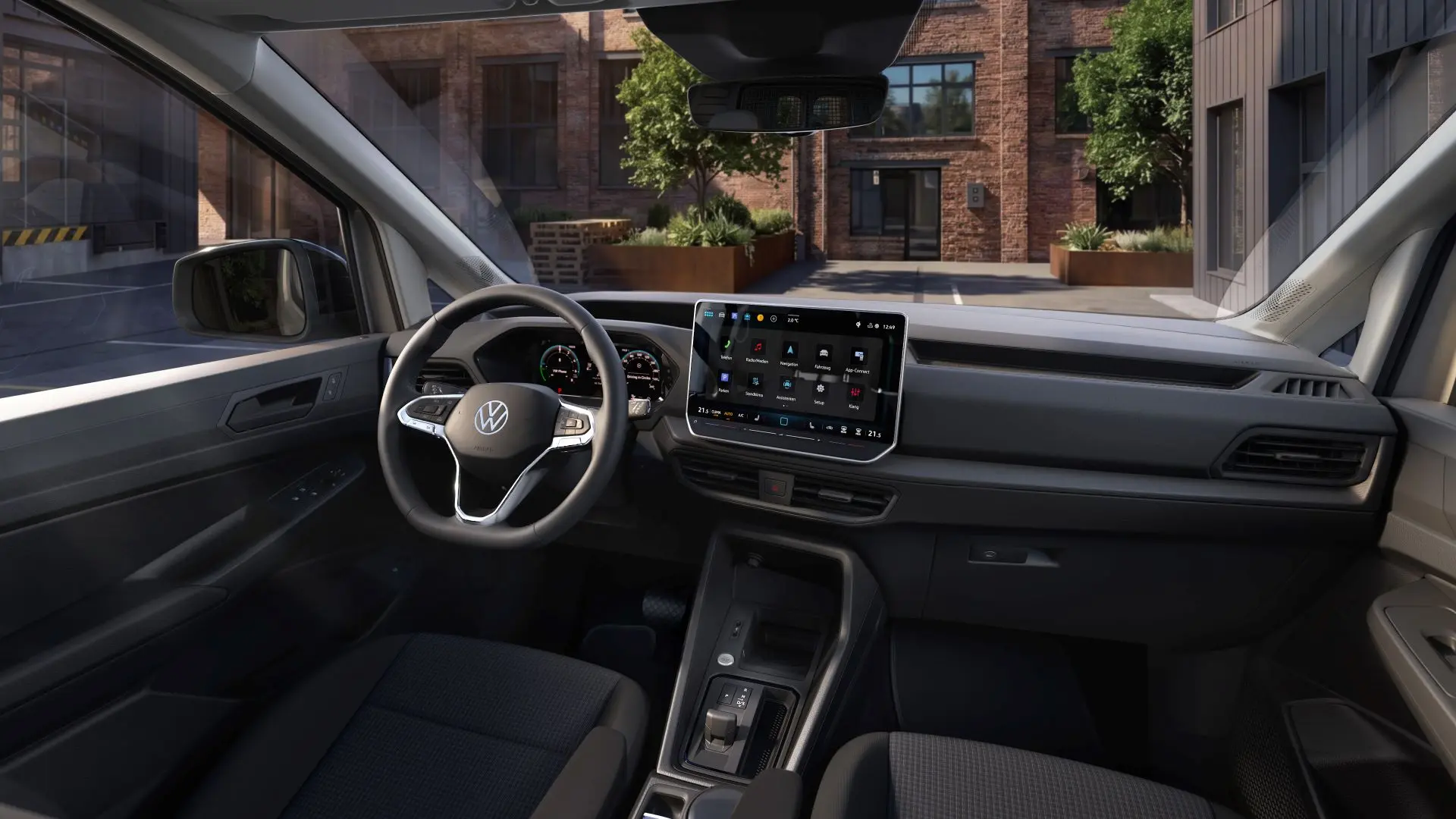
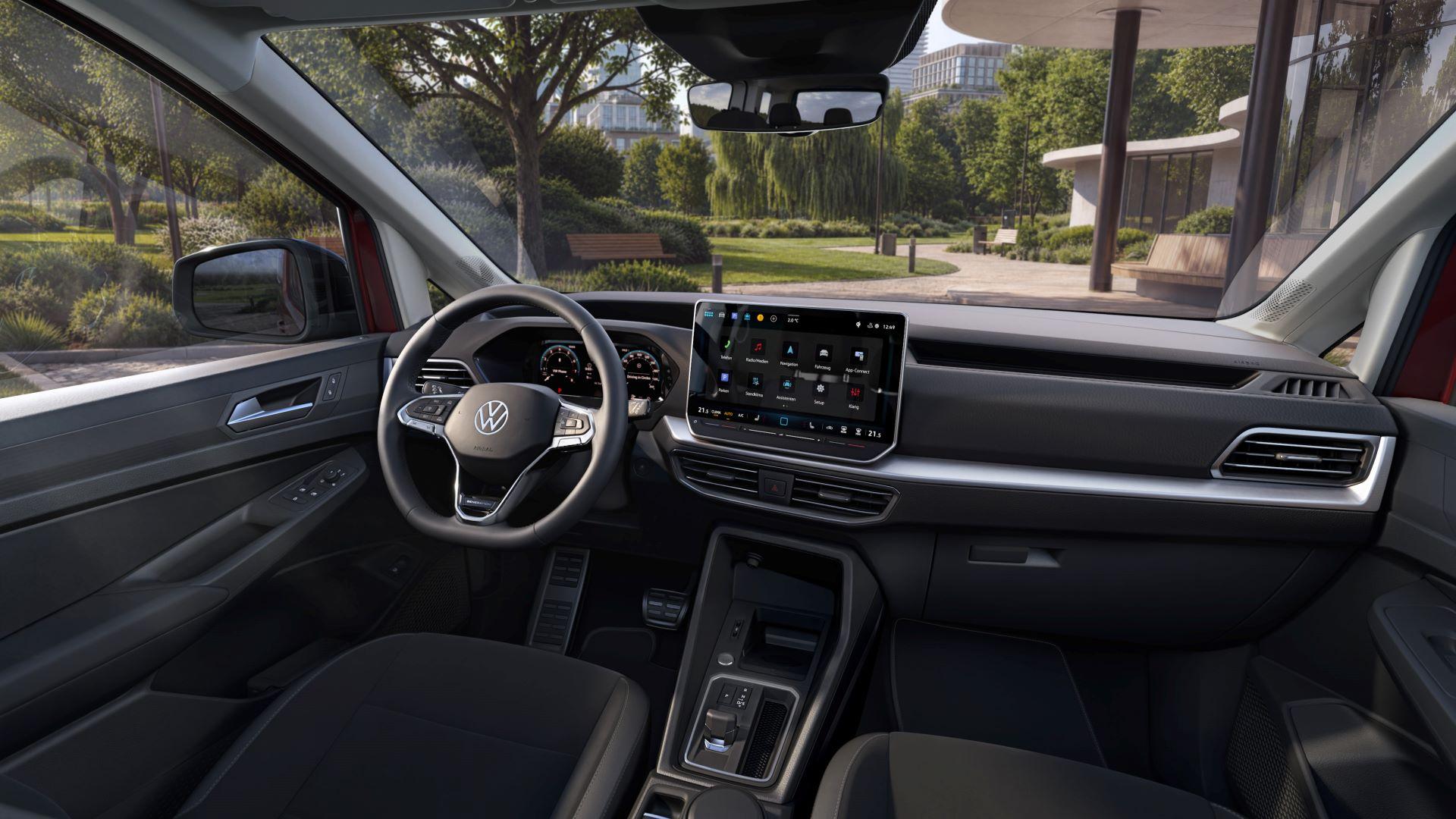
Inside, the cabin blends tradition with digital precision. Red accents and stitching run through a predominantly black interior, while the steering wheel features a 12 o’clock marker reminiscent of motorsport cues. The seats reinterpret classic GTI tartan fabric in a modern material language, linking past and present without imitation. Ahead of the driver sits a 10.25-inch Digital Cockpit, paired with a larger 12.9-inch infotainment display that occasionally switches to retro-inspired graphics, including cassette-style music visuals that nod to earlier eras of in-car culture.
Despite its performance focus, practicality has not been sidelined. The 52 kWh battery delivers up to 424 km of WLTP range, positioning the car firmly within everyday usability. DC fast charging at up to 105 kW allows a 10 to 80 per cent charge in around 24 minutes, making it suitable for both daily commuting and longer journeys without constant planning anxiety. Interior space is also improved over its combustion predecessor, with more passenger room and up to 441 litres of luggage capacity, expanding to 1,240 litres with the rear seats folded.
Technology plays a larger role than ever in shaping the driving experience. Connected Travel Assist integrates live data, including traffic light recognition, to support assisted driving within system limits. Even one-pedal-style deceleration becomes part of the toolkit, reinforcing how regenerative systems are being woven into performance driving rather than treated as purely efficiency features.
The ID. Polo GTI does not attempt to recreate the past. Instead, it translates its essence. The immediacy, the agility, the sense of a compact car doing far more than expected, all remain intact, but expressed through electric architecture rather than combustion engineering. It is still a GTI, just written in a new mechanical language, one that speaks in electrons instead of exhaust notes.