


Over half of UK van drivers are now feeling the strain of financial pressure, with rising costs and unpredictable cash flow reshaping how many tradespeople manage their businesses. Recent research commissioned among UK van drivers shows that financial anxiety is not just a background concern anymore, but a weekly reality for many, as inflationary pressure continues to ripple through materials, insurance, maintenance and everyday operational costs.
The cost of living squeeze has intensified sharply compared to the previous year, with concern among drivers rising from just over a third to more than half. For many, the pressure is not abstract. It is visible in delayed jobs, tighter margins and the constant calculation of whether the next repair, service or insurance renewal will destabilise the month’s finances. A significant portion of drivers report worrying about money on a weekly basis, highlighting how deeply embedded financial stress has become within the trade sector.
At the heart of these pressures are rising input costs. Materials continue to climb, placing immediate strain on project pricing and profitability. Alongside this, regulatory changes and tax adjustments are adding another layer of unpredictability, making long-term budgeting increasingly difficult for small operators and independent tradespeople who rely on consistency to stay afloat.
Vehicle-related expenses are also proving heavier than many anticipate. Average spending on repairs and maintenance sits in the hundreds annually, while insurance costs add another substantial burden. A notable share of drivers are spending over a thousand pounds a year simply to keep their vans on the road, turning what was once a predictable operational cost into a fluctuating financial risk. For many small businesses, the van is not just transport but the core of their income generation, meaning any unexpected downtime or repair cost has a direct impact on earnings.
Compounding these challenges is the persistent issue of late payments. Thousands of pounds are often owed at any given time, creating a gap between work completed and income received. This delay places additional pressure on cash flow, forcing many businesses to bridge operational costs without guaranteed incoming revenue. For a significant number of tradespeople, late payments are no longer an occasional inconvenience but a structural barrier to growth, limiting expansion and increasing financial vulnerability.
The emotional impact of these financial strains is becoming increasingly evident. Nearly half of surveyed drivers identify financial pressure as their primary concern, with stress and uncertainty affecting both wellbeing and long-term business confidence. The overlap between financial instability and mental strain underscores how closely tied operational pressures are to personal resilience within the trade sector.
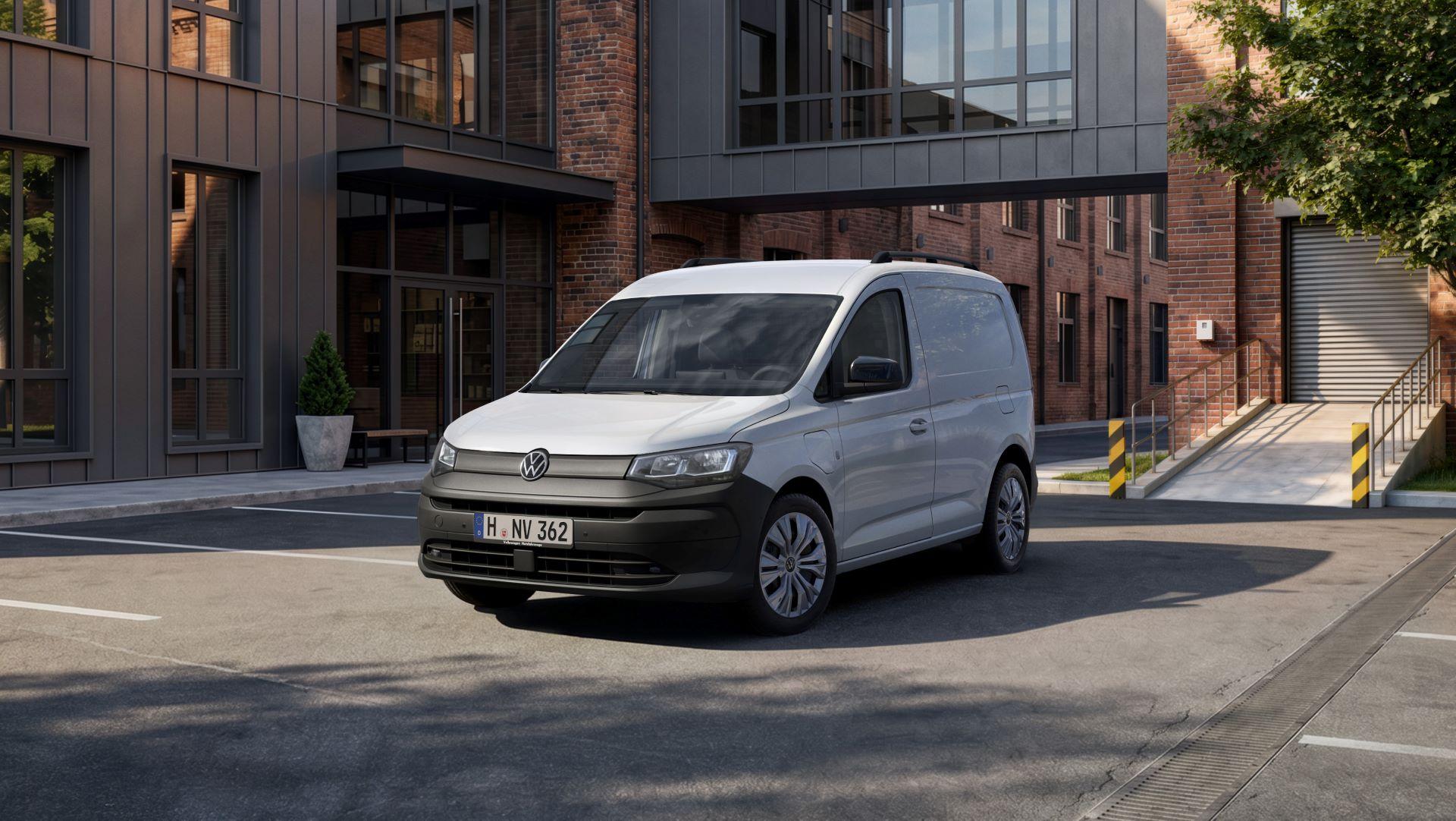
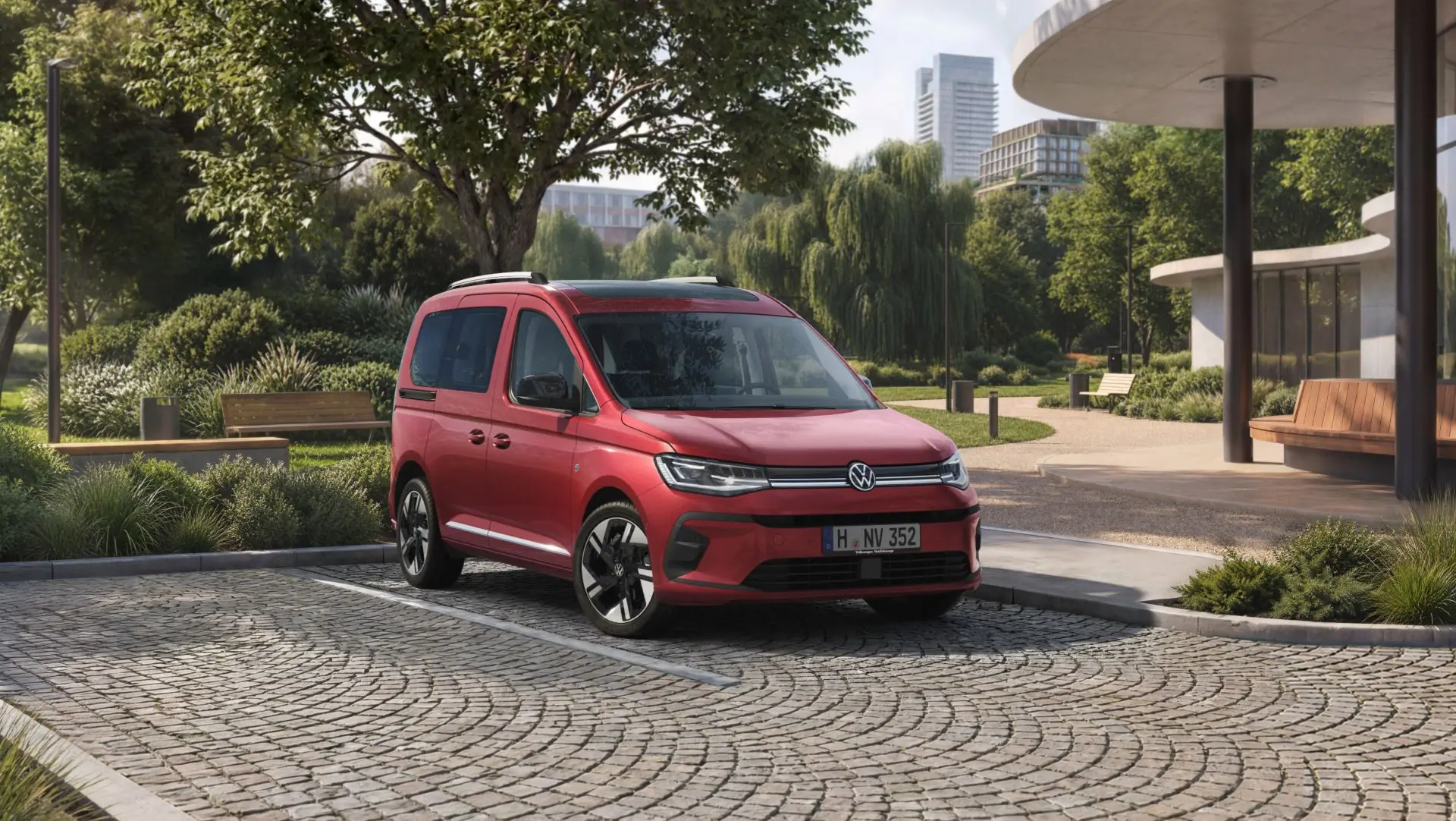
In response to these growing challenges, Volkswagen Commercial Vehicles is positioning structured ownership and servicing solutions as a way to bring greater predictability to vehicle-related costs. The company emphasises planning ahead and reducing exposure to sudden expenses through packaged servicing solutions that consolidate key costs into manageable frameworks.
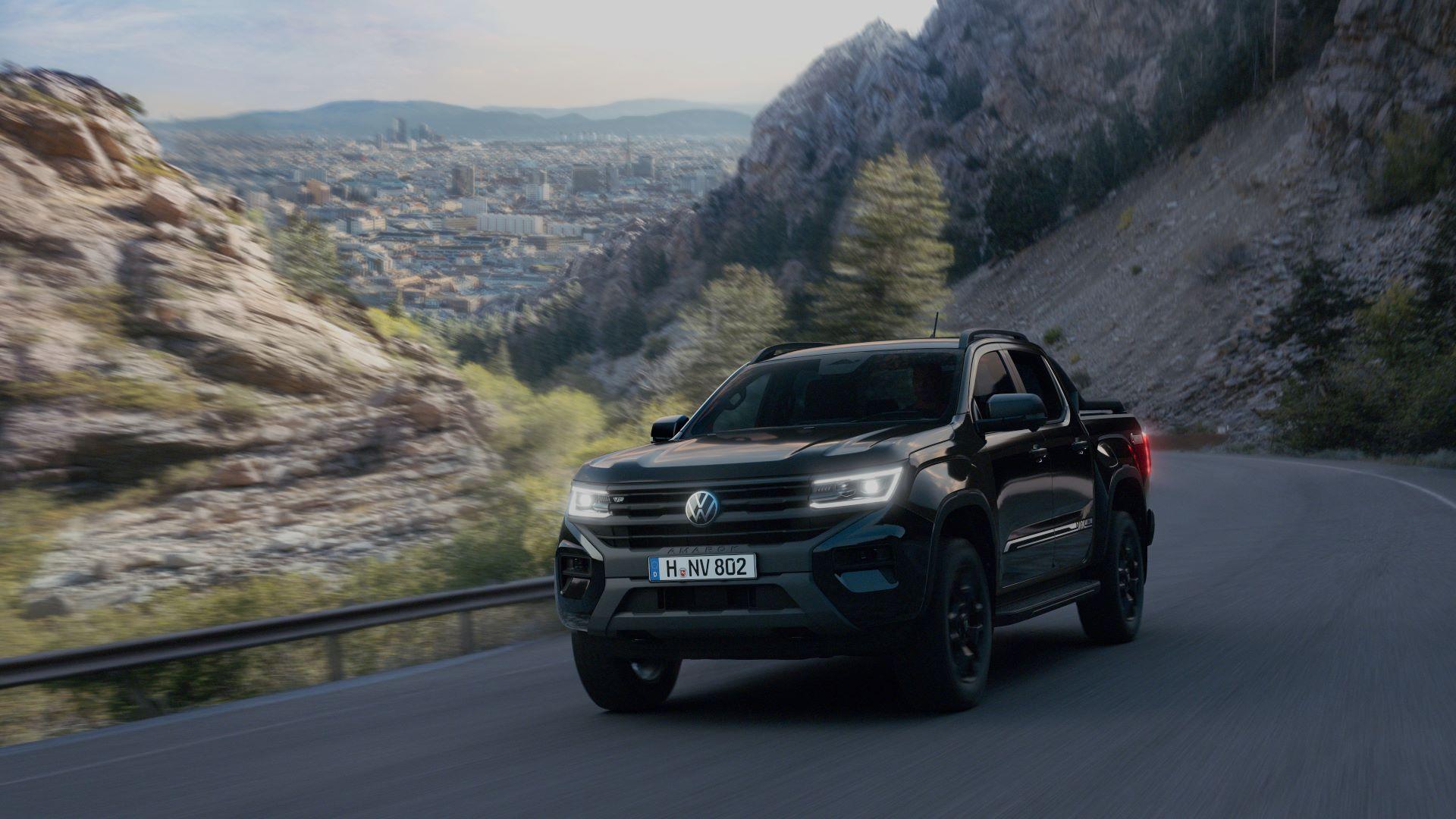
Volkswagen Commercial Vehicles’ 5+ Promise is included as standard on new Transporter, Amarok and California models, combining servicing, MOT cover, warranty protection and roadside assistance into a long-term support structure designed to reduce uncertainty for drivers investing in new vehicles. For those operating older vans, the All-in servicing package offers a bundled approach that includes servicing, MOTs, warranty coverage and roadside assistance, with flexible payment options available either upfront or through monthly instalments. This structure is designed to help businesses smooth out expenses and reduce the shock of irregular repair and maintenance costs.
As financial pressures continue to shape the operating environment for UK van drivers, solutions that prioritise predictability are becoming increasingly relevant. With rising costs, delayed payments and ongoing economic uncertainty, the ability to stabilise vehicle expenditure is emerging as a key factor in maintaining business continuity and protecting long-term sustainability for tradespeople across the country.