



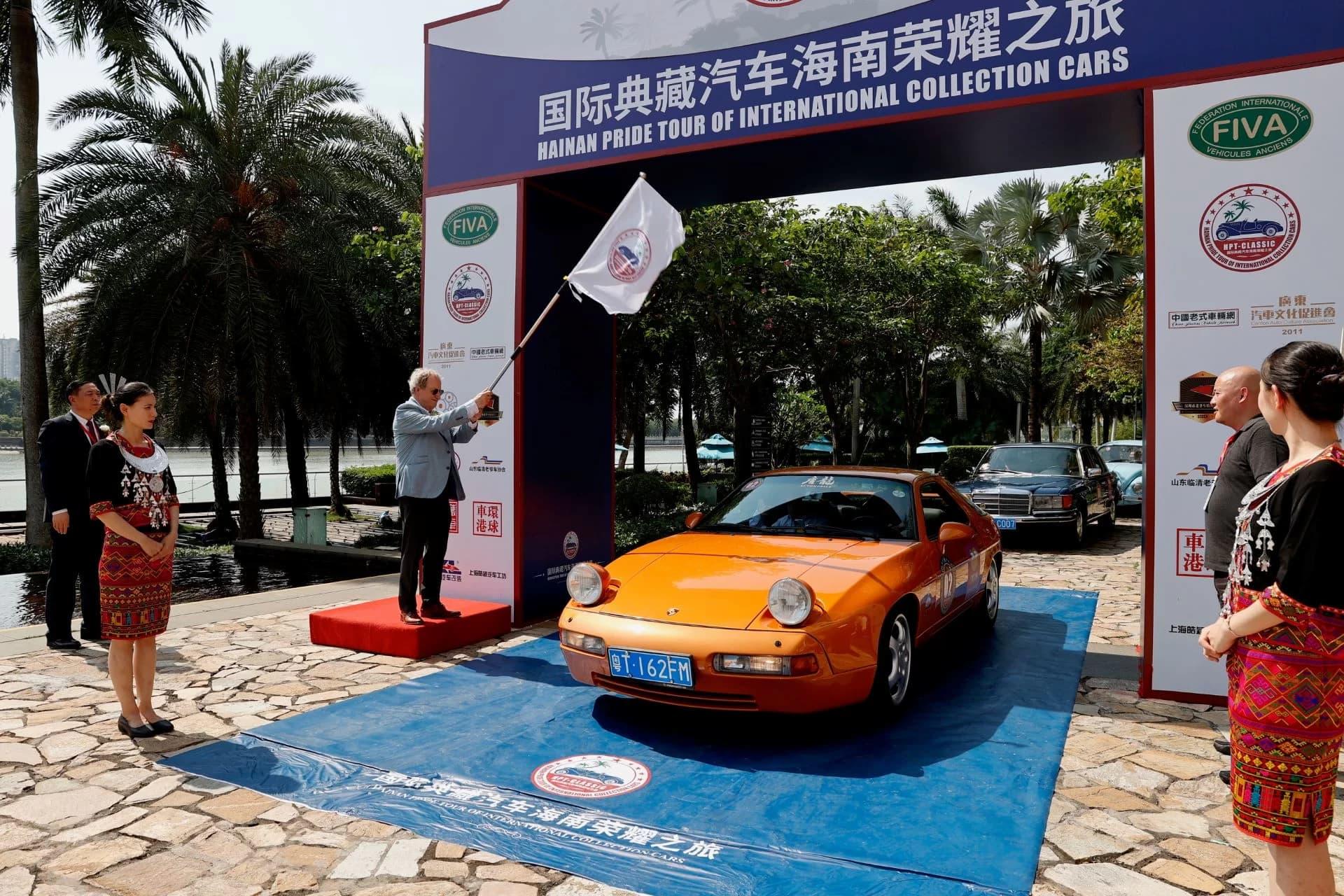
The changing attitude towards historic vehicles in China is bringing optimism to the Fédération Internationale des Véhicules Anciens (FIVA), the global federation of historic vehicles. According to FIVA President Tiddo Bresters, although China remains careful with legislative changes, particularly due to environmental considerations, there is a noticeable shift in perspective regarding classic cars.
In a landmark move in 2019, China legalized the importation of vehicles over 100 years old, a significant policy shift from the previous blanket ban on secondhand cars. Another critical change in legislation now permits cars older than 15 years to remain uncrushed, signifying a growing recognition of their historical value. This change could potentially pave the way for over a million ‘youngtimer’ cars, previously phased out from active use, to form the core of a burgeoning classic car movement in China. This shift might also encourage the future importation of other classic vehicles.
The interest in this sector was highlighted during a December meeting in Paris, where Chinese Vice Minister of Commerce, Mr. Sheng Qiuping, discussed with FIVA the prospects of China’s classic car movement. Following this, FIVA President Tiddo Bresters was invited to the China International Classic Car Industry Outlook Conference in Haikou, Hainan. This event, which also included influential figures like Mr. Xu Xingfeng and Mr. Gui’an Zong from CUVC (FIVA’s national authority in China), focused on refining the development strategy for China’s classic vehicle sector. Key topics included defining what constitutes a classic car in China, potential reforms in import policies, and the role of international cooperation.
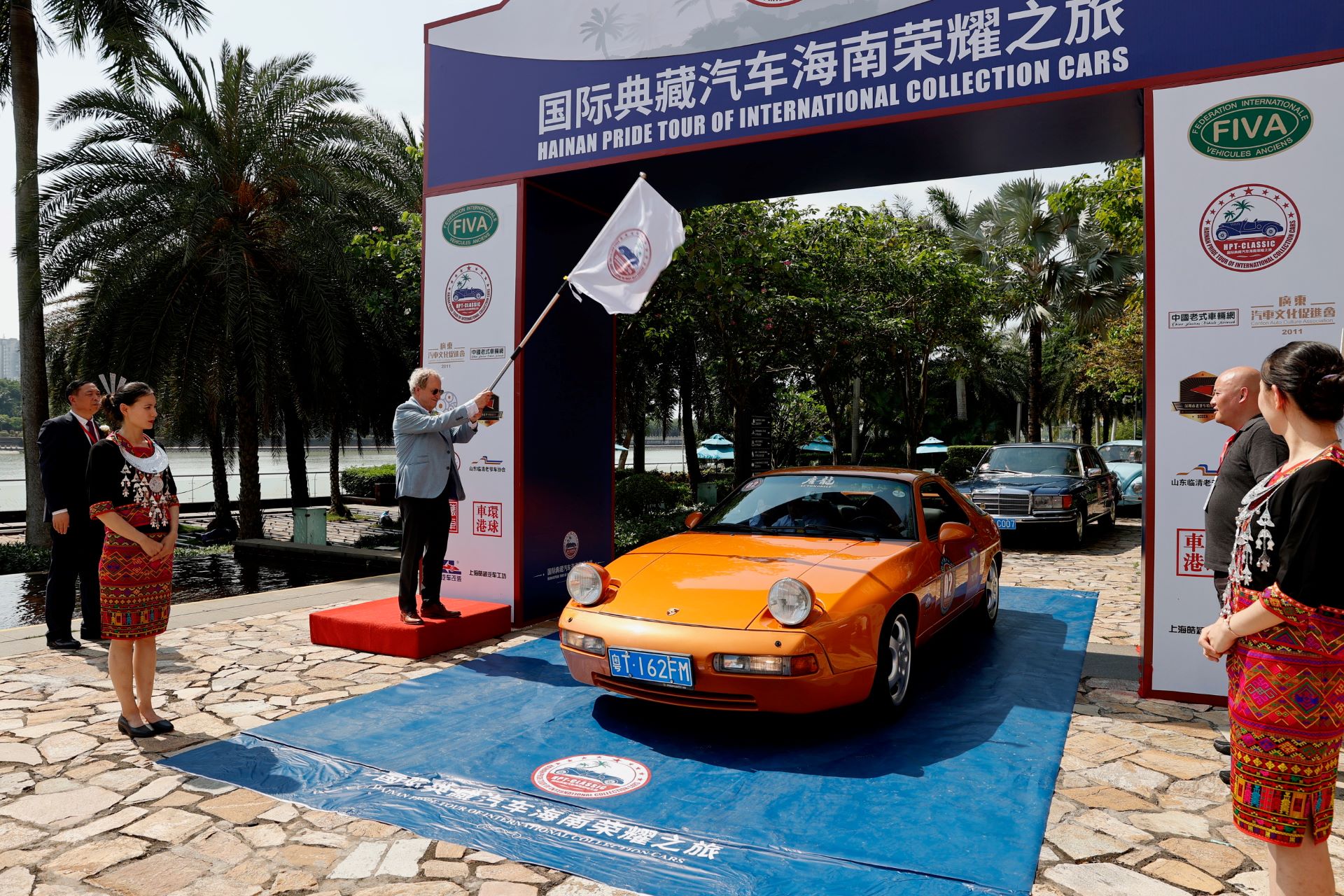
The conference concluded with a memorandum of understanding between the China Automobile Dealers Association and FIVA’s ANF, reinforcing their commitment to future collaboration. This event was followed by the Hainan Pride Tour, featuring classic cars like Mercedes-Benz S Klasse, Volkswagen Beetle, and Porsche 928 on scenic routes, concluding in Sanya, the southernmost town of China. Notably, the tour attracted many participants under the age of 40, highlighting a growing interest among younger generations in classic cars, an encouraging sign for the future of the sector.
Mr. Gui’an Zong, President of CUVC, remarked on the significant impact of the Hainan Conference on the classic car industry in China. Through extensive discussions with government officials and stakeholders across the nation, there’s a strong belief that a new era for China’s classic car industry is on the horizon. With ongoing support from FIVA, there are high hopes for rapid development in this area, signaling a springtime for China’s classic car culture.


