




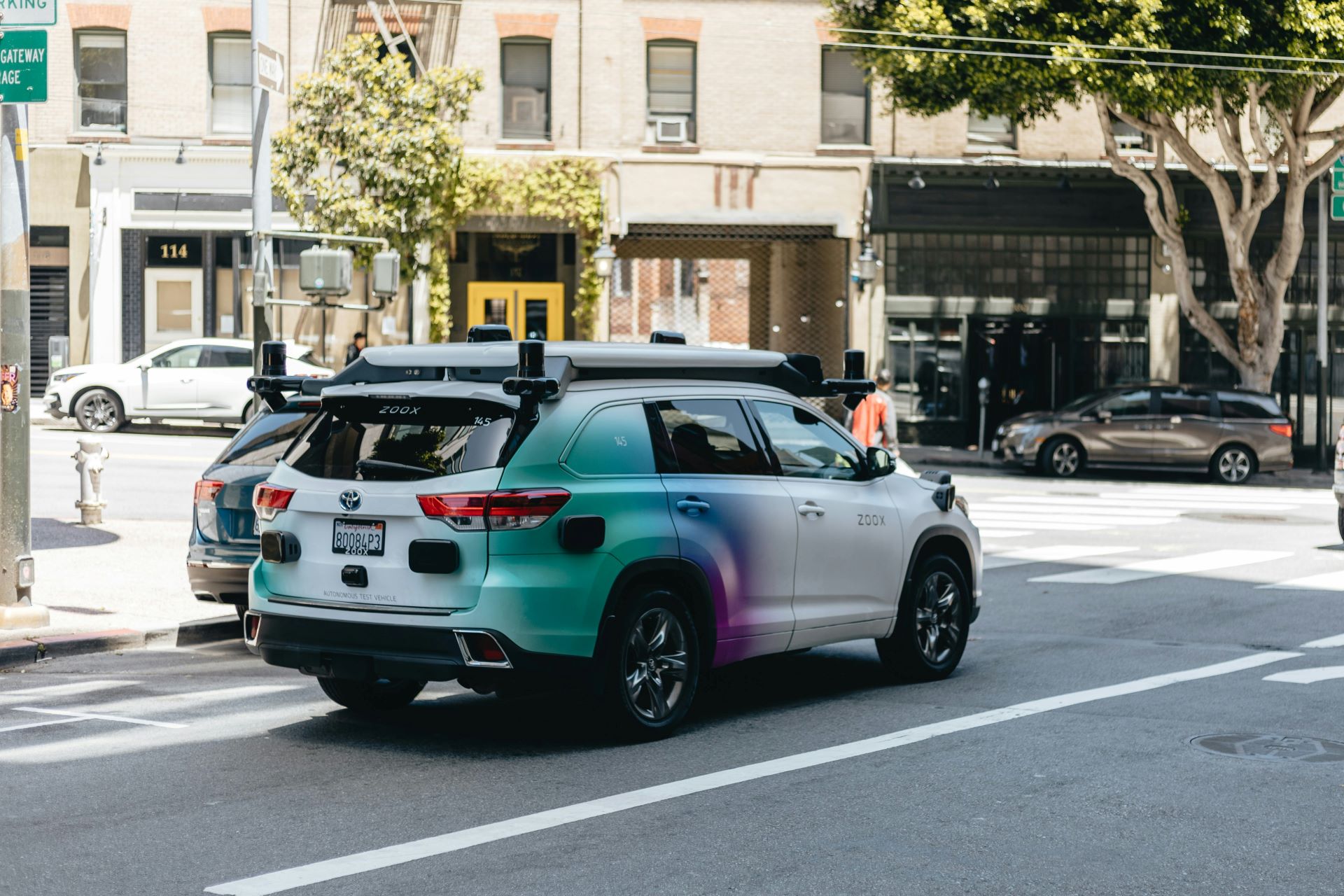
A recent traffic stop in California has cast a spotlight on a critical blind spot in the regulation of autonomous vehicles, challenging assumptions that self-driving technology alone guarantees safer roads. Authorities pulled over a self-driving car from a ride-hailing company after it executed an illegal U-turn. While the manufacturer cited a system glitch, officers were left uncertain about how to enforce the law.
Eugene Herbert, CEO of MasterDrive, explains that although the officers could stop the vehicle and issue a warning, “there is no legal framework to uphold a citation against ‘a machine’ or driverless vehicles.” Between 2019 and June 2024, nearly 4,000 autonomous vehicle incidents causing injuries or fatalities were recorded in the USA. These figures do not include minor traffic violations, which often go unrecorded due to enforcement gaps. This makes it difficult to assess the true extent of system glitches or other errors.
Even in technologically advanced regions pioneering autonomous vehicles, regulation lags behind innovation. The California case serves as a warning and offers insight for South Africa’s approach. While the country still lacks fundamental prerequisites for self-driving cars—such as comprehensive 5G coverage, clear road markings, and a reliable power grid—legal frameworks addressing liability, enforcement, and accountability are equally essential. Herbert stresses that “autonomous vehicles cannot even enter the roads until these regulations are in place,” unlike California, which discovered the gaps after the fact.
Beyond infrastructure, public trust is at stake. Users surrender control to self-driving vehicles under the assumption that they are rigorously tested and legally compliant. When incidents occur without accountability, confidence in the technology erodes. If vehicles can break the law without consequence, safety assurances are undermined, and skepticism grows.
The future of autonomous vehicles depends on more than technological innovation. Effective legal frameworks must evolve in tandem to ensure safety, enforceability, and public confidence. Regulators must act proactively, creating clear rules that align with advancing technology rather than reacting after failures occur. Without this, the promise of safer roads may remain just that—a promise.


