




South Africa is facing an urgent imperative to address transport-related emissions, with road transport alone responsible for a staggering 97 percent of the sector’s emissions. The inaugural National Transport Conference 2026 in Johannesburg brought together leaders and experts to explore the transformation of transport as a catalyst for growth, job creation, inclusivity, and sustainability.
Hiten Parmar, Executive Director of Electric Mission, shared his insights during a panel session, highlighting the critical steps South Africa must take to decarbonise road transport. “Specific actions are being taken to decarbonise transport in every region, where countries across the world are already making progress. This is not unique to South Africa,” he said, emphasizing that global examples can guide domestic action.
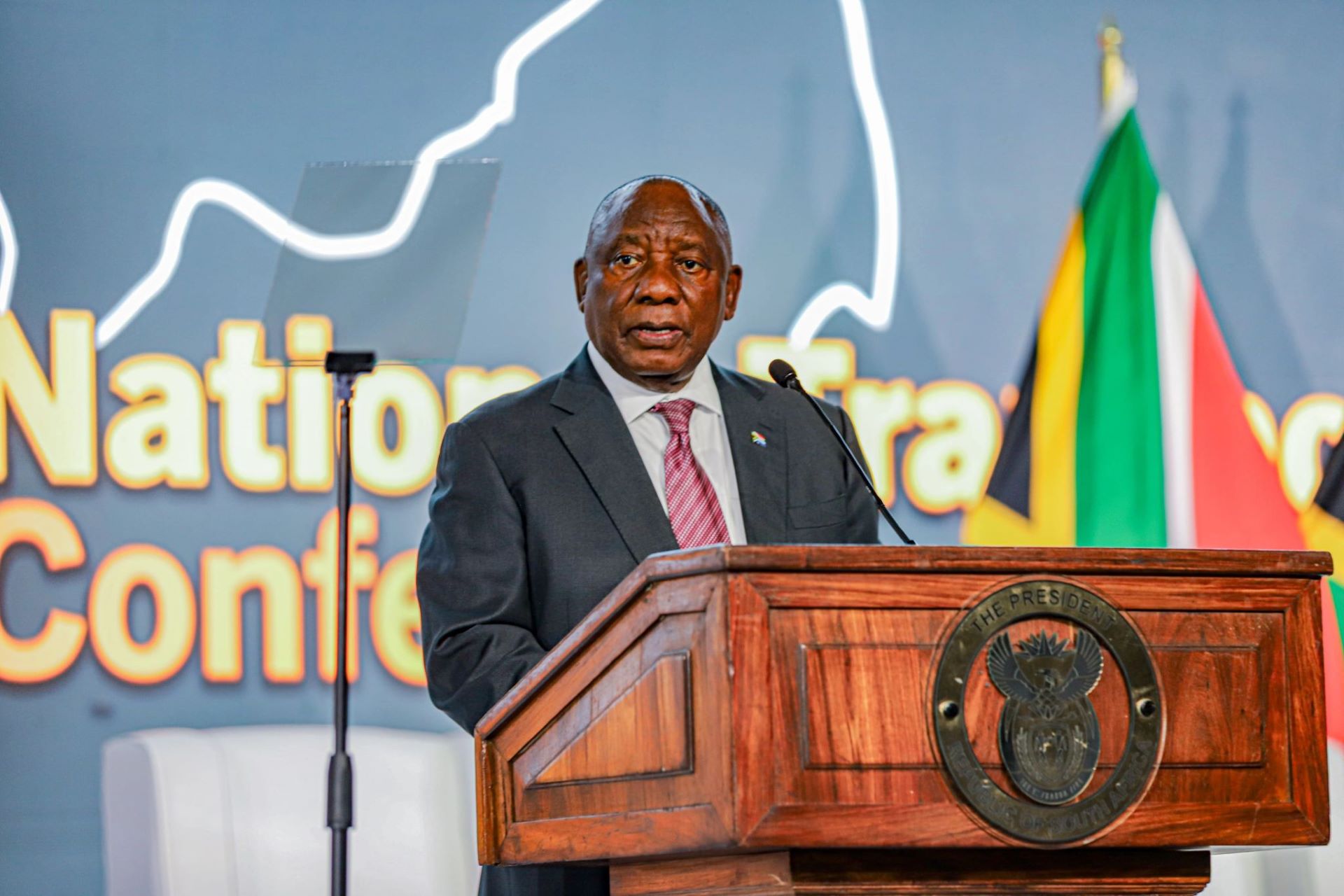
President Cyril Ramaphosa, in his keynote address, reinforced the urgency for change, noting that South Africa needs a modern, inclusive, and efficient transport system that simultaneously reduces costs to the economy. On the technology front, Parmar stressed that zero-emission vehicles are an immediate solution for eradicating tailpipe emissions. South Africa already maintains a positive ratio of electric vehicle charging stations to the fleet of electric vehicles, enabling a foundation for rapid adoption.
Battery electric vehicles have seen steady development across passenger vehicles, heavy-duty trucks, and public transport systems such as buses. While fuel cell electric vehicles remain unexplored locally, the trajectory toward electrification is clear. Regulatory reform, Parmar added, will be crucial, particularly in the form of supply-side mechanisms such as fleet mandates, fuel efficiency targets, or vehicle emissions standards. These policies establish performance benchmarks that push manufacturers to innovate and align with national climate goals.
The need for energy sovereignty was also a key message. Parmar warned that overreliance on fossil fuel imports leaves South Africa vulnerable to global conflicts and geopolitical fluctuations, which can drive inflation and economic instability. “Greater action from government and an agile, enabling environment for the private sector will reduce sole reliance on the global oil supply,” he explained, positioning the energy transition as both a strategic and economic necessity.
Minister of Transport Barbara Creecy opened the conference by underscoring that road transport is a critical enabler for job creation and sustainability. However, it must evolve in tandem with environmental imperatives. By embracing electric mobility, South Africa can reduce its exposure to geopolitical shocks, strengthen local industry, attract investment, and unlock significant socio-economic benefits. Parmar highlighted the country’s abundant energy transition minerals, skilled labour force, and growth potential, presenting an opportunity for South Africa to become a leading investment hub in Africa while driving a sustainable and resilient transport sector.


