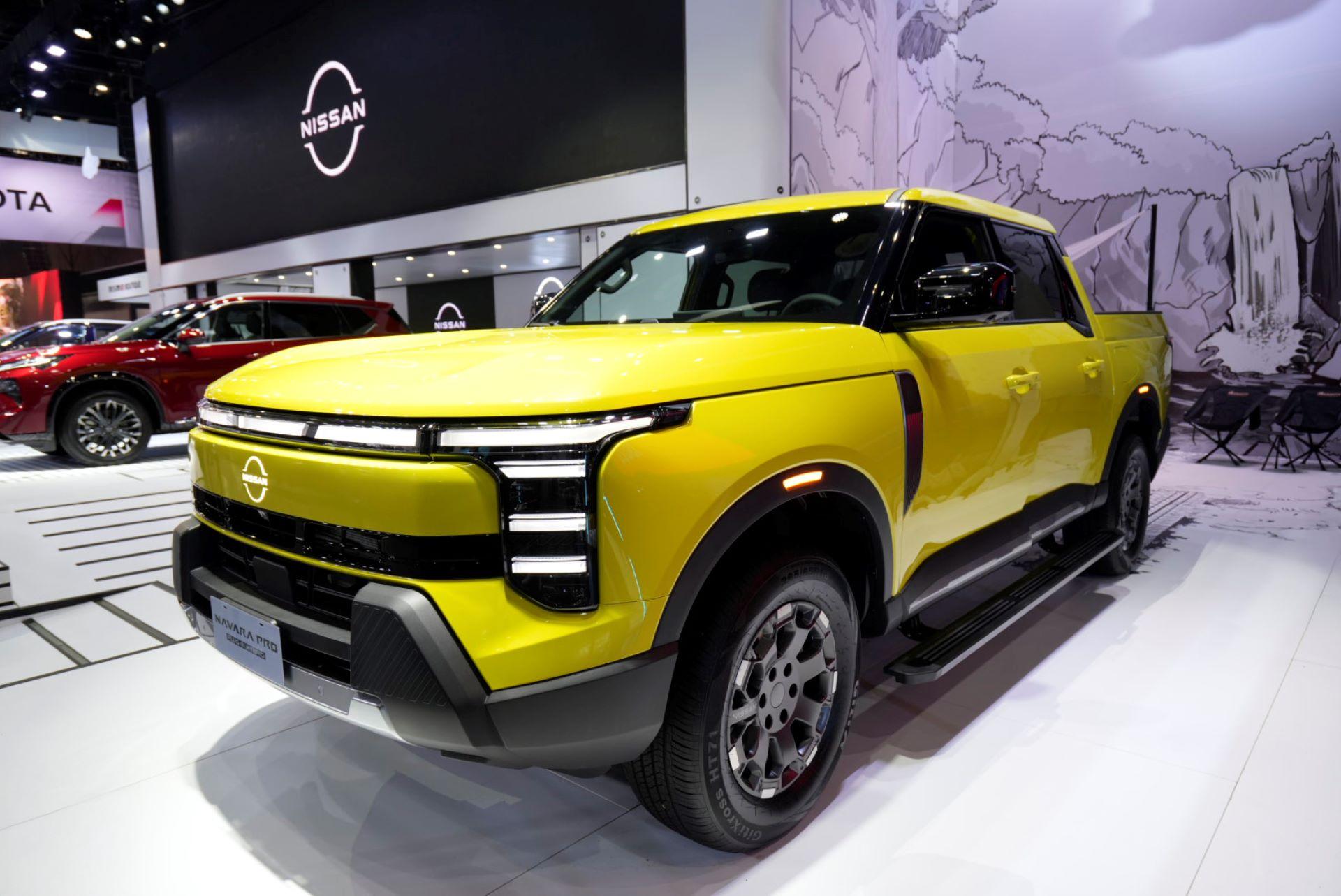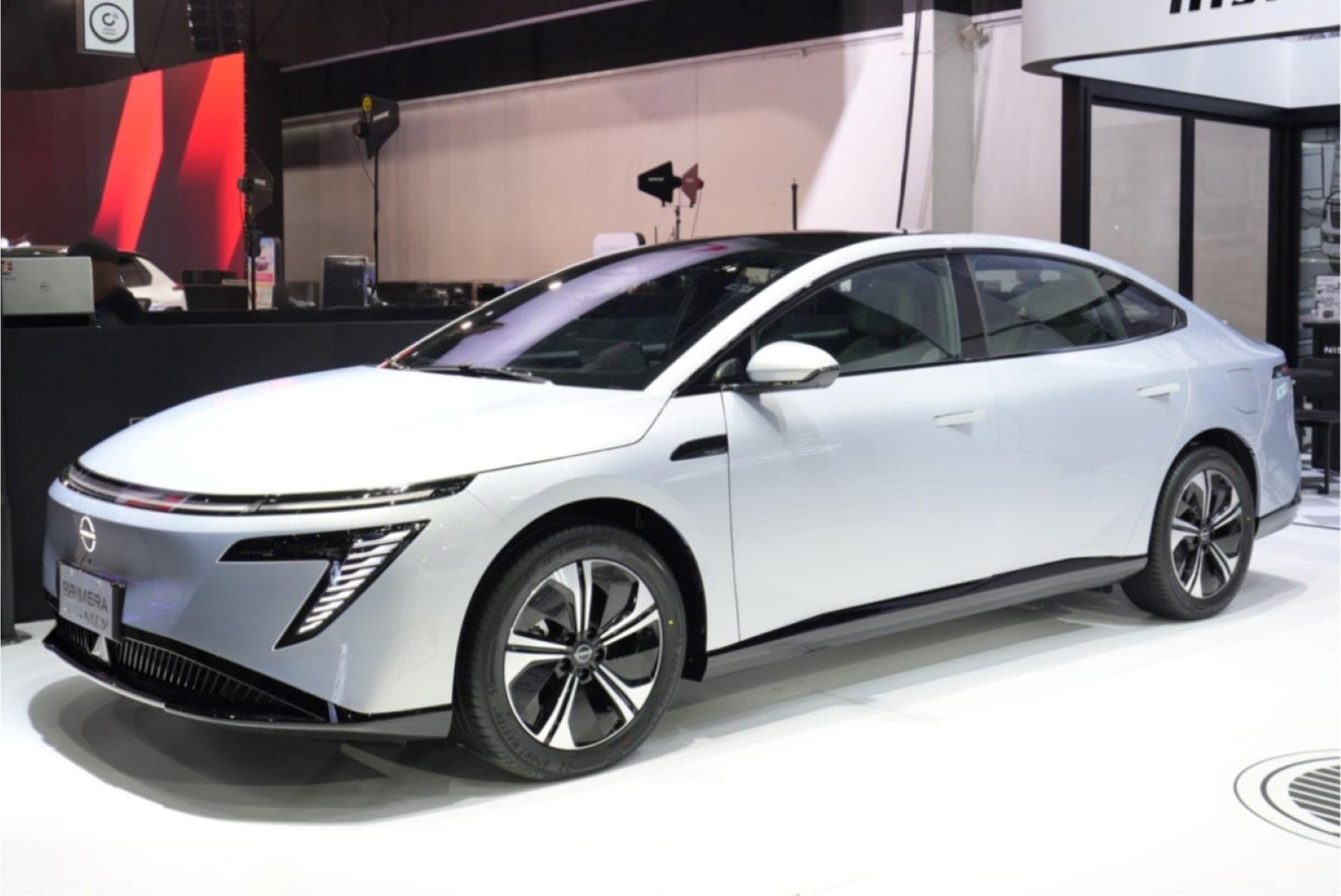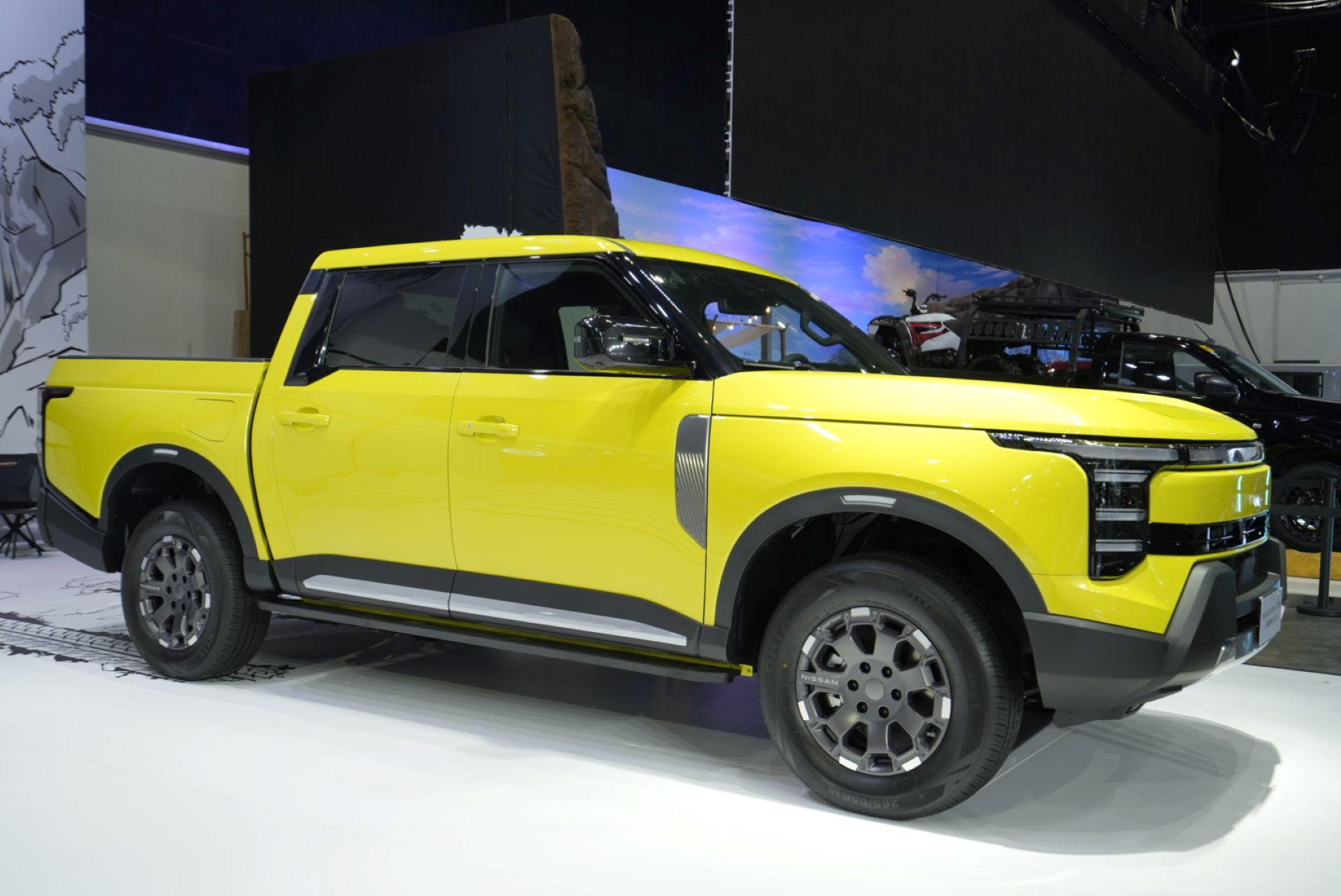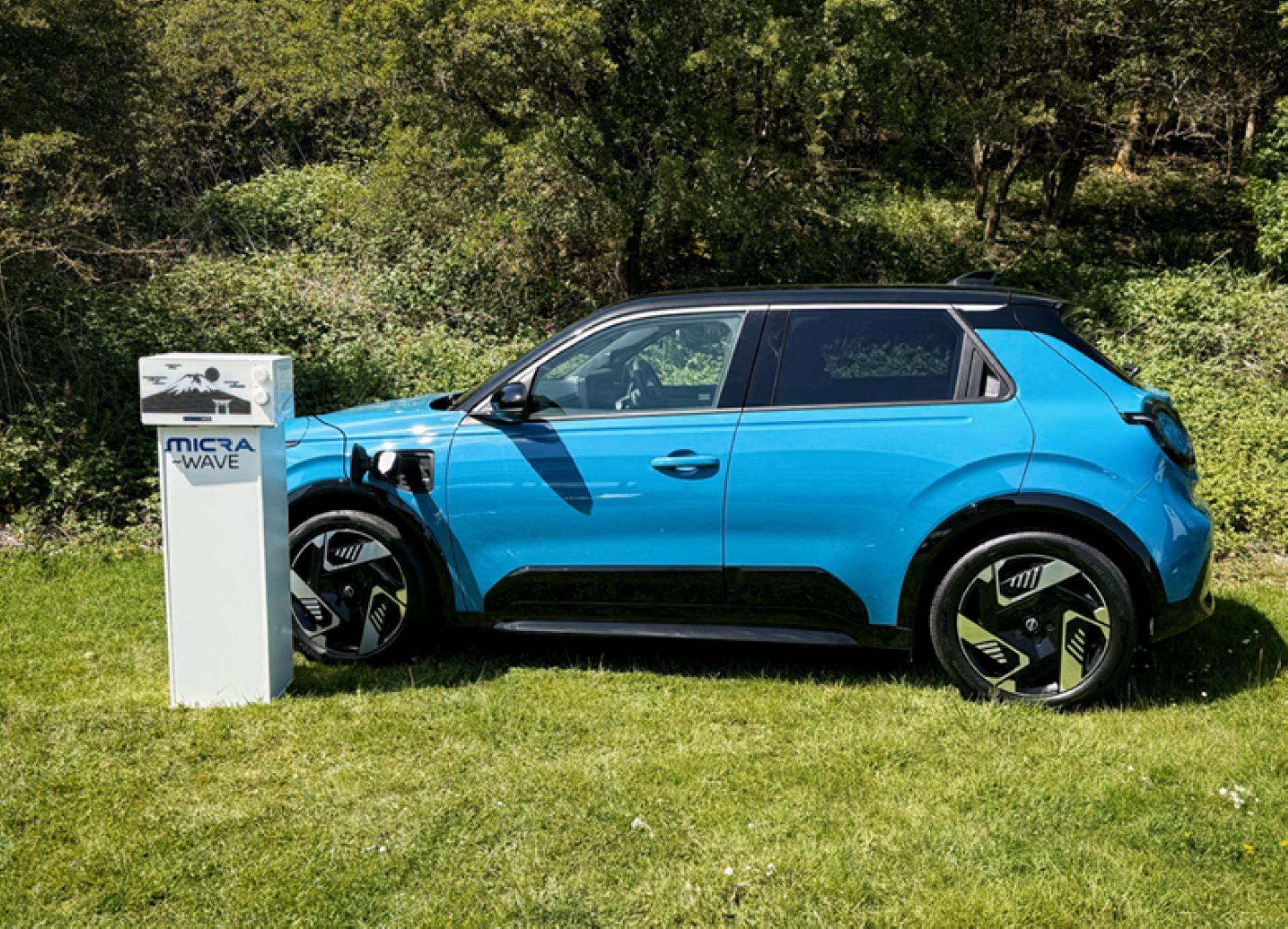



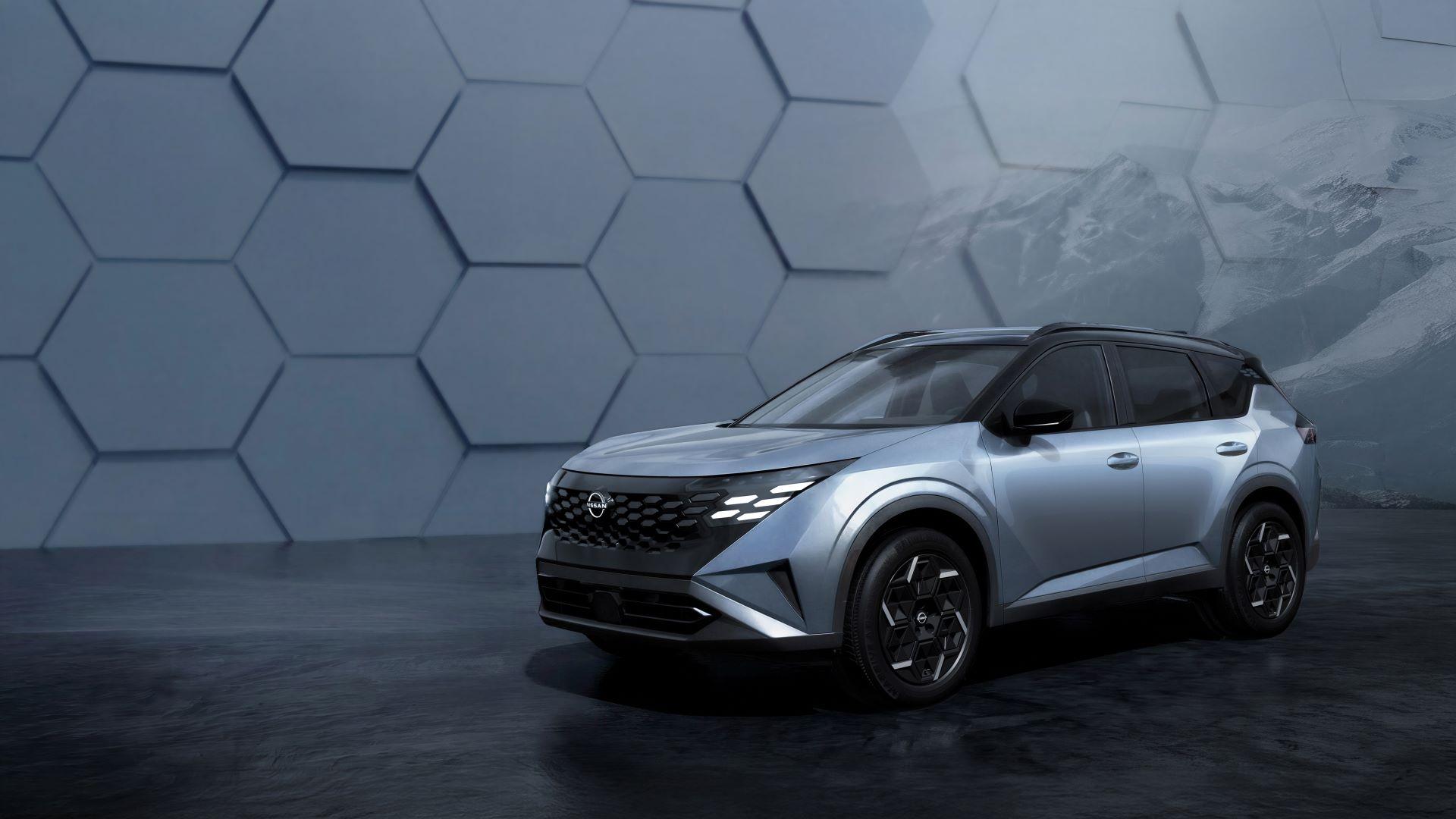


Nissan Motor Co., Ltd. has unveiled a sweeping long-term vision that repositions the brand around artificial intelligence, electrification, and a sharply refined global strategy, signalling a decisive shift toward what it calls “Mobility Intelligence for Everyday Life.”
At the heart of the announcement is the introduction of AI-Defined Vehicles, a new generation of products designed to blend intelligence, automation, and personalisation into the driving experience. Nissan says its upcoming Nissan AI Drive technology will eventually be integrated into around 90% of its global model lineup, forming the backbone of its future mobility ecosystem.
This AI architecture will work in tandem with Nissan AI Partner technology, which is designed to extend beyond driving assistance into everyday life integration, creating a more intuitive relationship between vehicle and driver. The company describes this as a transition from traditional driver support systems toward an intelligent mobility companion that evolves with user behaviour.
Nissan’s leadership framed the shift as a turning point in its broader transformation. President and CEO Ivan Espinosa emphasised that customer experience will guide the company’s direction, with a focus on safer, more accessible and more rewarding mobility. He positioned the strategy as the next phase beyond the Re:Nissan recovery plan, which remains on track in its final execution year and has already delivered improvements in cost structure, capacity utilisation and product momentum.
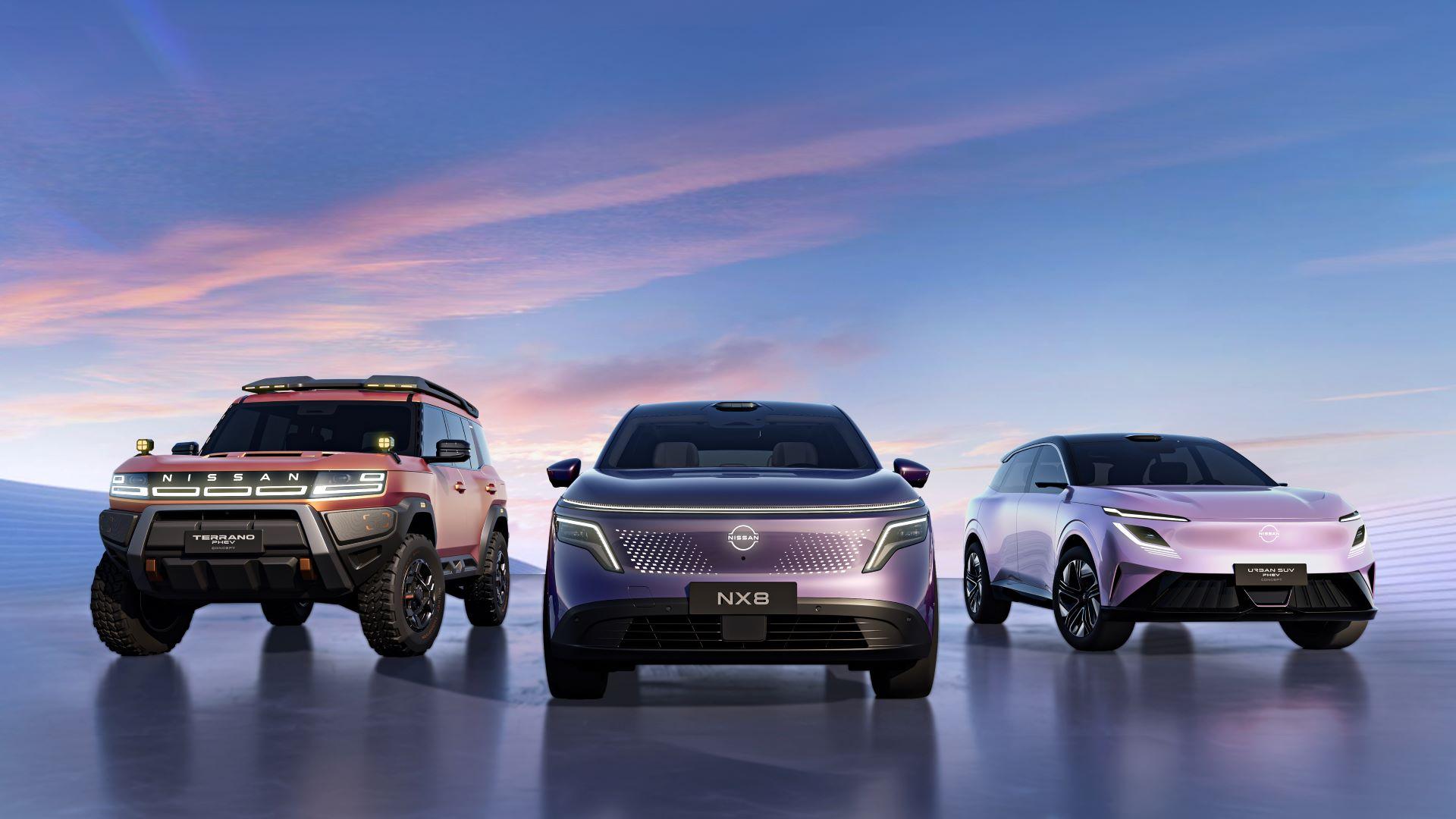
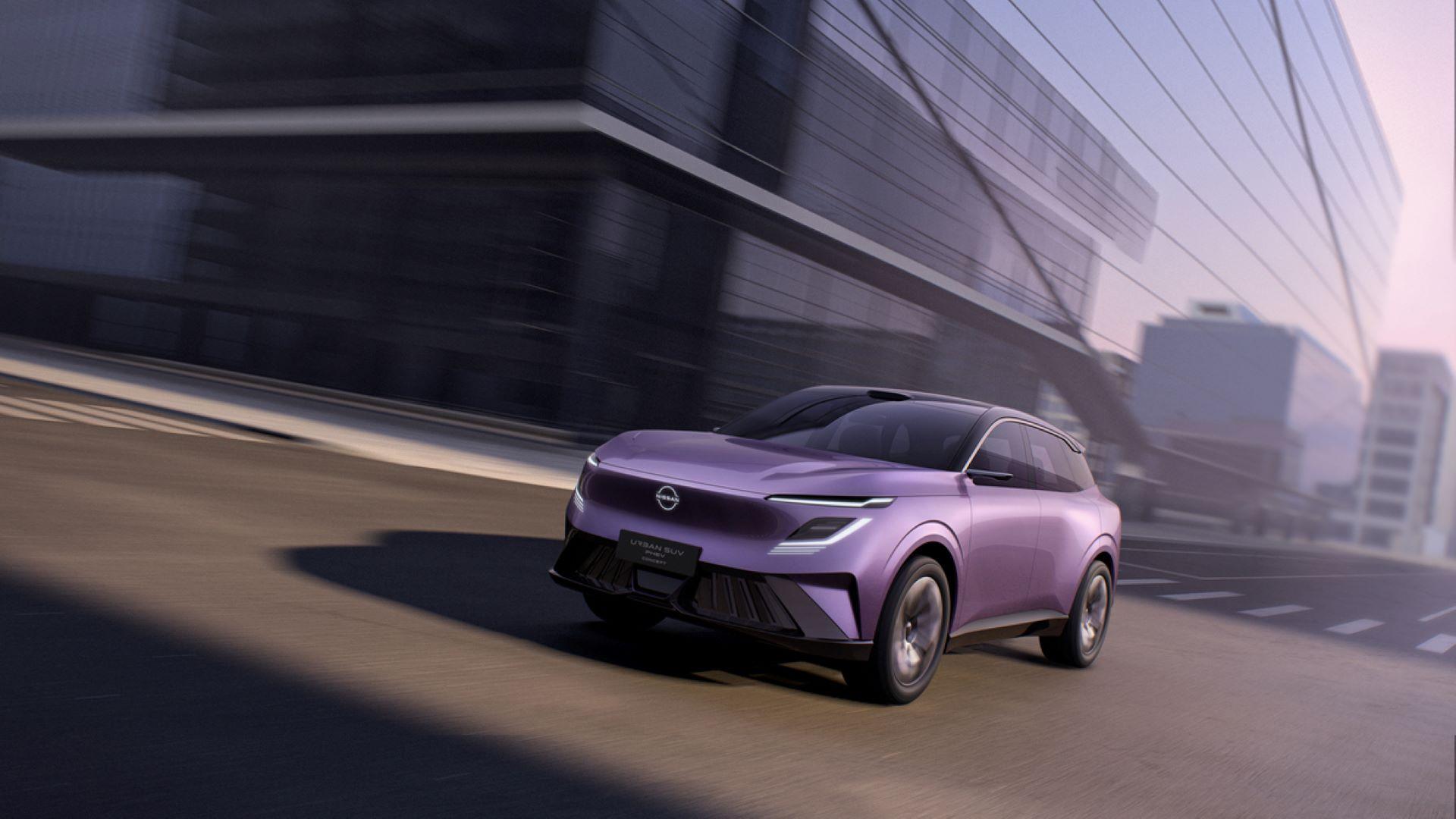
Electrification is set to play a central role in enabling this AI-driven future. Nissan is expanding its e-POWER technology, which delivers electric motor-driven performance without the need for external charging, acting as a bridge between traditional combustion engines and full battery-electric vehicles. Alongside this, the company is broadening its electrified powertrain mix to include new hybrid systems for larger vehicles, plug-in hybrids and range-extender solutions developed through strategic partnerships.
This diversification reflects Nissan’s intent to match different regional needs while maintaining technological consistency across its portfolio. The approach is designed to support both urban electrification demands and long-distance capability expectations in markets such as North America and emerging economies.
A major structural shift is also underway in Nissan’s global product strategy. The company will reduce its lineup from 56 to 45 models, focusing investment on higher-performing vehicles and exiting weaker segments. In parallel, it will expand powertrain choices within each model to improve flexibility and customer choice while increasing production efficiency.
Nissan is reorganising its portfolio into four strategic categories that define each model’s role within the brand ecosystem. Heartbeat models express emotional identity and innovation, Core models provide scale and stability, Growth models target emerging demand, while Partner models extend reach through collaboration.
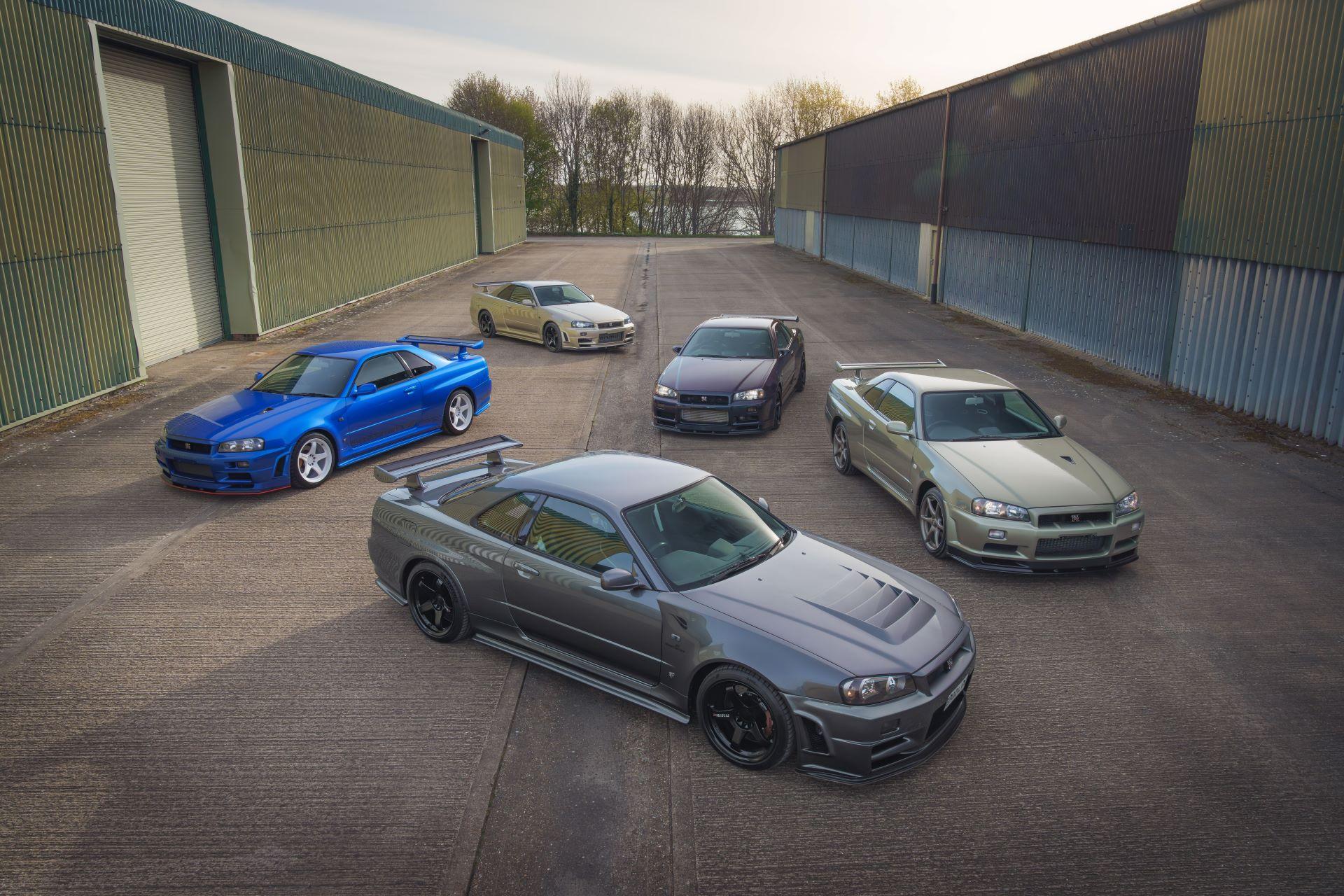
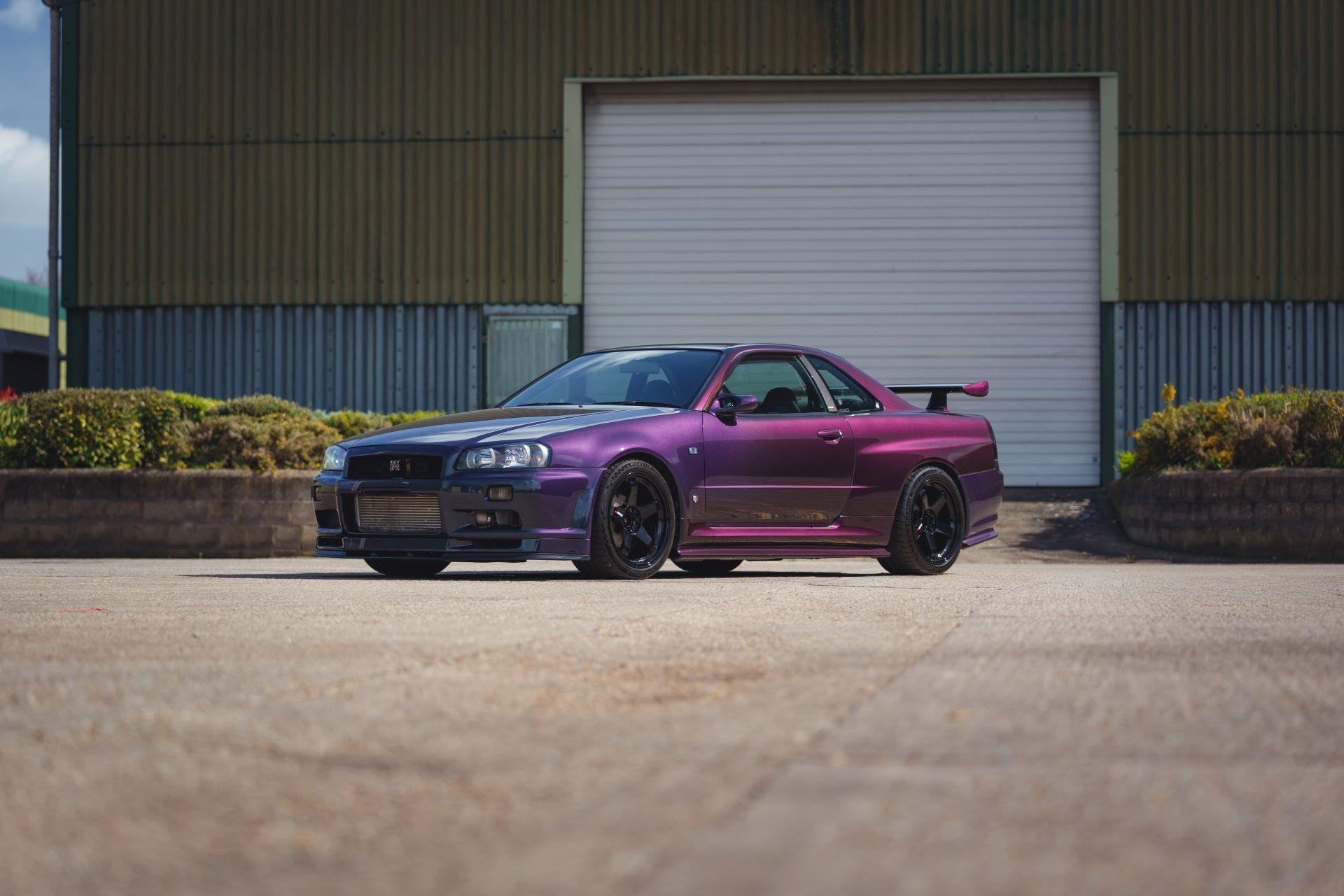
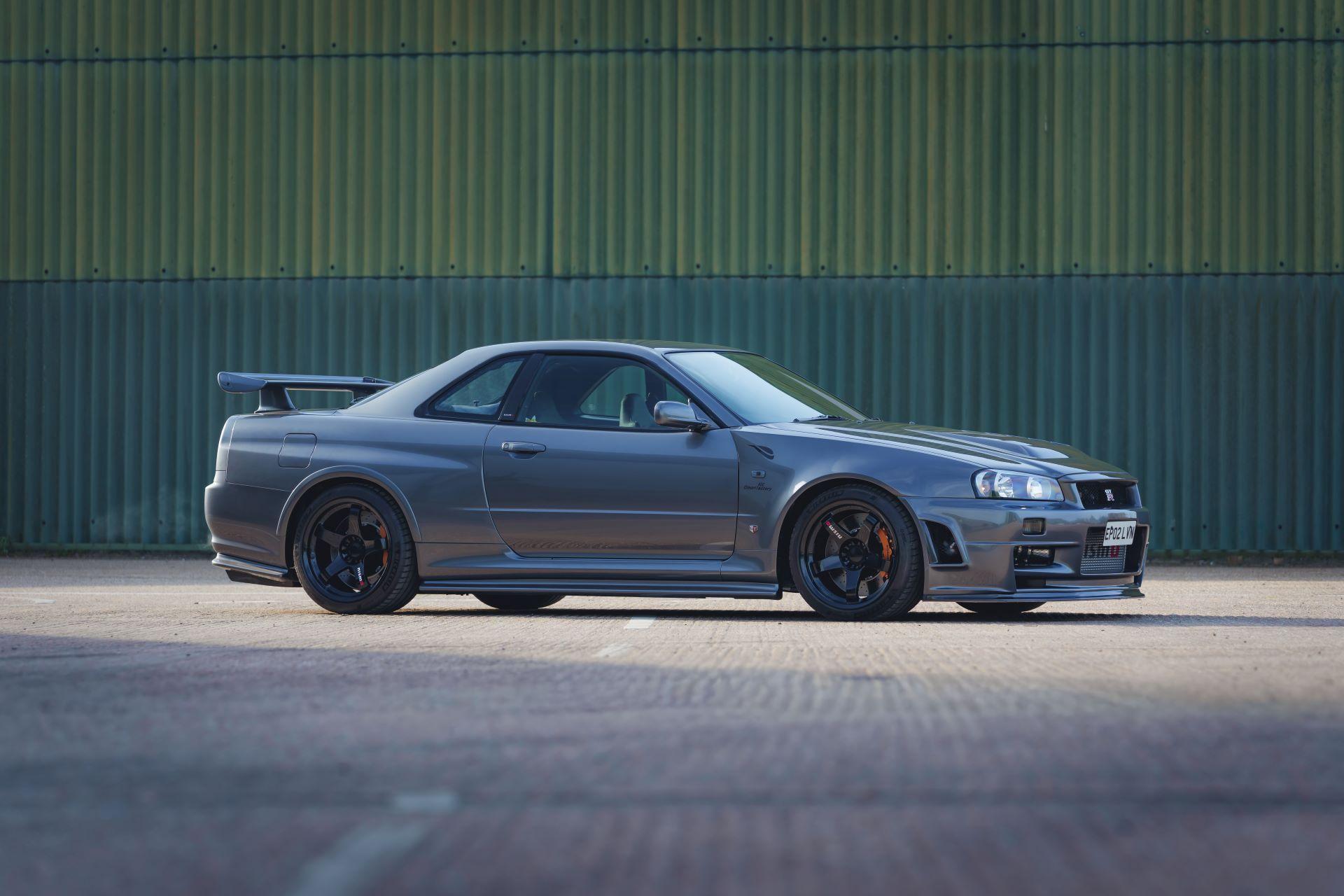
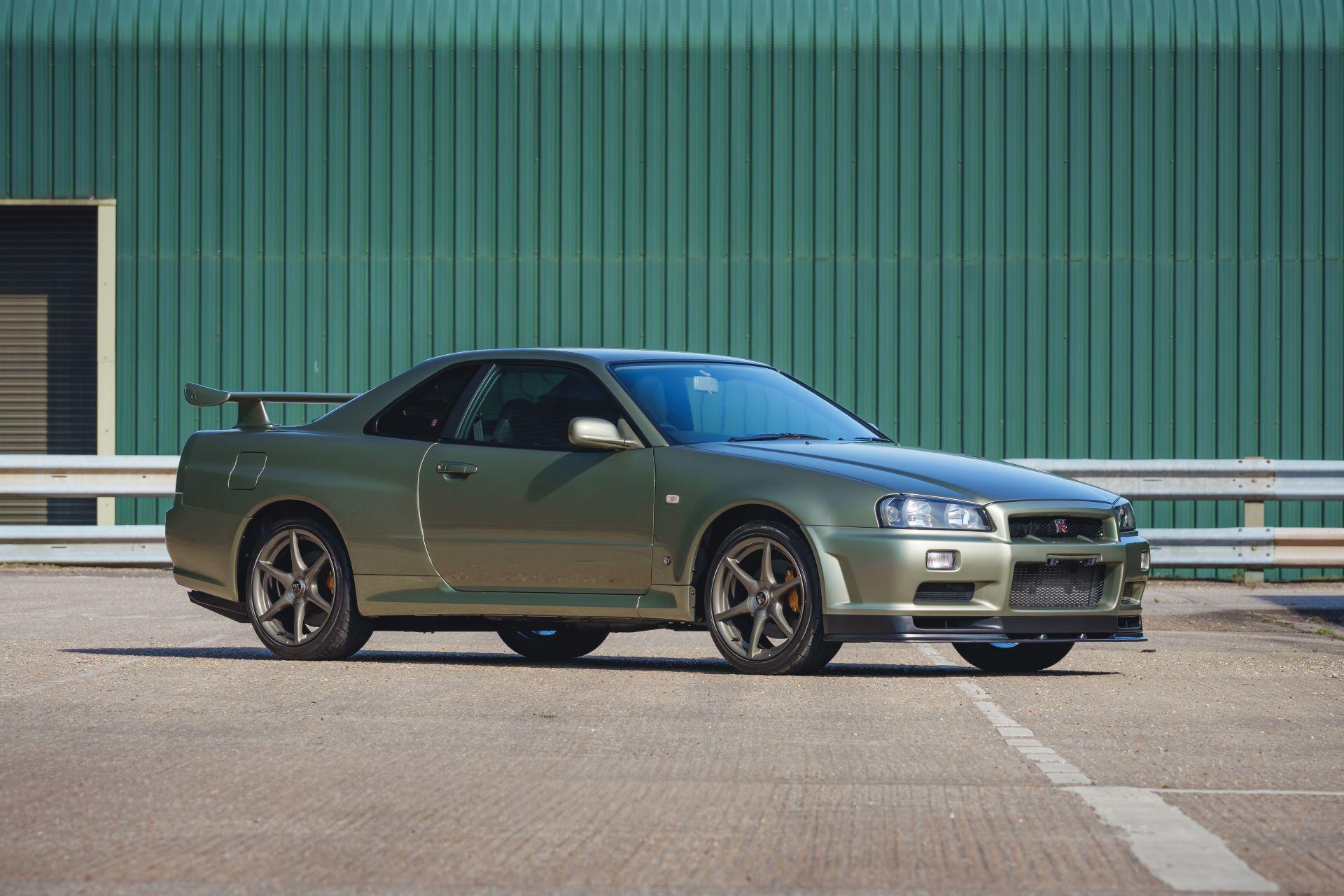
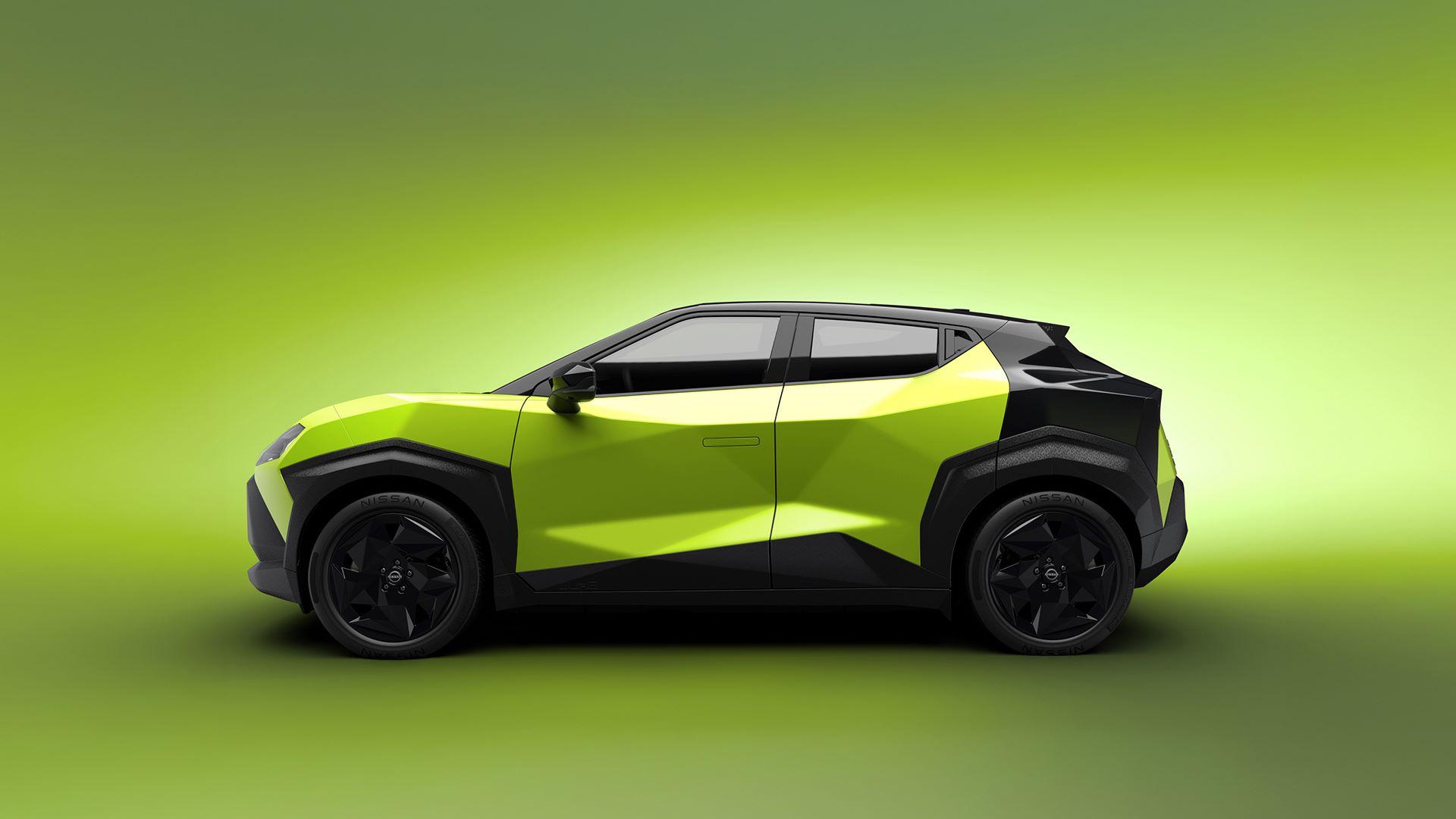
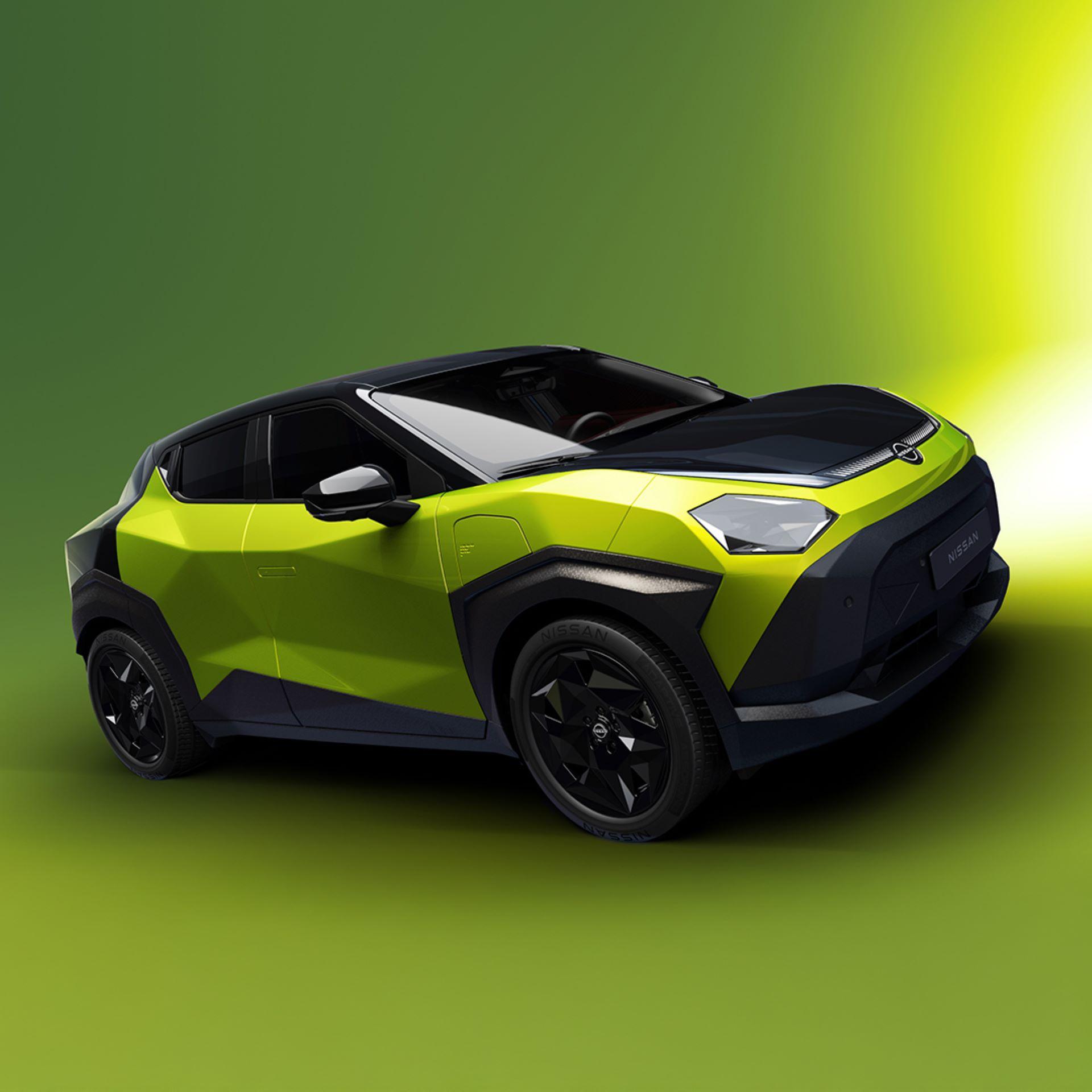
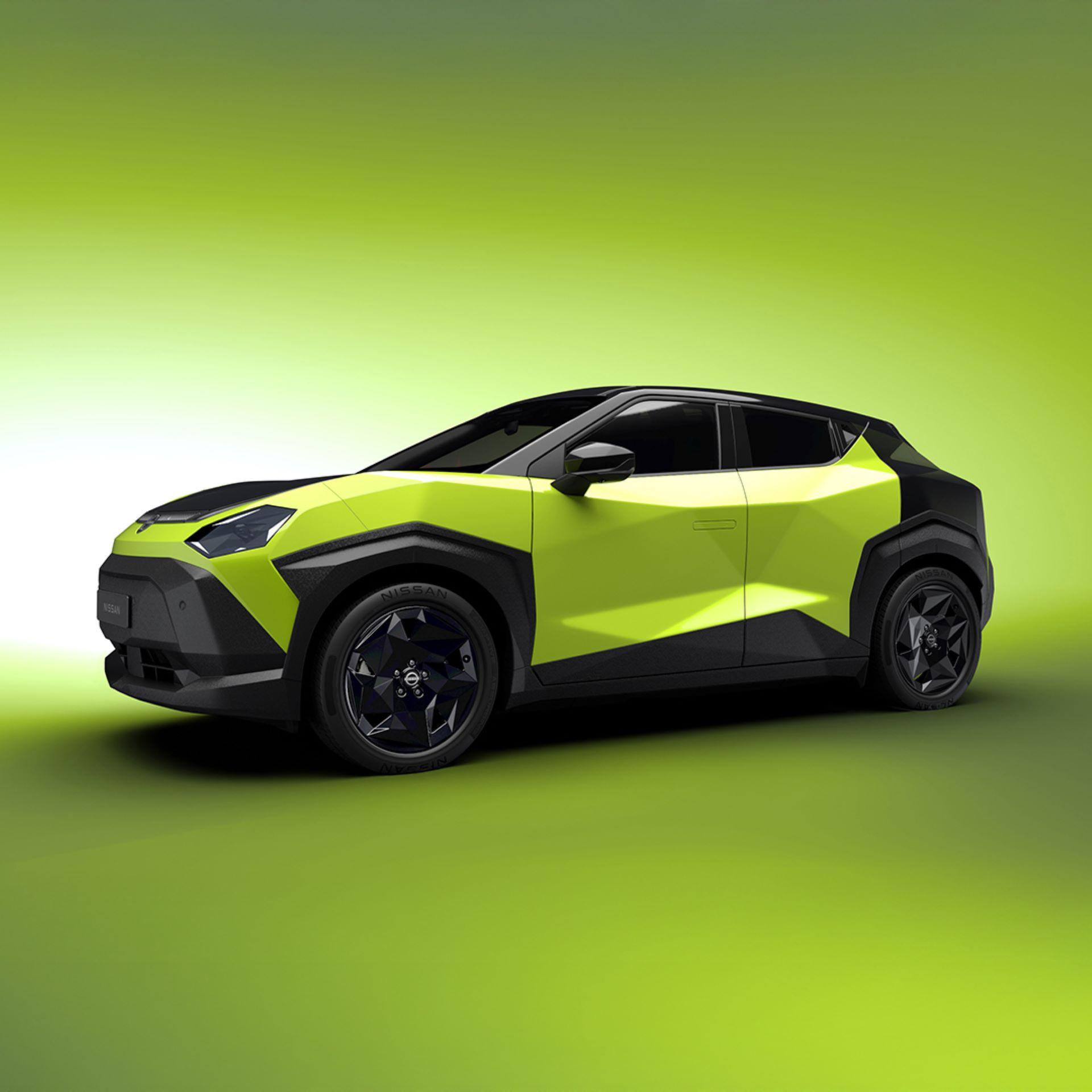
Several key vehicles were highlighted as examples of this new direction. The new Nissan X-Trail and Rogue Hybrid e-POWER will serve as global Core models, showcasing the brand’s electrified driving character without requiring charging infrastructure. The Nissan JUKE EV will represent a fully electric Core model for Europe, combining bold design with intelligent features. In the US, the return of the Xterra as a Heartbeat model signals a renewed focus on adventure-oriented body-on-frame capability, while Japan’s Skyline continues to embody performance-focused driving DNA.
INFINITI, Nissan’s premium brand, remains an important pillar within the strategy and is set for revitalisation through new and refreshed models. These will include a new QX65 SUV and additional hybrid and performance-oriented vehicles aimed at strengthening both brand identity and profitability.
Beyond products, Nissan is reshaping how it develops and manufactures vehicles through an architecture-led industrial model. Instead of optimising each model individually, the company will focus on shared platforms, powertrains and software systems across three core vehicle families. This shift is expected to increase volume per model, accelerate development cycles and improve cost discipline while maintaining quality at scale.
On a global level, Nissan is anchoring its strategy around three lead markets: Japan, the United States and China. Each will serve both as a regional powerhouse and a global driver of innovation and scale. Japan will act as a proving ground for advanced technologies such as next-generation autonomous driving systems and is expected to expand its compact car offerings in the coming years.
The United States will focus on large vehicles and manufacturing strength, with ambitions to return to one million annual sales by fiscal 2030. China, meanwhile, will operate as both a domestic growth engine and an export hub, targeting one million units annually while supplying electrified models to Latin America, ASEAN markets and the Middle East.
Nissan’s broader international footprint, including Mexico and the Middle East, continues to play a critical supporting role, providing industrial strength and high-margin growth opportunities. Additional markets such as Europe, India and Africa are expected to complement this structure by expanding reach and balancing global demand.
Taken together, the strategy represents one of Nissan’s most comprehensive reinventions in years, aligning artificial intelligence, electrification and streamlined operations into a unified global framework aimed at long-term competitiveness.
Espinosa concluded that Nissan’s future will be defined by its ability to combine AI innovation with electrification and customer-focused design, creating vehicles that are not only more advanced, but more seamlessly integrated into everyday life.