


From desert crossings to polar extremes, the story of electric mobility has rarely been told through such lived experience as that of Chris and Julie Ramsey. Based in Aberdeen, Scotland, the husband-and-wife EV adventurers have spent more than a decade not just driving electric vehicles, but testing their limits in some of the harshest environments on Earth. What they have witnessed mirrors the transformation of the industry itself: from cautious experimentation to confident mainstream adoption.
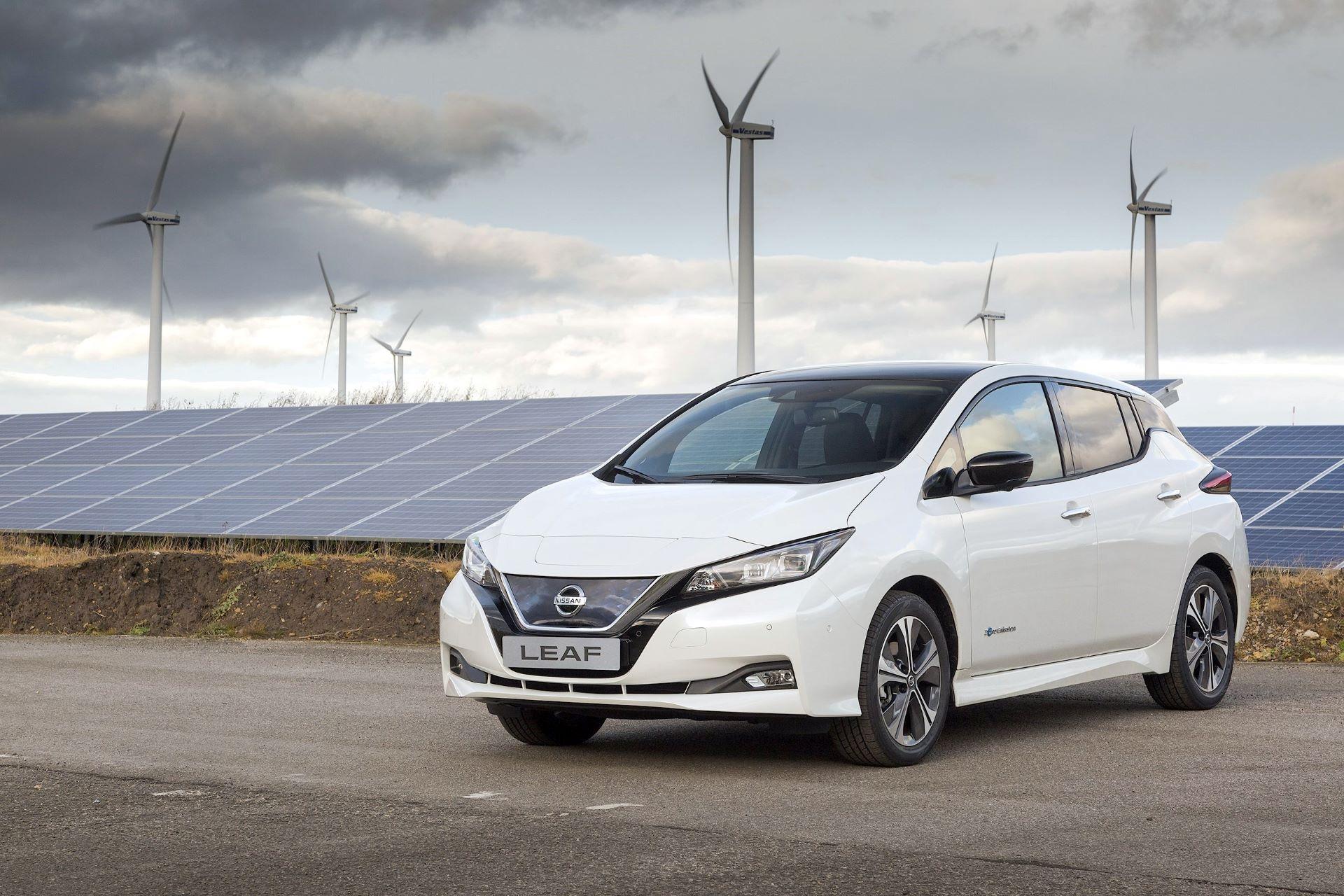
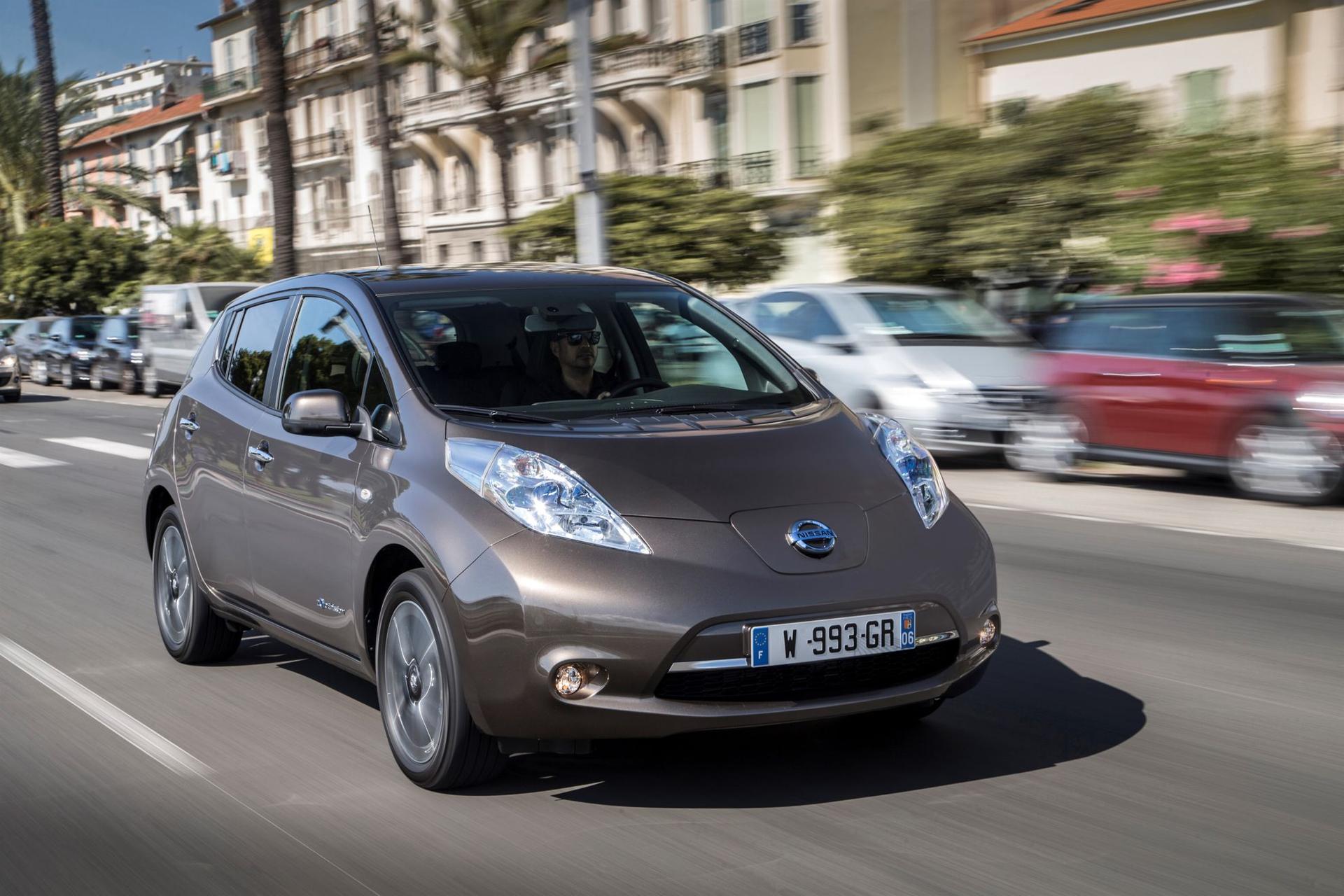
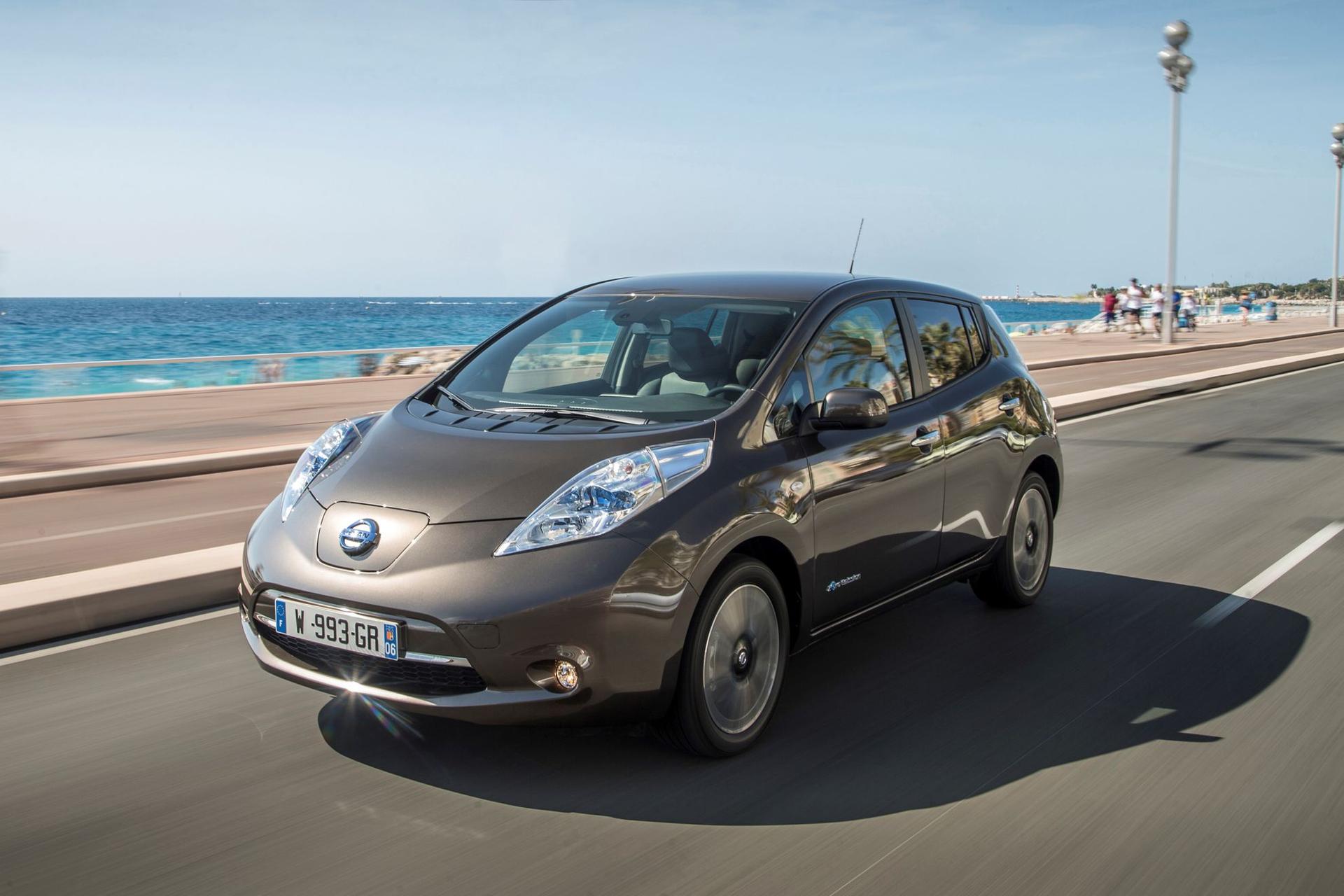
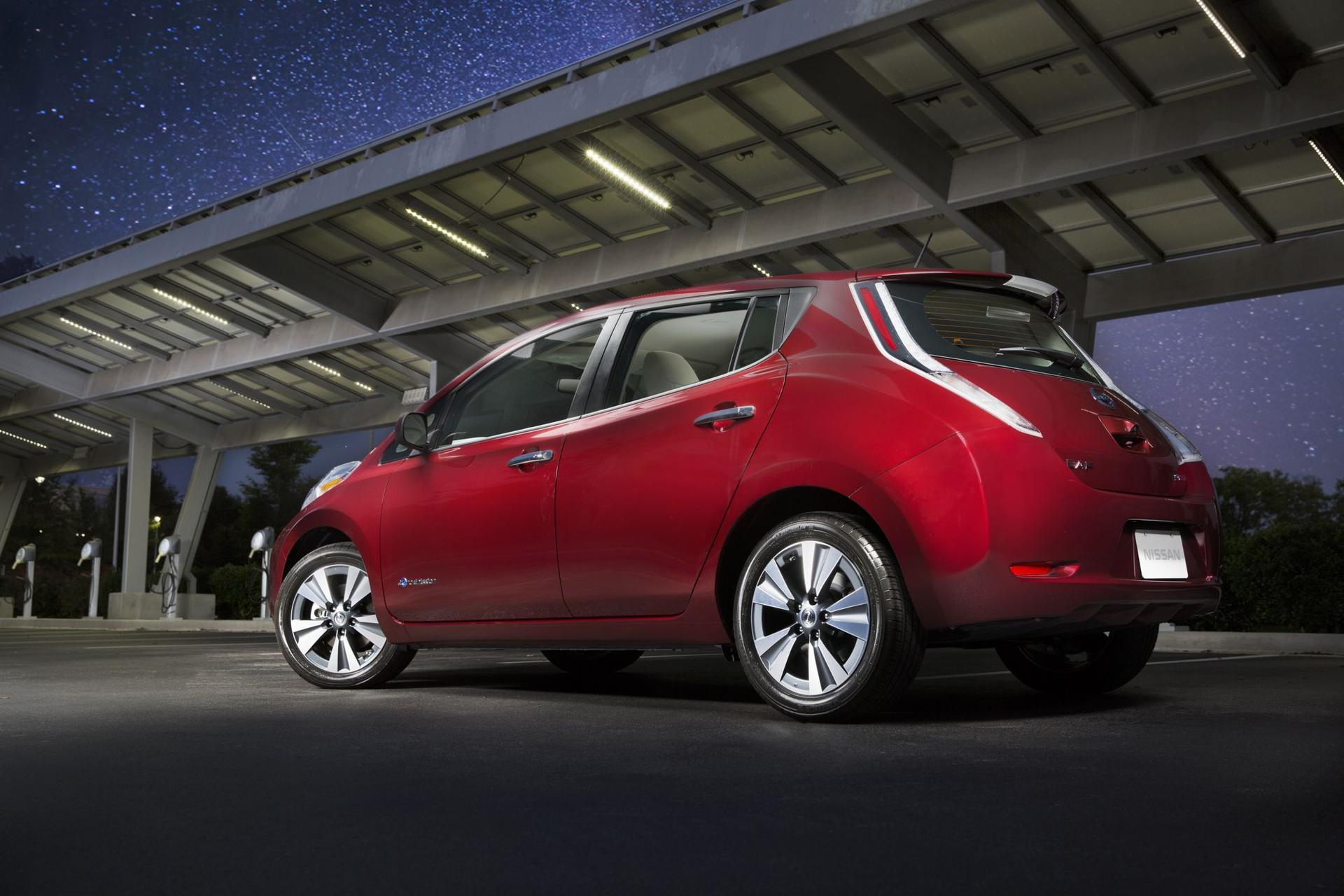
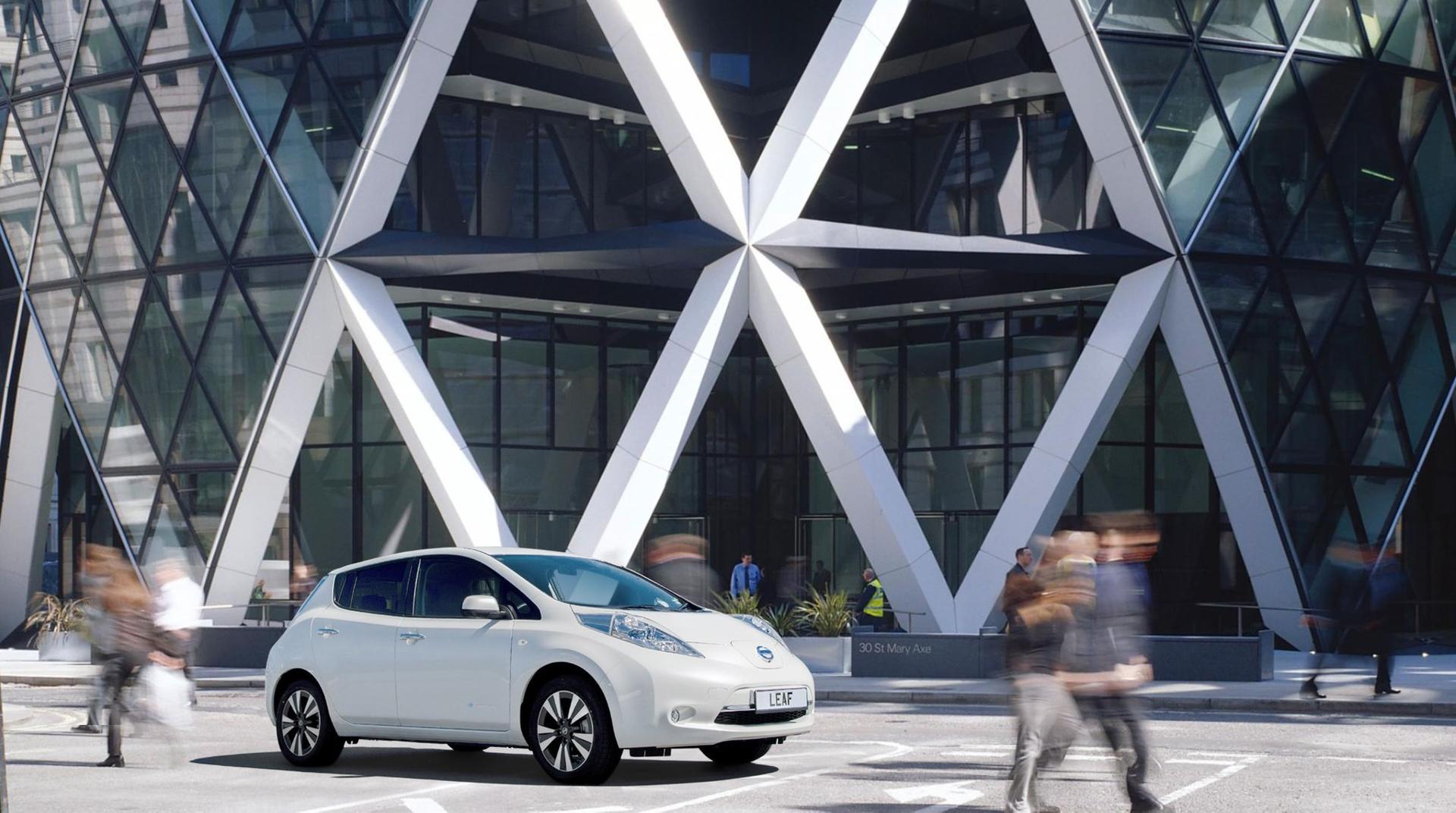
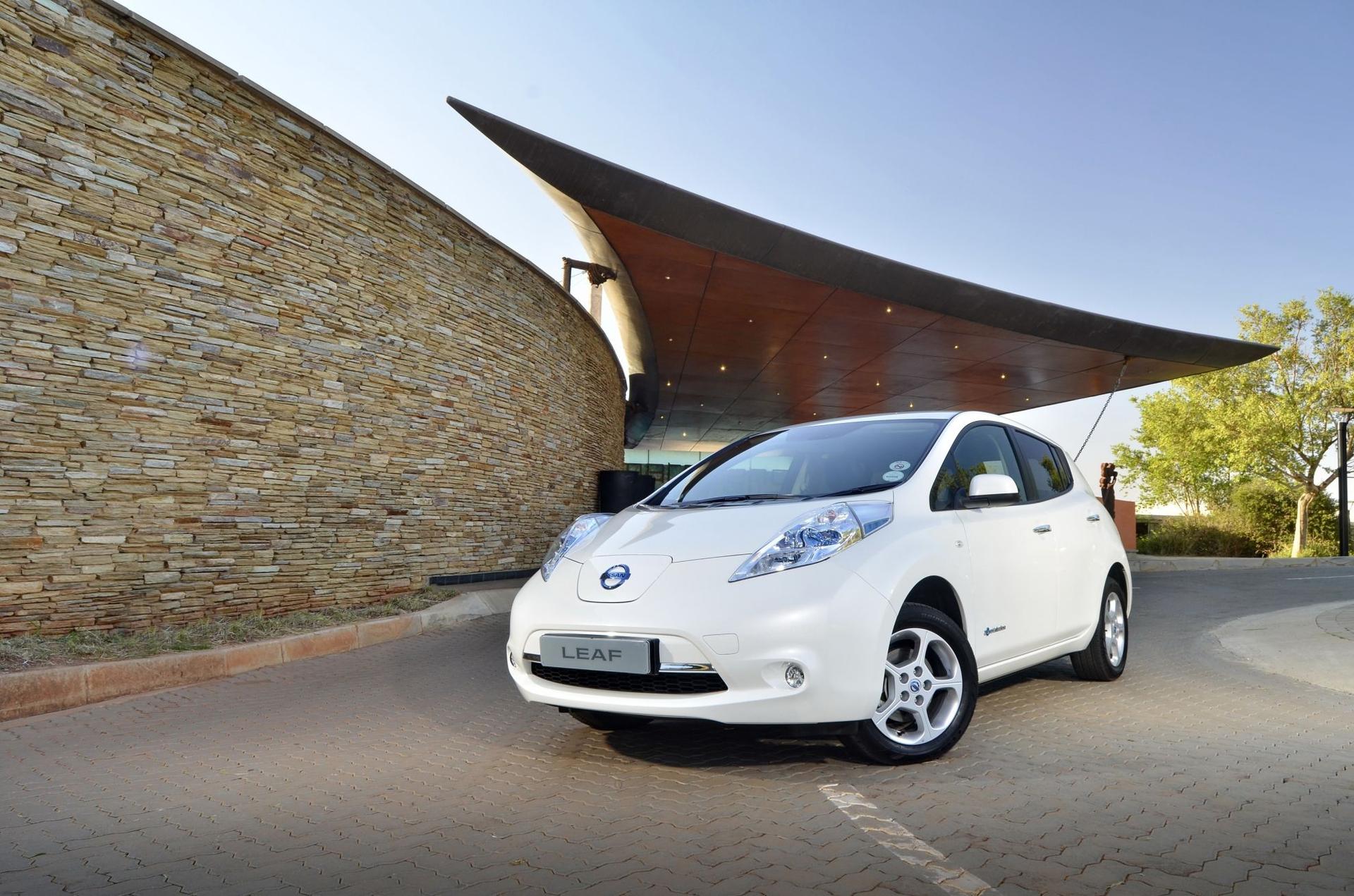
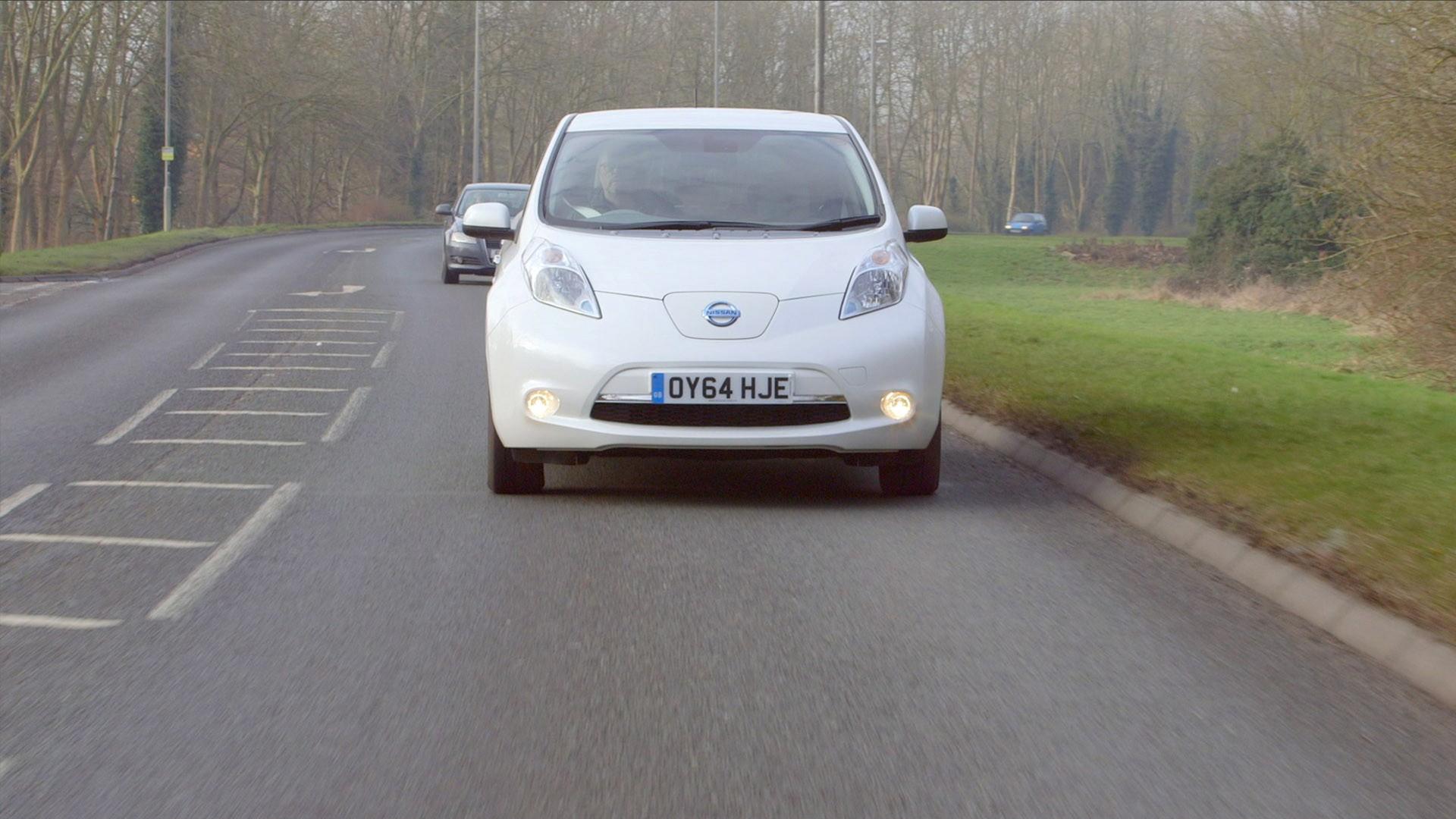
When Chris Ramsey first got behind the wheel of a first-generation Nissan LEAF in 2013, electric driving was still a question mark for most motorists. The car offered around 105 km of real-world range, public charging networks were sparse, and conversations around EVs often revolved around doubt rather than possibility. Range anxiety was not just a phrase, it was a daily consideration.
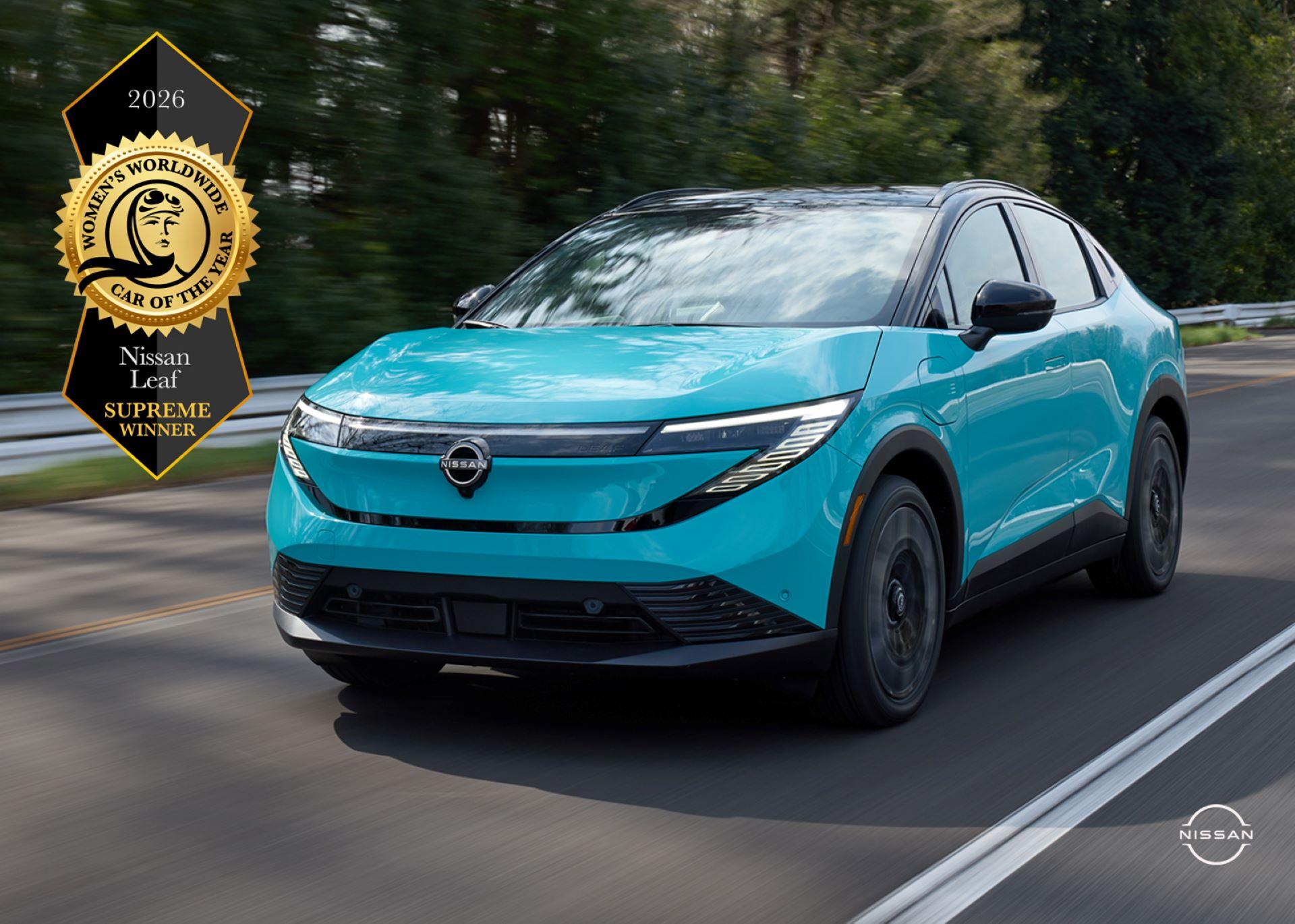
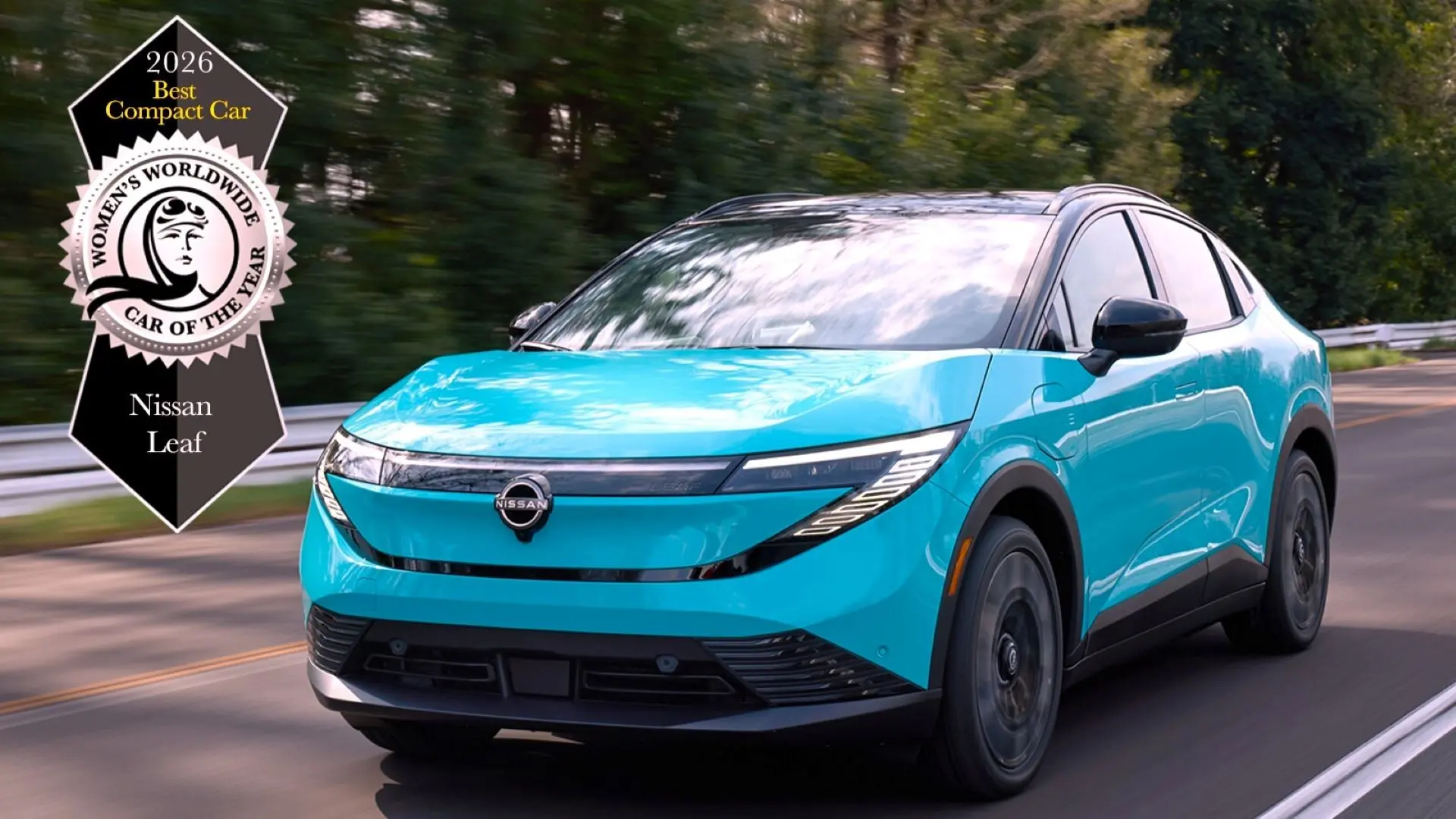
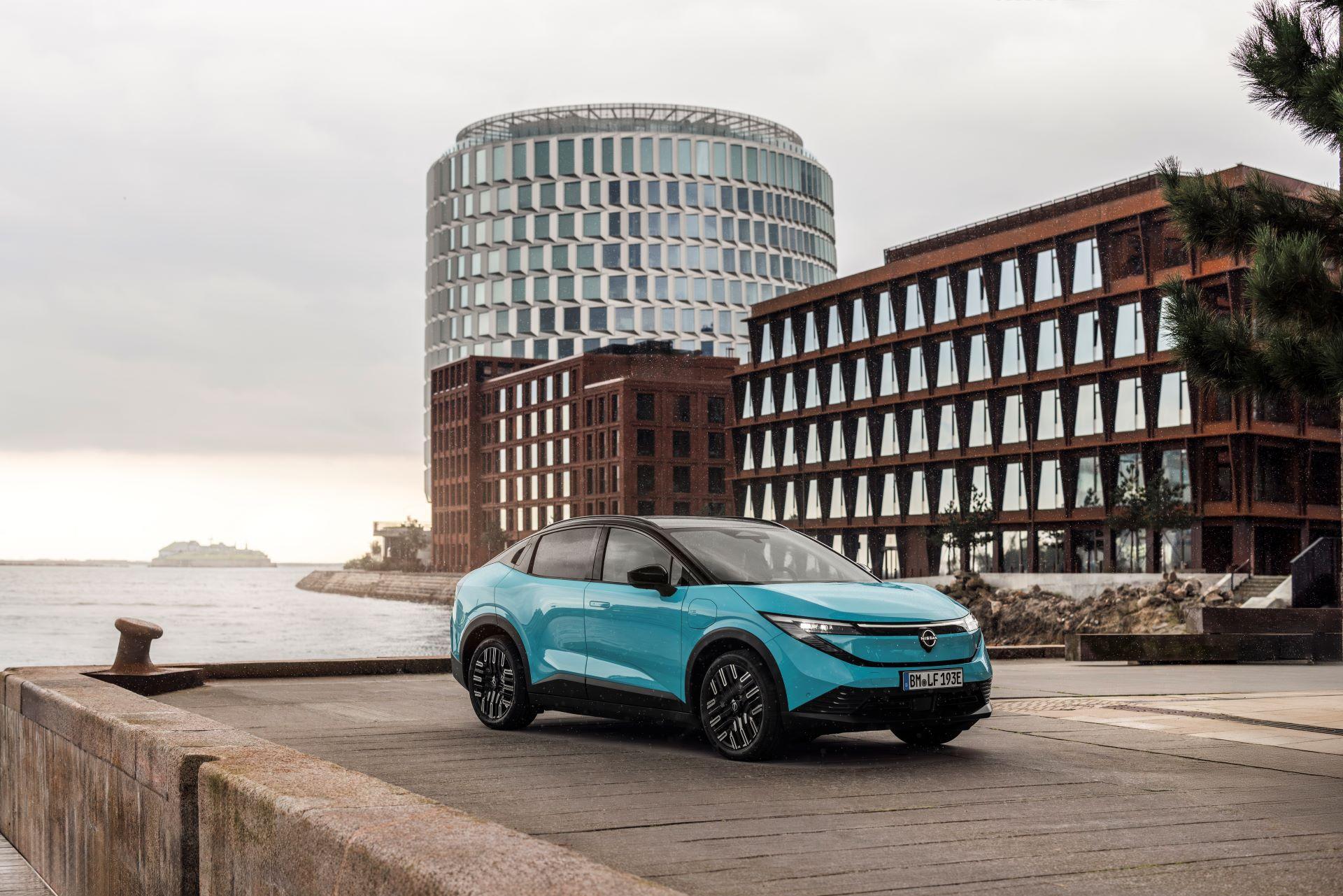
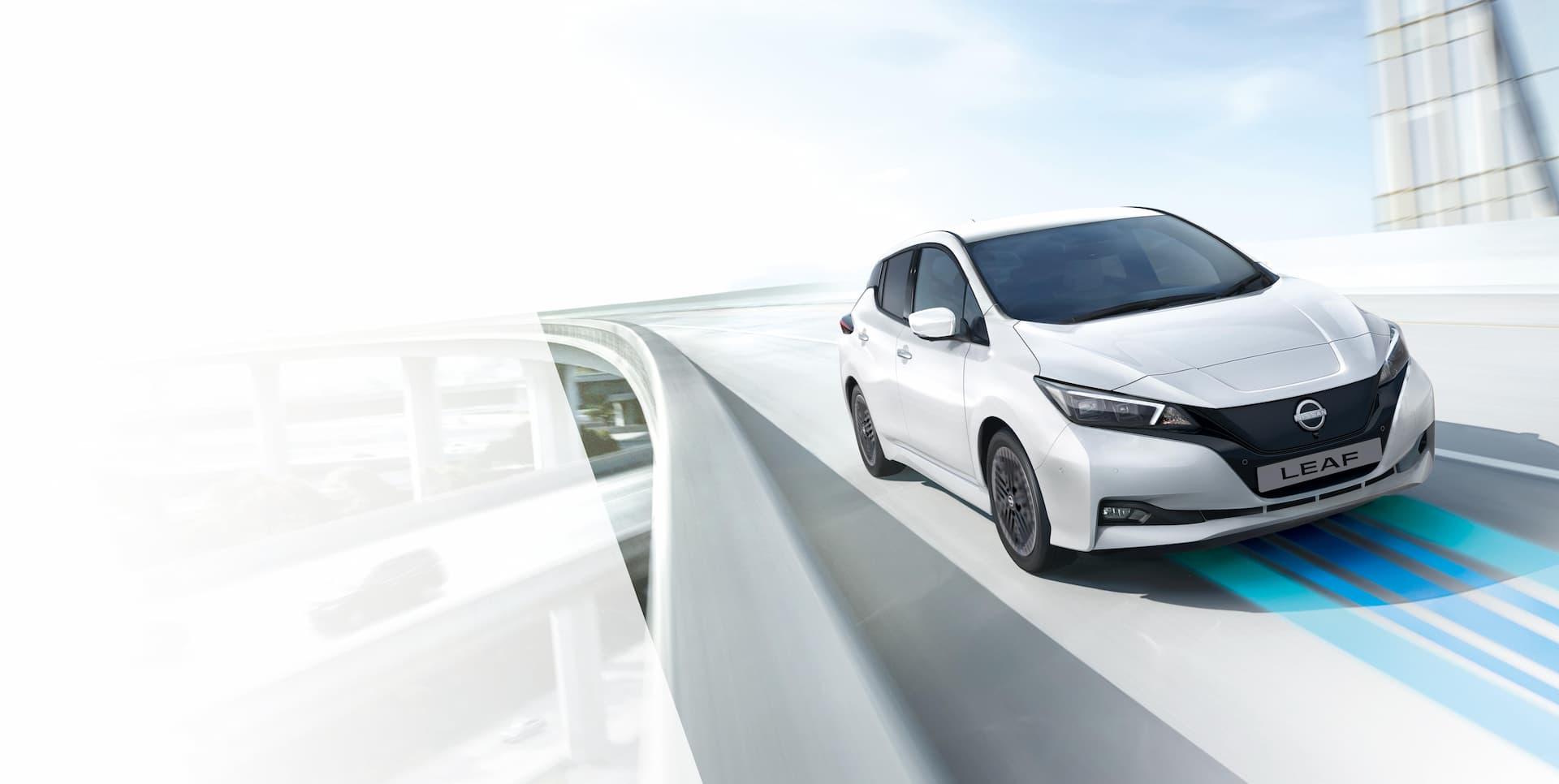
Fast forward to today, and the all-new Nissan LEAF tells a dramatically different story. With up to 386 miles, or 622 km, of driving range and integrated route planning powered by Google built-in, journeys that once required meticulous planning now unfold with relative ease. What was once complex has become routine, and what once felt experimental now feels natural.
For Julie Ramsey, that shift is perhaps the most profound change of all. “For me, EV driving isn’t a statement anymore - it’s just normal,” she reflects. It is a sentiment that captures a wider cultural turning point, where electric mobility is no longer defined by novelty, but by everyday usability.
Their early experiences followed a familiar arc for first-generation EV adopters. Curiosity drove them forward, particularly the question of how far an electric vehicle could realistically travel. Over time, that curiosity evolved into confidence. As Chris Ramsey explains, “What began as curiosity - ‘how far can we go?’ - quickly turned into a new normal. The longer we drove electric, the more we learned about smoother driving, smarter charging and using energy more efficiently.”
That learning curve was not limited to the vehicle itself. It reflected a broader ecosystem evolving in parallel. Charging infrastructure expanded across regions and countries, battery efficiency improved, and in-car systems became more intelligent, helping drivers optimise routes, energy use and charging stops in real time.
Today, a journey such as Aberdeen to London, once a logistical puzzle for early EVs, can be completed with a single fast-charging stop. The same distance that previously demanded careful calculation now sits comfortably within the rhythm of modern electric travel. It is a practical demonstration of how far the technology has come in just over a decade.
The LEAF name itself has remained a constant thread through this evolution. As one of the world’s first mass-market electric vehicles, it has grown alongside its drivers and infrastructure, adapting with each generation to meet new expectations and unlock greater capability.
Yet the Ramseys’ relationship with electric vehicles extends far beyond daily commuting. They have used EVs as expedition tools, pushing them into environments few would associate with electric mobility. In 2015, they completed a 1,652-mile round trip from John O’Groats to Land’s End and back, relying solely on public charging infrastructure. In 2017, they became the first team to complete the 8,000-mile Mongol Rally in an electric vehicle, proving endurance on a global stage. And in 2023, they achieved the first-ever drive from the Magnetic North Pole to the South Pole by any car during their Pole-to-Pole expedition, a feat that placed electric mobility firmly in the realm of extreme adventure.
These journeys were not marketing exercises in controlled conditions. They were real-world stress tests across continents, climates and infrastructure gaps. And through them, a consistent message emerged: electric vehicles are not only viable, but resilient.
“We’ve put our life in the hands of electric vehicles,” says Chris Ramsey. “And they’ve never let us down.”
That trust is now being echoed on a much wider scale as EVs move deeper into the mainstream. The all-new Nissan LEAF, with its extended range and intelligent navigation capabilities, represents a new chapter in that progression. It reflects a world where long-distance electric travel is no longer reserved for pioneers and adventurers, but accessible to everyday drivers.
From uncertainty to confidence, from limited range to long-haul capability, and from niche curiosity to global mobility shift, the evolution of the electric vehicle landscape is visible in both data and lived experience. For the Ramseys, it has been a 13-year journey of discovery. For the industry, it is an ongoing transformation still gathering momentum.
What once felt like pushing boundaries now feels like driving within them.