


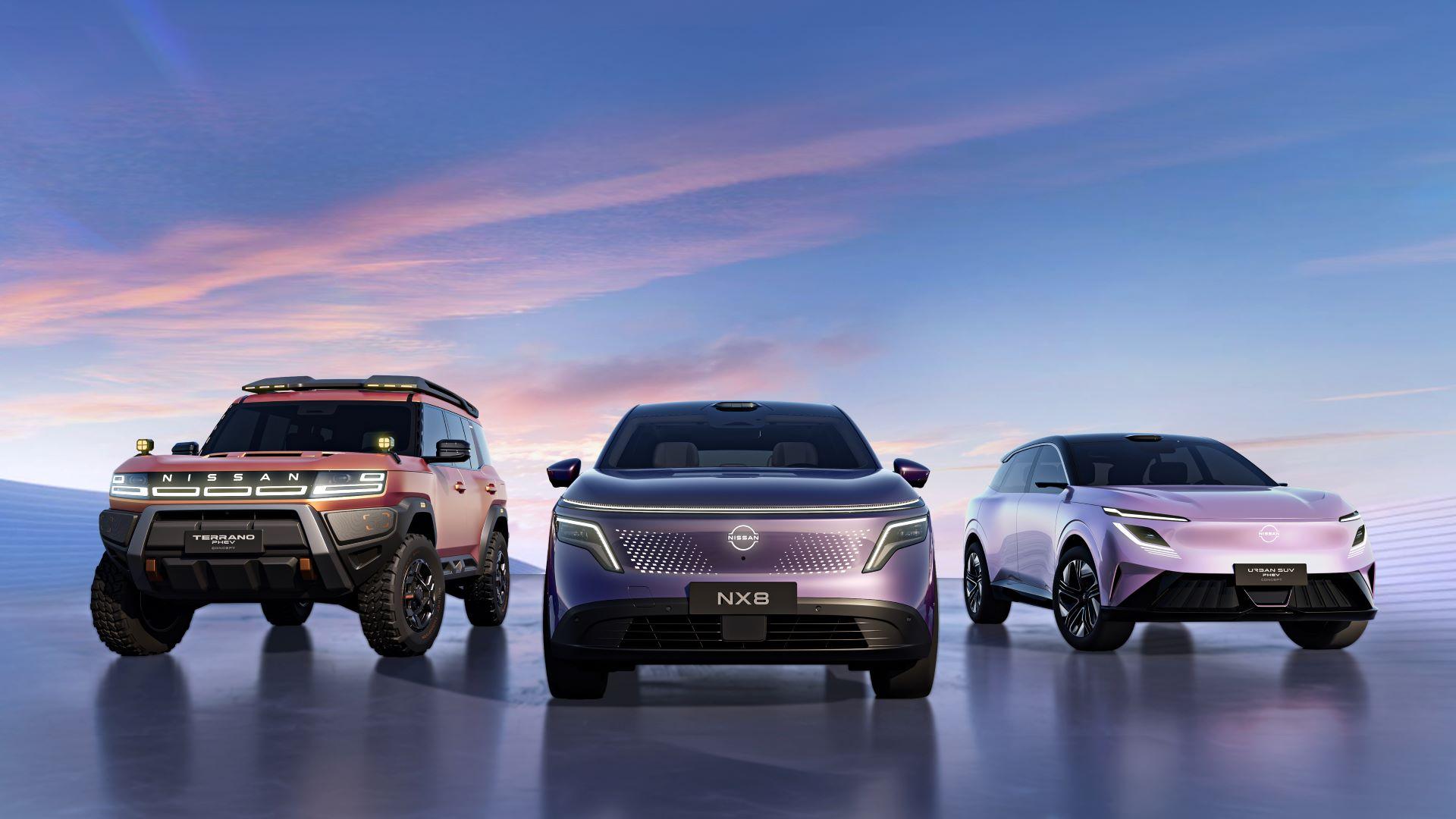

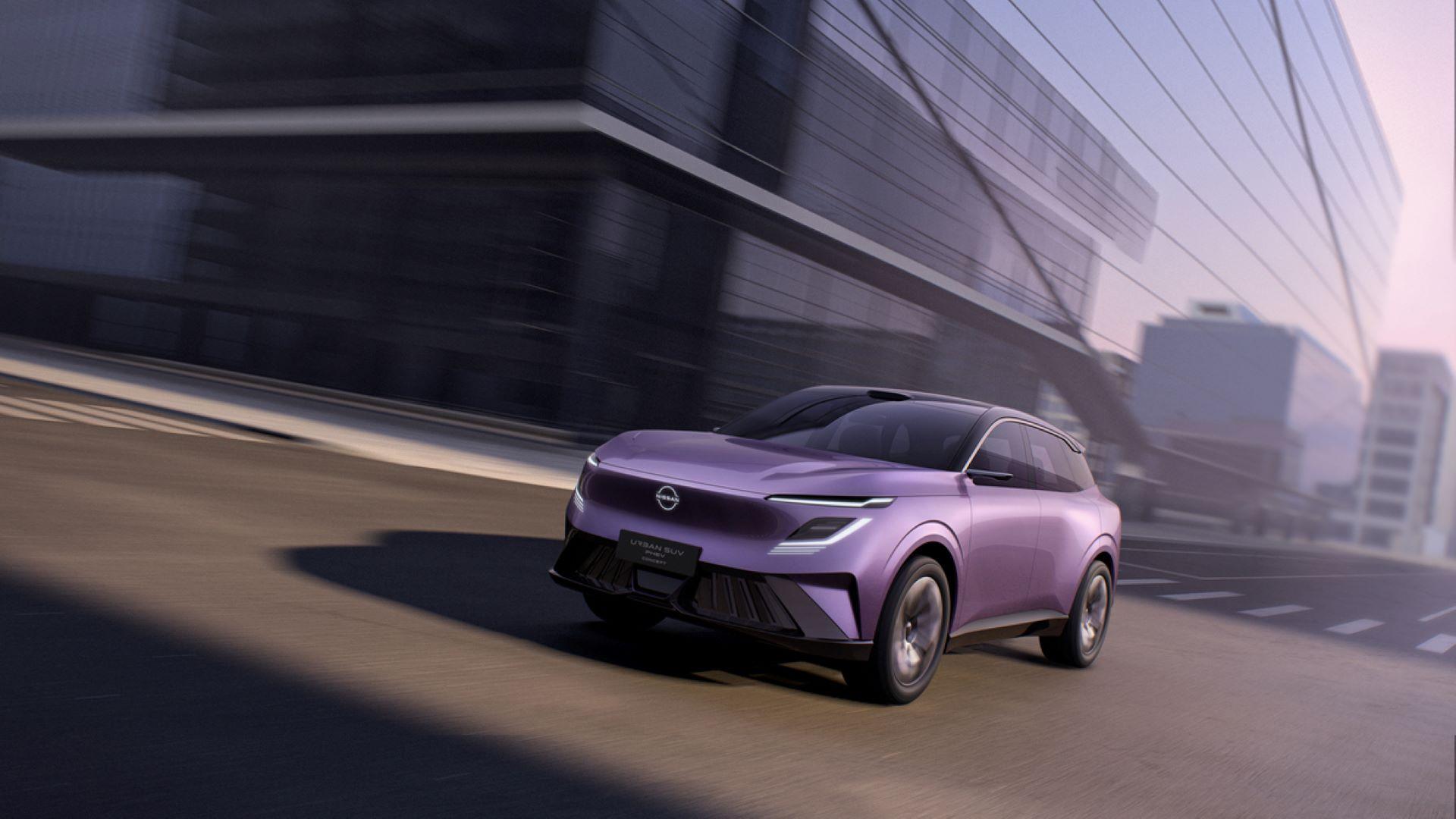
At Auto China 2026 in Beijing, Nissan has made a confident statement about its future, unveiling two new electrified SUV concepts that signal a sharper, faster push into the new energy vehicle (NEV) space. More than just design studies, these vehicles reflect a broader strategic shift, one that places China at the heart of the brand’s global ambitions.
For Nissan, China is no longer simply a high-volume market. It has evolved into a proving ground for innovation, a place where speed, technology and consumer expectations intersect in ways that shape the company’s global direction. President and CEO Ivan Espinosa framed it clearly: the region is both a competitive domestic arena and a catalyst for ideas that travel far beyond its borders.
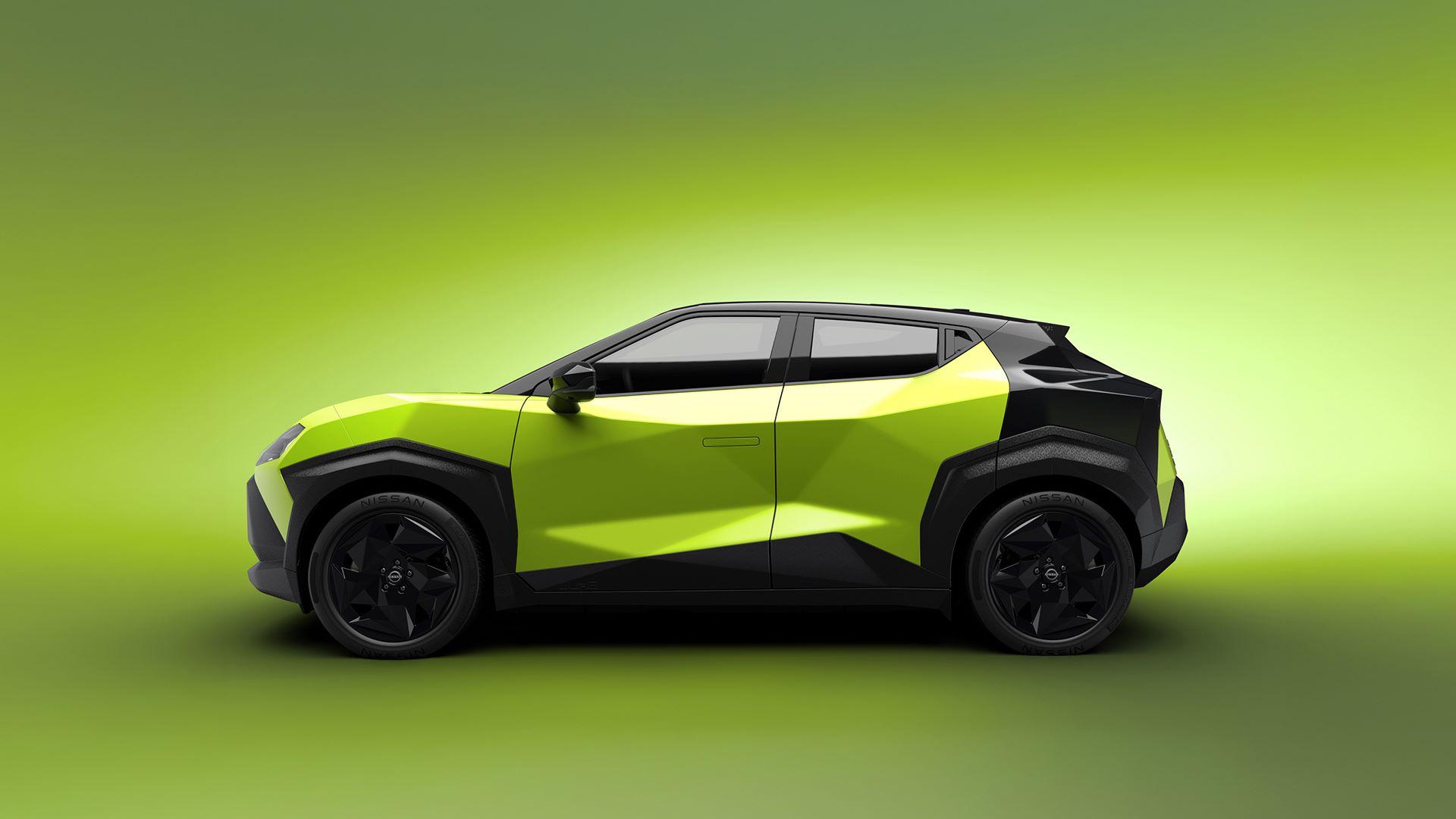
The two concept SUVs unveiled in Beijing embody this thinking. The Urban SUV PHEV Concept targets a younger, city-focused audience, blending electrified efficiency with the demands of daily urban mobility. Its design language draws from Nissan’s evolving SUV identity, pointing toward a future where technology and usability are tightly interwoven rather than treated as separate priorities.
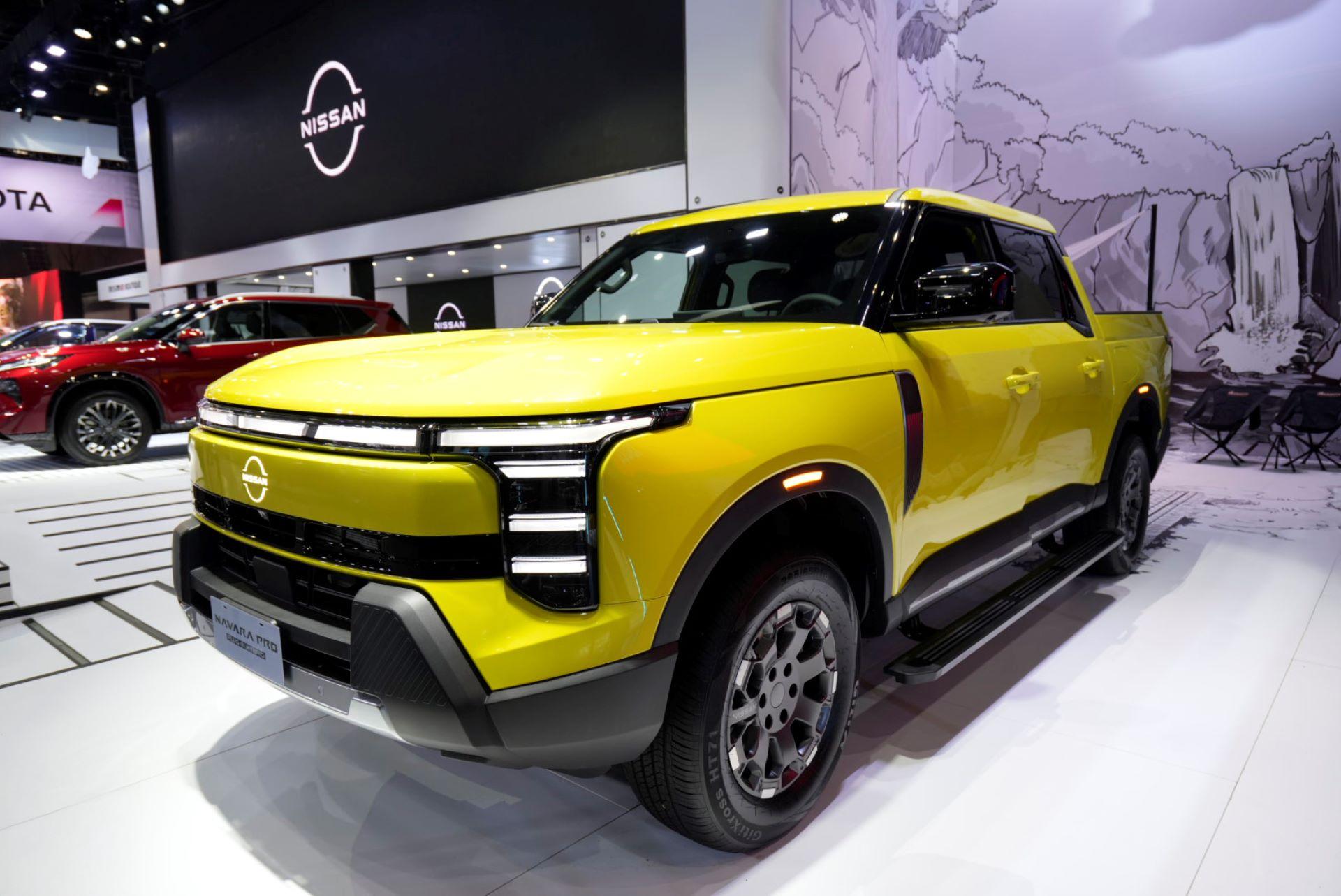
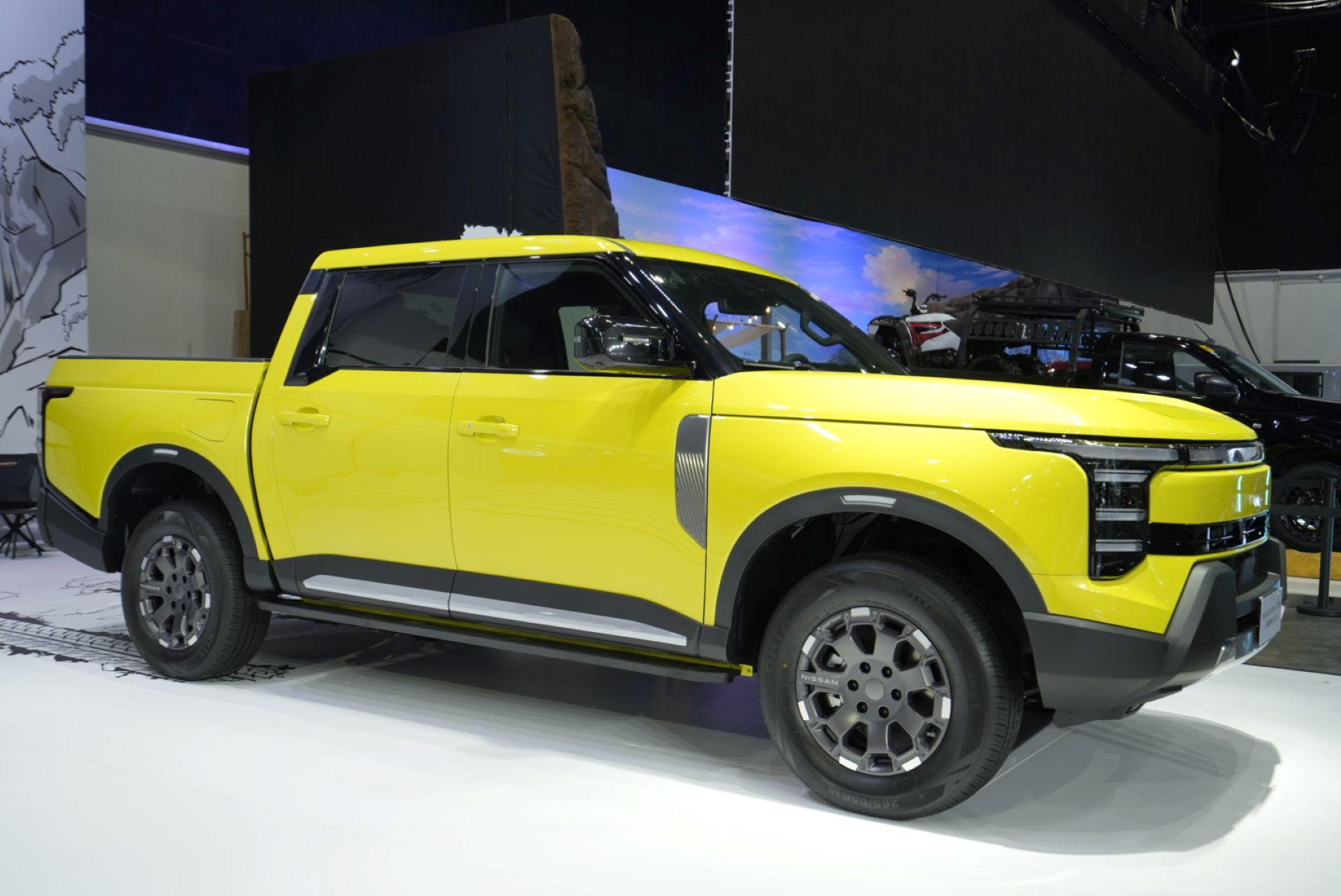
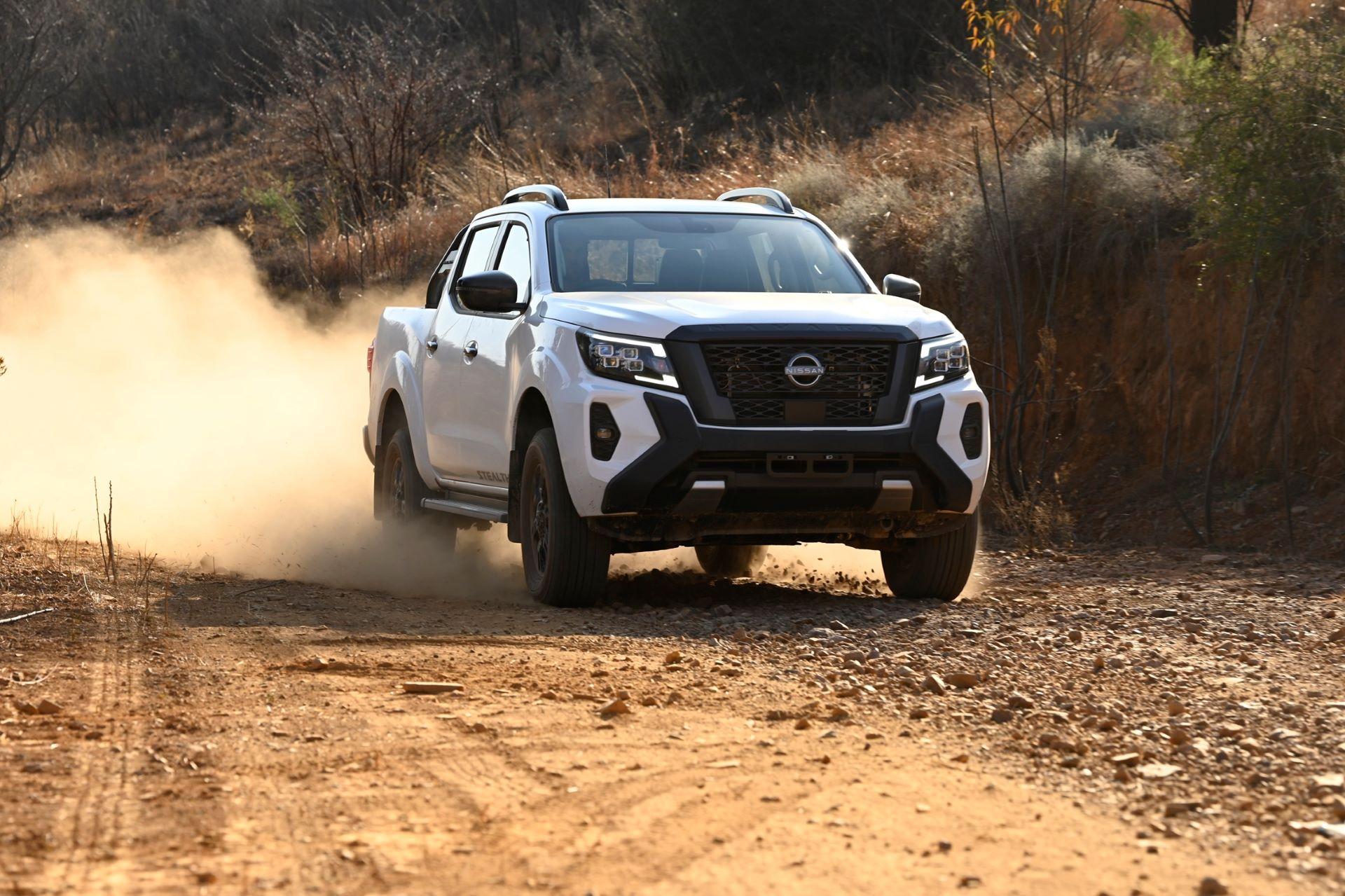
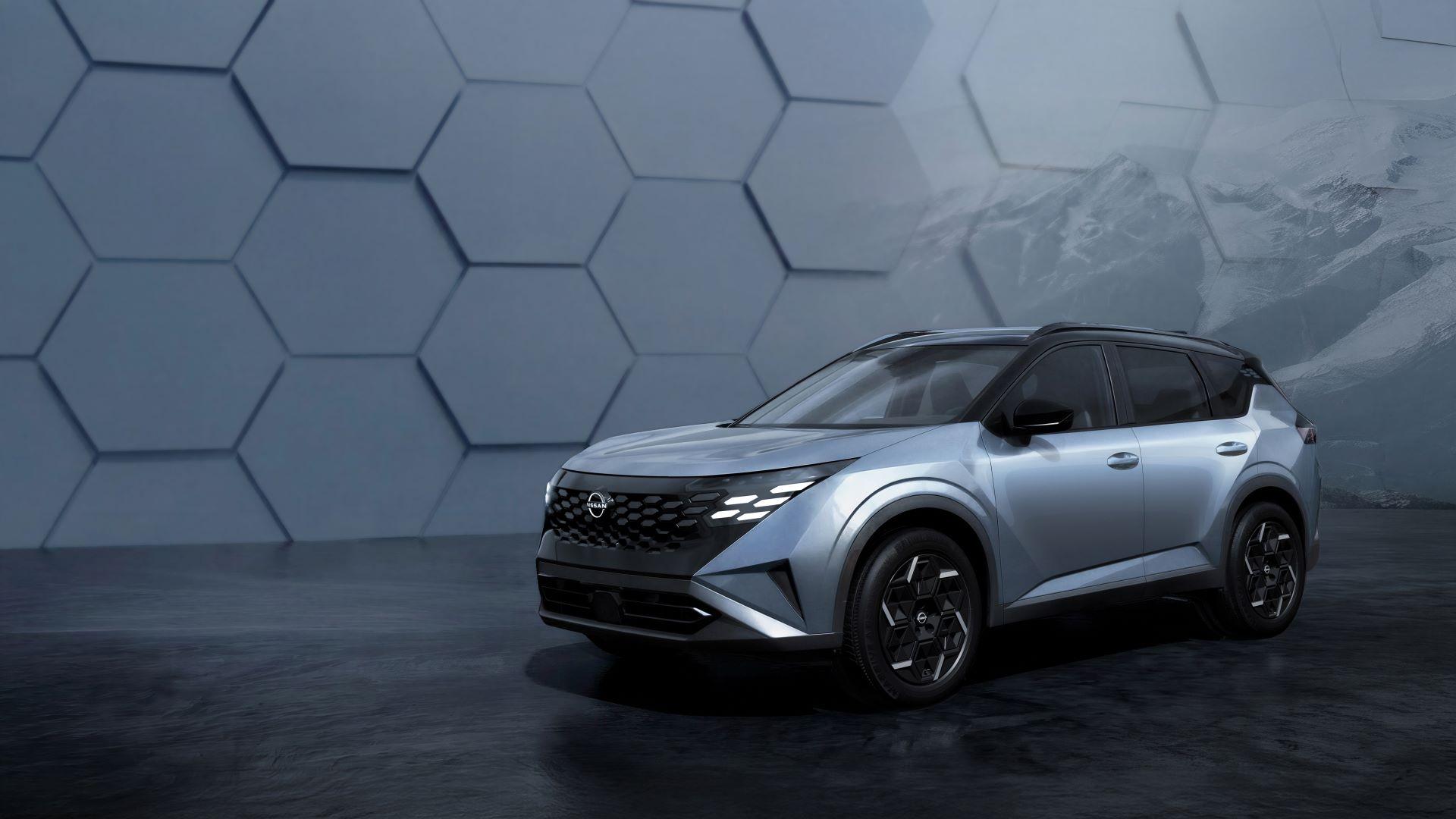
Alongside it, the Terrano PHEV Concept revives a familiar nameplate with a modern twist. Rooted in the brand’s off-road heritage, it balances rugged capability with the realities of contemporary driving, where weekend adventure and weekday commuting often share the same vehicle. The inclusion of advanced plug-in hybrid technology signals Nissan’s intent to bridge these worlds without compromise.
Both concepts are more than distant ideas. Production versions are expected within the next year, part of an aggressive rollout that will also see three additional NEV models introduced in China over the same period. This rapid expansion underlines the urgency behind Nissan’s transformation as it adapts to shifting market dynamics and intensifying competition.
Central to this momentum is Nissan’s new vision, “Mobility Intelligence for Everyday Life”. Within this framework, China stands alongside Japan and the United States as one of the company’s three core markets, but with a dual purpose. It serves not only as a destination for products but also as a source of technological advancement and manufacturing agility that can be leveraged globally.
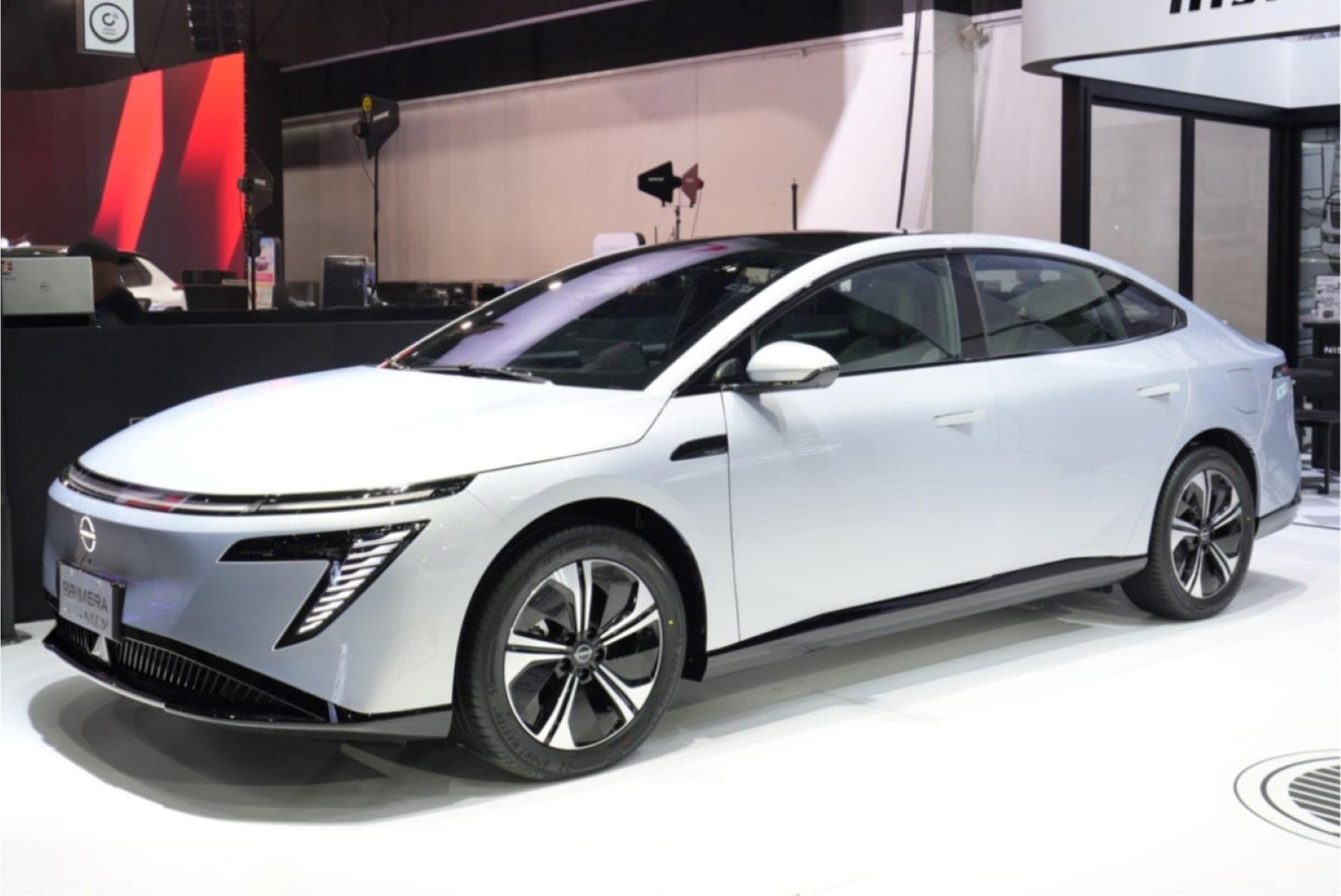
Recent models such as the N7, Frontier Pro PHEV, N6 and NX8 already demonstrate this approach in action. Developed with a blend of global engineering standards and local innovation, these vehicles have resonated strongly with Chinese consumers while also forming the foundation for export strategies into regions like Latin America, ASEAN and the Middle East.
Looking ahead, Nissan’s ambitions are unambiguous. The company is targeting annual sales of one million units in China by the end of the decade, with exports playing a crucial role in reaching that milestone. The latest concept reveals are not just about expanding a product lineup. They represent a recalibration of how and where Nissan builds its future, with China firmly positioned as both engine and amplifier of its next chapter.