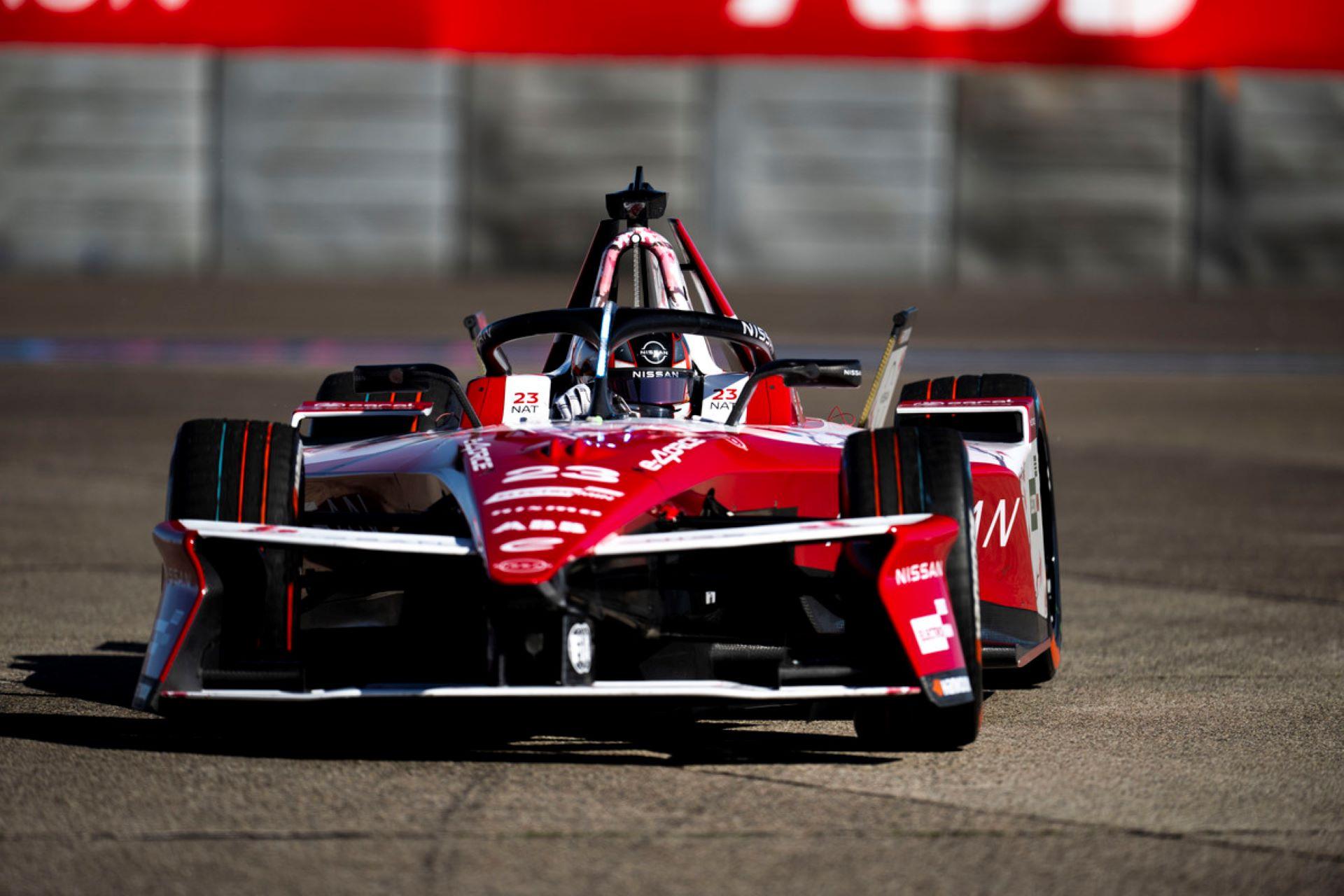
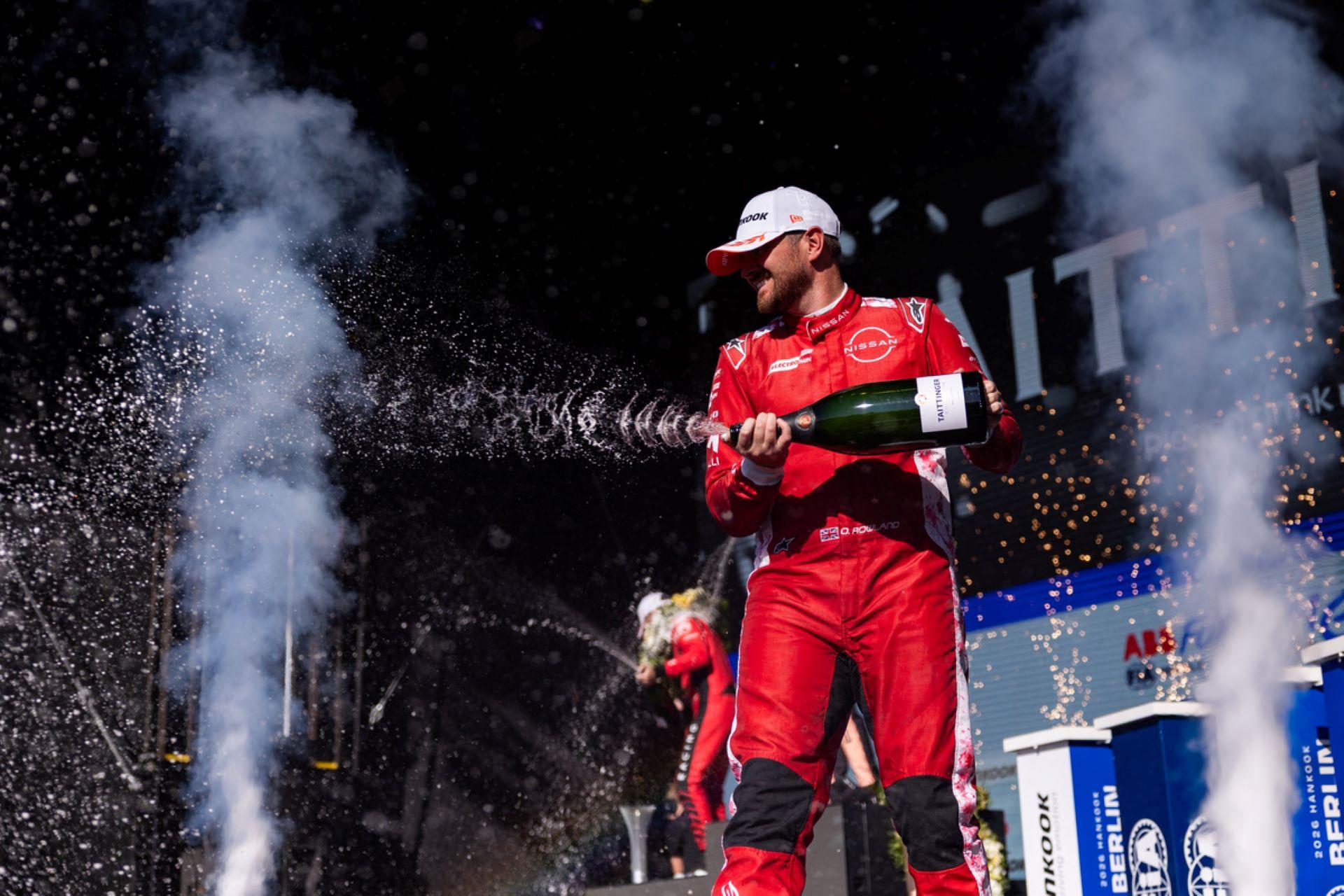
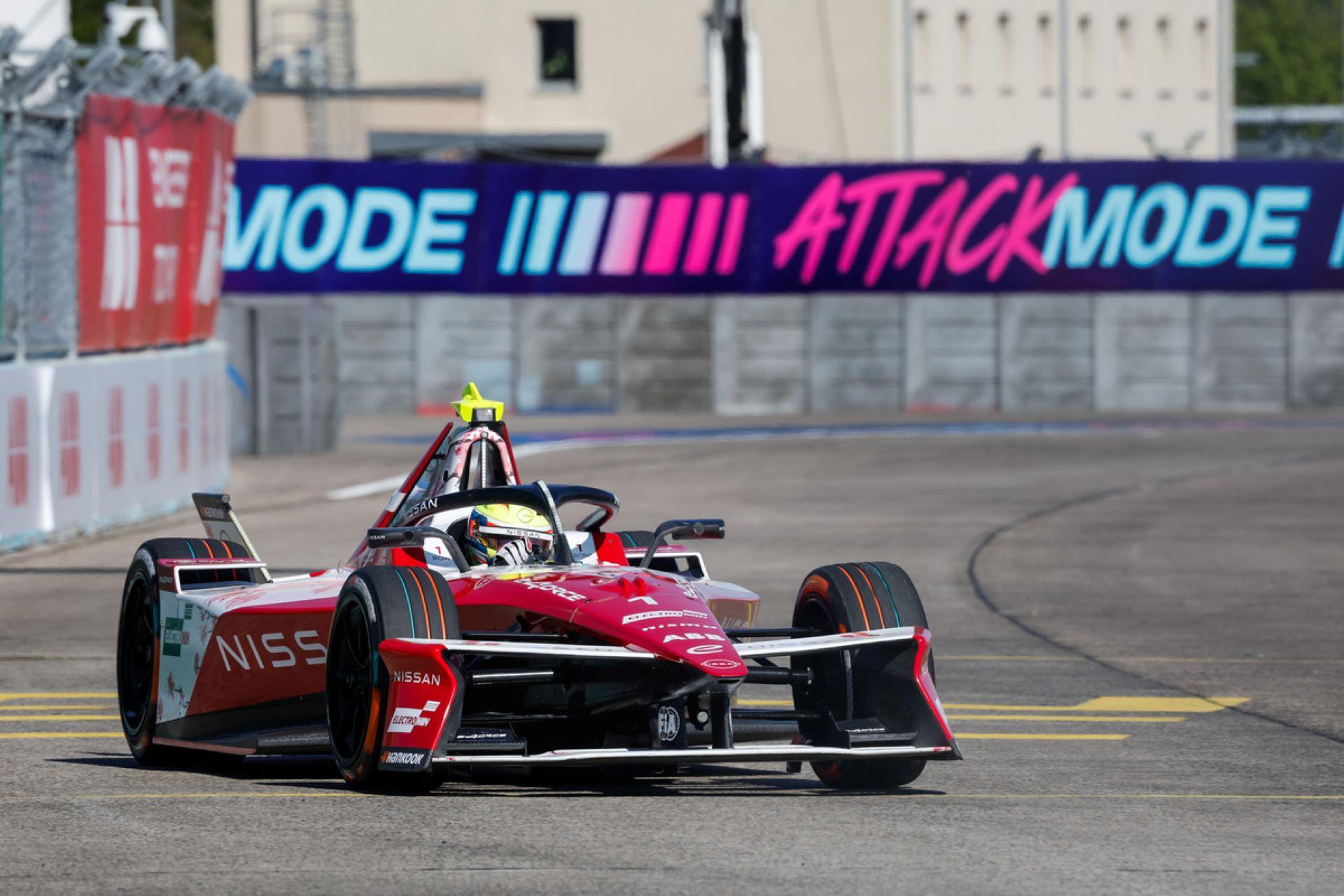
BERLIN, Germany – The Tempelhof Airport Street Circuit delivered a weekend of high-voltage drama, and Nissan Formula E Team left Berlin with momentum firmly on their side after a double podium performance from Oliver Rowland and a breakthrough top-five finish for Norman Nato in the 2025/26 ABB FIA Formula E World Championship double-header.
Round 7 on Saturday set the tone for a competitive weekend. Reigning Formula E Drivers’ World Champion Rowland showed encouraging single-lap pace, advancing through to the semi-final stage of the Duels and securing a strong third place on the grid. It was a vital platform in a championship where track position often dictates destiny. Teammate Nato narrowly missed the cut for the top four in his group by just over two-tenths of a second, leaving him to launch his race from 20th.
When the lights went out, Rowland immediately embedded himself in the front-running pack, demonstrating sharp race awareness and strategic discipline. He briefly moved into the lead before executing his Pit Boost stop at the end of Lap 25, rejoining with enough pace in hand to remain in contention. As the race evolved into a tactical chess match of energy management and Attack Mode timing, Rowland remained in the hunt for victory, ultimately crossing the line in third after a late push for second. It marked his fourth podium in just seven races, underlining a season of consistent elite performance.
Nato’s Saturday outing proved more complex. After an early strategic Attack Mode deployment following his Pit Boost stop, he gained ground through the field but was unable to fully convert the advantage, eventually finishing 18th after starting deep in the pack.
Overnight, Nissan’s engineers and mechanics went to work, refining setup direction and preparing a more aggressive approach for Sunday’s Round 8. The response was bold. Both drivers elected to start from the back after deliberately saving fresh tyre allocation in qualifying, prioritising race performance over grid position. It was a calculated gamble designed to unlock stronger late-race pace.
Starting 18th and 16th respectively, Rowland and Nato immediately focused on energy conservation, carefully navigating the opening phase while positioning themselves for a decisive second half. As the race approached its midpoint, both Nissan drivers surged into the front group, executing overtakes with precision and timing that reflected the team’s improved package.
At various stages, both drivers even found themselves leading the race, a testament to the effectiveness of the strategy and the underlying pace of the car. With the final Attack Mode activations deployed, Rowland mounted a late challenge for the win, ultimately finishing second while securing an additional point for fastest lap. Nato’s progress was equally impressive, climbing through the order in a sustained charge before a late Full Course Yellow interrupted his momentum, leaving him to take the flag in fifth.
Team principal Tommaso Volpe praised the collective effort, highlighting the turnaround in performance and execution across both races. The weekend’s results reflected not only strategic clarity but also the impact of intense development work behind the scenes.
Rowland echoed the optimism, noting the strength of both race pace and execution across the double-header, while Nato pointed to significant overnight improvements that transformed his confidence and competitiveness on Sunday.
With Berlin complete, Formula E now turns its attention to Monaco, where the iconic street circuit will host the next double-header from 15–17 May. For Nissan, the German capital has delivered more than just points, it has delivered belief, direction, and renewed championship momentum.