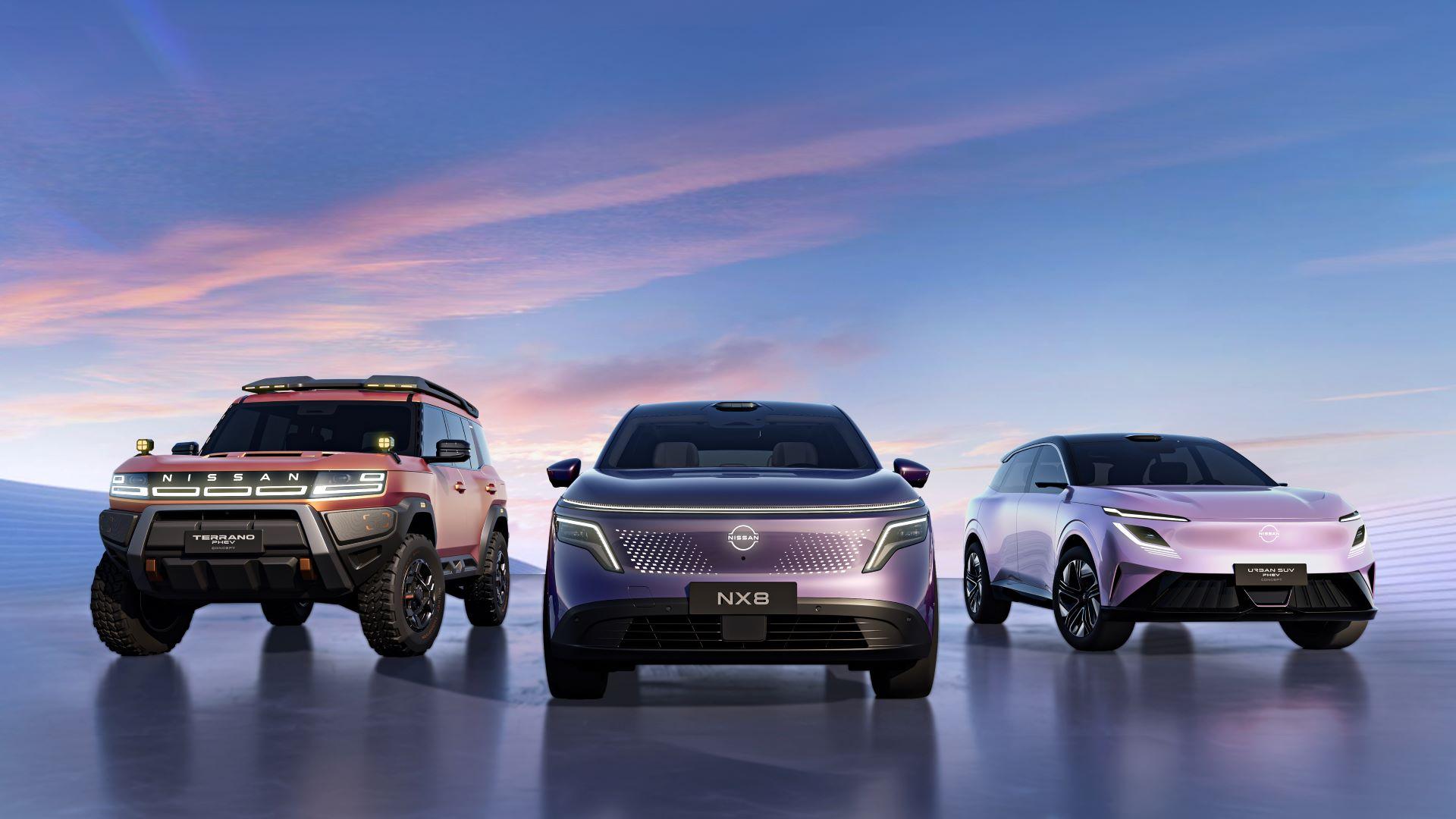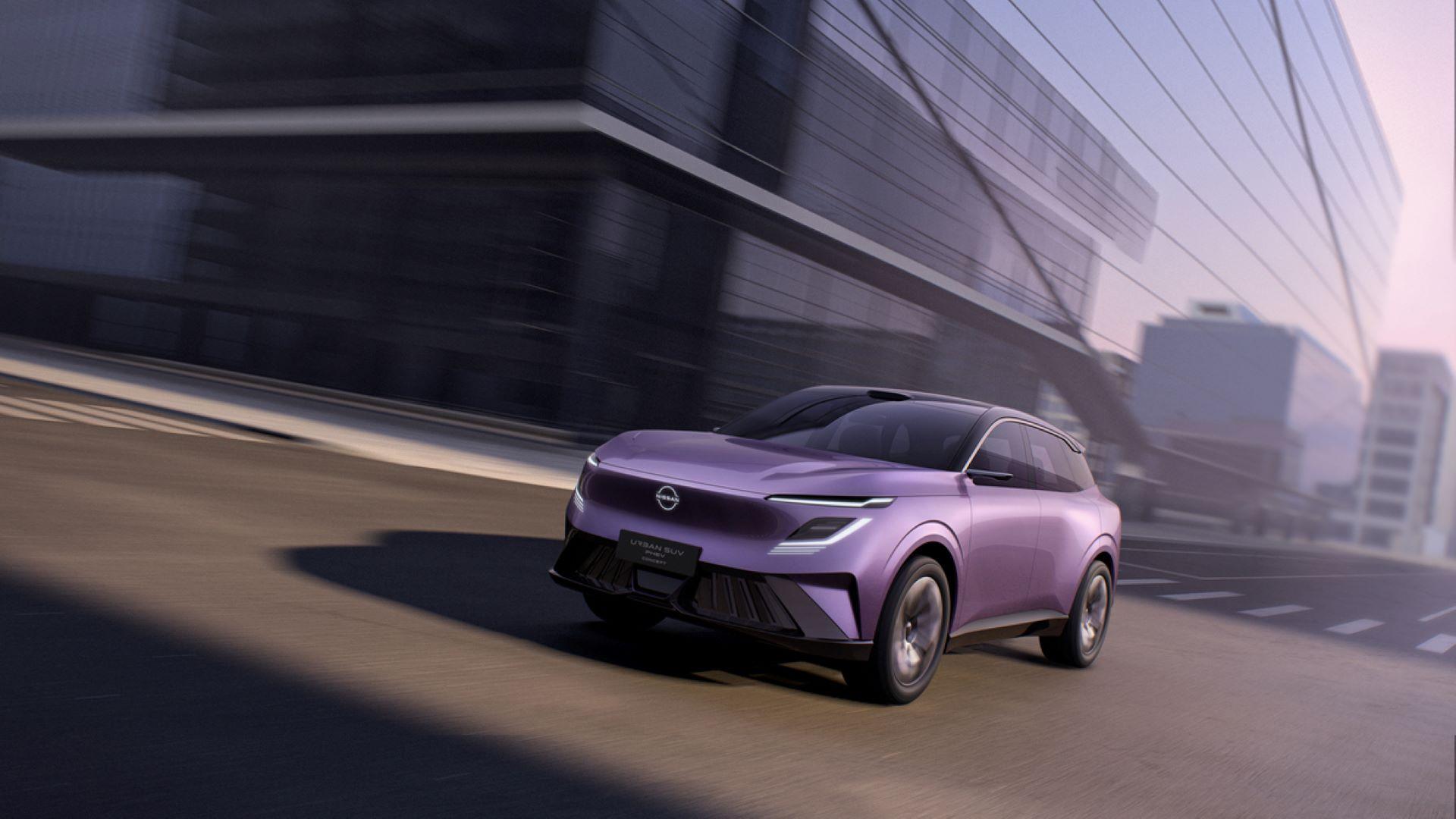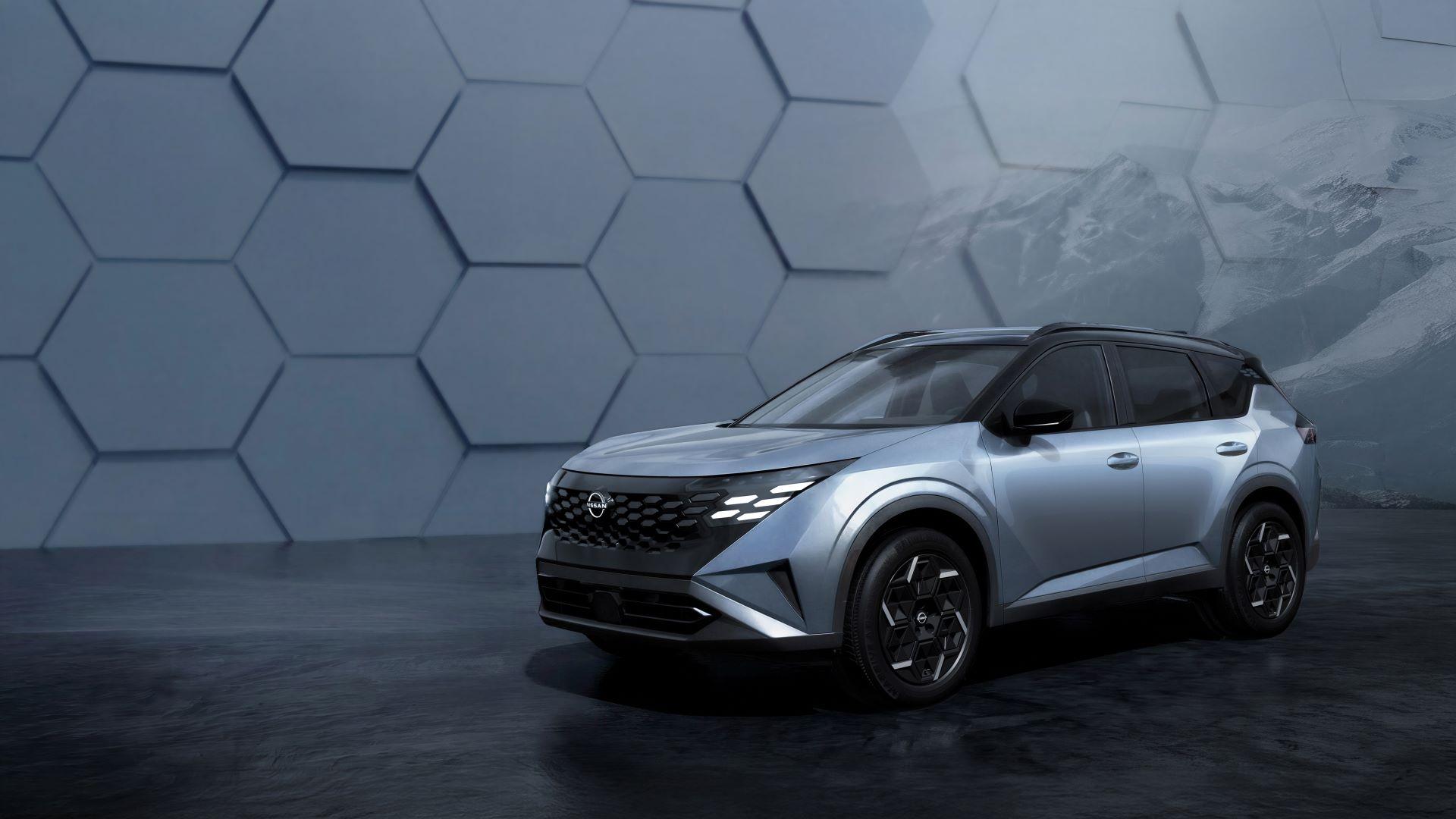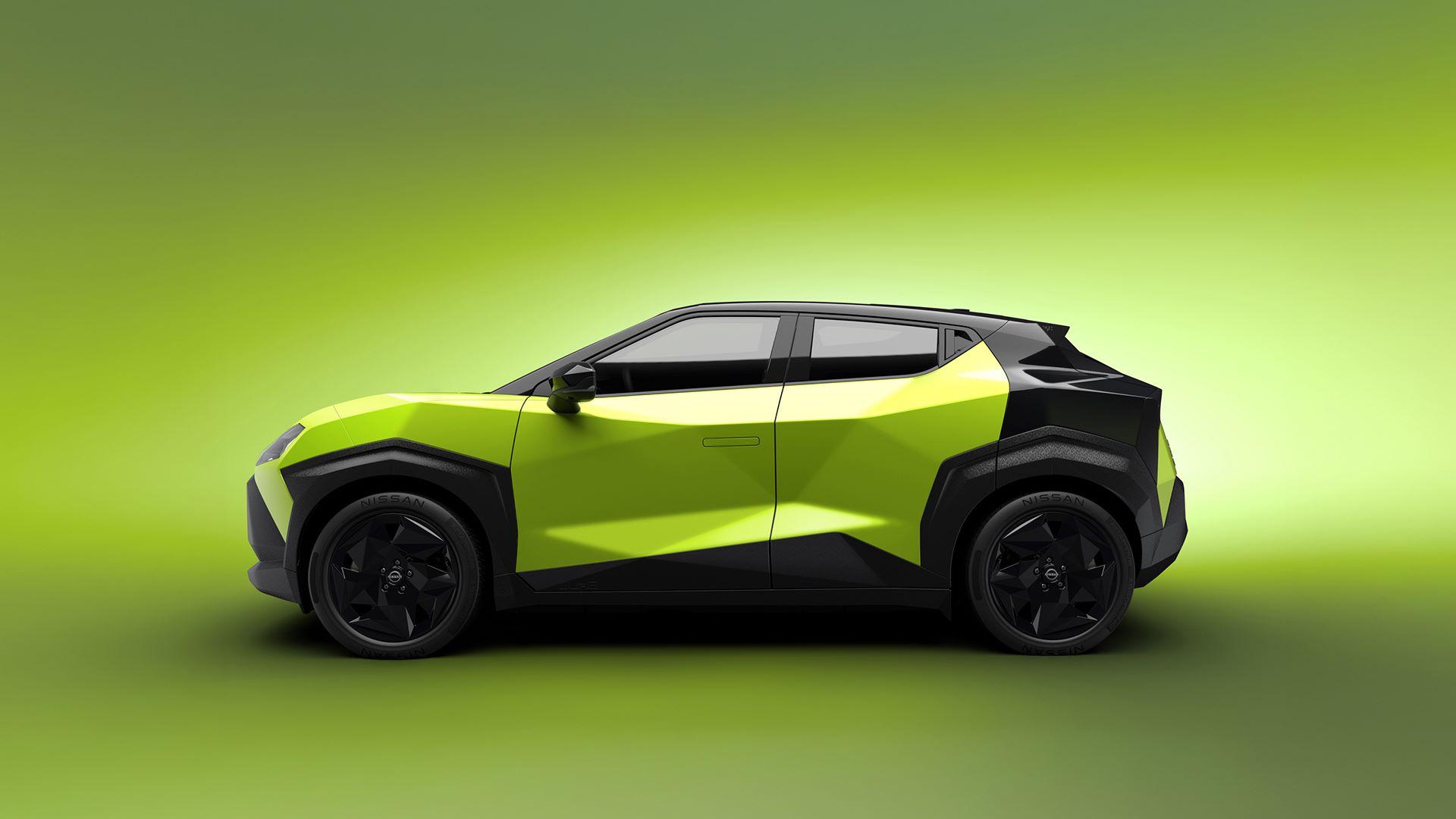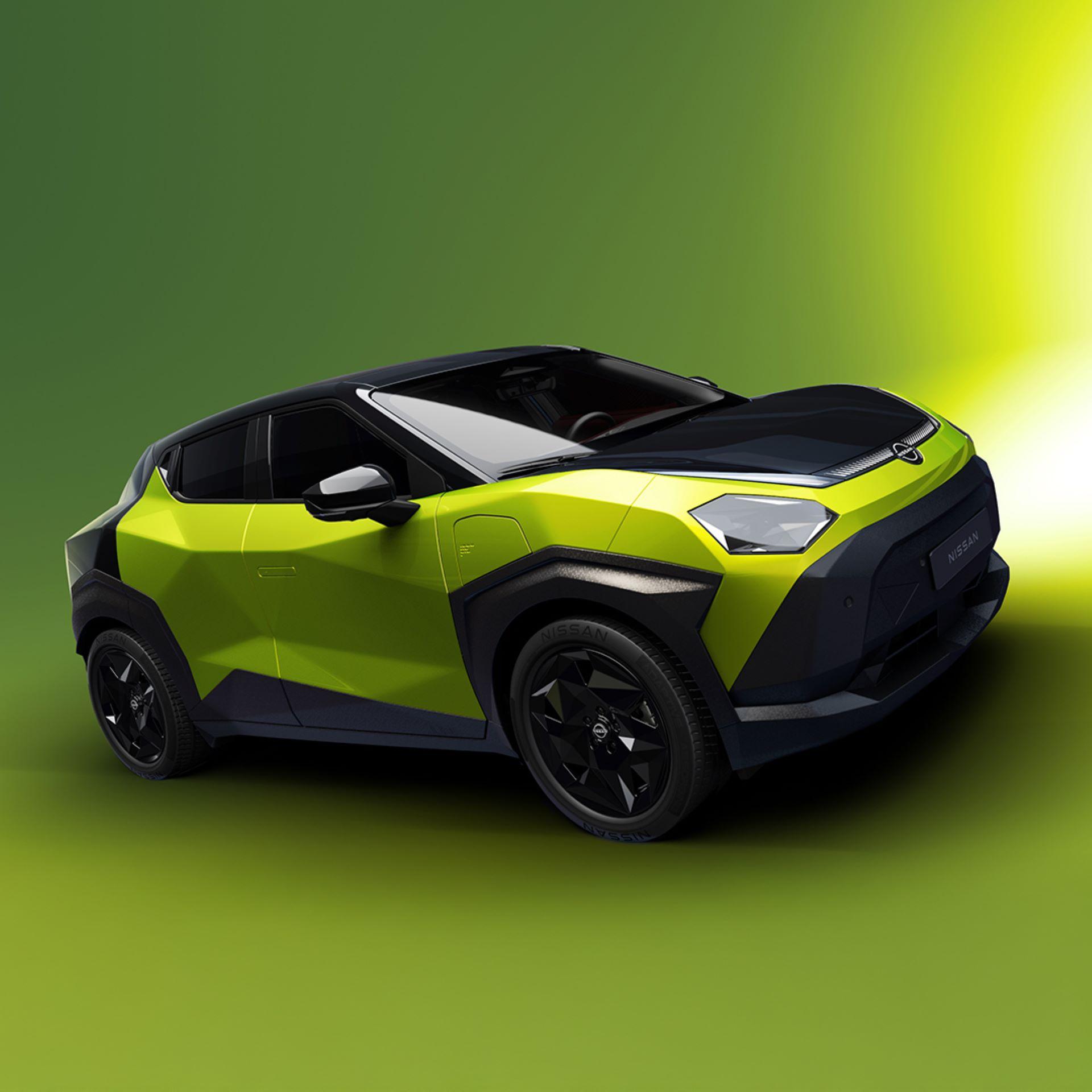



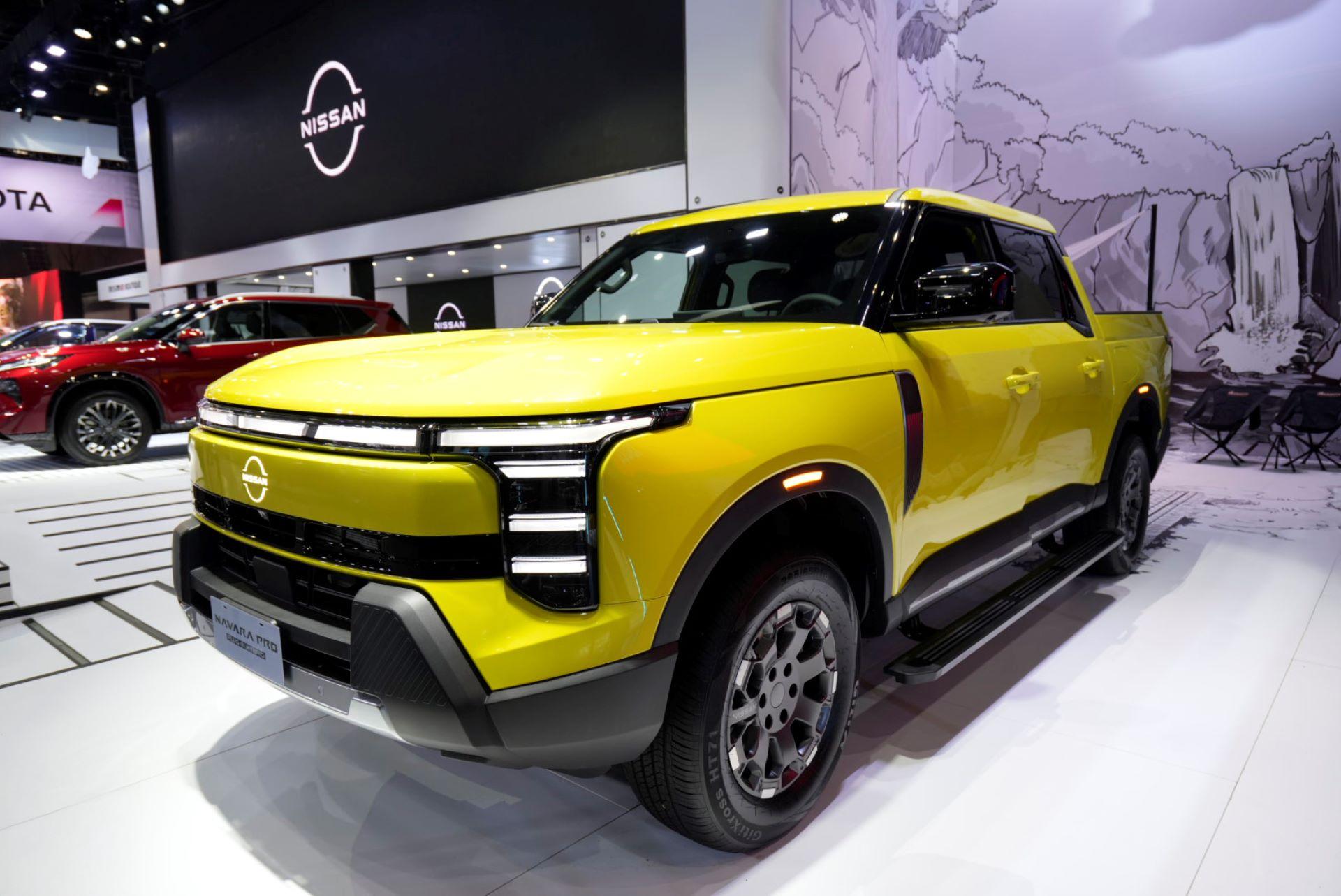
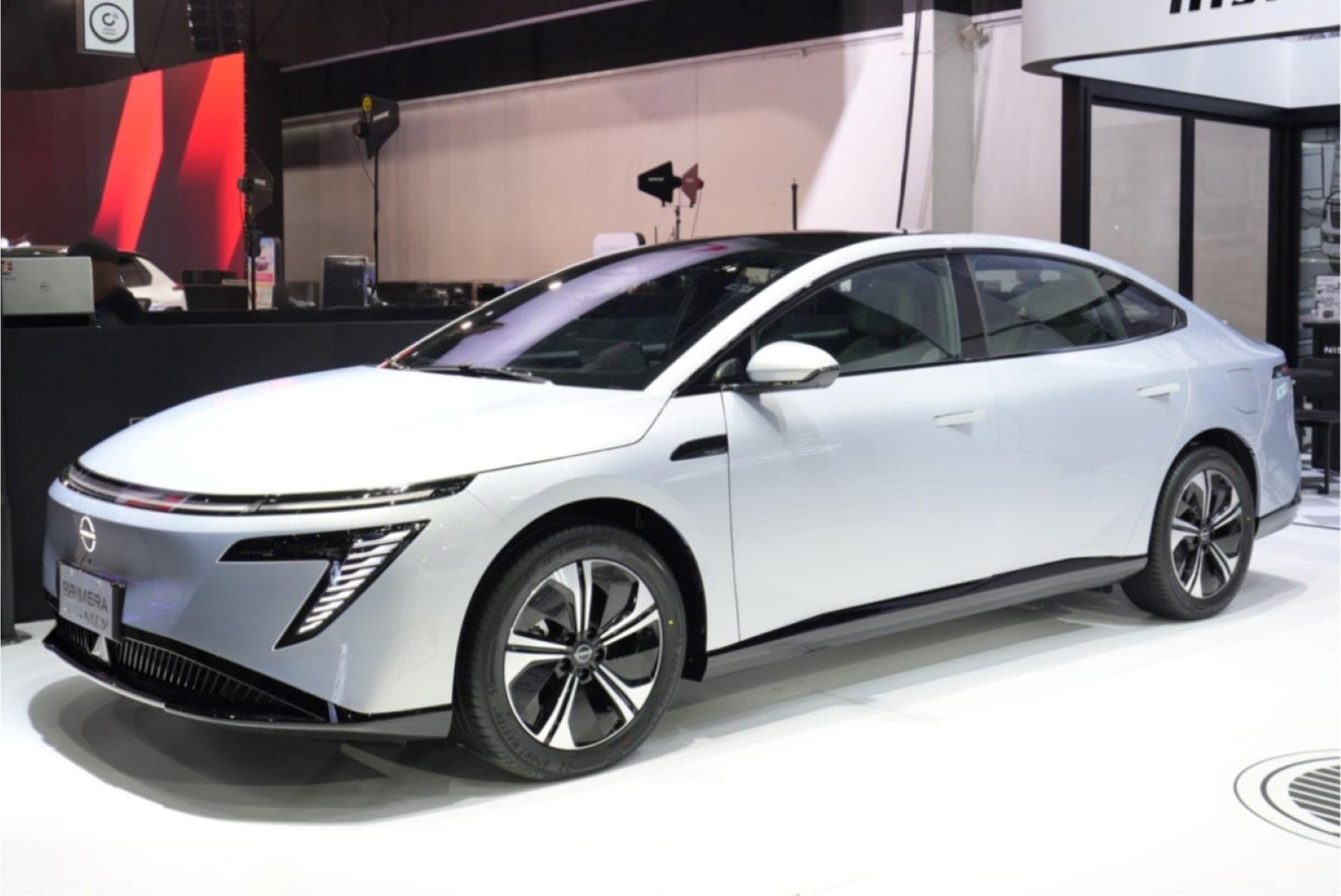
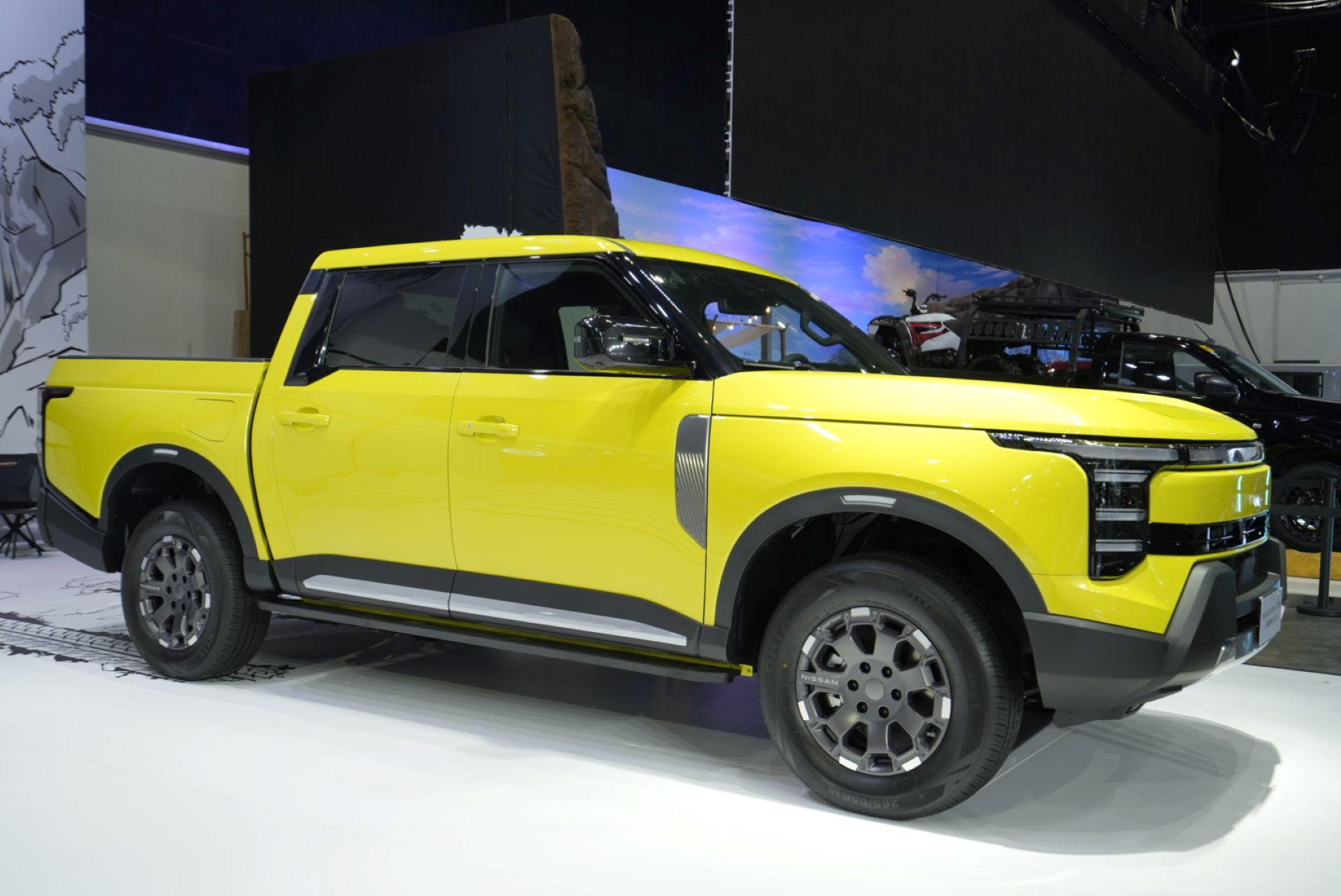
The global automotive map is being quietly redrawn, and this time the ink is electric. At the 10th Philippine International Motor Show, Nissan lifted the curtain on a new chapter in its global strategy, unveiling two all-new models developed in and exported from China: the Navara Pro Plug-in Hybrid pickup and the Primera EV sedan. The debut signals the formal launch of Nissan’s “From China” export approach, positioning the country not just as a production base, but as a creative and technological nerve centre for future global products.
This strategic shift reflects a broader transformation in how Nissan is structuring its global competitiveness. As the company leans deeper into electrification and software-defined mobility, China is emerging as both a proving ground and an export engine, shaping vehicles designed to meet diverse market expectations beyond its borders.
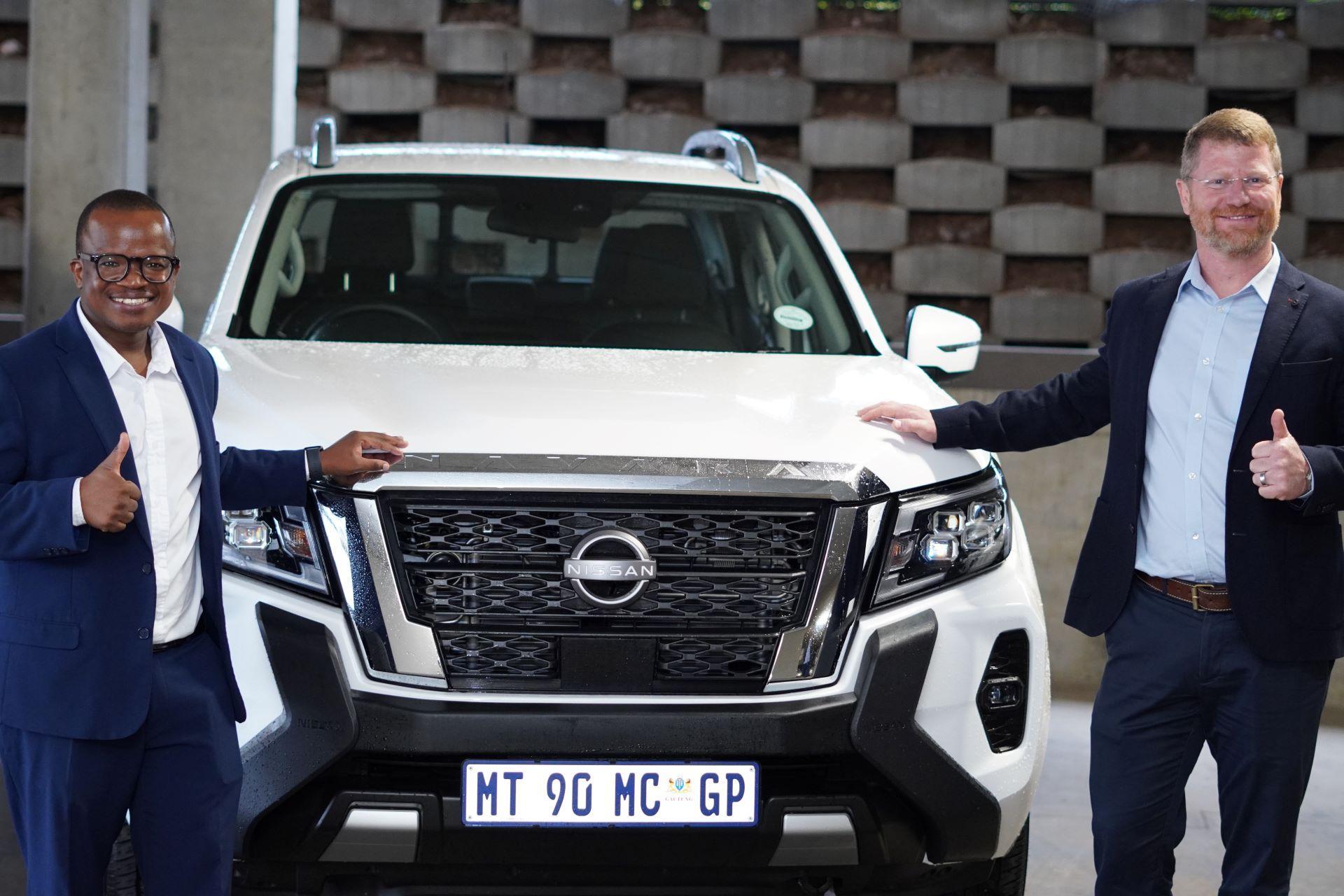
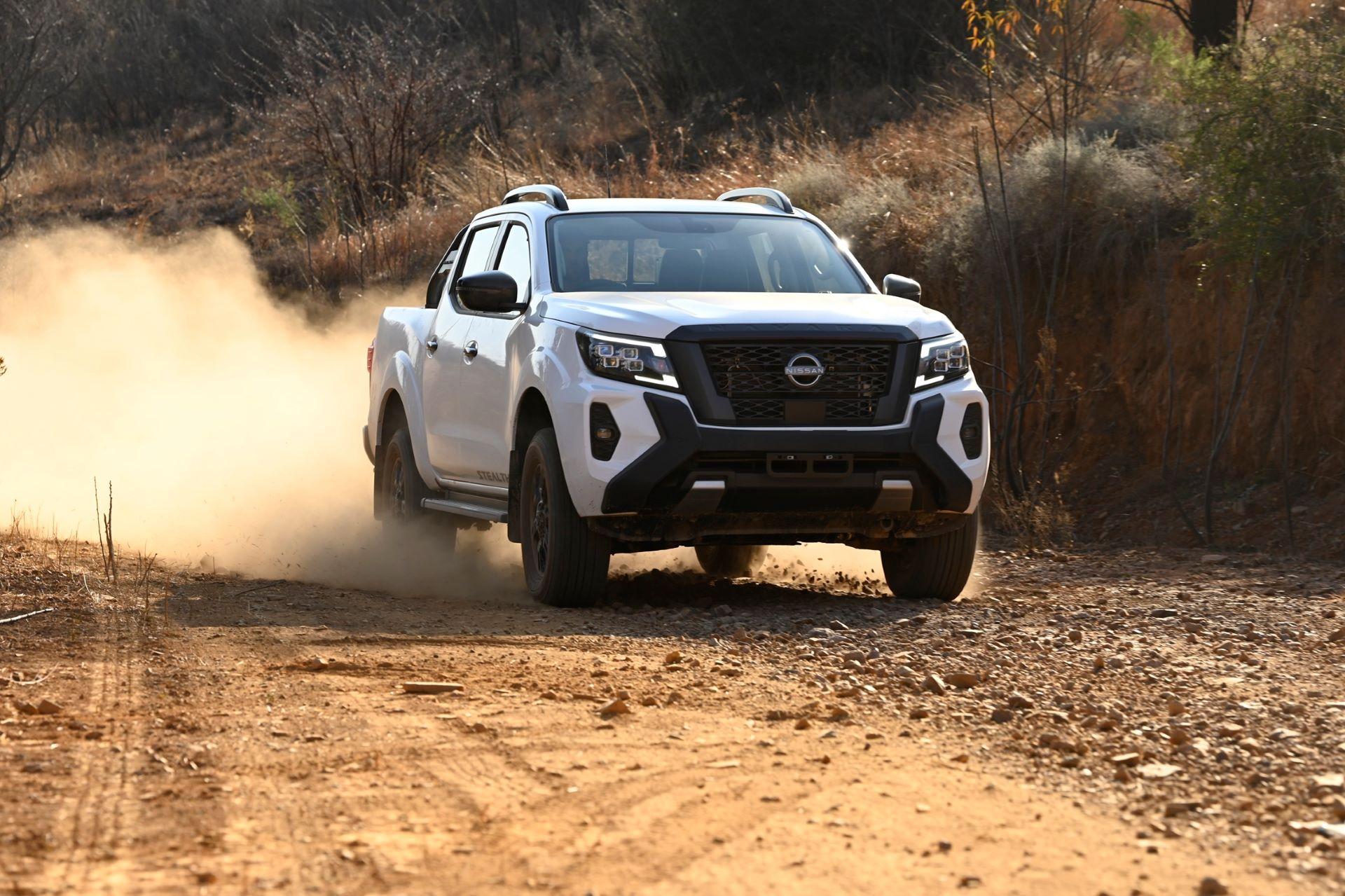
The all-new Navara Pro Plug-in Hybrid arrives with the familiar toughness expected of the Navara nameplate, yet it carries an evolved identity shaped by electrification. Built to straddle the line between rugged utility and modern lifestyle versatility, it combines Nissan’s long-standing 4x4 heritage with plug-in hybrid technology. The result is a pickup that speaks equally to demanding work environments and contemporary urban mobility needs, reflecting a growing global appetite for capable yet efficient utility vehicles.
Alongside it, the Primera EV sedan signals a different kind of ambition. Clean, streamlined, and quietly premium in its execution, it leans heavily into refinement and digital sophistication. Its design language prioritises aerodynamic simplicity, while the interior focuses on elevated comfort and intelligent connectivity. It is a clear statement of intent: Nissan is not only electrifying its lineup, but also reimagining how its vehicles feel from the inside out.
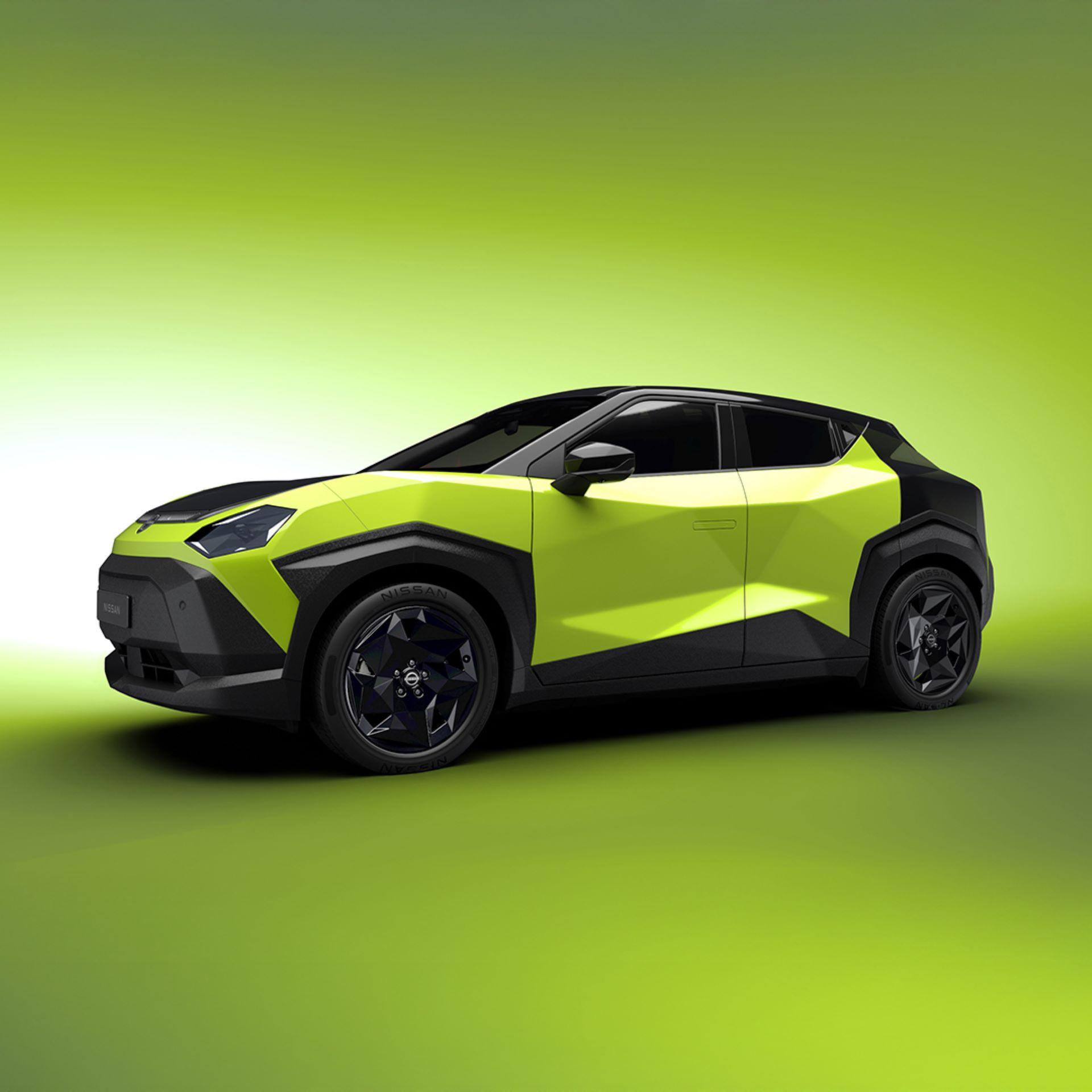
Both models are part of a broader product offensive previewed at the Philippine show, where Nissan also showcased the all-new Kicks e-POWER and X-Trail e-POWER. These models utilise Nissan’s signature e-POWER system, a hybrid technology that delivers electric motor-driven performance without the need for external charging, blending efficiency with a smooth, EV-like driving experience tailored for real-world conditions.
According to Guillaume Cartier, Nissan’s chief performance officer, the strategy is about more than geography. He described China as a dual-force market, serving both as a major domestic hub and a critical contributor to global product strength. His comments underscored the significance of this unveiling as the beginning of a wider export rollout, with the Philippines among the first international markets to receive these China-developed models.
This approach highlights a shifting philosophy in the automotive world, where innovation is no longer confined to traditional headquarters but distributed across regions that can move quickly, adapt efficiently, and respond directly to local demand patterns. In this case, China becomes the catalyst for faster development cycles and broader product diversity within Nissan’s global portfolio.
For markets like the Philippines and potentially beyond, the arrival of these models signals more than just new nameplates. It marks the beginning of a more agile, electrified, and regionally responsive product strategy, one that could redefine how Nissan balances global identity with local relevance.
As electrification accelerates and consumer expectations evolve, Nissan’s China-led export push stands as a clear marker of where the company believes the future is headed: toward smarter platforms, flexible powertrains, and a global network of innovation that moves faster than ever before.