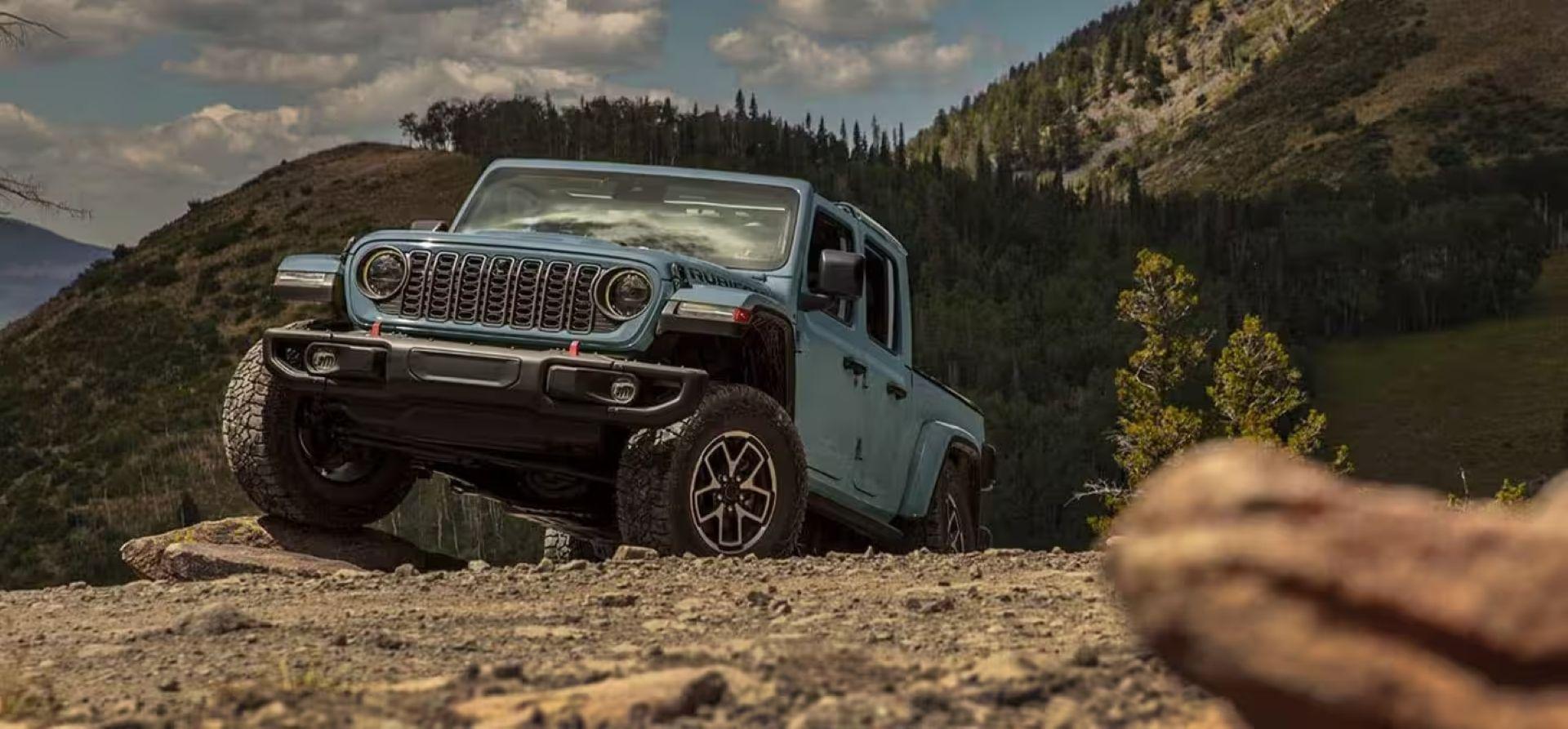
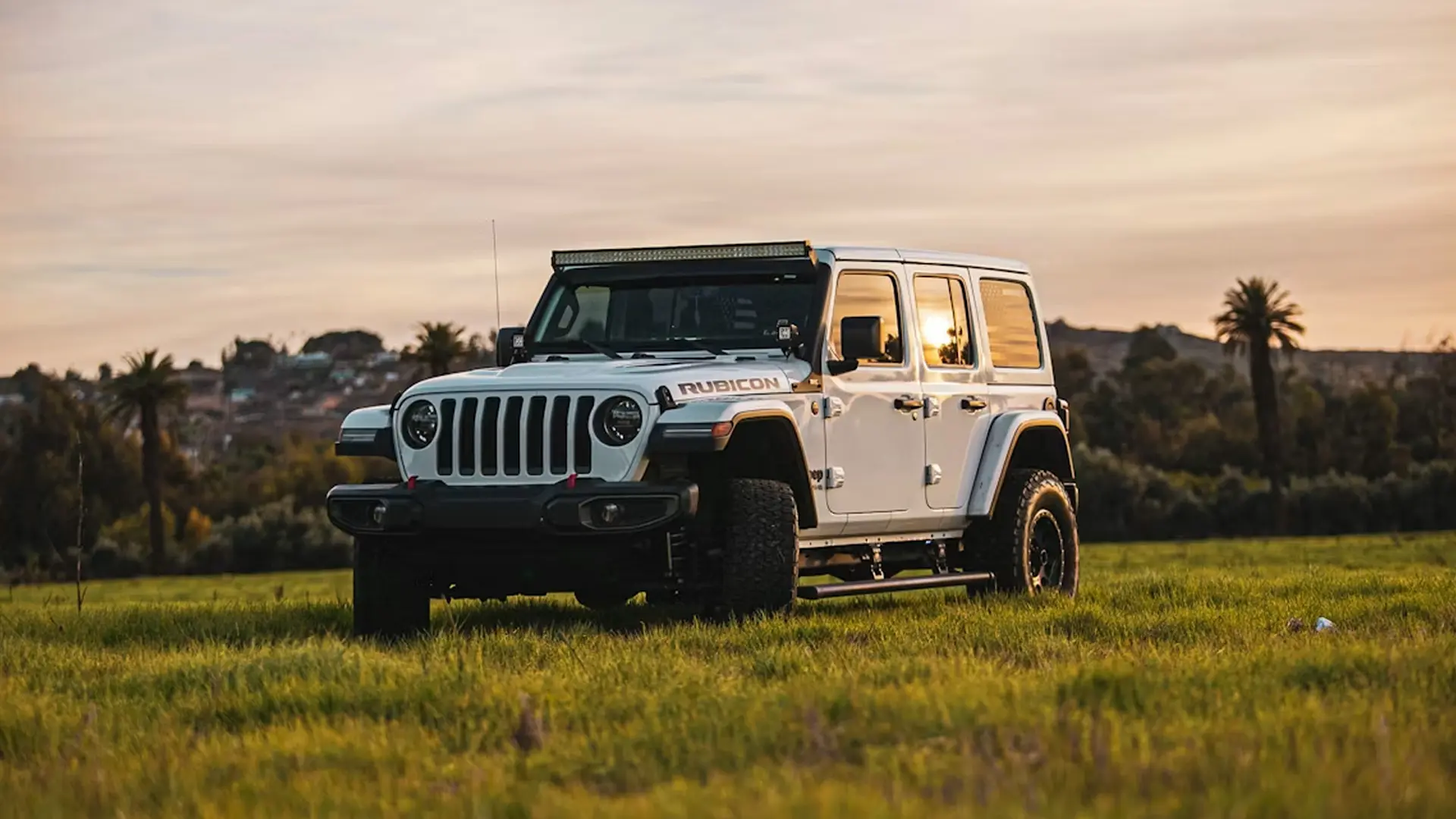
The new Jeep Wrangler remains one of the easiest SUVs to identify on South African roads, but familiarity should not hide what makes it unusual in today’s market. Most modern SUVs have moved towards softer styling, more road-focused behaviour, and broader everyday appeal. The Wrangler has not followed that path completely. It still leans heavily into off-road identity, open-air character, and a more traditional 4x4 feel.
That matters because buyers looking at the new Jeep Wrangler in South Africa are usually not shopping for just another premium family SUV. They are often looking for something more specific: genuine trail ability, a stronger sense of character, and a vehicle that feels distinct in a market full of polished but increasingly similar alternatives.
Based on the official Jeep South Africa model page, the petrol Wrangler is listed from R1,269,900. At that level, buyers need more than badge appeal. They need to understand what the Wrangler offers, where it still makes sense, and where it may ask for compromise.
Jeep Wrangler price in South Africa: where it sits in the market
With official pricing shown from R1,269,900, the Wrangler is positioned as a high-ticket lifestyle 4x4 rather than an accessible mainstream SUV. That immediately changes the buying conversation.
At this price, South African buyers are likely to compare it with:
- other premium off-road-capable SUVs
- upper-end double-cab bakkies with 4x4 capability
- adventure-oriented lifestyle vehicles
- some luxury SUVs that prioritise comfort over ruggedness
The Wrangler’s case is not built on conventional value alone. Buyers are paying for a very specific type of vehicle with a very specific identity. If your priority is maximum cabin polish, best-in-class practicality, or the most comfortable school-run SUV at this price, the Wrangler may not be the default answer. If your priority is character and real off-road credibility, the conversation changes.
What the new Jeep Wrangler is really offering
The Wrangler still sells a different idea of SUV ownership from most rivals. Its appeal comes from a mix of heritage, recognisable design, and capability-led engineering.
From the official model positioning, the focus remains clear:
- petrol power
- strong 4x4 identity
- off-road capability
- Wrangler-specific styling and removable-roof/open-air appeal
- a lifestyle angle built around adventure rather than pure urban luxury
For some buyers, that will be exactly the point. The Wrangler is not trying to disappear into the background.
Design: why the Wrangler still looks like a Wrangler
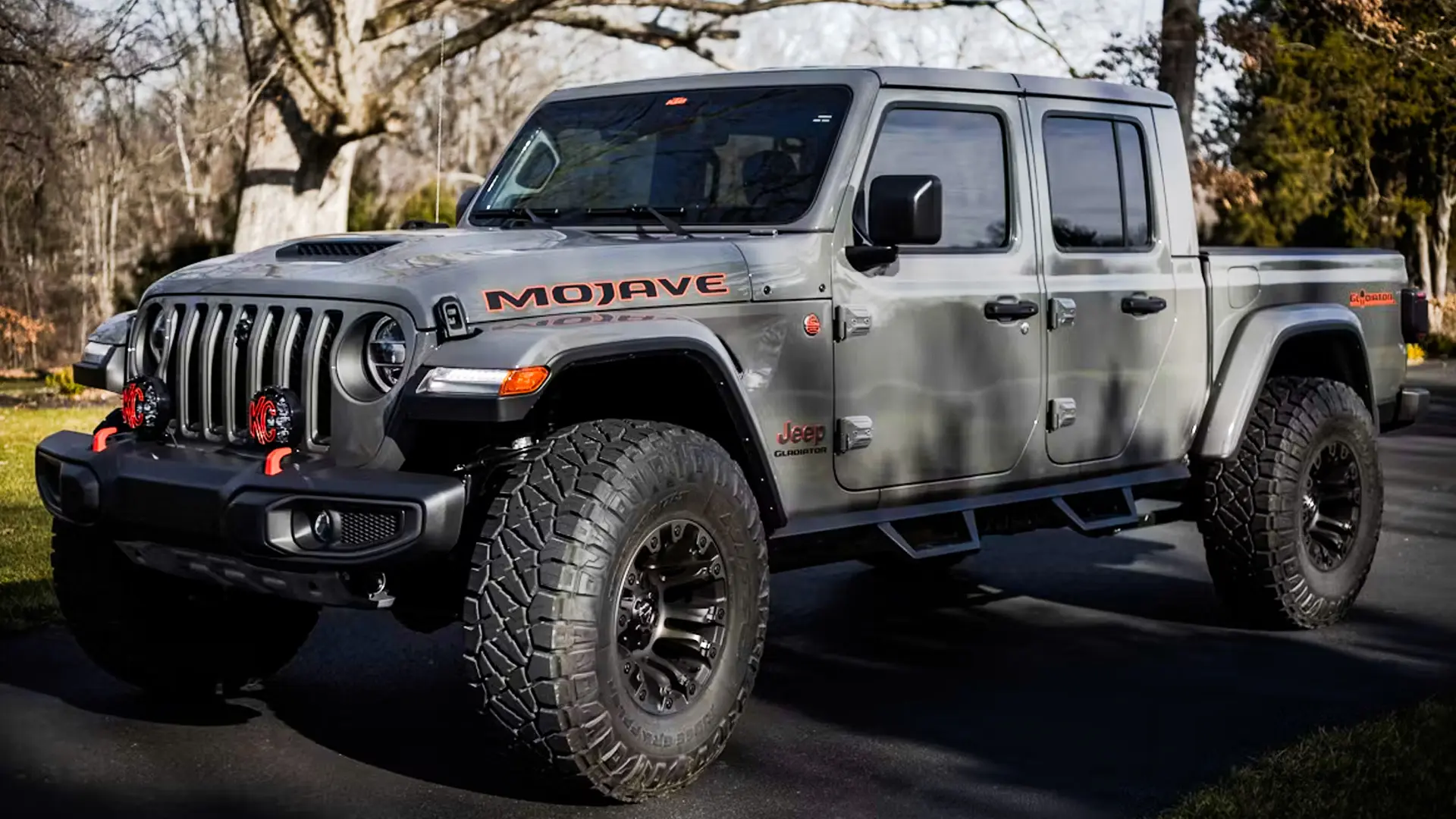
One reason the Wrangler still stands out is that Jeep has not diluted the shape into something generic. The upright body, exposed sense of toughness, and instantly recognisable front-end design all matter because they reinforce what the vehicle is supposed to be.
In an era where many SUVs look smoother and less distinct, the Wrangler still communicates purpose. That has practical and emotional value. Buyers who want something that feels tied to a genuine off-road lineage will see that as a strength. Buyers who prefer subtler, more road-biased design may see it as too specialised.
That is an important distinction. The Wrangler’s design does not try to please everybody, and that is part of its appeal.
Jeep Wrangler features: what matters most
The official South African page places emphasis on the Wrangler’s capability, 4x4 systems, and broader Jeep lifestyle positioning. For buyers, the key question is not simply what features are included, but what those features mean in use.
The Wrangler’s most relevant feature themes are likely to include:
- dedicated off-road hardware and 4x4 engineering
- high ground-clearance, trail-focused packaging and capability cues
- removable or open-air elements that make the ownership experience more distinctive
- a cabin and driving environment shaped around rugged SUV use rather than only urban comfort
- brand-linked capability credentials such as Jeep’s Trail Rated messaging
In practical terms, that means the Wrangler should be judged less like a conventional premium SUV and more like a specialist off-road lifestyle vehicle. That is the frame buyers need if they want to assess it fairly.
Why the Wrangler still stands out in South Africa
It still offers a more authentic 4x4 identity
South African buyers who spend time on gravel, travel to more remote destinations, or simply want a vehicle that feels engineered for rougher work often value authenticity. The Wrangler still projects that in a way many crossovers do not.
Even for people who may never use its full capability, there is reassurance in knowing the vehicle was built with proper off-road use in mind.
It has more character than many similarly priced SUVs
Character is difficult to measure, but it matters in this part of the market. Buyers spending more than R1.2 million are not always looking for the most rational answer on paper. They may want something more memorable and more distinctive than the average premium SUV.
The Wrangler offers that. It has a stronger sense of identity than many rivals, and that remains a genuine selling point.
It suits buyers who want the experience, not just the transport
The Wrangler has always been more than a simple A-to-B vehicle. Open-air flexibility, visible toughness, and stronger adventure positioning make it appealing to buyers who want the ownership experience to feel different from normal SUV ownership.
For the right buyer, that can be worth paying for.
Where buyers should be realistic
Standing out is not the same as being universally sensible. The Wrangler also asks buyers to accept certain trade-offs.
At this price, South African buyers should think carefully about:
- day-to-day comfort versus softer premium SUV rivals
- urban usability and manoeuvrability
- running costs and fuel considerations for petrol ownership
- whether they will actually use the off-road capability they are paying for
- aftersales convenience and dealership access relative to more mainstream brands
These are not reasons to dismiss the Wrangler. They are reasons to buy it for the right reasons.
Who should buy the new Jeep Wrangler?
The Wrangler makes the most sense for buyers who want:
- a lifestyle SUV with genuine off-road credibility
- a more distinctive alternative to mainstream premium SUVs
- a vehicle for adventure travel, outdoor use, and weekends away
- a model with strong visual identity and enthusiast appeal
- something that feels more purpose-built than a soft-roader
In South African terms, it suits a buyer who is likely to value capability, image, and uniqueness more than pure comfort-per-rand.
Who may be better served by something else?
Some buyers should pause before assuming the Wrangler is the right fit.
It may be a less convincing choice if your priorities are:
- mostly urban commuting
- rear-seat comfort and family practicality above all else
- fuel-cost sensitivity
- a quieter, more polished road-biased luxury SUV feel
- broad value and convenience over specialist appeal
At more than R1.2 million, those questions matter. The Wrangler can justify itself, but only if its strengths match your actual use.
Practical buying considerations for South African buyers
Before committing, buyers should look beyond the headline appeal and think through everyday ownership.
A sensible shortlist process should include:
Test the on-road experience properly
A Wrangler’s appeal can be strong on first impression, but buyers should still test how it feels in normal South African driving conditions. Urban traffic, highway cruising, and mixed-surface travel all matter.
Compare it with road-focused SUVs and rugged alternatives
It is worth comparing the Wrangler with both premium SUVs and adventure-oriented 4x4 alternatives. That will quickly show whether you want a true lifestyle off-roader or something easier to live with every day.
Think about how often you will use its capability
If off-road ability is central to your plans, the Wrangler becomes easier to justify. If it is mostly a styling and image decision, the value equation becomes more complicated.
Consider fuel and long-distance ownership realities
Petrol power, a higher purchase price, and the realities of South African travel distances mean total ownership thinking is important. Buyers should factor in not only monthly instalments, but also running costs over time.
Final take: why the Jeep Wrangler still matters
The new Jeep Wrangler in South Africa still matters because it refuses to become generic. In a market crowded with SUVs that increasingly chase the same formula, it offers a more specialised and more recognisable answer.
That will not make it right for everybody. It is expensive, focused, and likely to suit a narrower audience than many similarly priced alternatives. But that is also why it retains its appeal. Buyers who want real off-road identity, stronger character, and a vehicle that feels tied to a specific purpose will still find something few rivals offer in quite the same way.
If you are considering the new Jeep Wrangler South Africa lineup, the smartest next step is to compare the official pricing and model details carefully, then book a test drive and judge whether its character, capability, and compromises fit the way you actually drive.