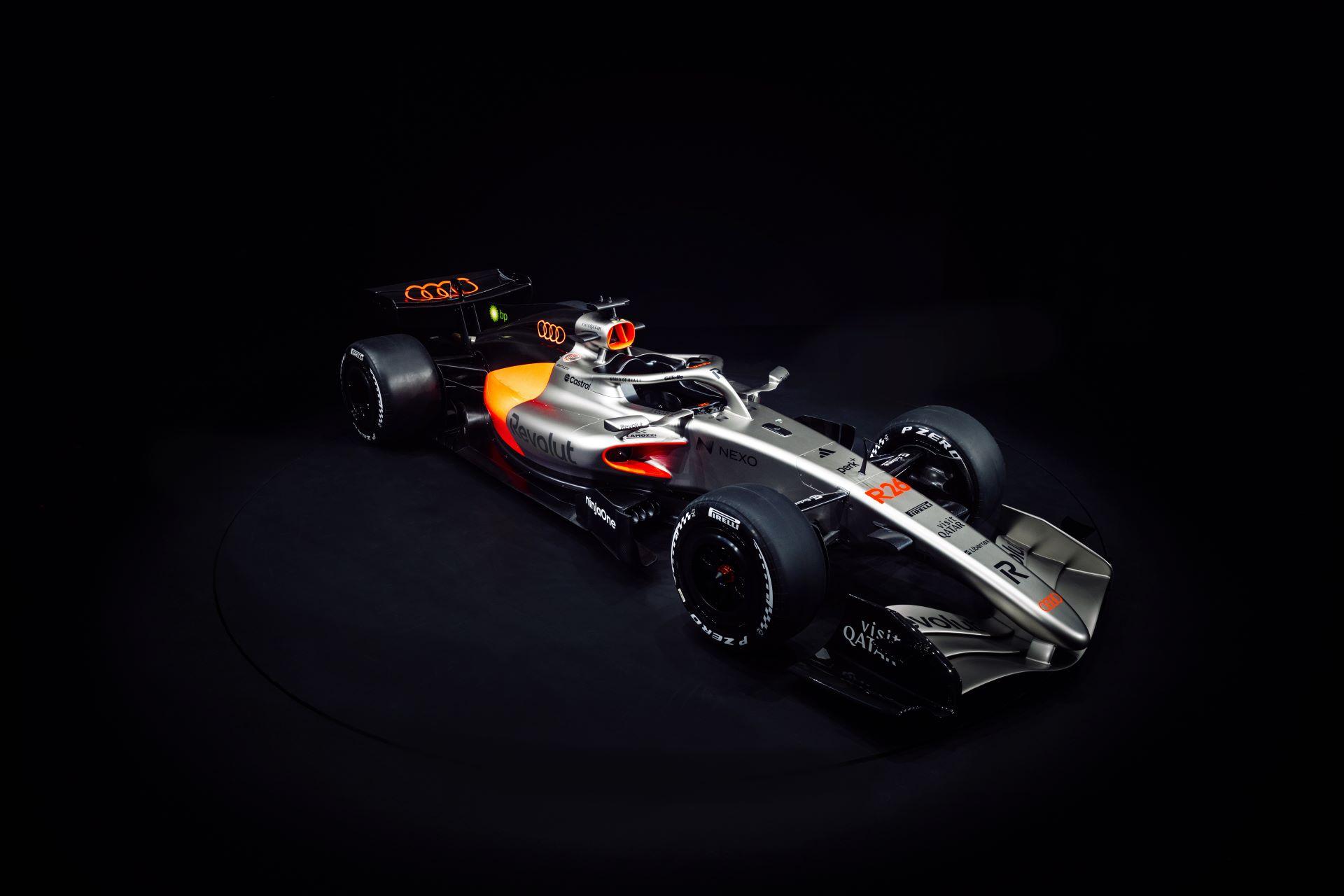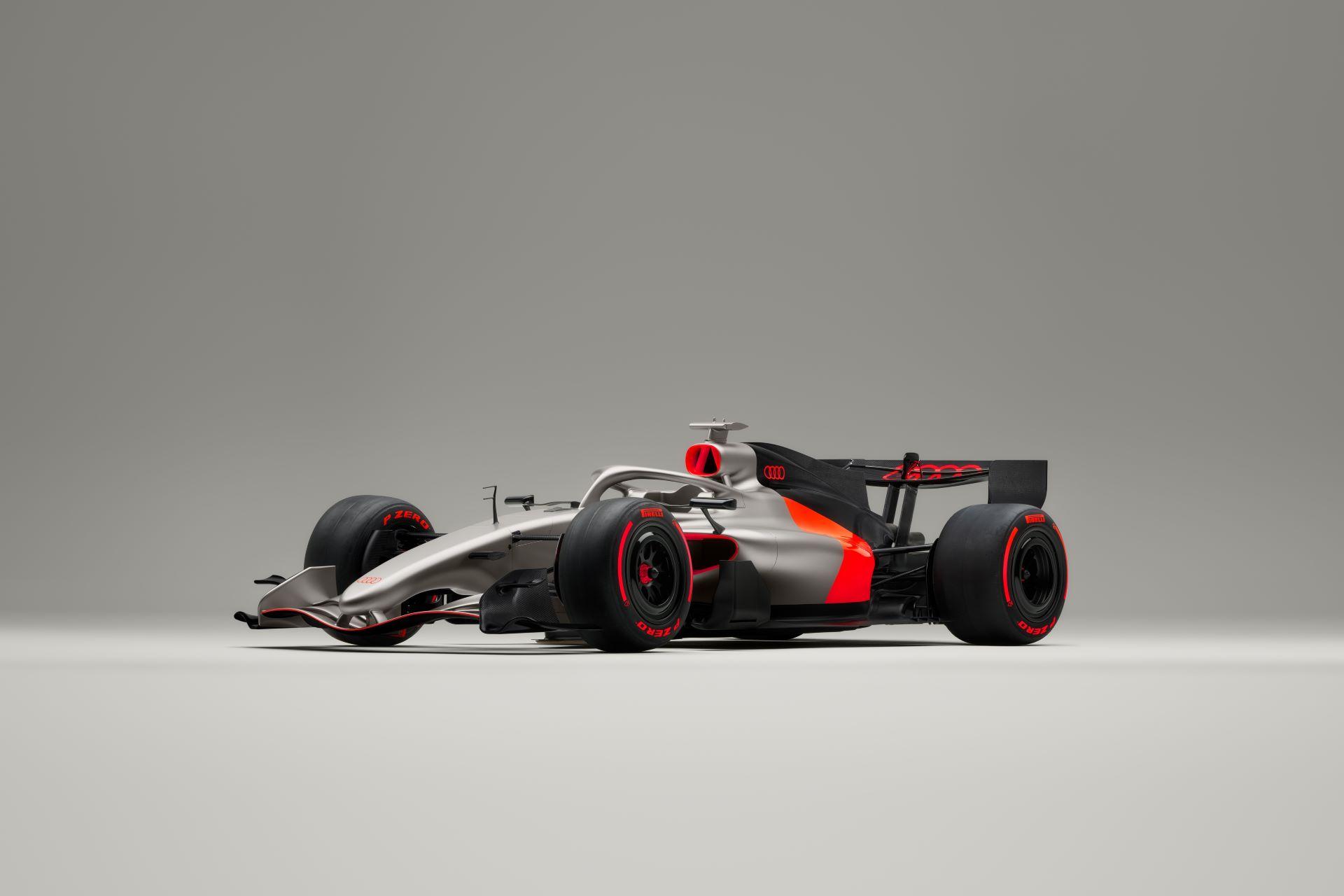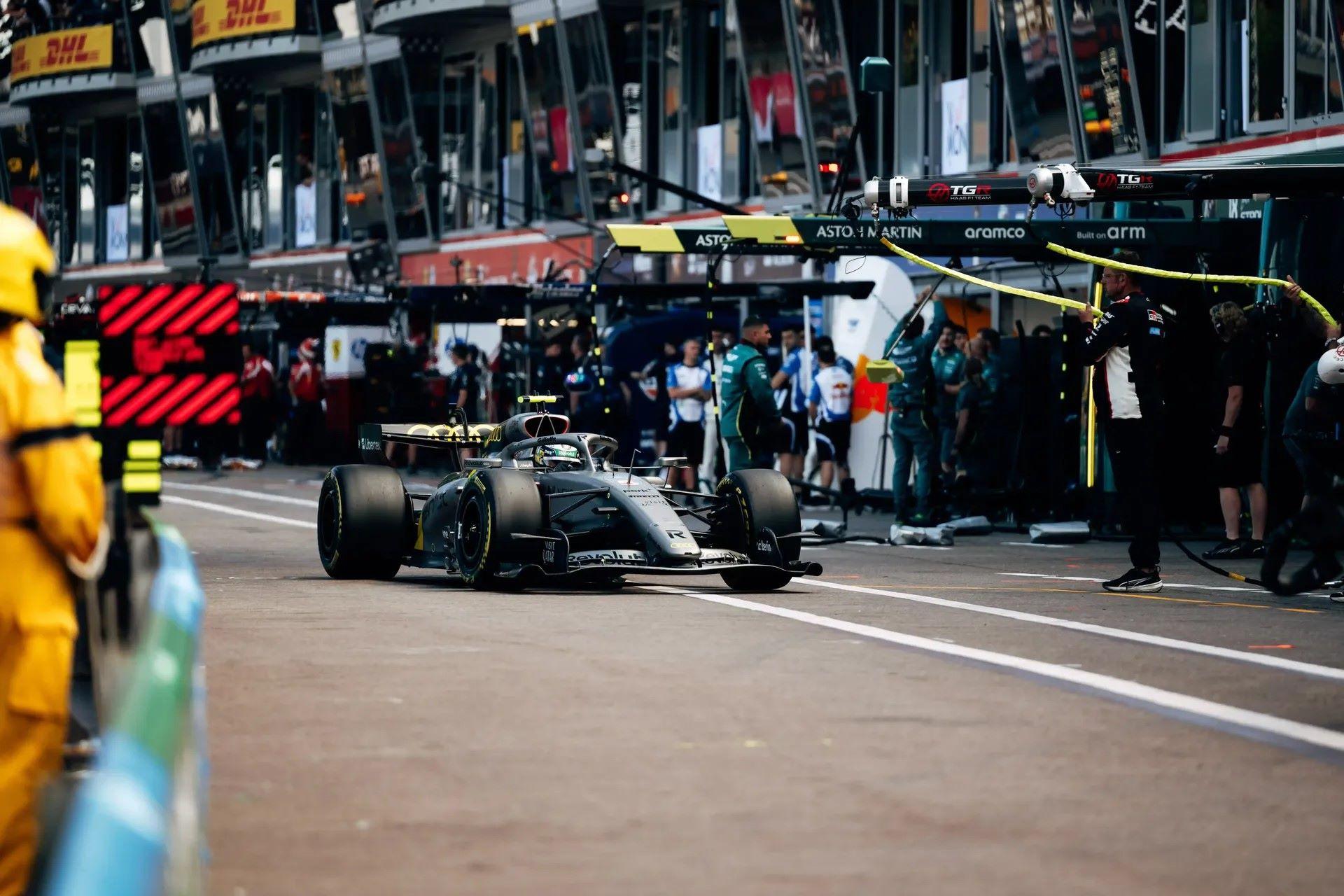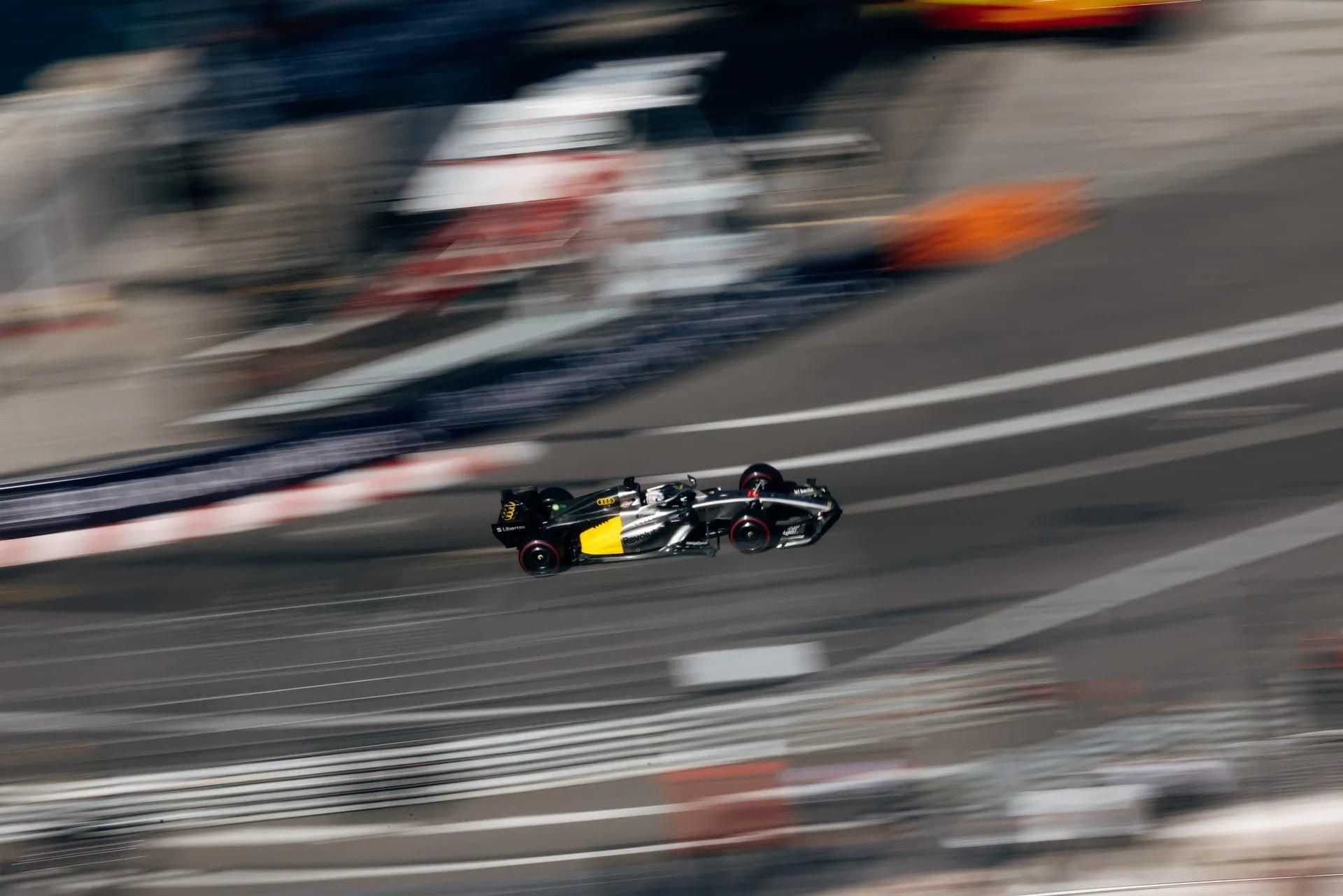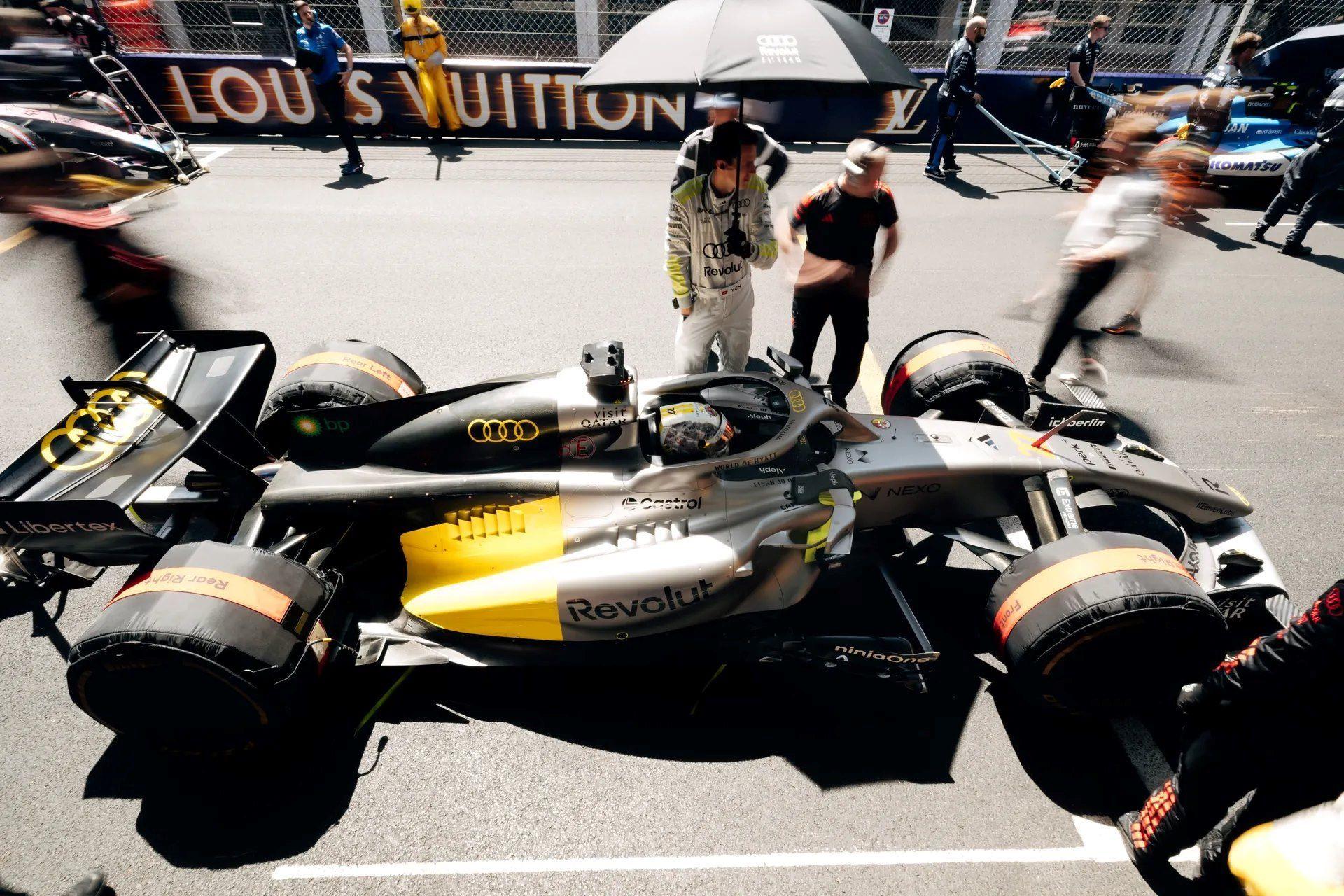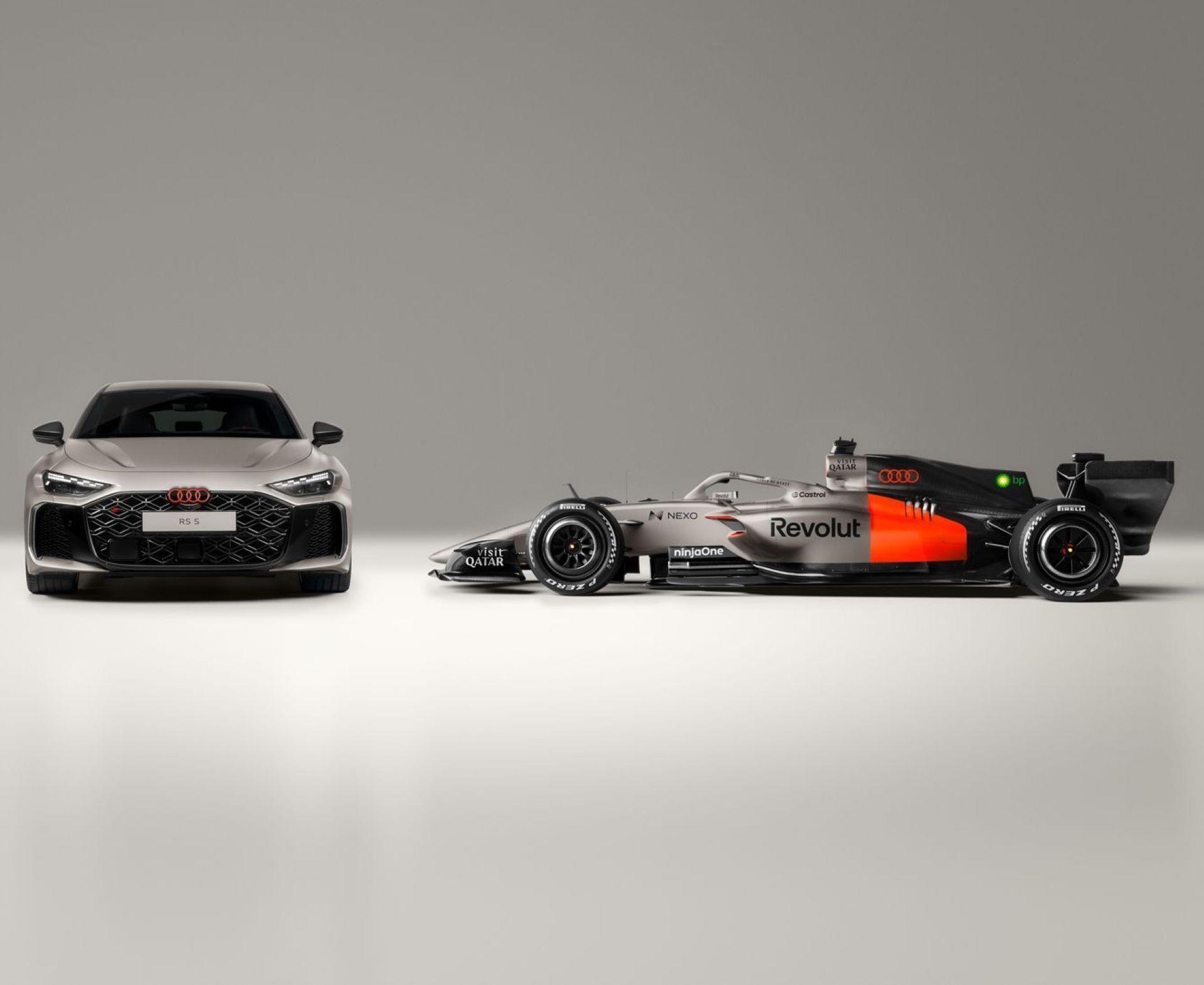
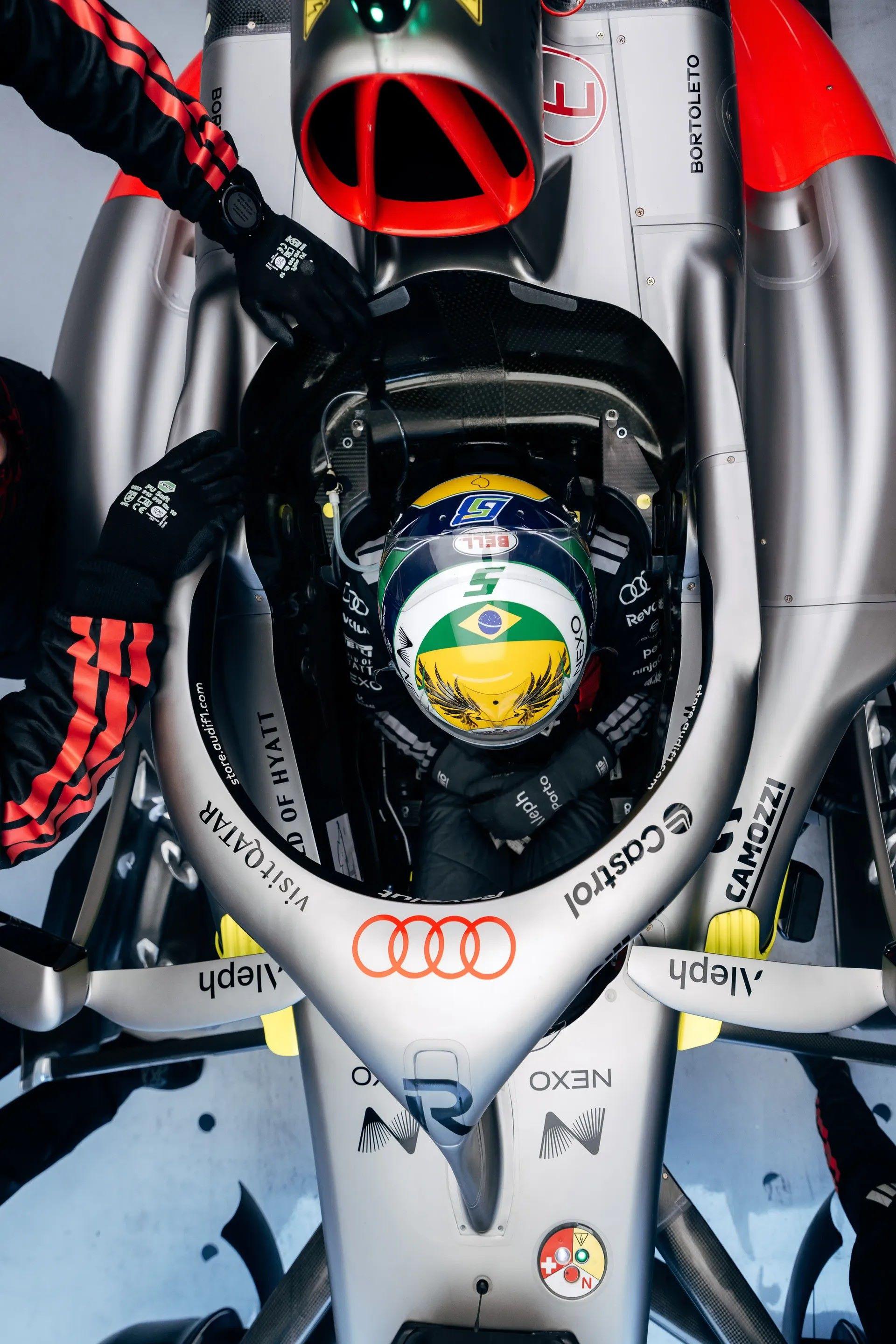
The streets of Montreal offered no easy passage, yet the :contentReference[oaicite:0]{index=0} emerged from the Canadian Grand Prix with something more valuable than headlines or heroics: stability. On a weekend where the weather behaved like a restless conductor, shifting the rhythm of strategy from one lap to the next, the team kept both cars intact, consistent, and collecting the kind of data that quietly reshapes a season.
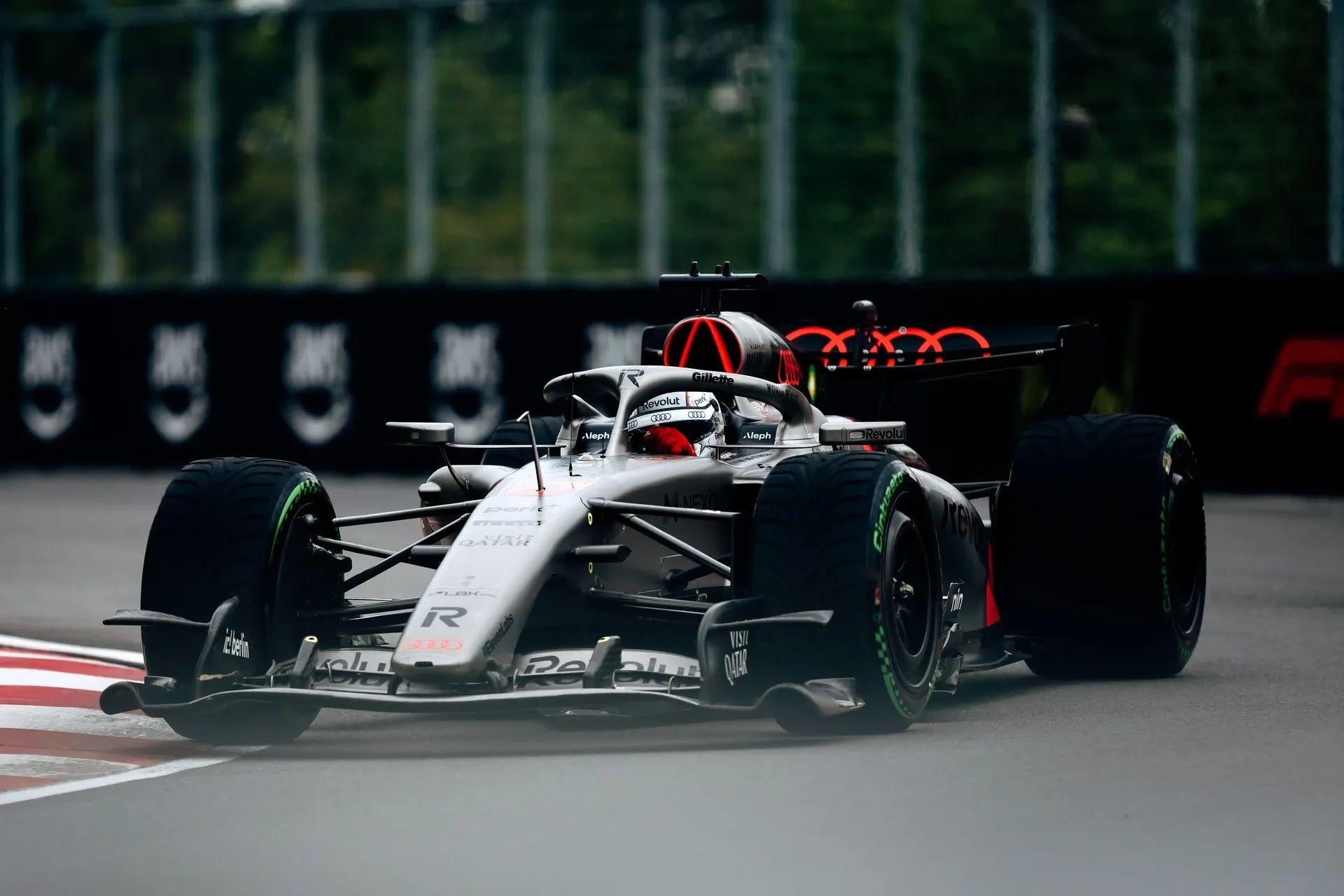
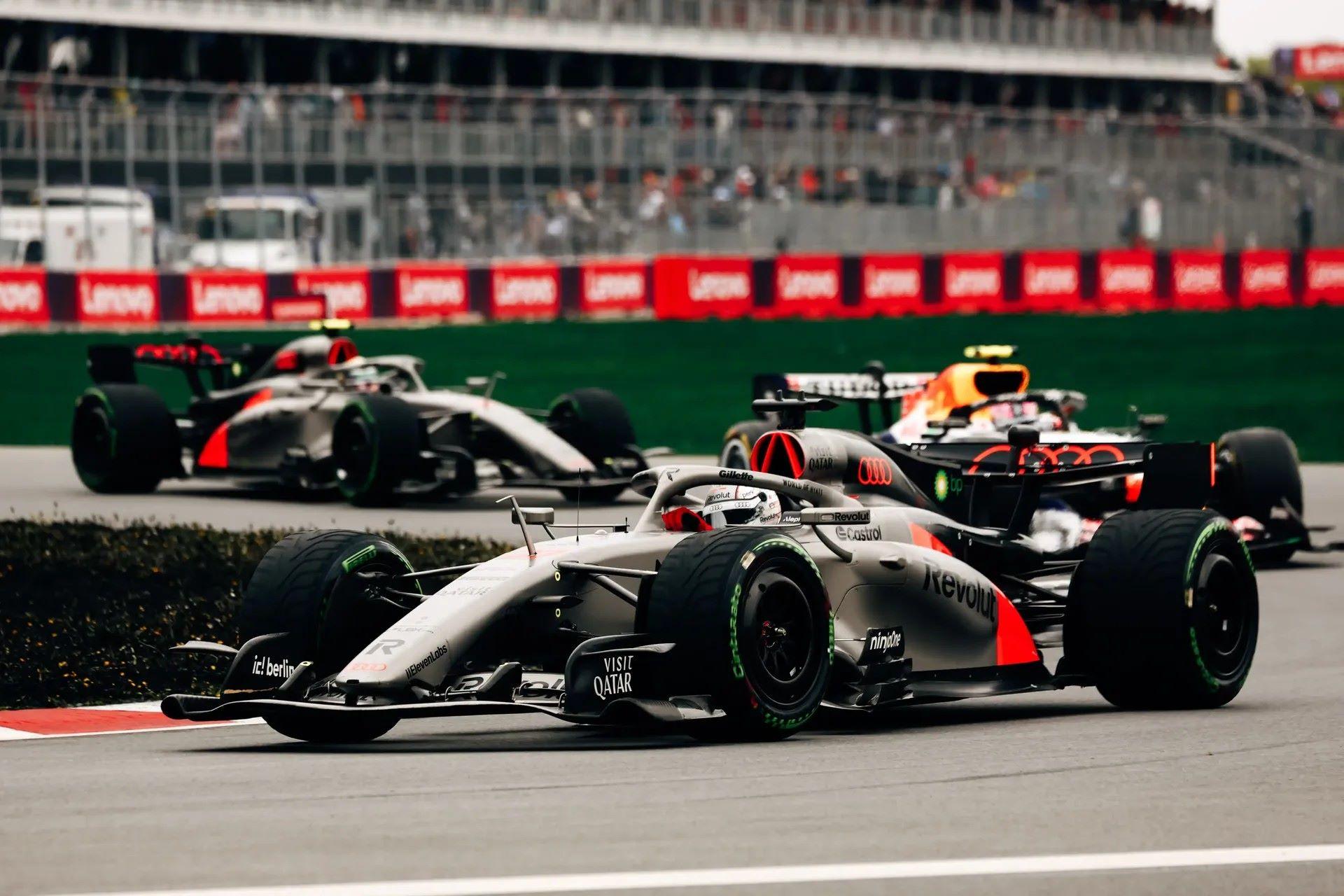
At the iconic :contentReference[oaicite:1]{index=1}, the race began on a knife-edge. Damp asphalt tempted early decisions, and both Nico Hülkenberg and Gabriel Bortoleto committed to intermediate tyres as the grid rolled out under uncertain skies. It was a call made in good faith, grounded in available readings rather than hindsight. But as the clouds loosened their grip sooner than expected, the strategy window snapped shut just as quickly as it had opened.
What followed was less a chase for glory and more a long, measured climb through traffic. Early pit stops reshuffled the order and left both drivers fighting from deep in the field. While neither could quite claw their way into the points, Hülkenberg and Bortoleto brought the cars home in 12th and 13th respectively, a result that, on paper, looks modest but on closer inspection signals a more disciplined and cohesive execution than earlier rounds.
For Hülkenberg, the race became a study in recovery that never fully materialised into reward. For Bortoleto, it was an exercise in composure, managing pace in free air while gathering mileage and insight for the team’s growing development picture. In both cases, the emphasis shifted from position to precision.
Race Director Allan McNish framed it with characteristic clarity, noting that the weather and tyre calls shaped everything that followed. The decision to start on intermediates was defensible in real time, even if the evolving conditions ultimately favoured those who gambled differently. Still, the takeaway was not frustration but refinement: reliability held, sessions were completed cleanly, and the team left Montreal with a stronger sense of operational consistency.
If the Sunday race was about consolidation, the spotlight on Saturday’s support programme brought a sharper burst of energy. :contentReference[oaicite:2]{index=2} delivered one of the standout drives of the weekend in the F1 Academy field. Starting fourth, she carved through the field with controlled aggression, reading the damp conditions with maturity beyond her experience. By the time the chequered flag arrived, she had secured a superb second place, reinforcing her position as second in the championship standings and underlining her growing reputation within the junior programme.
For the Audi Revolut camp, that performance felt like a parallel narrative: controlled execution, opportunistic racing, and reward earned through patience rather than chaos.
As the team now turns its attention to Monaco, the mood is less about what was missed in Montreal and more about what was quietly built. Five rounds into the 2026 season, the pattern is beginning to emerge. The outright results are still catching up, but the operational backbone is strengthening. In Formula 1, that often marks the point where incremental gains begin to snowball.
Montreal did not deliver fireworks for the race result sheet, but it did something arguably more important. It gave the team a clean canvas of data, a double finish, and a reminder that consistency is sometimes the fastest route to progress.