


The Sky Opens Again After Nearly a Century
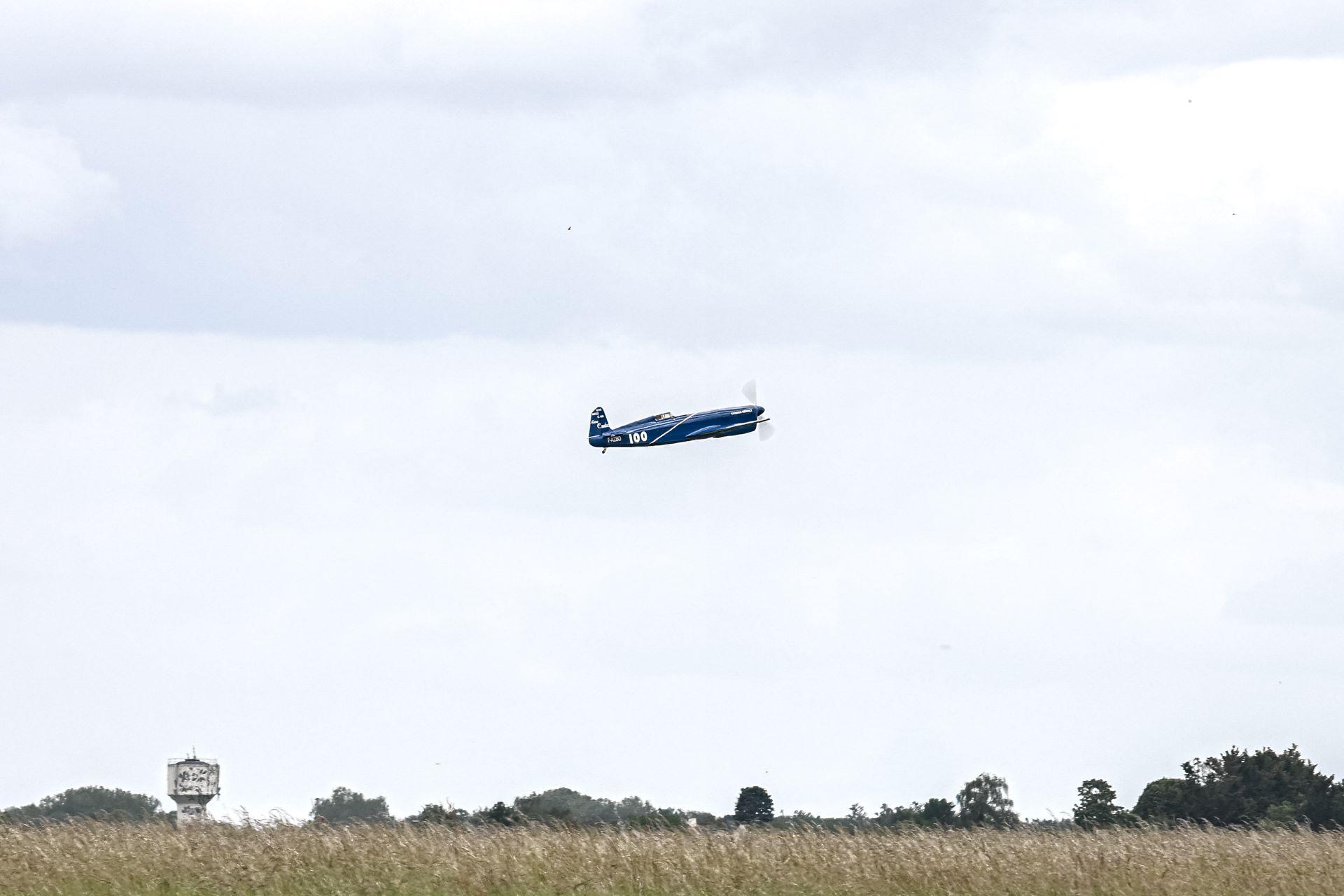
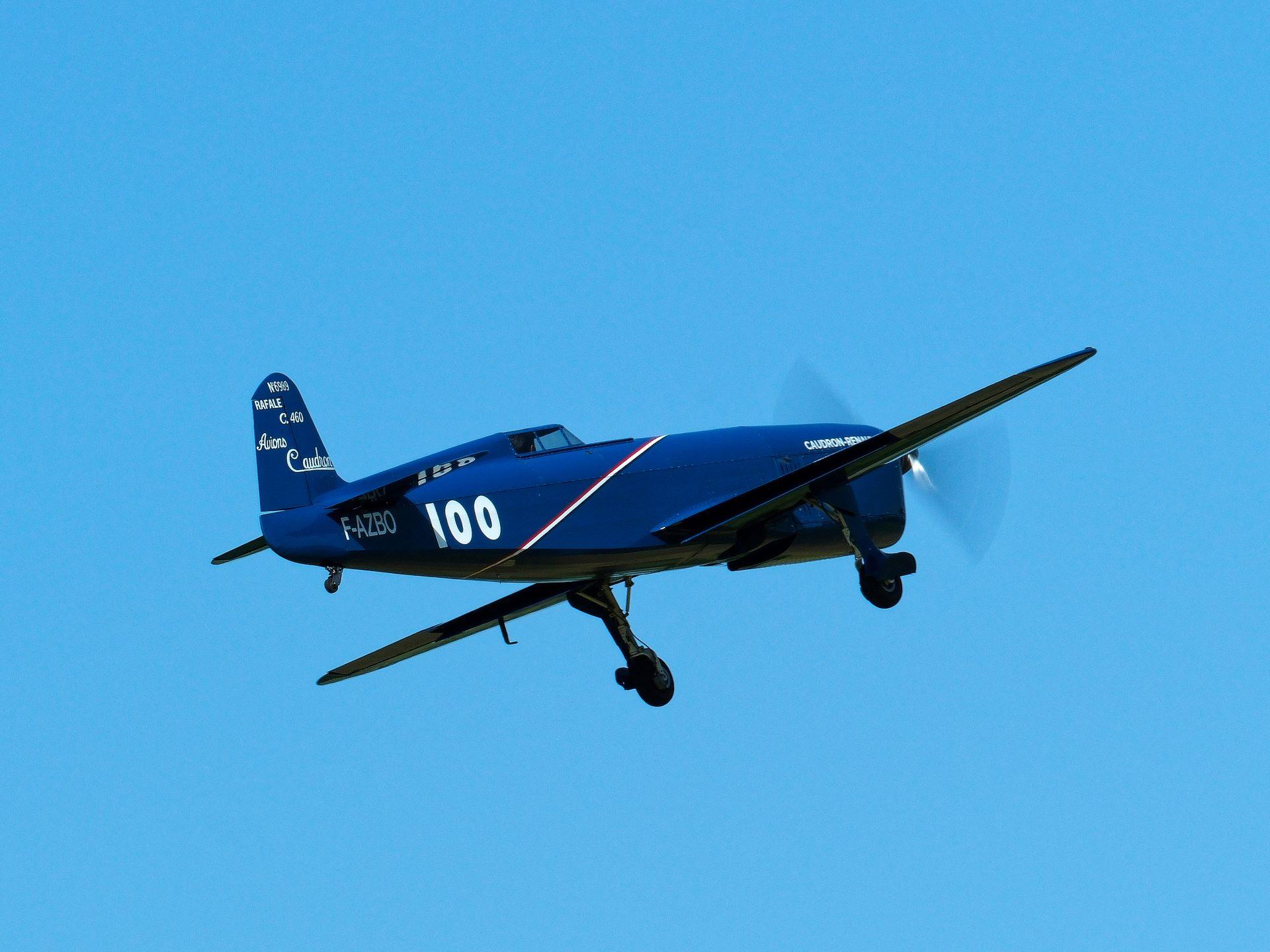
There are rare moments when history does not feel like memory, but motion. On 23 May 2026, at the celebrated air show “Le Temps des Hélices” in La Ferté-Alais outside Paris, the Renault Caudron Rafale C.460 returned to the skies almost 90 years after its original era of fame.
Its flight was more than a technical milestone. It was a reawakening of a legacy that has long linked Renault’s identity to aviation, innovation, and bold engineering imagination. As the aircraft lifted off once again, it bridged decades in a single sweep of propeller-driven motion, reintroducing a forgotten icon to a modern audience.
The moment felt less like nostalgia and more like continuity. A machine designed in the 1930s was suddenly part of today’s conversation about performance, heritage, and technological ambition.
A Symbol Born in the Golden Age of Speed
The Renault Caudron Rafale C.460 emerged during a defining era of aviation history. The 1930s were a time when aircraft design was driven by an obsession with speed records and aerodynamic breakthroughs, and the Rafale was built to compete at the cutting edge of that ambition.
Its form reflected a radical understanding of airflow and efficiency for its time. Every curve and contour was shaped by a desire to reduce drag and increase velocity, embodying a philosophy where engineering and daring were inseparable.
In 1934, the aircraft achieved lasting fame when aviator Hélène Boucher set a women’s world speed record in it. That achievement elevated the Rafale beyond engineering excellence. It became a symbol of human possibility, technological courage, and the breaking of barriers in both aviation and society.
From Flight Icon to Historical Silence
After its era of prominence, the Rafale C.460 eventually disappeared from active aviation. Like many pioneering machines, it transitioned from operational aircraft to historical reference, preserved in archives and memory rather than in motion.
Yet its influence did not fade. The aircraft remained part of Renault’s broader industrial narrative, representing a period when the brand’s engineering reach extended beyond automobiles into aviation innovation.
This legacy would later become a foundation for revival, not as nostalgia, but as a strategic act of heritage engineering.
Restoration: Rebuilding a Legend for the Modern Sky
The restoration of the Caudron Rafale C.460 began in July 2024, led by Aéro Restauration Service (ARS) in Dijon under the supervision of pilot and restorer Bruno Ducreux. The project was as much archaeological as it was mechanical.
The aircraft was fully dismantled, allowing each component to be assessed, repaired, or reinforced. The restoration team worked carefully to preserve historical authenticity while ensuring modern airworthiness standards were met.
The process involved:
• complete disassembly of the airframe
• structural inspection and reinforcement of the chassis
• precise dry-fit reassembly to verify alignment and integrity
• progressive engine restart testing
• ground and flight readiness validation
Each stage revealed the complexity of translating a 1930s design into a 21st-century flying machine without compromising its original identity.
By early 2026, the aircraft had moved from restoration project to operational reality.
Engineering the Return to Flight
Preparing a nearly century-old aircraft for flight requires more than restoration. It demands reinterpretation. Materials, tolerances, and mechanical systems had to be carefully evaluated to ensure they could perform safely in modern conditions while remaining faithful to original design intent.
The engine underwent meticulous calibration and testing. Structural reinforcements were integrated with precision to maintain historical appearance. Aerodynamic surfaces were validated to ensure stable flight behaviour consistent with the original configuration.
Before its public debut, the Rafale C.460 completed a series of ground tests and controlled flight preparations. Each successful phase confirmed that the aircraft was not only restored but once again capable of fulfilling its original purpose: flight.
Le Temps des Hélices: A Stage for Living History
The air show “Le Temps des Hélices” at La Ferté-Alais is widely regarded as one of Europe’s most important aviation heritage events. It is a place where historical aircraft are not static exhibits but active participants in the sky.
Against this backdrop, the return of the Rafale C.460 felt especially significant. It was not isolated or symbolic in abstraction. It was embedded in a living environment where aviation history is continuously performed.
As the aircraft taxied onto the runway, anticipation built among spectators familiar with its legacy. When it finally lifted into the air, the reaction was not just admiration, but recognition of something returning that had been absent for generations.
The First Public Flight: A Dialogue Across Time
On 23 and 24 May 2026, the Renault Caudron Rafale C.460 completed its first public flights since restoration. The aircraft moved with a graceful stability that reflected both its historical design and careful modern preparation.
Rather than emphasising spectacle, the moment emphasised continuity. The aircraft’s presence in the sky was a reminder that engineering achievements do not disappear; they evolve, pause, and sometimes return.
For Renault, this flight represented more than heritage celebration. It was a demonstration of how past innovation can remain active within contemporary identity and brand storytelling.
The Rafale C.460 was no longer only a historical artefact. It had become a living link between eras.
The Immersive “Making-of” Experience
To accompany the aircraft’s return, Renault produced an immersive making-of video documenting the restoration and preparation process.
The production captures multiple layers of the project:
• the technical precision of restoration work
• the human expertise and collaboration behind the scenes
• the emotional significance of returning a historic aircraft to flight
• the symbolic connection between aviation heritage and modern automotive identity
Rather than presenting a polished narrative, the film highlights the complexity and authenticity of the process, offering viewers a rare look into the intersection of engineering and heritage preservation.
The Link to the Renault Rafale Nameplate
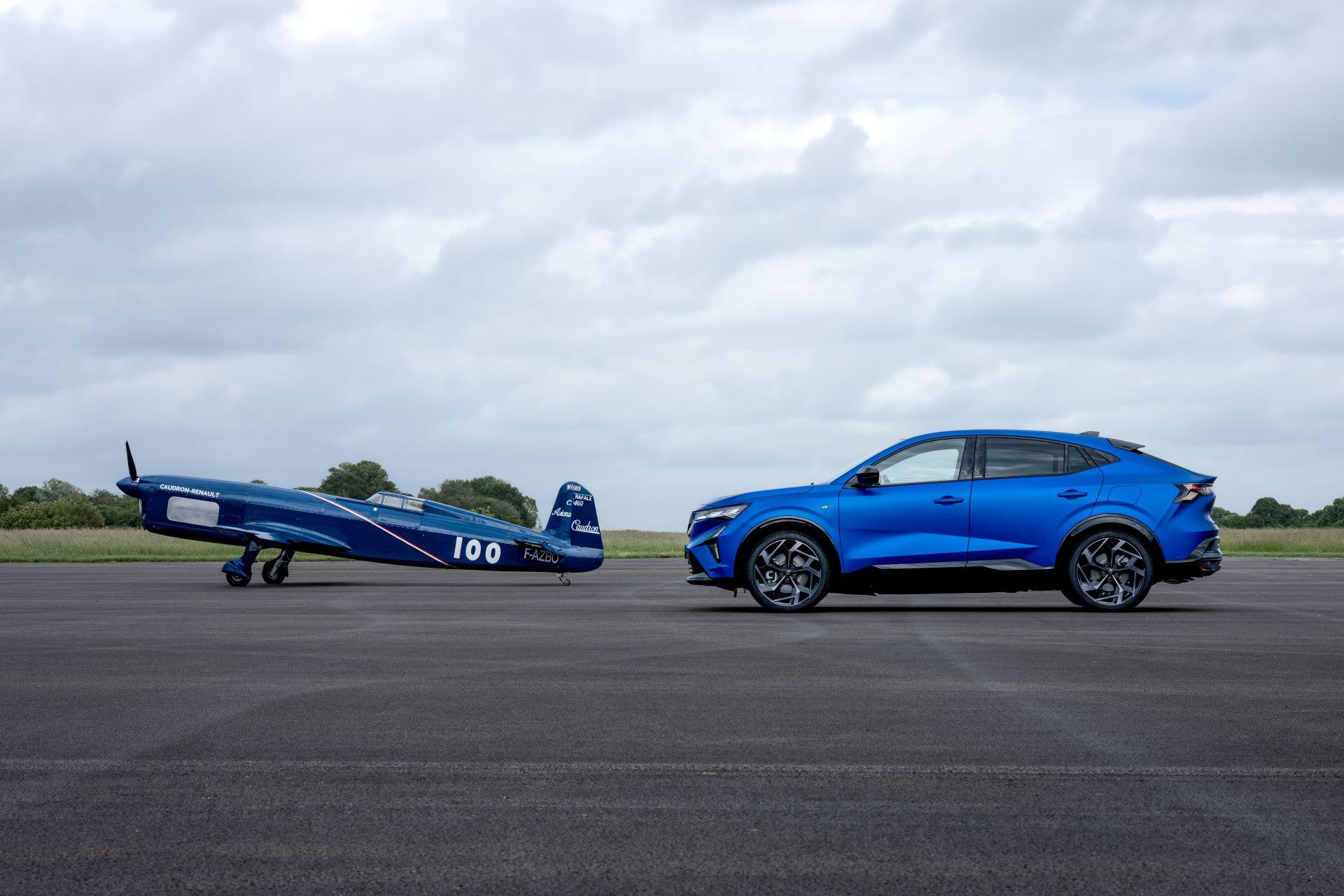
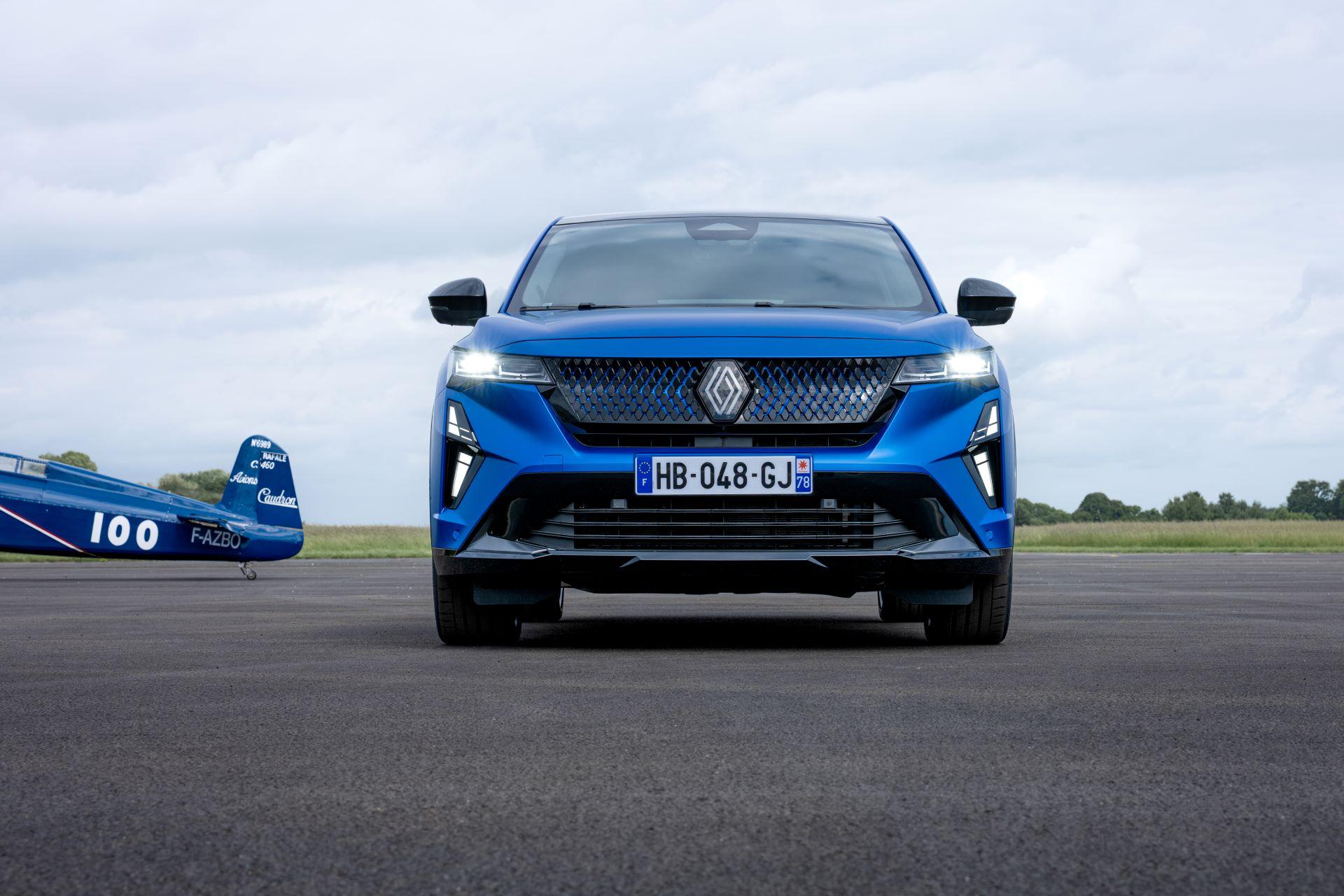
The revival of the Caudron Rafale C.460 is closely connected to Renault’s modern naming strategy. In 2023, Renault introduced the Renault Rafale, a flagship SUV coupé that draws its name directly from the brand’s aviation heritage.
The original “Rafale” name, used in the 1930s, evokes speed, wind, and aerodynamic motion. These qualities remain central to both the historic aircraft and the modern vehicle.
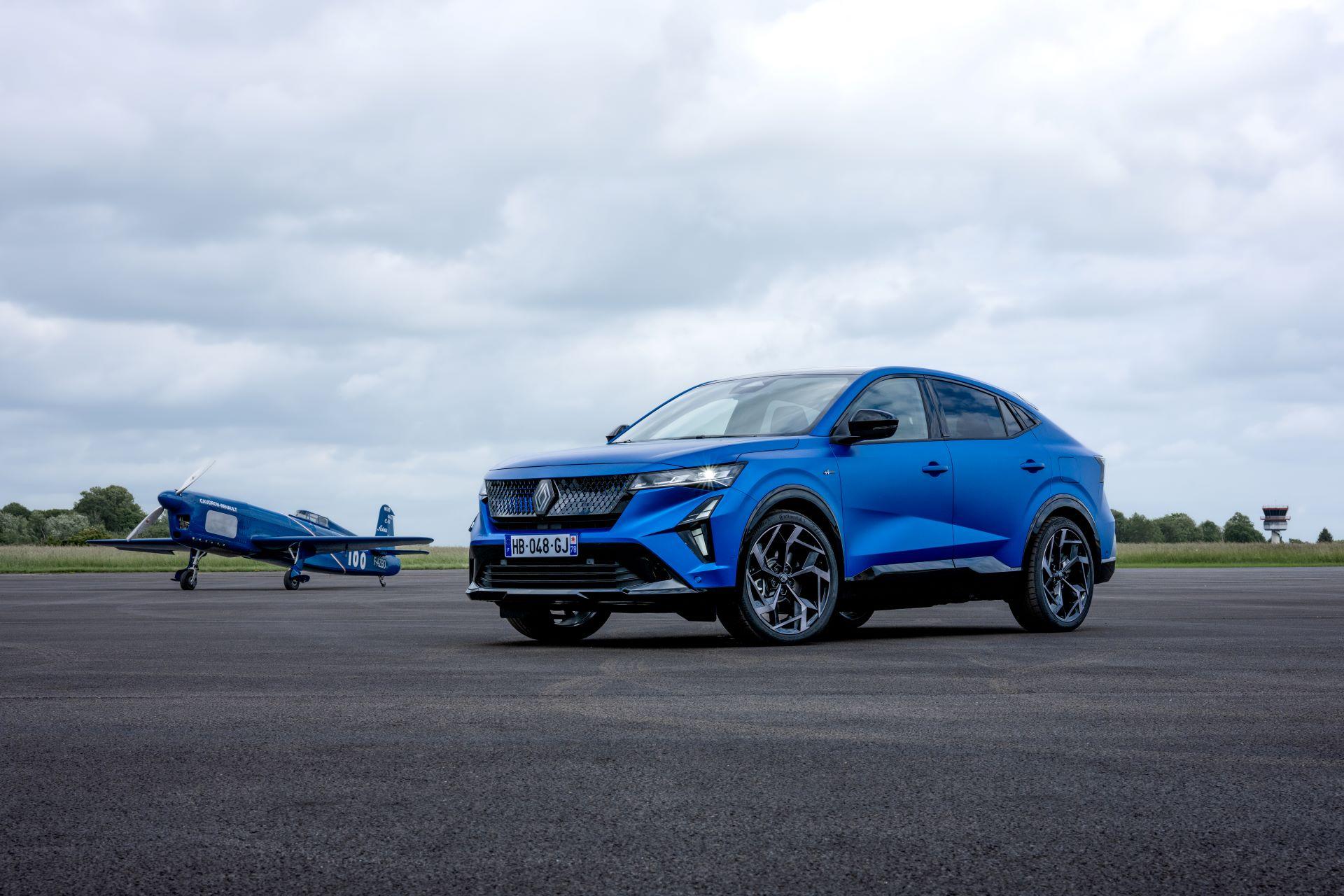
By placing the production model and the restored aircraft within the same narrative space, Renault established a deliberate connection between heritage and contemporary design philosophy.
The modern Renault Rafale represents the continuation of that identity in automotive form, translating aviation-inspired principles into road-going performance and design.
The Modern Renault Rafale: Innovation in Motion
The Renault Rafale SUV coupé occupies the brand’s premium positioning, combining dynamic styling with advanced engineering and hybrid technology.
Key elements include:
• a distinctive SUV coupé silhouette with aerodynamic focus
• plug-in hybrid and hybrid powertrain options
• advanced chassis systems developed with Alpine engineering input
• 4Control Advanced four-wheel steering for enhanced agility
• high-performance hybrid output delivering up to 300 hp
• electric driving capability for everyday efficiency
Together, these features position the Rafale as a flagship model that expresses Renault’s evolving identity in the premium automotive segment.
Heritage in Action: The Originals Renault – La Collection
The return of the Caudron Rafale C.460 is part of a broader heritage initiative led by The Originals Renault – La Collection. This programme focuses on preserving and activating key milestones from Renault’s long industrial history.
Rather than keeping historic assets static, the programme emphasises movement and engagement. The Rafale C.460 is not simply preserved; it is flown, displayed, and shared with the public.
Following its appearances at aviation events, the aircraft will eventually become part of “Les Collections,” Renault’s future museum in Flins, scheduled to open in 2027.
This museum will bring together vehicles, artefacts, and archives spanning nearly 130 years of brand history, creating a comprehensive narrative of innovation and design evolution.
Renault’s Broader Presence at La Ferté-Alais
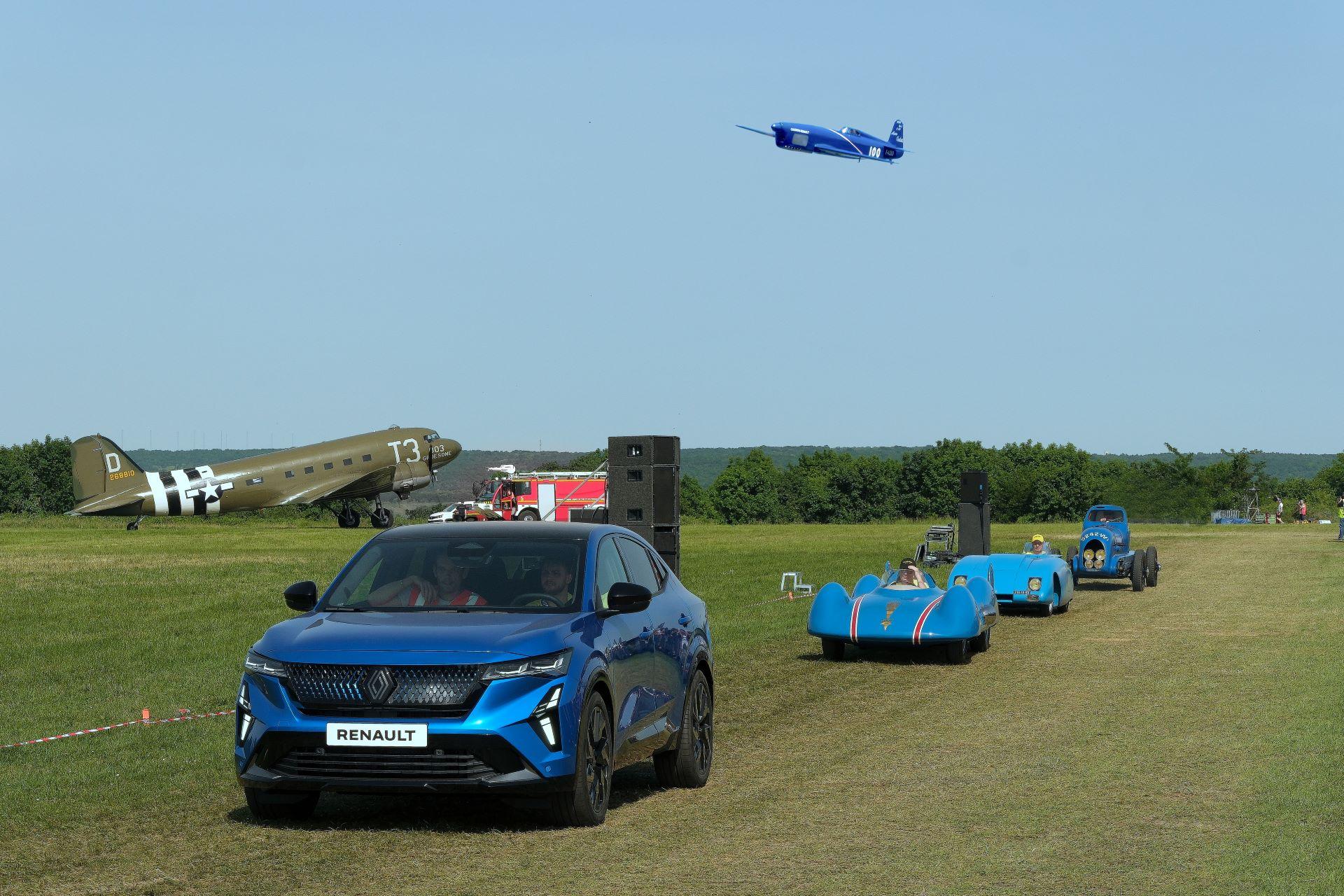
At “Le Temps des Hélices,” the Rafale C.460 shared space with other historic Renault vehicles and engineering icons, reinforcing the brand’s long-standing connection to innovation.
Displayed on the ground were several significant models that reflect different eras of technical ambition and record-setting performance. These included early aerodynamic experiments, record-breaking vehicles, and experimental prototypes that demonstrate the breadth of Renault’s engineering heritage.
Alongside them, the modern Renault Rafale was showcased in multiple colour variants, visually linking past and present through design evolution and symbolic continuity.
The Meaning of Rafale: Wind, Motion, Identity
The name “Rafale” carries a powerful resonance across both aviation and automotive contexts. It evokes wind gusts, sudden movement, and aerodynamic force, making it a natural fit for performance-focused engineering.
For Renault, the name is more than historical reference. It is a conceptual thread that connects early aviation achievements with contemporary automotive design.
In both the aircraft and the modern vehicle, Rafale represents motion not as function alone, but as identity. It is engineering expressed through movement.
Conclusion: When History Becomes Airborne Again
The return of the Renault Caudron Rafale C.460 is not simply a restoration success story. It is a demonstration of how heritage can become active, dynamic, and publicly meaningful.
By bringing a 1930s aircraft back into flight, Renault has transformed history from static preservation into living experience. The Rafale now exists in two forms at once: as a preserved icon and as a flying participant in modern aviation culture.
At La Ferté-Alais, the past did not sit behind glass. It took off, circled the sky, and reintroduced itself to the present.
And in that brief moment of flight, nearly a century of engineering ambition felt suddenly continuous.