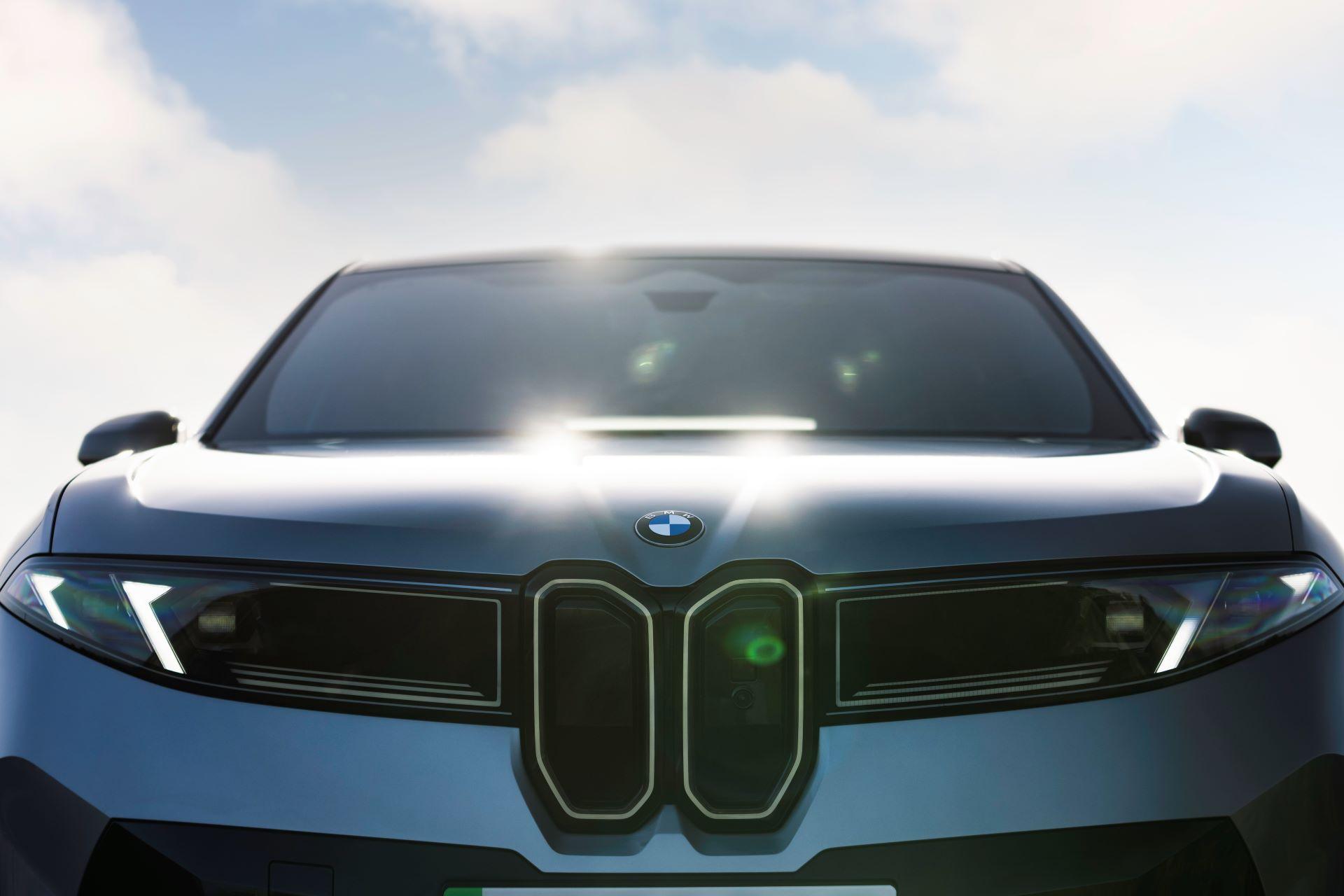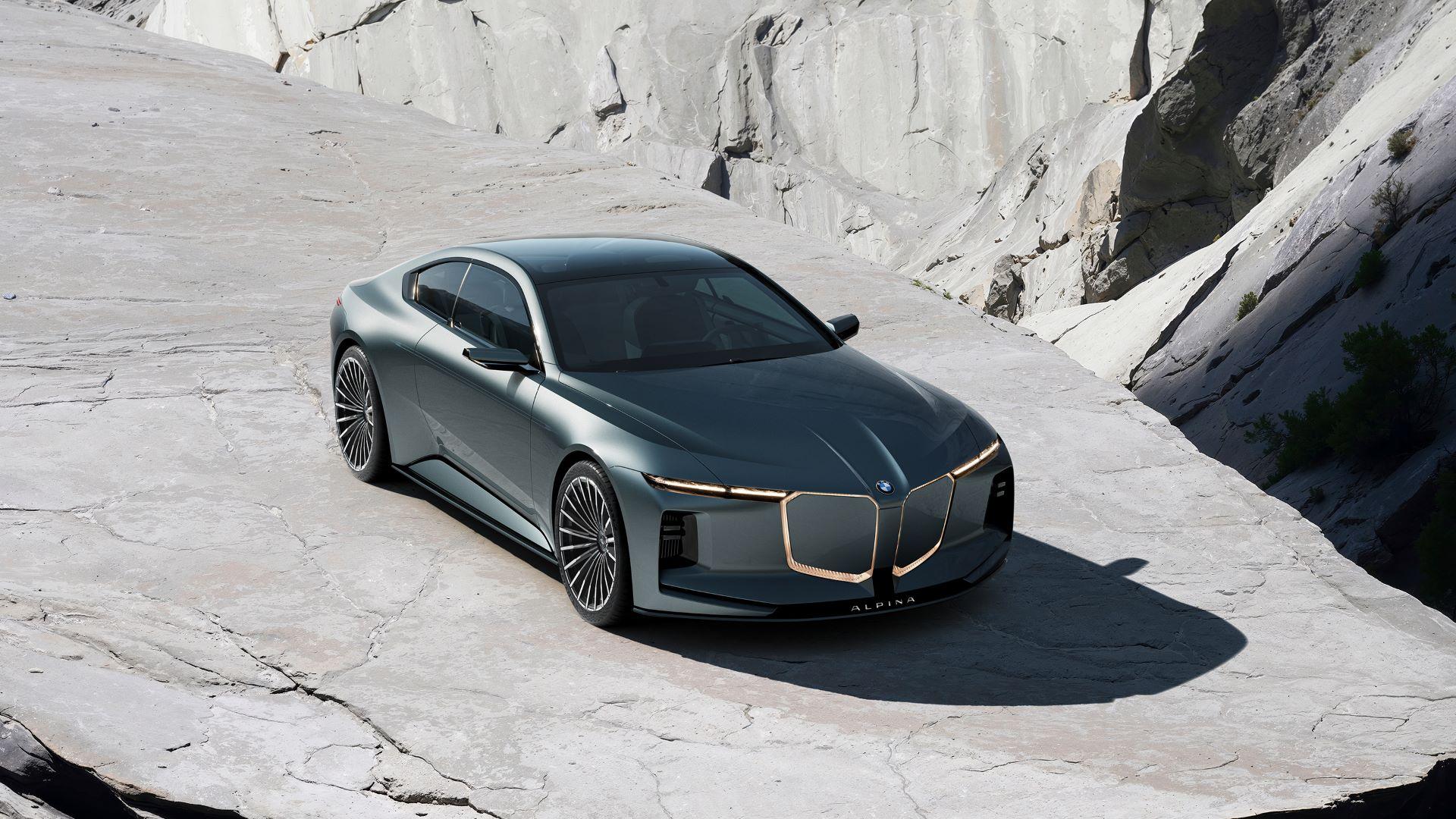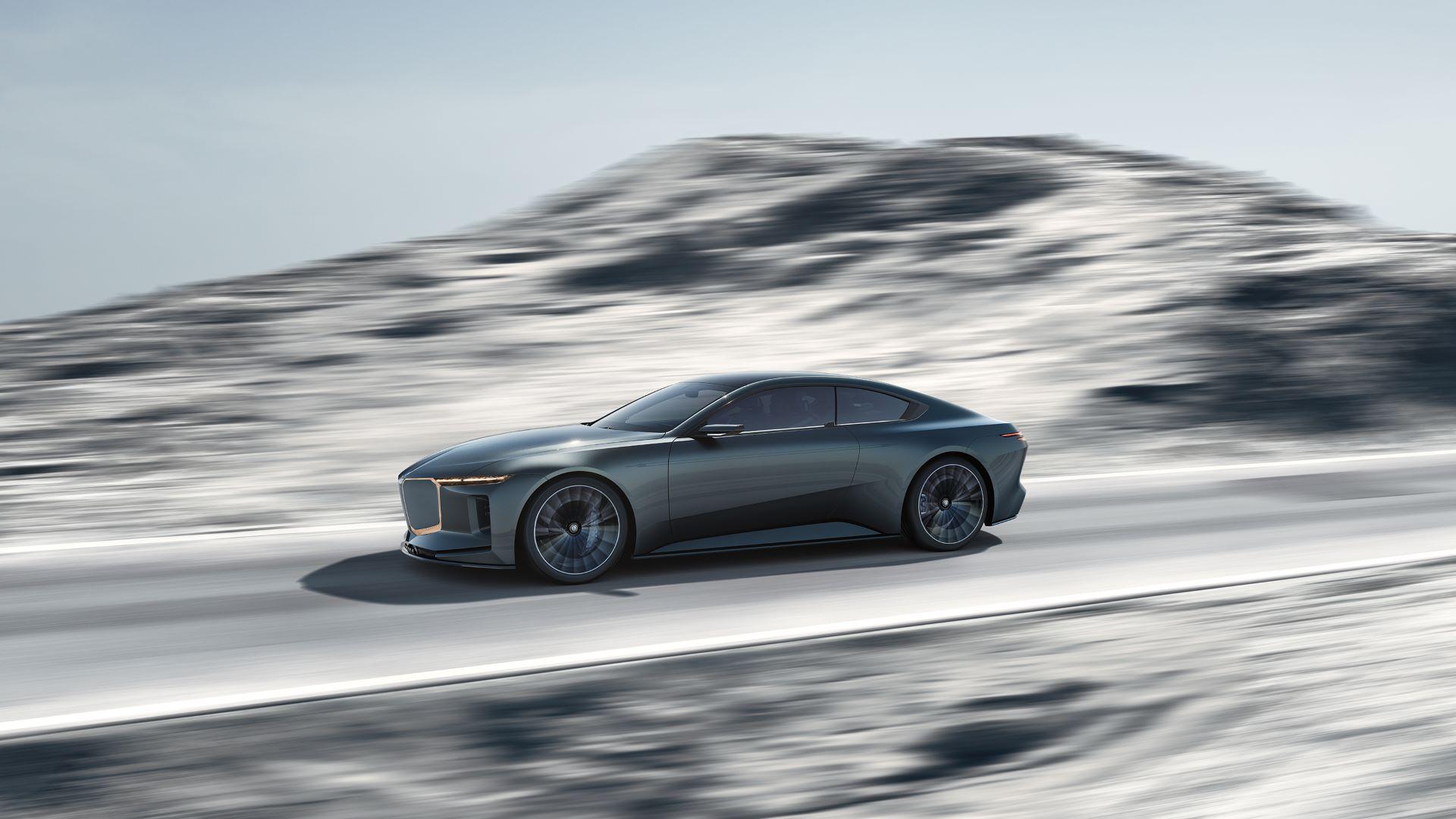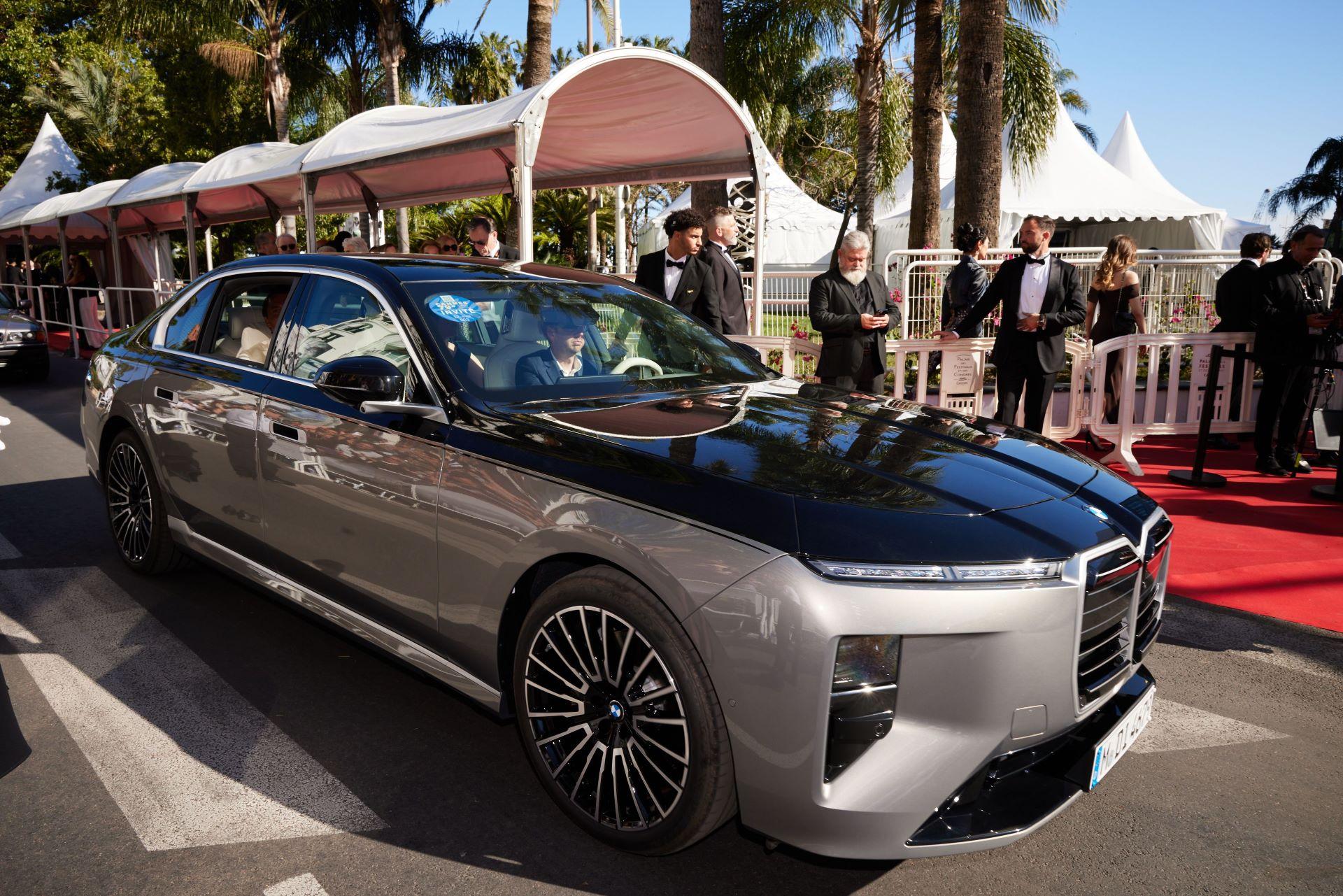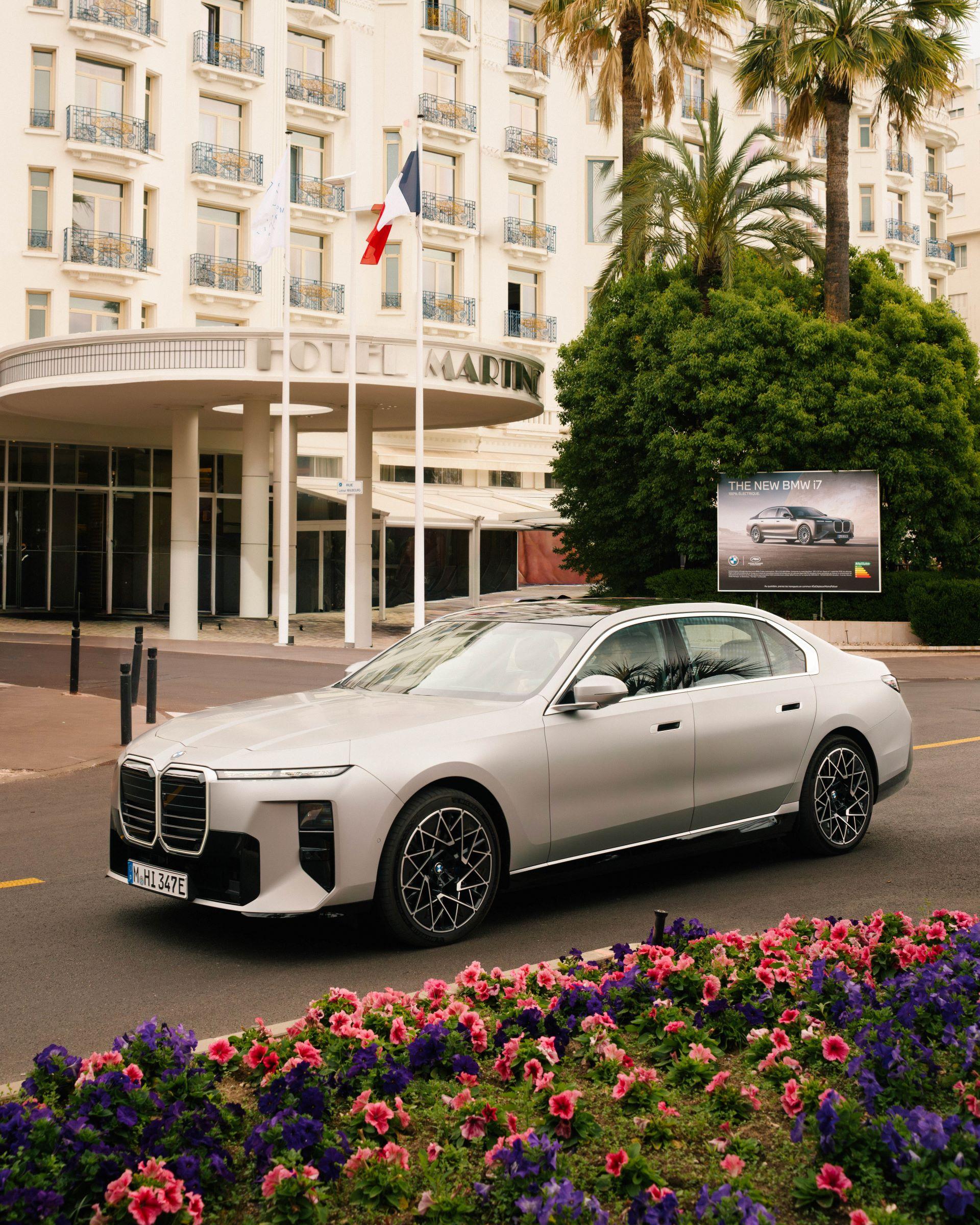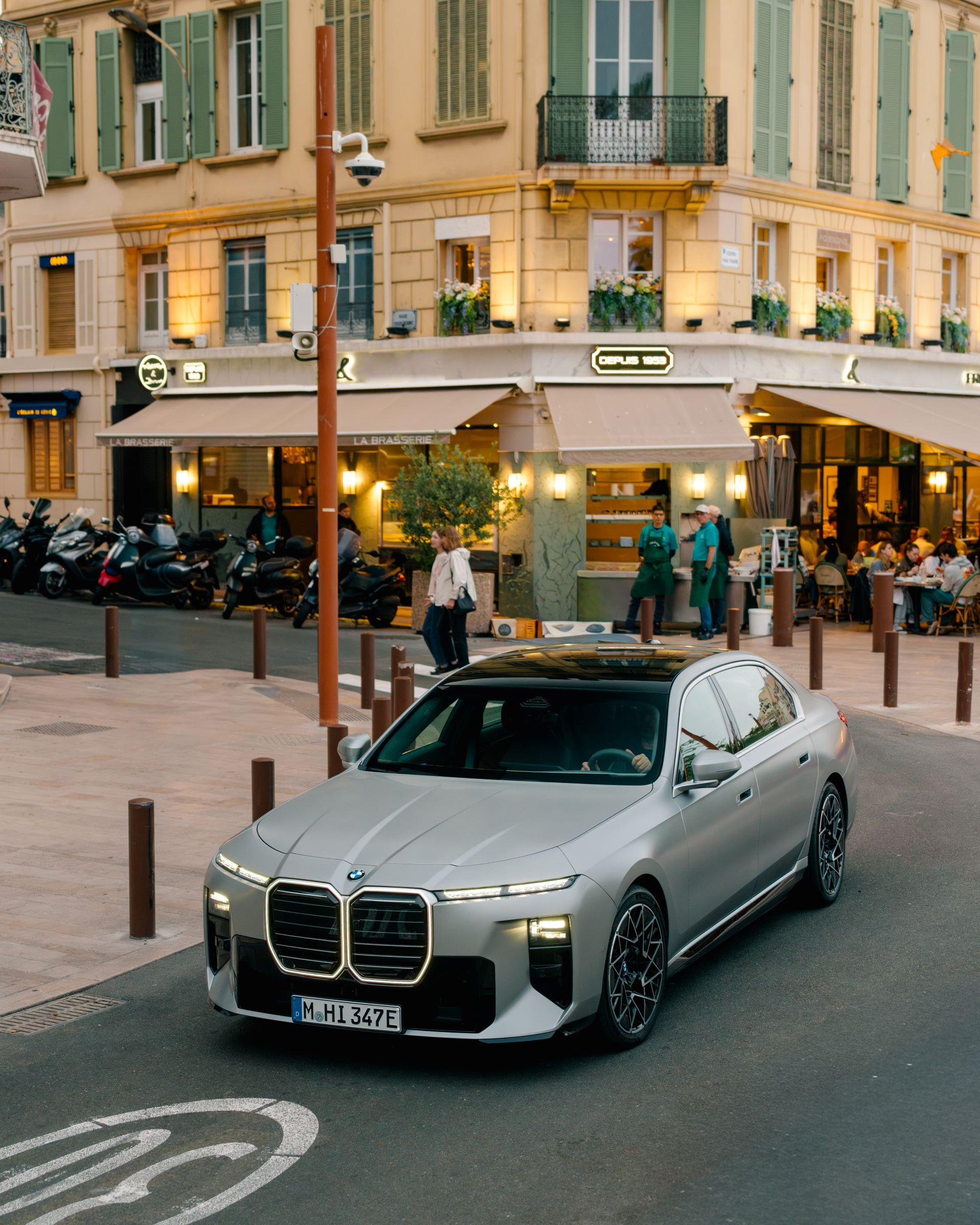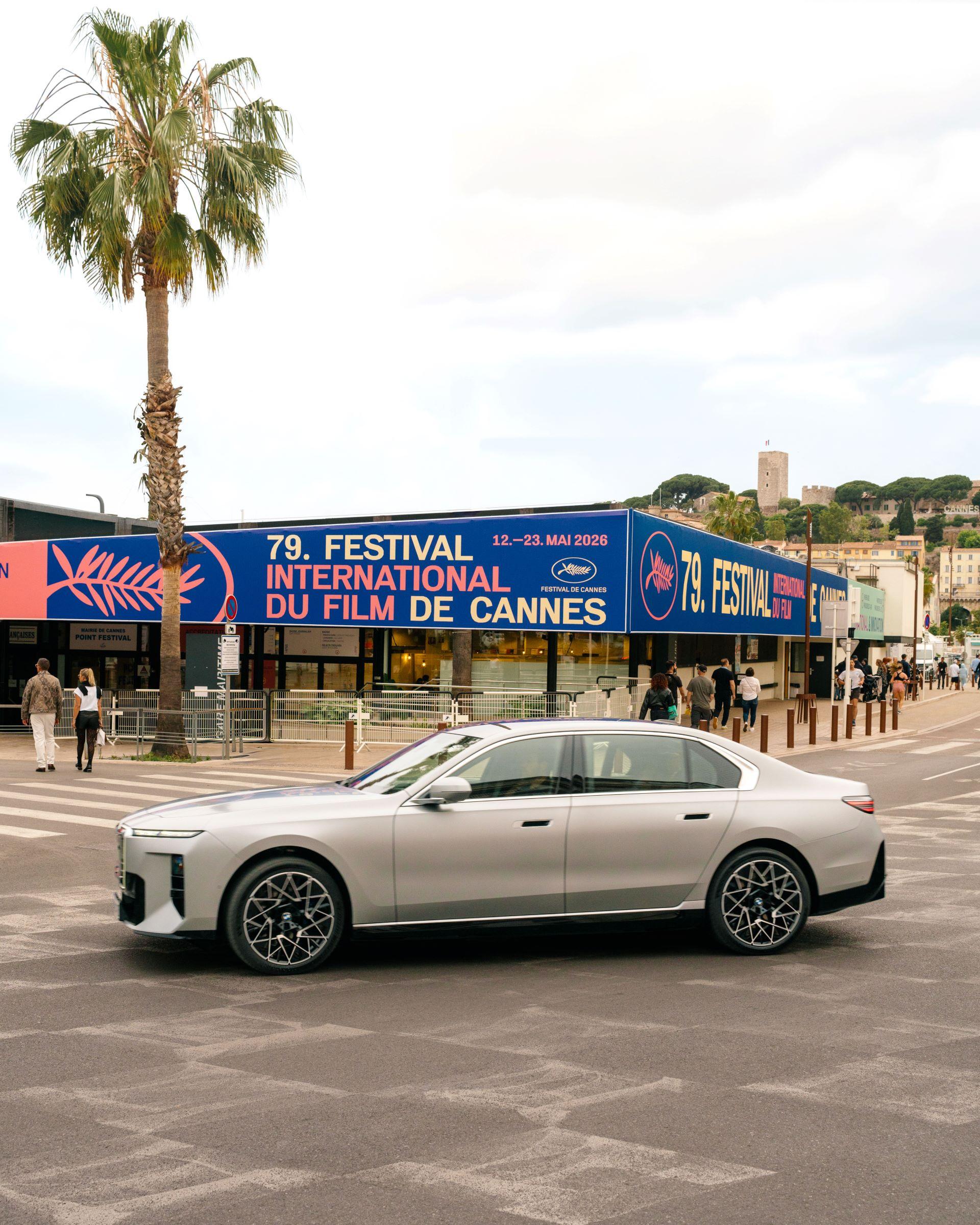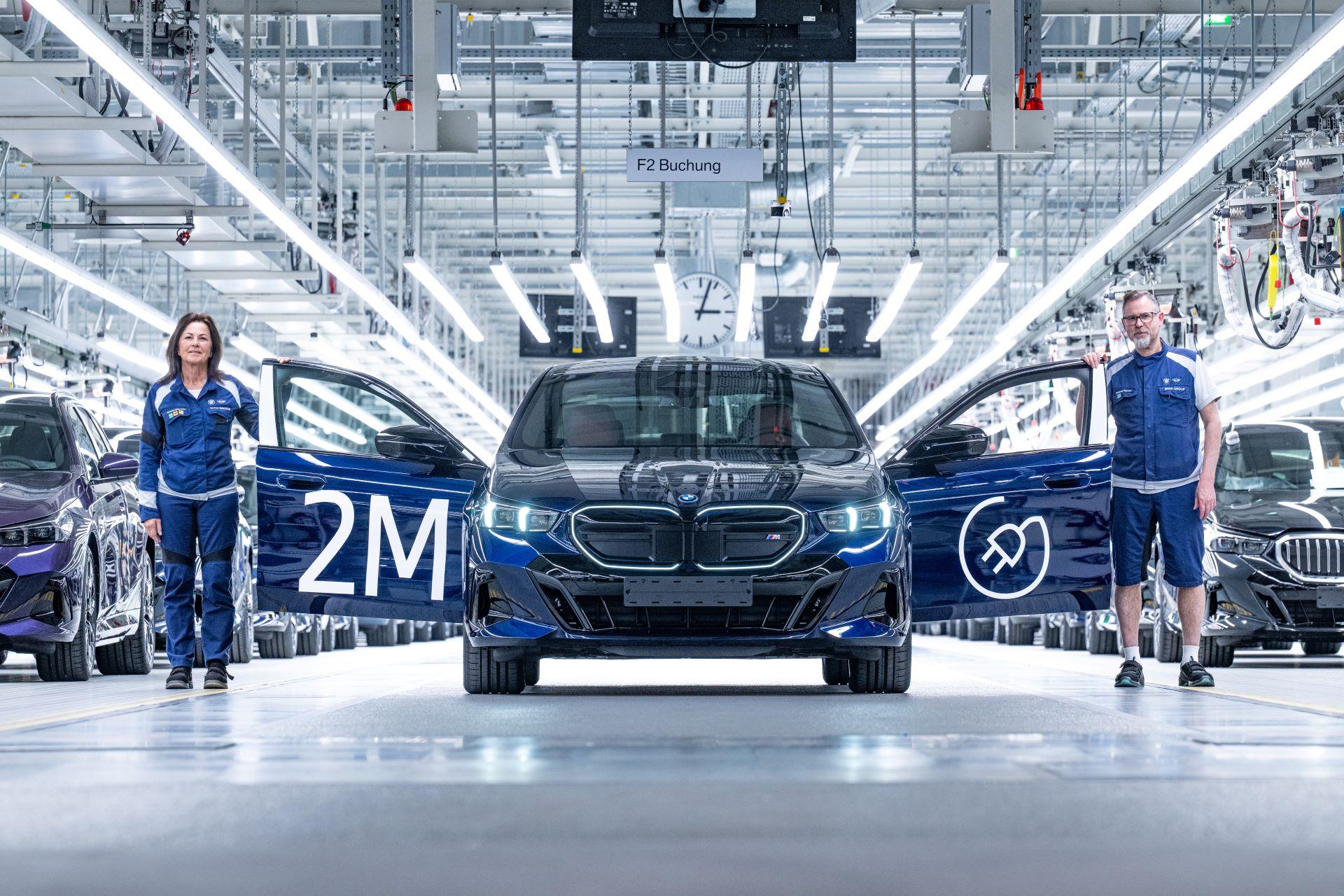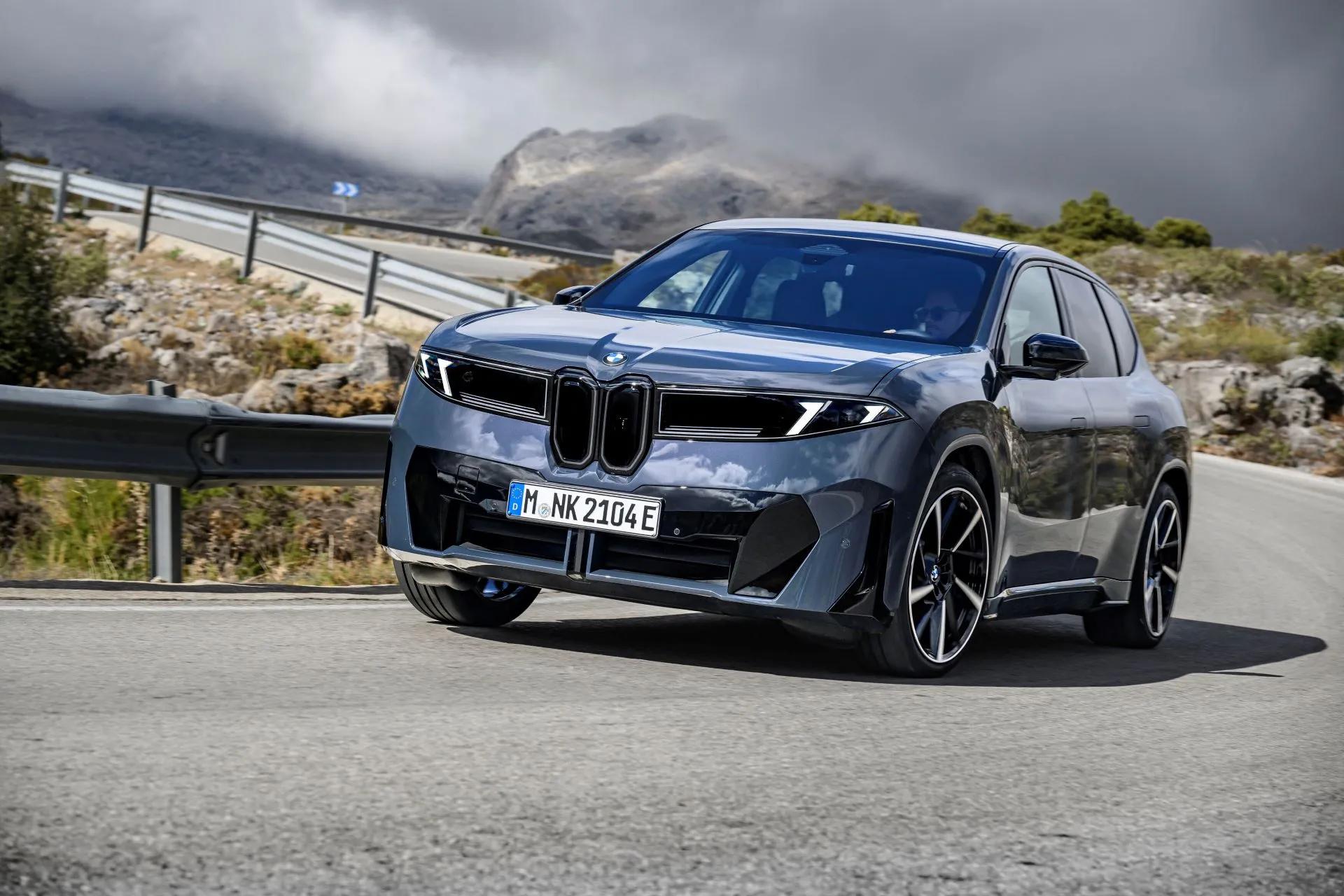





The latest evolution of the luxury flagship from BMW Group brings a sharper focus on sustainability, with the new BMW 7 Series and its fully electric counterpart, the BMW i7, showcasing how engineering refinement and environmental responsibility are being woven into the same fabric.
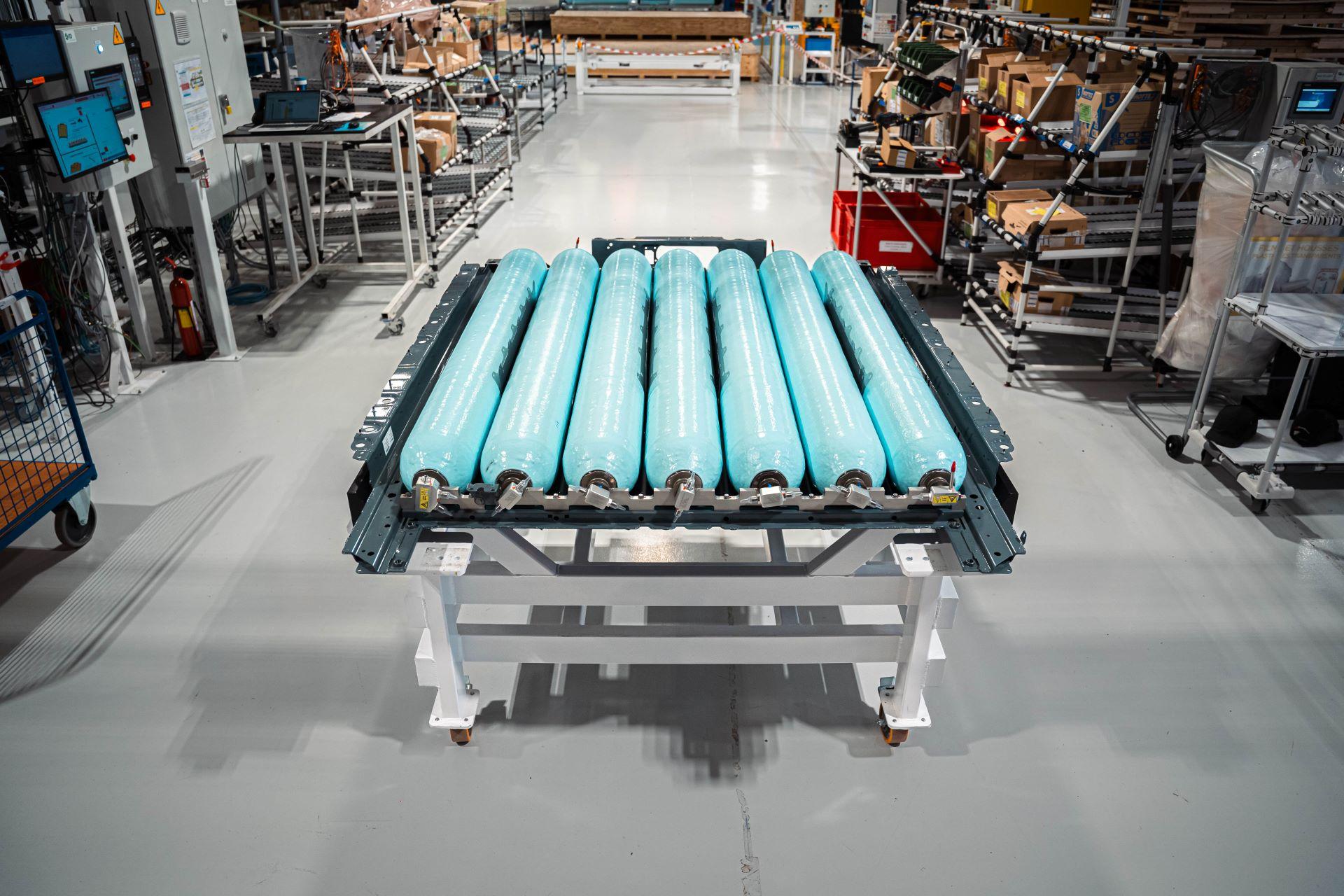
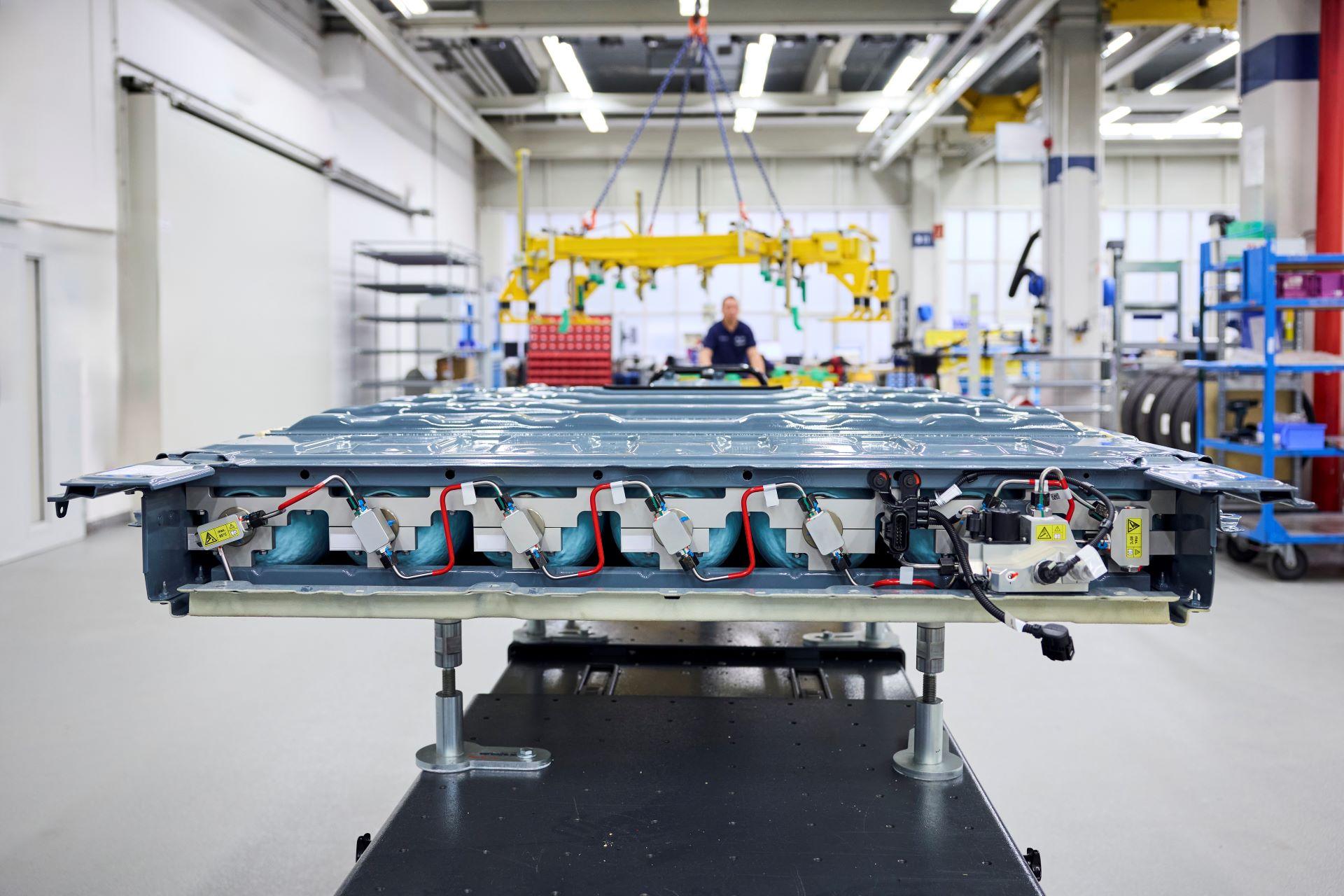
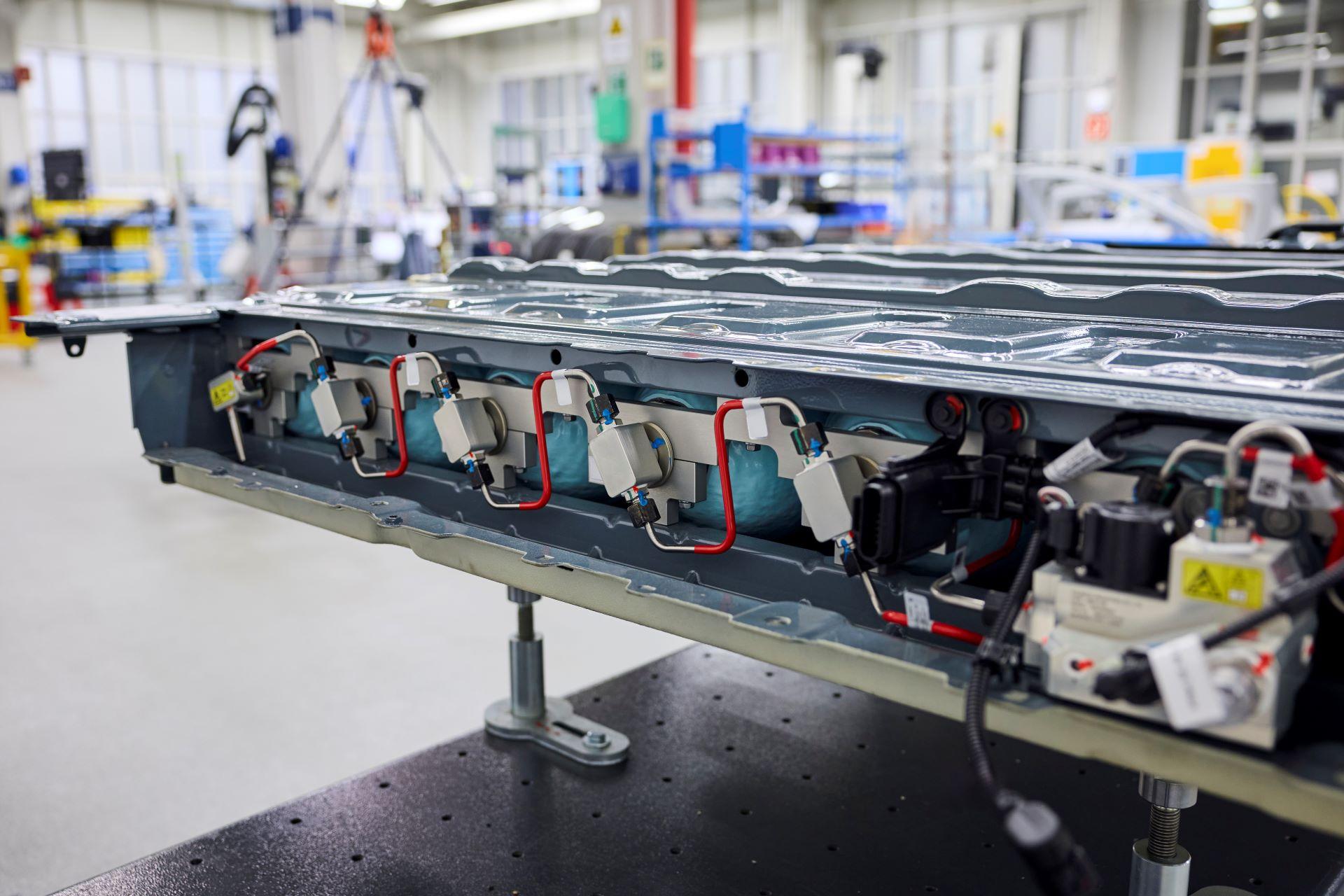
At the heart of this development is the introduction of sixth-generation battery cell technology, designed specifically for the BMW i7. These Gen6 cells are manufactured entirely using renewable energy, including the production of anode and cathode active materials. By integrating secondary raw materials such as lithium, cobalt and nickel into the supply chain, BMW reduces reliance on virgin extraction while tightening the loop on resource use. The result is a notable reduction in environmental impact, with the overall supply chain CO2e footprint of the Gen6 battery cell in the BMW i7 60 xDrive lowered by approximately 33 percent compared to the previous generation.
This shift is not limited to energy storage alone. The wider vehicle ecosystem reflects a broader circular economy approach, particularly in the use of secondary materials in aluminium wheel production. From 2026, selected rim designs for the BMW i7 will incorporate up to 70 percent secondary aluminium, while both electrolysis of primary aluminium and wheel manufacturing processes are partially powered by renewable energy sources. Despite the increased use of recycled inputs, all components continue to meet the same stringent quality standards associated with BMW Group engineering.
Efficiency gains also extend into the driving phase through BMW’s long-established EfficientDynamics approach, which optimises aerodynamics, weight reduction, rolling resistance and energy management across all drivetrain types. This system, in place since 2007, underlines a consistent philosophy: sustainability is not a single feature but a lifecycle-wide strategy, influencing how the vehicle performs long after it leaves the production line.
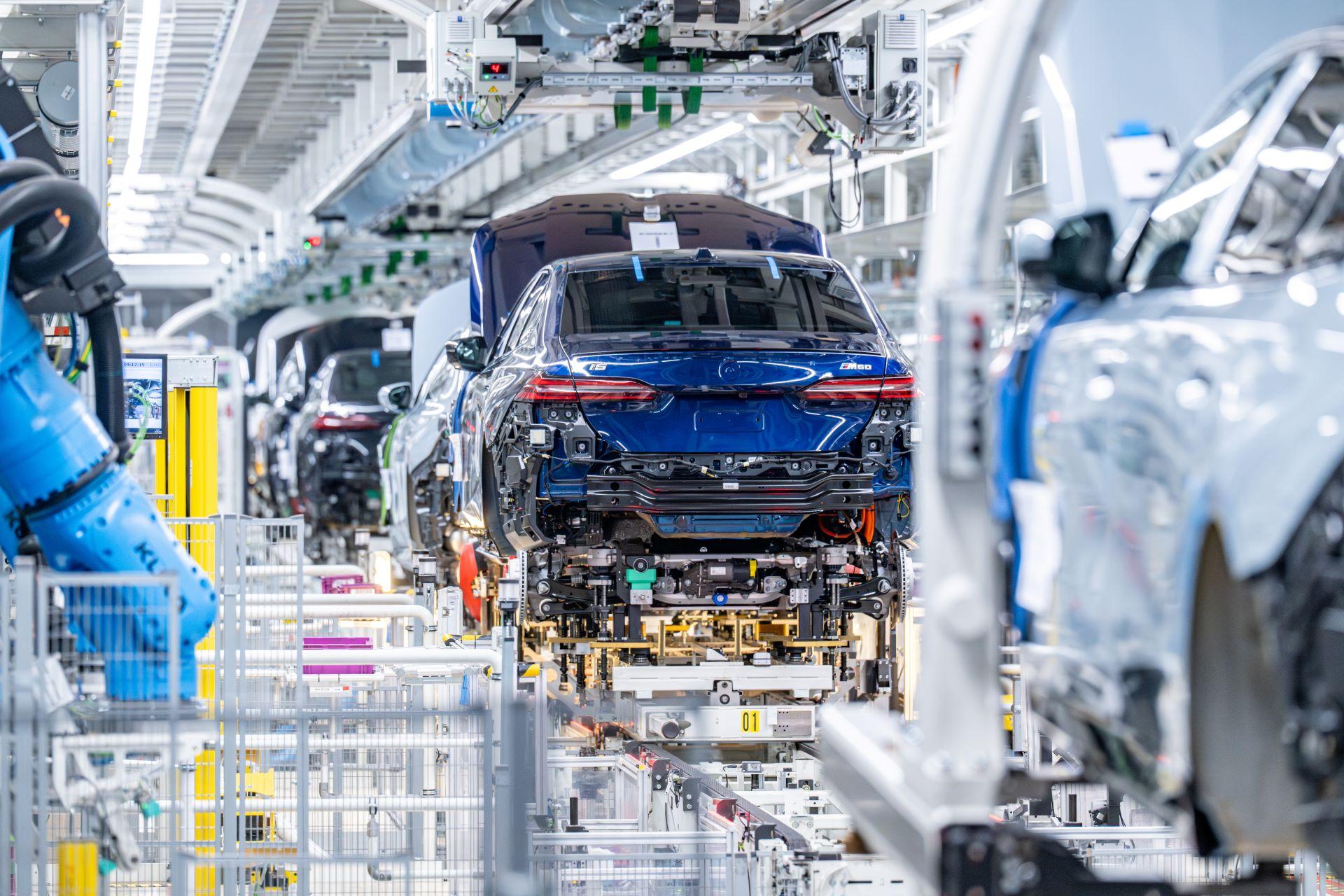
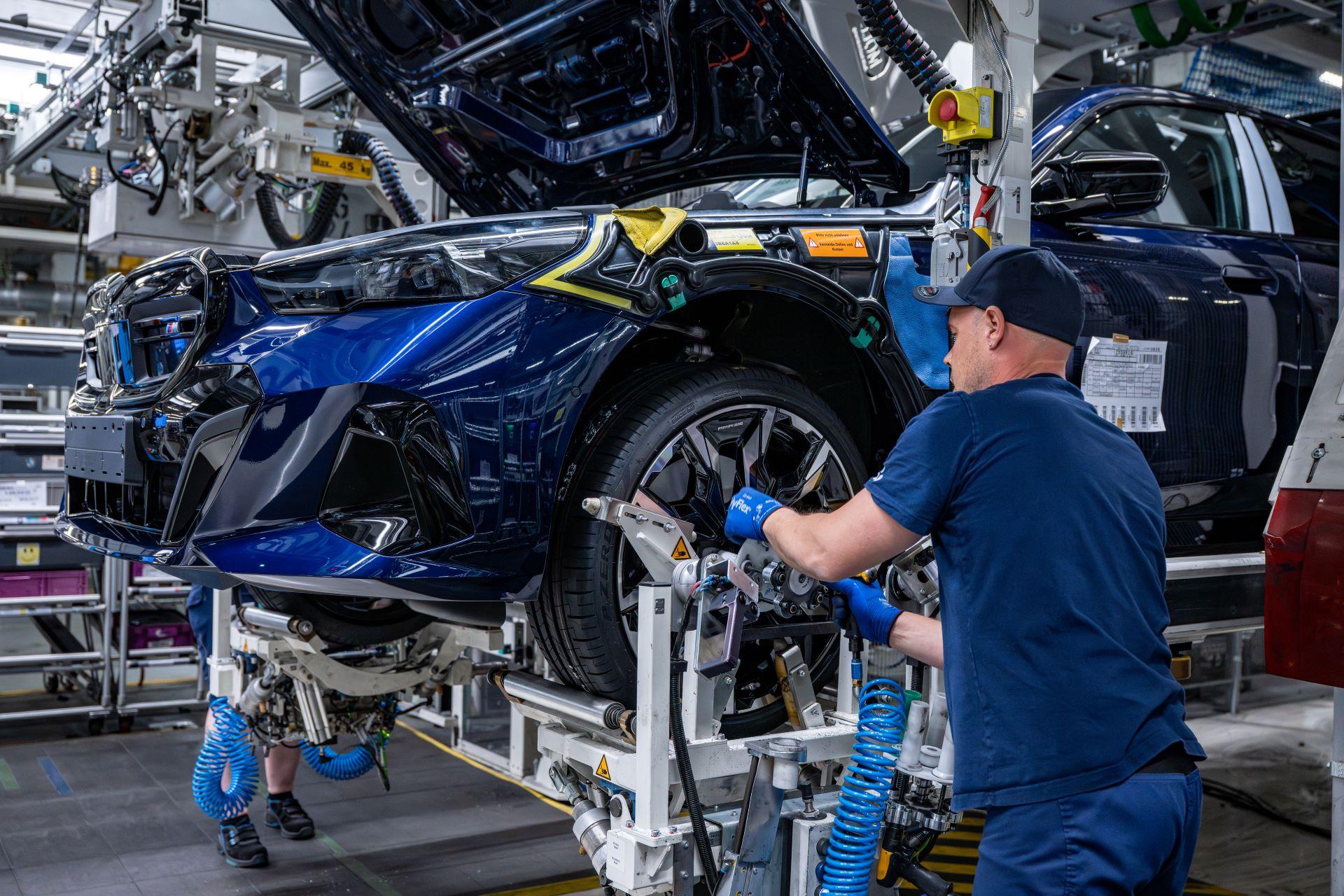
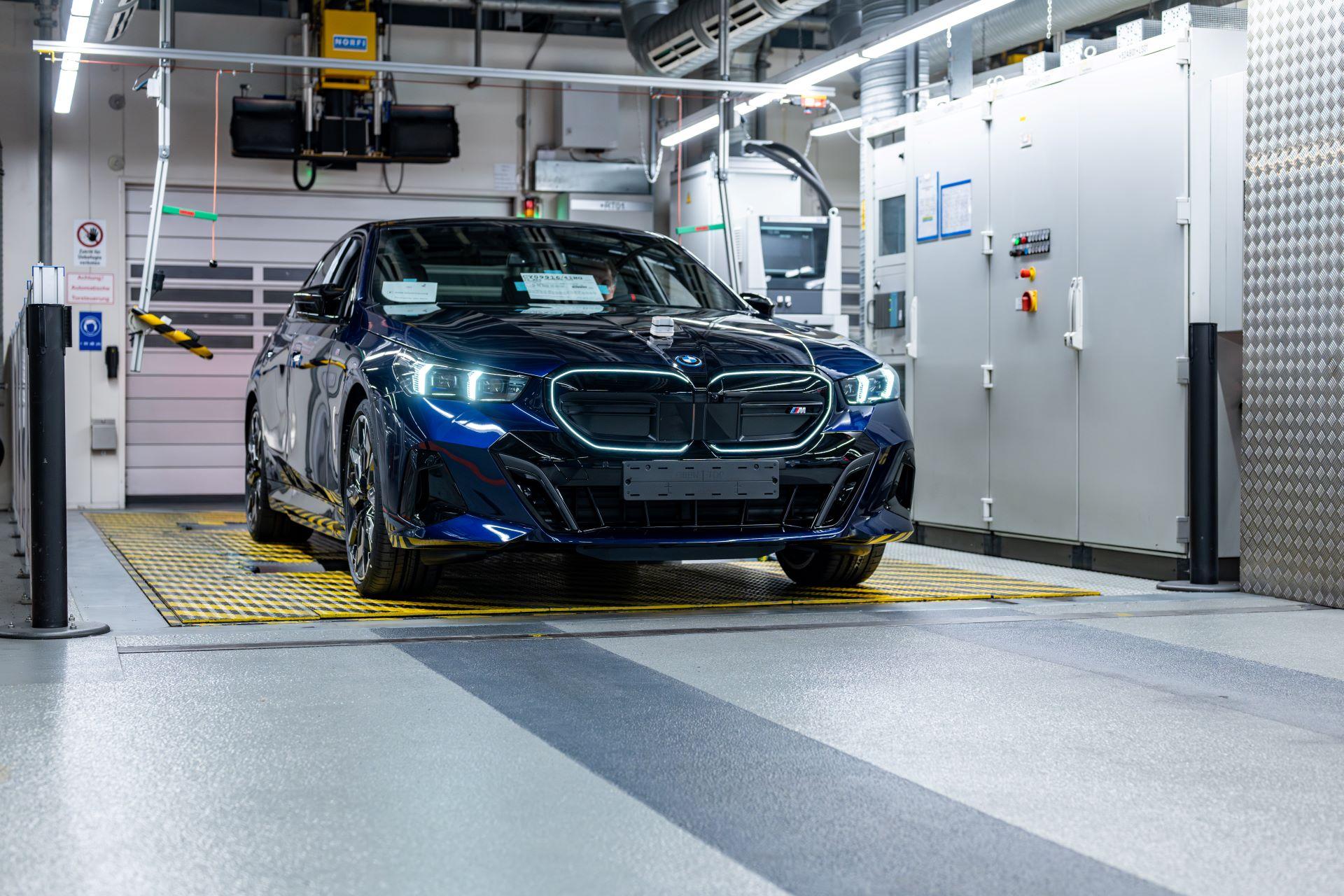
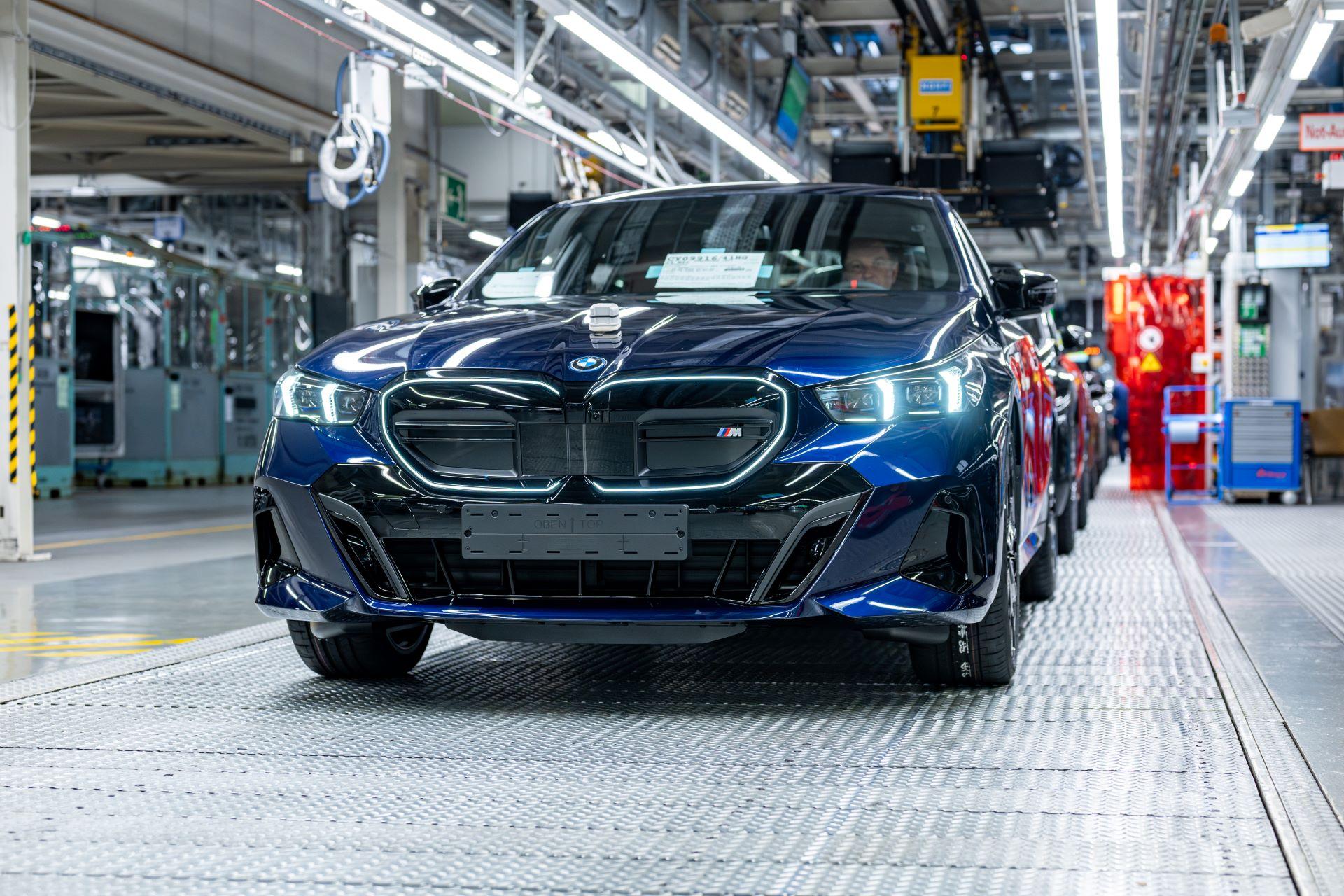
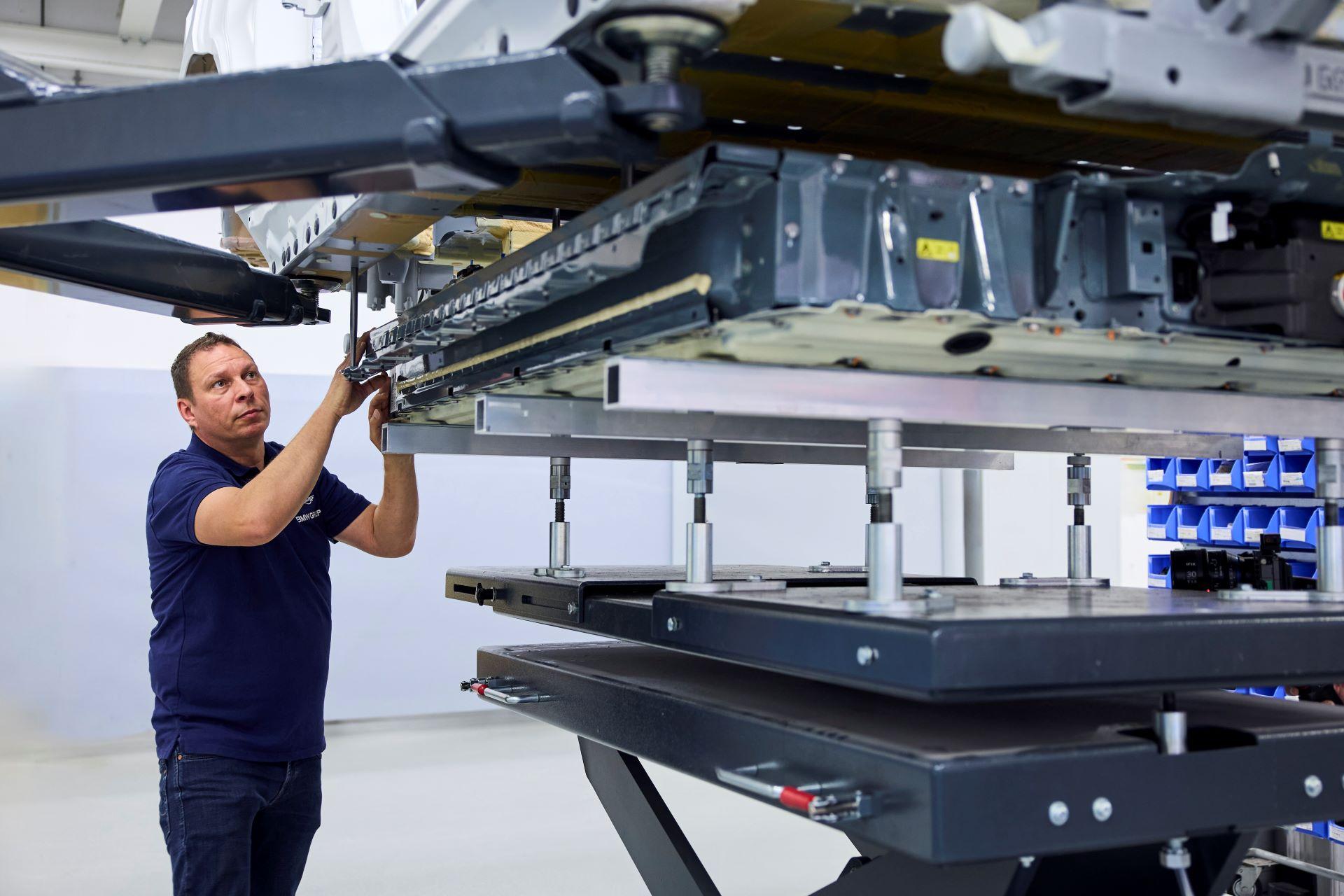
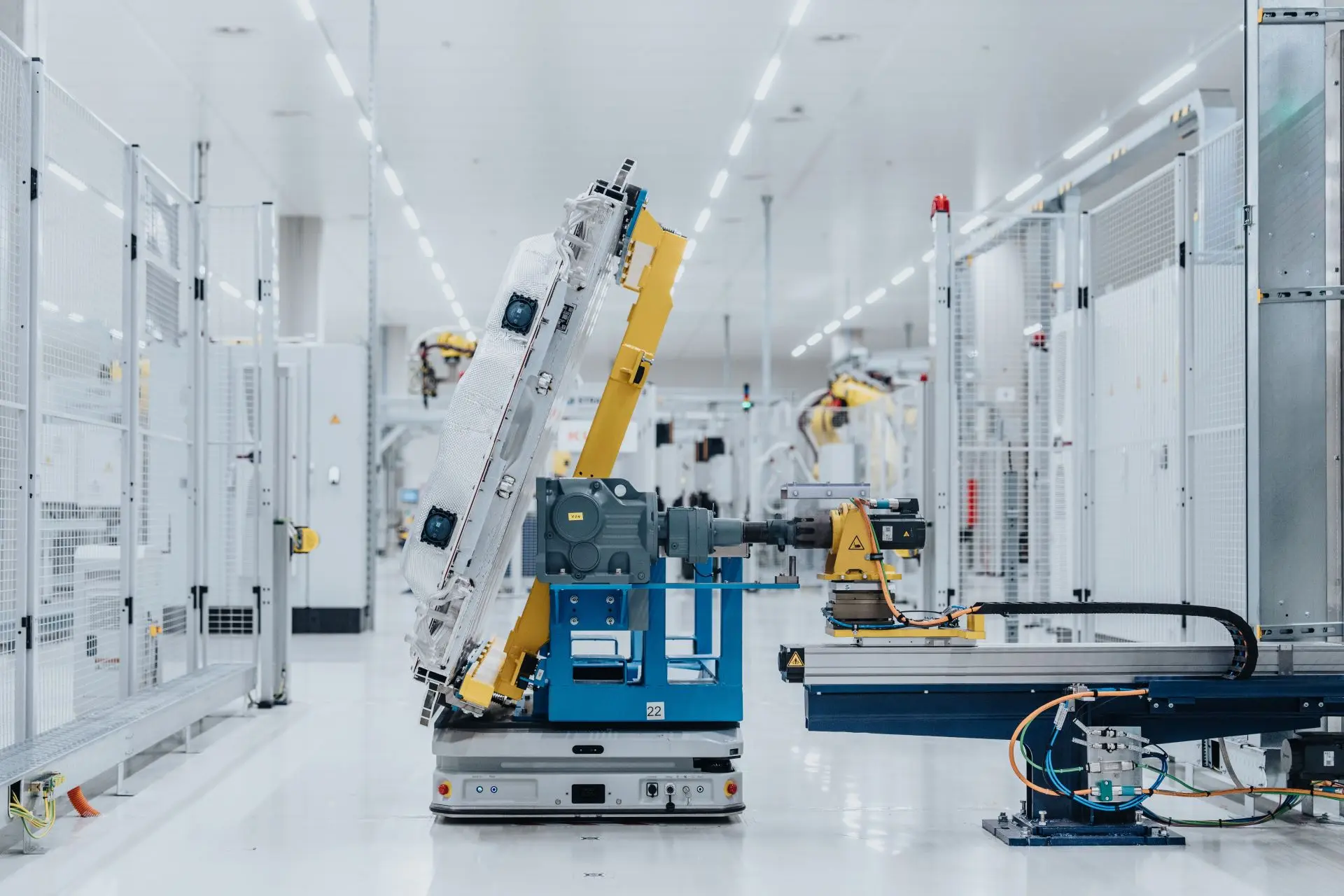
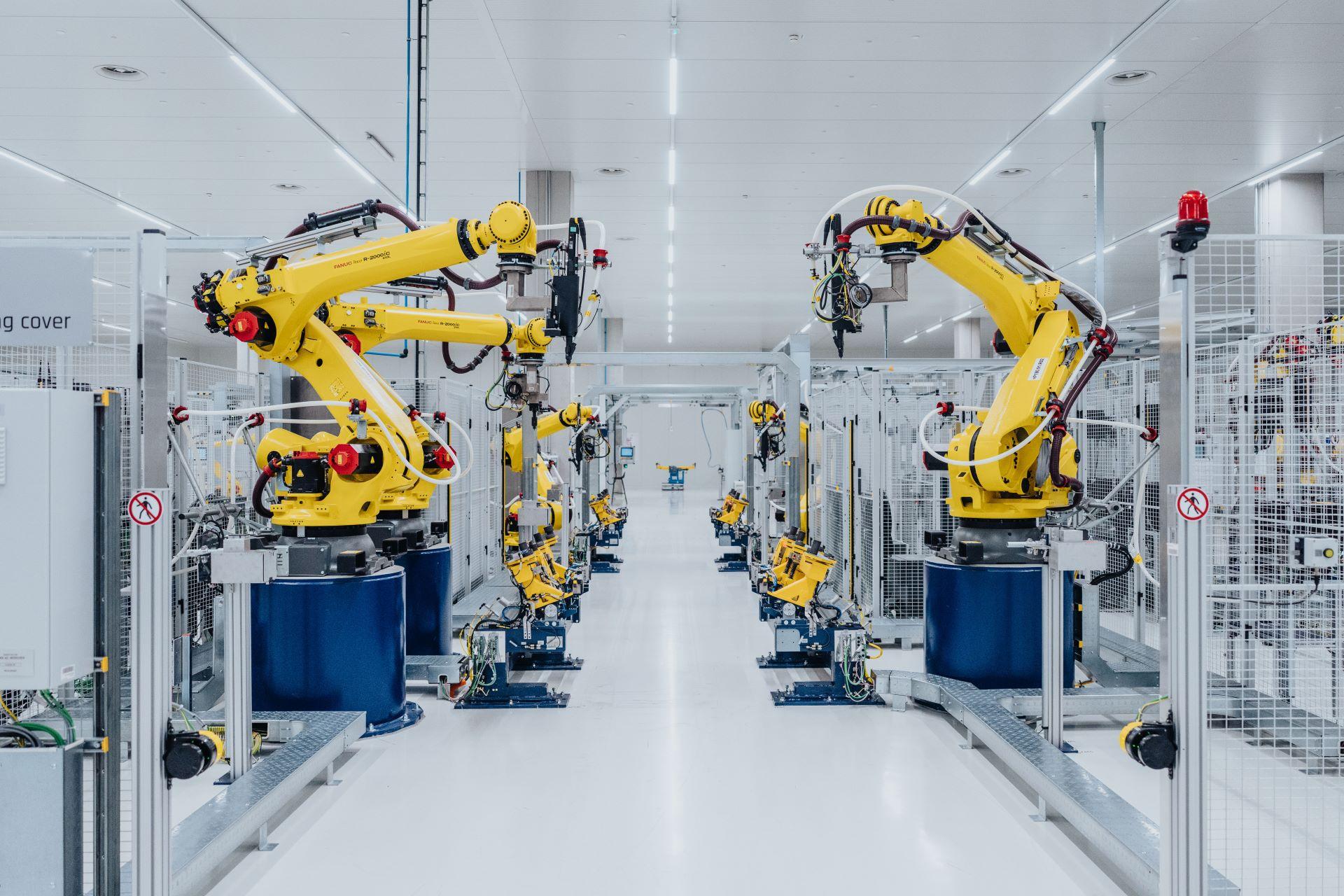
Manufacturing plays a central role in this sustainability story. Production of the new 7 Series takes place at BMW Group Plant Dingolfing, the Group’s flagship facility for luxury vehicles. The plant already sources 100 percent of its external electricity from renewable energy, with part of it generated on-site. A large-scale rooftop photovoltaic installation and a biomass heating system further reinforce the site’s transition toward low-carbon operations.
Transparency is another key pillar of BMW’s strategy. Independent validation by TÜV ensures that the Product Carbon Footprint data made available through the BMW Vehicle Footprint initiative accurately reflects emissions and material composition across the vehicle lifecycle. This information is accessible publicly and through the My BMW app, offering visibility into how each model performs in environmental terms from production through use.
Taken together, these developments align with the BMW Group’s broader commitment to the Paris Climate Agreement and its ambition to reach net zero emissions no later than 2050. The company has also set interim science-based targets, including a planned reduction of at least 40 million tonnes of CO2e emissions by 2030 compared to 2019 levels.
In combining next-generation battery technology, increased material circularity and renewable-powered production, the BMW 7 Series range illustrates how luxury mobility is being redefined. Performance and refinement remain central, but they are now increasingly accompanied by a quieter, more systemic transformation happening beneath the surface.