


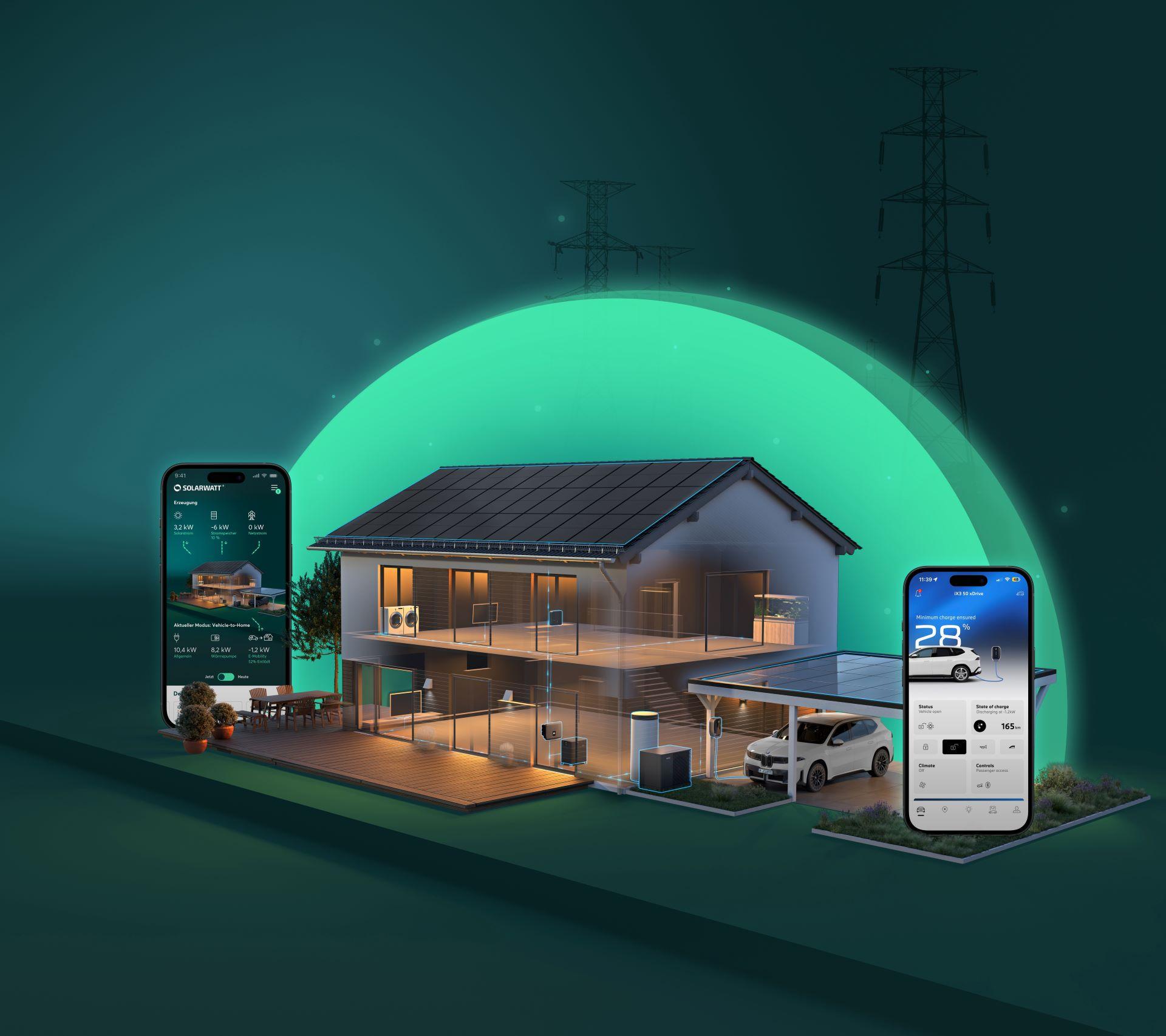
BMW and SOLARWATT are deepening their long-standing partnership with the development of an integrated smart home energy ecosystem designed around electric mobility, renewable energy and bidirectional charging technology.
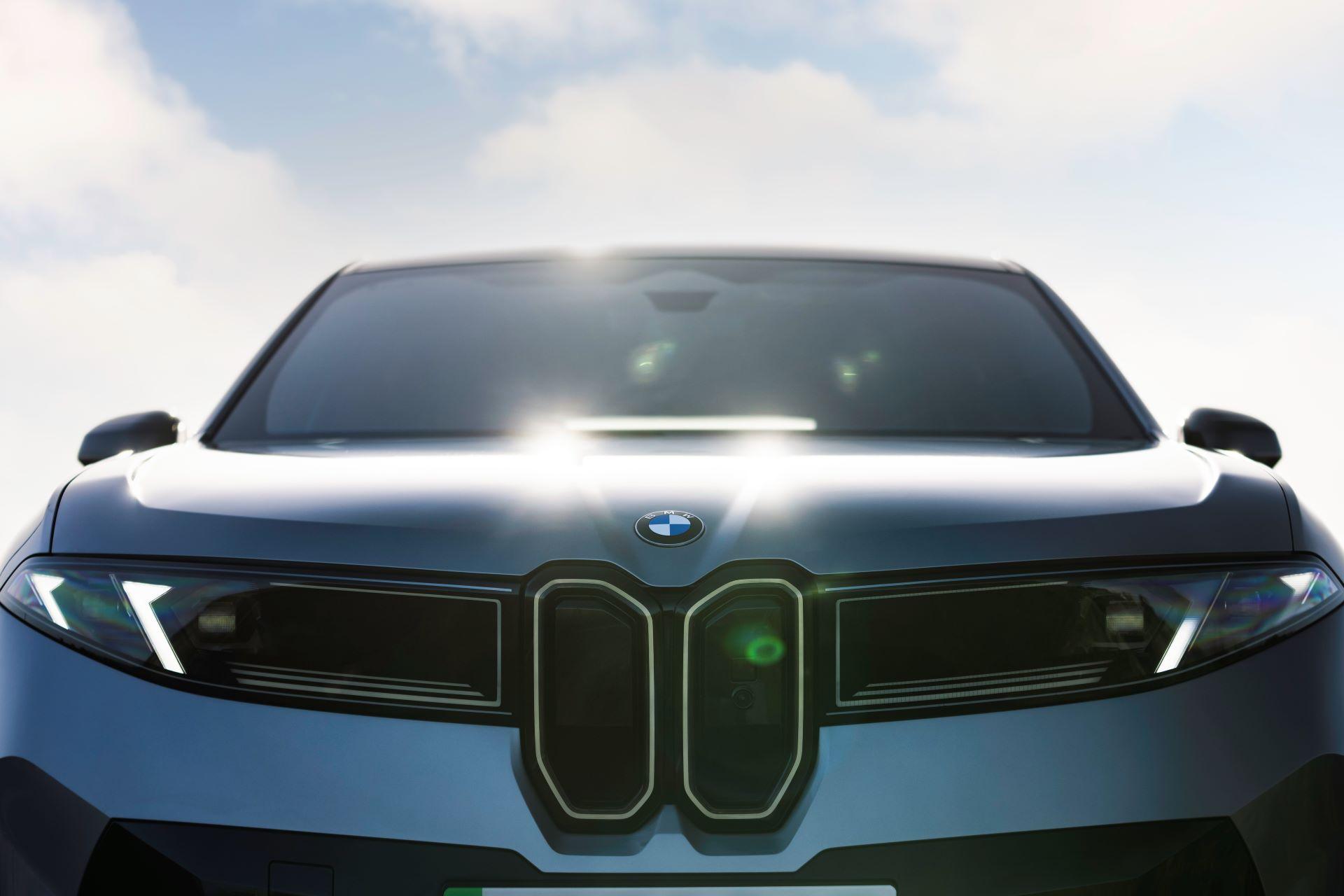
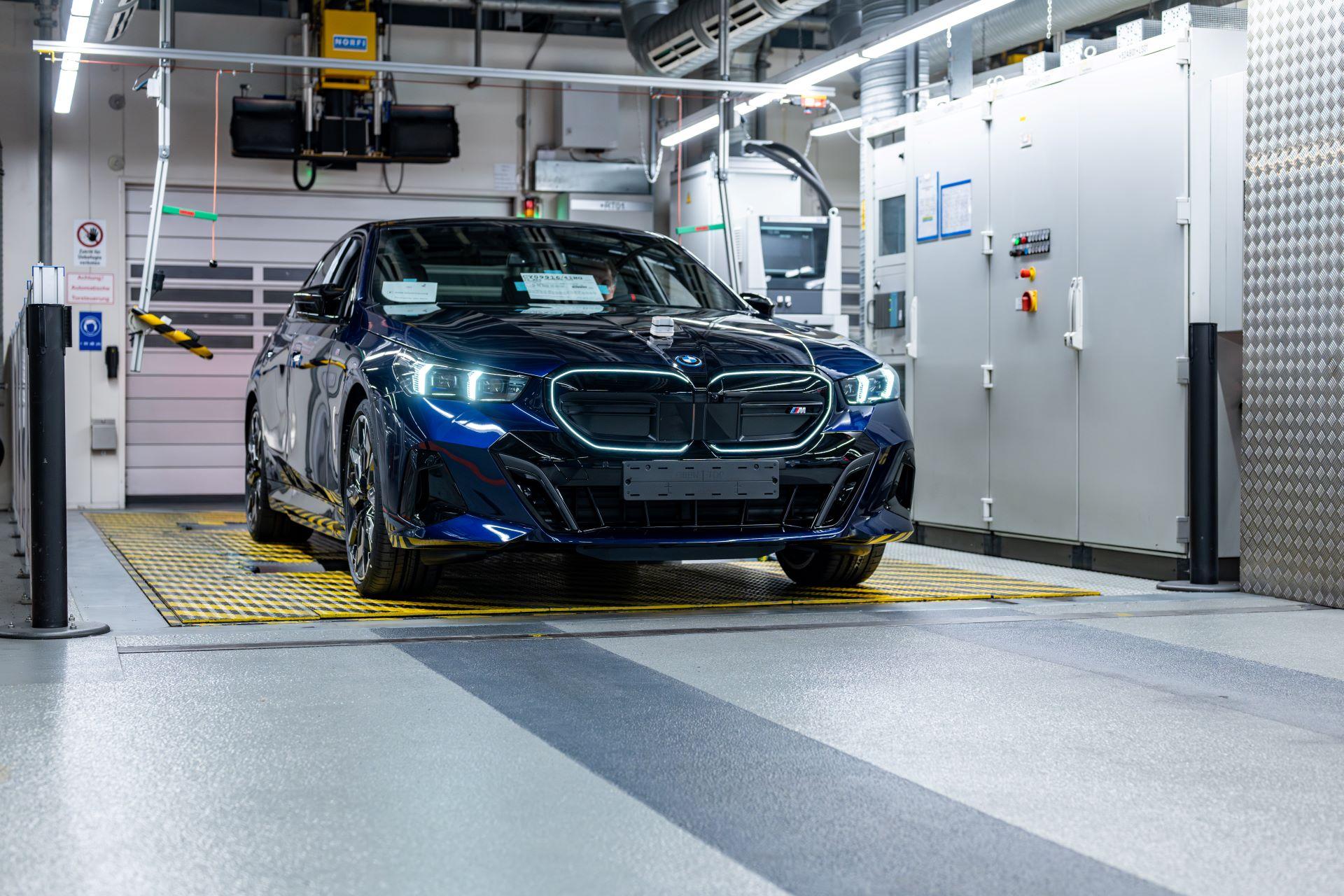
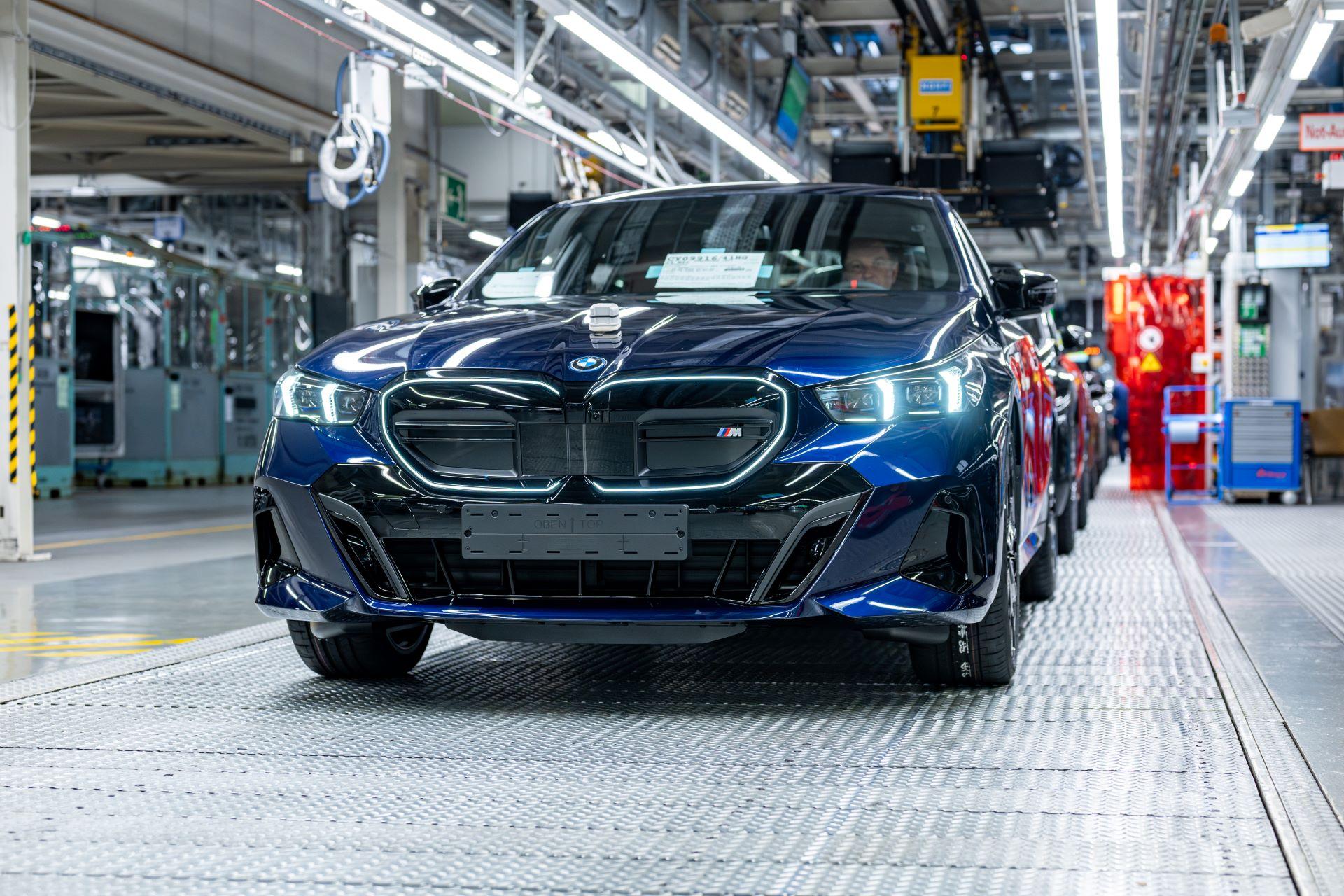
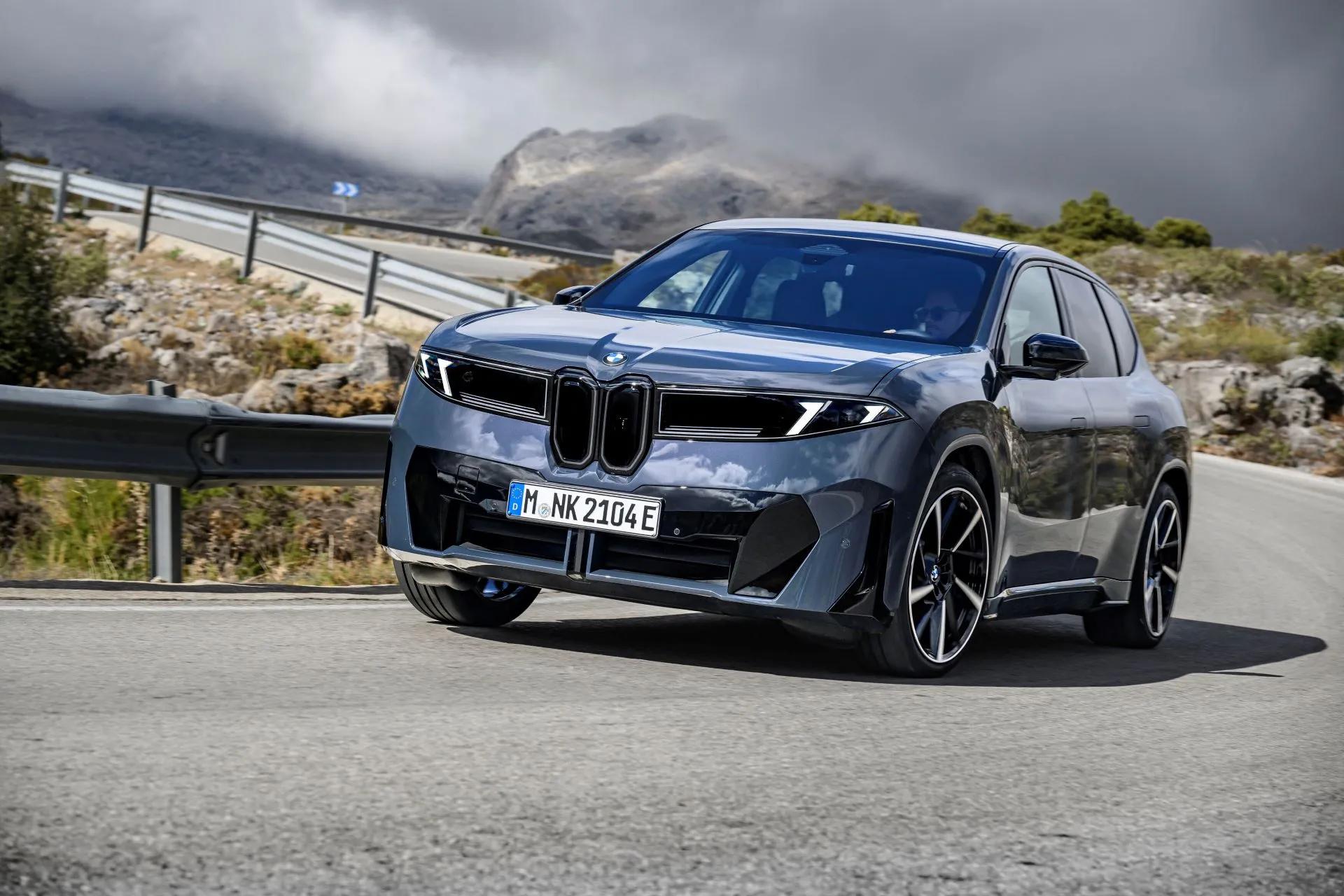
The collaboration marks another major step in BMW’s wider electrification strategy as the company prepares to introduce advanced Vehicle-to-Home (V2H) functionality alongside the launch of its Neue Klasse electric vehicle platform. The rollout will begin with the upcoming BMW iX3 and BMW i3 models, which will feature bidirectional charging capabilities as standard.
Building on Germany’s first commercial Vehicle-to-Grid (V2G) offering introduced earlier in 2026, BMW and SOLARWATT are now turning their attention toward enabling electric vehicles to function as intelligent energy storage units within the home.
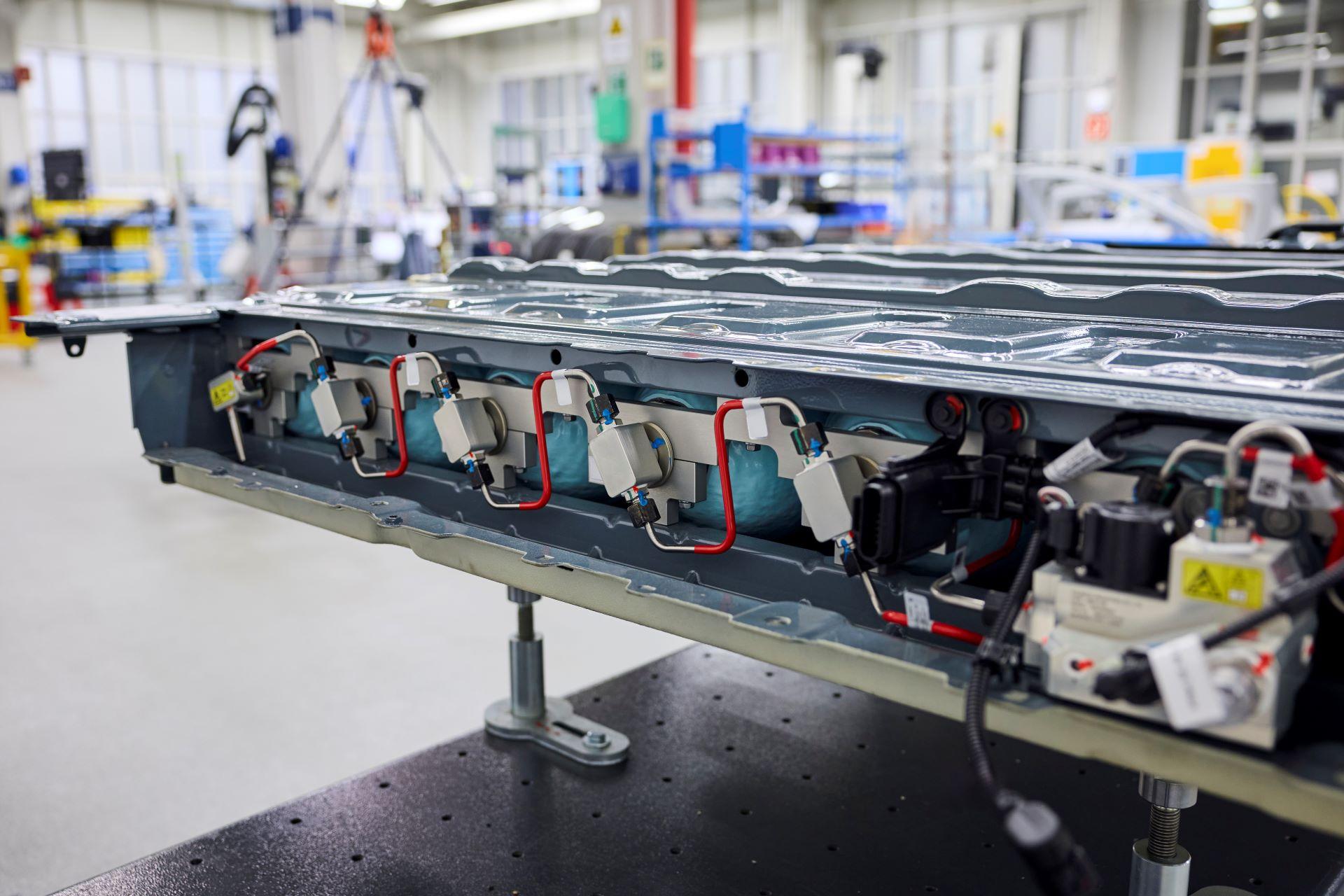
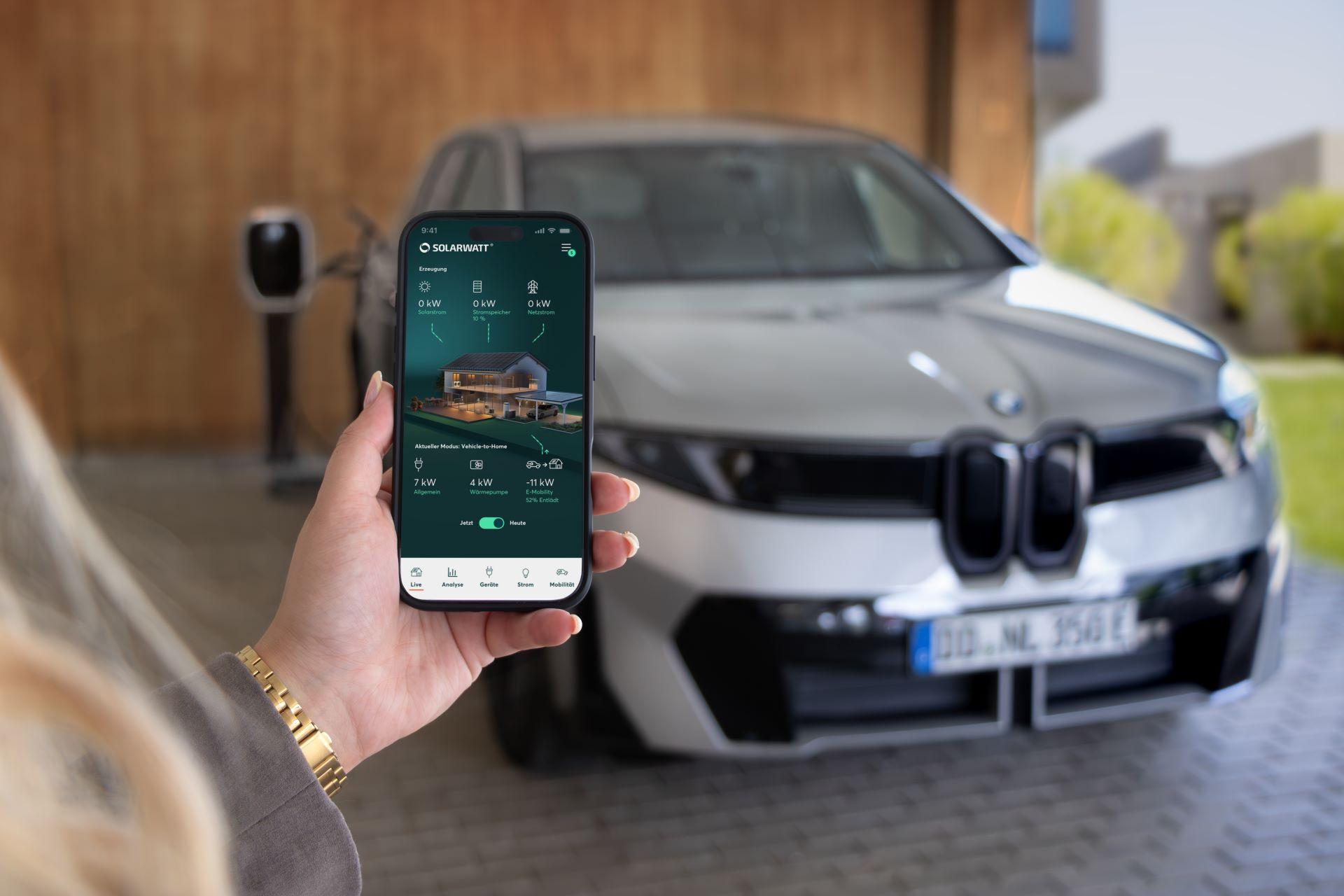
At the heart of the system is the SOLARWATT Manager, a Home Energy Management System (HEMS) that coordinates and optimises energy generation, storage and consumption across the household. The technology connects photovoltaic solar systems, home battery storage, domestic appliances and BMW electric vehicles into a single intelligent network.
Using the bidirectional BMW Wallbox Professional, compatible Neue Klasse models will not only be able to charge from the home, but also feed electricity back into it when required. This allows surplus solar energy generated during the day to be stored in the vehicle battery and later used to power the home during periods of high electricity demand or peak tariffs.
The integration aims to maximise self-consumption of solar energy while reducing dependence on expensive grid electricity. BMW says the system will also support dynamic electricity tariffs and solar forecasting data to further optimise charging and discharging cycles automatically.
Customers will manage the ecosystem through the My BMW App and the SOLARWATT Home app, creating what both companies describe as a seamless and fully connected energy experience between vehicle and household.
SOLARWATT’s open-platform approach also means homeowners will not be restricted to a single ecosystem. In addition to SOLARWATT products, the HEMS platform will support compatible third-party home storage systems, giving users greater flexibility when expanding their energy infrastructure over time.
The partnership between BMW and SOLARWATT dates back to 2013 and has steadily evolved alongside the growth of the electric vehicle market. In 2021, the companies jointly introduced a home battery storage solution using battery module technology derived from BMW electric vehicles. That system was later succeeded by the SOLARWATT Battery vision, launched in 2025 with exterior styling developed by BMW Designworks USA.
According to SOLARWATT Chief Product Officer Peter Bachmann, integrating an electric vehicle into a home energy ecosystem significantly increases the value of residential solar systems by expanding available storage capacity and improving energy independence.
BMW Group Vice President New Business Marcus Krieg added that bidirectional charging technology could play an important role in supporting broader energy transition goals. By collectively using EV batteries as decentralised energy storage, power grids can be stabilised more effectively while renewable energy integration becomes more efficient and scalable.
The integrated Vehicle-to-Home solution is scheduled to launch in Germany, Austria and the Netherlands in late 2026, with further milestones expected to be showcased publicly at Intersolar Europe later this year.
For BMW, the partnership represents more than just a charging solution. It signals a future where the electric vehicle becomes a central component of the connected home, blending mobility, renewable energy and intelligent energy management into a single ecosystem designed to improve efficiency, lower costs and reduce reliance on traditional power infrastructure.