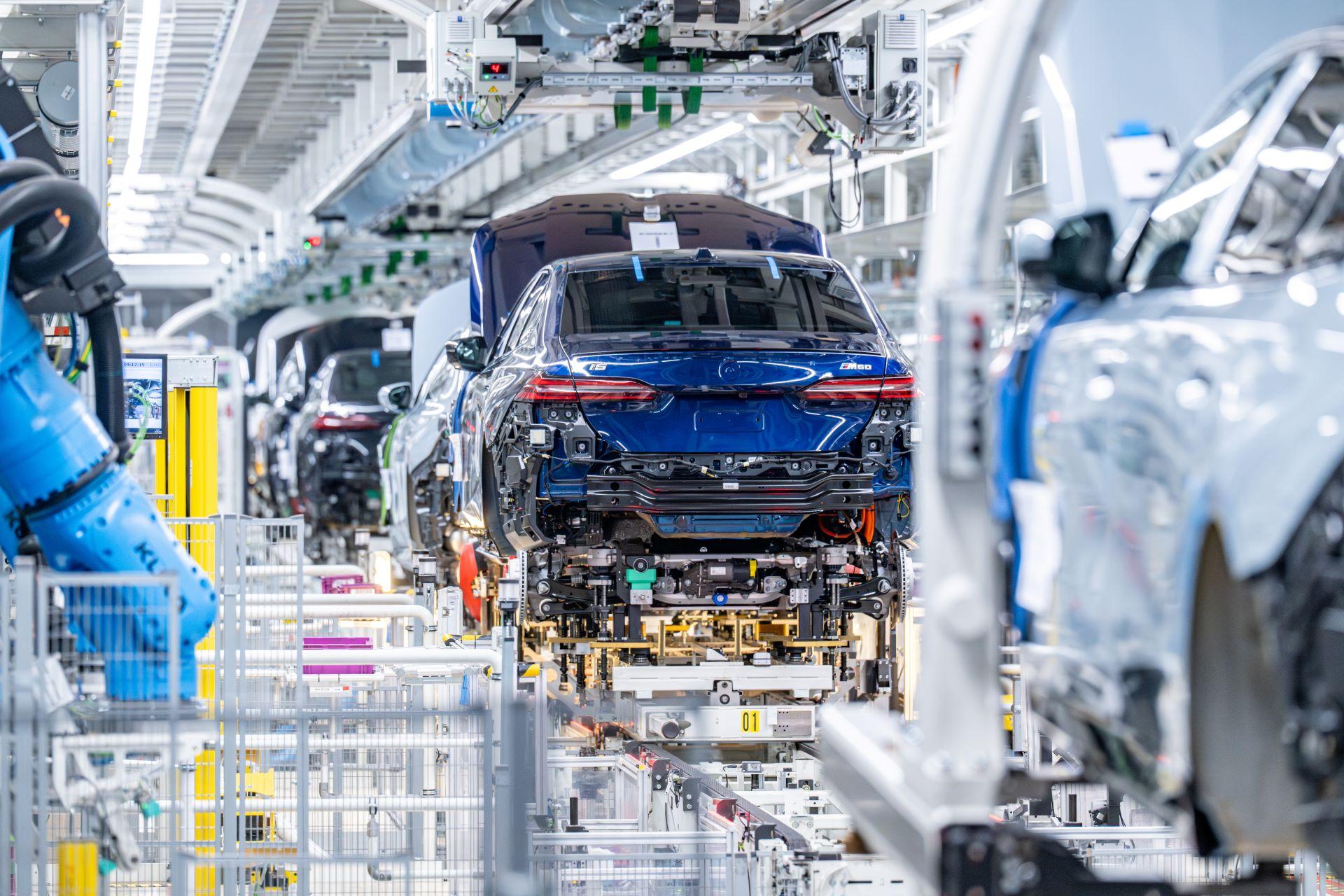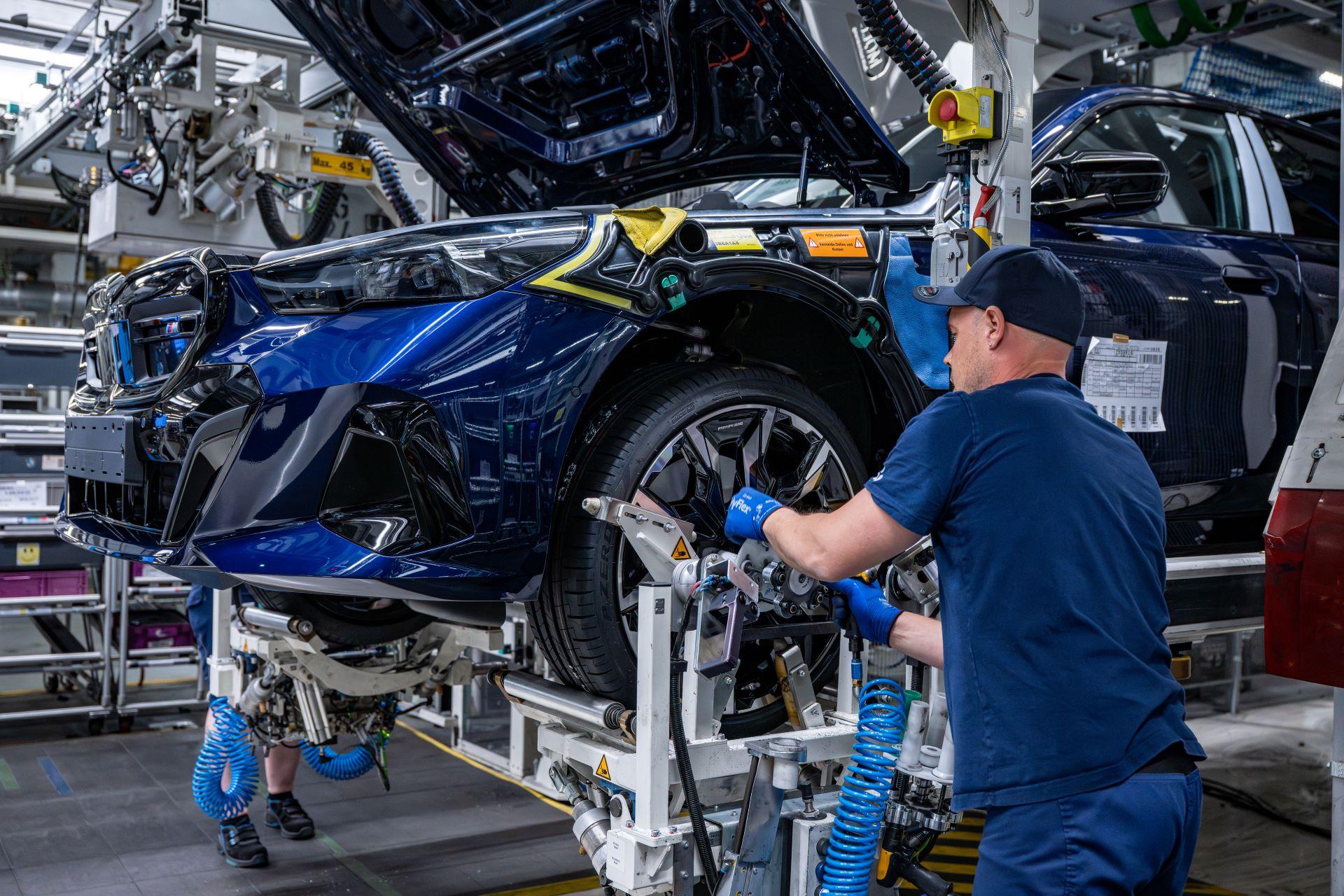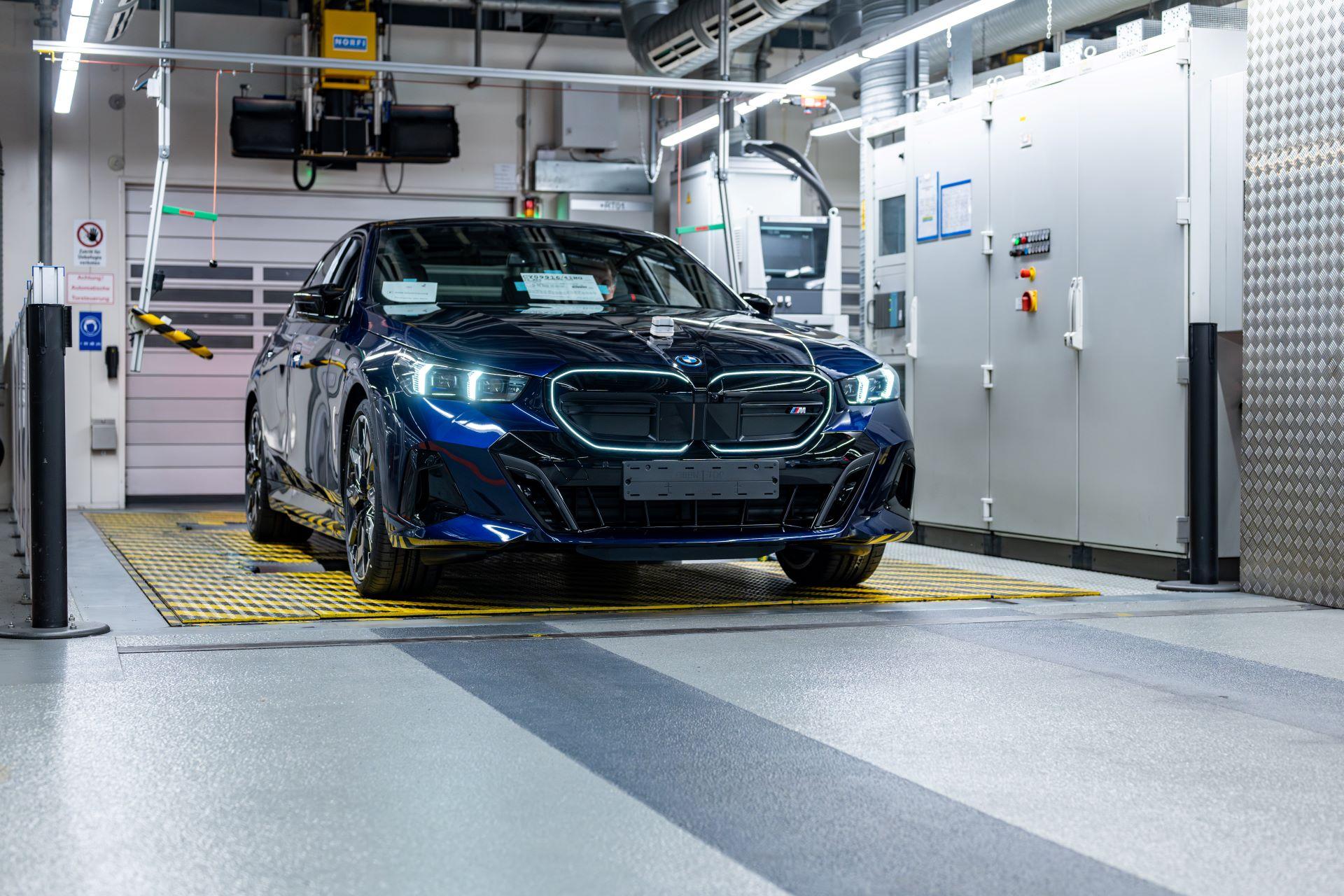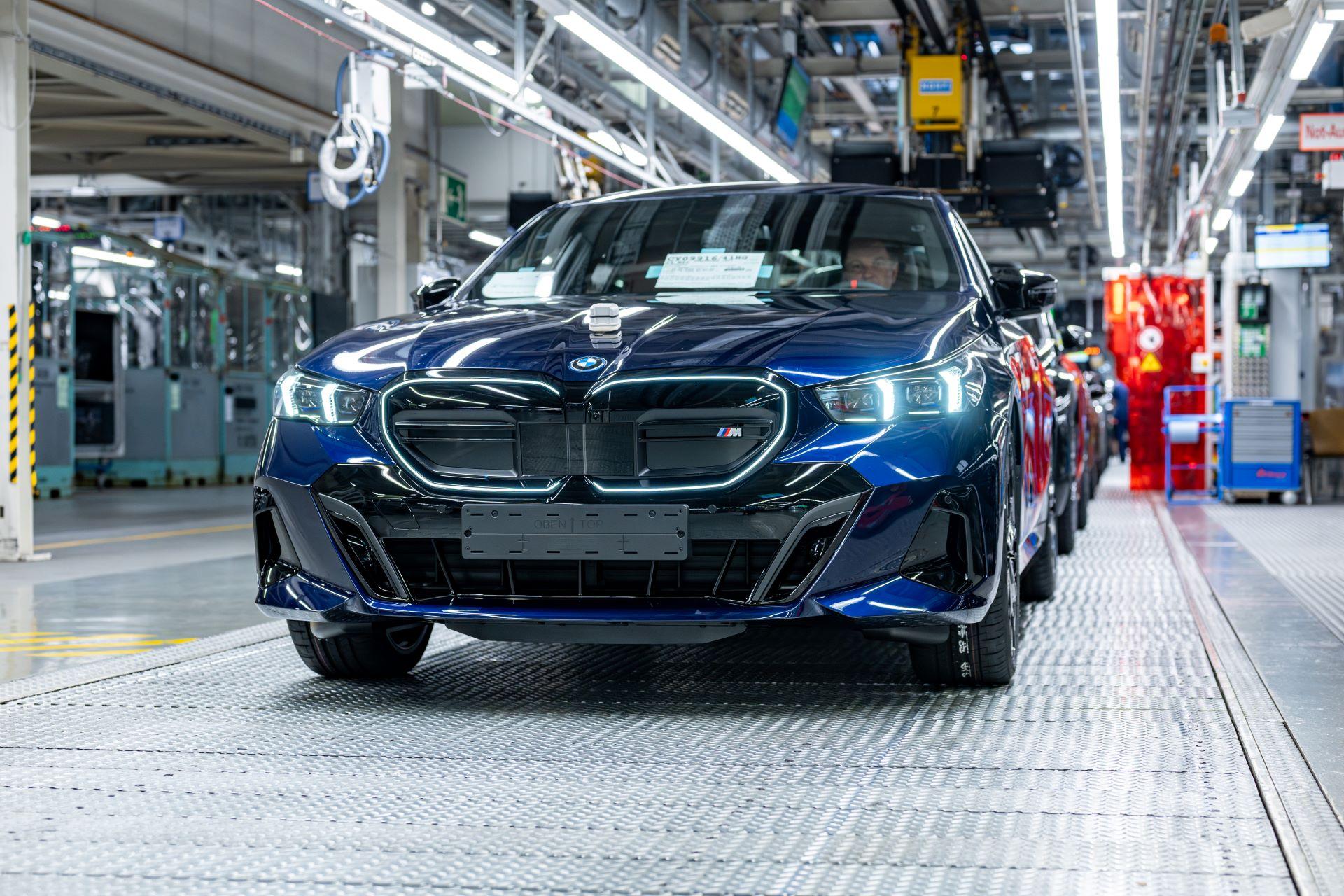



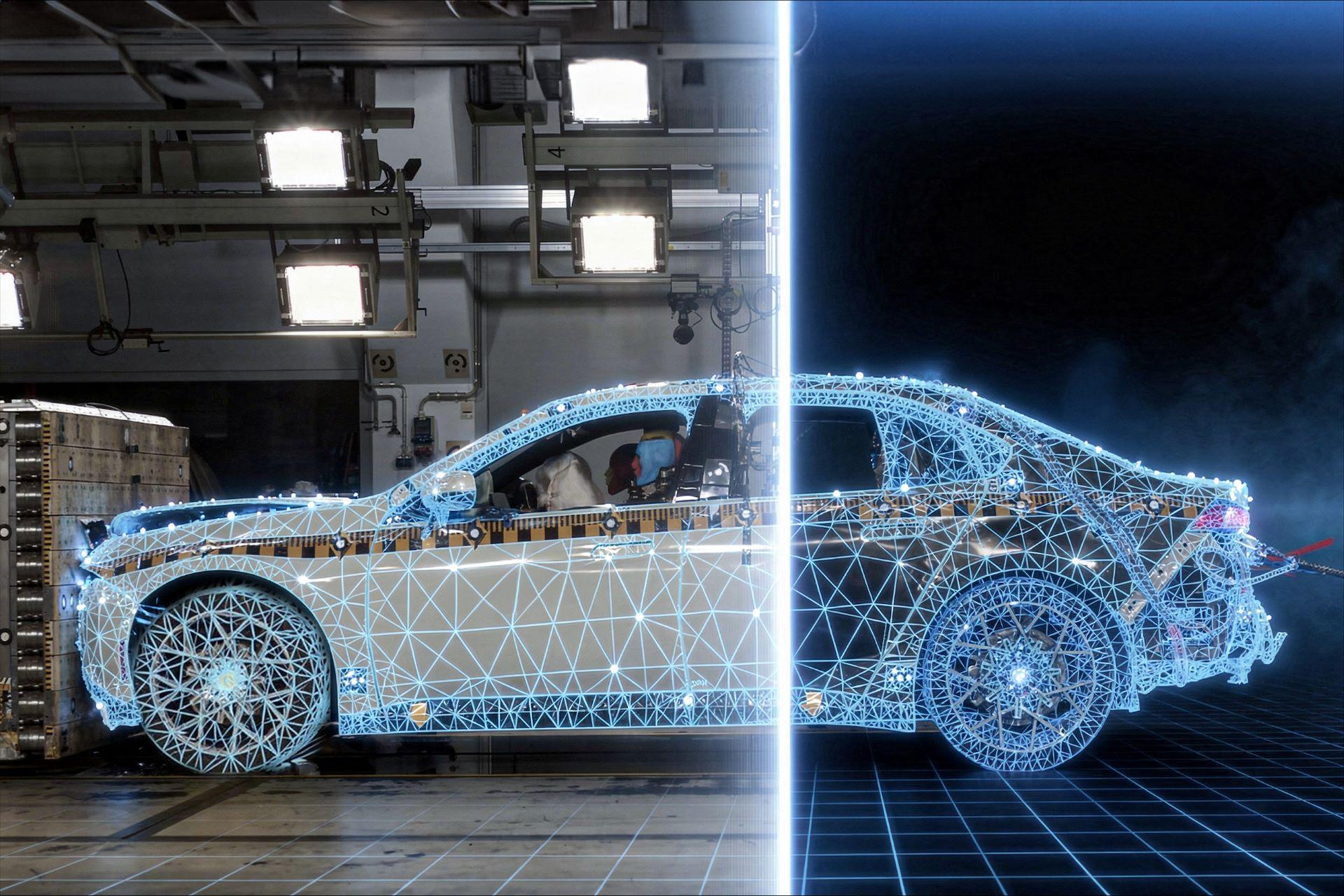
In the quiet churn of digital engineering labs, where metal becomes mathematics and motion is first imagined before it is ever built, a new kind of collaboration is taking shape between the BMW Group and Mistral AI. It is a partnership rooted not in abstract ambition, but in the dense, high-stakes reality of crash simulation data, where every calculation can echo through the life of a future vehicle and its occupants.
At the heart of this initiative lies an immense industrial dataset that has been accumulating over years of virtual testing. Each week, the BMW Group executes thousands of crash simulations, each one generating intricate layers of engineering insight. Over time, this process has formed a historical repository exceeding one petabyte of crash simulation data. Within this vast digital archive lives a granular understanding of vehicle structures, material behaviour, and impact dynamics that few organisations in the world can match.
The challenge, and opportunity, is no longer the lack of data, but how to translate such complexity into faster, more precise engineering outcomes. This is where artificial intelligence becomes more than a tool and begins to function as an embedded layer within the development process itself.
“For the BMW Group, the use of industrial data is a key factor in translating artificial intelligence into value creation,” said Dr. Franz Decker, CIO and Senior Vice President of the BMW Group. By combining engineering datasets with Mistral AI’s model training capabilities, the organisation aims to build specialised AI systems designed to support complex development tasks rather than replace them.
Crash simulation, in particular, represents one of the most demanding environments for AI application. It is a domain defined by extreme variability, non-linear physics, and tightly coupled systems where small changes in design can produce vastly different outcomes. Traditional simulation pipelines already require significant computational resources, but interpreting and optimising results at scale introduces an additional layer of complexity that grows with every new model generation.
The introduction of domain-specific artificial intelligence offers a pathway through this complexity. Instead of relying on general-purpose models trained on broad internet-scale data, the BMW Group and Mistral AI are focusing on systems built directly from engineering and simulation datasets. These are known as Large Industry Models, designed to embed technical knowledge of a specific field into the structure of the AI itself.
Unlike general models that interpret information broadly, these systems are tuned to understand the language of engineering: stress distribution, material deformation, structural integrity, and safety thresholds. In doing so, they become not just analytical tools, but collaborators within the design process, capable of accelerating insight generation and refining simulation accuracy.
Marjorie Janiewicz, Chief Revenue Officer of Mistral AI, described the collaboration as a milestone in Industrial AI, noting that it demonstrates how sector-specific models can address deeply complex engineering challenges such as crash simulation. The emphasis is not merely on automation, but on augmentation, allowing engineers to interact with AI systems that have been trained on the very same class of problems they are tasked with solving.
The significance of this approach lies in its foundation: data density combined with domain expertise. Industrial AI cannot be built from data alone. It requires careful integration with engineering workflows, validation against physical and simulated outcomes, and continuous refinement based on real-world development cycles. In the case of BMW, this means embedding AI systems directly into the simulation environments that already underpin vehicle development.
This partnership also signals a broader shift in how the automotive industry may approach innovation in the coming years. As vehicles become more complex, electrified, and software-defined, the pressure on development cycles increases. Faster simulation, more accurate predictive modelling, and improved material understanding are no longer competitive advantages alone, but operational necessities.
By focusing on Large Industry Models, the BMW Group is effectively extending the boundaries of what AI can learn. It is moving from general intelligence into specialised cognition, where models are trained not to understand everything, but to understand one domain with exceptional depth.
Within this framework, industrial data becomes more than a by-product of engineering. It becomes the raw material of intelligence itself, shaping how future vehicles are conceived, tested, and refined long before they reach physical prototypes.
As the collaboration between BMW Group and Mistral AI evolves, it represents an early step in a wider transformation across the value chain of vehicle development. What begins in crash simulation may eventually extend into design optimisation, production planning, and beyond, creating an ecosystem where AI is not simply applied to industry, but trained by it.