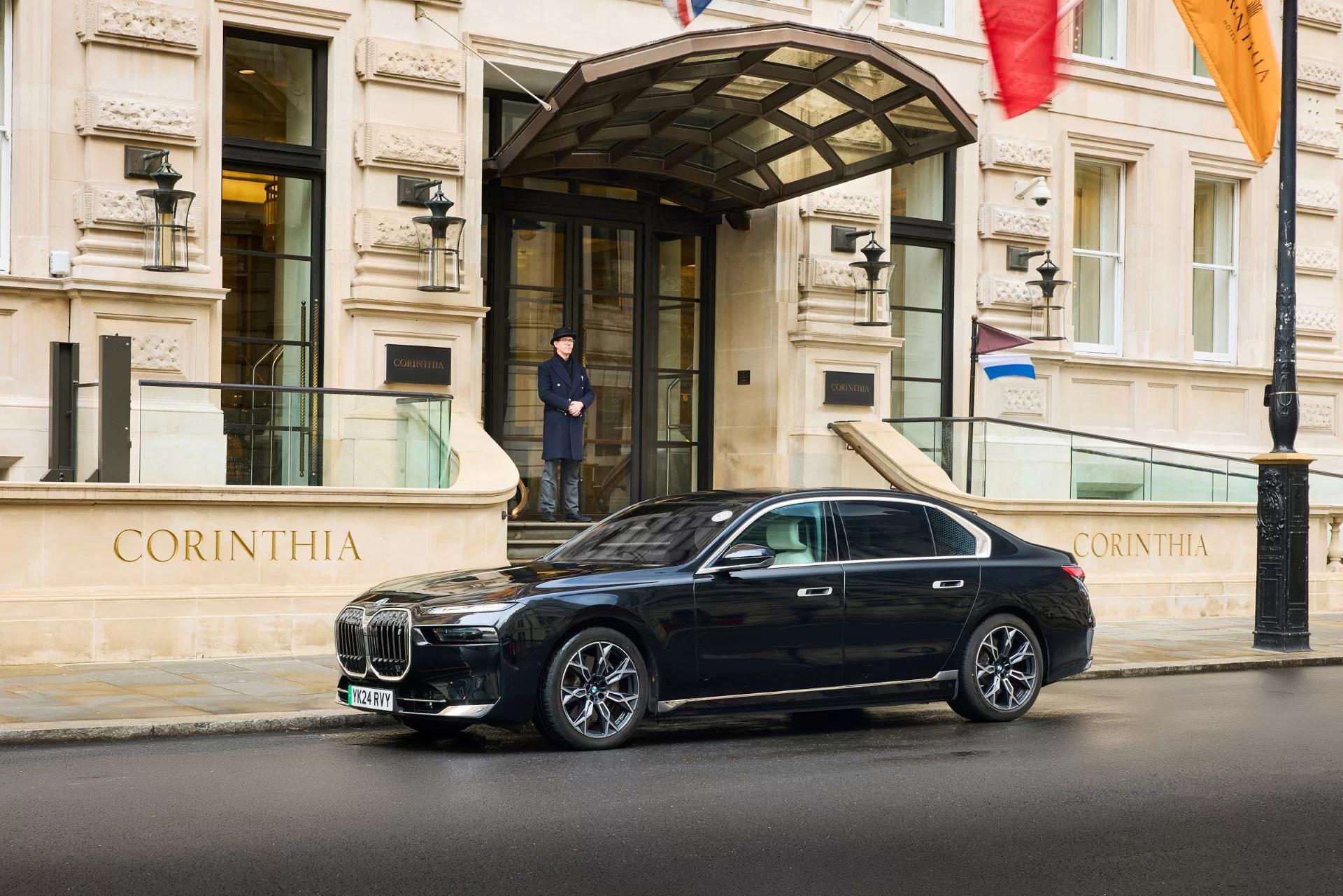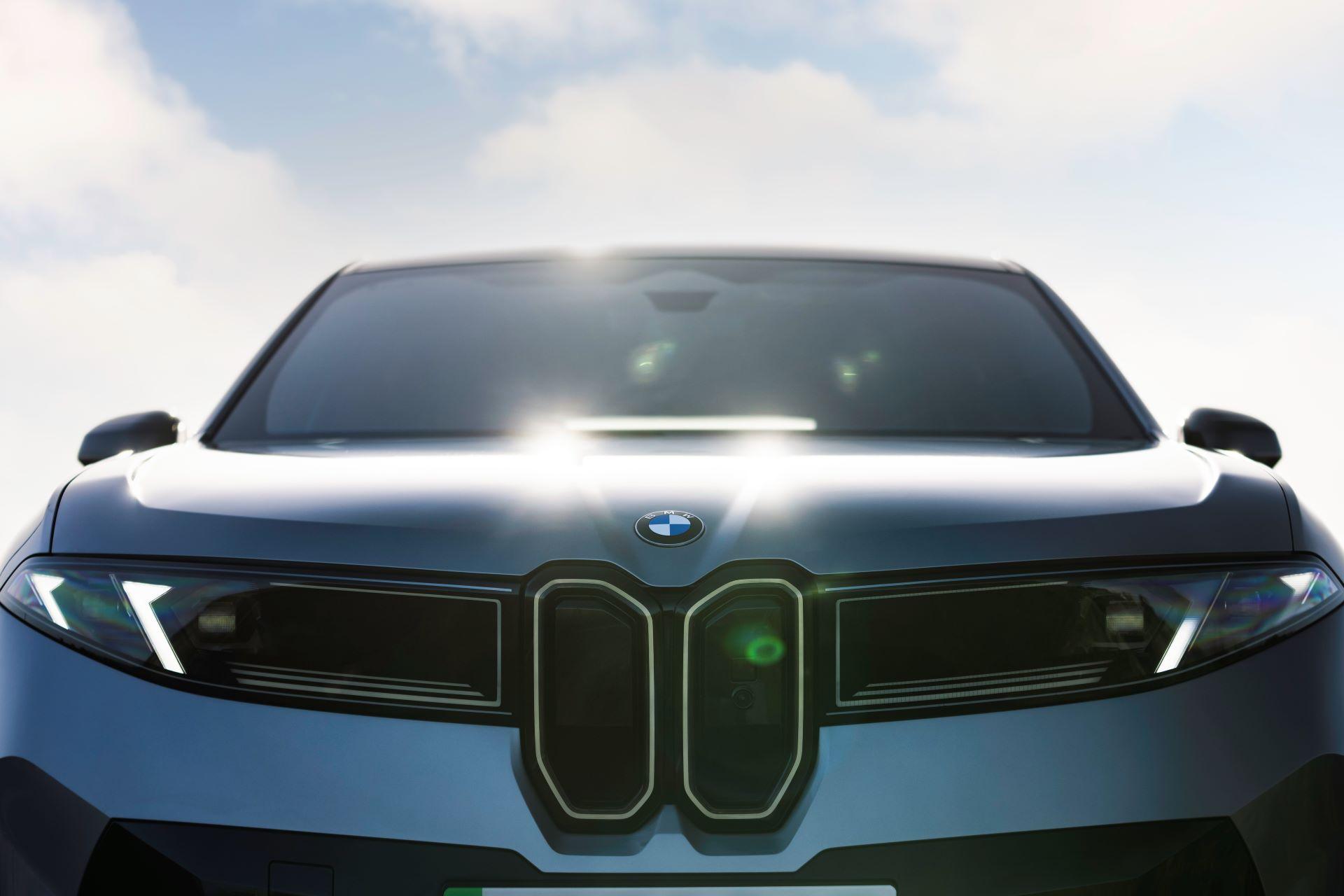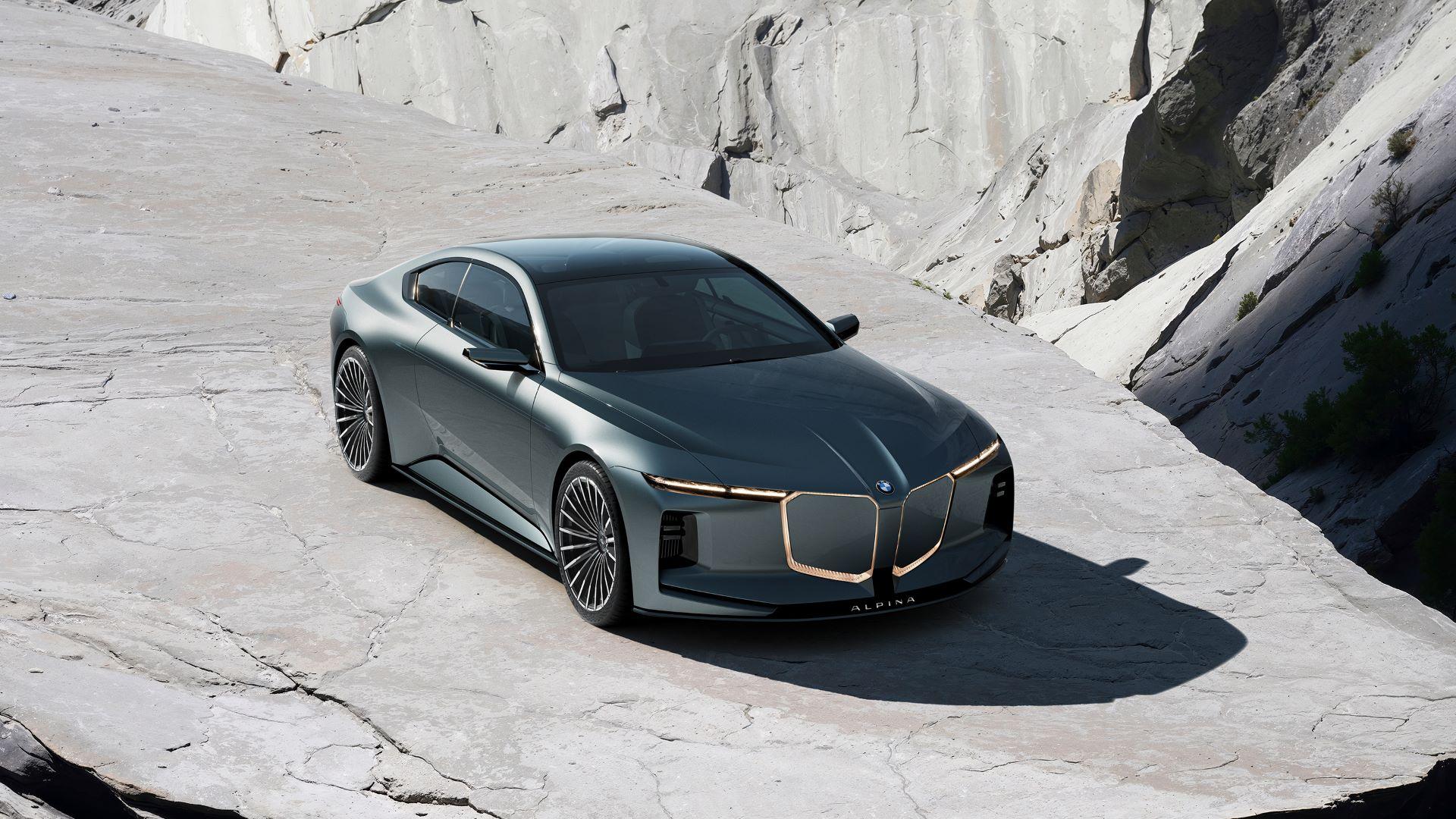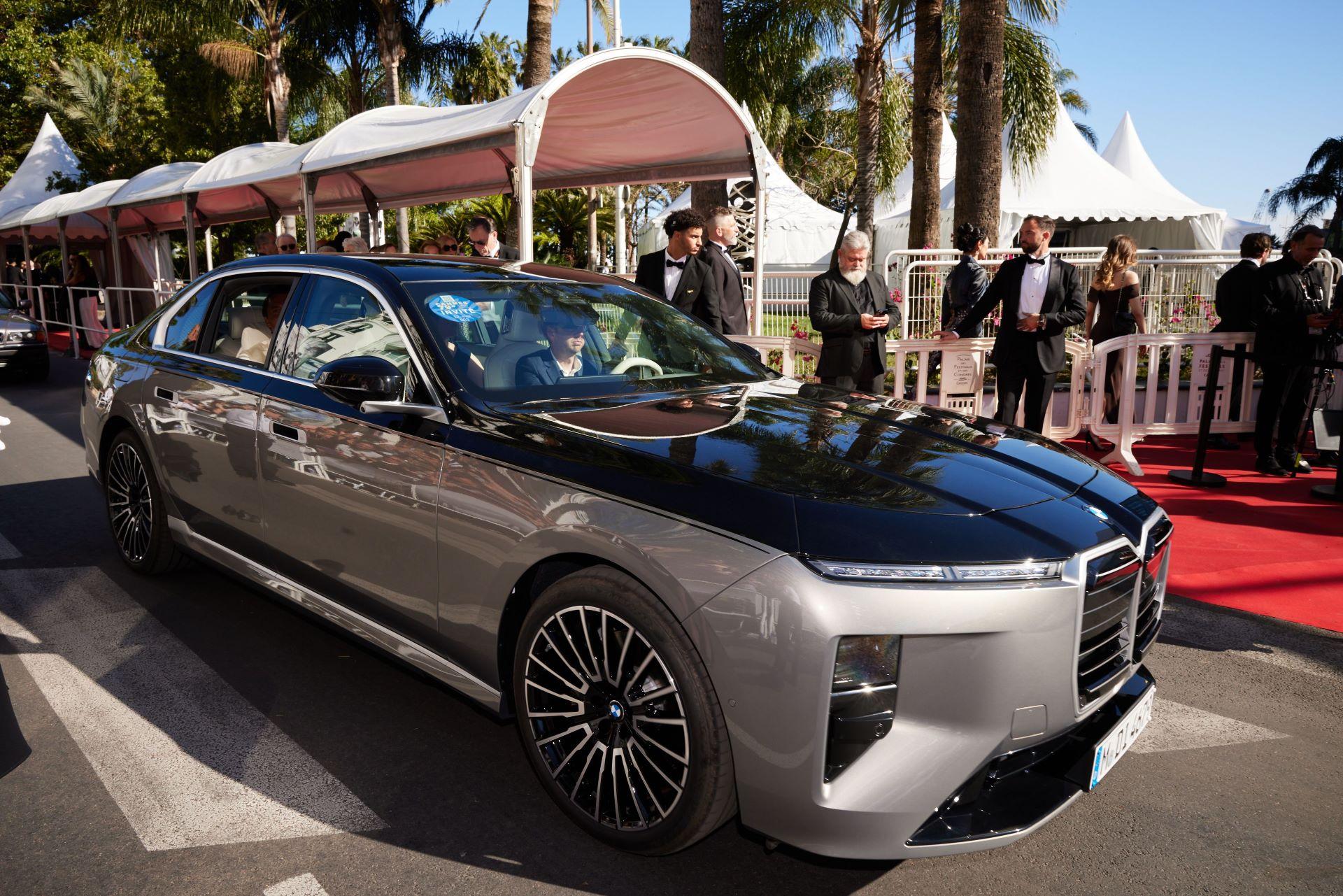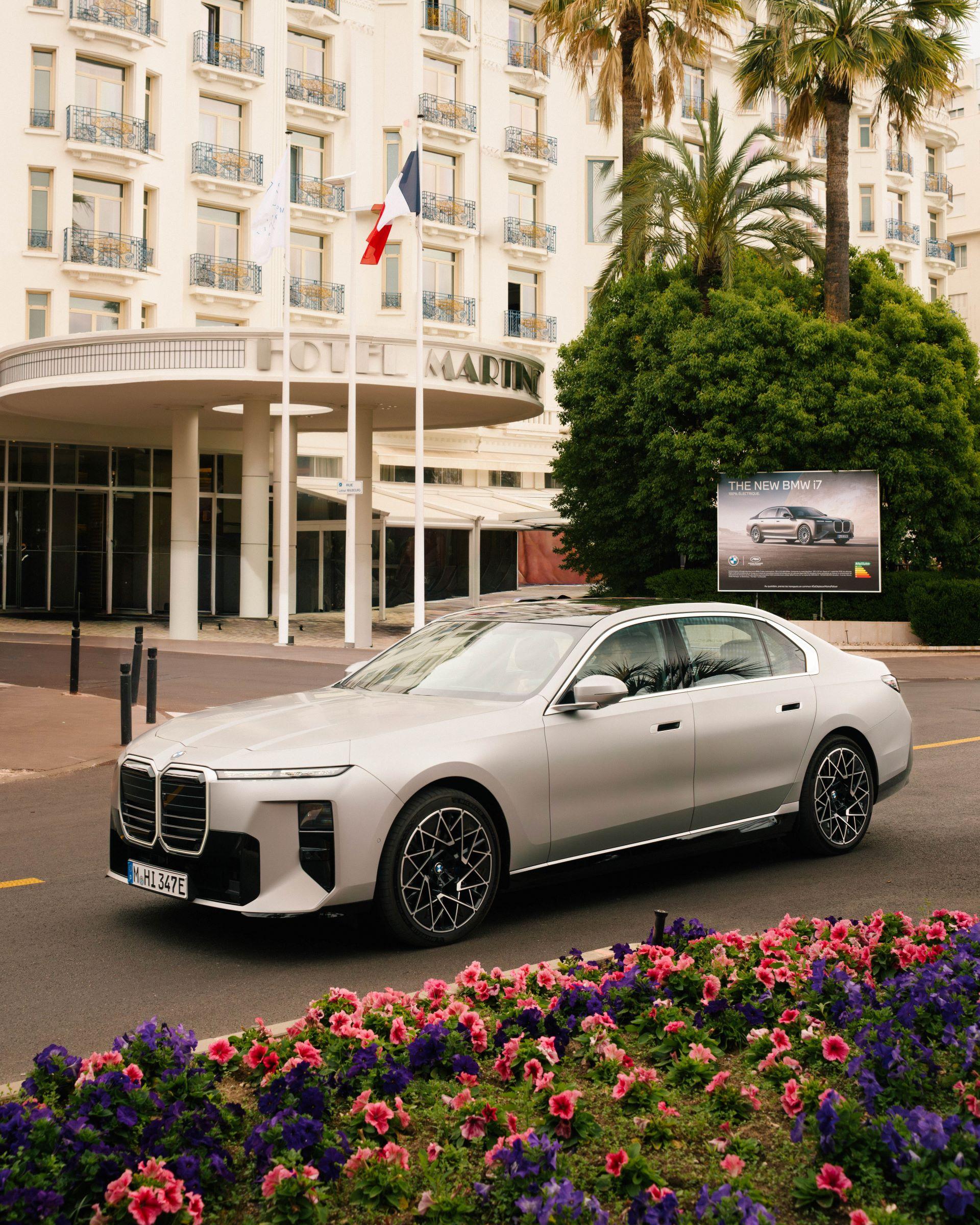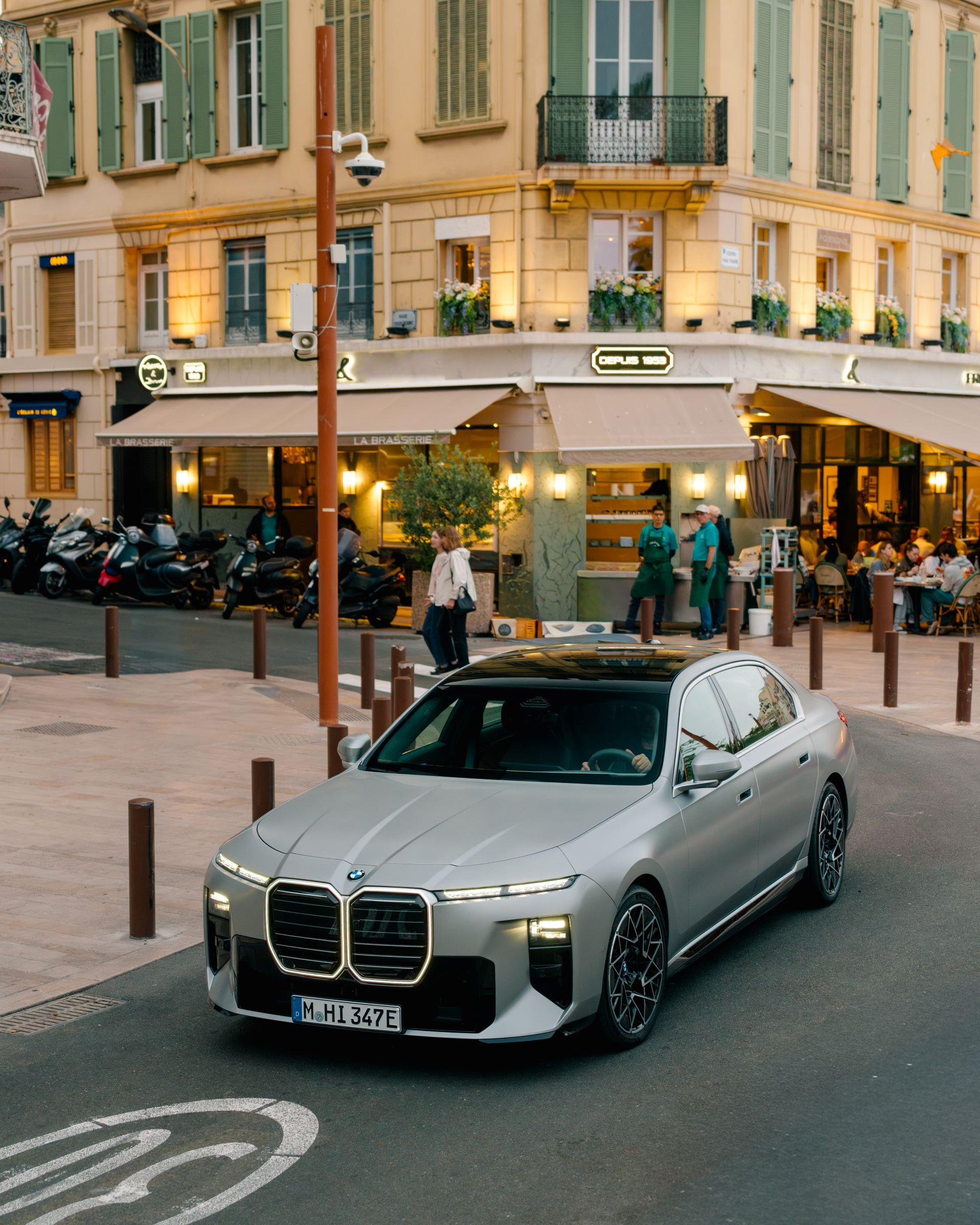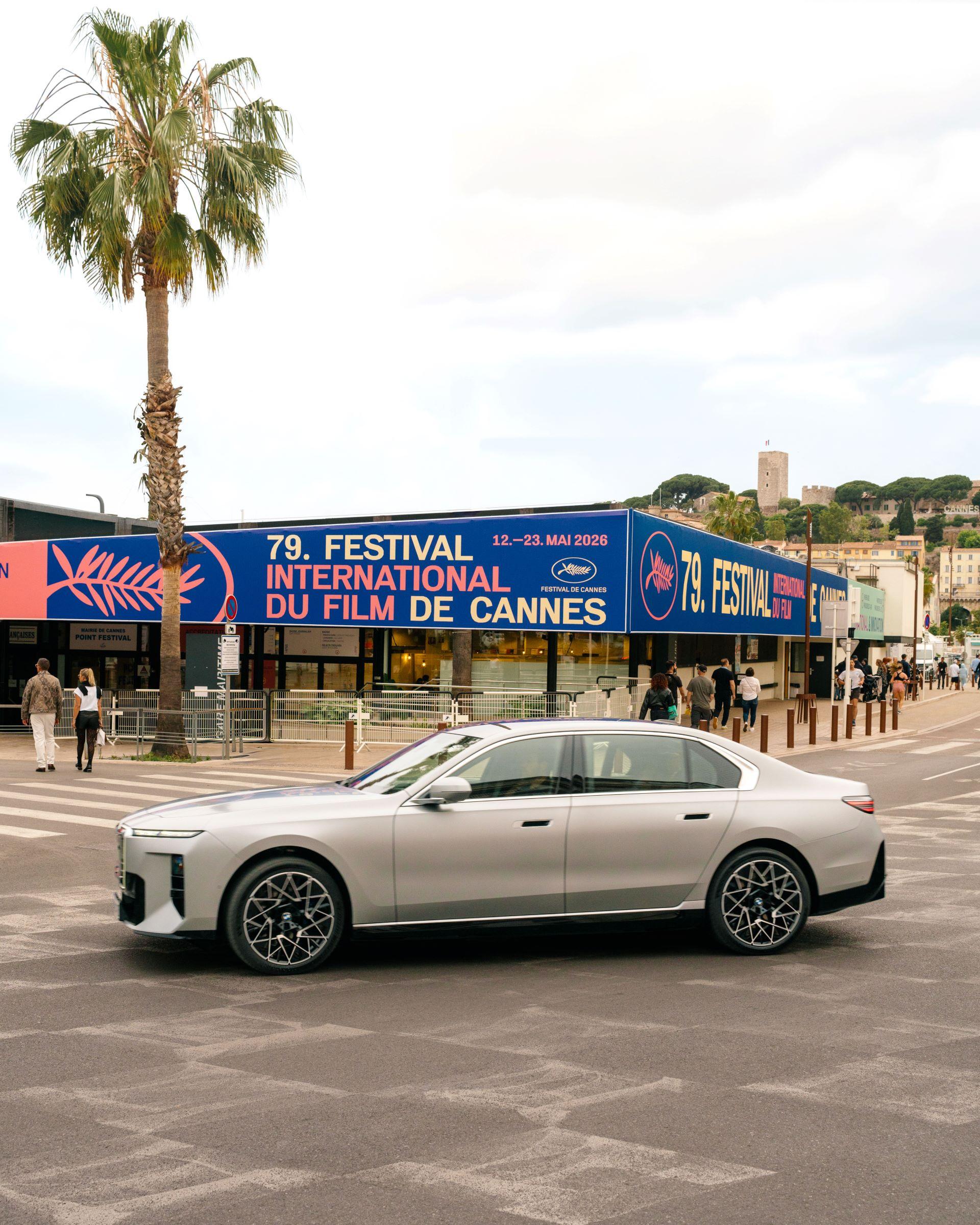



The quiet revolution in luxury mobility just found a sharper edge. BMW Group has joined forces with Croatian electric powerhouse Rimac Technology to reimagine the beating heart of its flagship electric sedan, the BMW i7. The result is not merely an incremental upgrade, but a carefully orchestrated leap forward in energy density, range and charging performance.
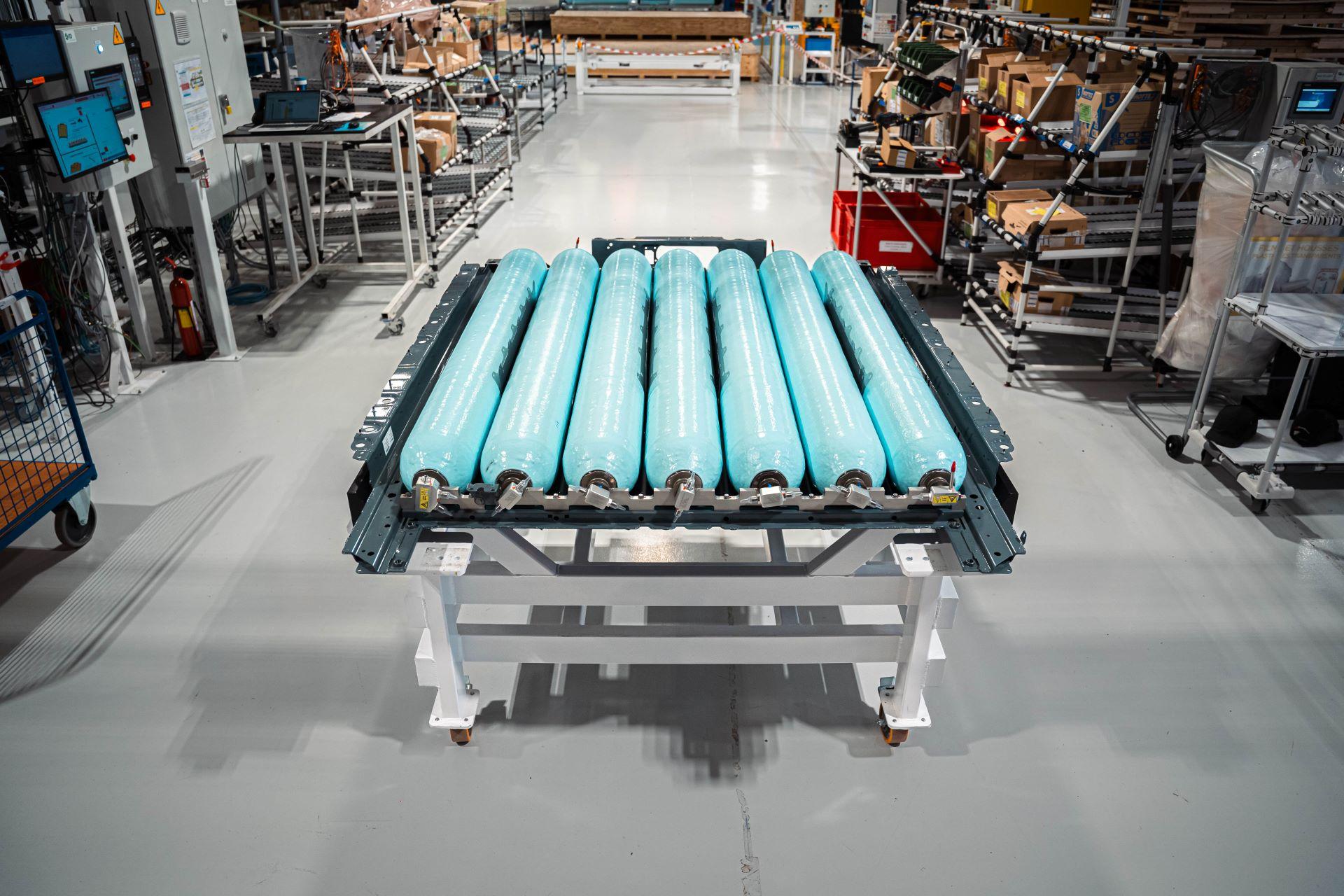
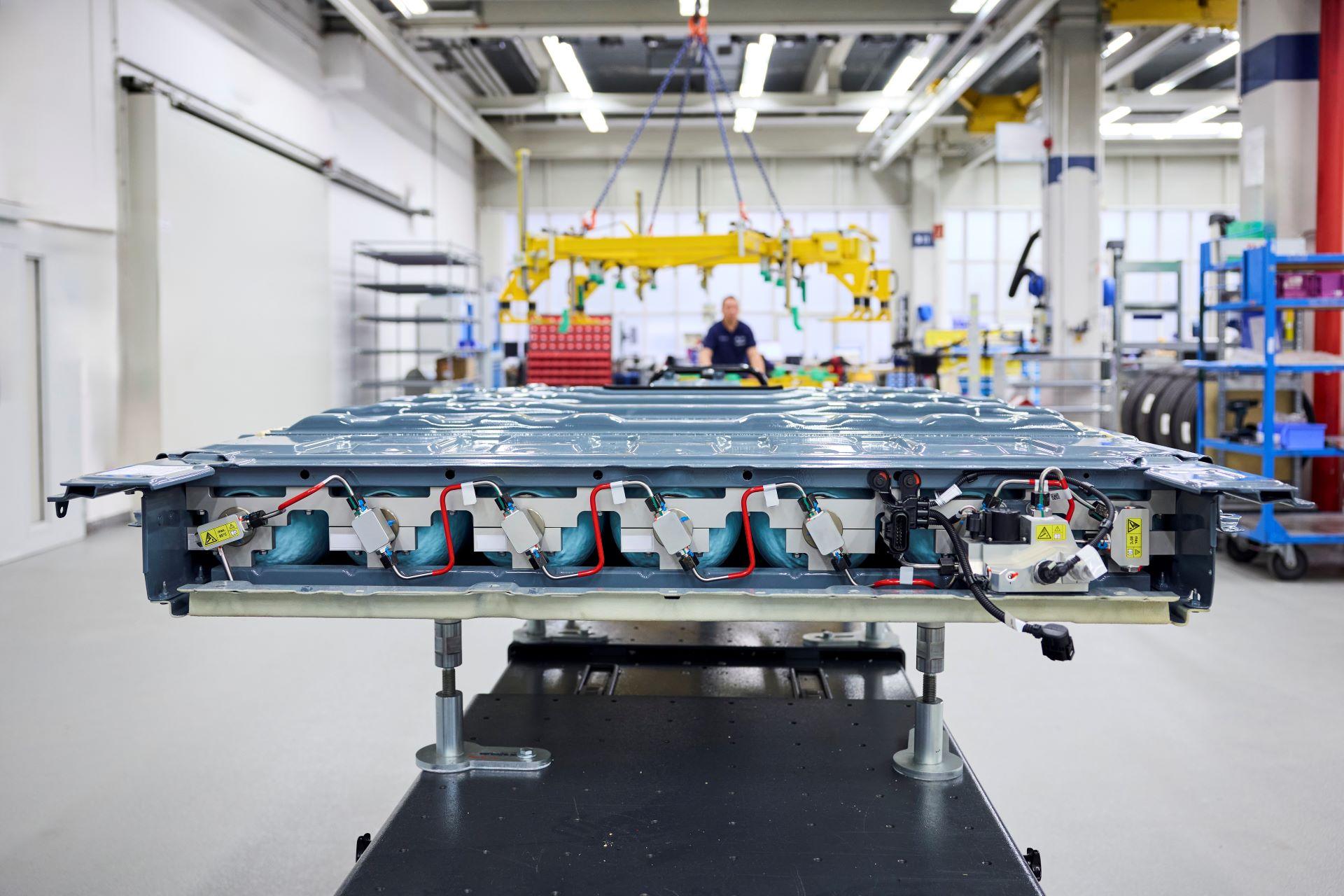
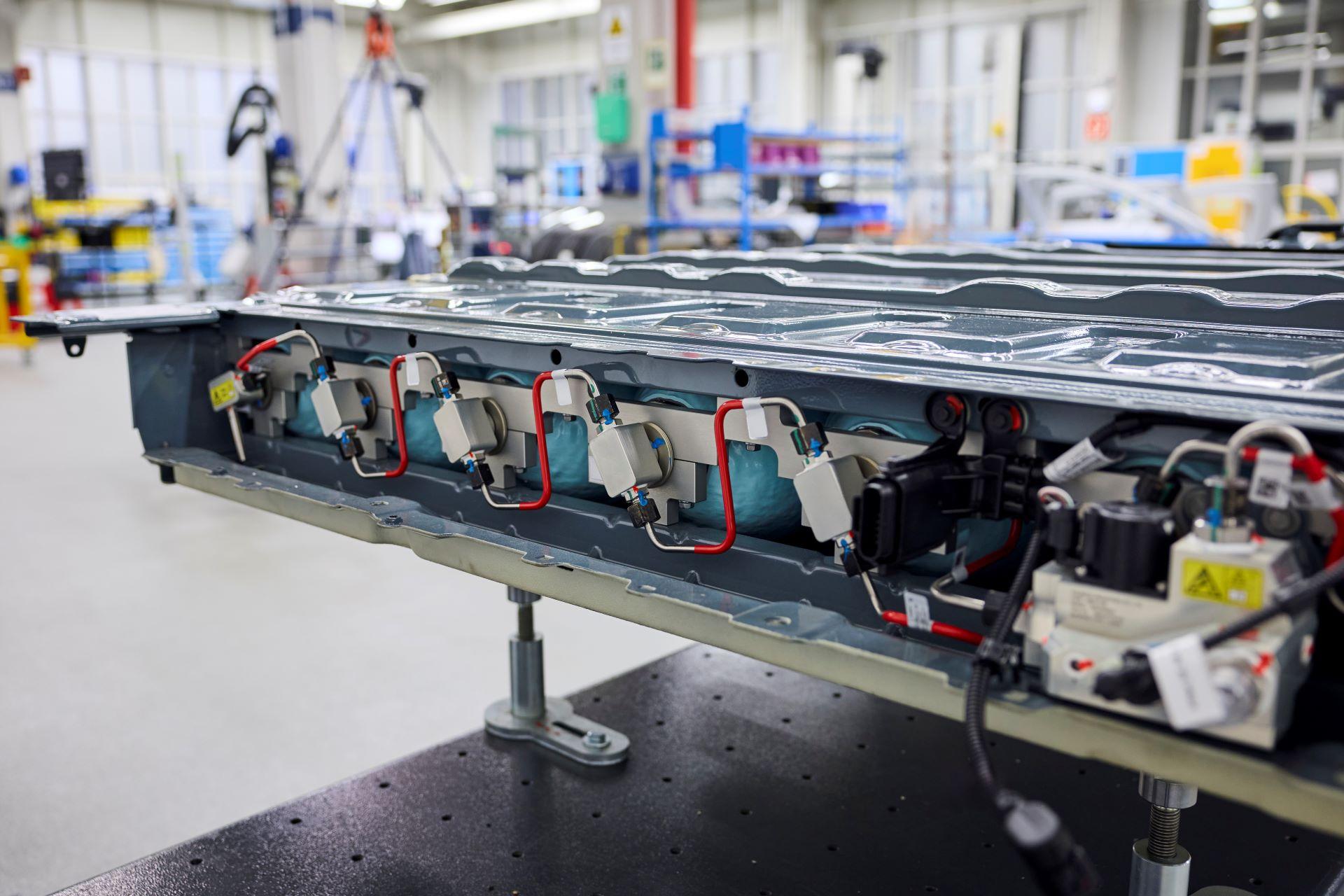
Set to make its global debut at Auto China 2026 in Beijing on April 22, the new i7 arrives carrying the weight of BMW’s sixth-generation eDrive technology, known as Gen6. This next chapter in electrification introduces a newly developed 4695 cylindrical lithium-ion cell, a shift that feels less like evolution and more like a recalibration of what’s possible in a full-size luxury EV.
At the core of this transformation lies a notable increase in volumetric energy density. Compared to the prismatic cells used in the previous Gen5 architecture, the new cylindrical format delivers roughly 20 percent more energy within the same physical space. In practical terms, that translates into a longer driving range without compromising the i7’s opulent proportions or comfort-first philosophy. It is the kind of invisible innovation that quietly reshapes expectations, extending journeys while shrinking range anxiety into an afterthought.
The battery system itself blends the best of both worlds. BMW’s proven Gen5 module design provides a stable and scalable foundation, while the Gen6 cells inject fresh capability into the equation. This hybrid approach ensures that performance gains are not just theoretical, but production-ready and robust enough for real-world demands.
Charging, often the Achilles’ heel of electric luxury, receives equal attention. The new high-voltage architecture supports increased charging capacity, trimming waiting times and making long-distance travel feel less like a logistical puzzle and more like a seamless glide. In the rhythm of modern mobility, where time is the ultimate currency, faster charging becomes a defining luxury feature.
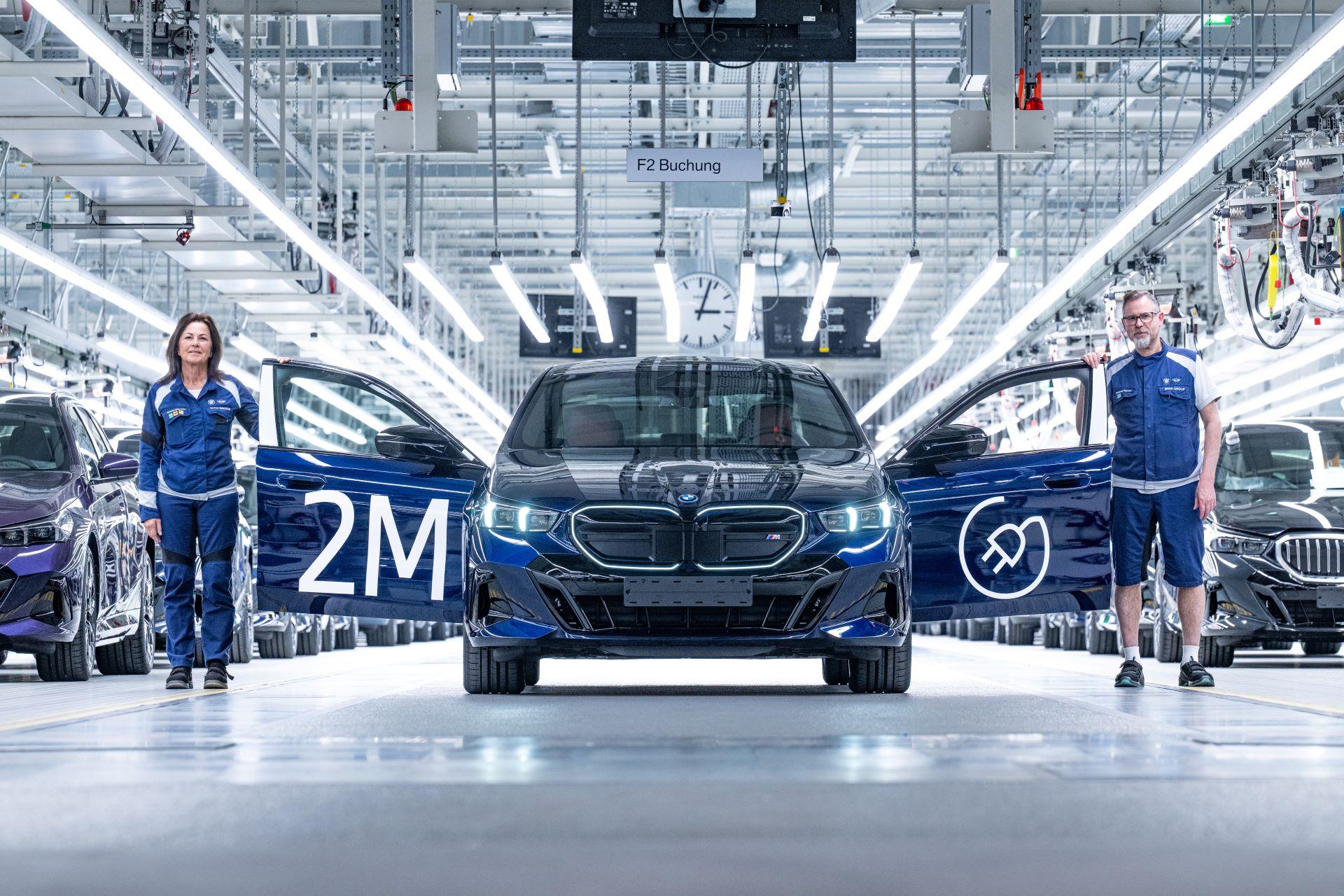
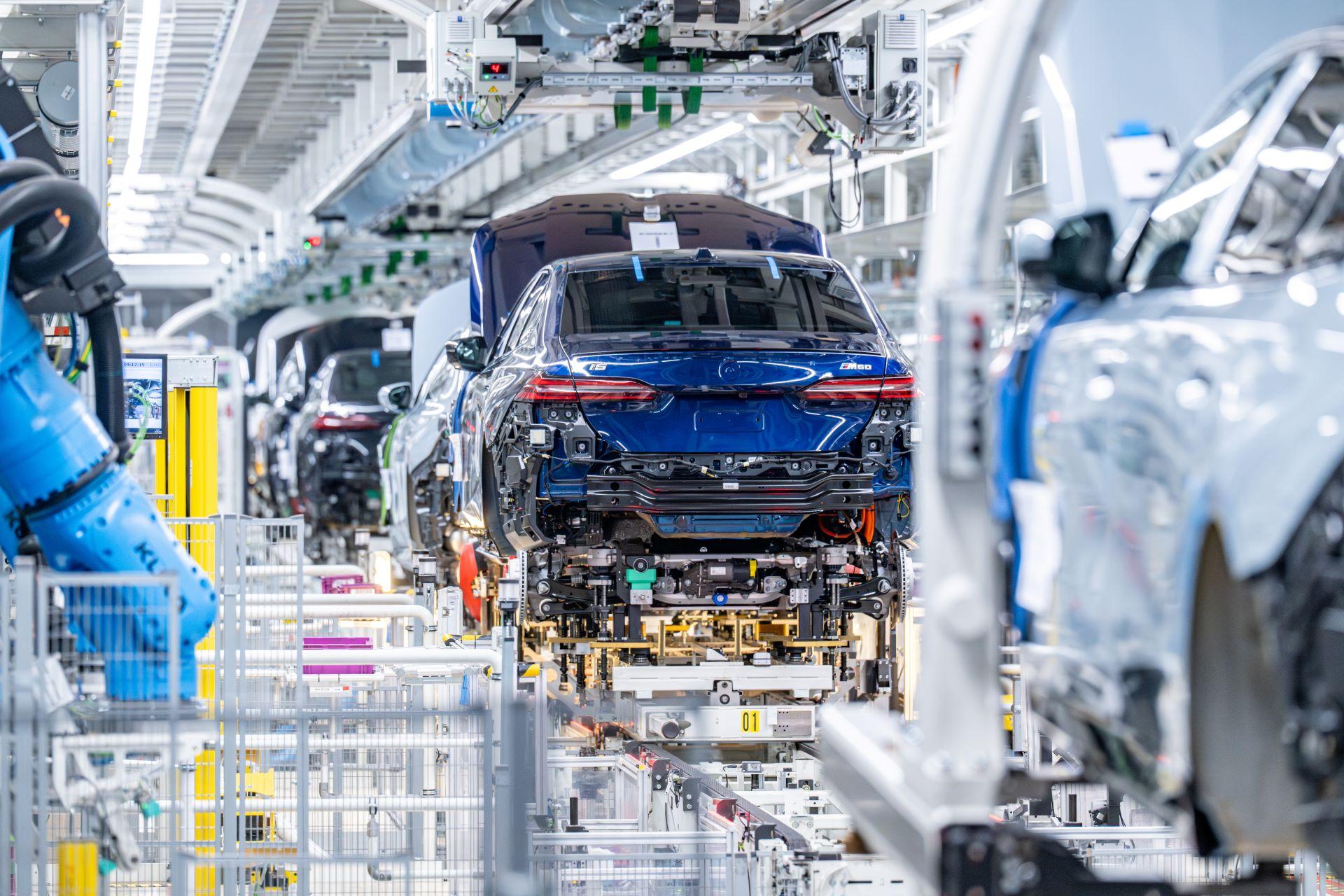
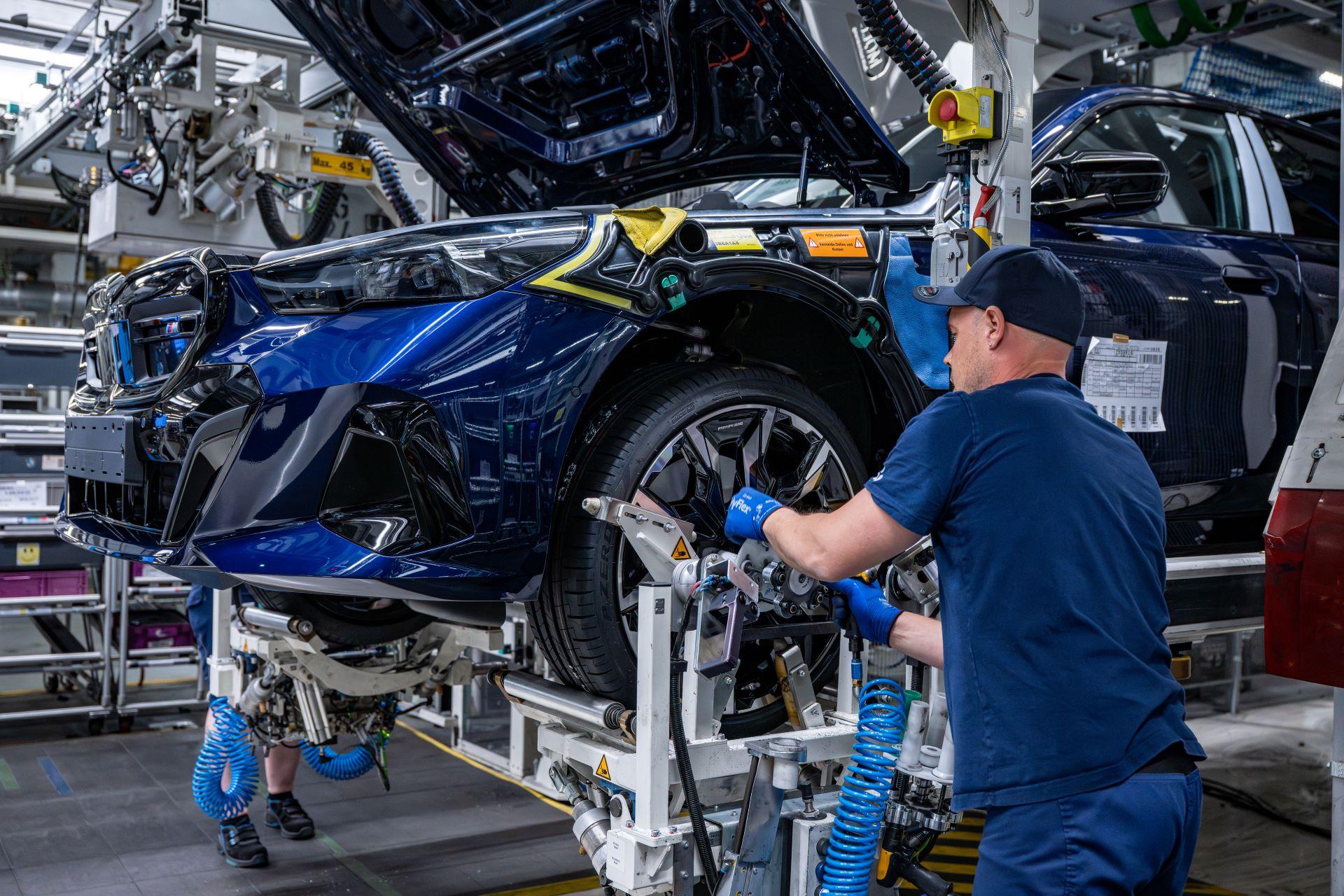
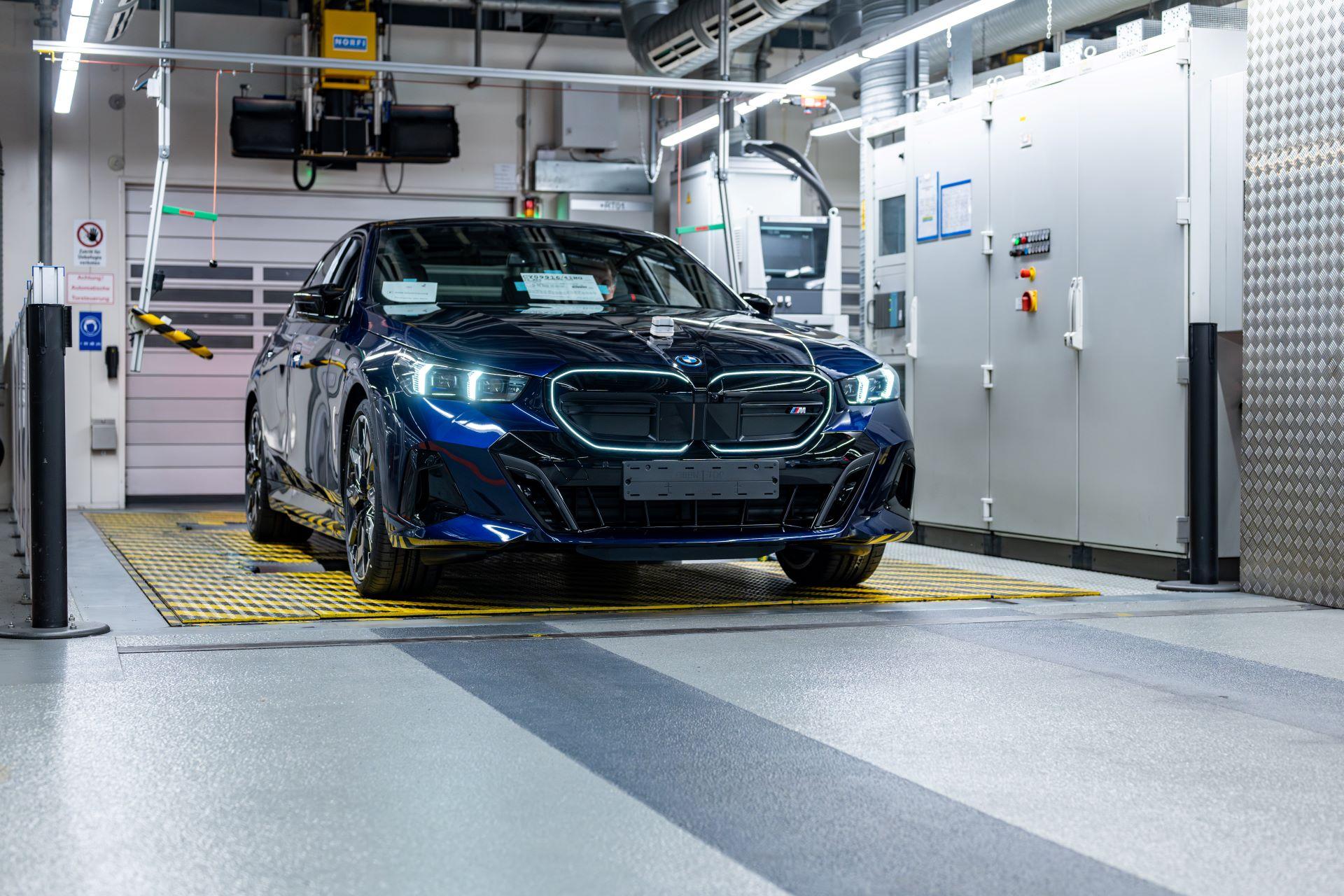
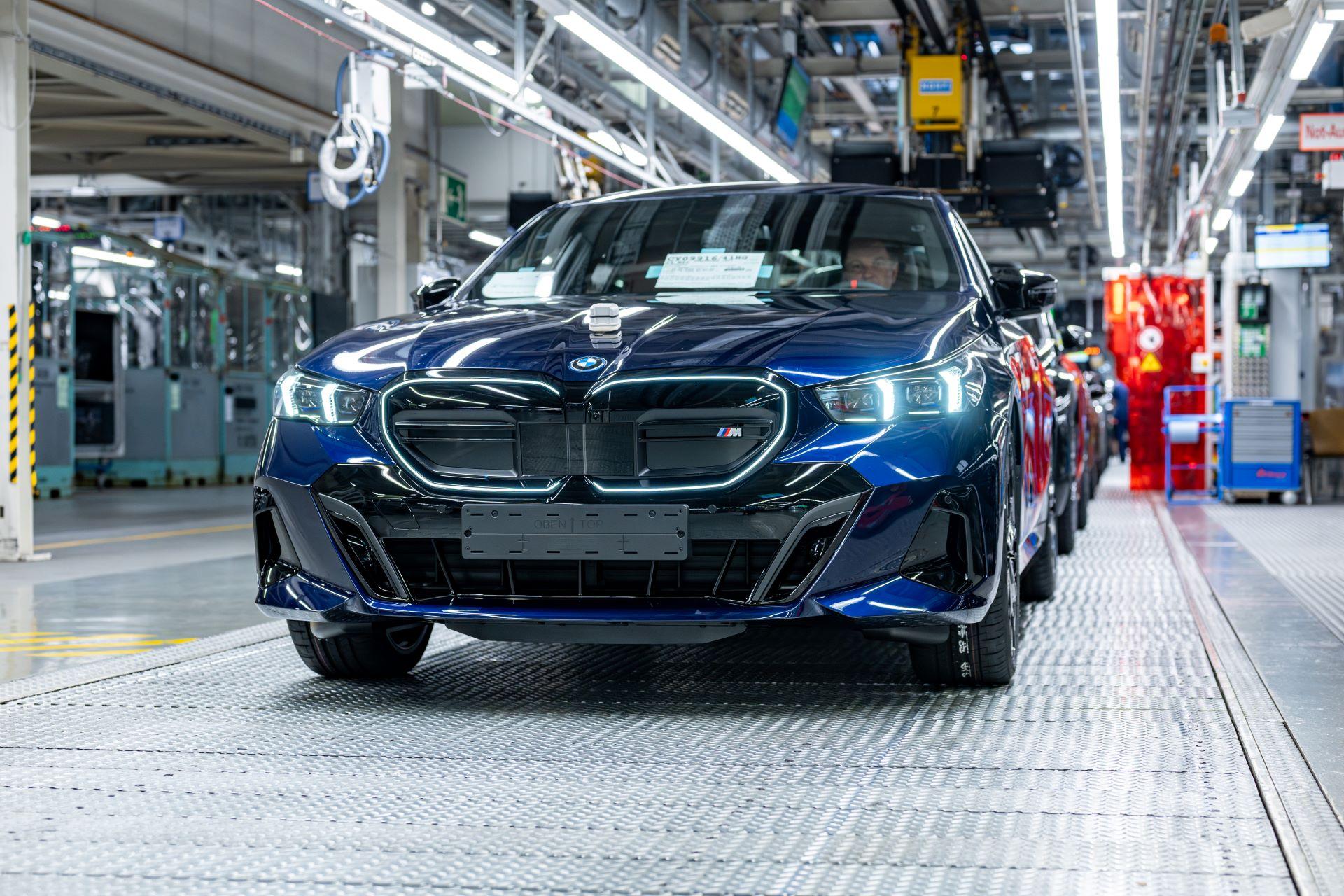
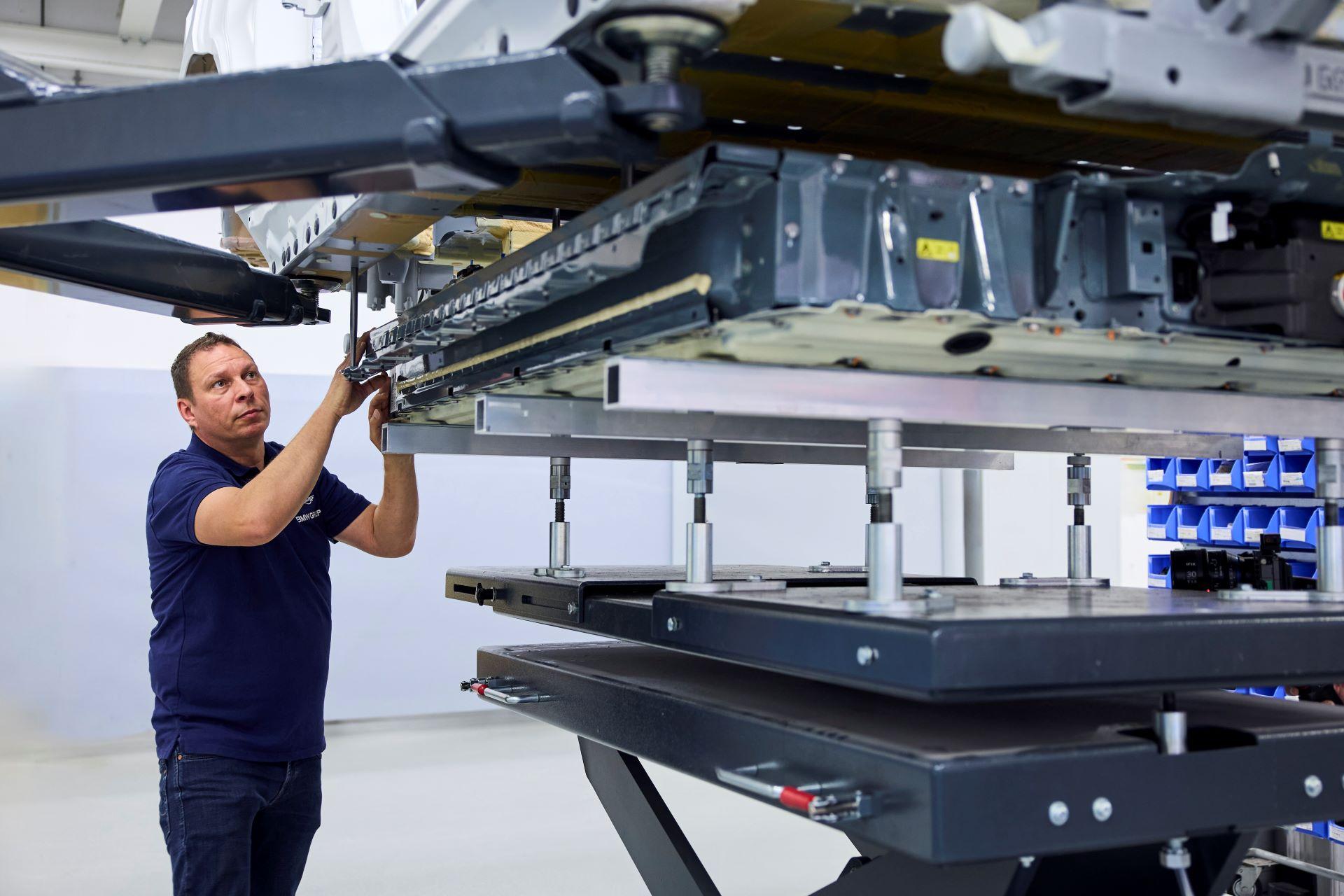
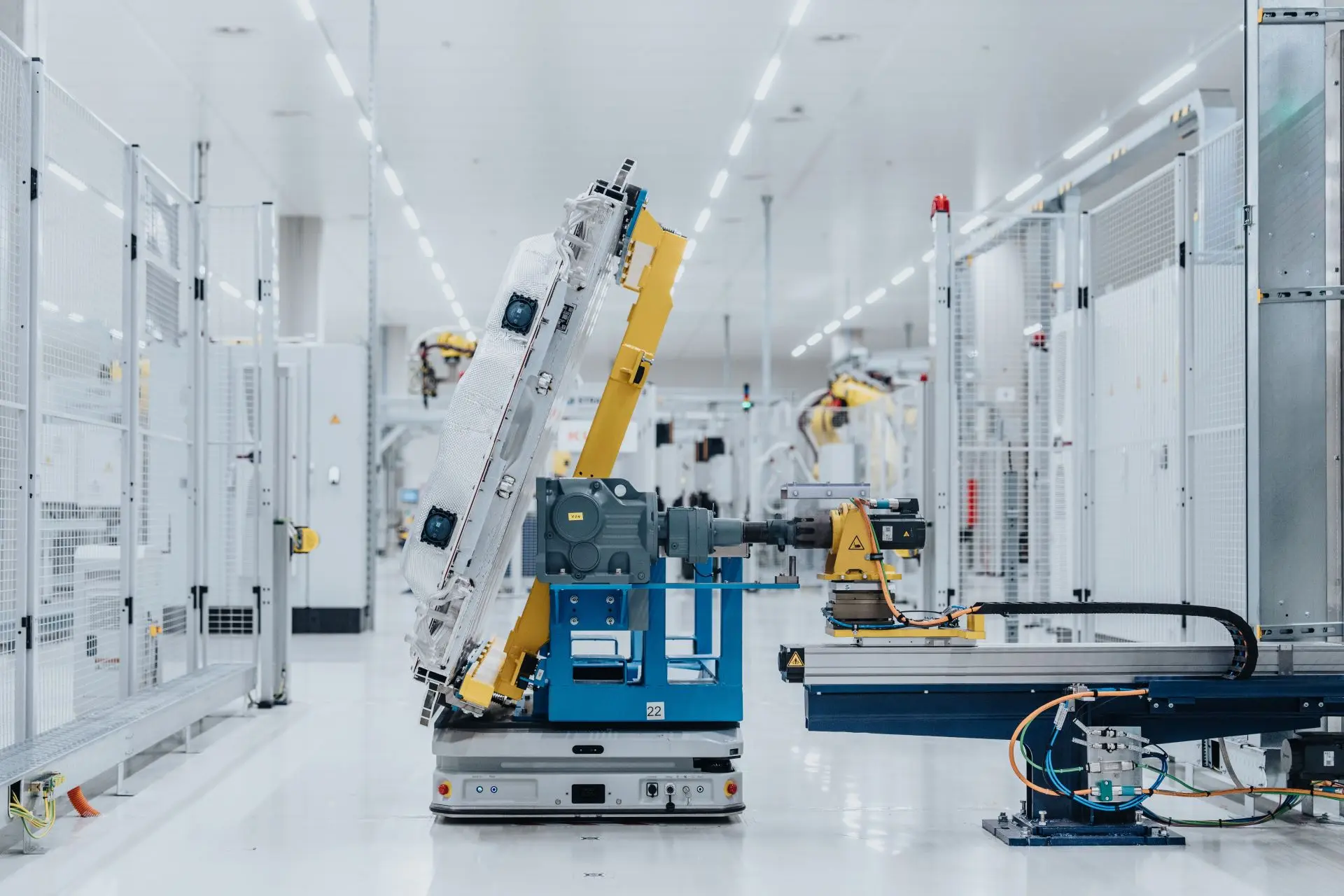
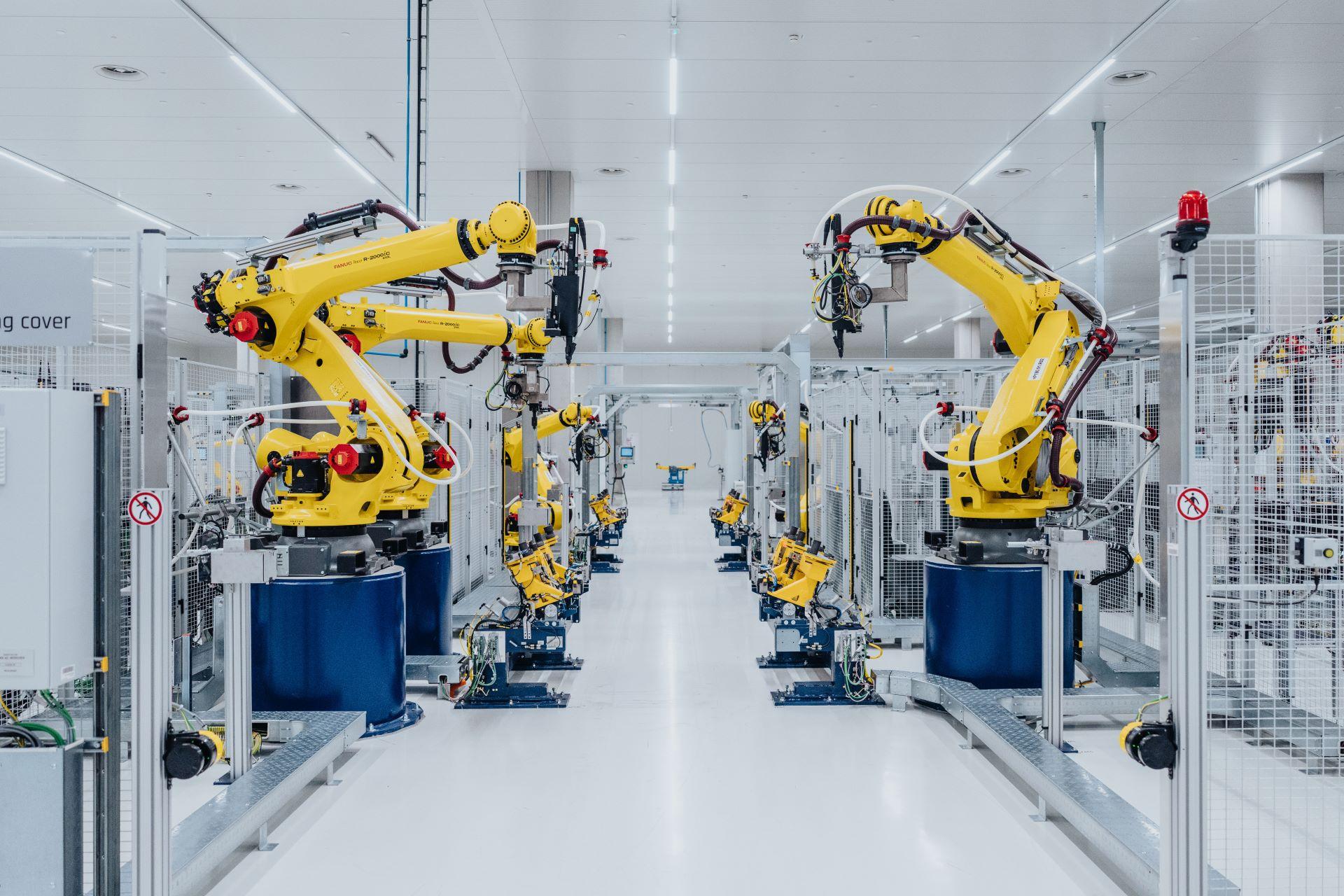
Behind the scenes, the collaboration reads like a meeting of engineering philosophies. BMW brings decades of refinement and precision, while Rimac contributes its restless, high-voltage ingenuity. Production of the advanced battery systems takes place at Rimac’s cutting-edge campus in Croatia, before being shipped to BMW Group Plant Dingolfing, the exclusive home of 7 Series manufacturing. It is a cross-border symphony of technology, with each component arriving in perfect timing for final assembly.
Executives from both sides frame the partnership as a showcase of European innovation at scale. For BMW, it is another step in rolling out Neue Klasse technologies across its portfolio, ensuring that even its most luxurious offerings remain at the forefront of electrification. For Rimac, the project signals a decisive evolution from boutique hypercar specialist to a fully-fledged Tier 1 supplier capable of delivering complex systems for high-volume production.
The new BMW i7, then, is more than a flagship sedan. It is a rolling manifesto, proof that collaboration can accelerate progress faster than any single company working alone. Beneath its serene exterior lies a storm of electrons, choreographed with precision, promising a future where luxury and performance are measured not just in horsepower, but in how elegantly energy is harnessed and delivered.