At a time when luxury is being redefined by values as much as craftsmanship, Bentley Motors has sharpened its focus on responsible sourcing, placing ethical integrity at the heart of its interiors. With the publication of its Responsible Raw Material Sourcing Policy Statement, the marque signals that the future of premium mobility is not only stitched in leather and polished in veneer, but rooted in transparency, accountability and long-term stewardship.
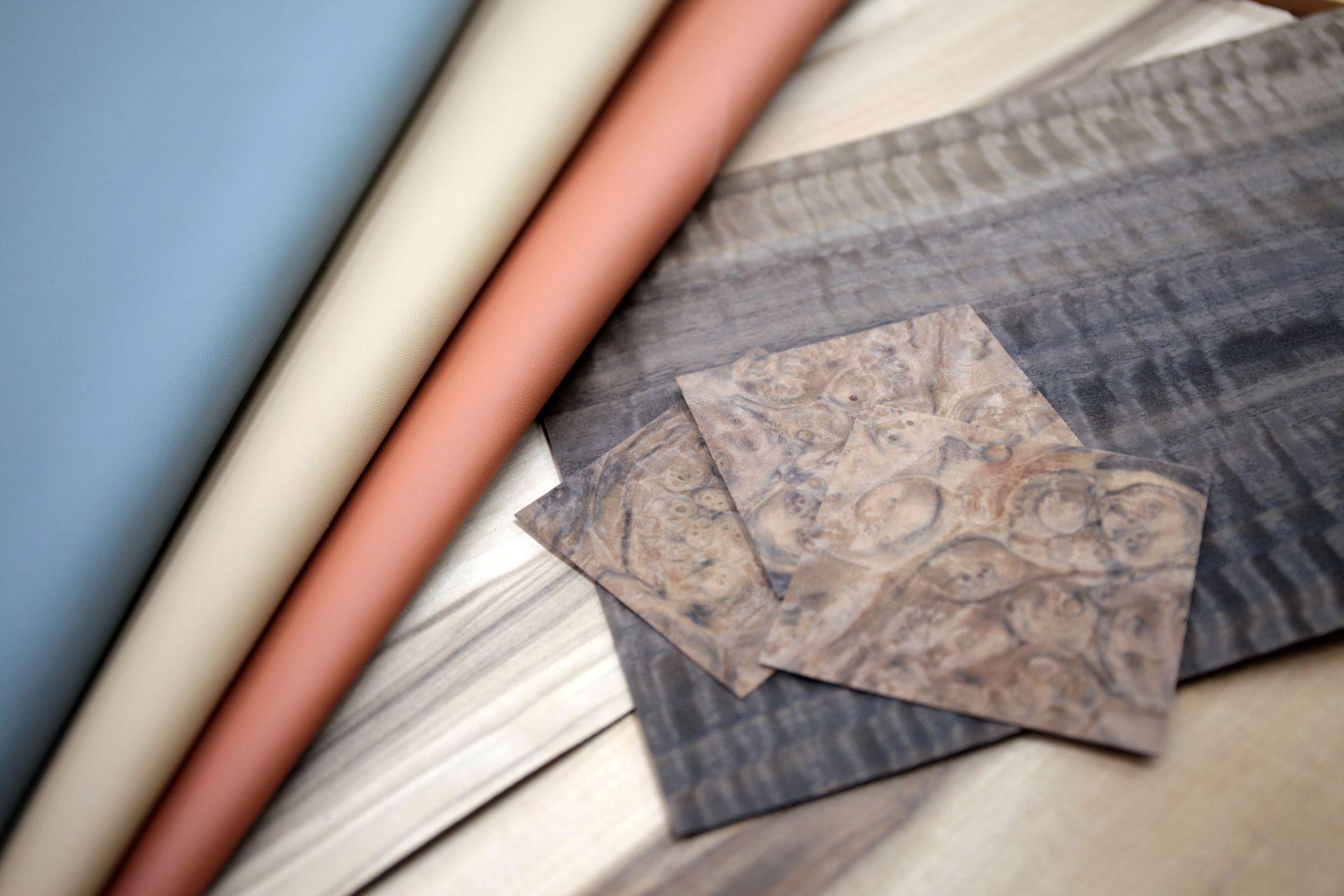
This latest move builds on Bentley’s evolving vision under the Beyond100+ strategy, where sustainability is not a side note but the spine of the brand’s transformation. The policy formalises how key interior materials such as leather, wool and wood veneers are sourced, ensuring they meet stringent environmental, social and ethical benchmarks while preserving the sensory richness expected of a Bentley cabin.
Rather than treating responsibility as a static checklist, Bentley approaches it as a living ecosystem. Its alignment with the Volkswagen Group Responsible Raw Material Policy introduces a rigorous, risk-based due diligence framework across its global supply chain. This includes enhanced traceability, deeper supplier scrutiny and a continuous feedback loop designed to refine standards as industries and regulations evolve.
Animal welfare sits firmly at the centre of this philosophy. Every leather hide must comply with EU or equivalent welfare legislation, supported by recognised certification schemes and independent verification. Suppliers are not only expected to meet these standards but to demonstrate ongoing compliance through transparent reporting. The message is clear: provenance matters, and every surface tells a story long before it reaches the vehicle.
Equally, Bentley’s commitment to sustainable forest management ensures that its wood veneers originate from responsibly managed sources. Compliance with regulations such as the EU Deforestation Regulation and UK Timber Regulations forms the baseline, while the brand actively prioritises certified forests. At the same time, exploration into recycled and reconstituted wood materials hints at a future where circularity and craftsmanship coexist without compromise.
Marine Godot, Head of Sustainability and Materials, frames this shift with quiet conviction, noting that modern luxury is defined as much by the ethics behind materials as by their finish. It is a sentiment that echoes throughout the policy, where each decision, from sourcing to supplier engagement, is treated as part of a broader narrative about responsibility.
That narrative is reinforced by Bentley’s leadership. Chairman and CEO Dr. Frank-Steffen Walliser describes the policy as a dynamic framework, one designed to evolve alongside legislation, industry expectations and the brand’s own learning curve. It is less a rulebook and more a compass, guiding the company toward ever higher standards in environmental care, ethical sourcing and animal welfare.
Behind the scenes, this translates into close collaboration with suppliers, ongoing risk assessments and a culture of shared accountability. Bentley is not merely setting expectations; it is actively working to elevate its entire value chain, ensuring that responsibility is embedded at every tier, not just at the surface.
In a world where luxury can no longer afford to be silent about its origins, Bentley’s latest step feels less like a policy update and more like a declaration. Craftsmanship remains, performance endures, but now there is an added dimension, one where every material carries not just beauty, but a conscience.