Bentley Motors has set a confident, deliberate pace toward a future where luxury and responsibility travel in the same lane, publishing its fourth annual Sustainability Report as both a progress marker and a statement of intent. Framed by its Beyond100+ strategy, the British marque is reshaping what it means to build high-performance vehicles in a world increasingly defined by environmental urgency and shifting expectations.
At the heart of the report lies a notable milestone. In 2025, Bentley achieved its lowest fleet CO₂ emissions in recent history, a quiet but significant recalibration of its environmental footprint. This was paired with the continuation of carbon neutral operations at its Crewe headquarters, reinforcing that sustainability is not a side project but an embedded discipline within daily operations.
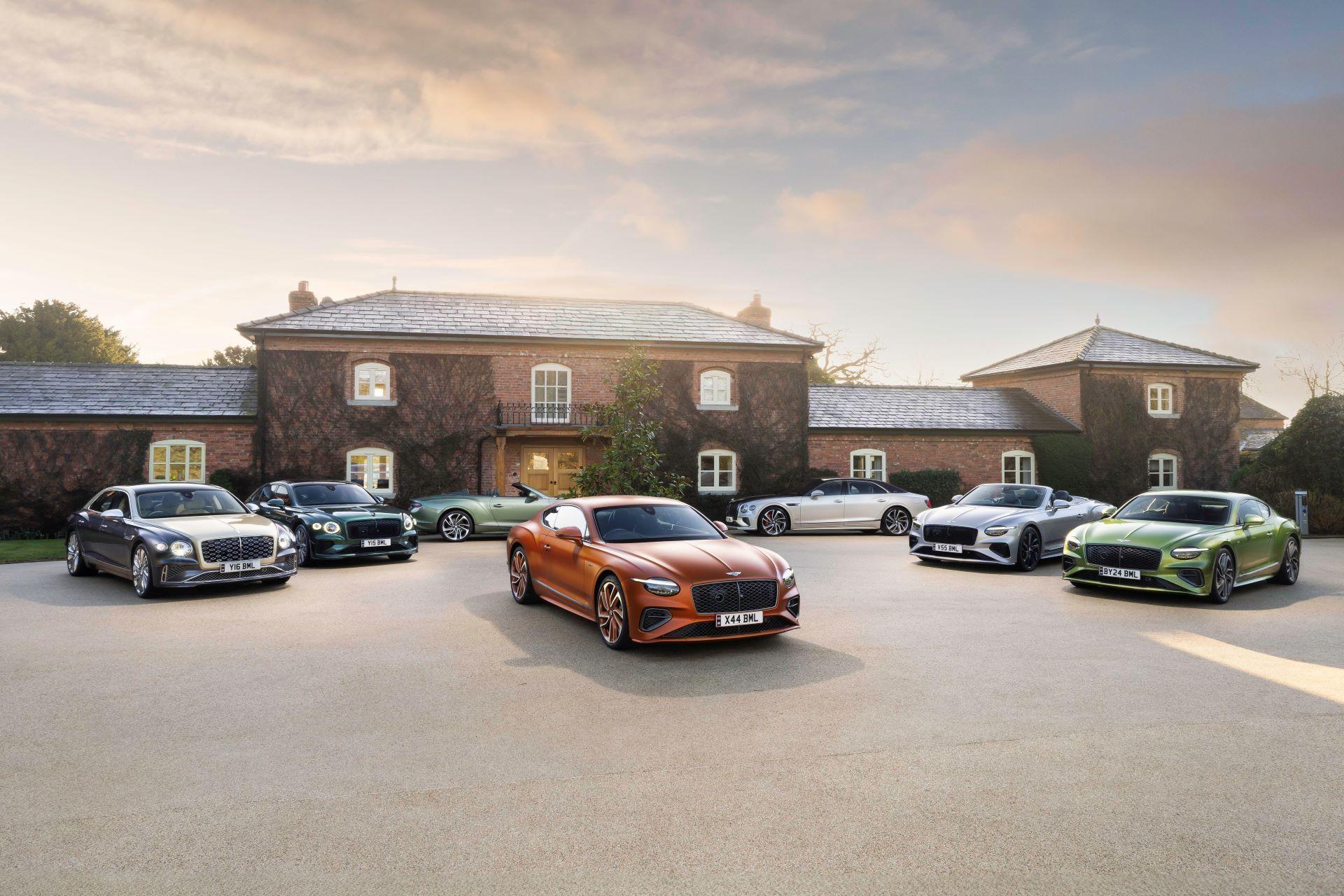
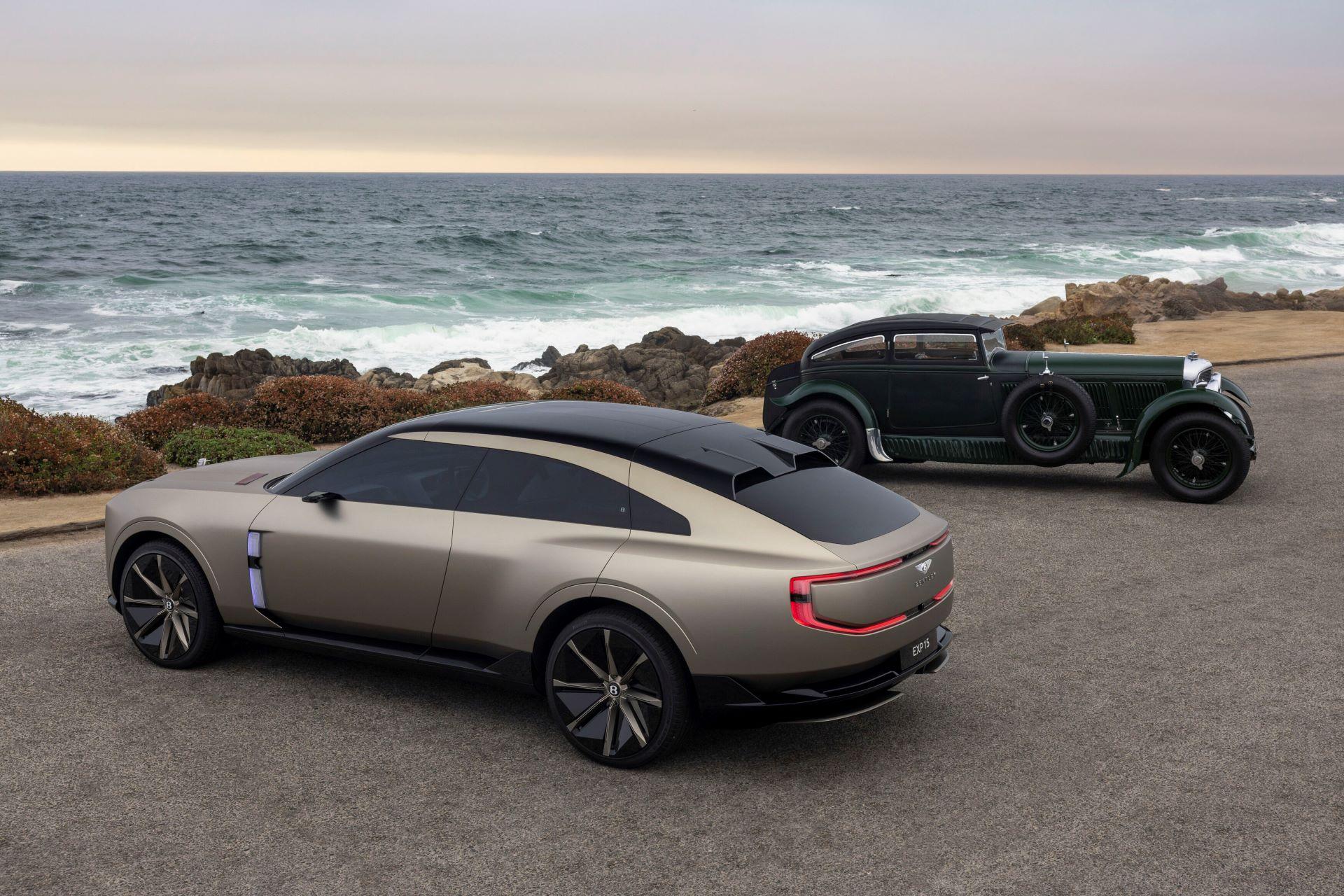
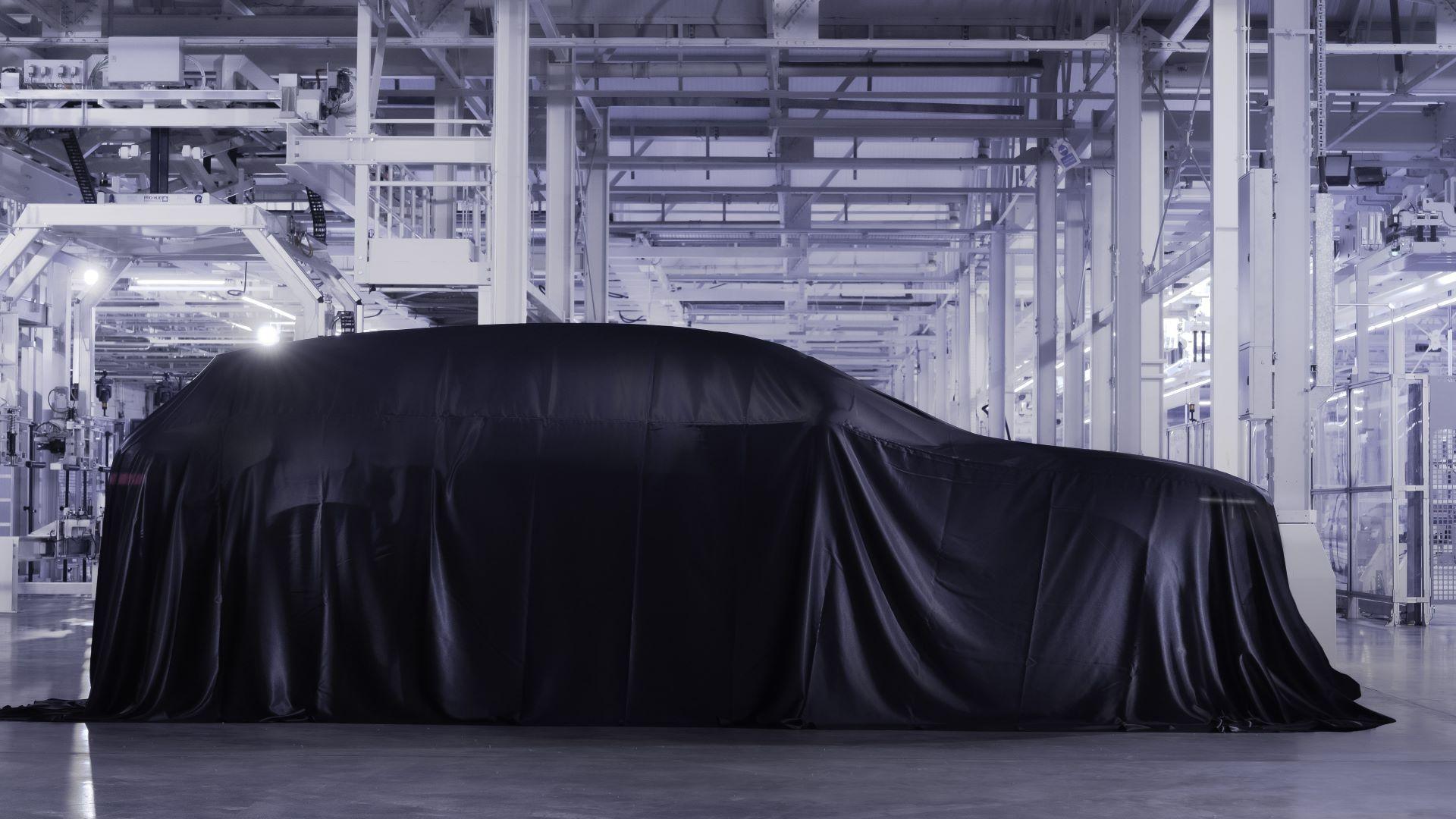
The road ahead is already mapped with a clear inflection point. Bentley’s first fully electric vehicle remains on track for a 2026 reveal, signalling the start of a new chapter for the brand. Yet the company’s approach resists a one-size-fits-all narrative. Plug-in hybrid and internal combustion technologies will continue to coexist alongside battery electric vehicles, offering flexibility as infrastructure, markets and customer behaviours evolve.
Beyond electrification, Bentley is widening its lens to capture the full lifecycle impact of its vehicles. Efforts now stretch into areas such as Direct Air Capture, the use of Sustainable Aviation Fuel in logistics, and the development of eFuels. These initiatives are supported by deeper integration of lifecycle analysis into both product design and supplier decision-making, ensuring that sustainability considerations are woven into the earliest stages of creation rather than applied as an afterthought.
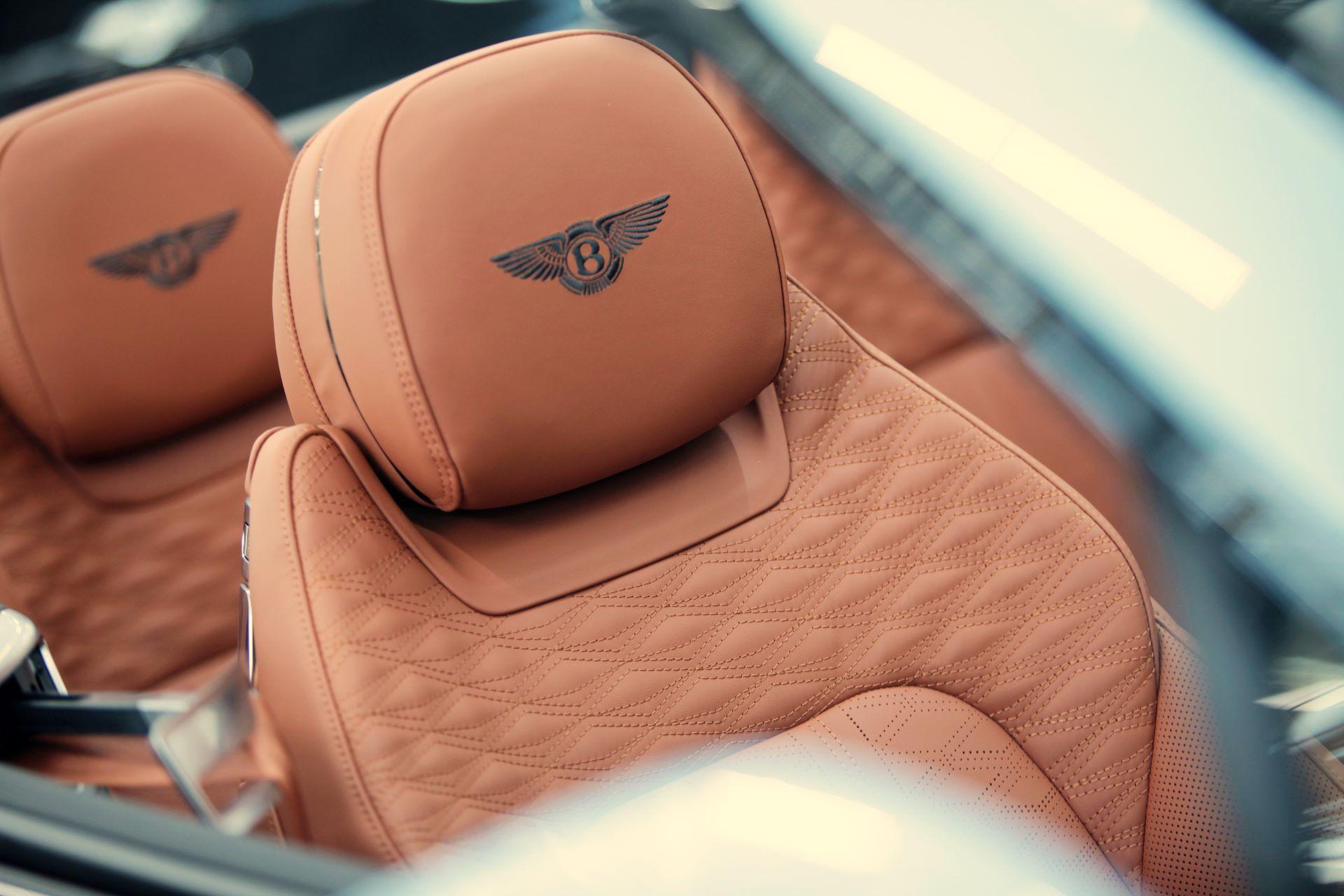
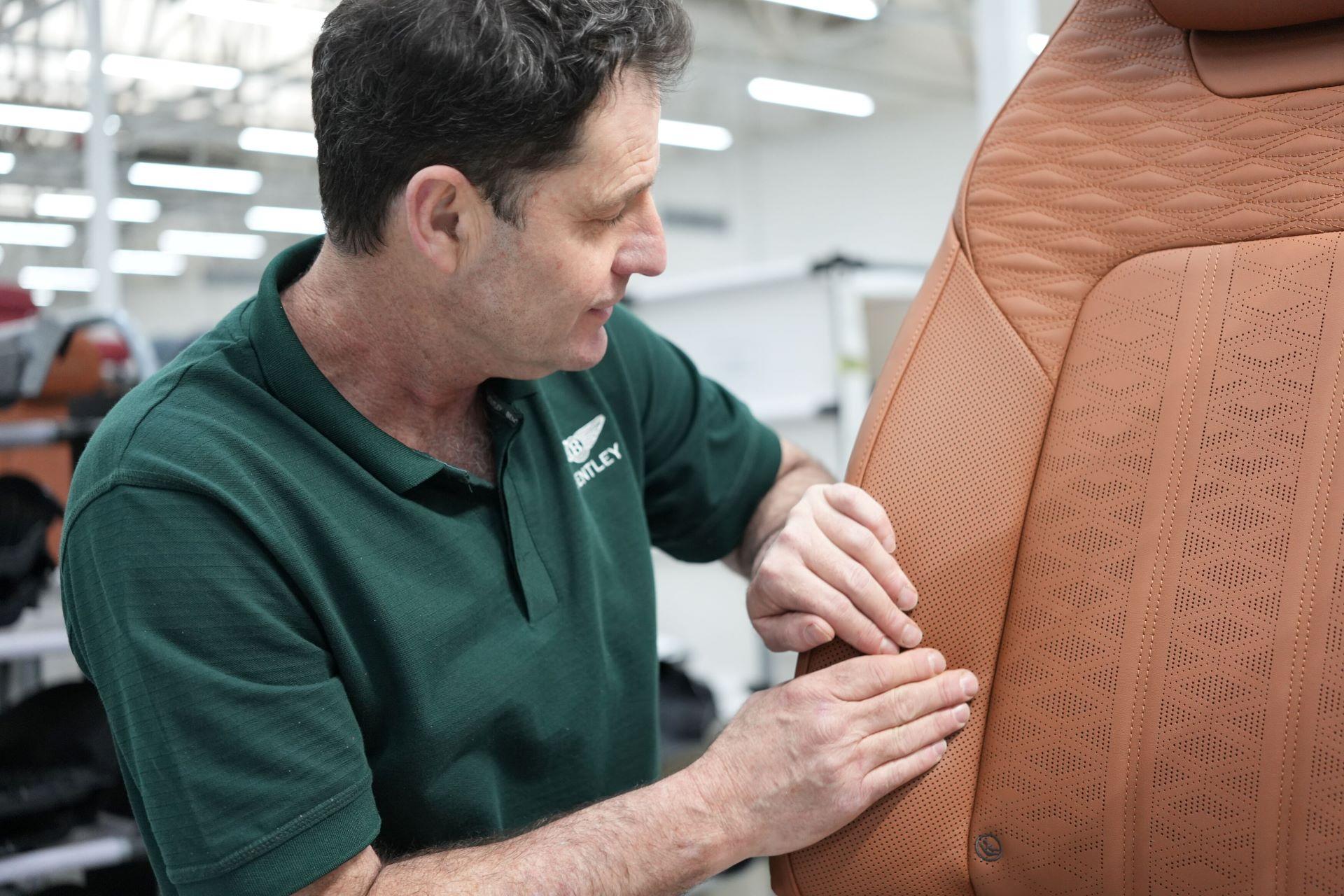
Leadership at Bentley frames this transformation not as a compromise, but as an elevation of the brand’s core values. Craftsmanship, performance and desirability remain non-negotiable, even as the materials, processes and energy sources behind them evolve. The philosophy is simple but demanding: true luxury must account for its impact.
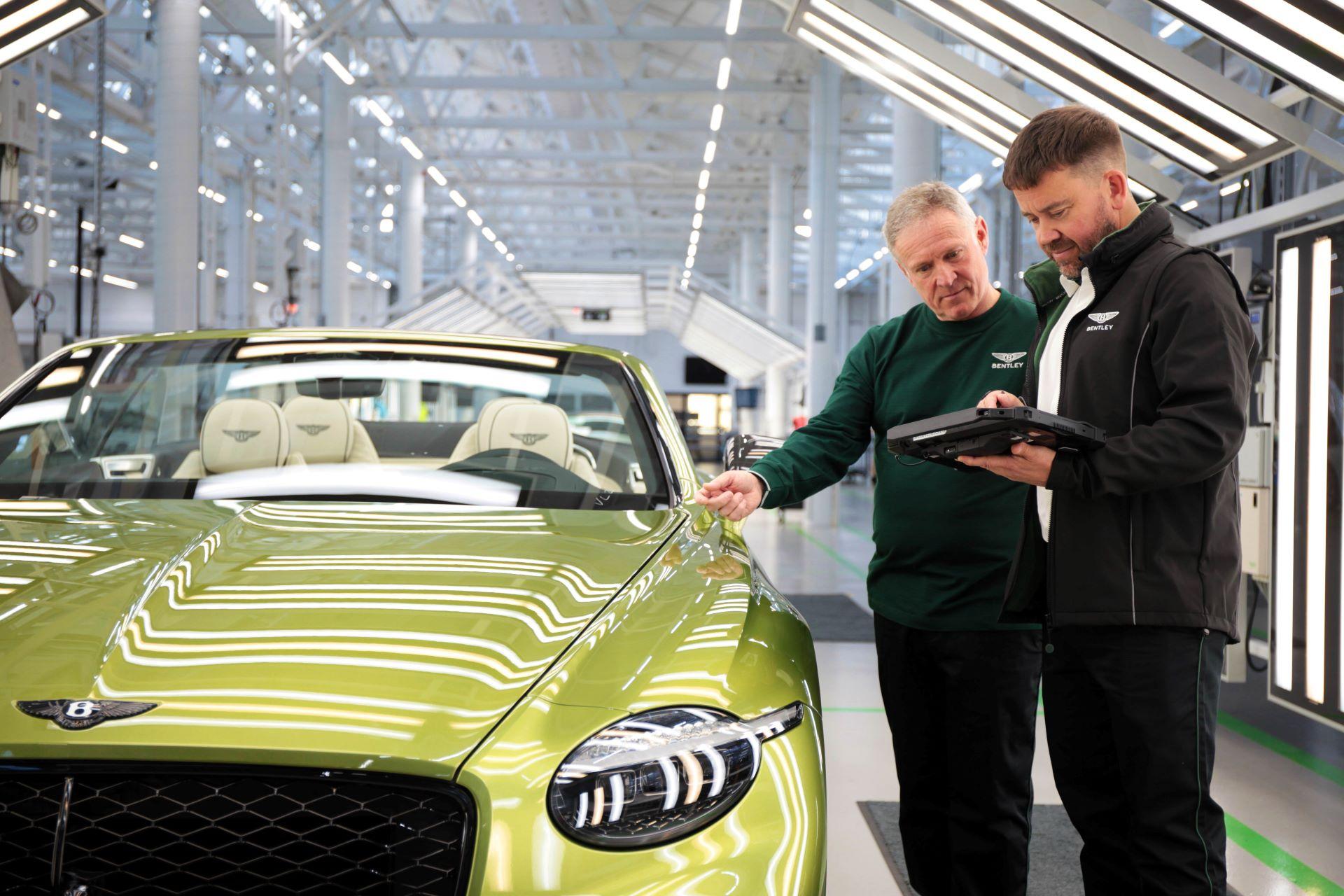
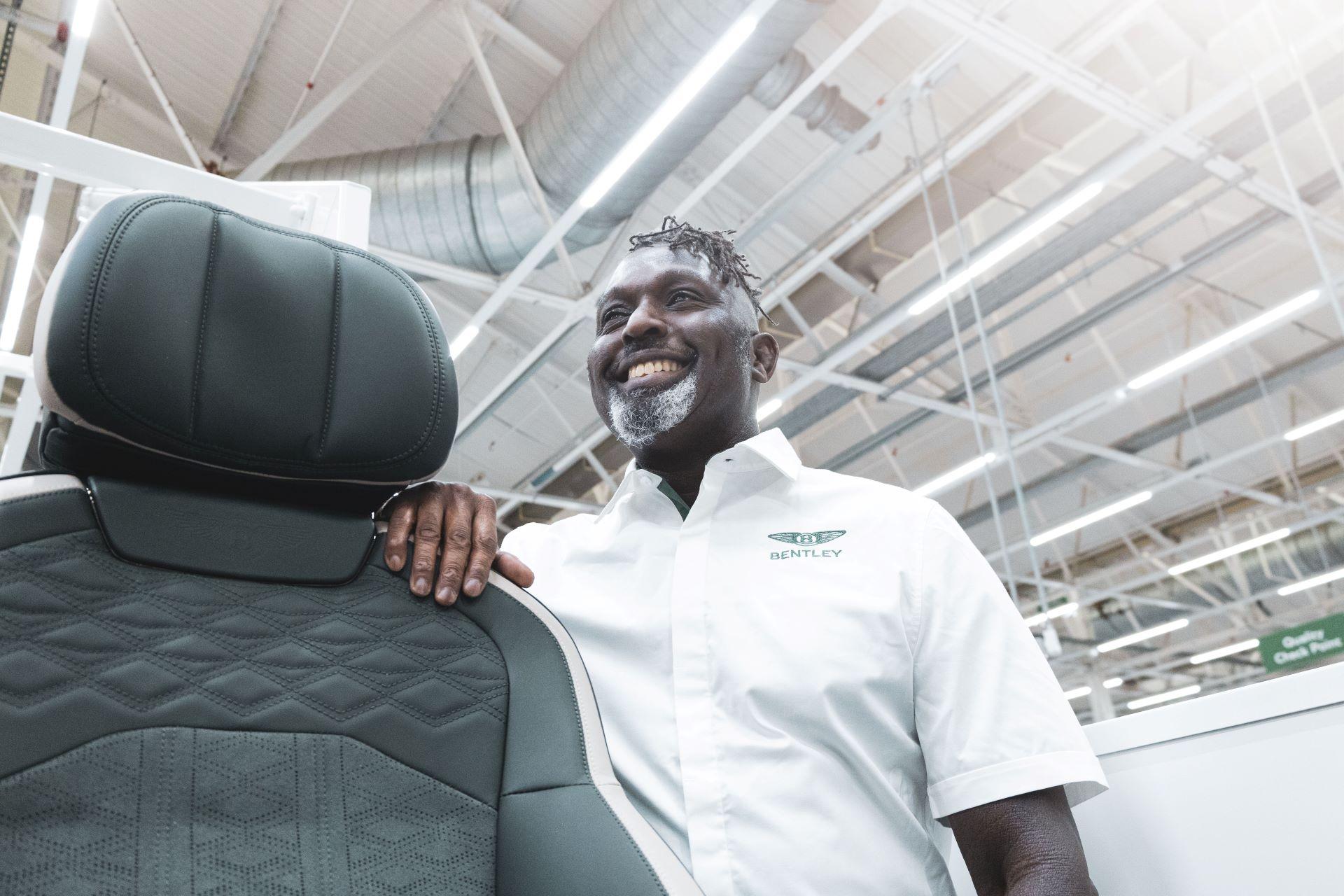
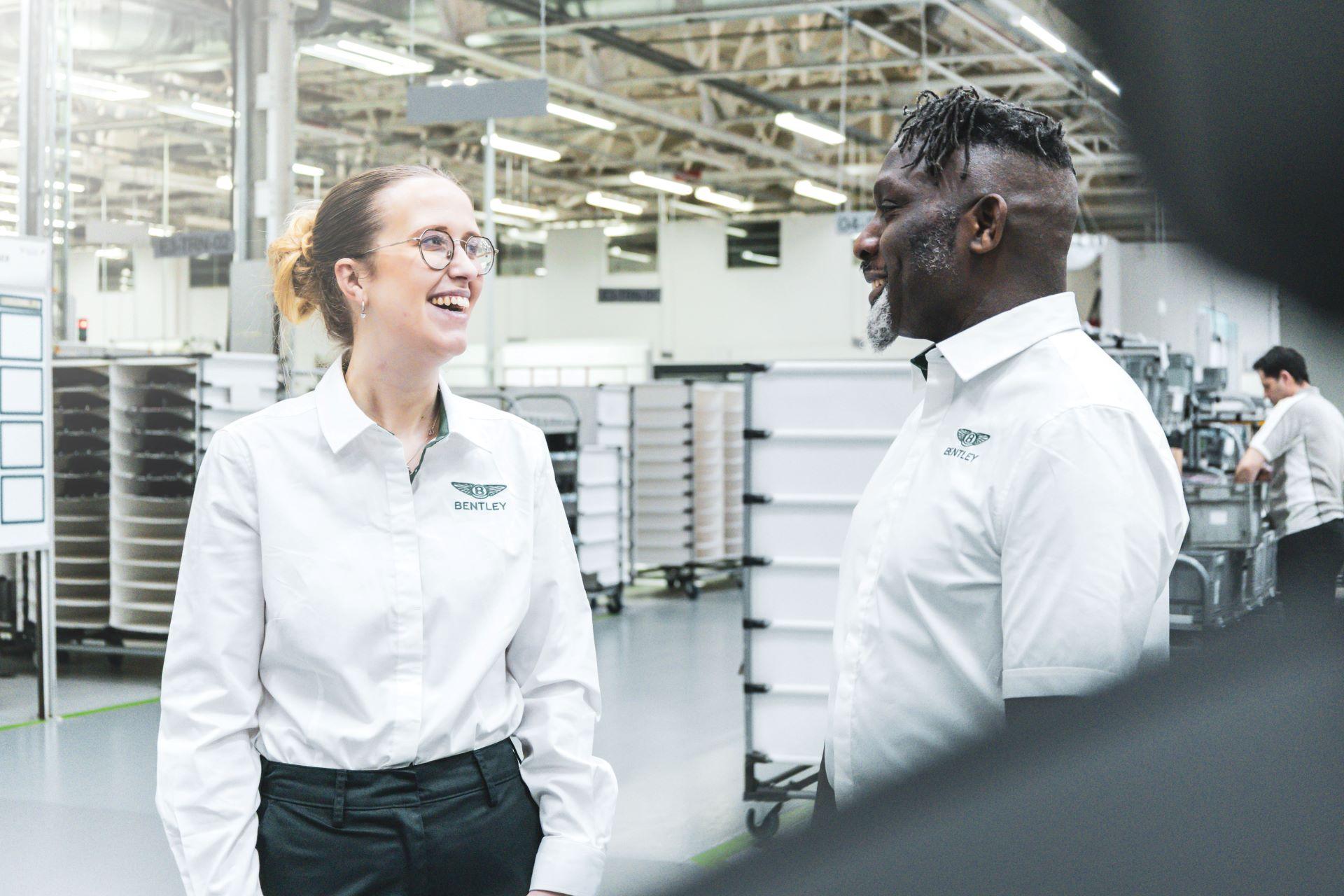
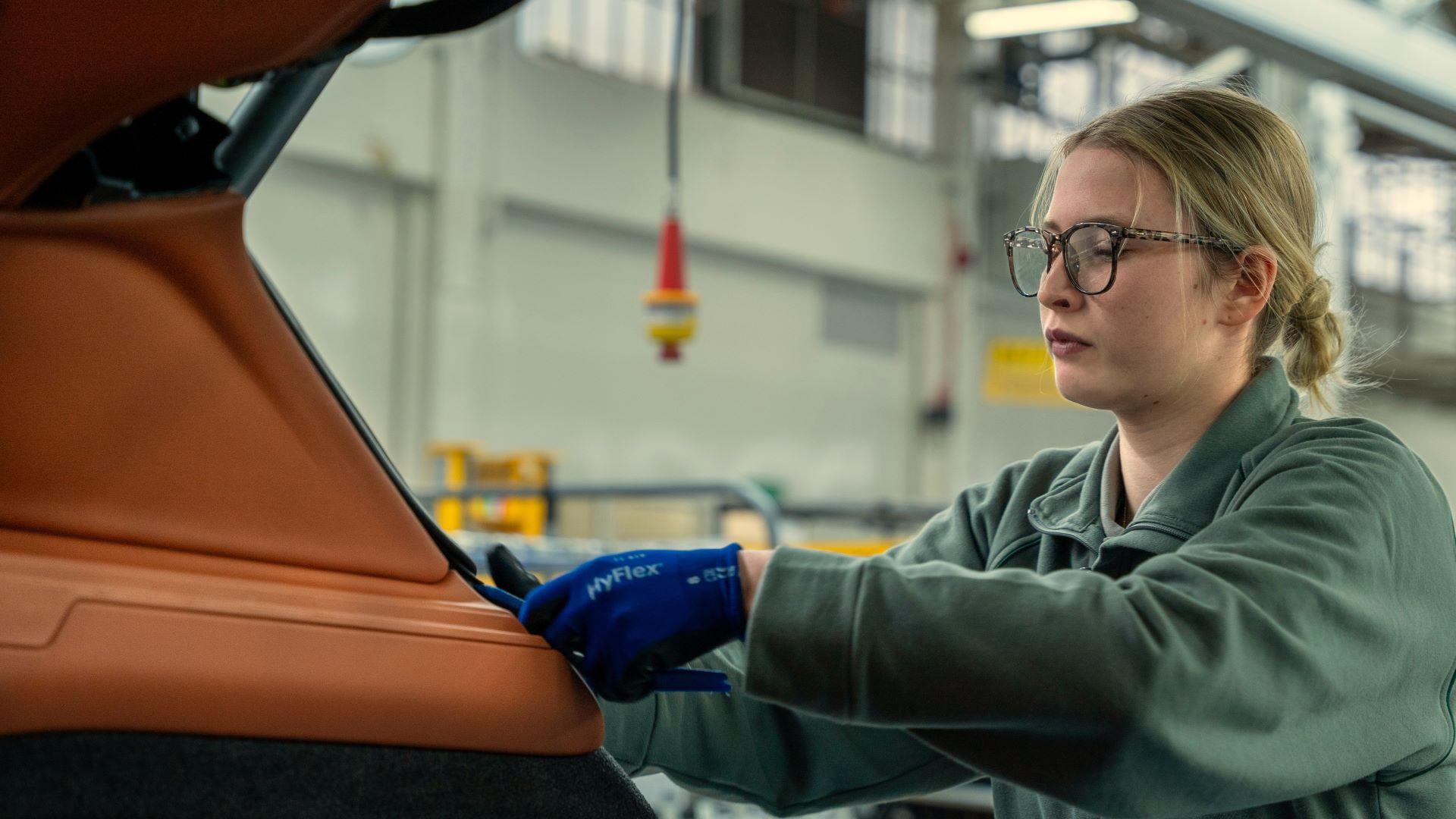
Equally central to the strategy is the human element. Bentley continues to invest in its workforce, expanding training programmes, strengthening carbon literacy, and preparing employees for an electrified future. Its standing as a Top Employer reflects a broader ambition to cultivate a workplace where skills, inclusion and long-term opportunity are actively nurtured.
Outside its factory walls, the company’s sense of responsibility extends into communities. The Advancing Life Chances programme continues to grow, while the Bentley Foundation is broadening its reach beyond environmental initiatives to include education, arts and cultural development. These efforts sketch a picture of a brand that sees influence not just as a commercial asset, but as a social obligation.
The 2025 Sustainability Report arrives at a time when the automotive industry is navigating one of its most complex transitions. Bentley’s response is neither hurried nor hesitant. It is measured, layered and quietly ambitious, balancing innovation with heritage in a way that feels distinctly its own.
As the brand moves toward its 2050 net zero ambition, the message is clear. Sustainability is no longer a future promise or a marketing flourish. It is becoming the architecture beneath every decision, shaping not only the cars Bentley builds, but the legacy it intends to leave behind.