


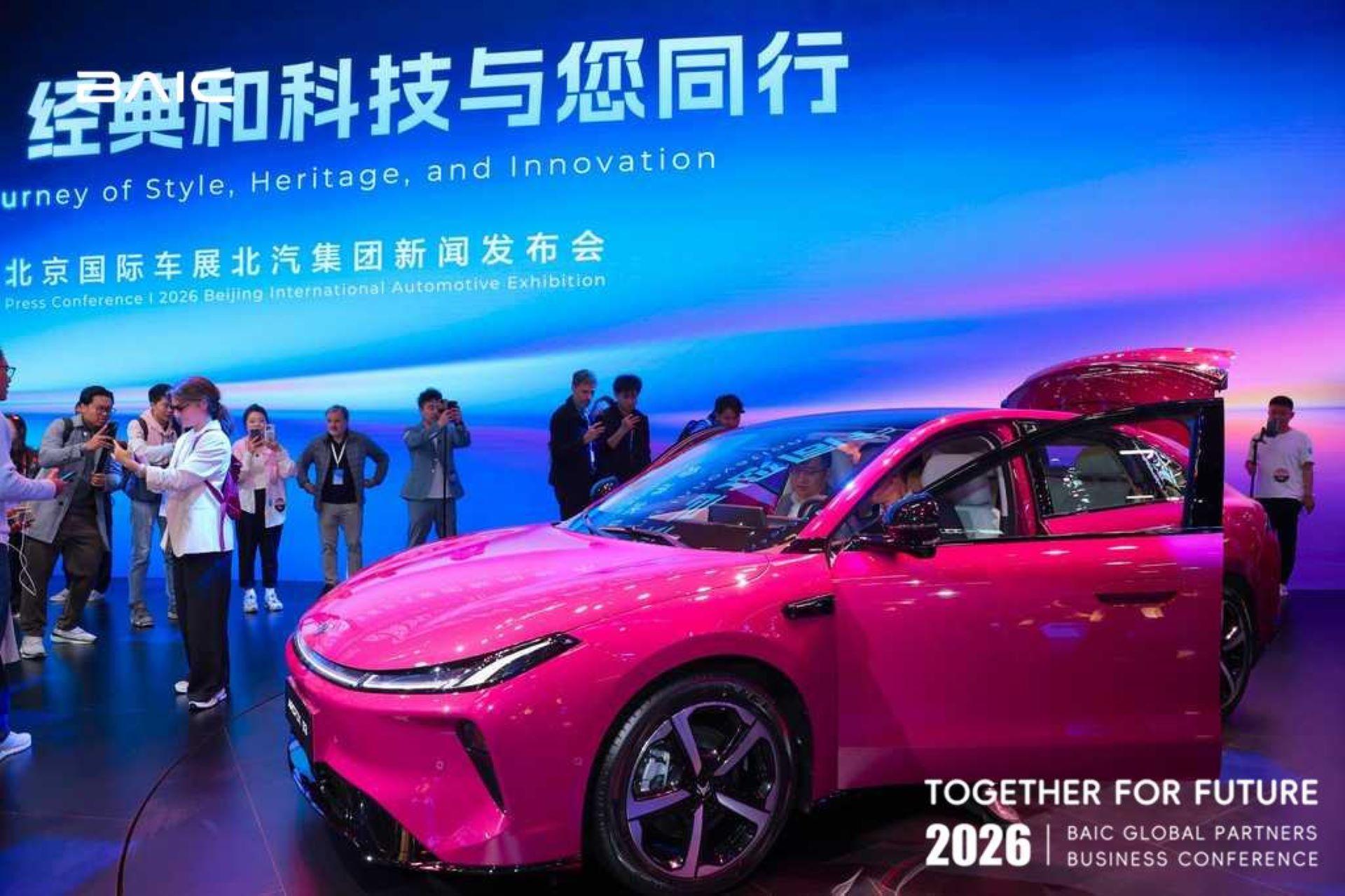
At the 2026 Beijing International Automotive Exhibition, BAIC arrived with the confidence of a brand no longer content to observe global competition from the sidelines. Instead, it stepped forward like a chess player opening with intent, repositioning its entire product and technology narrative around expansion, electrification and a sharpened focus on key global segments.
The standout moment of the show was the unveiling of BAIC’s all-new pickup series, a move that signals a direct challenge to established players in one of the world’s most emotionally and commercially significant vehicle categories. In markets such as South Africa, where the bakkie is not just transport but a cultural mainstay, this introduction carries particular weight. While final specifications remain under wraps, the positioning is already clear. The new range is being developed around durability, serious load capability, genuine off-road performance and the kind of everyday usability that bridges workhorse and lifestyle needs. Early indications also suggest a dual-path strategy, with both internal combustion and future electrified derivatives planned, reflecting the industry’s gradual but irreversible shift toward mixed-energy portfolios.
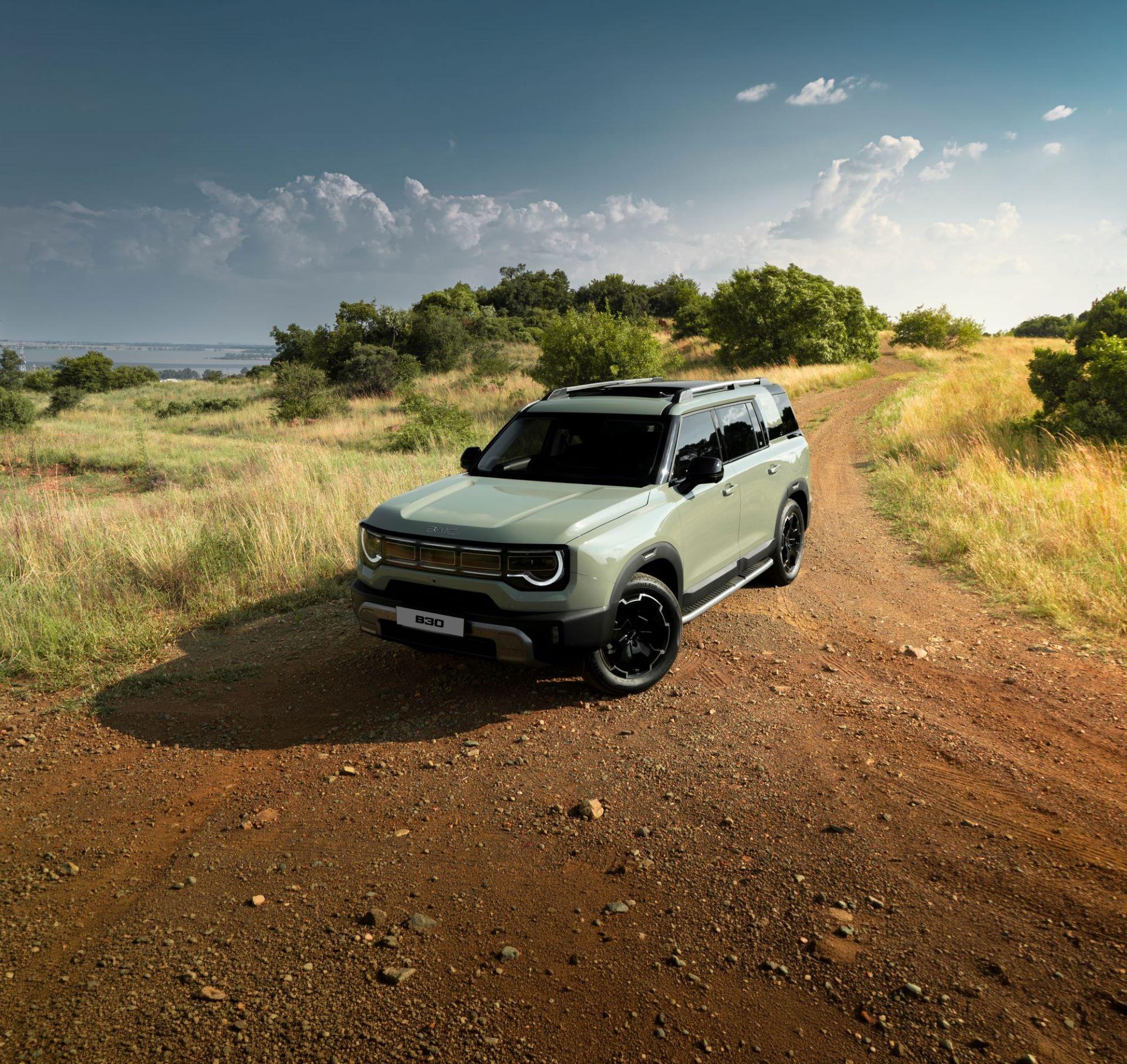
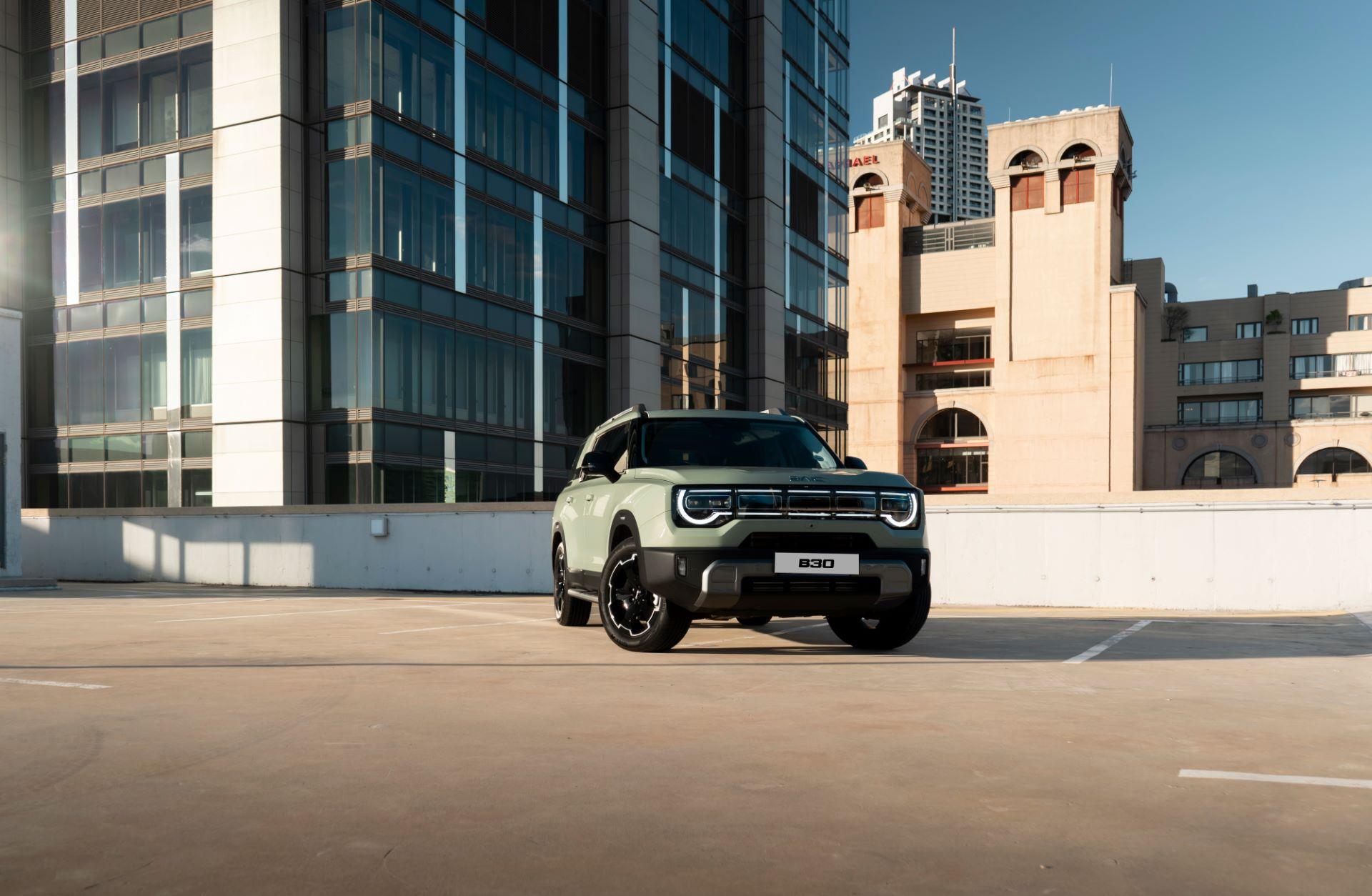
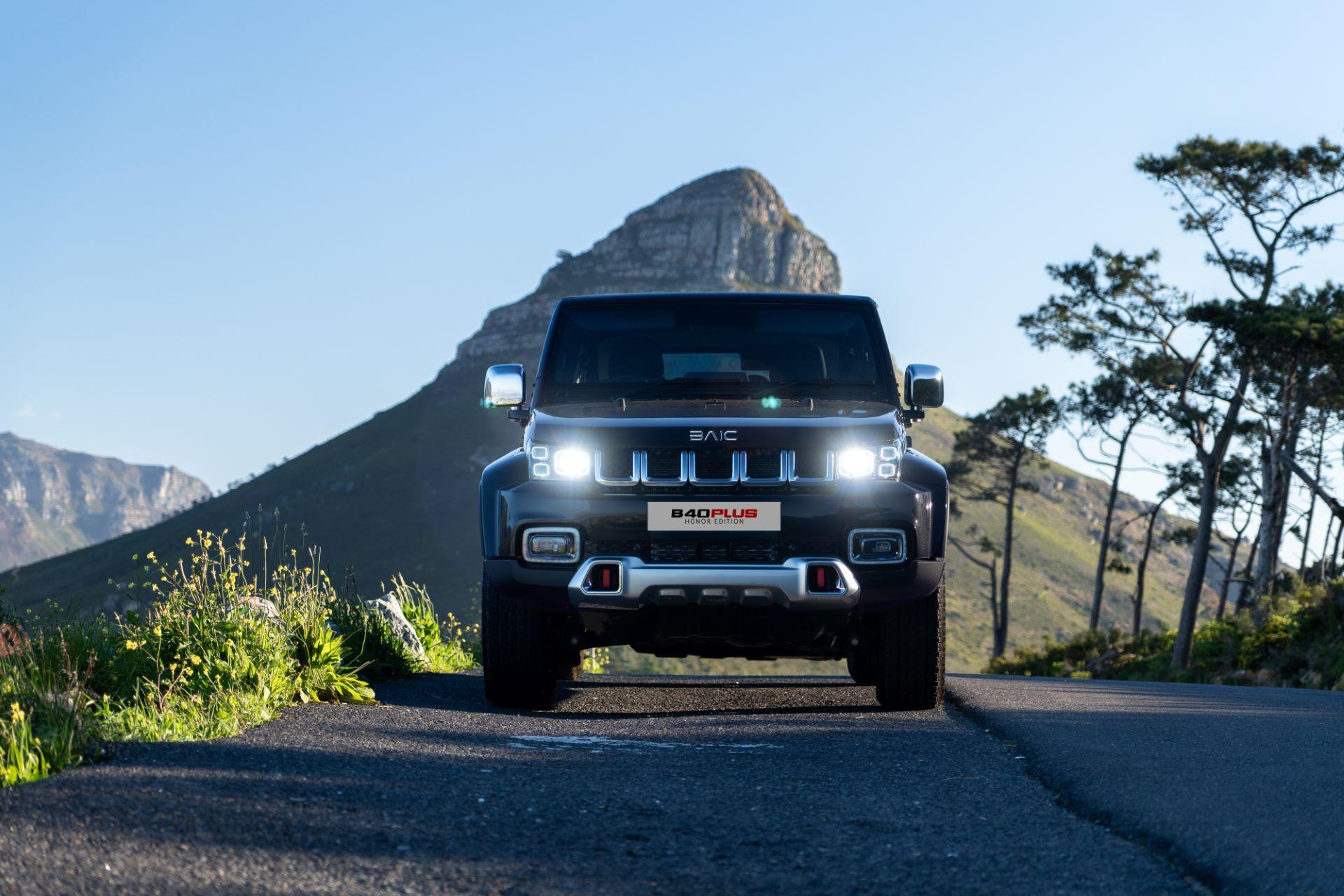
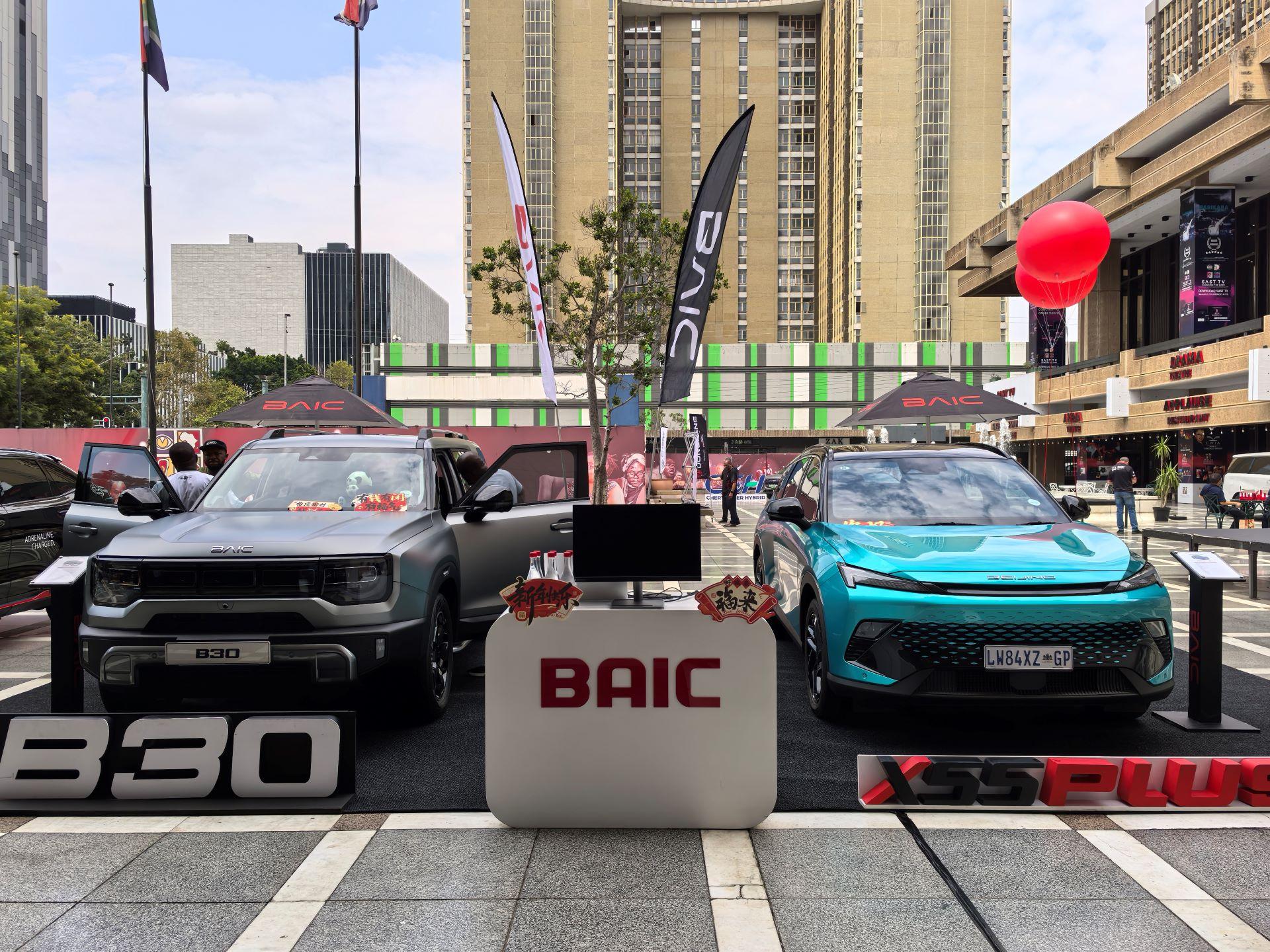
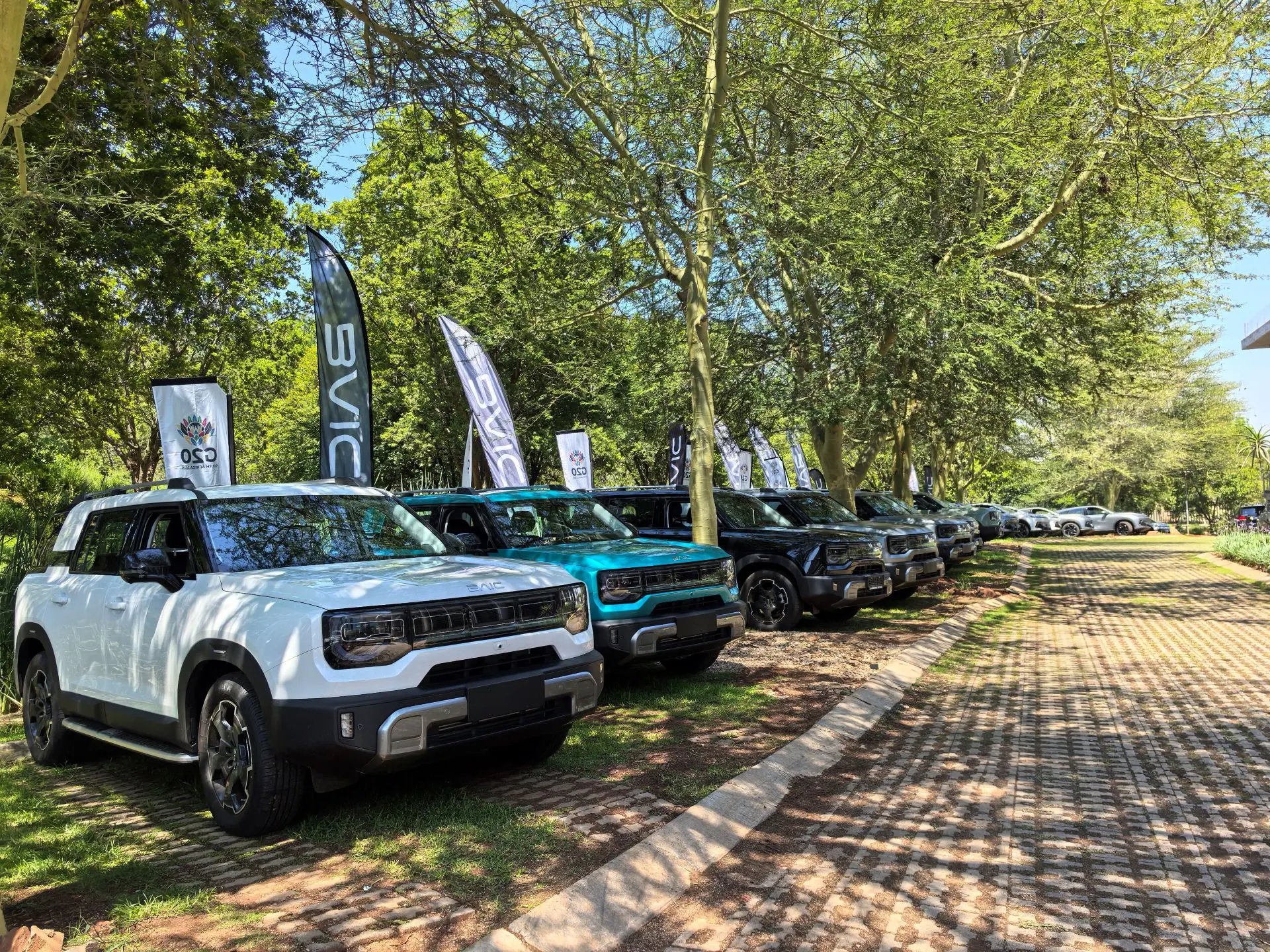
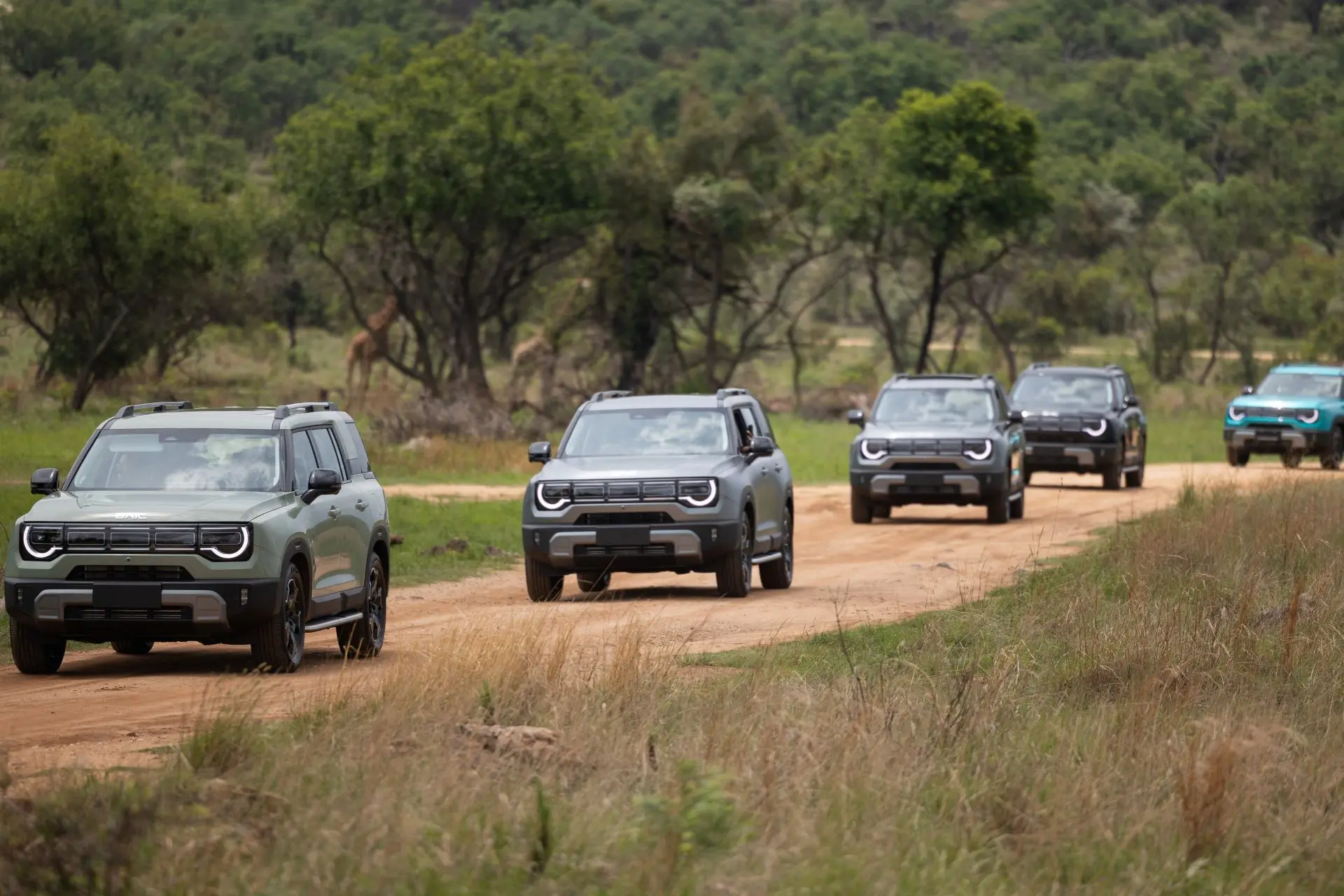
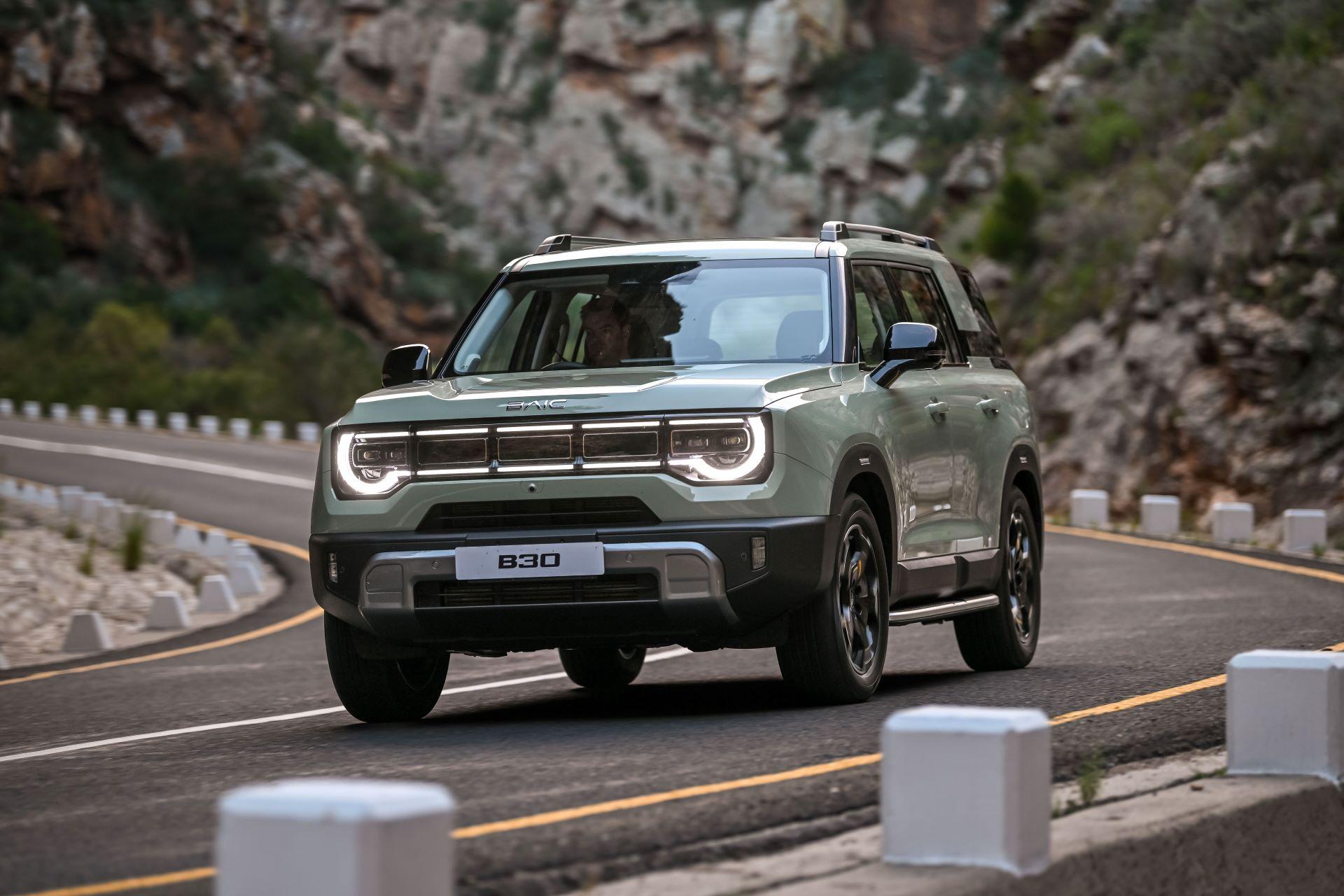
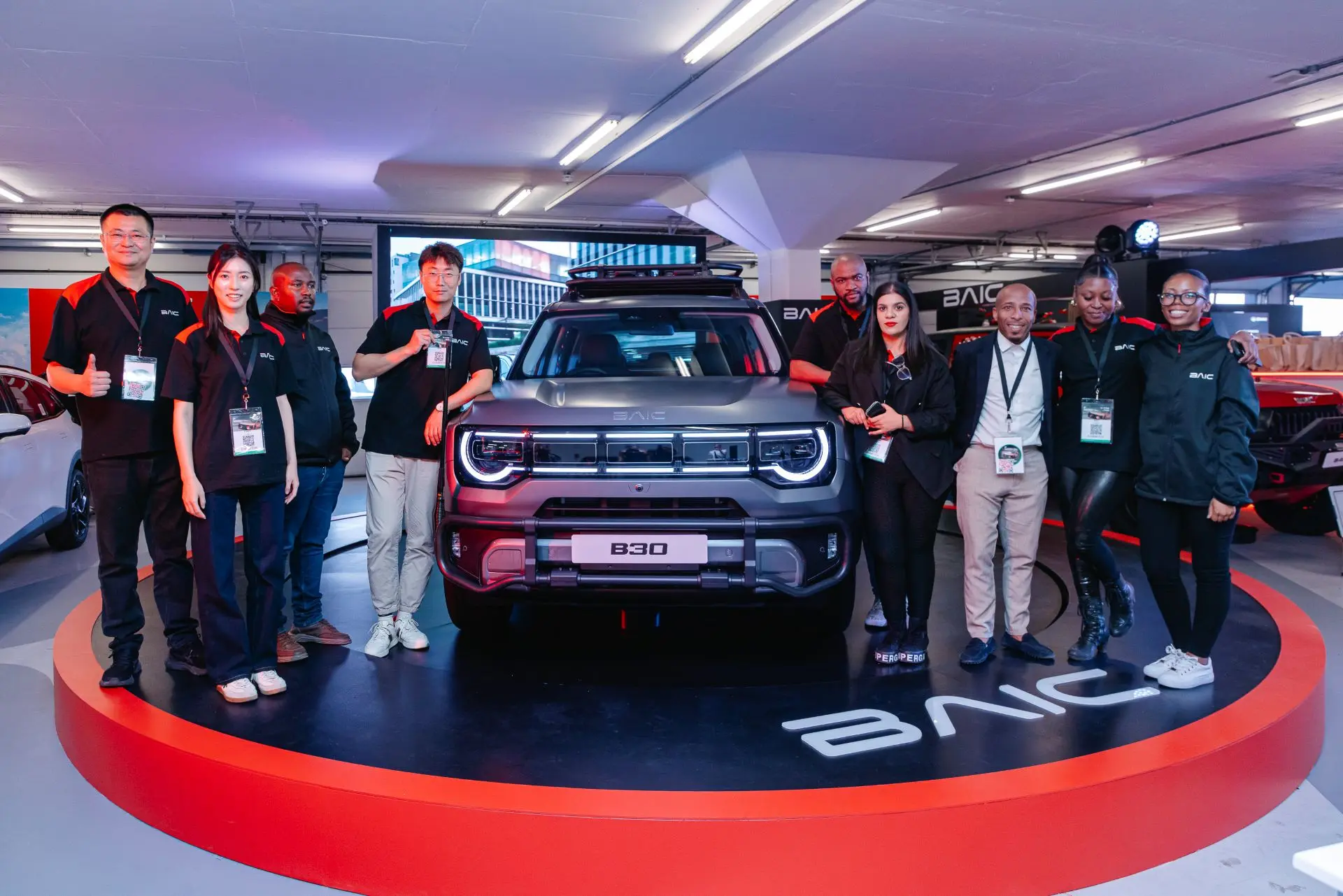
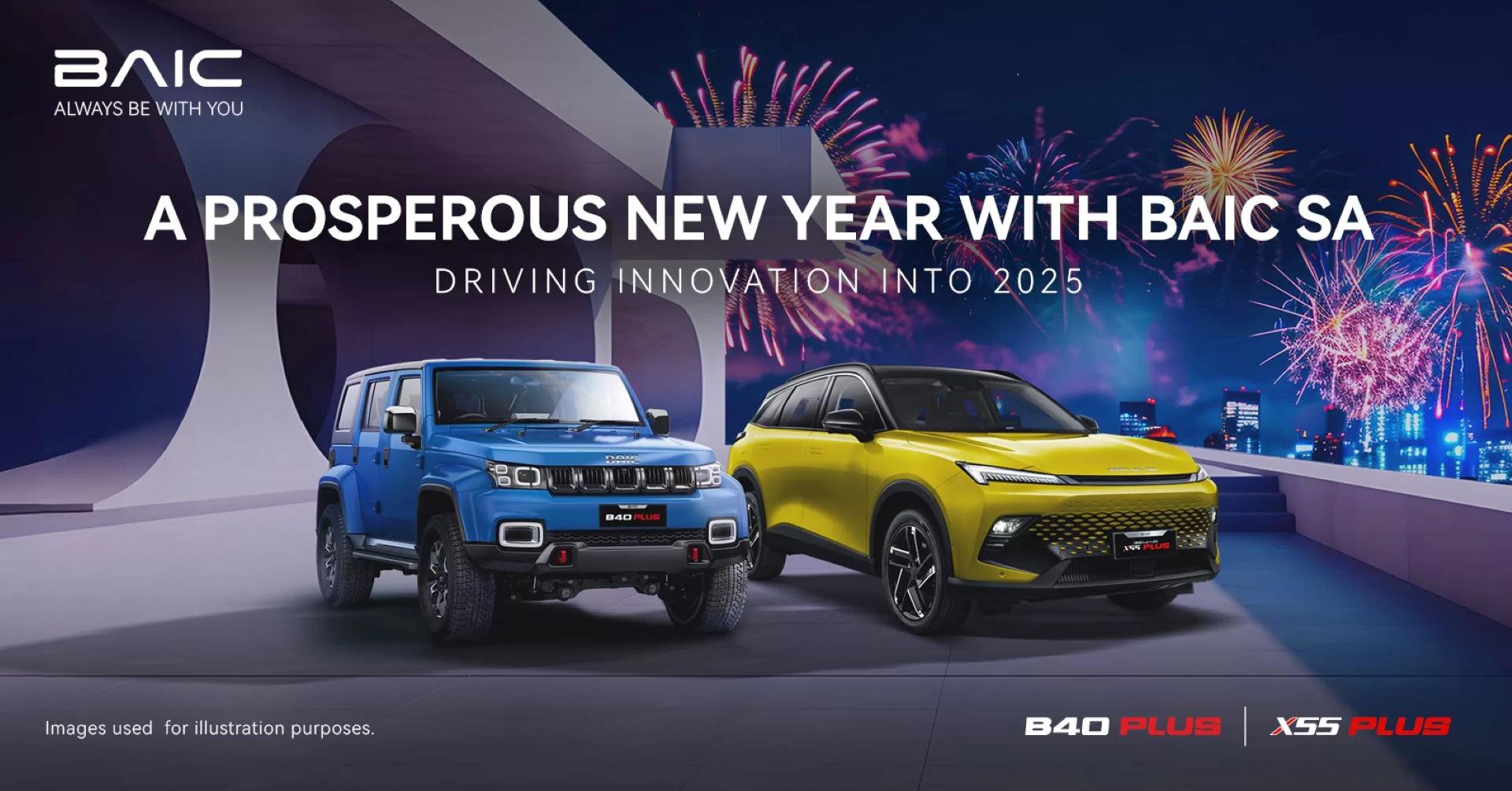
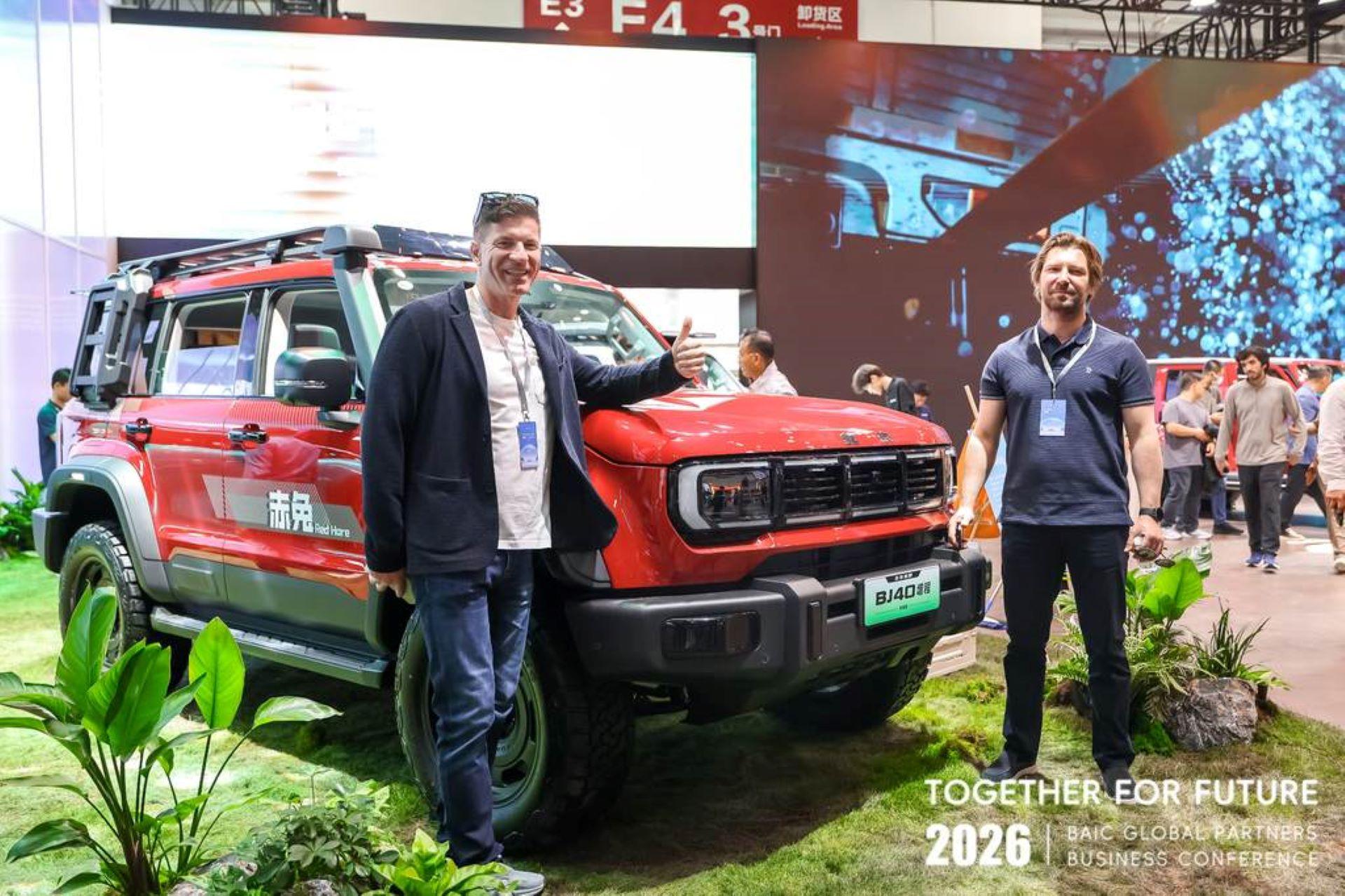
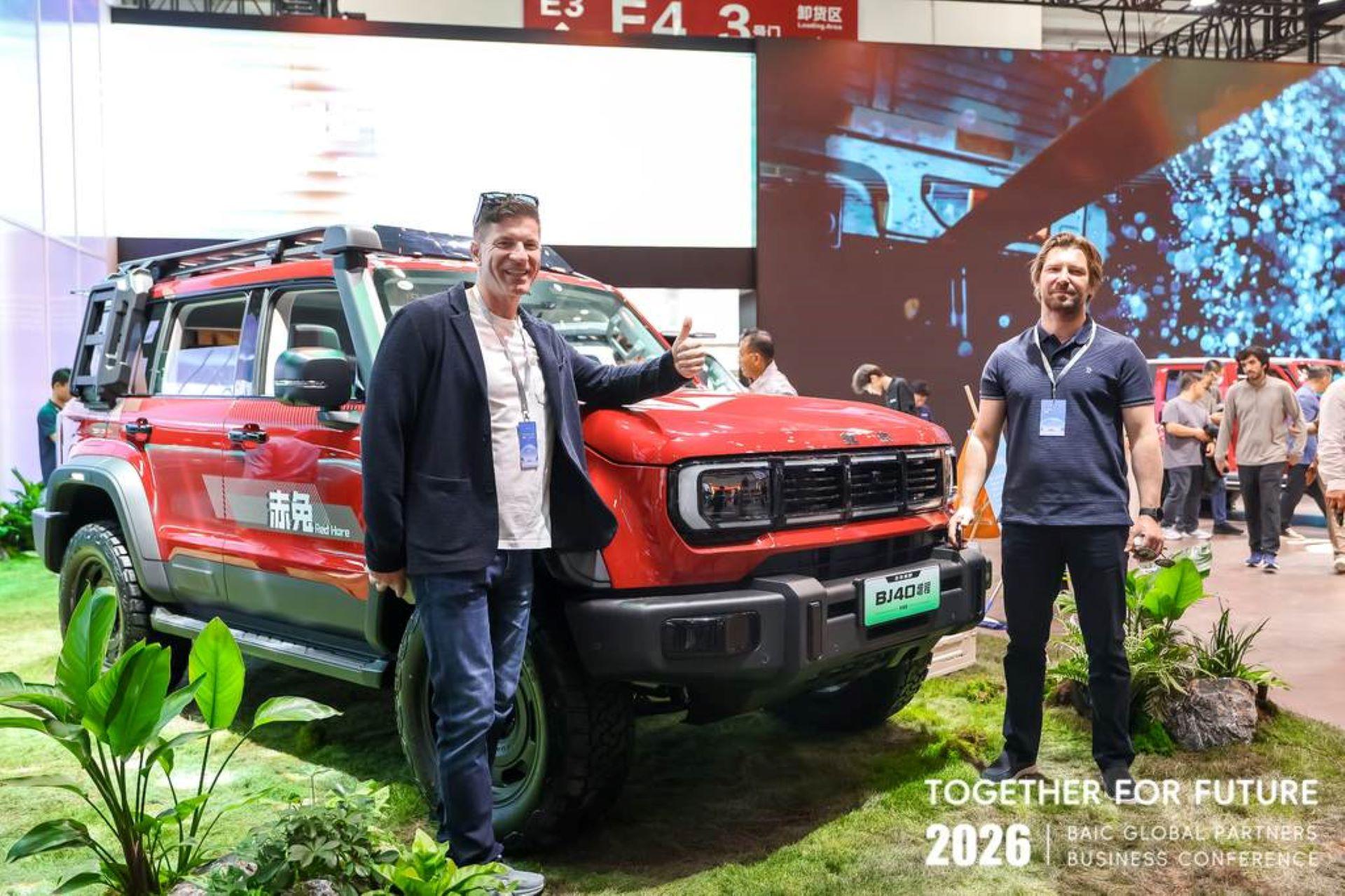
Beyond the pickup spotlight, BAIC used the exhibition to demonstrate something broader and more systemic: it is no longer a single-line manufacturer, but a multi-segment mobility group building depth across SUVs, passenger cars and new energy vehicles. The rugged DNA remains firmly intact through models such as the BAIC B30, BAIC B40 and BAIC B60, which continue to lean into the brand’s established off-road credibility. At the same time, urban-focused models like the BAIC X55 highlight how the company is extending its reach into family and lifestyle mobility without abandoning its utilitarian roots.
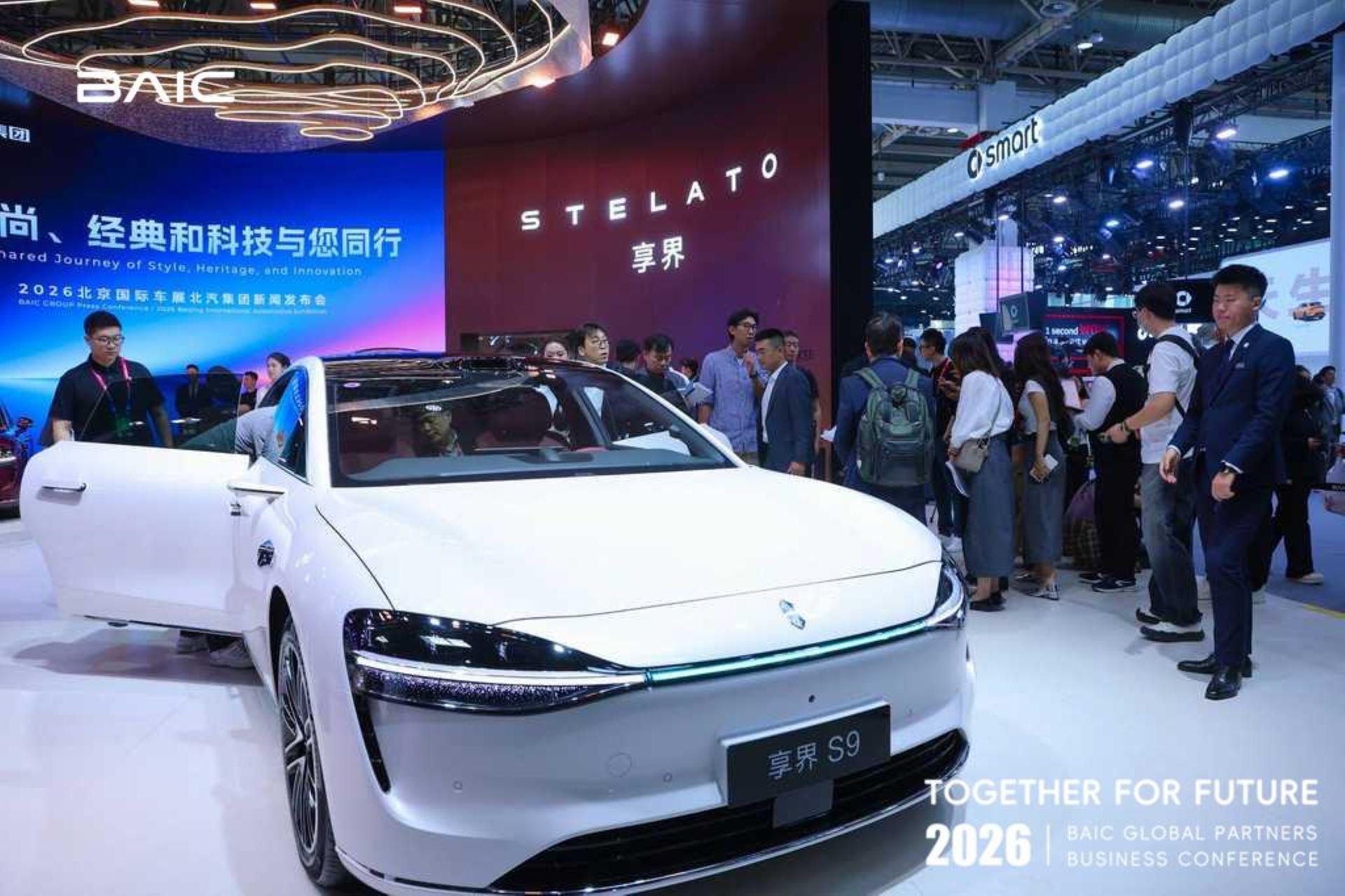
Where the transformation becomes most visible is in BAIC’s new energy architecture. Its ARCFOX division operates as a performance-driven electric vehicle arm, pushing advanced connectivity, intelligent design and high-efficiency EV platforms into the premium space. Alongside it, STELATO represents a newer and more elevated tier, positioned at the top of the group’s portfolio with a focus on luxury, intelligent systems and next-generation electric mobility. Together, they signal BAIC’s intention to compete not only on scale, but on technological perception.
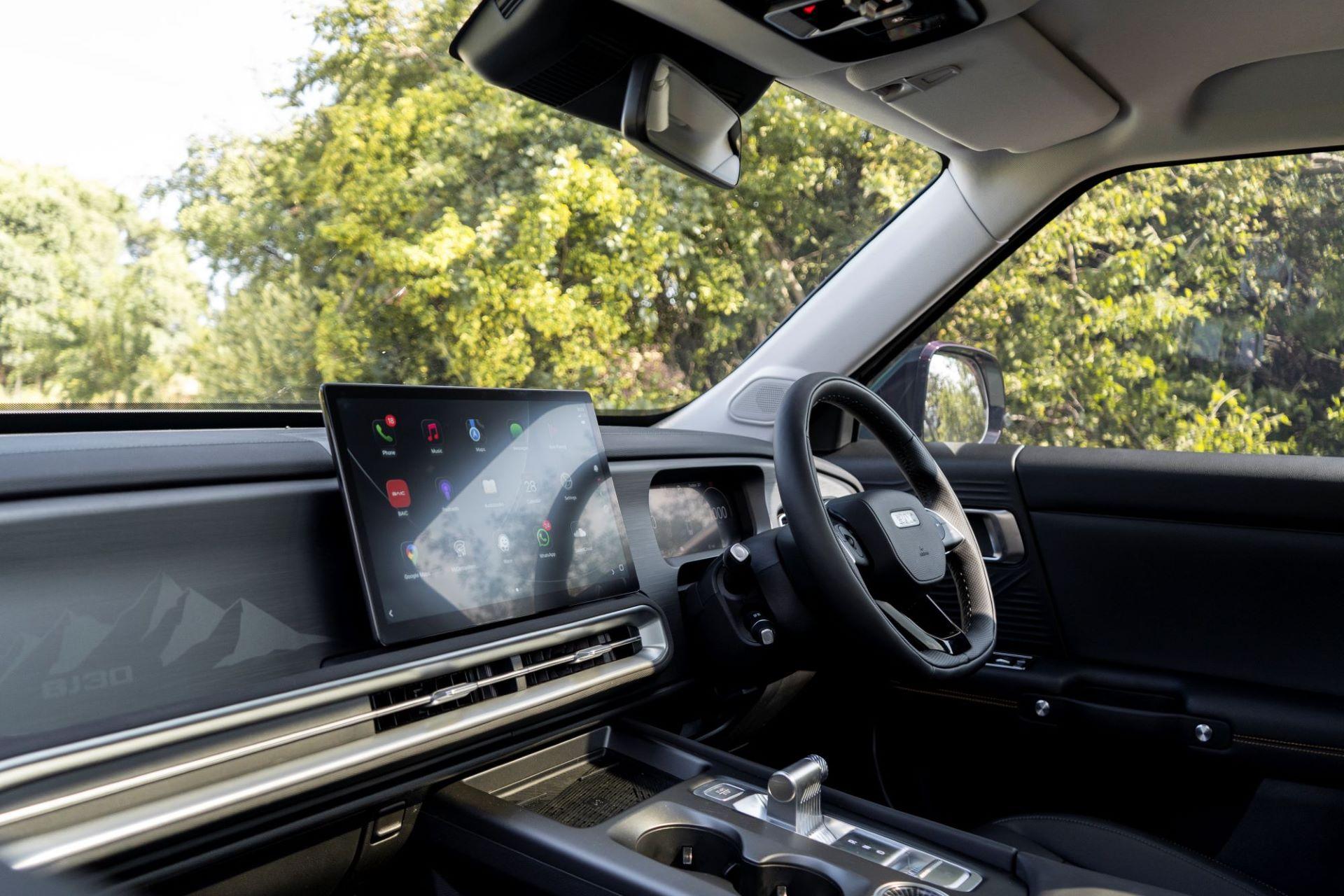
Across the exhibition floor, the underlying theme was intelligence. Advanced driver assistance systems, next-generation smart cockpit environments and integrated connectivity platforms were presented not as isolated features but as part of a unified digital ecosystem. These technologies are increasingly defining BAIC’s identity as much as its vehicles themselves, pointing to a future where software and hardware evolve in tandem rather than in parallel.
This product ambition is backed by industrial scale that few competitors can ignore. BAIC Group reports annual sales exceeding 1.7 million vehicles, with operations spanning more than 80 international markets and a vast domestic dealer and service footprint. That infrastructure is not simply a measure of size, but a foundation for sustained investment in research, electrification and global product development. Strategic partnerships and joint ventures further extend its reach, giving BAIC both manufacturing depth and international adaptability.
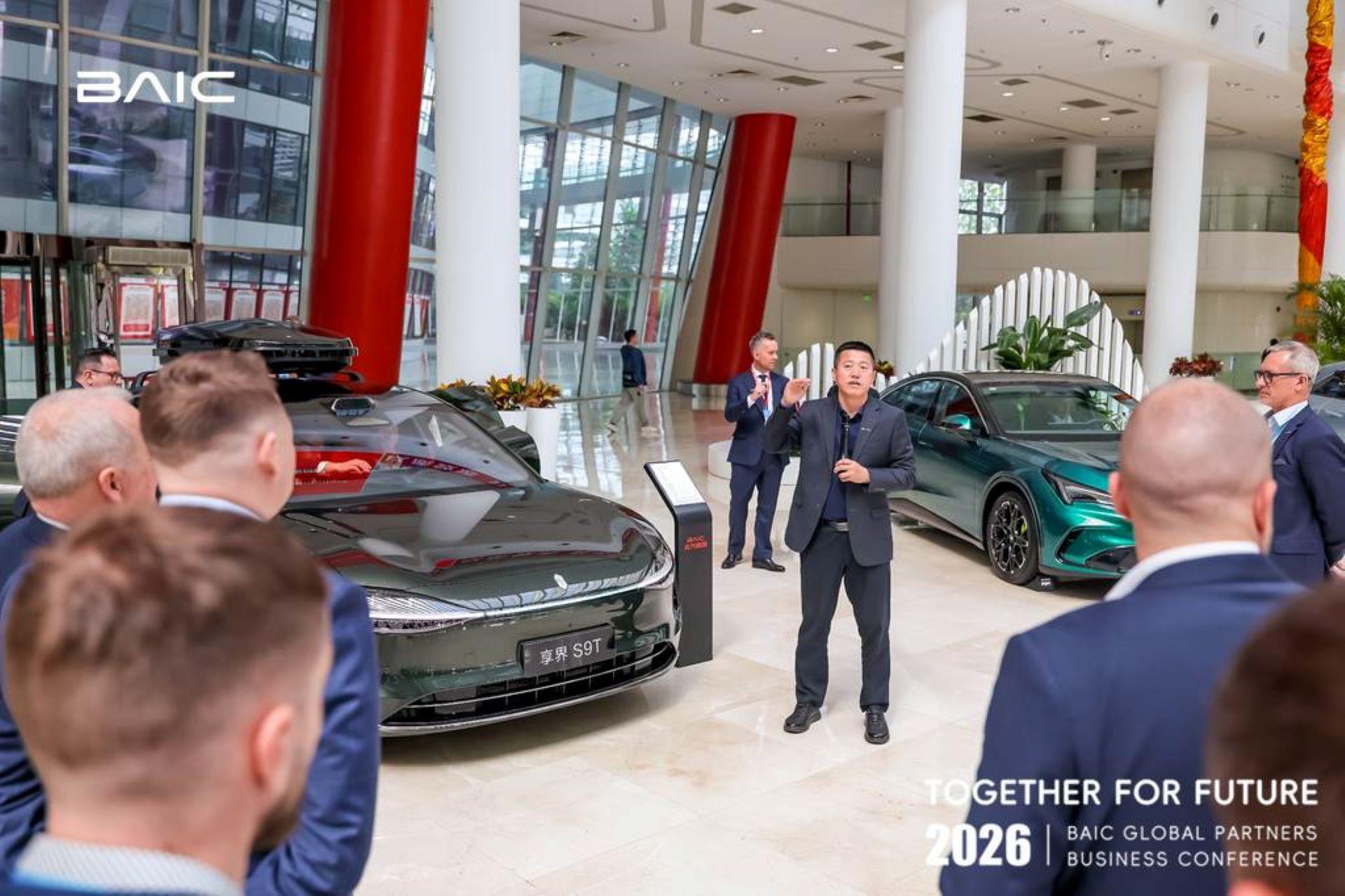
Alongside the public showcase, BAIC’s Global Partner Business Briefing brought together more than 400 international stakeholders from regions including Africa, the Middle East, South America and Asia. The message delivered there aligned closely with what was displayed on the show floor: a coordinated global strategy built around three core brands, BAIC, ARCFOX and STELATO, each serving a distinct layer of the mobility market. For partners in emerging markets, this structure translates into a more predictable product pipeline, stronger localisation potential and improved long-term competitiveness.
For South Africa specifically, the implications are becoming increasingly tangible. A stronger global focus, combined with the introduction of a purpose-built pickup range, places BAIC in direct conversation with one of the country’s most important automotive segments. It also suggests a future where local buyers are offered a wider spectrum of capability-led vehicles, supported by global engineering resources and growing technological maturity.
BAIC’s message from Beijing is ultimately one of acceleration. Not just in product development, but in identity. The brand is evolving from a capable manufacturer into a structured global mobility player, one that is increasingly comfortable competing on multiple fronts at once. For markets like South Africa, that evolution could soon translate into more choice, more capability and a noticeably more competitive landscape.