



In the face of a challenging global economic landscape, Audi has embarked on a strategic transformation to reinforce its position in the automotive industry. The 2024 financial year presented hurdles, yet the company’s commitment to innovation and restructuring underscores its resilience and forward-thinking approach.
Financial Performance Amidst Global Challenges
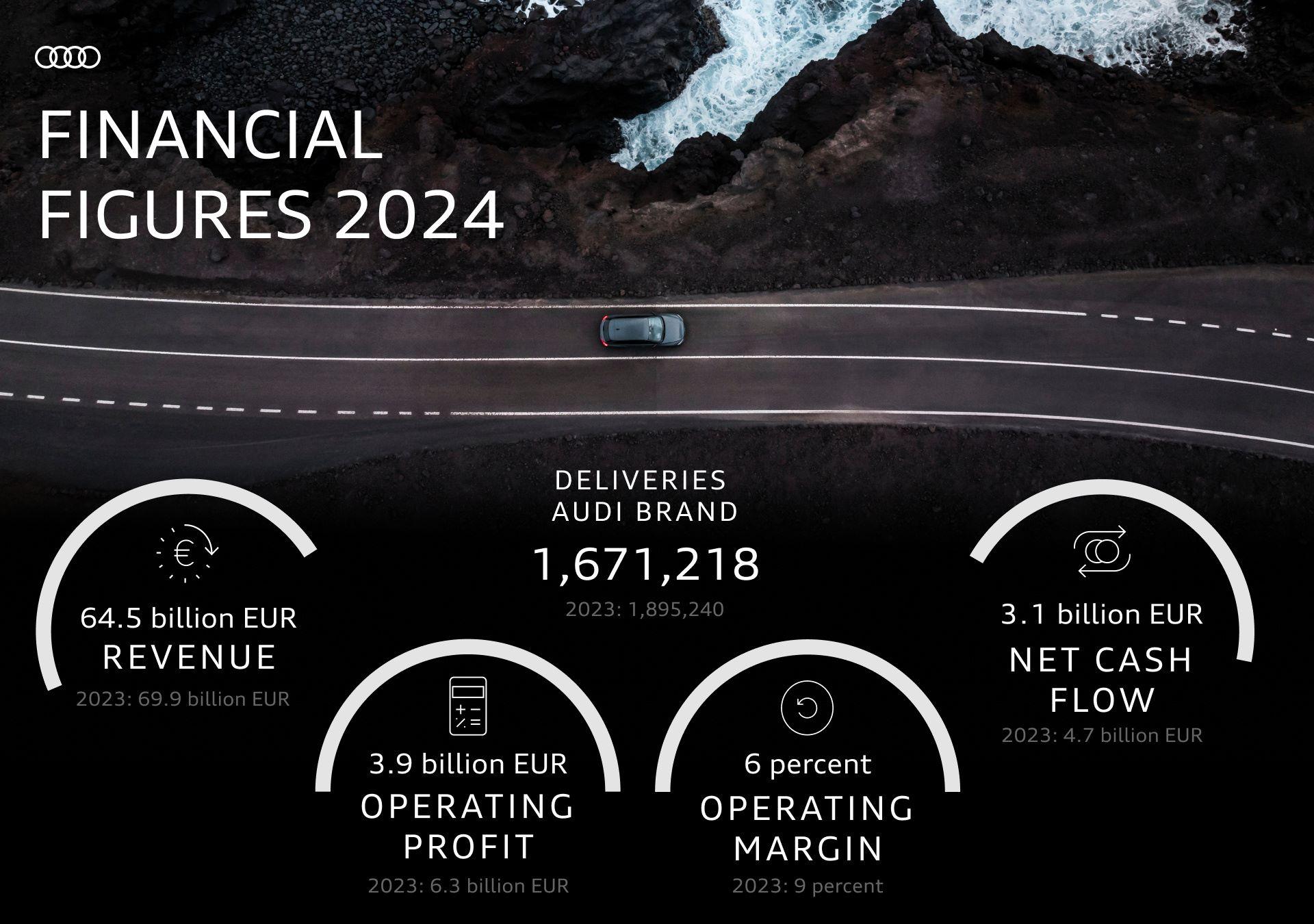
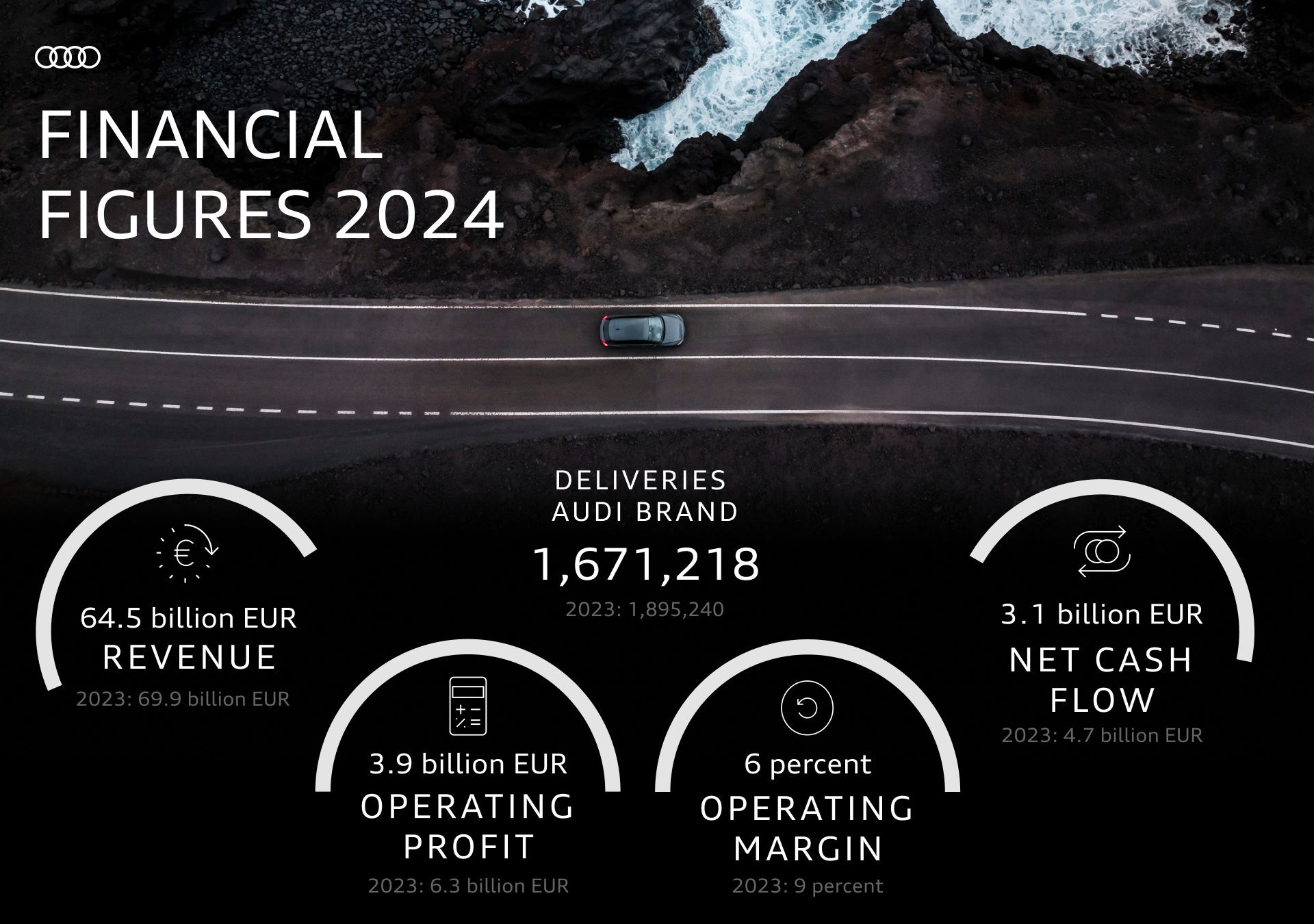
Audi’s 2024 financial results reflect the complexities of the current market. The company reported revenues totaling €64.5 billion, a decrease of approximately 7.6% from the previous year. Operating profit stood at €3.9 billion, resulting in an operating margin of 6%. Net cash flow was recorded at €3.1 billion. These figures highlight the pressures from intensified competition and economic headwinds.
Strategic Realignment and Efficiency Measures
In response to these challenges, Audi has initiated significant restructuring efforts aimed at enhancing efficiency and securing long-term profitability. A pivotal component of this strategy is the planned reduction of up to 7,500 jobs in Germany by 2029, focusing on administrative and development sectors. This move is projected to yield annual savings of €1 billion, aligning resources with the company’s strategic objectives.
Additionally, Audi is assessing its production footprint to mitigate external risks. The company is contemplating price adjustments to counterbalance potential U.S. import tariffs and is evaluating the feasibility of localizing production in North America. These measures aim to bolster Audi’s competitiveness in key markets and adapt to evolving trade dynamics.
Product Portfolio Renewal and Market Focus
Central to Audi’s strategic realignment is the rejuvenation of its product lineup. The company plans to introduce over 20 new models by the end of 2025, with half being fully electric vehicles. This initiative positions Audi to have one of the youngest and most innovative portfolios among its competitors, catering to the growing demand for sustainable mobility solutions.
In the United States, Audi aims to strengthen its market presence by launching 10 new models and implementing product upgrades by the end of 2025. The recent introduction of the Audi Q6 e-tron marks a significant step in this direction, with forthcoming models like the A6 e-tron and new generations of the Q5, A5, and A6 combustion engine variants set to follow.
In China, Audi is refining its product strategies in collaboration with partners FAW and SAIC. The commencement of production for the Audi Q6L e-tron at the new Audi FAW NEV Company plant in Changchun signifies a commitment to expanding the range of locally available electric models, tailored to the preferences of Chinese consumers.
Outlook for 2025
Looking ahead, Audi anticipates a persistently volatile environment in 2025. The company projects revenues between €67.5 billion and €72.5 billion, with an expected operating margin ranging from 7% to 9%. Net cash flow is forecasted to be between €3 billion and €4 billion. These projections underscore Audi’s dedication to navigating economic uncertainties while steadfastly pursuing its transformation and growth objectives.
In summary, Audi’s strategic realignment, encompassing efficiency enhancements, a revitalized product portfolio, and targeted market strategies, positions the company to adeptly manage current challenges and capitalize on future opportunities in the automotive sector.


