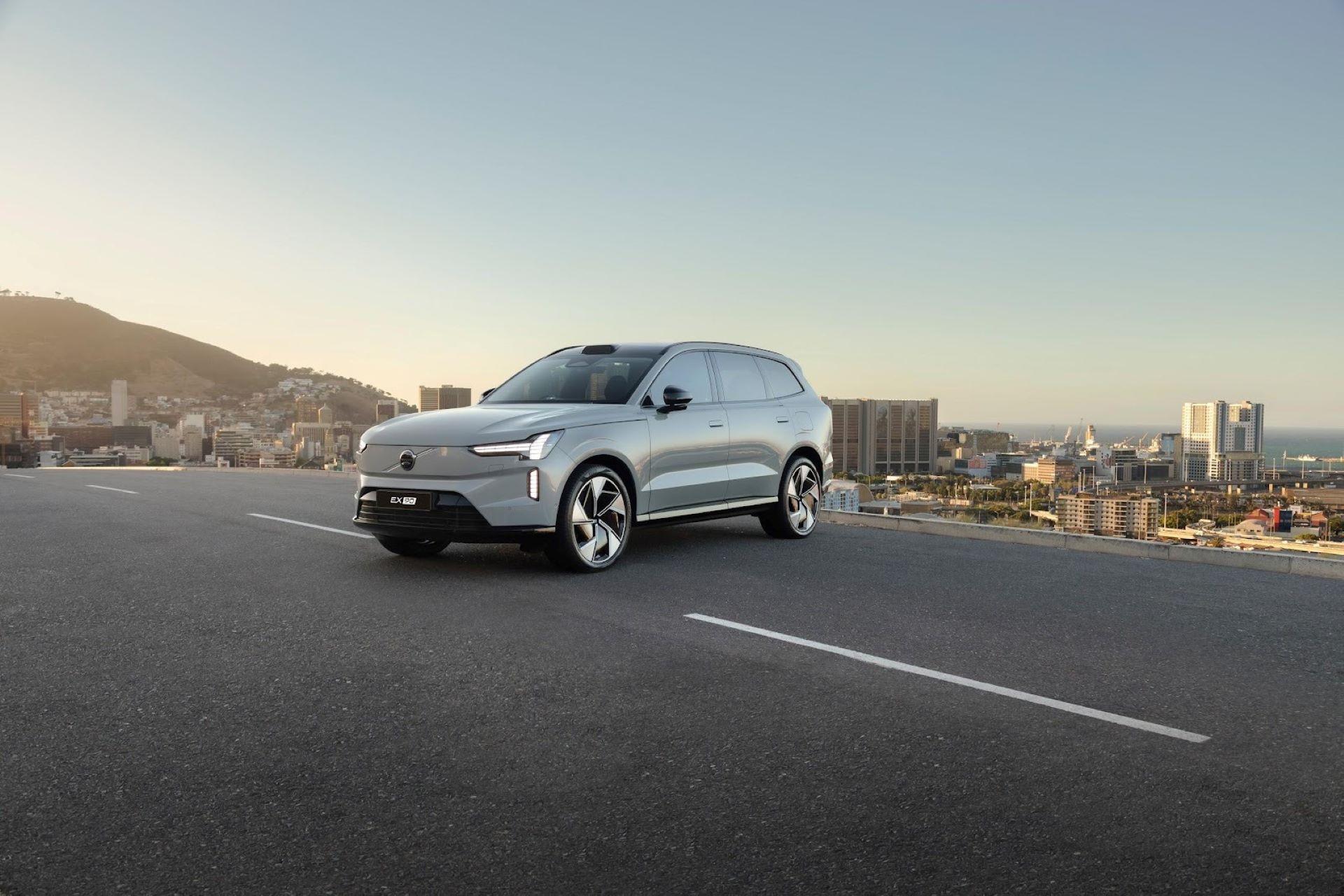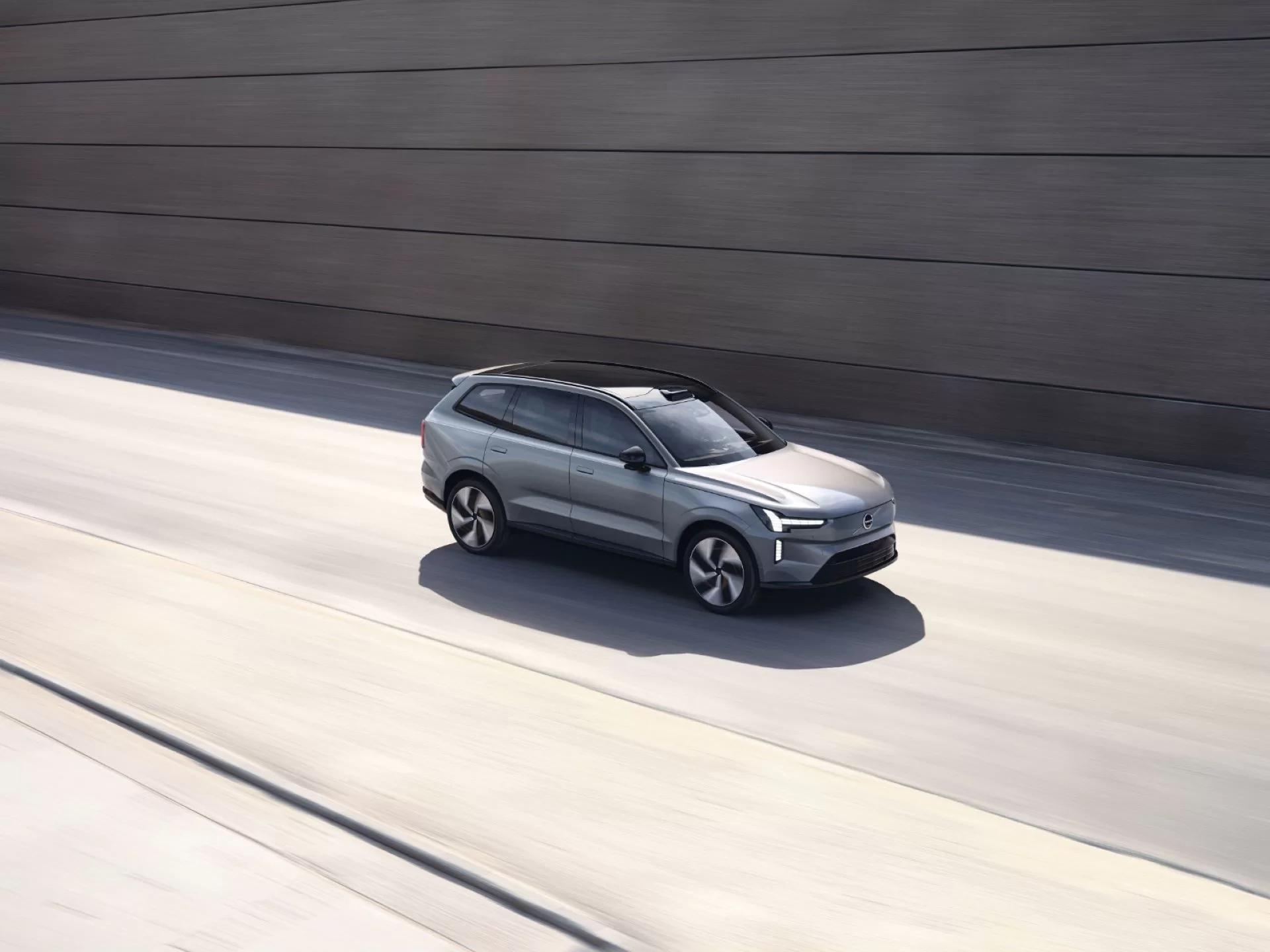
Volvo Cars has long been a leader in automotive innovation, with a focus on technology that directly enhances safety and the driving experience. At the core of Volvo’s strategy is a commitment to developing human-centric technology, ensuring that every advancement creates real value for its customers. This approach is perfectly exemplified by Volvo’s next-generation vehicles, which are not just machines, but software-defined ecosystems.
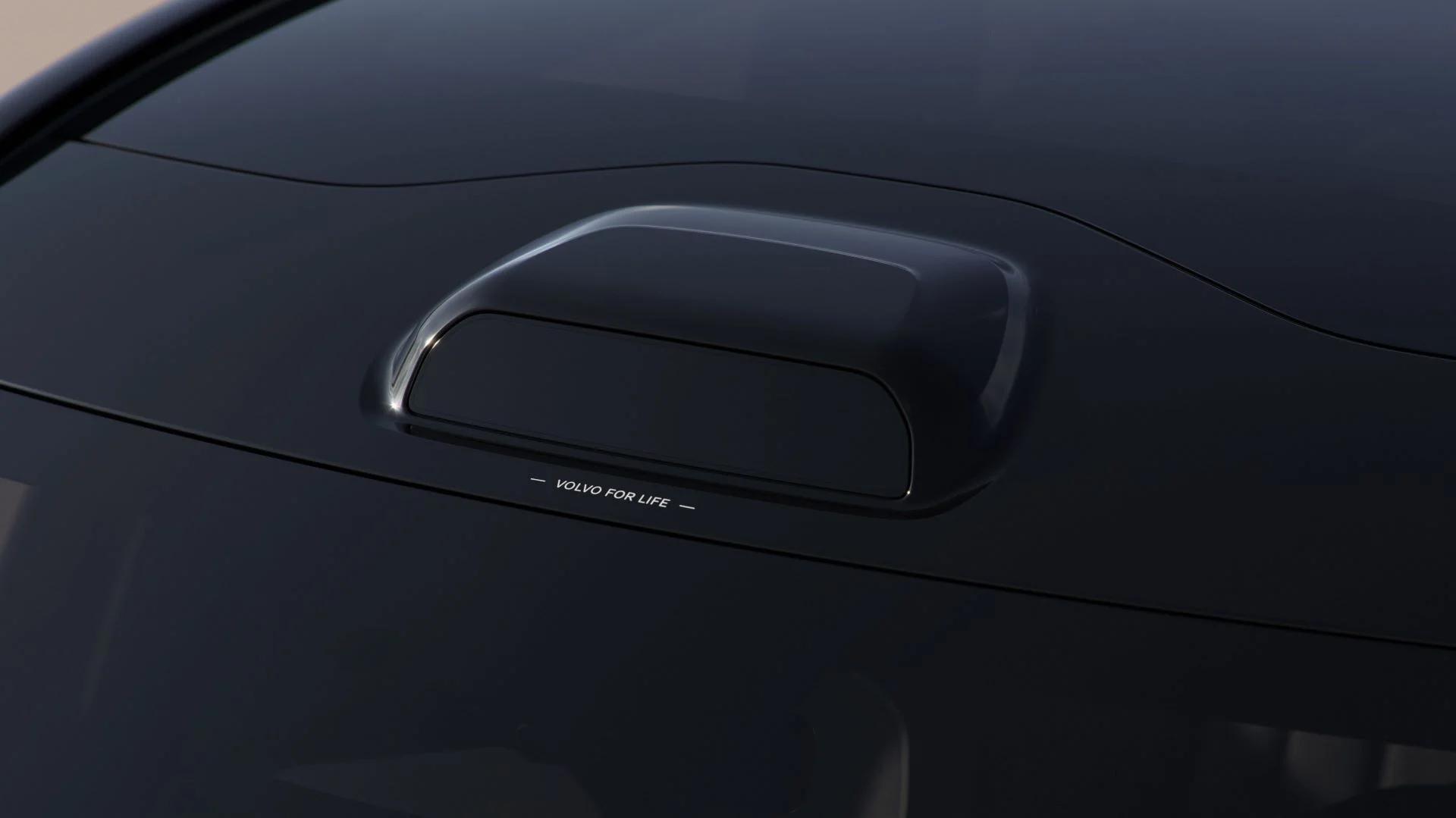
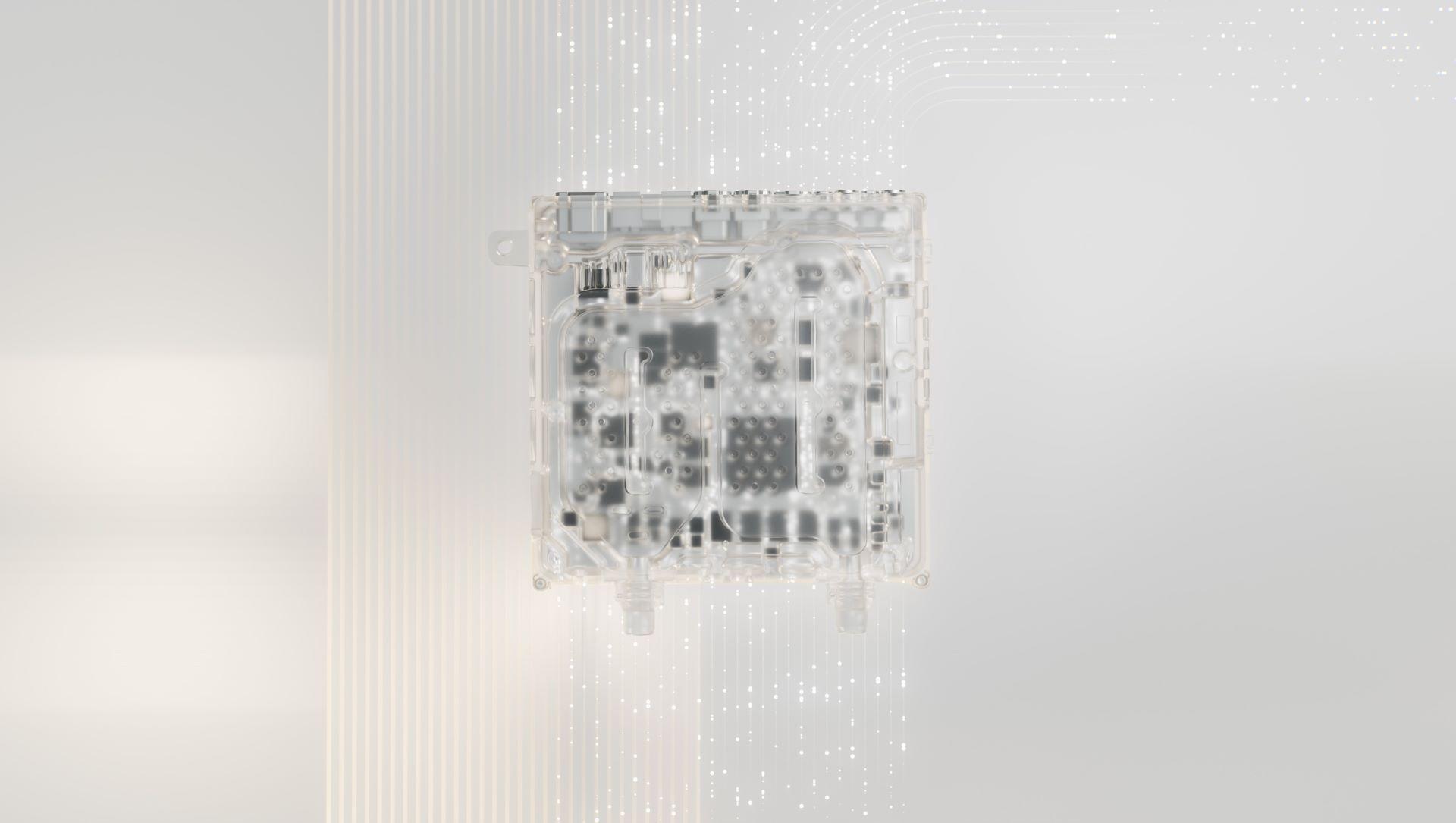
Volvo’s new flagship SUV, the EX90, marks a significant milestone in the brand’s journey toward software-defined vehicles. Built on a centralised core compute architecture, the EX90 represents the future of automotive engineering, integrating cutting-edge technology in partnership with NVIDIA. Powered by NVIDIA’s DRIVE Orin system-on-a-chip (SoC), capable of performing over 250 trillion operations per second (TOPS), this architecture orchestrates the vehicle’s critical systems—from AI-based safety features to seamless connectivity.
The integration of NVIDIA DRIVE Orin into the EX90’s core computing platform is more than just a leap in processing power. It forms the backbone of Volvo’s vision for safe, autonomous driving and superior customer experiences. By leveraging deep learning and AI, the EX90 delivers active safety and driving assistance that evolves with each journey, embodying Volvo’s dedication to uncompromised safety.
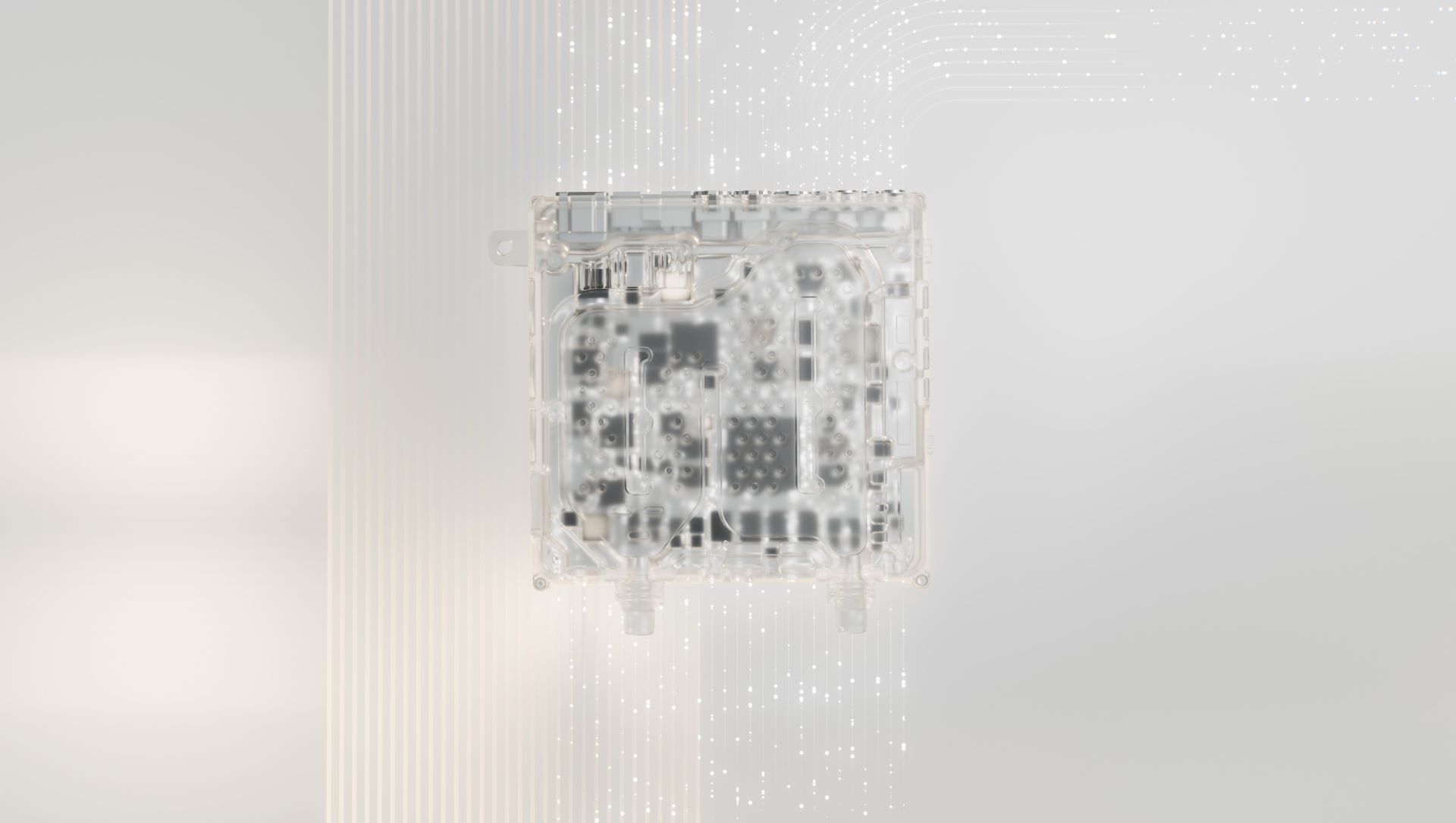
Looking ahead, Volvo Cars is set to take this collaboration to new heights with NVIDIA DRIVE Thor, a system capable of up to 1,000 TOPS—four times the power of DRIVE Orin. With this next-gen chip, Volvo’s vehicles will not only process vast amounts of data more efficiently but will also enable generative AI-based experiences, paving the way for even more advanced autonomous driving and driving assistance systems.
“By integrating NVIDIA DRIVE Thor into our future cars, we can scale our in-house-developed software across our model line-up, making our vehicles safer and our operations more efficient,” says Jim Rowan, CEO of Volvo Cars. “This collaboration allows us to enhance customer experiences while optimising costs and boosting margins.”
Central to Volvo’s future success in AI and autonomous driving is its proprietary software arm, Zenseact. The company is already utilising NVIDIA’s DGX systems, an AI supercomputing platform designed for massive workloads. By training AI models on the NVIDIA DGX platform, Volvo is accelerating its path to safer, more intelligent vehicles. The DGX systems will be instrumental in preparing autonomous vehicles for the complexities of real-world driving, further cementing Volvo’s reputation for safety and technological excellence.
As Volvo continues to innovate, the partnership with NVIDIA positions the company at the forefront of the software-defined revolution in the automotive industry. From AI-assisted driving to generative in-car experiences, Volvo is driving toward a future where software, safety, and sustainability converge seamlessly.