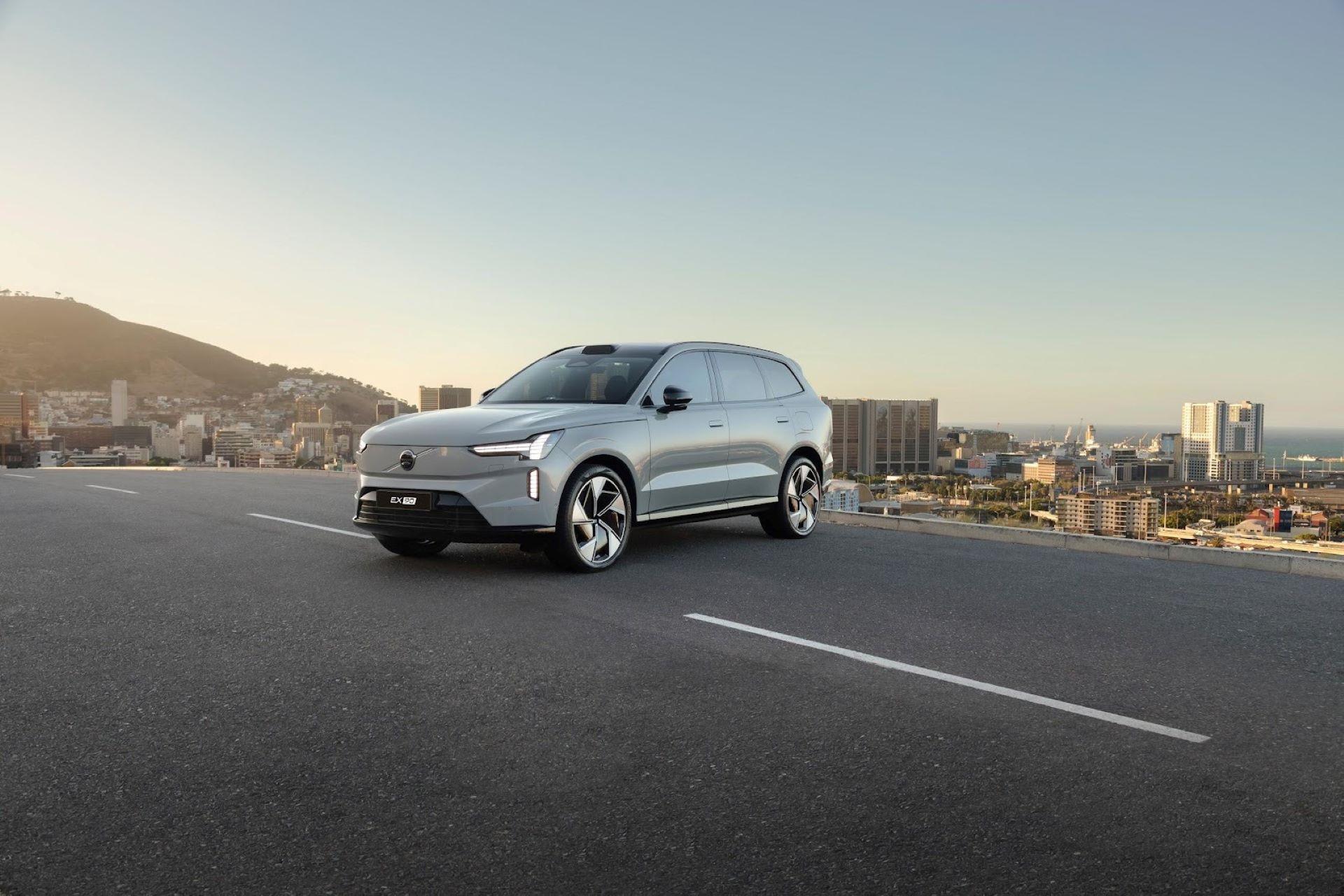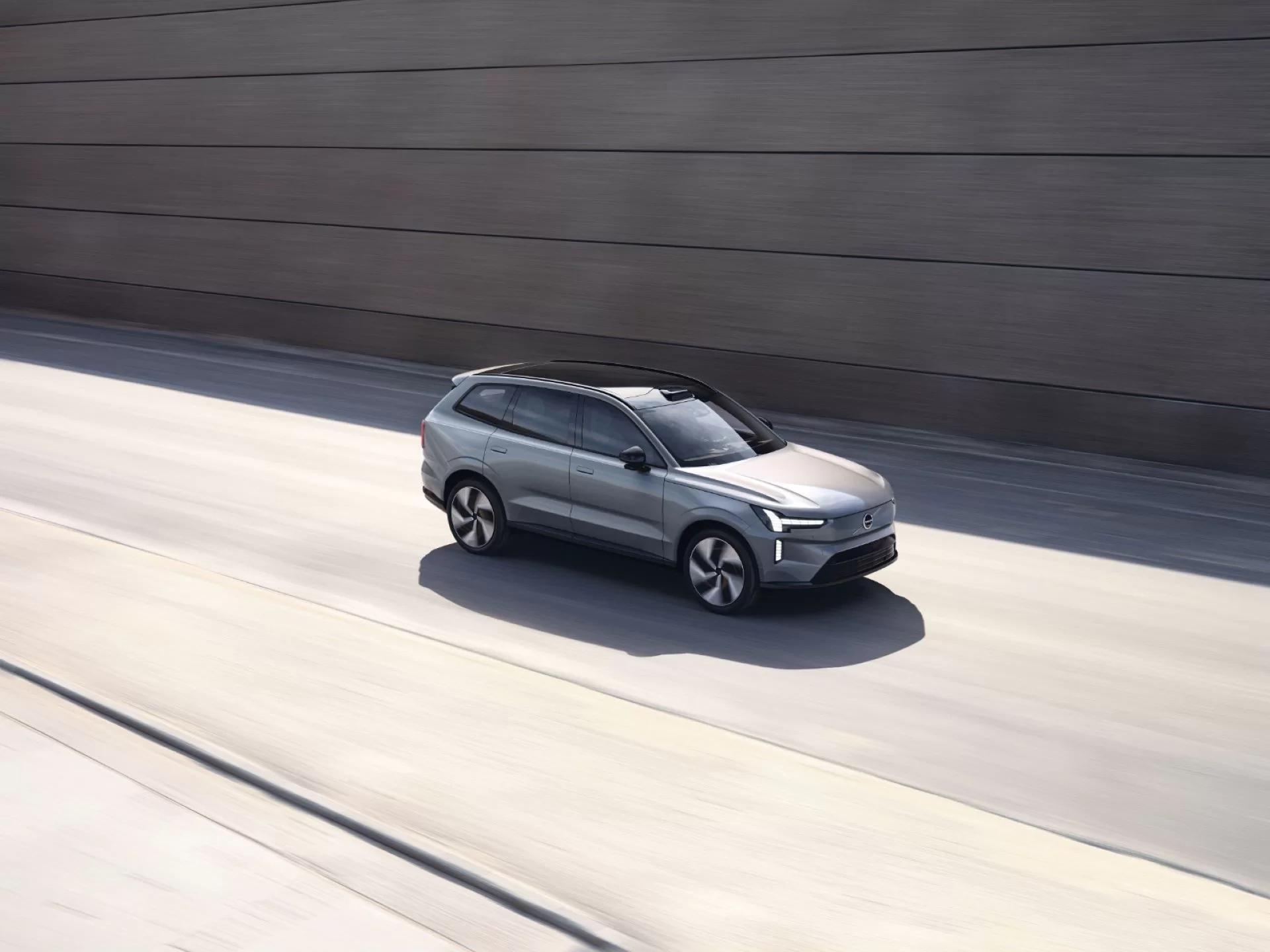
Volvo Cars has long stood at the forefront of automotive safety—setting industry standards rather than following them. With the introduction of the fully electric EX90, the brand’s legacy evolves once again, powered by next-generation technologies designed to protect not only those inside the vehicle, but everyone sharing the road.
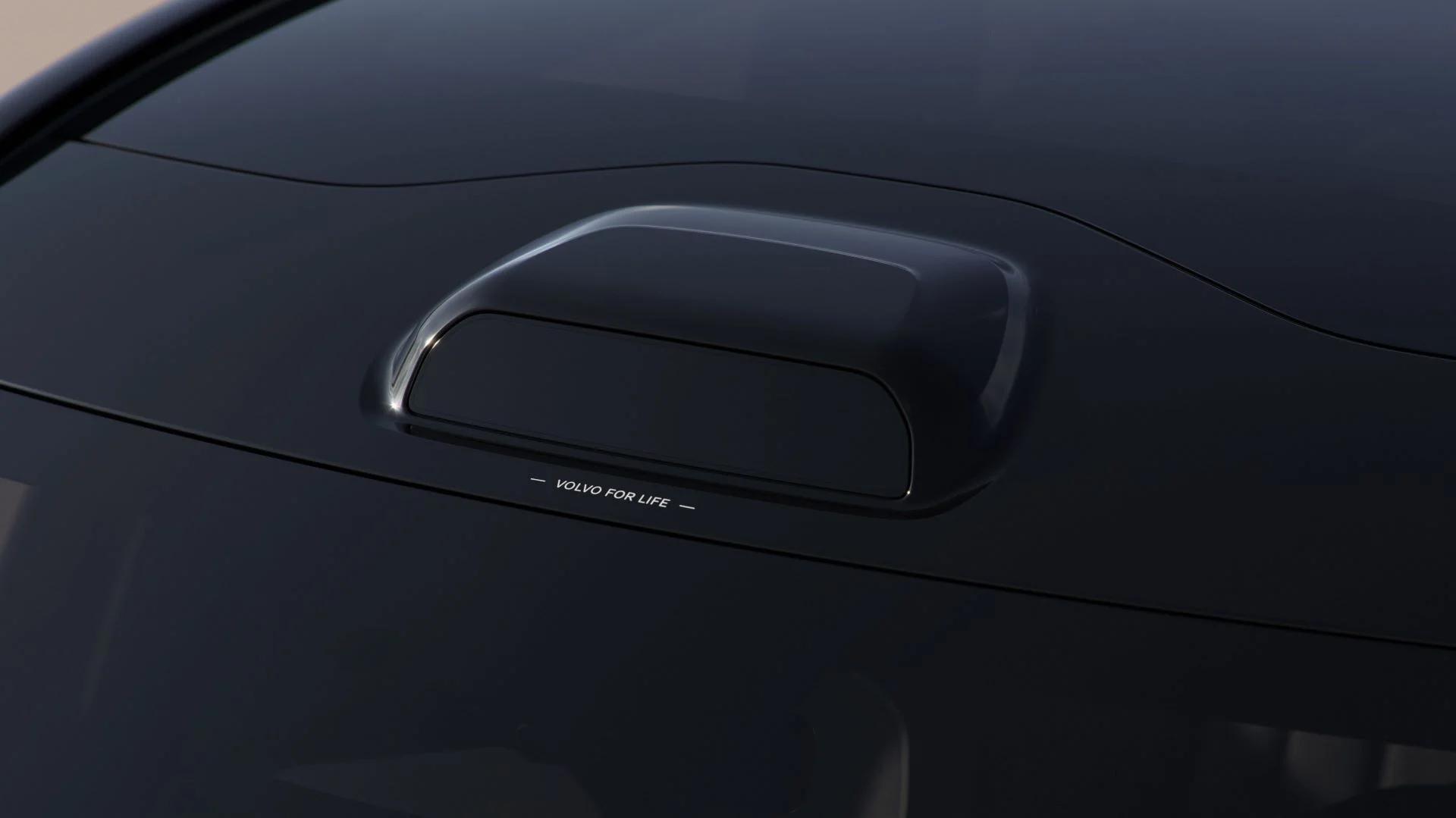
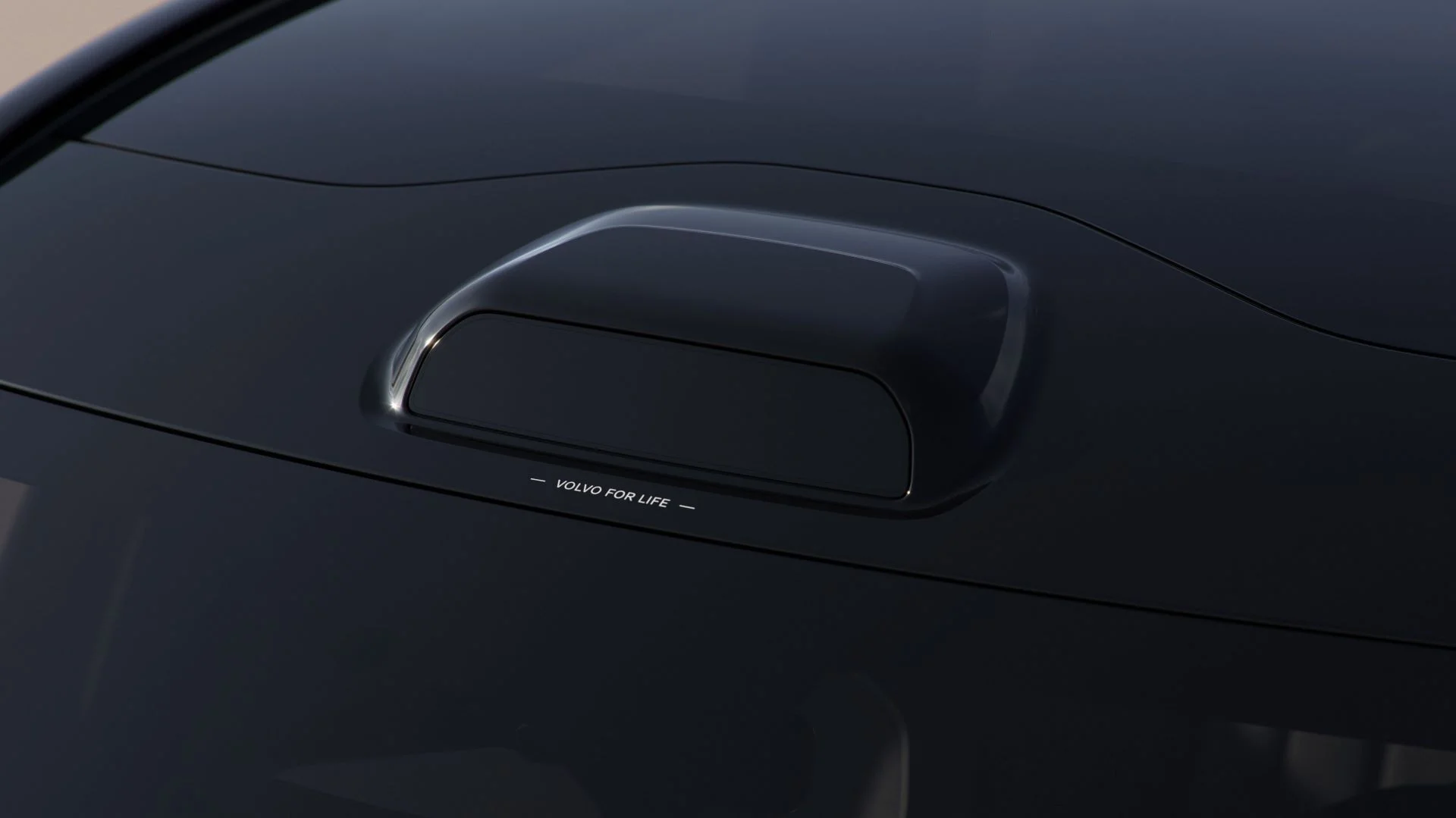
Central to this innovation is the EX90’s roof-mounted LiDAR system: a laser-based sensor that gives the vehicle extraordinary perception, even in complete darkness. Capable of detecting hazards hundreds of metres ahead, LiDAR enhances the EX90’s ability to anticipate and respond to danger before it becomes unavoidable. And crucially, it does so while being completely safe for everyday use.
Certified Safe for Human Eyes
Volvo’s LiDAR unit is certified as Class 1 under IEC 60825-1, the internationally recognised gold standard for laser safety. This means it poses no risk to the human eye under normal operating conditions. Whether you’re walking past the car or sharing the road with it, the system functions unobtrusively and safely in the background—quietly working to protect lives.
Understanding Camera Sensor Interference
While safe for people, there have been rare reports of smartphone camera interference when the LiDAR sensor is filmed or photographed directly at close range. Some users have noted anomalies such as dead pixels or streaks appearing on their camera sensors after such interactions.
This phenomenon is not unique to Volvo’s system and is a known characteristic of high-precision laser-based technologies used across various industries. Certain smartphone sensors—depending on their design and sensitivity to concentrated light wavelengths—may react unfavourably when exposed directly to the LiDAR’s laser at close proximity. It’s important to note that this does not indicate a fault with the vehicle or the phone.
As a preventive measure, Volvo advises against direct, close-up photography of the LiDAR unit and is updating its user documentation accordingly. The company is also engaging with technology partners to raise awareness and minimise such occurrences.
Why LiDAR Matters
The inclusion of LiDAR in the EX90 isn’t a mere technological flex—it’s a commitment to saving lives. By enabling the car to “see” small or low-visibility objects such as unlit cyclists, pets, or debris from afar and in complete darkness, LiDAR serves as a vital extension of the vehicle’s sensory capabilities.
It also forms the foundation for future autonomous driving. The EX90 is the first Volvo to be hardware-ready for unsupervised driving in certain conditions—marking the beginning of a new chapter in Volvo’s safety story, where human lives are protected through a fusion of software intelligence, mechanical reliability, and now, laser-enhanced vision.
Leading by Example
Volvo’s transparent approach to addressing the rare smartphone interference cases underscores its longstanding reputation for integrity and customer care. As cars become more like computers on wheels—equipped with advanced sensors, connectivity, and autonomy—new kinds of interactions with consumer electronics are inevitable. What matters is that these technologies remain safe, robust, and responsibly managed.
With the EX90, Volvo reaffirms its dedication to innovation with a purpose. The LiDAR system exemplifies how cutting-edge design can co-exist with rigorous safety standards—charting a future where technology doesn’t just enhance the driving experience, but safeguards the journey at every level.
In a world that demands ever-greater trust in our vehicles, the Volvo EX90 delivers—with eyes wide open.