A Brief History of the Rolls-Royce 20 H.P. – Known as the ‘Twenty’ – Launched in 1922
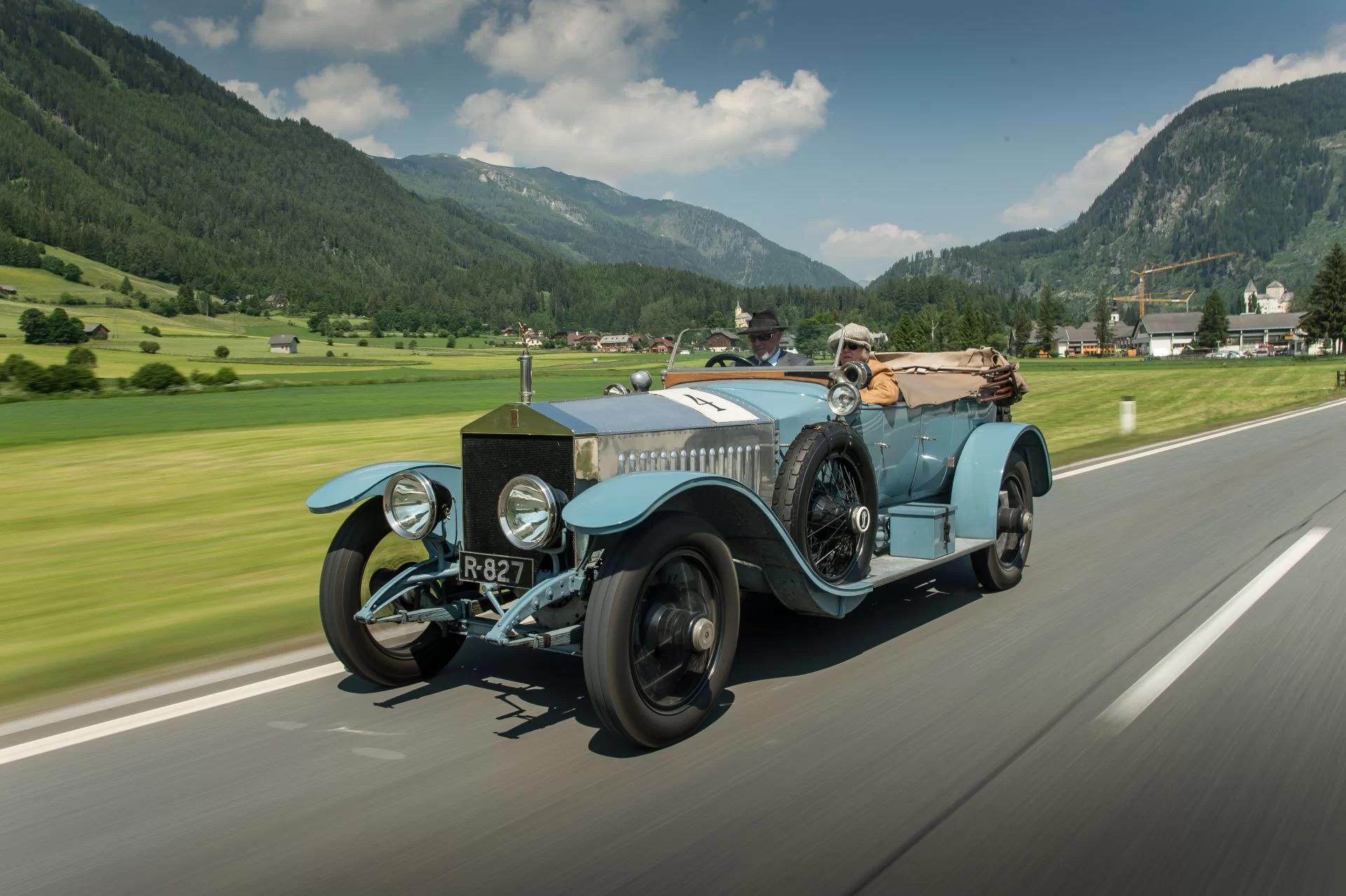
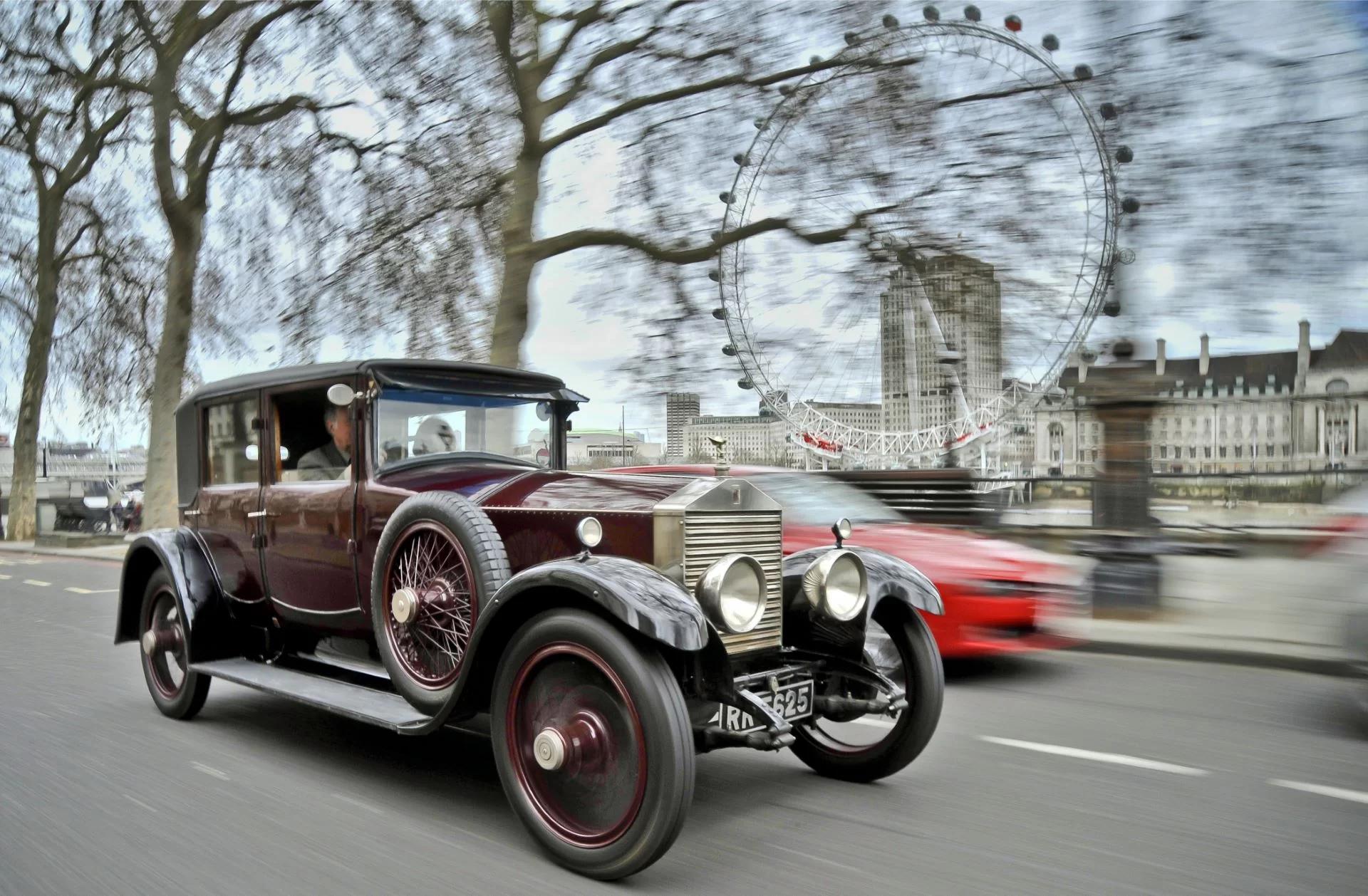
The Rolls-Royce 20 H.P., affectionately known as the ‘Twenty’, represents a pivotal moment in the marque’s illustrious history. Launched on 6 October 1922, the Twenty was the first Rolls-Royce specifically designed for owner-drivers, marking a significant shift in automotive luxury and innovation. This article is the third in a series celebrating landmark models from each decade of Rolls-Royce’s history, from its inception in the 1900s to the modern era at Goodwood.
A Changed World
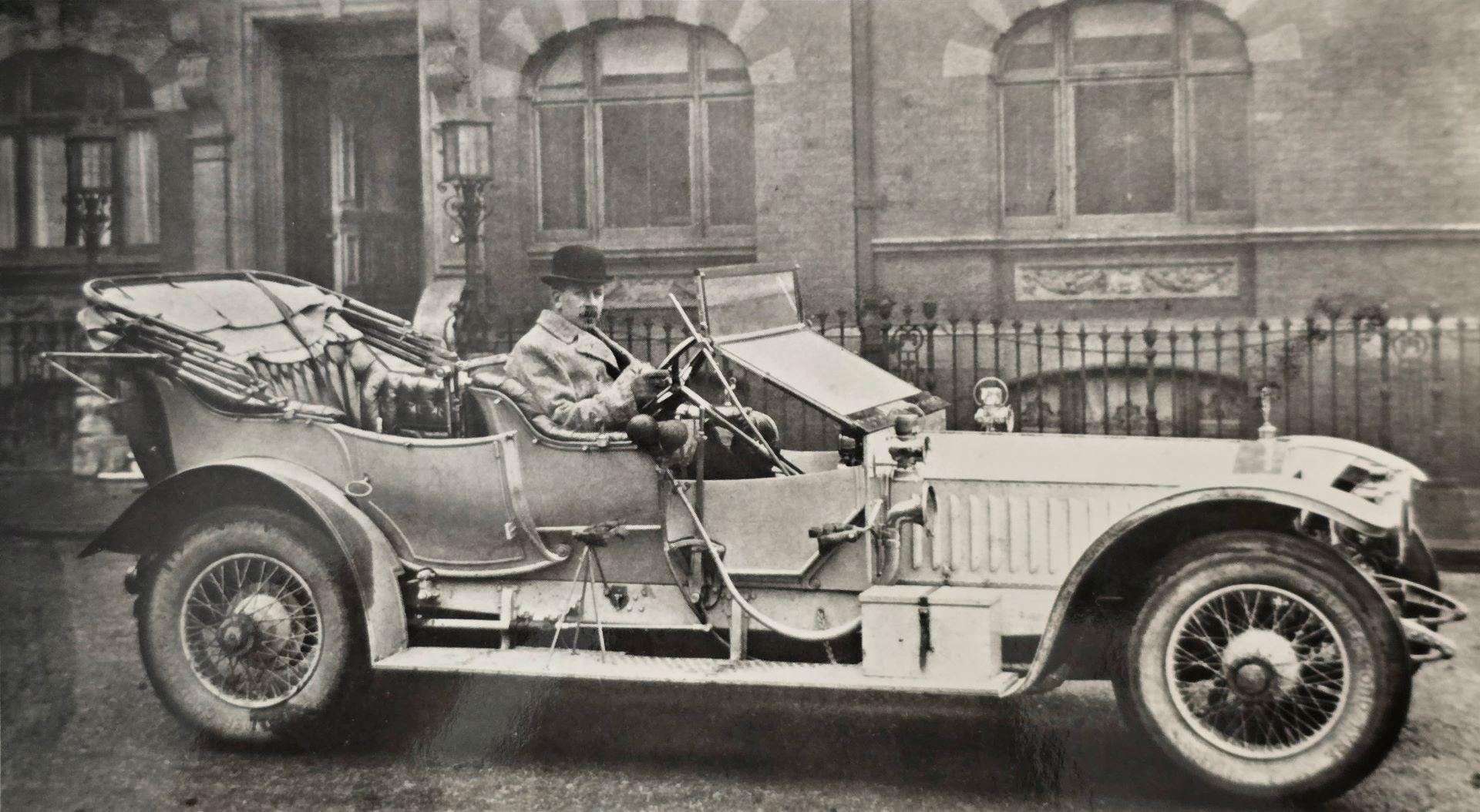
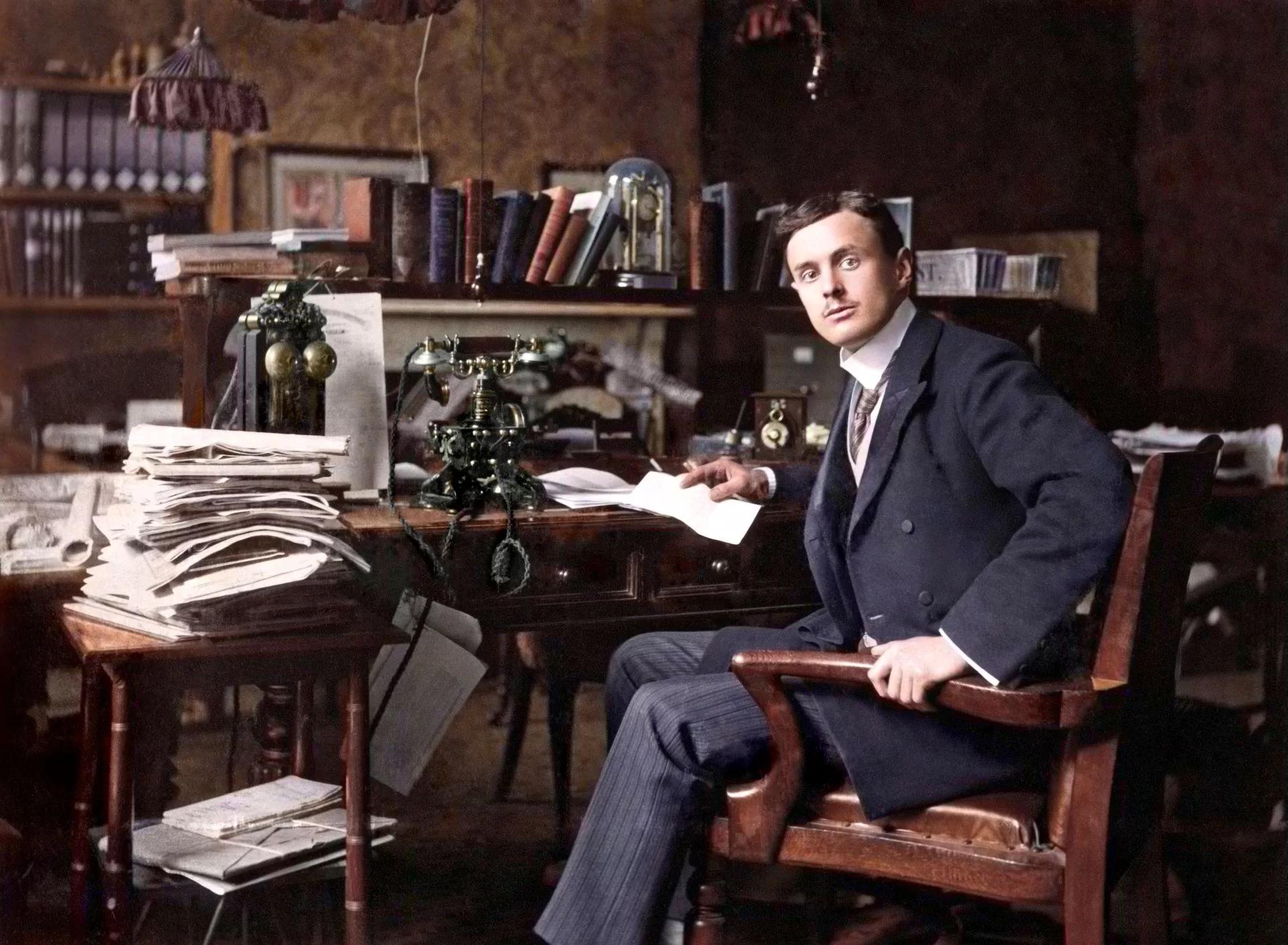
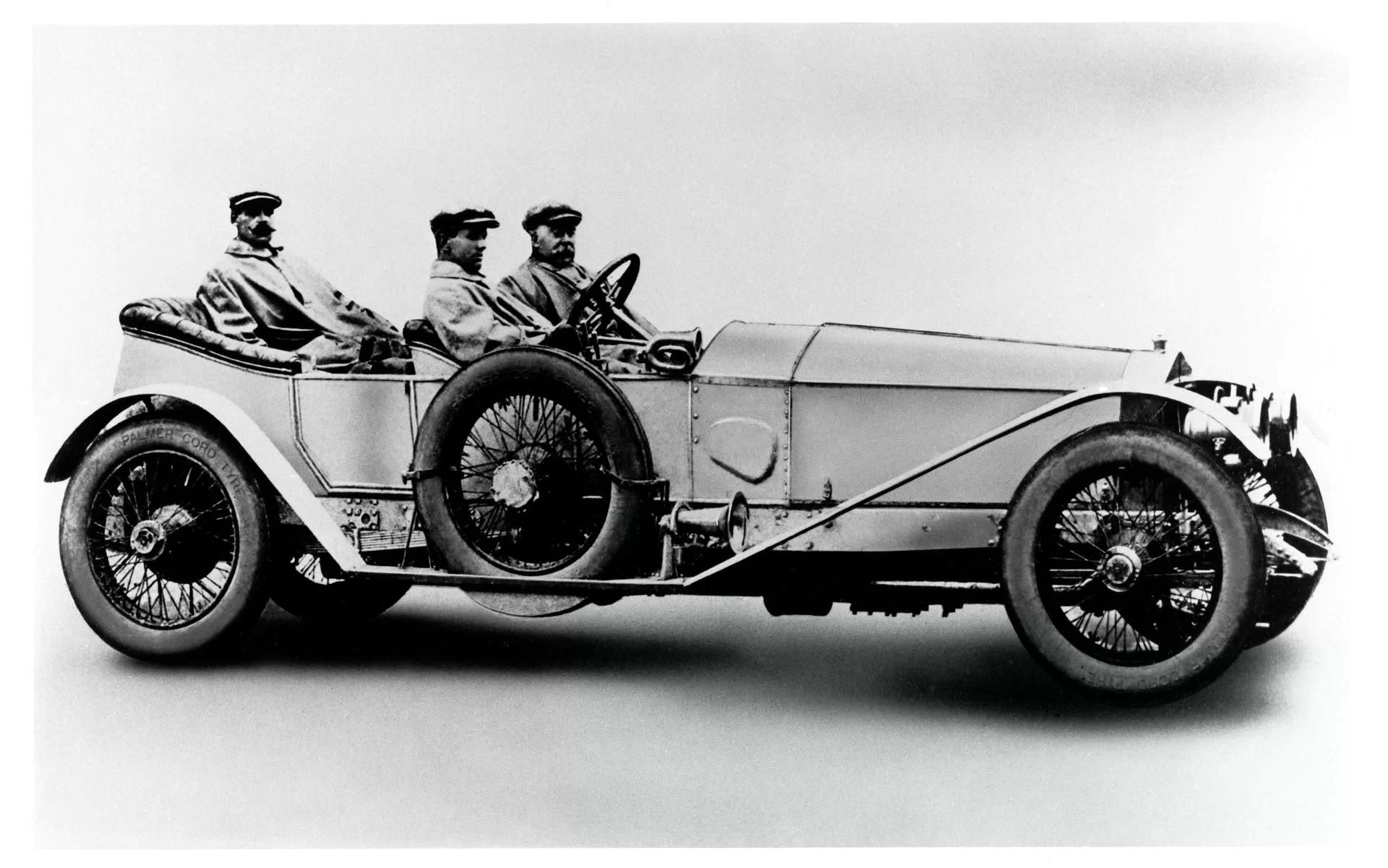
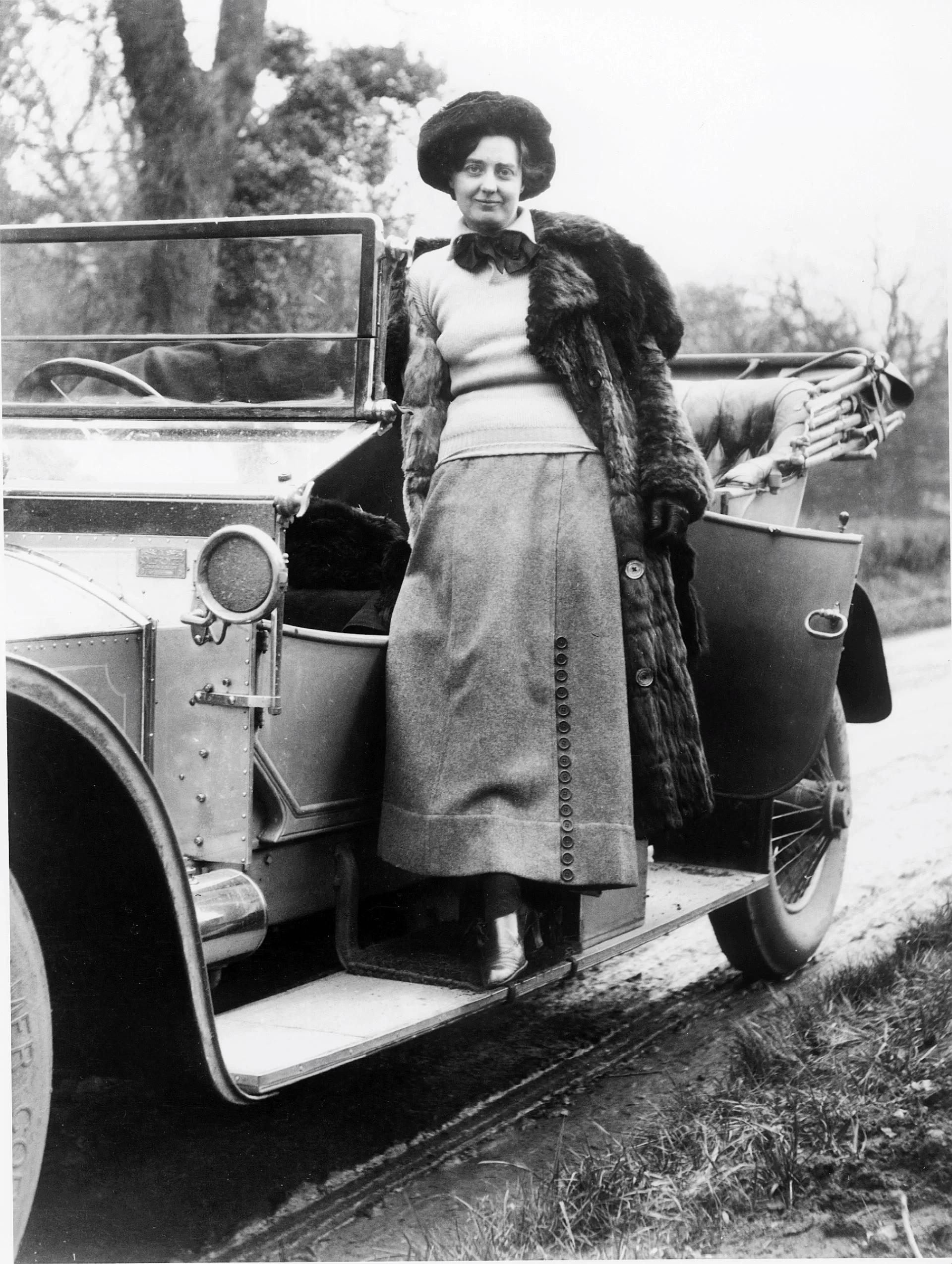
Even before the Armistice in 1918, Henry Royce anticipated the transformative post-war world. He understood that the new era would demand a different kind of vehicle. The difficulty of retaining mechanics and chauffeurs, coupled with changing customer needs, meant that a new type of Rolls-Royce was necessary. The renowned 40/50 H.P. ‘Silver Ghost’ needed a successor that was easier to maintain and more suitable for owner-drivers, yet still upheld the impeccable standards of excellence synonymous with the brand.
The ‘Twenty’ Unveiled
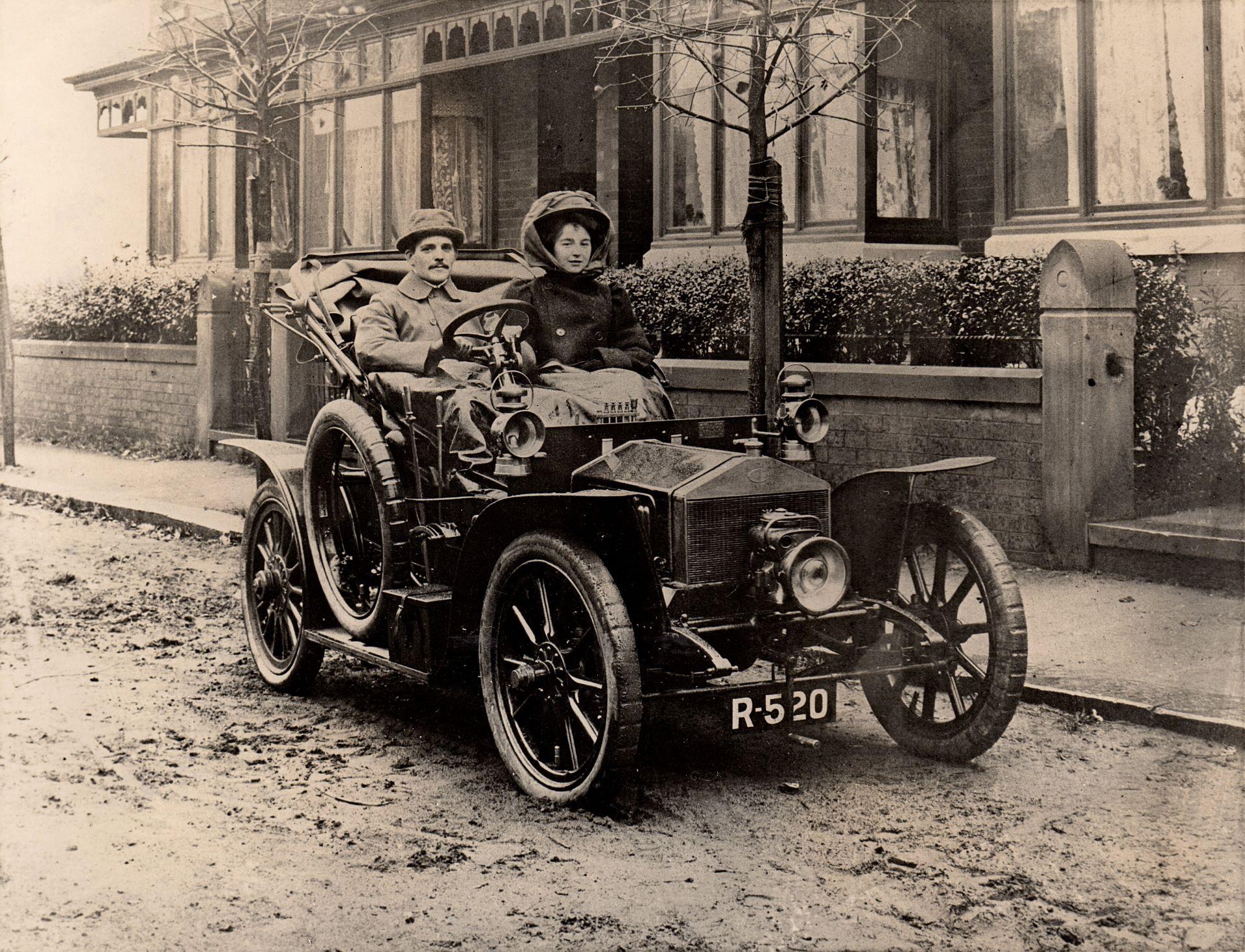
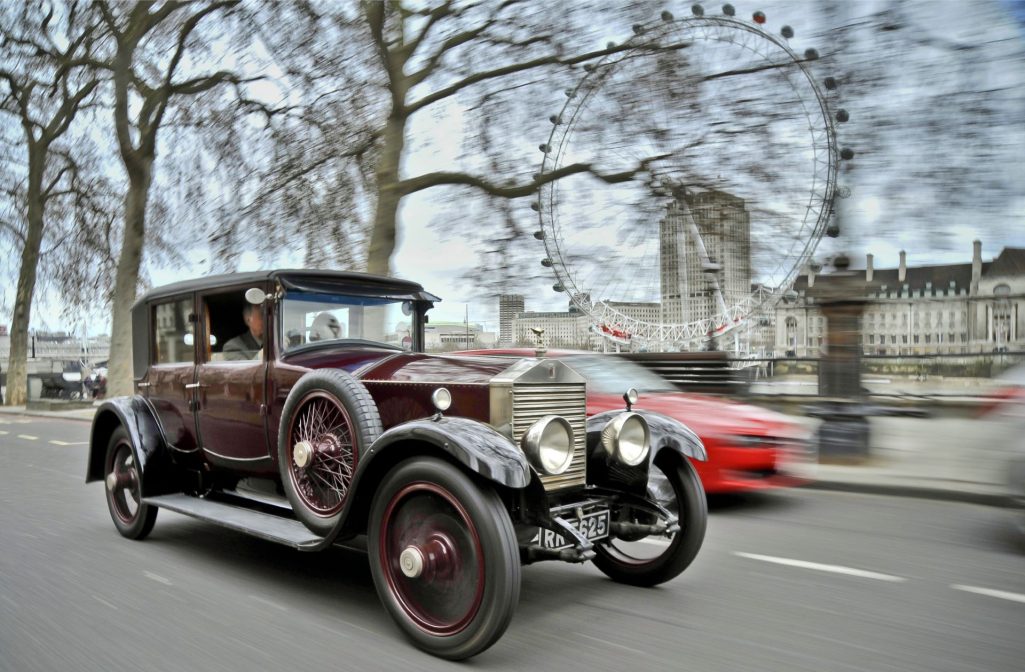
On its unveiling, the Rolls-Royce 20 H.P. immediately showcased its advanced technology and engineering prowess. Designed by Henry Royce, this ‘small horsepower’ motor car featured a straight-six cylinder, 3.1-litre engine, which, despite being significantly smaller than the Silver Ghost’s 7.5-litre unit, delivered impressive performance. The Twenty’s reduced weight and advanced steering, braking, and suspension systems made it a standout model, offering a driving experience that was both refined and revolutionary.
Popularity and Praise
The ‘Twenty’ quickly became a favorite among both seasoned Rolls-Royce owners and new customers. It was praised for its charm, simplicity, and the delightful driving experience it offered. One owner extolled it as ‘a charming piece of mechanism’, while another marveled at its ‘sweet-running’ performance. Testimonials highlighted its ease of driving and the high degree of motoring refinement it provided. The Twenty’s popularity was a testament to Royce’s vision of a car that combined luxury with practicality, meeting the evolving demands of the post-war era.
Weighty Issues and Evolution
Despite Royce’s intentions for the Twenty to be an owner-driver car, some customers continued to prefer heavier, more formal coachwork. This compromised performance, much to Royce’s dismay. To address this, Rolls-Royce introduced the 20/25 H.P. in 1929, followed by the 25/30 H.P. in 1935, each featuring larger engines to improve the weight-to-performance ratio. The ‘small horsepower’ era culminated with the Wraith in 1938, each model building on the legacy of the original Twenty.
A Lasting Influence
The impact of the Twenty extended far beyond its production years. Its straight-six engine design, with a detachable cylinder head and overhead valves, set the standard for future Rolls-Royce engines. This design template was evident in models up to the Silver Cloud (1955-9) and influenced the engine of the new Phantom introduced in 1925. By the time production ceased in 1929, 2,940 units of the Twenty had been built, leaving an indelible mark on the world of luxury automobiles.
The Rolls-Royce 20 H.P. remains a remarkable testament to innovation and foresight, a vehicle that not only transformed its era but continues to inspire contemporary automotive engineering and design.