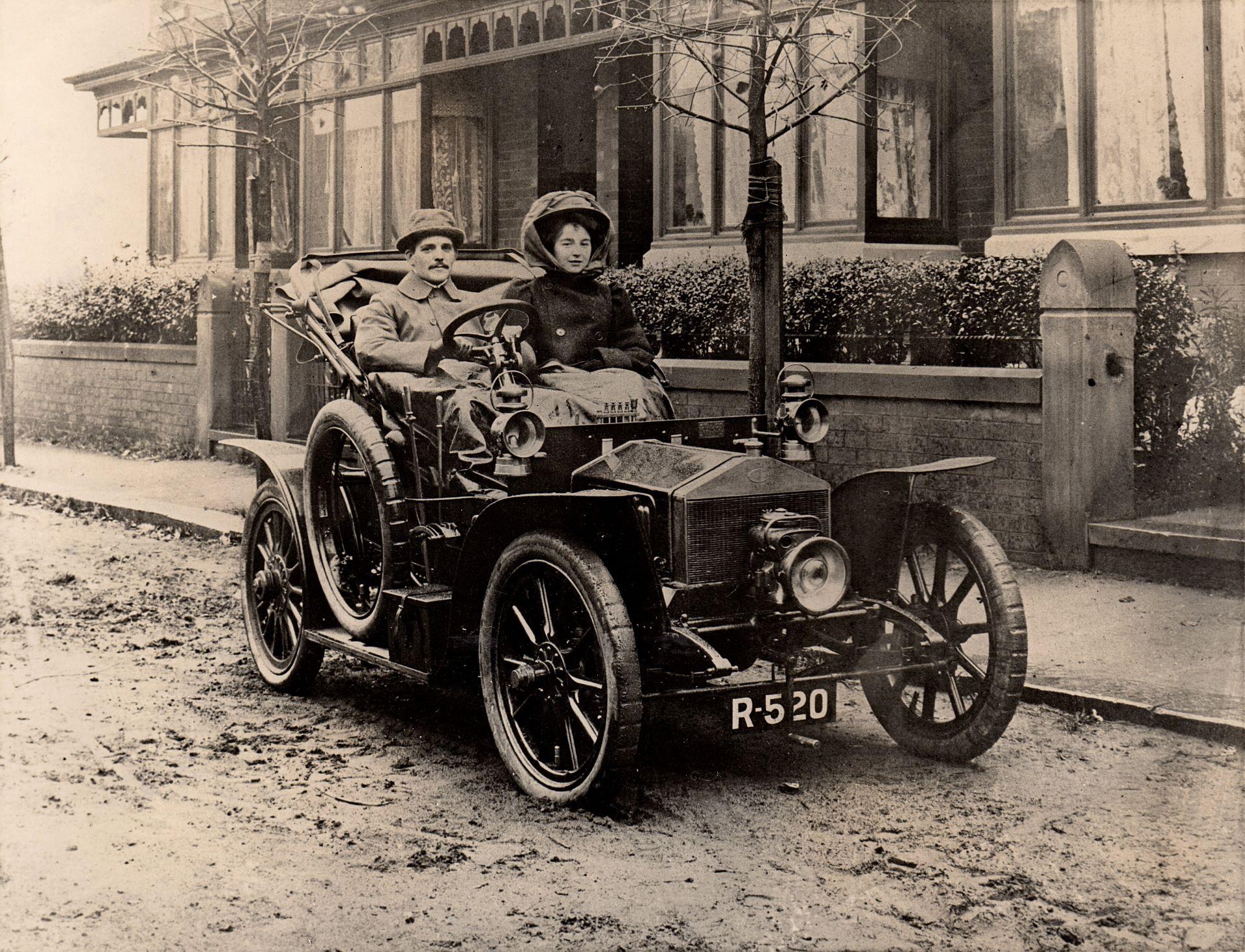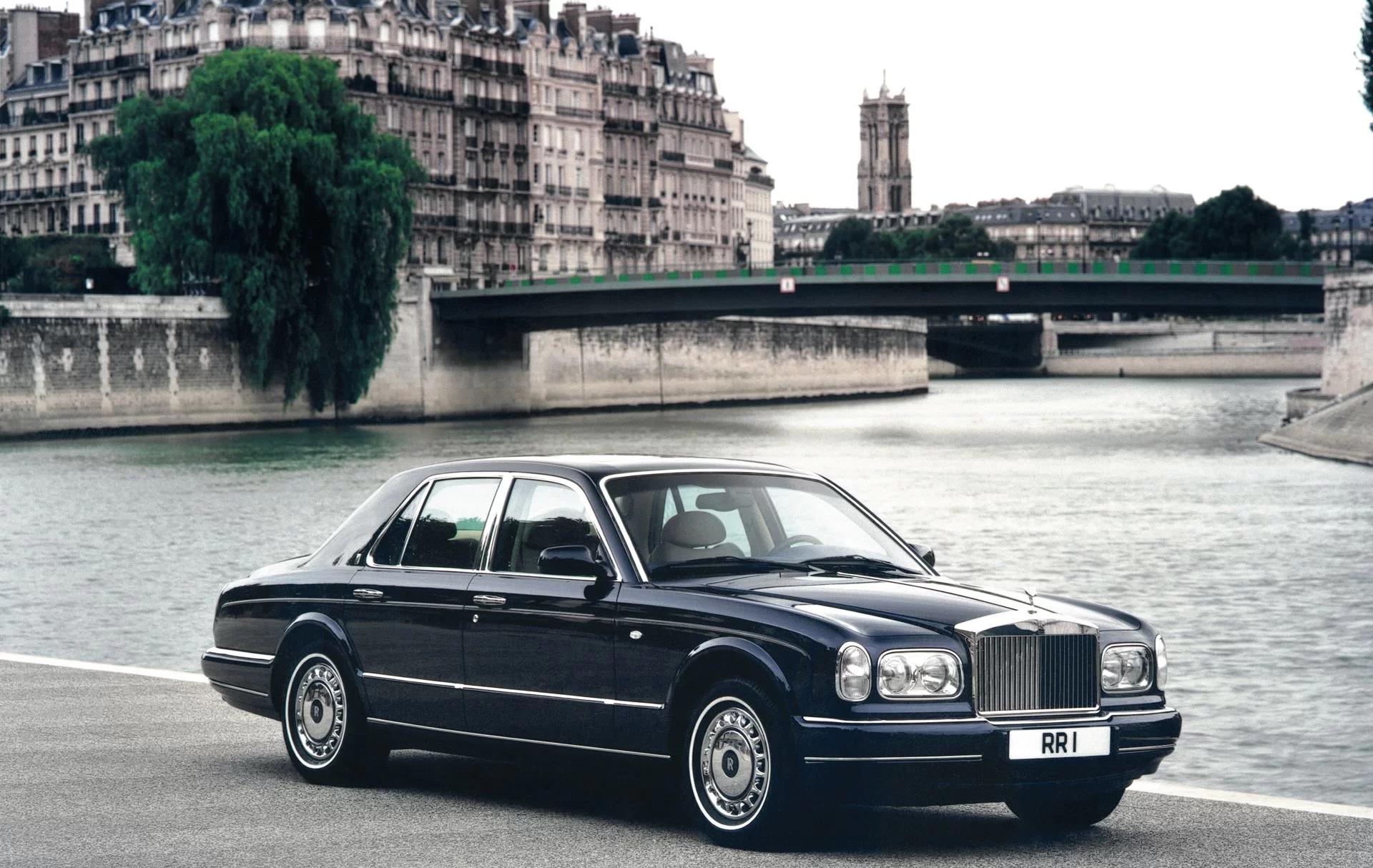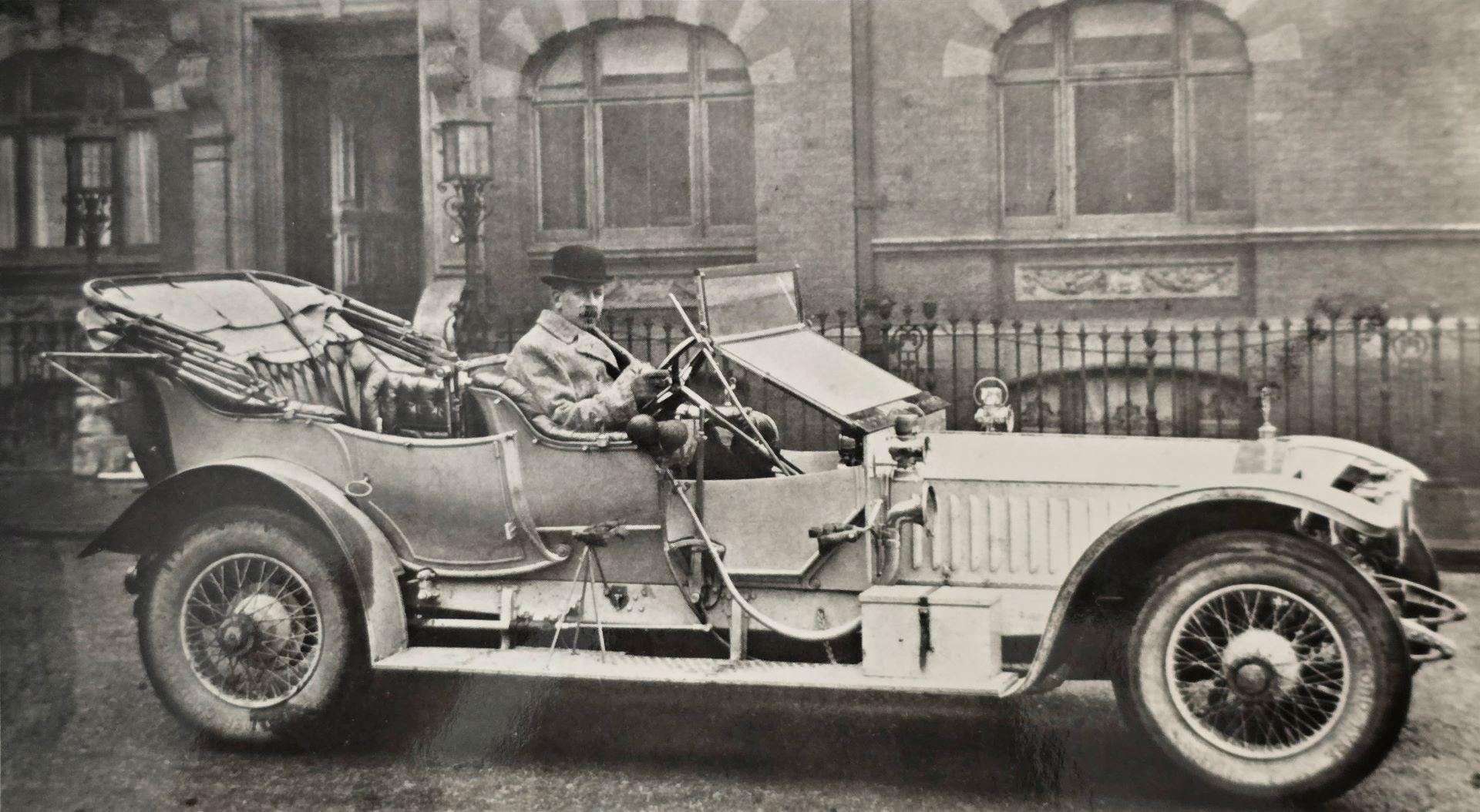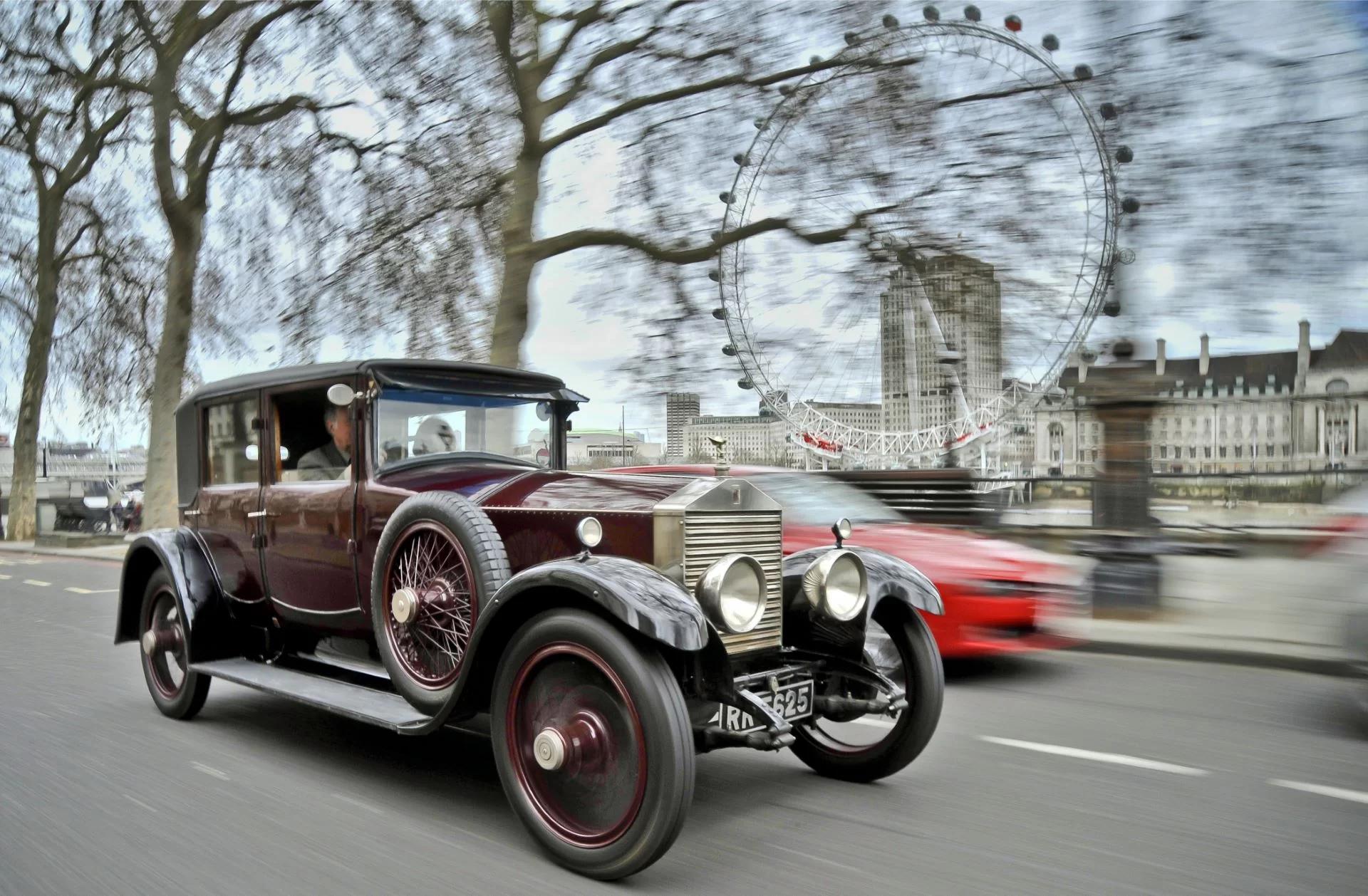



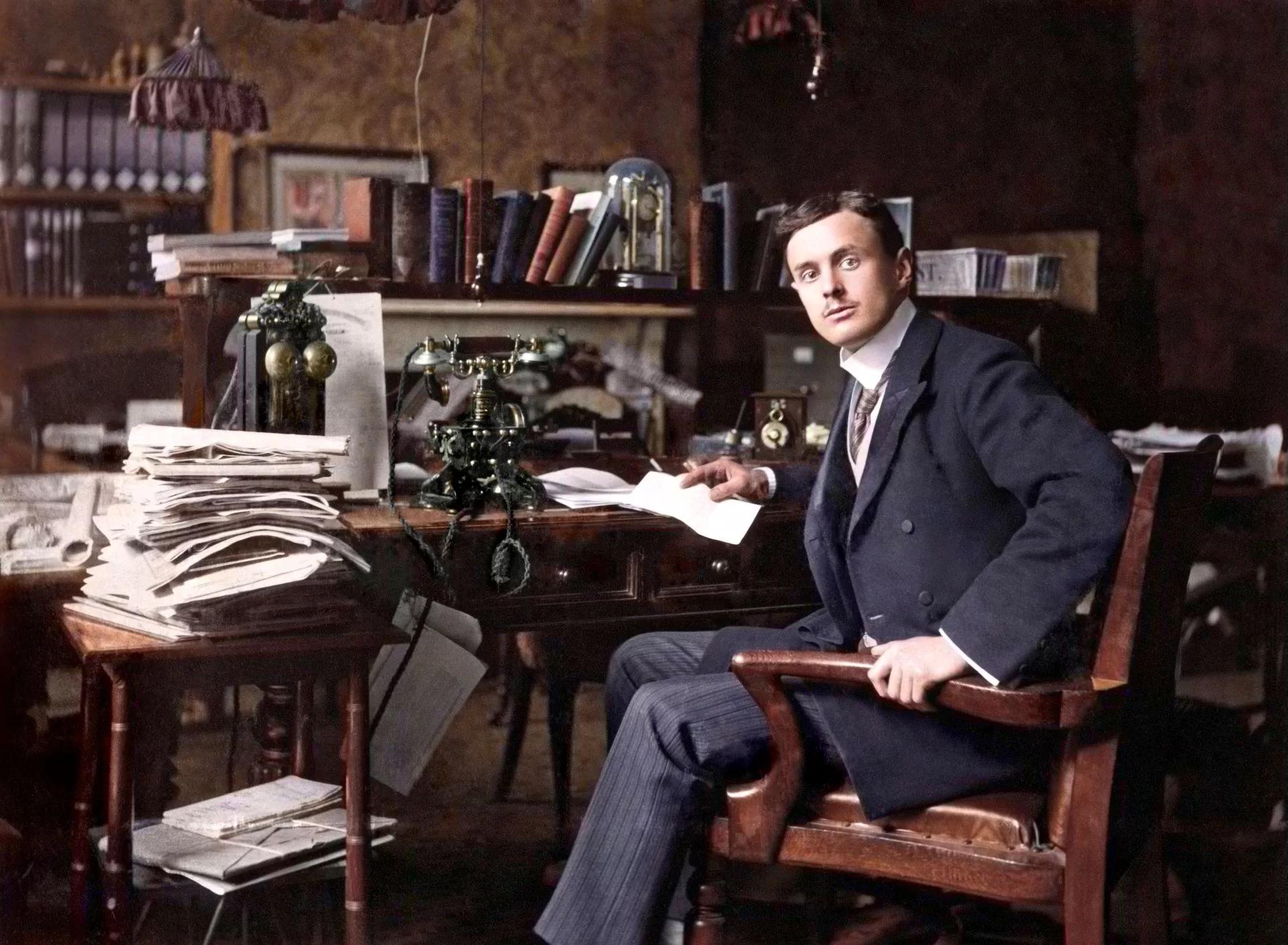
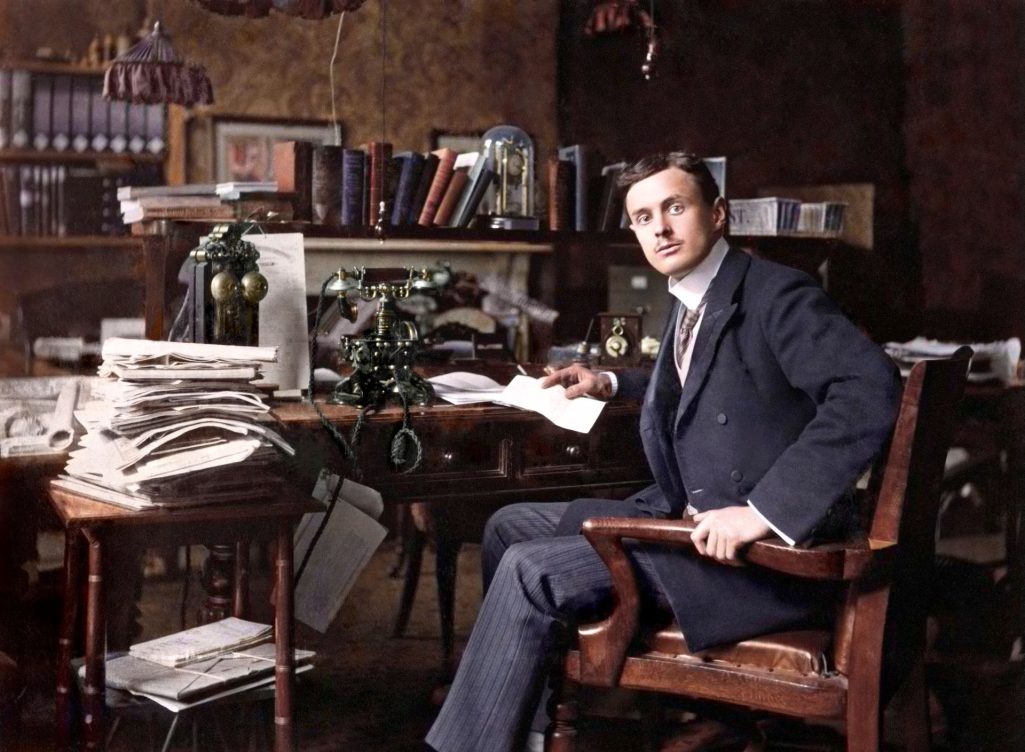
Charles Stewart Rolls was a man whose name resonates through the annals of automotive and aviation history. Born on August 27, 1877, this British aristocrat and pioneer made indelible marks on both motoring and aviation in a tragically short life. As Rolls-Royce Motor Cars celebrates its 120th anniversary in 2024, we reflect on the remarkable achievements of this visionary engineer, racing driver, and aviator.
Early Life and Ingenious Spirit
Charles Stewart Rolls, the third son of Lord and Lady Llangattock, was born in London but always felt a deep connection to his family’s estate, The Hendre, in Monmouthshire. It was here that his inventive spirit first emerged. At the tender age of nine, Rolls rigged an electric bell between his bedroom and the stables. By his teenage years, he had orchestrated the installation of electricity in The Hendre, showcasing his early aptitude for engineering and his ability to persuade his father to finance his ambitious projects.
Academic Pursuits and Racing Triumphs
Rolls’ education at Trinity College, Cambridge, was marked by his fascination with automobiles. His constant tinkering with European cars earned him the nickname ‘Dirty Rolls’ from his peers. Upon completing his degree in Mechanical and Applied Science, he quickly made his mark in the world of racing. In 1899, he finished fourth in the Paris to Boulogne race. By 1903, Rolls had achieved an unofficial land speed record of nearly 83 mph in his Mors car, demonstrating his prowess and commitment to speed.
Aviation Adventures
Rolls’ passion for aviation was as profound as his love for motoring. As a founding member of the Royal Aero Club, he began as a balloonist, completing over 170 flights. His groundbreaking achievements in aviation included the historic feat of flying across the English Channel and back non-stop in 1910, which earned him accolades from King George V and widespread recognition as a hero of the era.
The Birth of Rolls-Royce
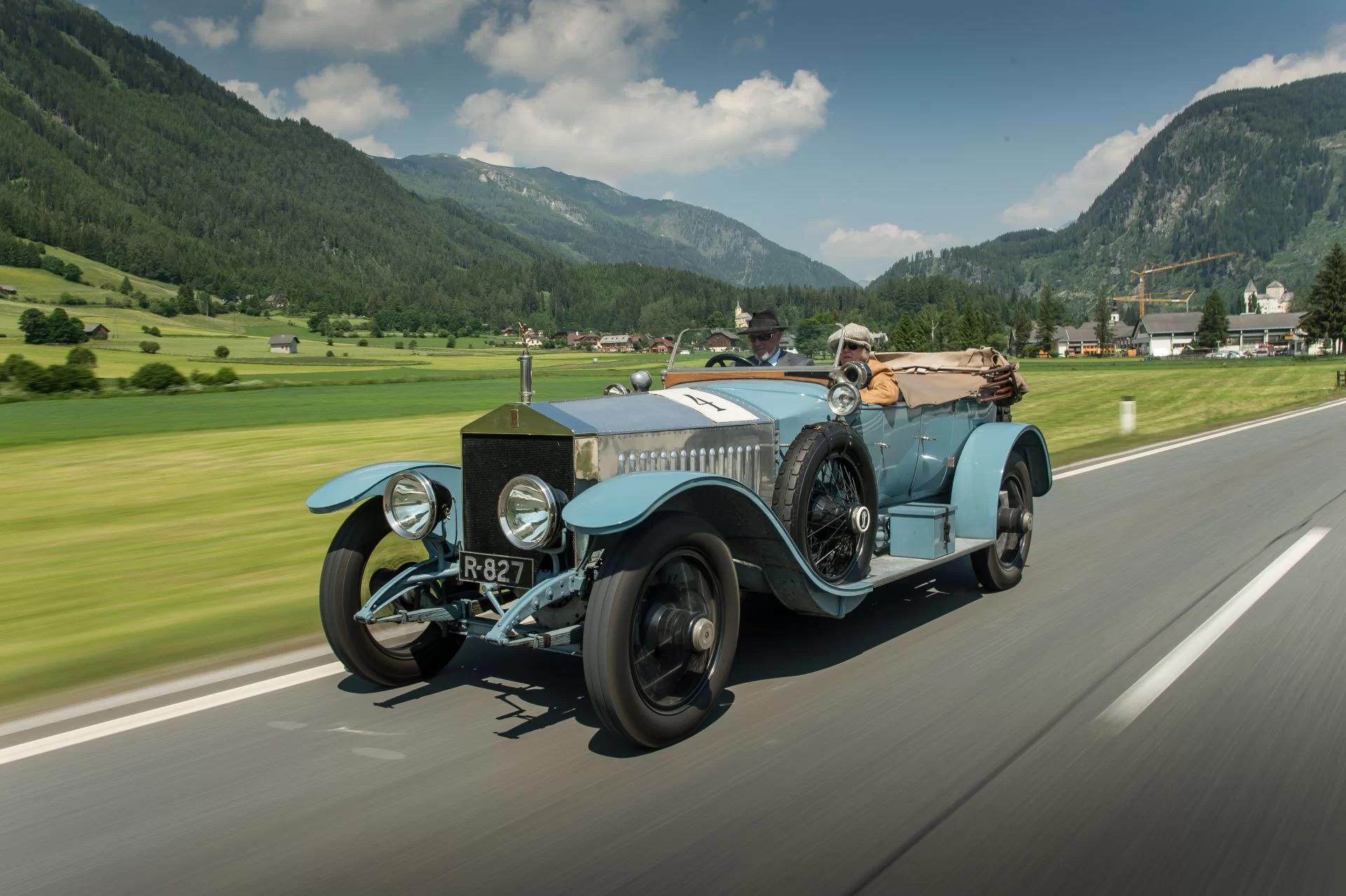
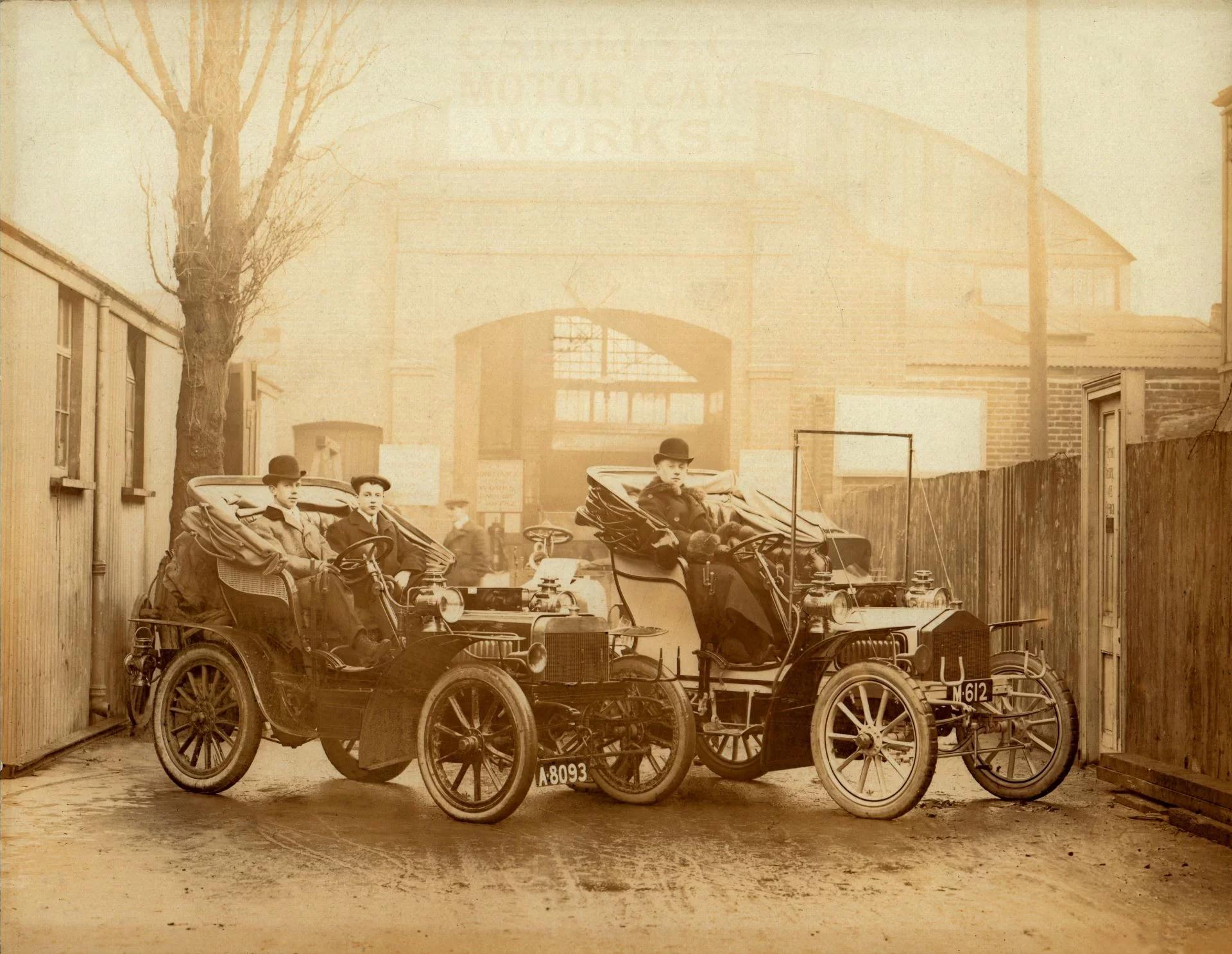
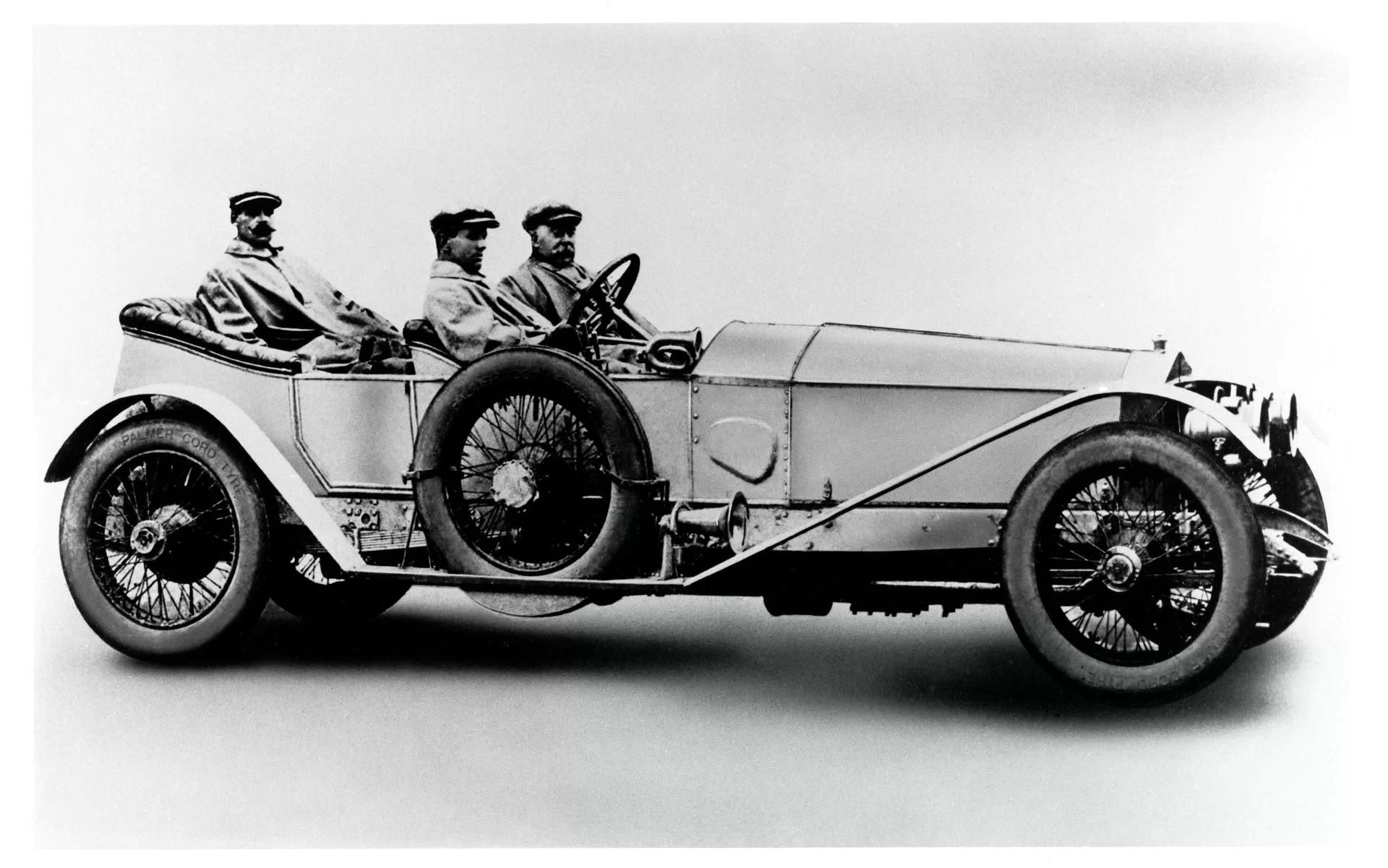
In January 1902, Rolls ventured into the automotive world by establishing C.S. Rolls & Co., one of Britain’s first car dealerships. His quest for a high-quality British car led him to a fortuitous meeting with Henry Royce in May 1904. Rolls’ enthusiasm for Royce’s vehicles resulted in the formation of the Rolls-Royce partnership. Rolls’ engineering expertise and business acumen played a crucial role in promoting and developing the brand, particularly through the demonstration of the Silver Ghost’s refinement.
Legacy and Untimely Death
The year 1910 was both triumphant and tragic for Rolls. Despite the thriving success of Rolls-Royce, his life was cut short on July 12, 1910, during a flying competition when his aircraft crashed. At just 32 years old, Rolls was the twelfth person to die in a flying accident and the first Briton to lose his life in a powered aircraft.
The Enduring Impact
Charles Stewart Rolls’ legacy is a testament to his extraordinary contributions to both motoring and aviation. His visionary ideas, such as his early recognition of the potential for electric cars, continue to inspire the modern automotive world. Rolls’ spirit of innovation and adventure remains a driving force at Rolls-Royce, ensuring that his impact endures long after his untimely death.
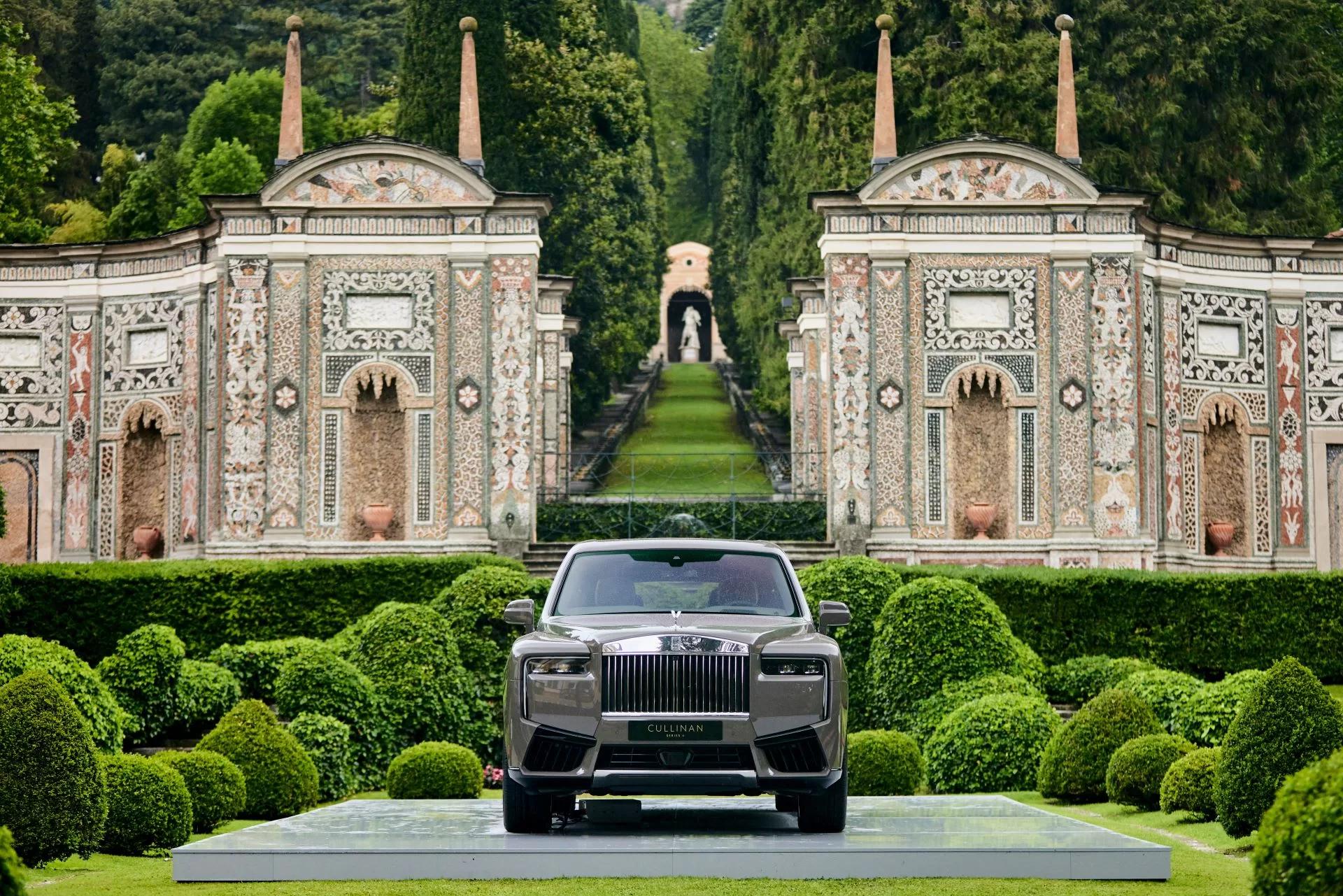
As Rolls-Royce celebrates 120 years of excellence, the story of Charles Stewart Rolls serves as a poignant reminder of the adventurous spirit that fueled the creation of “the best car in the world.” His legacy, marked by daring achievements and a forward-thinking mindset, continues to illuminate the path for future generations in both the automotive and aviation industries.