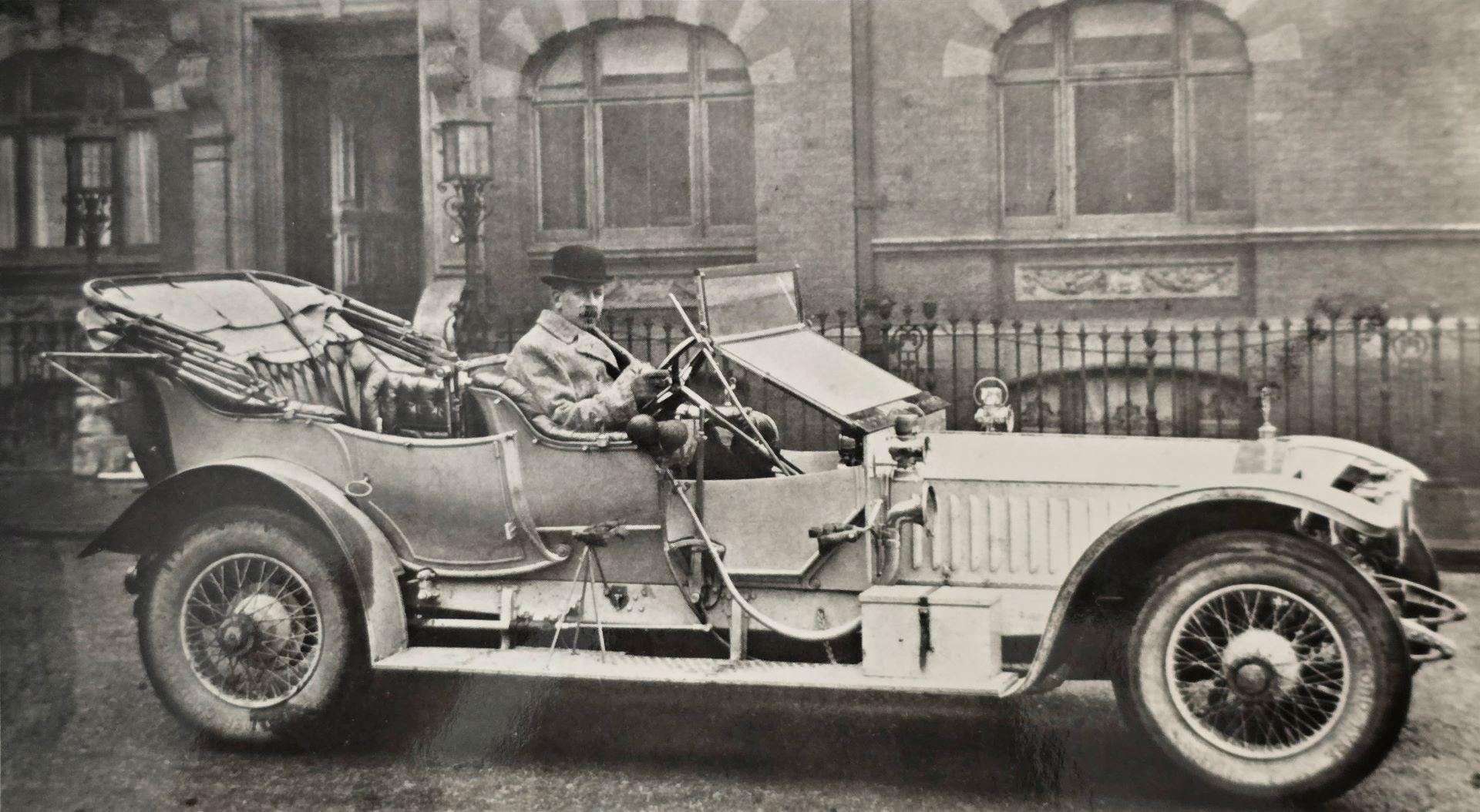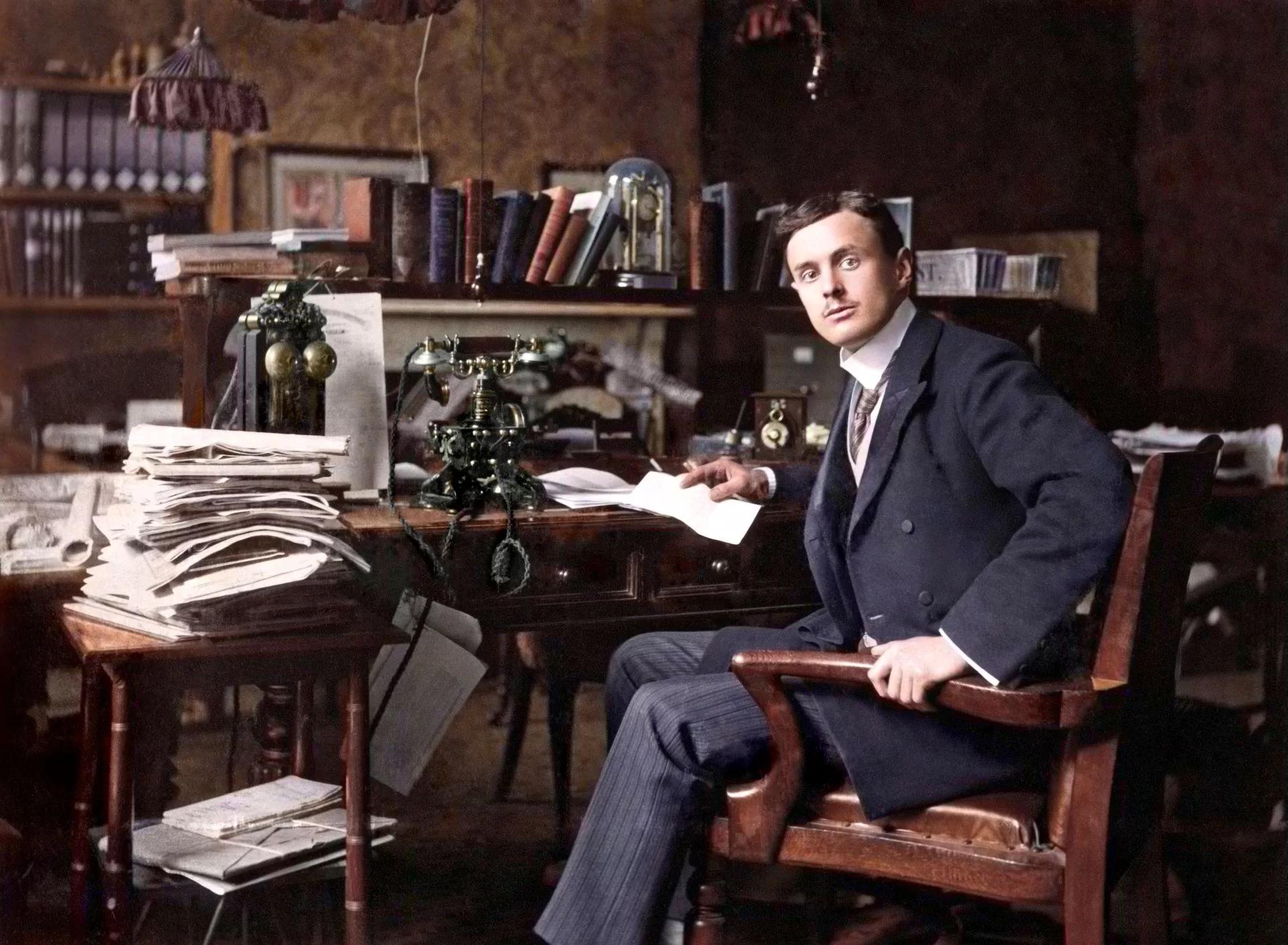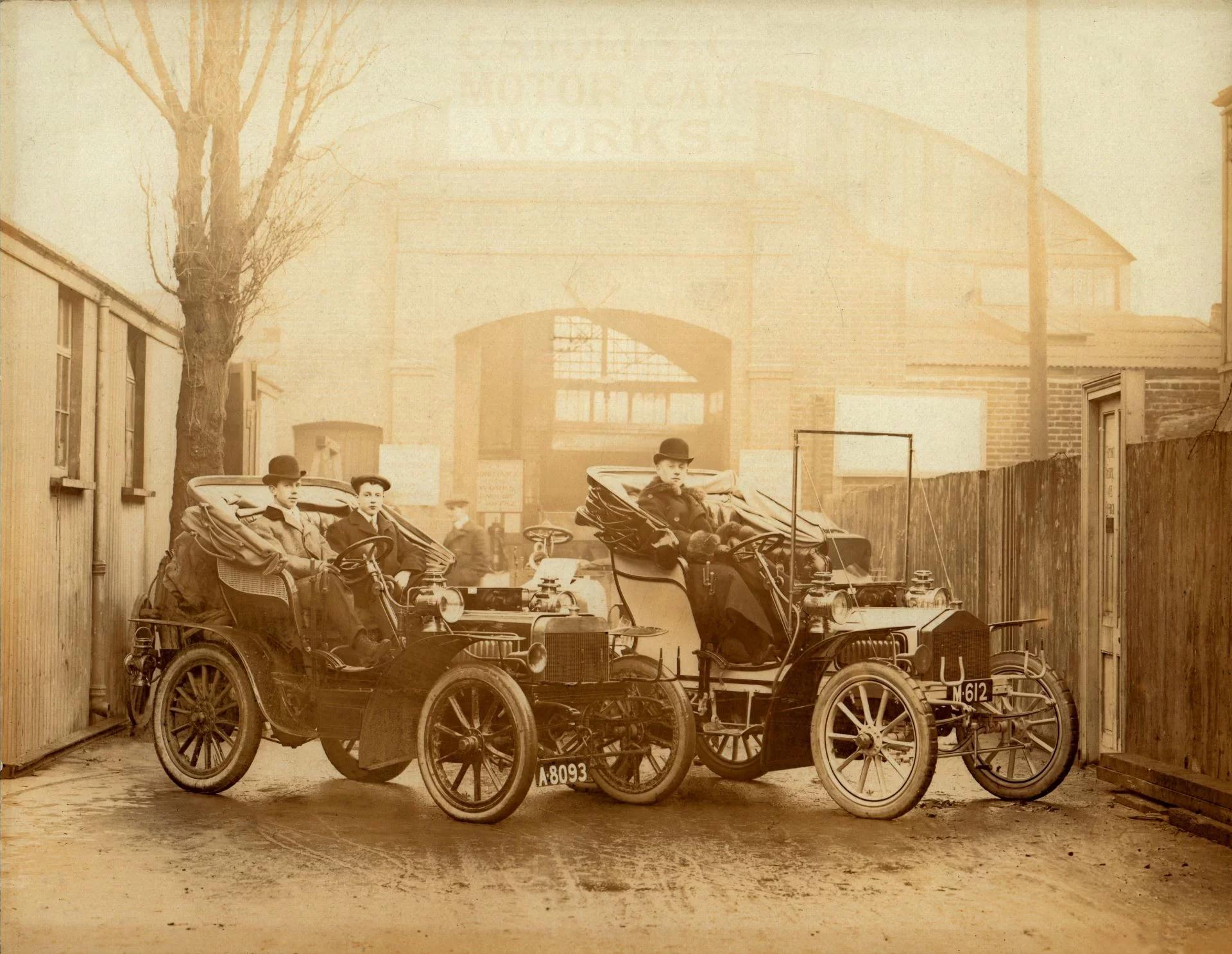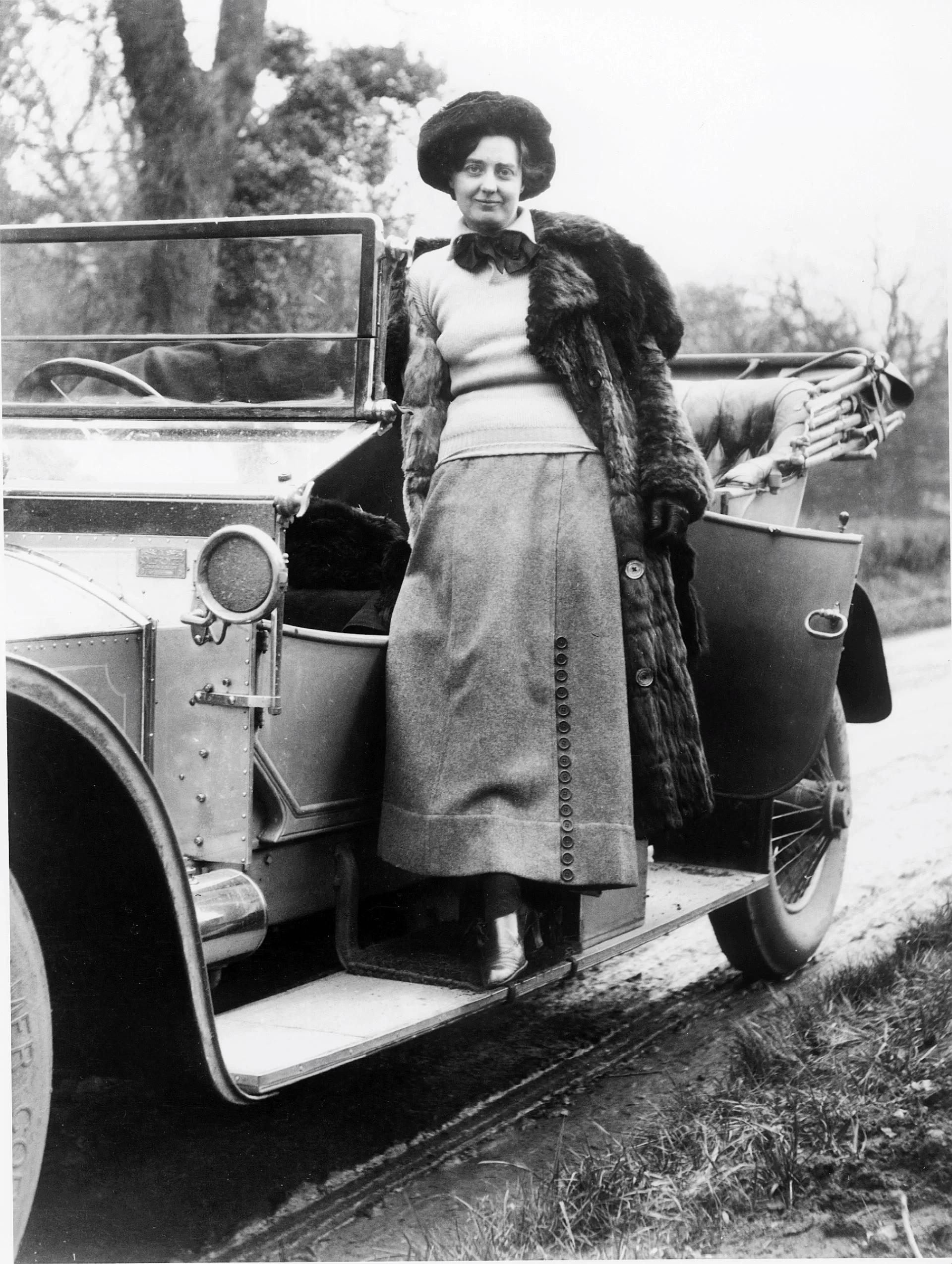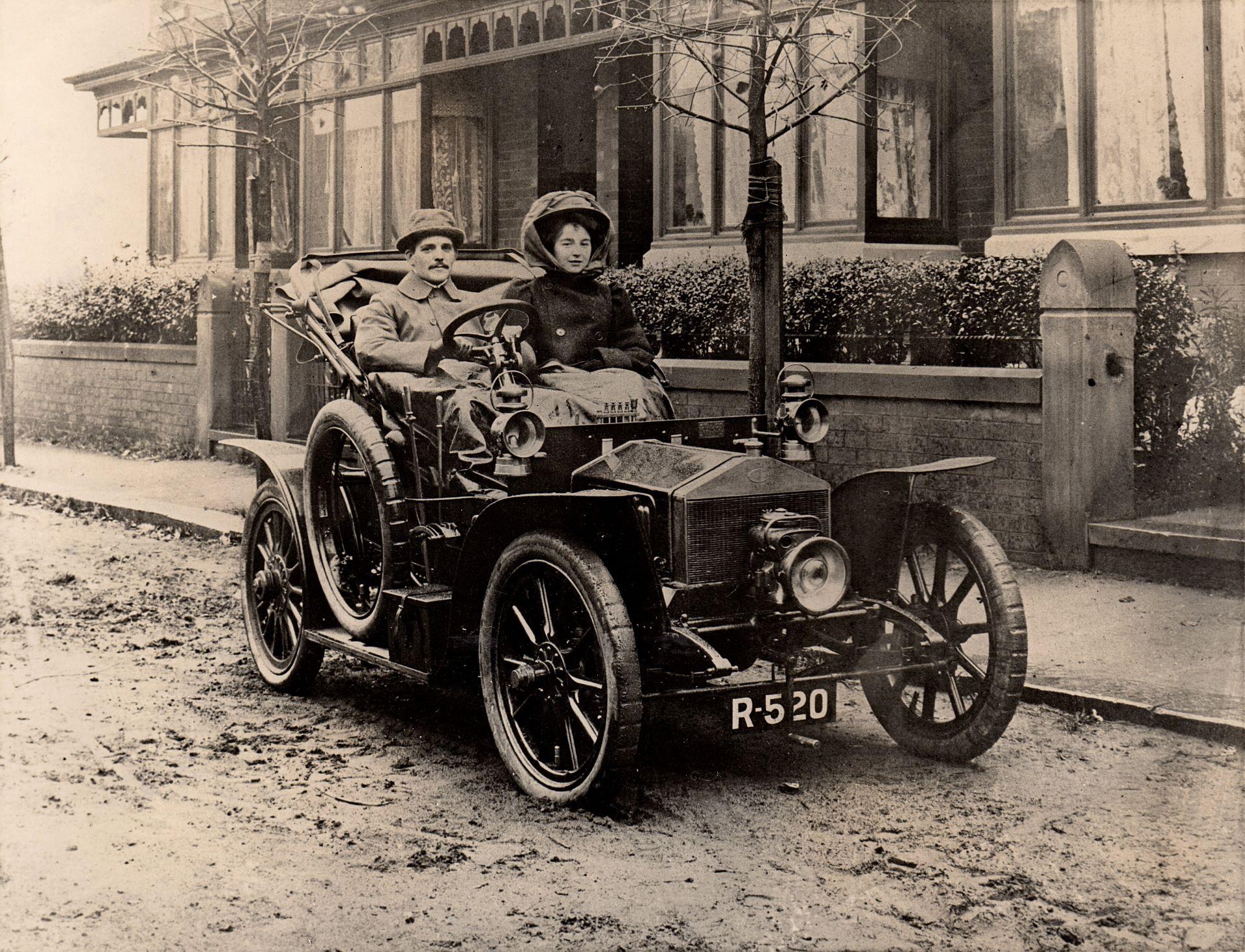
Eric Platford, born on 25 February 1883 in Manchester, was a man whose contributions to Rolls-Royce were both fundamental and transformative. While figures like Claude Johnson and Ernest Hives are often celebrated in the company’s illustrious history, Platford’s pioneering work in testing, racing, and aero-engine development cements his legacy as one of the most influential figures in the marque’s early success.
A Career Forged in Engineering Excellence
Platford’s engineering journey began at the General Electric Company, but it was his move to Royce Limited in 1900 that set the stage for his lifelong association with Rolls-Royce. His talents were quickly recognised by Henry Royce, who not only entrusted him with engine testing but also personally taught him to drive so he could test the chassis. This role would define Platford’s career, as he became instrumental in refining the performance and reliability of early Rolls-Royce vehicles.
Racing and the Rolls-Royce Reputation
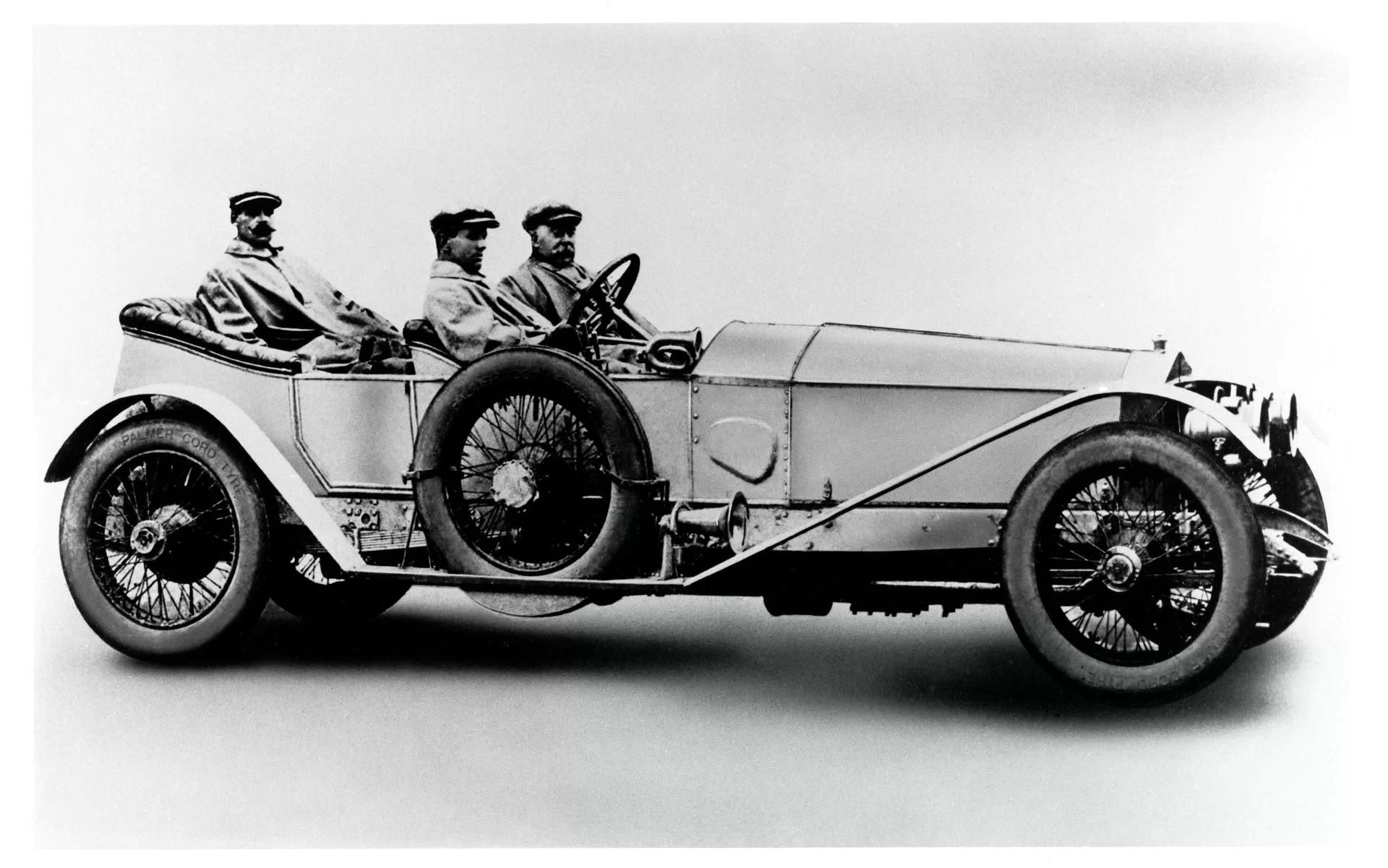
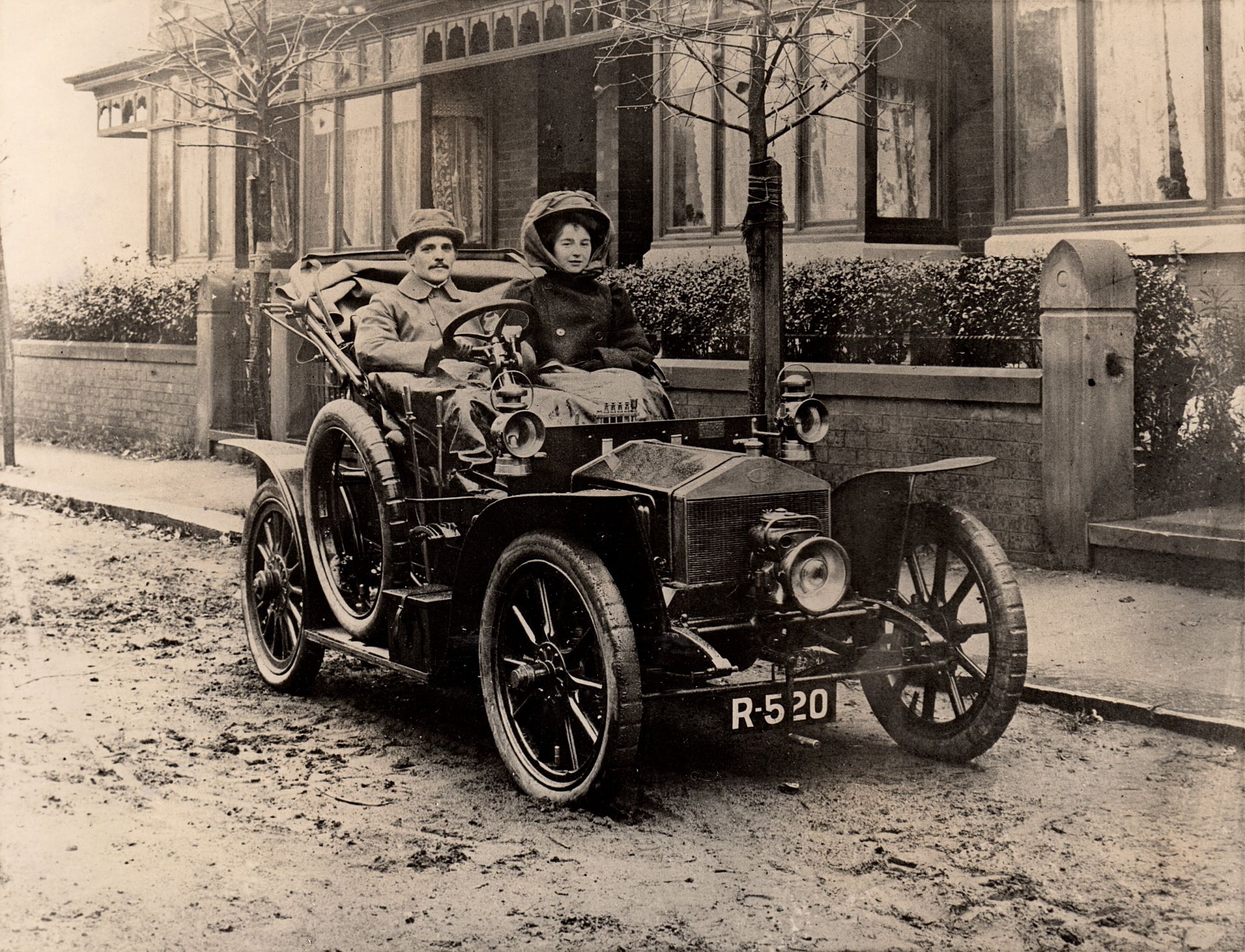
His expertise extended beyond the factory floor. In 1905, Platford participated as a riding mechanic alongside Charles Rolls in the Isle of Man Tourist Trophy race. The following year, he prepared the 6-cylinder 30 H.P. car that secured victory for Claude Johnson in the Scottish Motor Trials. Perhaps his most famous racing feat was his involvement in the 1907 2,000 Mile Trial and Scottish Reliability Trial, both of which showcased the indomitable endurance of Rolls-Royce cars. Platford’s relentless pursuit of excellence culminated in the legendary 15,000-mile endurance run in the Silver Ghost, solidifying Rolls-Royce’s reputation as ‘the best car in the world’.
Promoted to Chief Tester in 1908, Platford took on a crucial role in overseeing the company’s experimental department. His skills were again tested in 1913 when he played a pivotal role in preparing and driving the Rolls-Royce cars that dominated the Alpine Trial, an event that proved the marque’s supremacy in engineering reliability.
Engineering Triumphs in Aviation
During the First World War, Platford’s expertise transitioned from road to sky as he took charge of testing Rolls-Royce’s revolutionary V12 Eagle aero engines. His influence extended to one of the most significant milestones in aviation history—the first transatlantic flight in 1919. Platford personally supervised the installation of Rolls-Royce Eagle engines in the Vickers Vimy aircraft flown by Captain John Alcock and Lieutenant Arthur Whitten Brown. Their successful crossing, fraught with challenges, not only secured Rolls-Royce’s dominance in aviation but also reaffirmed the company’s reputation for engineering excellence.
A Legacy of Trust and Innovation
Throughout the 1920s and 1930s, Platford remained the guardian of Rolls-Royce quality, overseeing testing and production at the company’s Derby facility. His technical acumen and unwavering commitment made him a trusted figure within the organisation, often escorting visiting dignitaries and royalty on tours of the factory. His relationship with Henry Royce was particularly notable, built on mutual respect and a deep professional bond. Royce, who rarely expressed personal sentiments, gifted Platford a signed photograph in 1925—an extraordinary gesture of appreciation.
A Life Dedicated to Rolls-Royce
Eric Platford’s sudden passing on 20 November 1938, at the age of 55, marked the end of a remarkable career. His obituary in The Spanner, the Rolls-Royce company magazine, paid tribute to his technical brilliance, unwavering dedication, and the respect he commanded from colleagues. His contributions to both automotive and aviation engineering continue to resonate, ensuring that his name remains etched in Rolls-Royce history.
As Andrew Ball, Head of Corporate Relations and Heritage at Rolls-Royce Motor Cars, aptly summarised: “Eric Platford earned the right to be recognised among his better-known contemporaries. Through his painstaking testing work and landmark successes, no one outside the company’s senior ranks did more to secure its reputation as ‘the best car in the world’.”