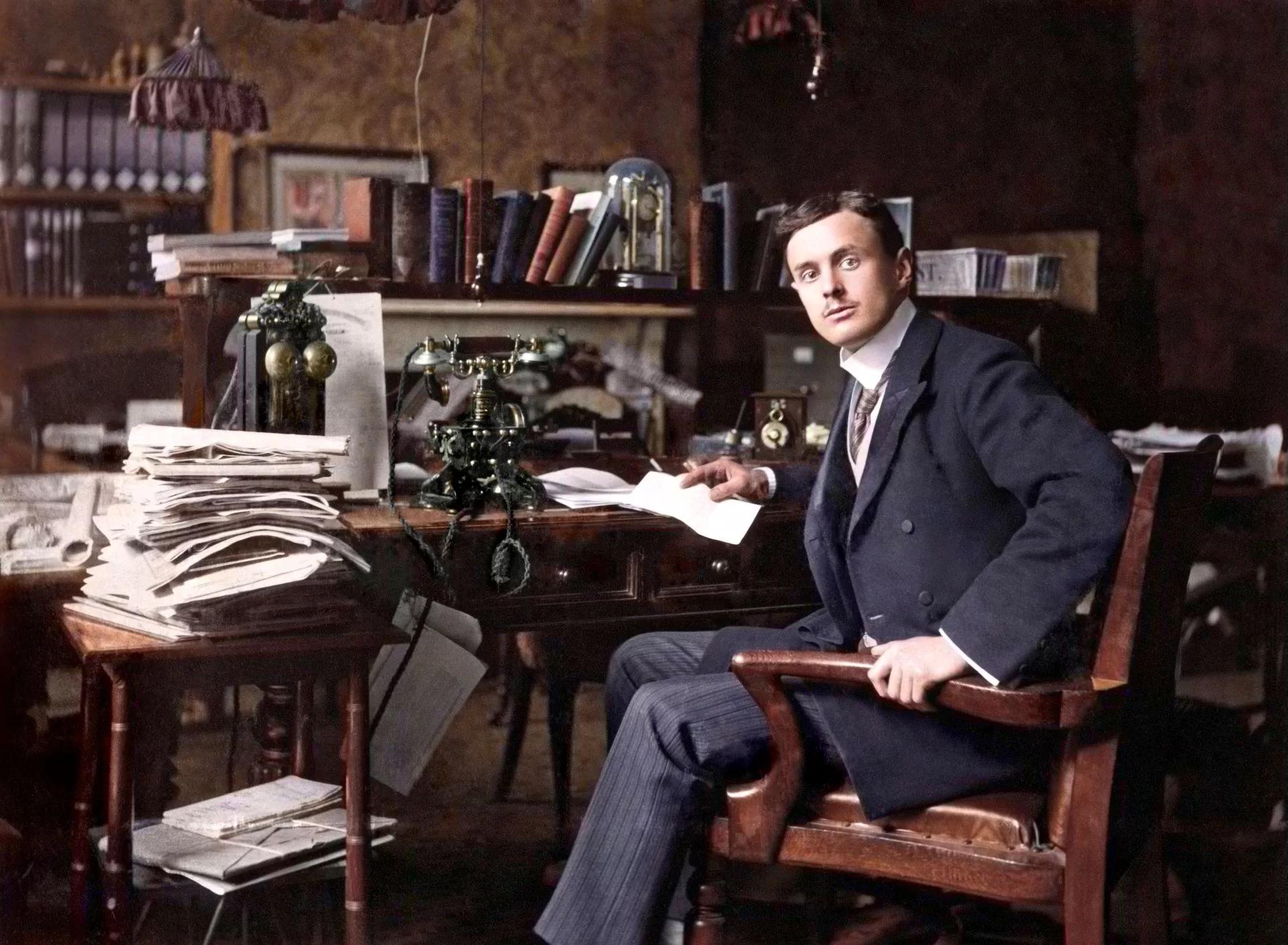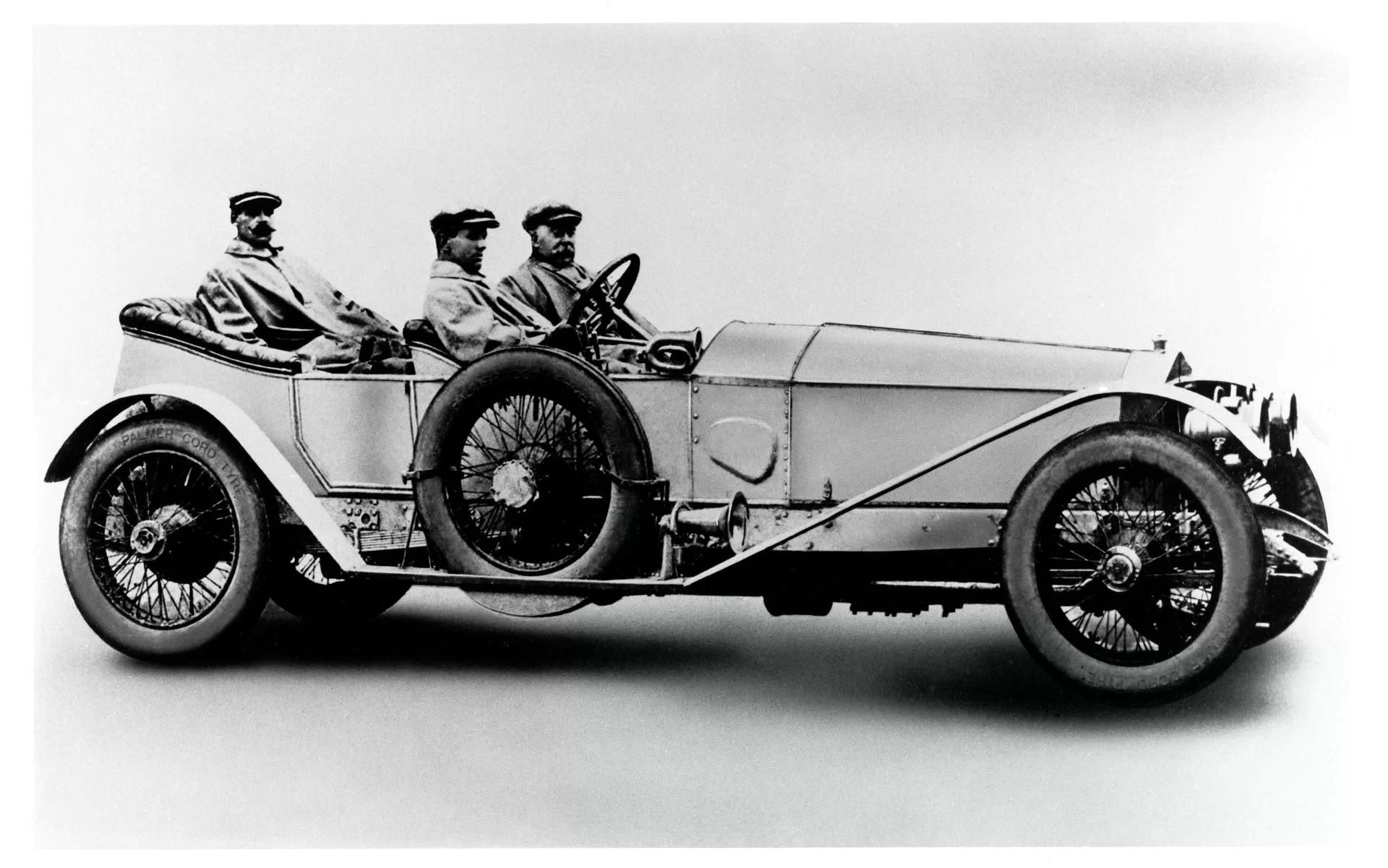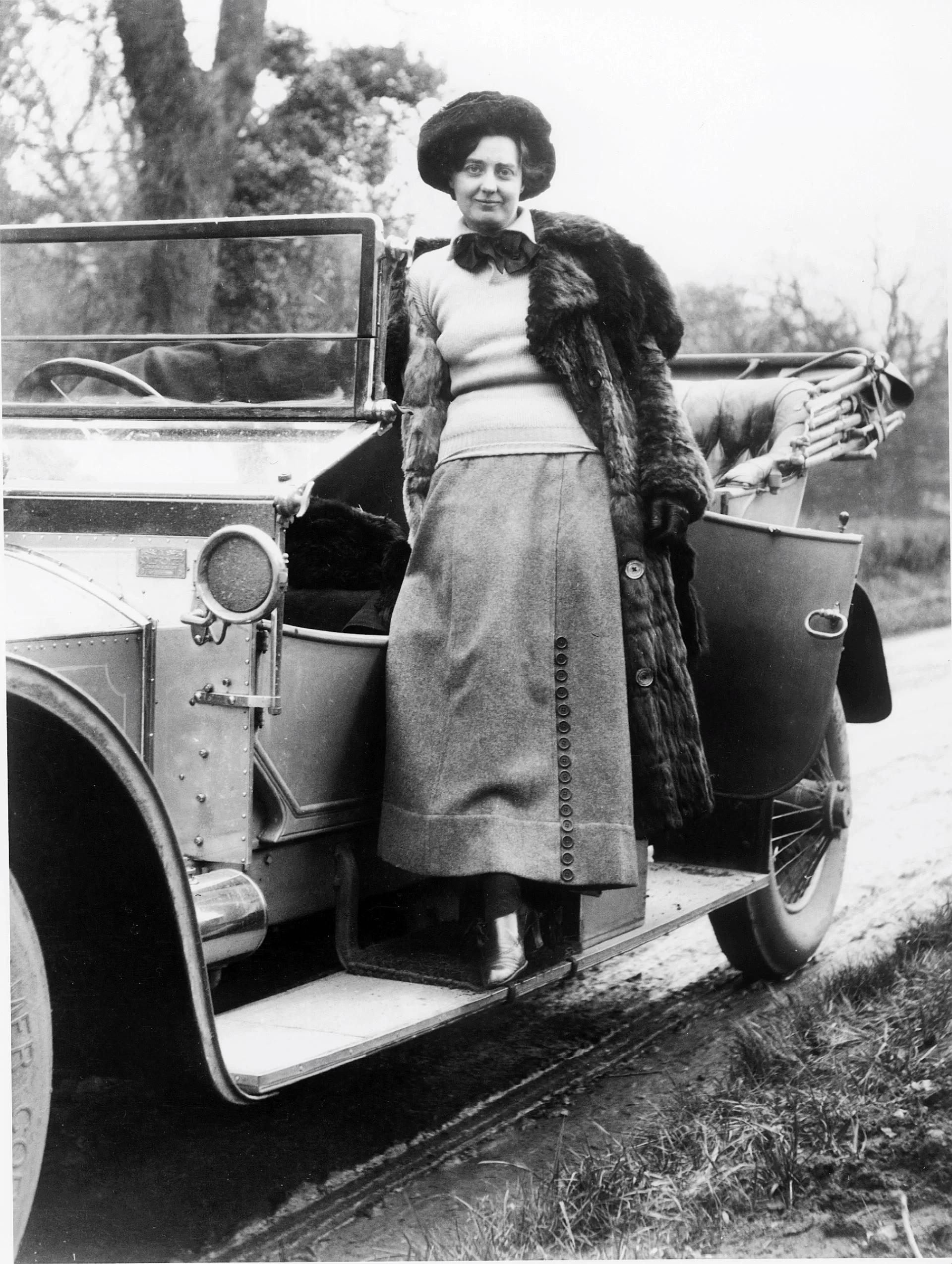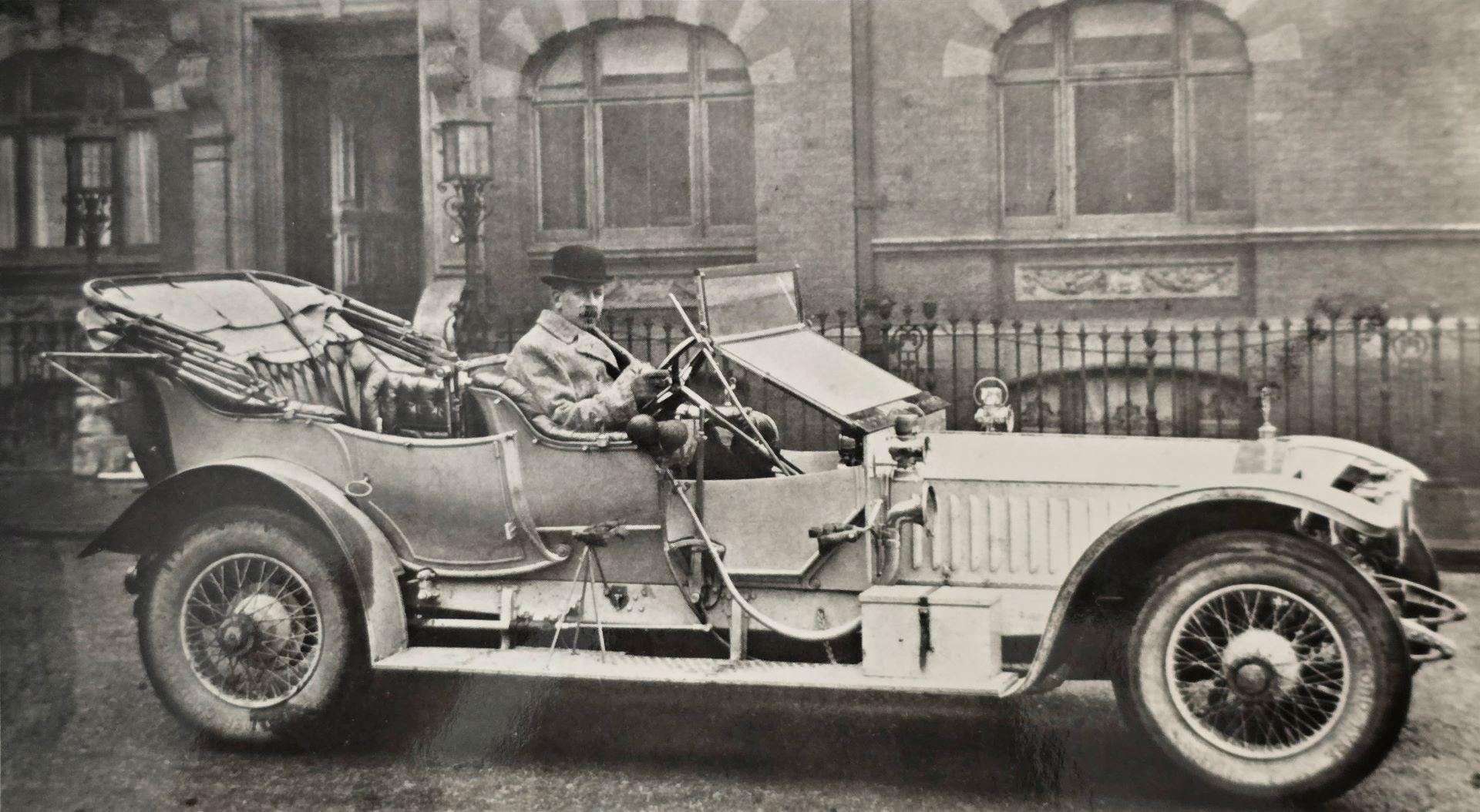
Claude Goodman Johnson, born on October 24, 1864, in Buckinghamshire, is a name often associated with the heart and soul of Rolls-Royce. Known simply as “CJ” to his colleagues and contemporaries, he self-styled himself as “the hyphen in Rolls-Royce.” While this modest epithet captures some of his role, it drastically underplays his extraordinary contributions to the marque. As the first Commercial Managing Director of Rolls-Royce, Johnson was not just a pivotal figure behind the brand’s ascent but also a force that indelibly shaped its enduring legacy.
Henry Royce, the engineering genius behind the marque, once said of Johnson, “He was the captain; we were only the crew.” This sentiment speaks to Johnson’s leadership and his visionary talent in elevating Rolls-Royce from a fledgling motor car company to a global symbol of excellence. His story is one of remarkable ingenuity, relentless passion, and a singular dedication to making Rolls-Royce “the best car in the world.”
A Colorful Beginning
Born into a large family, CJ’s early years hinted at the ambition and flair that would come to define his career. Educated at London’s prestigious St Paul’s School and later the Royal College of Art, his introduction to the world of work came through a chance connection to Sir Philip Cunliffe-Owen at the Imperial Institute. In his role as a clerk, CJ was tasked with organizing exhibitions—a seemingly unremarkable position that quickly turned into a platform for his innate talent for showmanship.
By the mid-1880s, CJ had already established himself as a master of event management, producing exhibitions that attracted the cream of London society. Yet, his personal life was anything but conventional. His youthful elopement with Fanny Mary Morrison and the tragic loss of all but one of their eight children paints a picture of a man whose public success was tempered by private sorrows.
The Road to Rolls-Royce
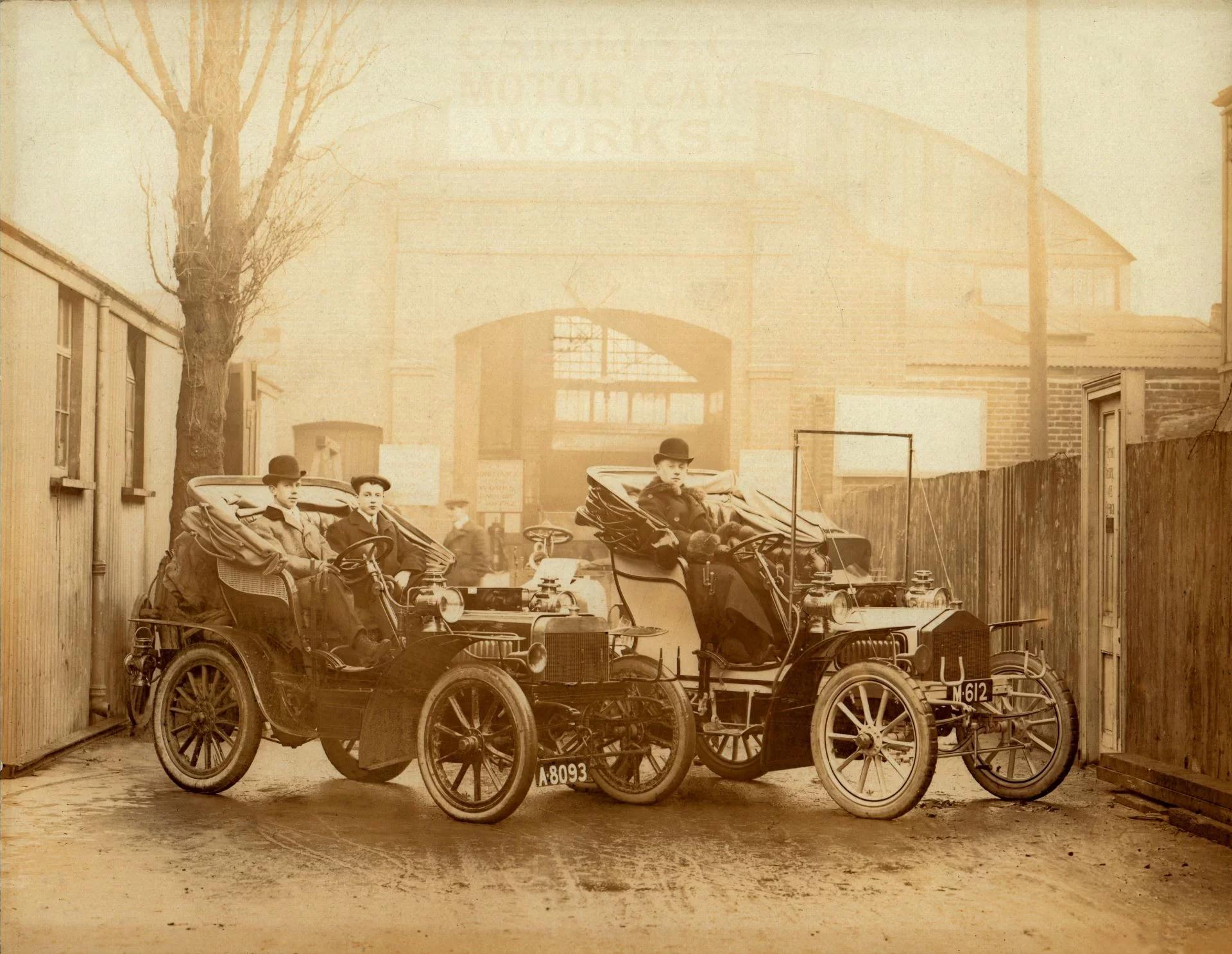
CJ’s first brush with the automotive world came in 1896 when he organized a Motor Exhibition at the Imperial Institute. His growing fascination with automobiles, combined with his aptitude for promotion, eventually led him to a new role: Secretary of the Automobile Club of Great Britain & Ireland, later to become the Royal Automobile Club (RAC). His work there further entrenched him in the rapidly evolving world of motoring, and by 1904, he found himself joining forces with Charles Stewart Rolls in the car-sales business that would soon become Rolls-Royce.
The partnership between Rolls and Johnson was serendipitous. Where Rolls was a technical mastermind, Johnson was a marketing and organizational genius. Together, they laid the foundation for what would become one of the most iconic brands in the automotive world. It was CJ who persuaded Rolls to embrace Henry Royce’s engineering brilliance, culminating in the historic 1904 agreement that led to the formation of Rolls-Royce. From that point on, CJ played a vital role in every major milestone the company achieved.
The Silver Ghost and the Power of PR
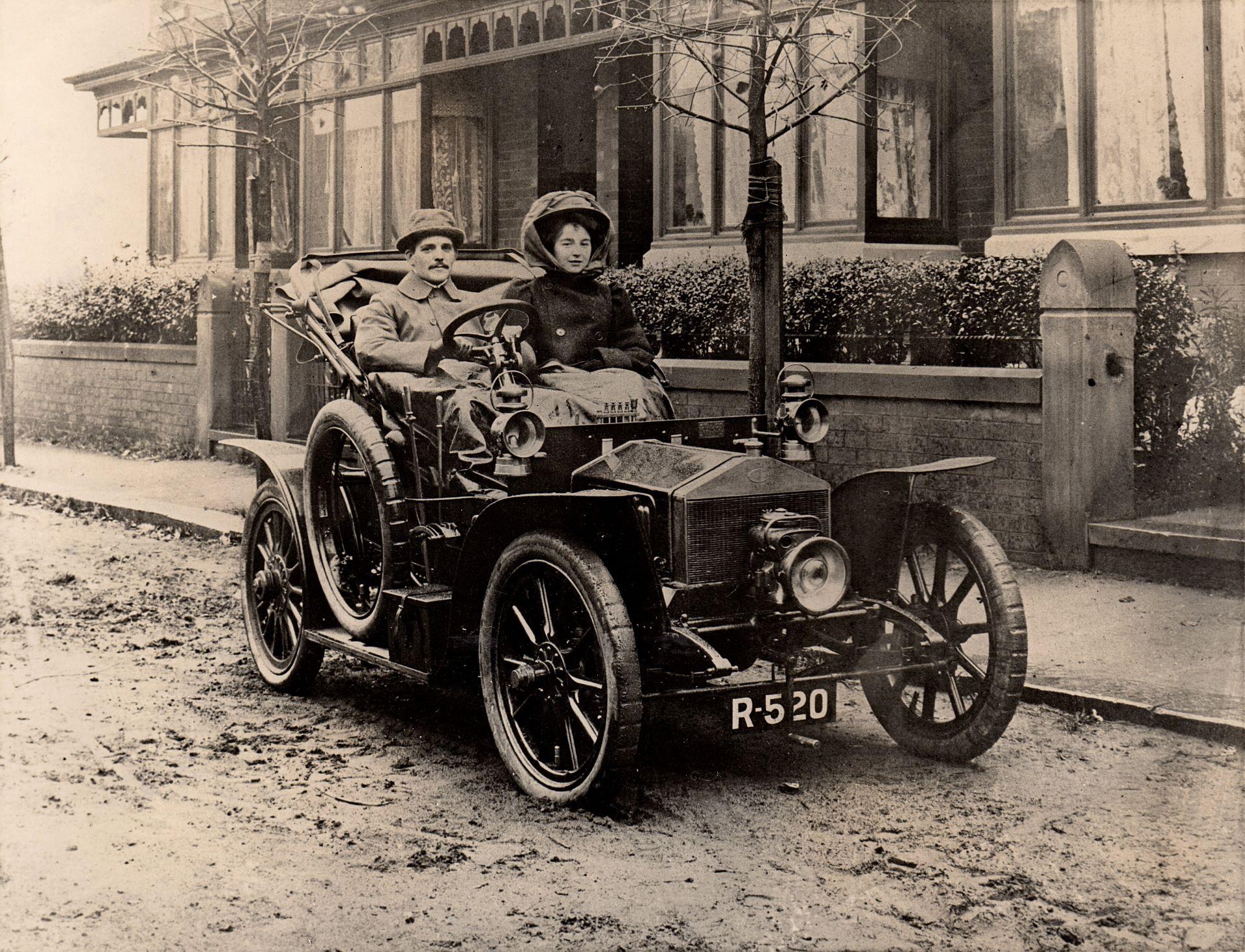
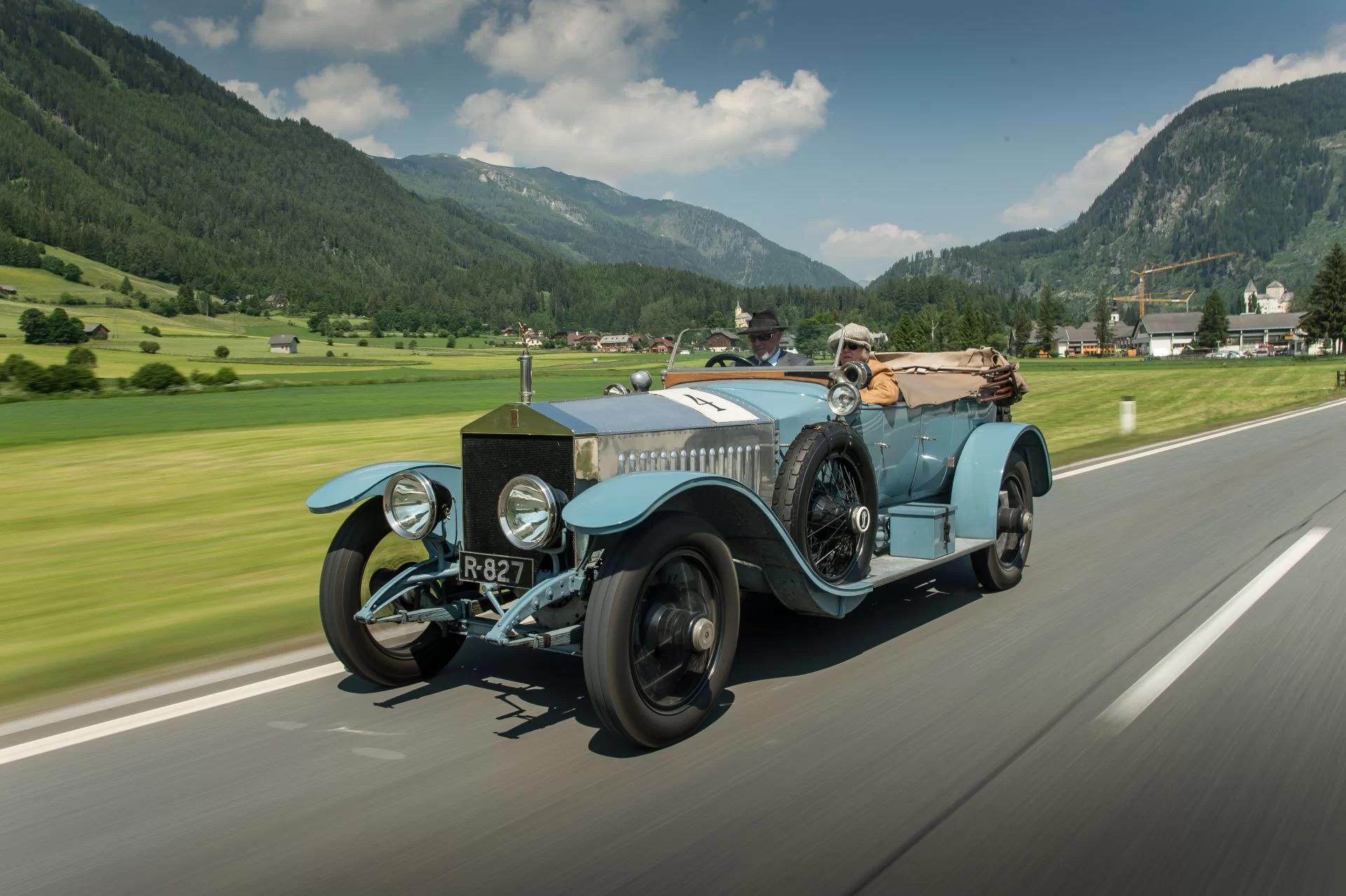
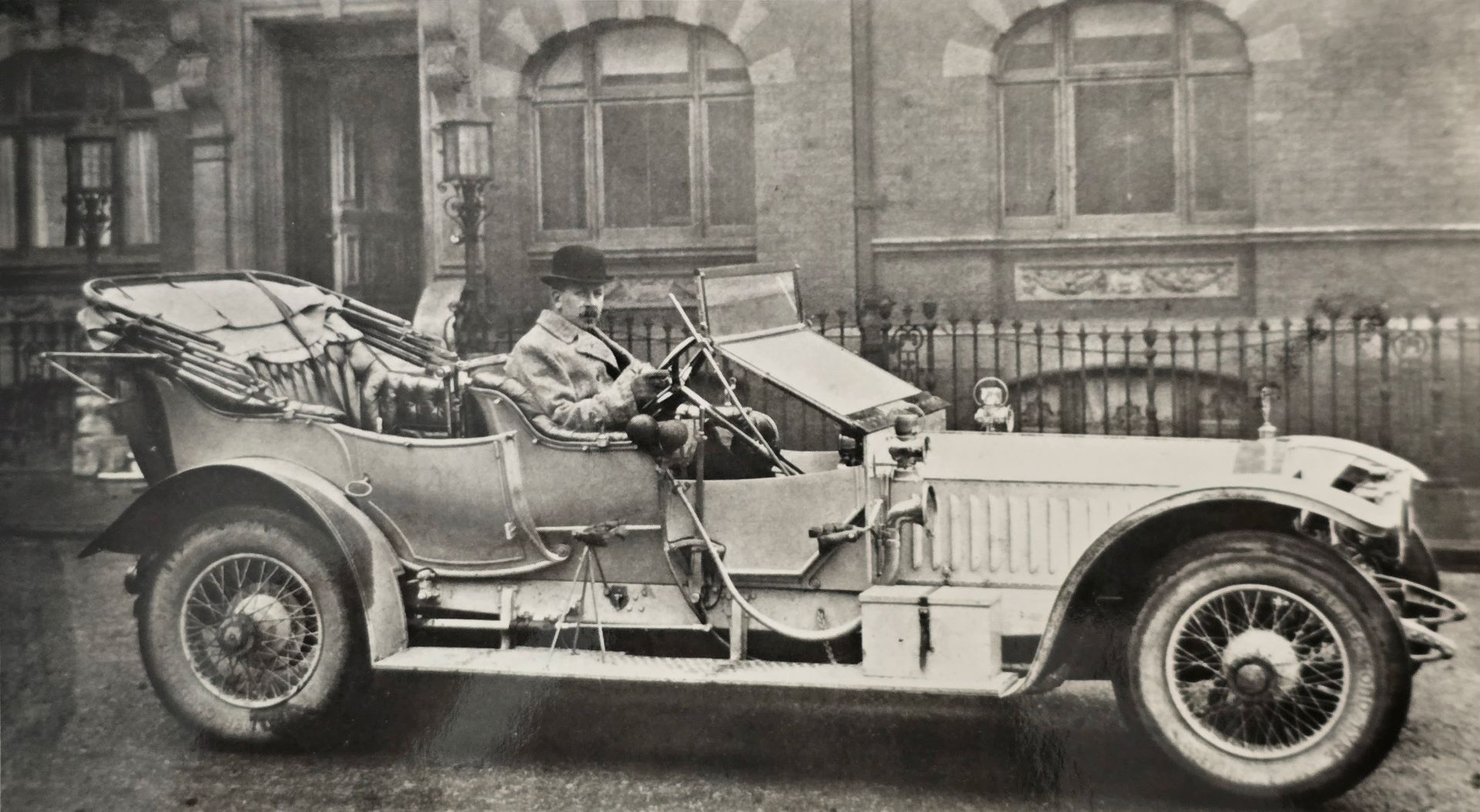
CJ’s flair for publicity found its ultimate expression in the creation of the “Silver Ghost.” In 1906, under CJ’s guidance, Rolls-Royce developed the 40/50 H.P. model, which quickly gained a reputation for excellence. However, it was CJ’s decision to christen the 12th example of this model “The Silver Ghost” that helped cement its place in motoring history. His marketing genius didn’t stop there. To demonstrate the car’s reliability, CJ orchestrated a record-breaking endurance run between London and Edinburgh, racking up nearly 15,000 miles with minimal stops. Not content with just one stunt, he followed this with a series of iconic demonstrations that left an indelible impression on the public and motoring press alike.
It was CJ who also commissioned the Spirit of Ecstasy mascot, ensuring that Rolls-Royce motor cars would forever be associated with the timeless elegance embodied by Charles Sykes’ design. This mascot, unveiled in 1911, remains one of the most recognizable symbols in the automotive world, a testament to CJ’s vision of understated luxury and classical design.
A True Architect of Legacy
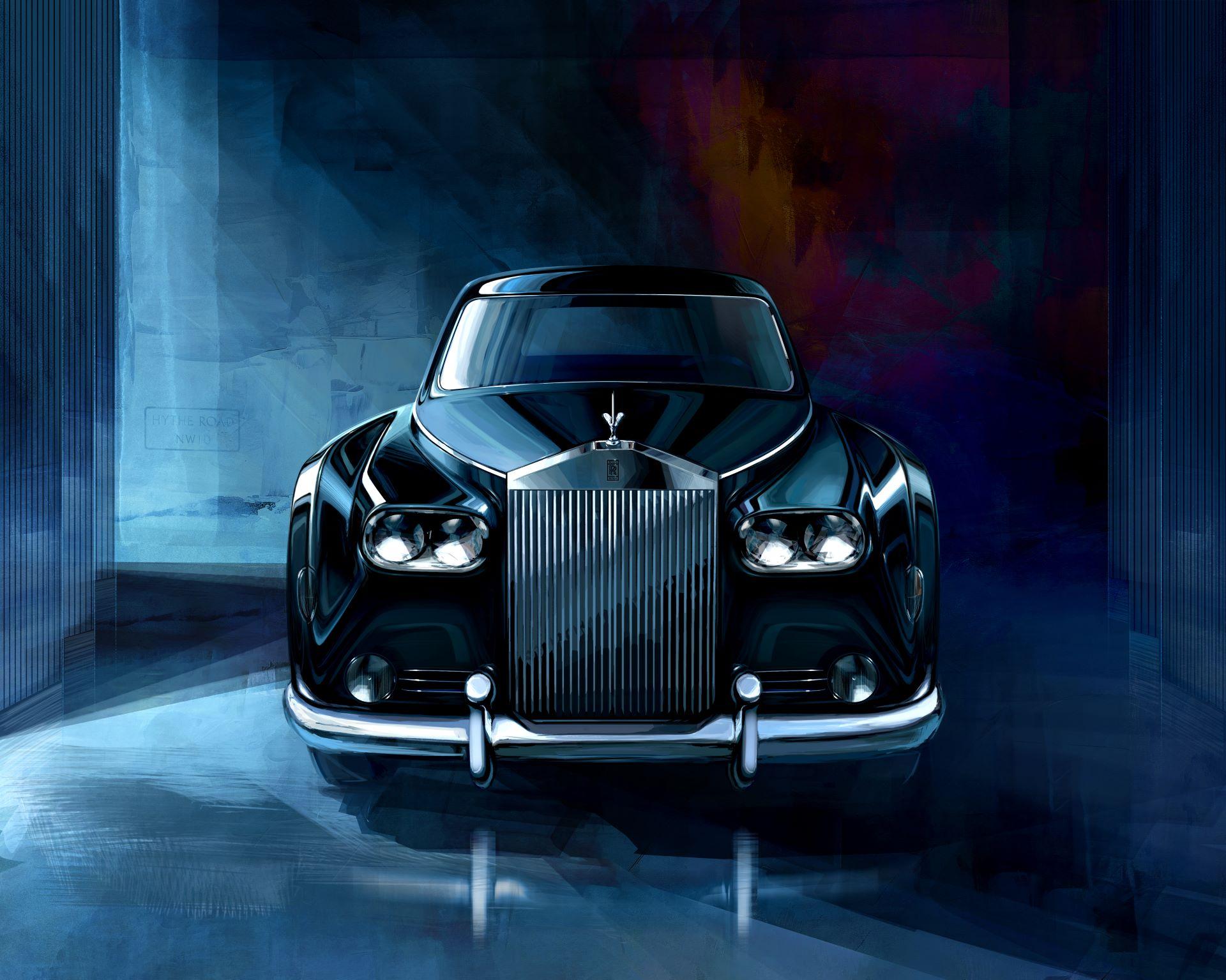
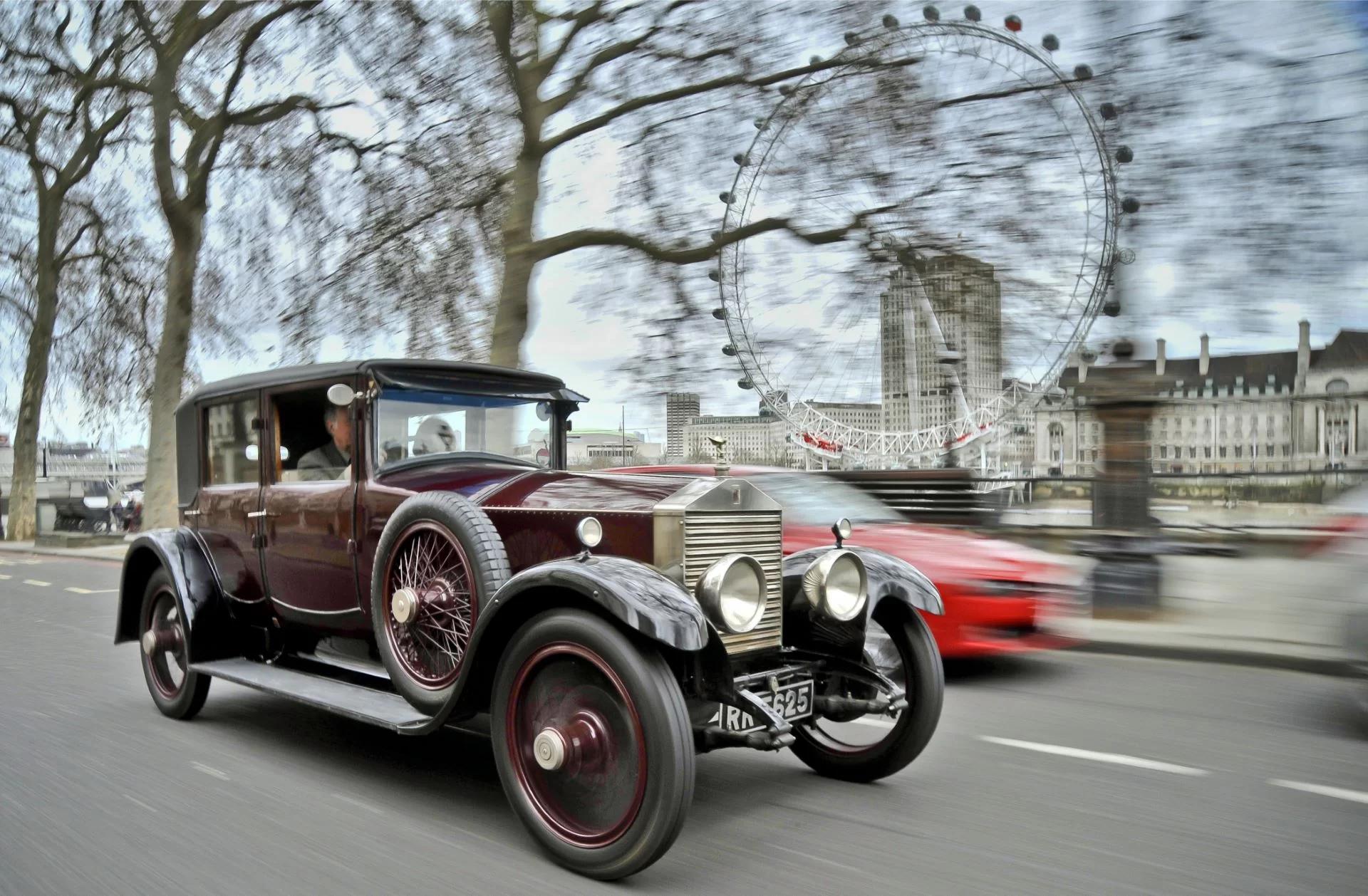
While CJ’s contributions to Rolls-Royce are often seen in terms of his publicity acumen, his role went far beyond that of a mere showman. In the years following World War I, as the world faced economic hardship, CJ demonstrated his foresight by advocating for a smaller, more affordable model, the 20 H.P., which would appeal to a broader market of owner-drivers. His insistence on maintaining the brand’s Pantheon radiator design and naming the Phantom series helped to further entrench Rolls-Royce’s reputation for producing the finest motor cars in the world.
His dedication to the company was absolute. Even as his health began to fail, CJ continued to work tirelessly for Rolls-Royce. He resisted both personal enrichment and accolades, famously declining a knighthood for his wartime efforts on behalf of the company, instead insisting that the credit go to Royce. Johnson remained deeply modest, despite his oversized contributions to Rolls-Royce’s success.
A Lasting Tribute
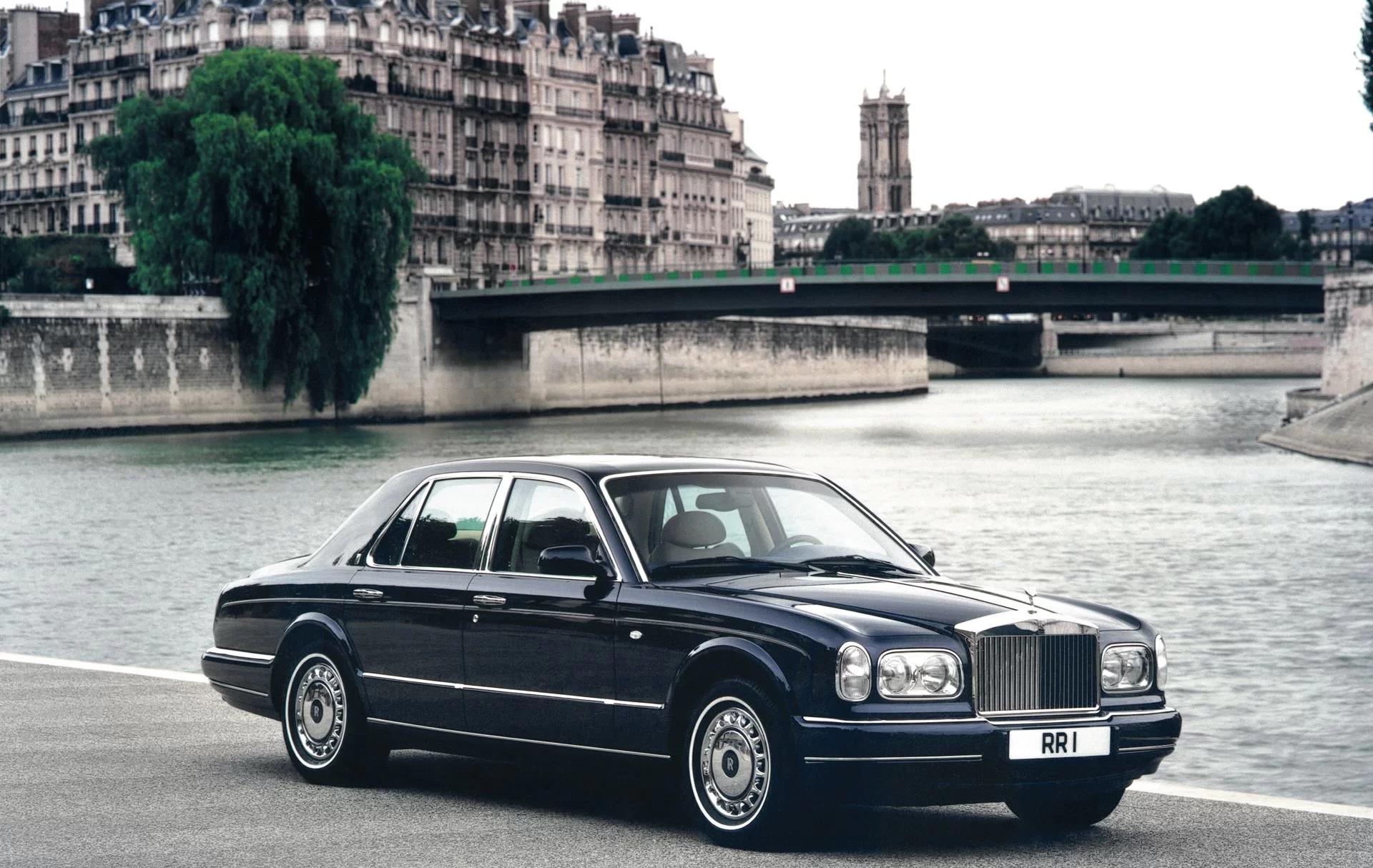
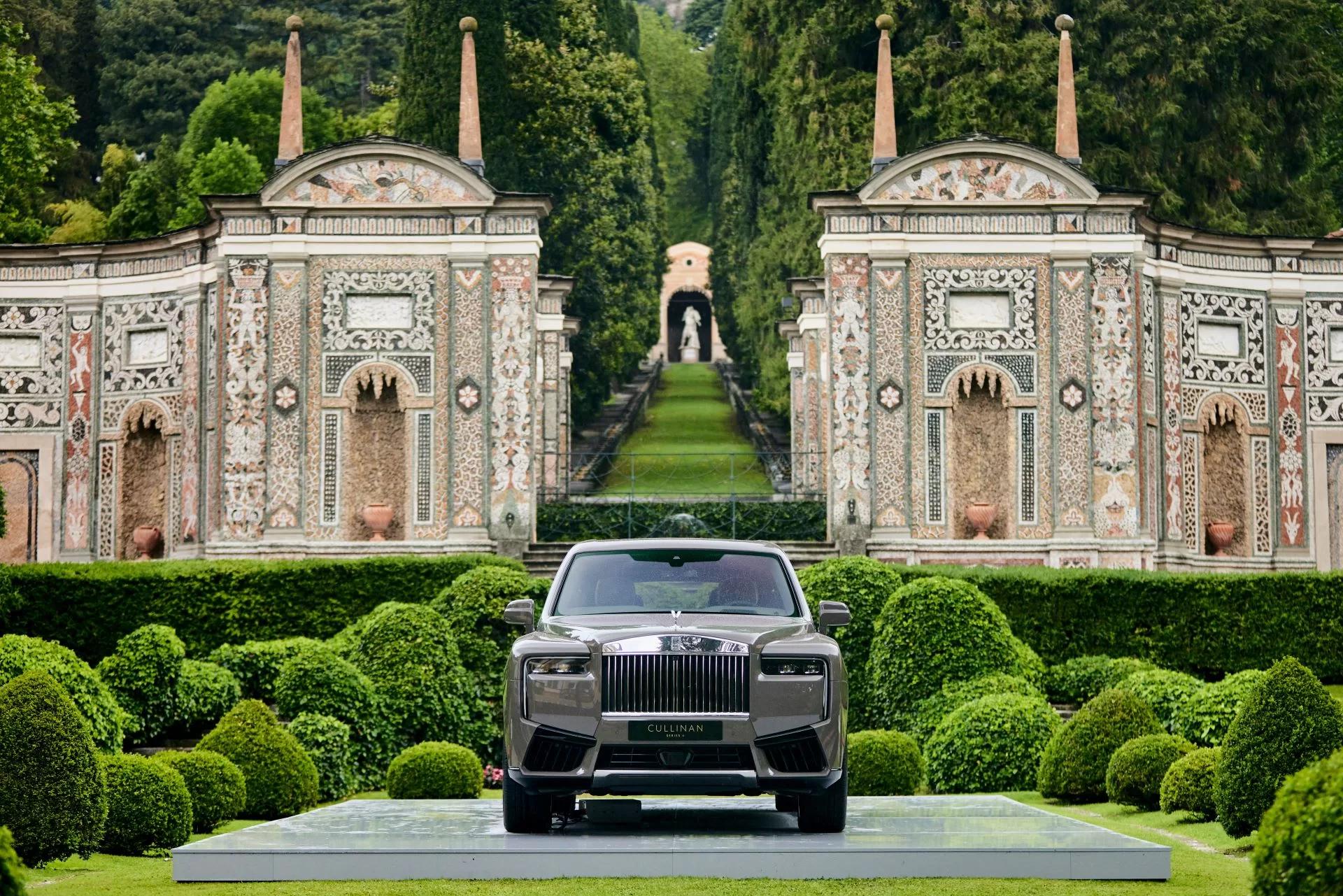
CJ passed away in 1926, but his impact on Rolls-Royce endures to this day. The timeless elegance of the Silver Ghost, the iconic Spirit of Ecstasy, and the prestige of the Phantom series all bear his indelible mark. As Rolls-Royce celebrates its 120th anniversary in 2024, it is fitting to remember Claude Johnson not merely as the “hyphen in Rolls-Royce” but as the architect of a legacy that continues to define automotive excellence.
In his passing, Rolls-Royce lost its captain, but the course he charted remains the compass by which the brand navigates the world of luxury motor cars today.