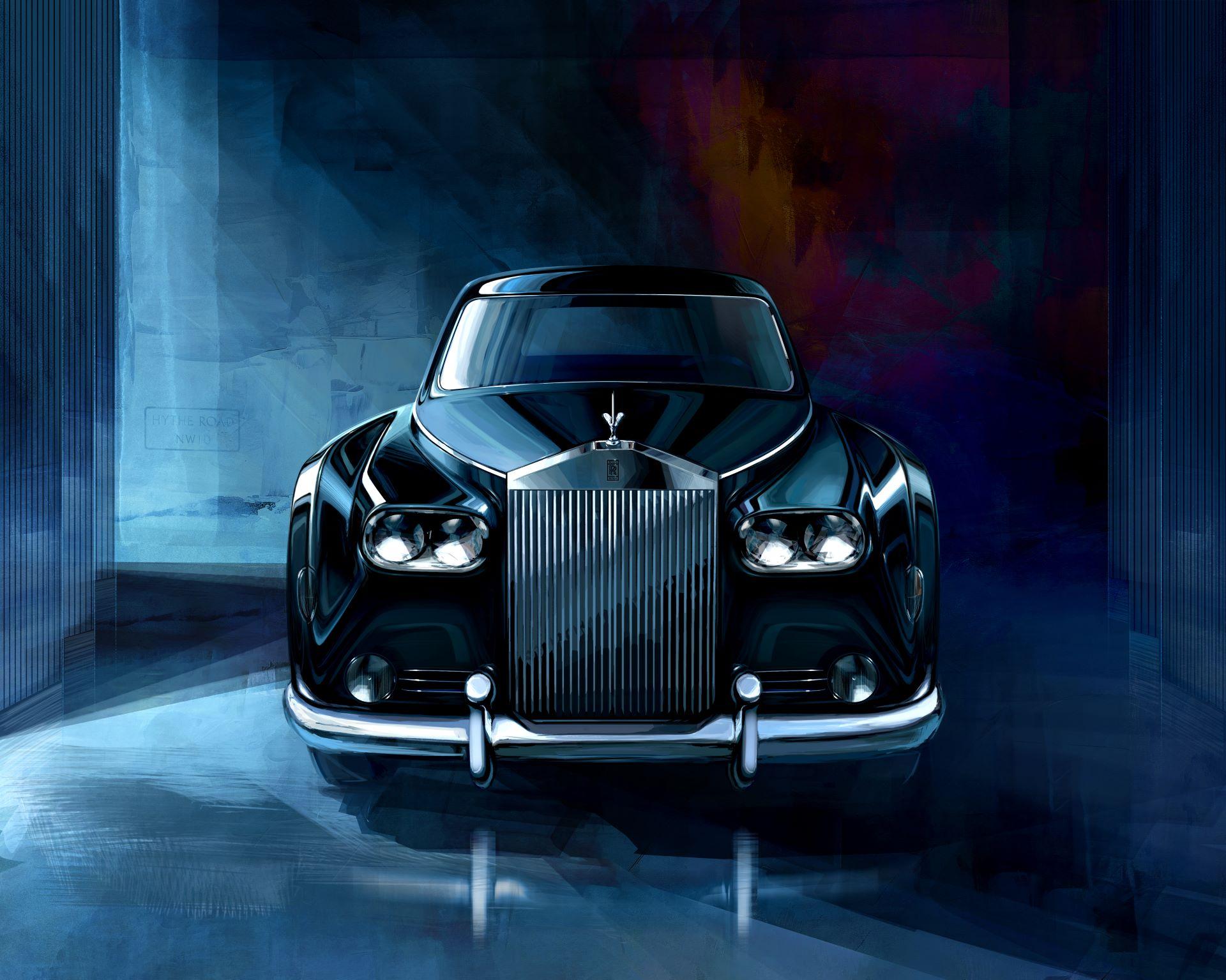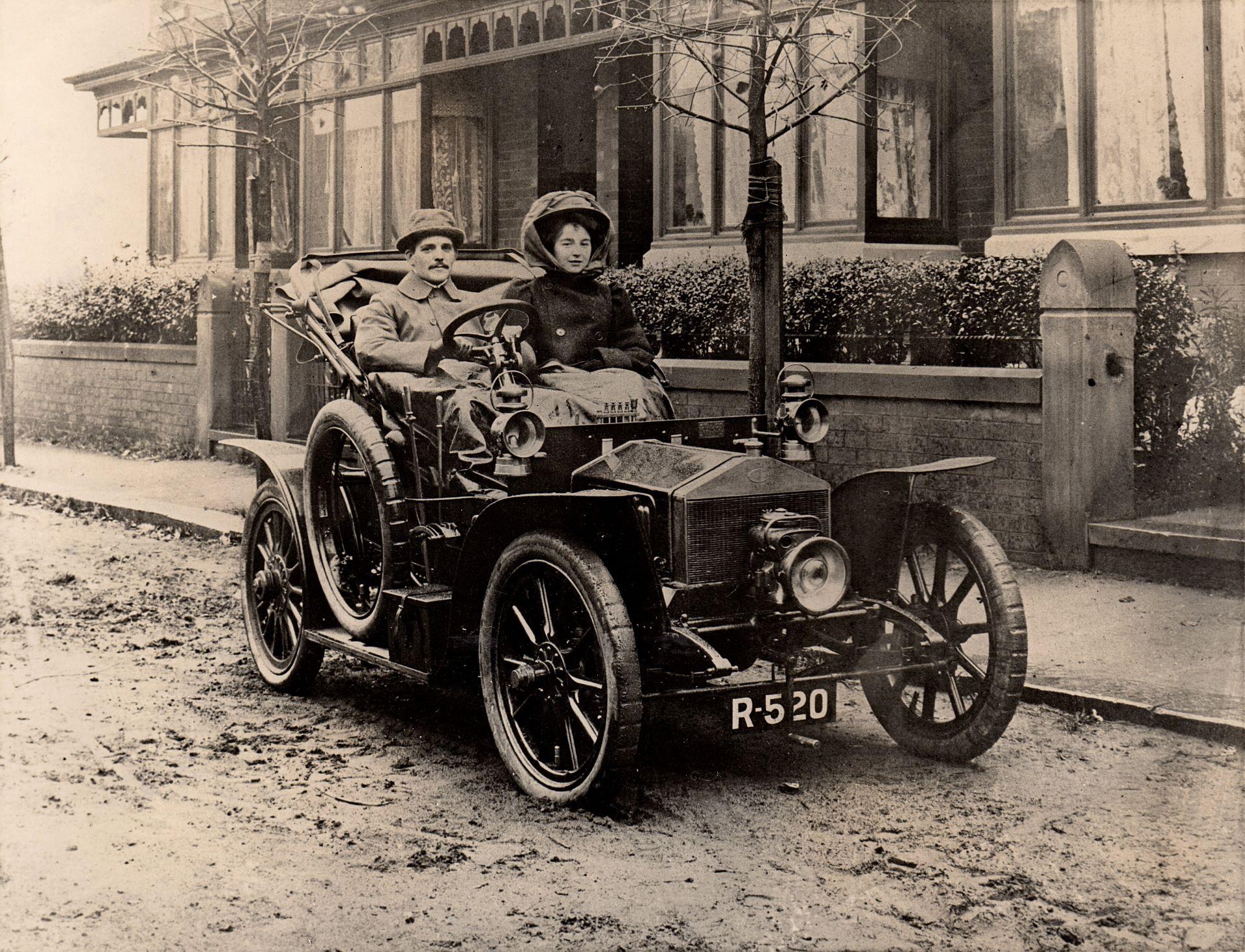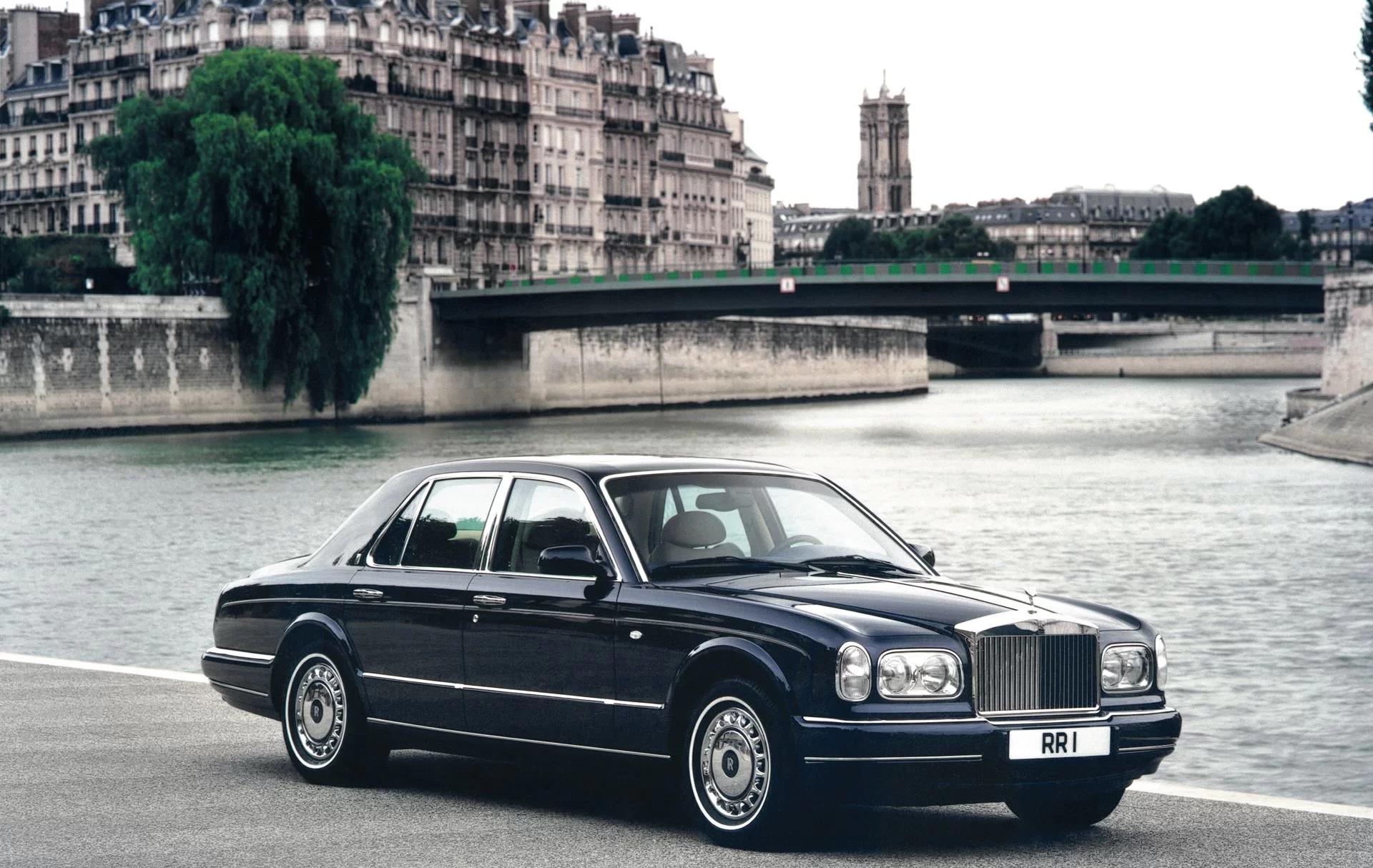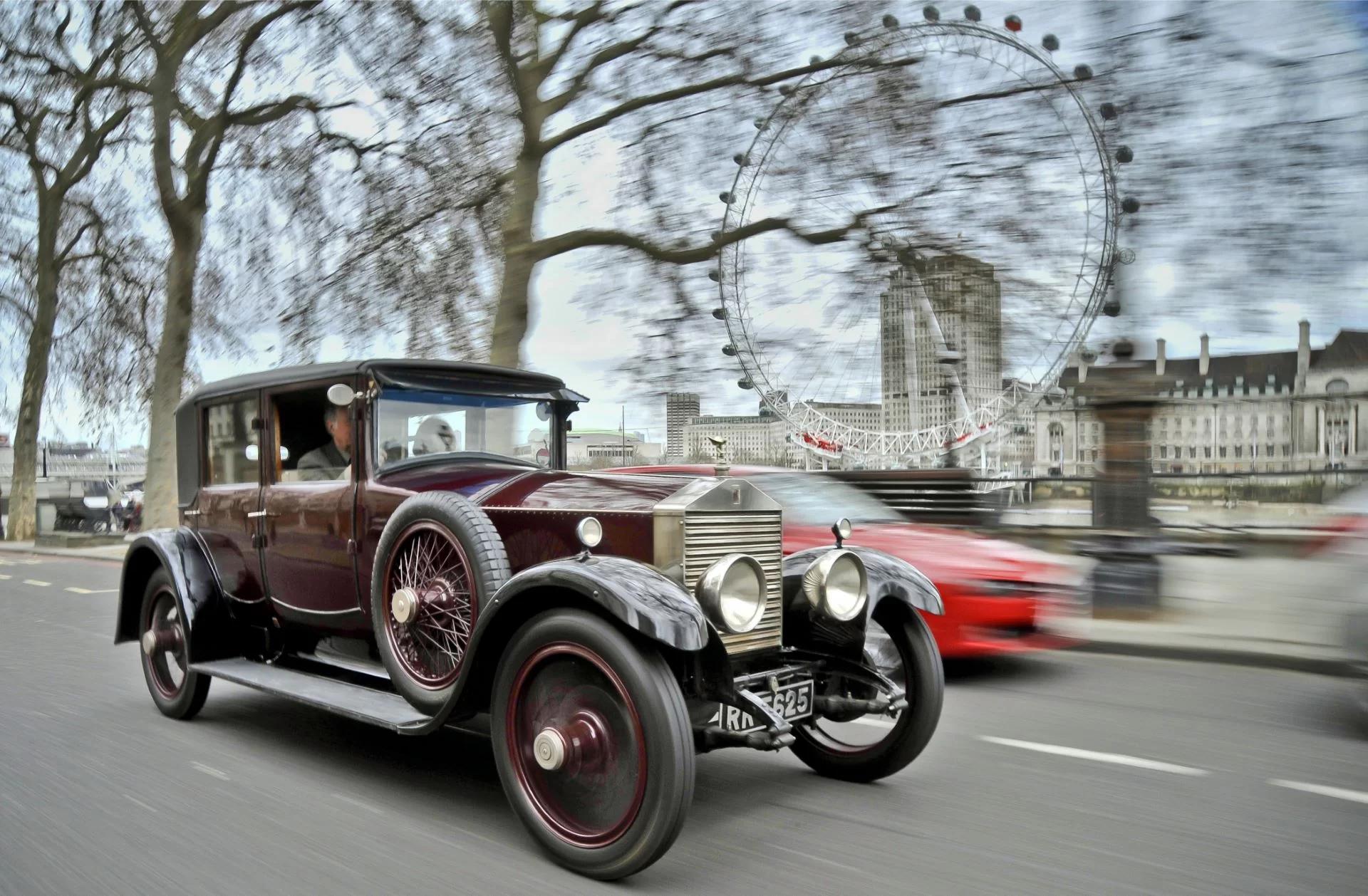



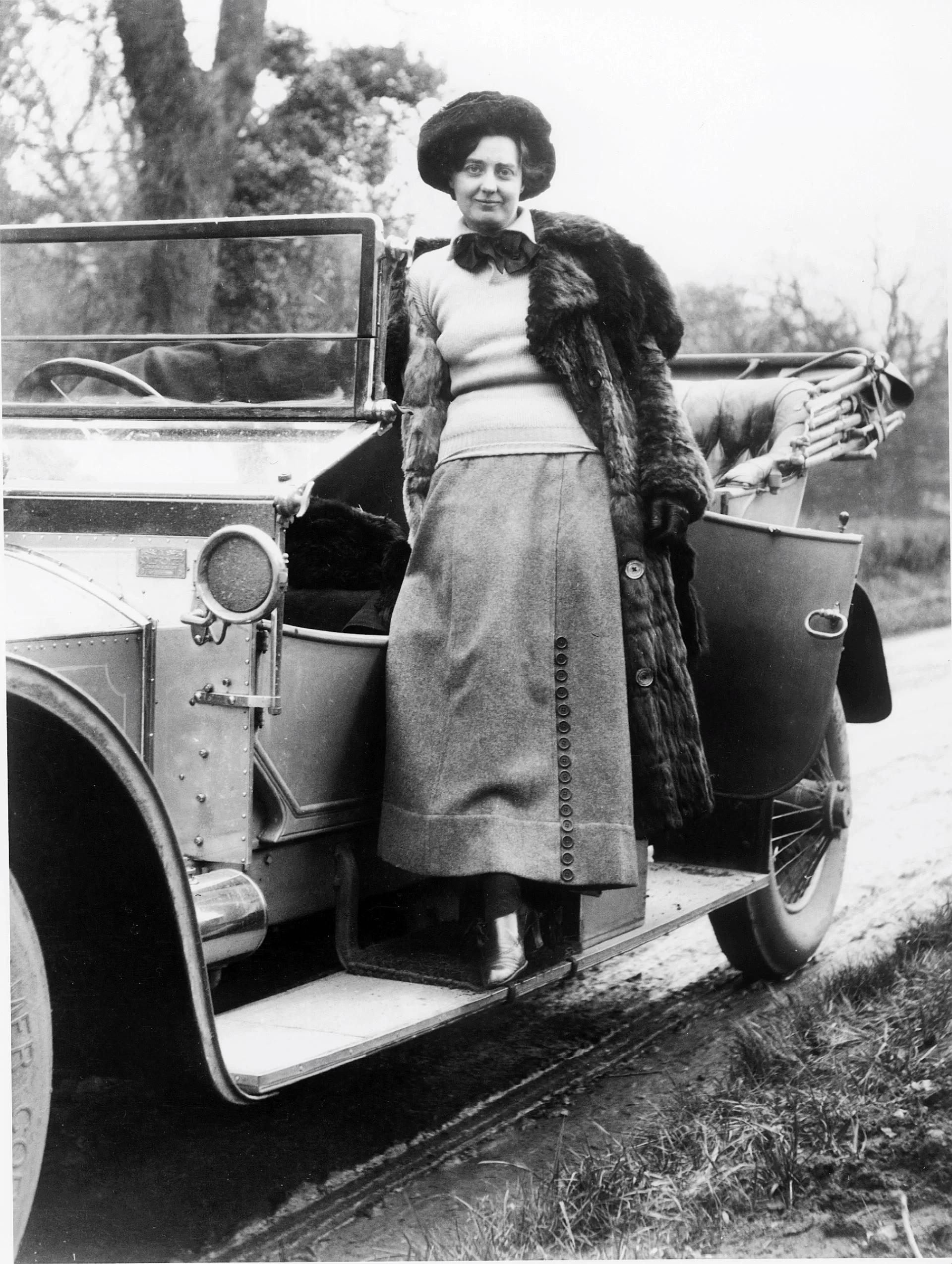
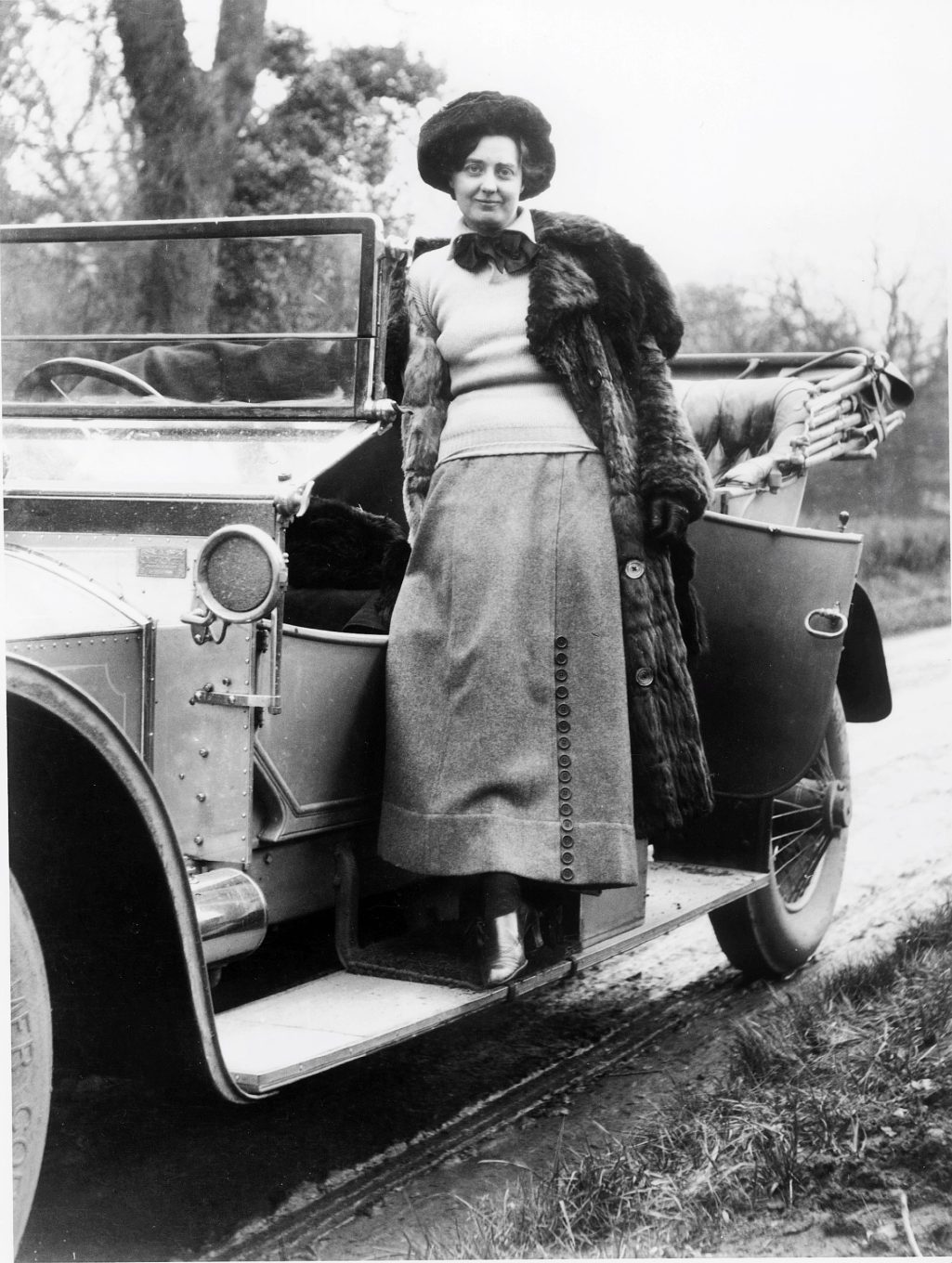
Eleanor Thornton’s legacy is deeply intertwined with the iconic Rolls-Royce brand, primarily due to her being the inspiration behind the Spirit of Ecstasy mascot. Her story, however, spans much broader and richer canvases, revealing a life replete with secrecy, sacrifice, and scandal. Eleanor’s existence, marked by its brevity, was nonetheless vivid, complex, and impactful. As a formidable, intelligent, and self-assured woman, she carved out a significant presence in the predominantly male automobile sector of her time. Her life and the profound drama surrounding it have cemented her and the emblem she inspired into the annals of immortality. This acknowledgment comes from none other than Andrew Ball, the Head of Corporate Communications and Heritage at Rolls-Royce Motor Cars.
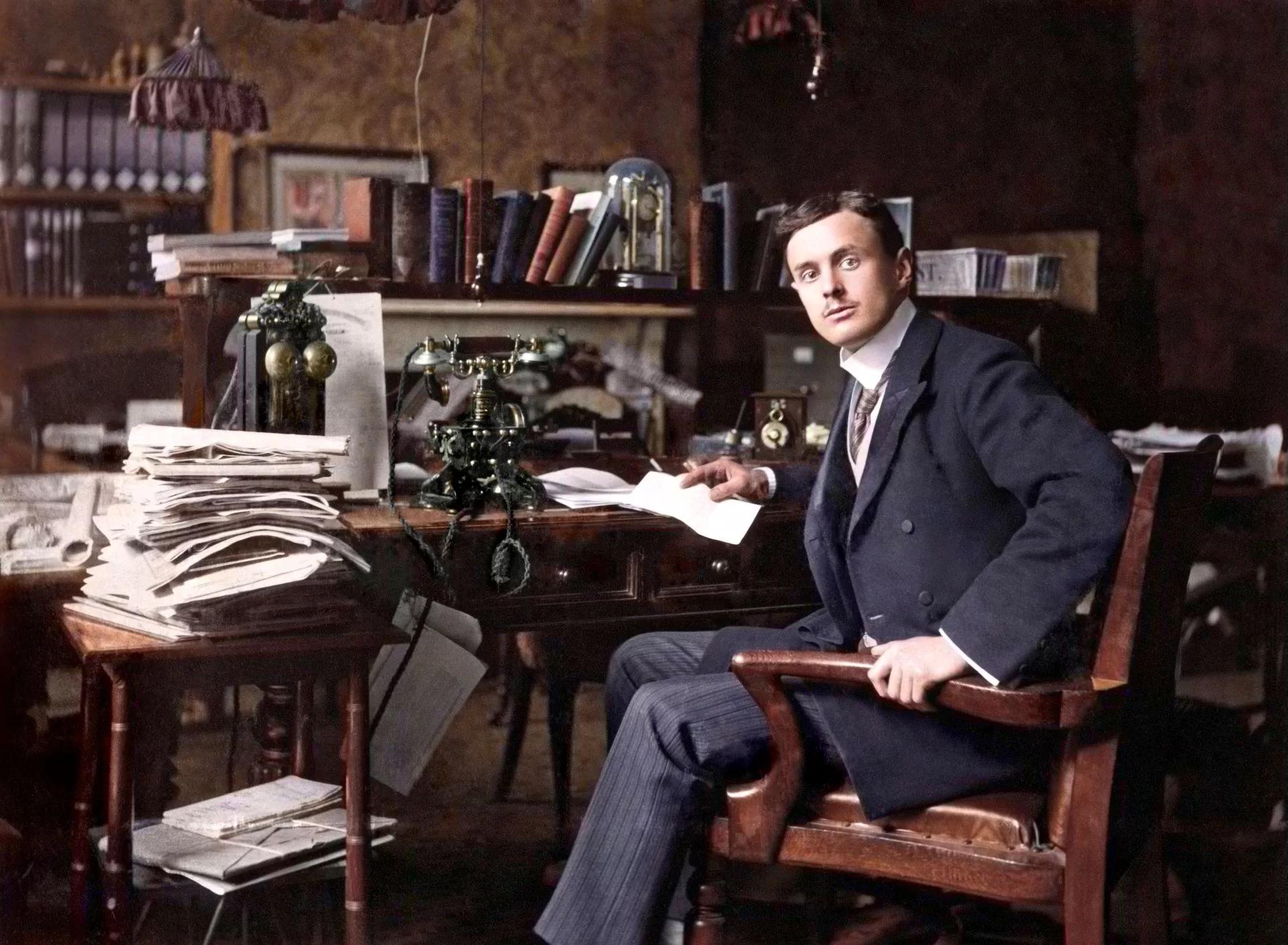
Born on April 15, 1880, in Stockwell, London, Eleanor Velasco Thornton’s early life remains largely obscured. By the turn of the 20th century, she was the right hand of Claude Johnson, a prominent figure in the automotive world and a future business partner of Charles Stewart Rolls. Eleanor resided at The Pheasantry in Chelsea, a hub for artists and later, a gathering spot for some of the most notable figures of the 20th century. This setting allowed her to lead a double life: an executive assistant by day and an artists’ model by night, including for Charles Sykes, a renowned illustrator.
A pivotal turn in Eleanor’s life occurred in 1902 when she met John Walter Edward Douglas-Scott-Montagu, an aristocrat with a fervent passion for automobiles but limited financial resources. Montagu’s innovative solution to his monetary issues was founding Britain’s first dedicated motoring magazine, The Car Illustrated, which led to his hiring of Charles Sykes as an illustrator. Through a series of connections, Montagu was introduced to Eleanor and was immediately struck by her intellect. He offered her a position at his magazine, which she accepted, marking the start of their secret and complex relationship.
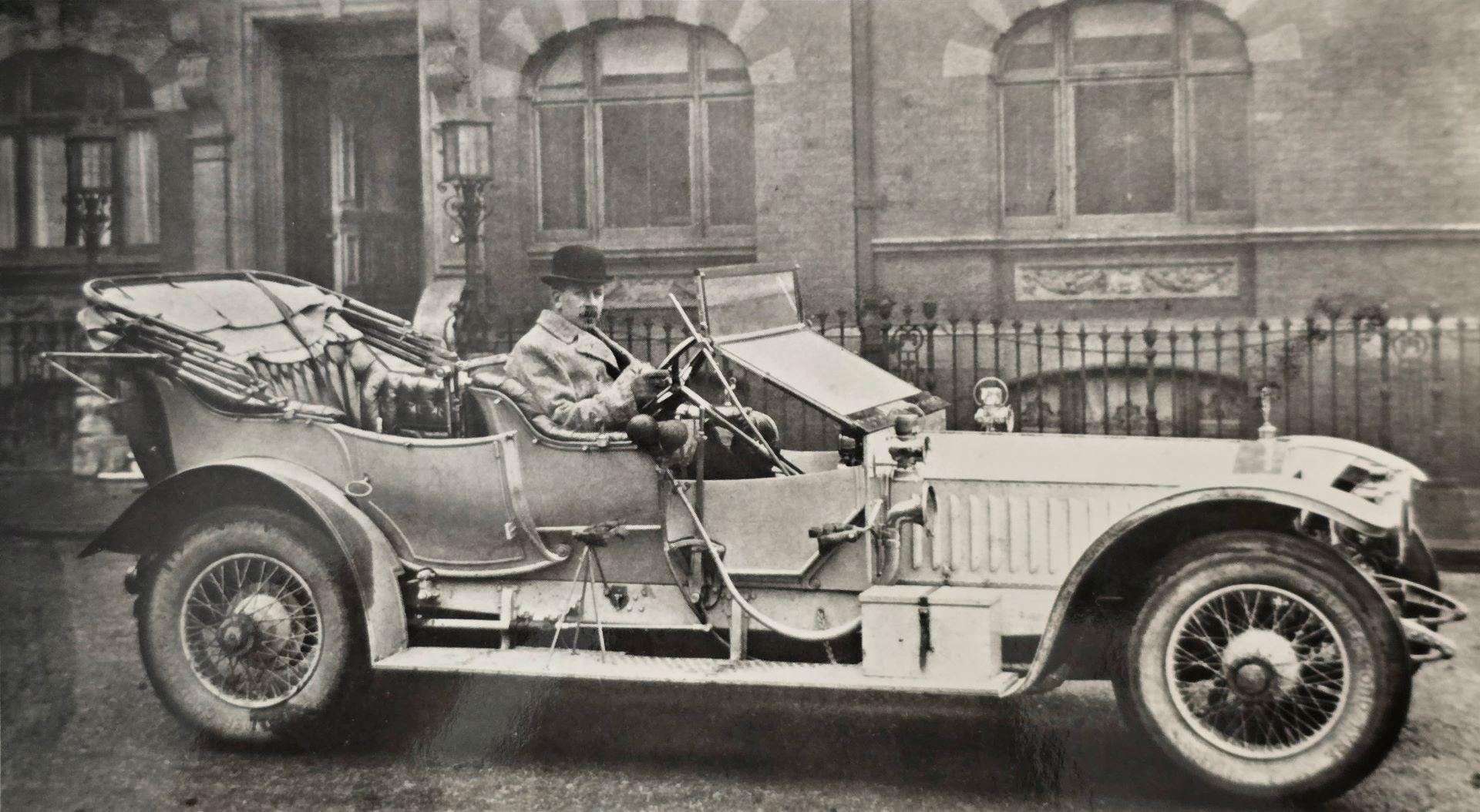
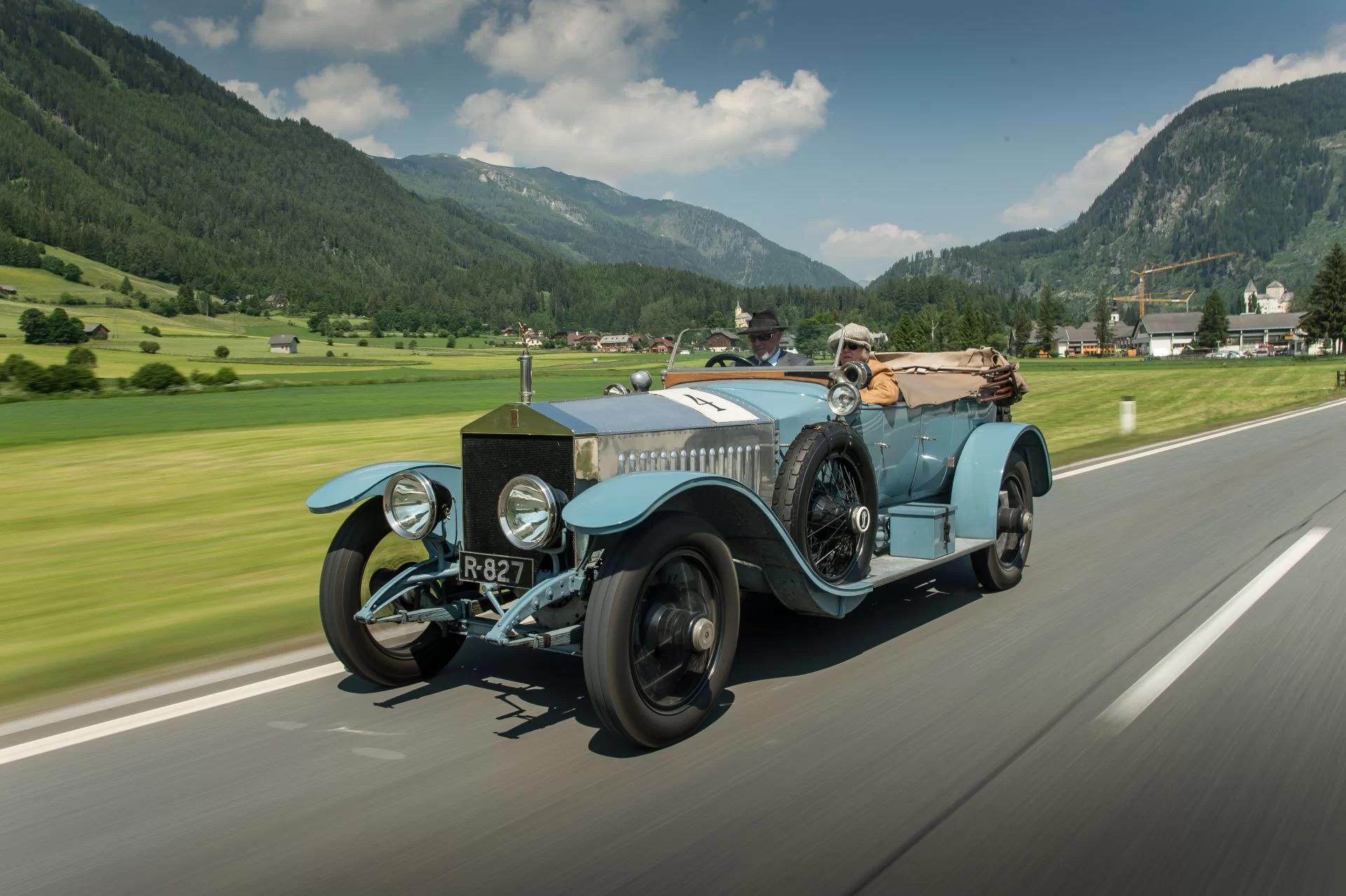
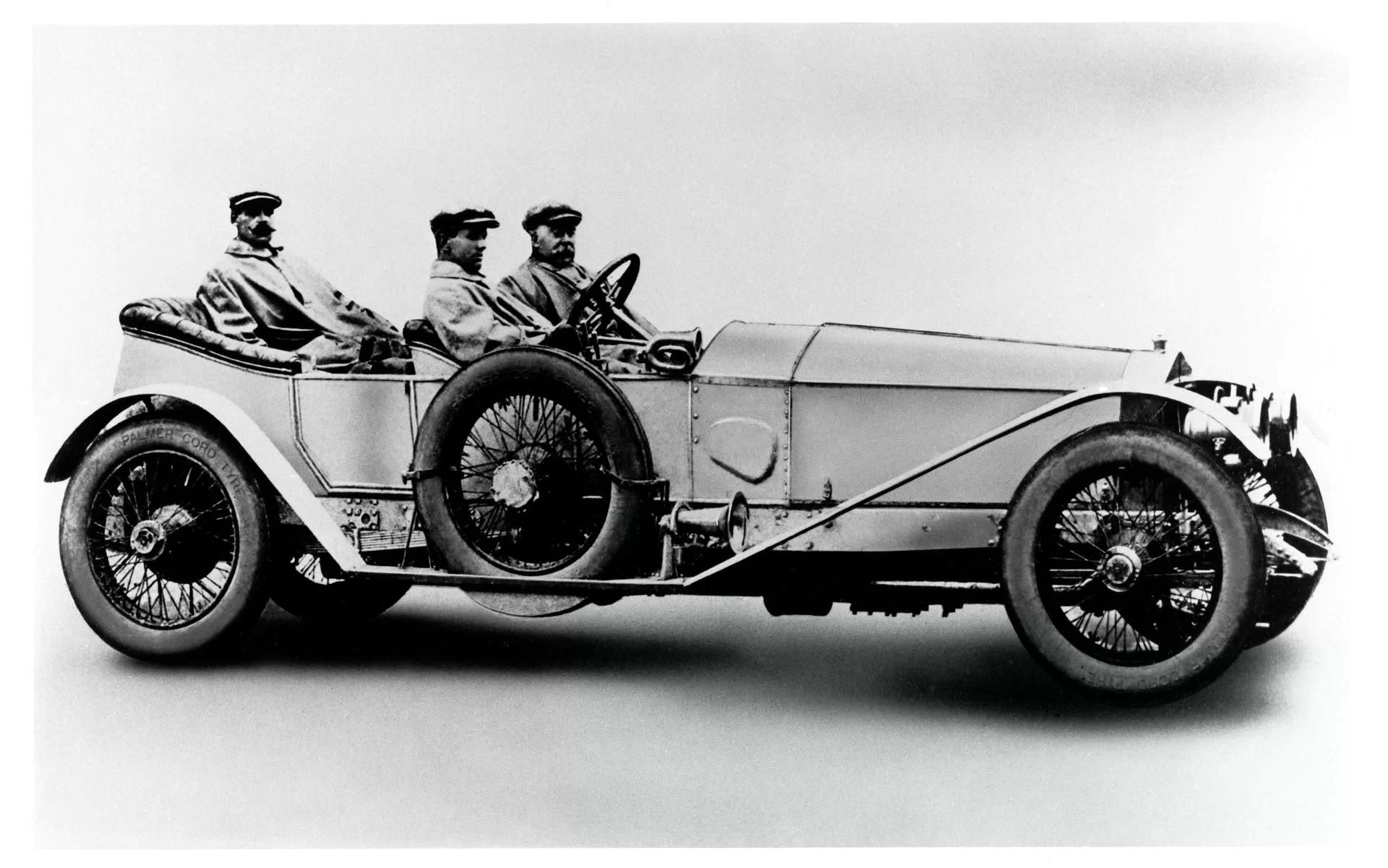
Eleanor’s association with Sykes at the magazine led to her modeling for him again, culminating in the creation of ‘The Whisper,’ a mascot for Montagu’s Rolls‑Royce Silver Ghost. While Eleanor’s role as the model for this mascot is confirmed, the details surrounding its creation remain shrouded in mystery. This emblem served as a silent testament to Montagu’s hidden love for Eleanor, a love that tragically ended with her untimely death in 1915 when the SS Persia sank in the Mediterranean.
Eleanor’s death left Montagu heartbroken, a sentiment he carried discreetly for the remainder of his life, symbolized by the presence of the Spirit of Ecstasy on his Rolls-Royce cars. Eleanor Thornton’s life story, characterized by its drama, romance, and tragedy, not only provides a glimpse into a fascinating period of automotive history but also immortalizes her as an enduring figure of mystery and allure in the legacy of Rolls-Royce.