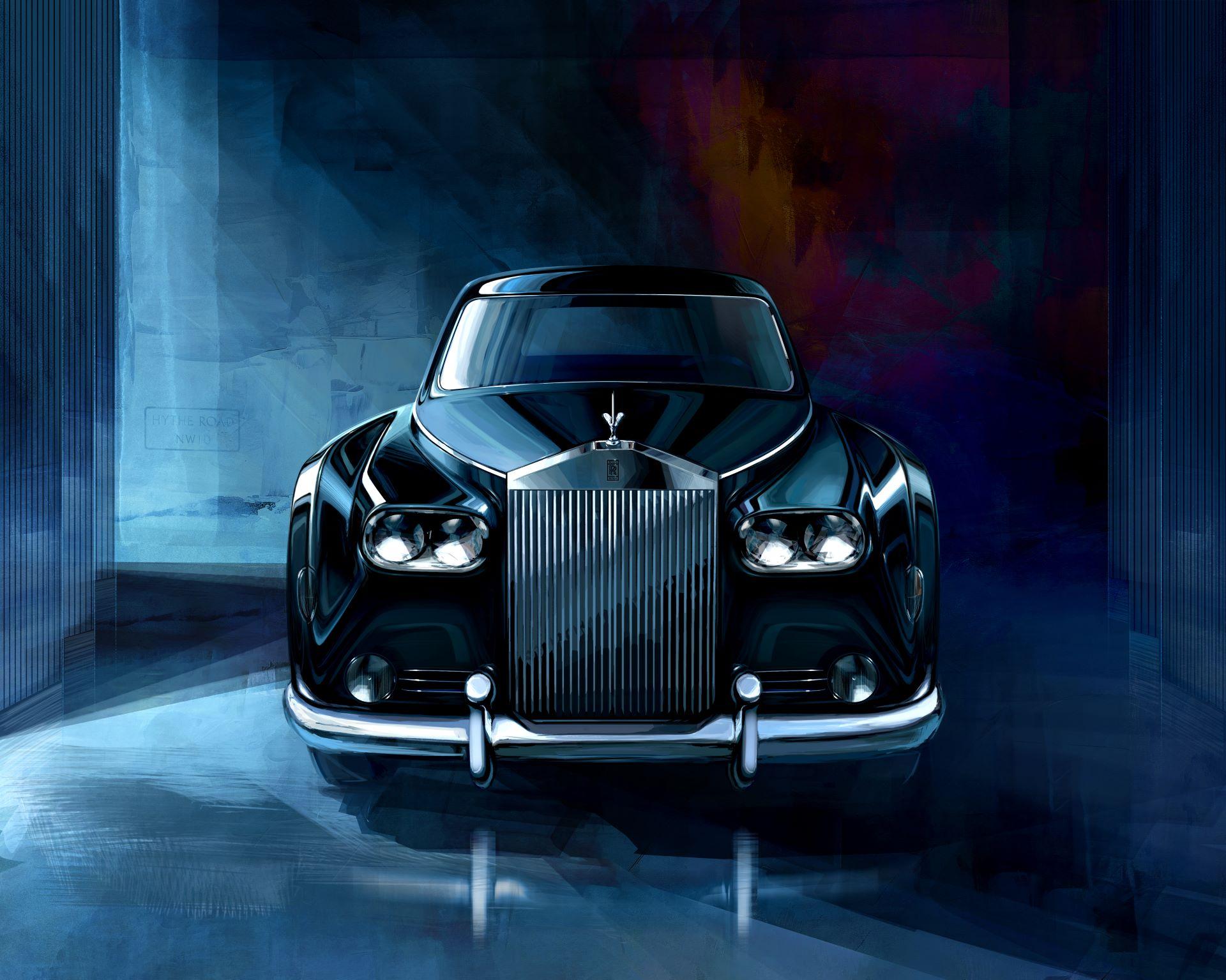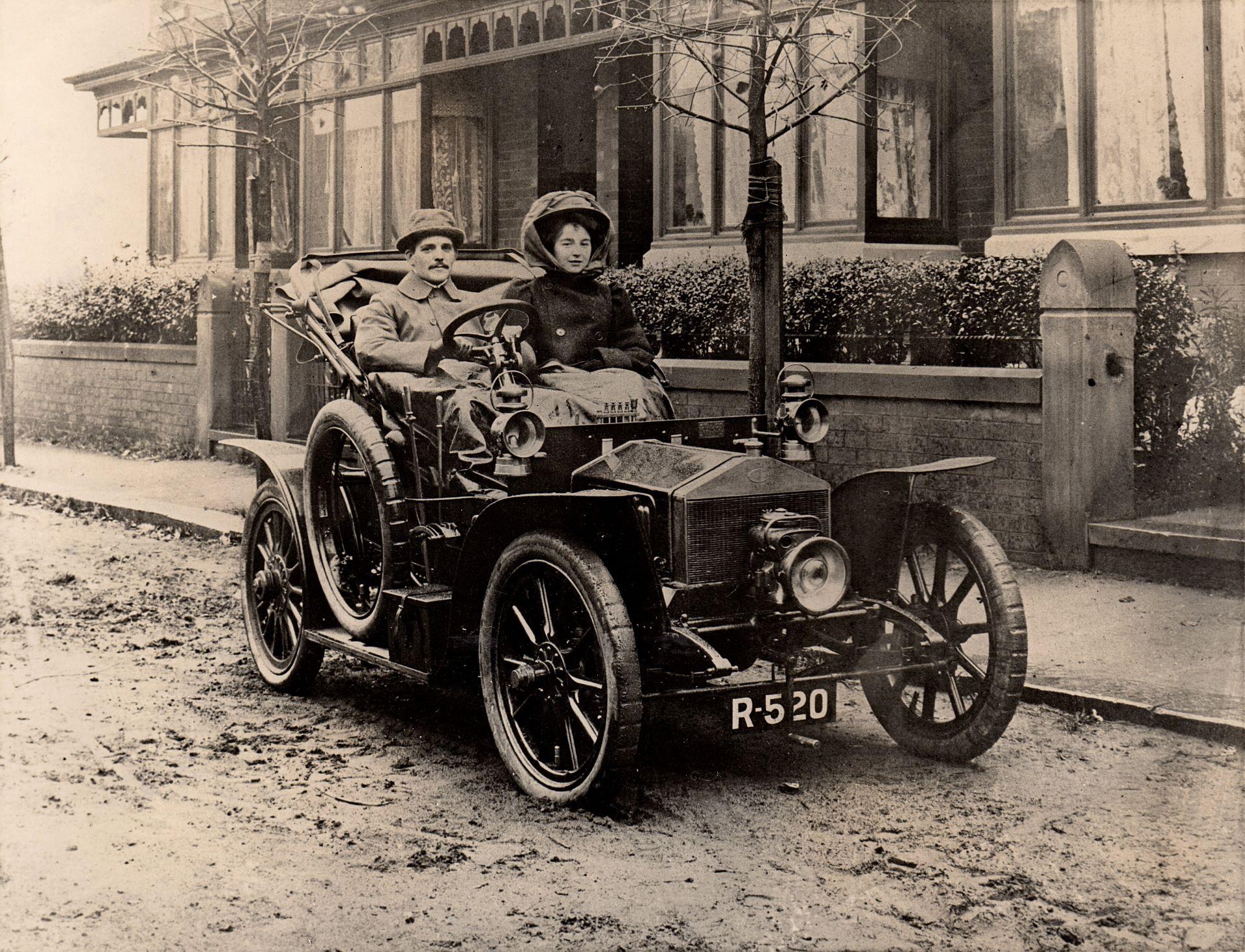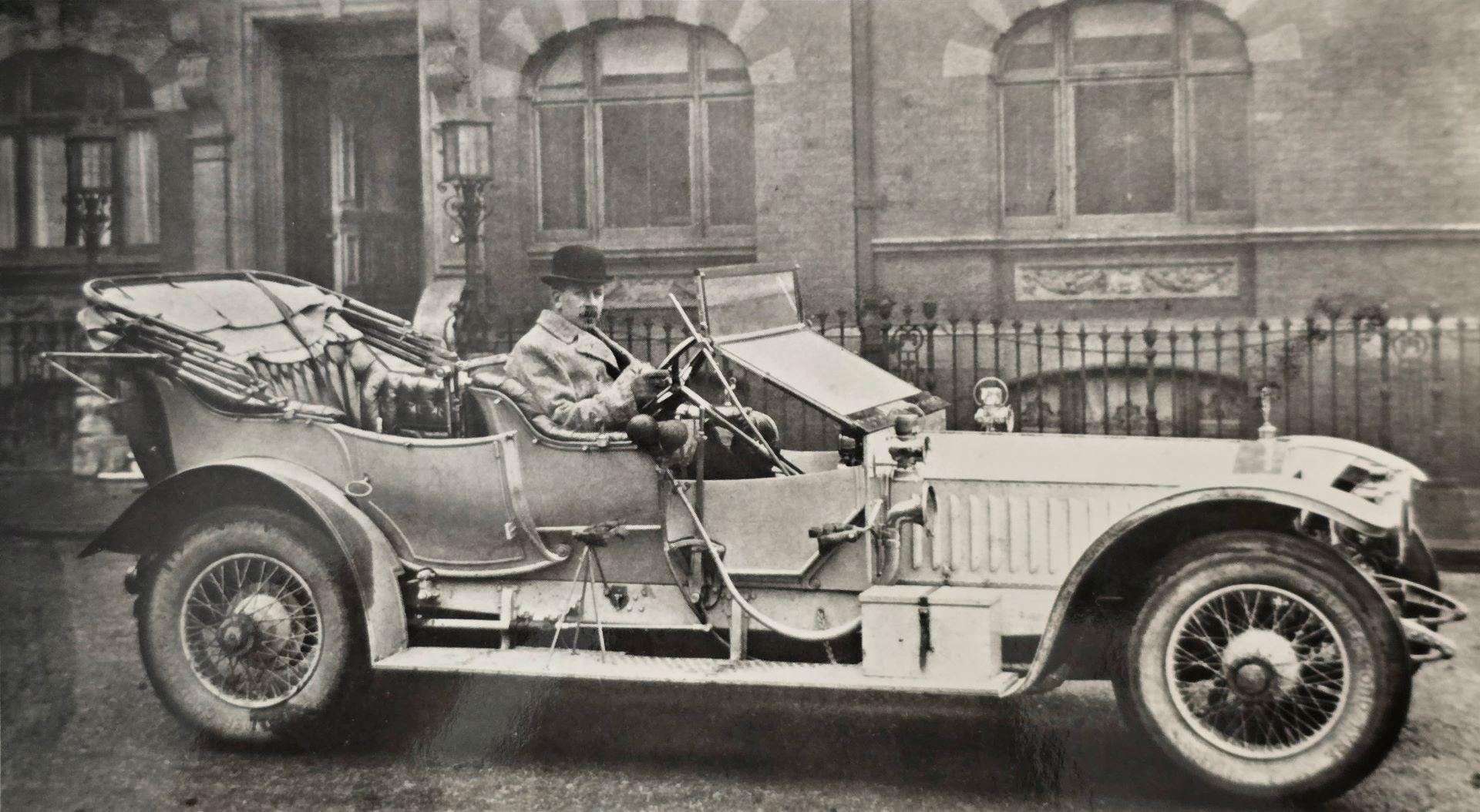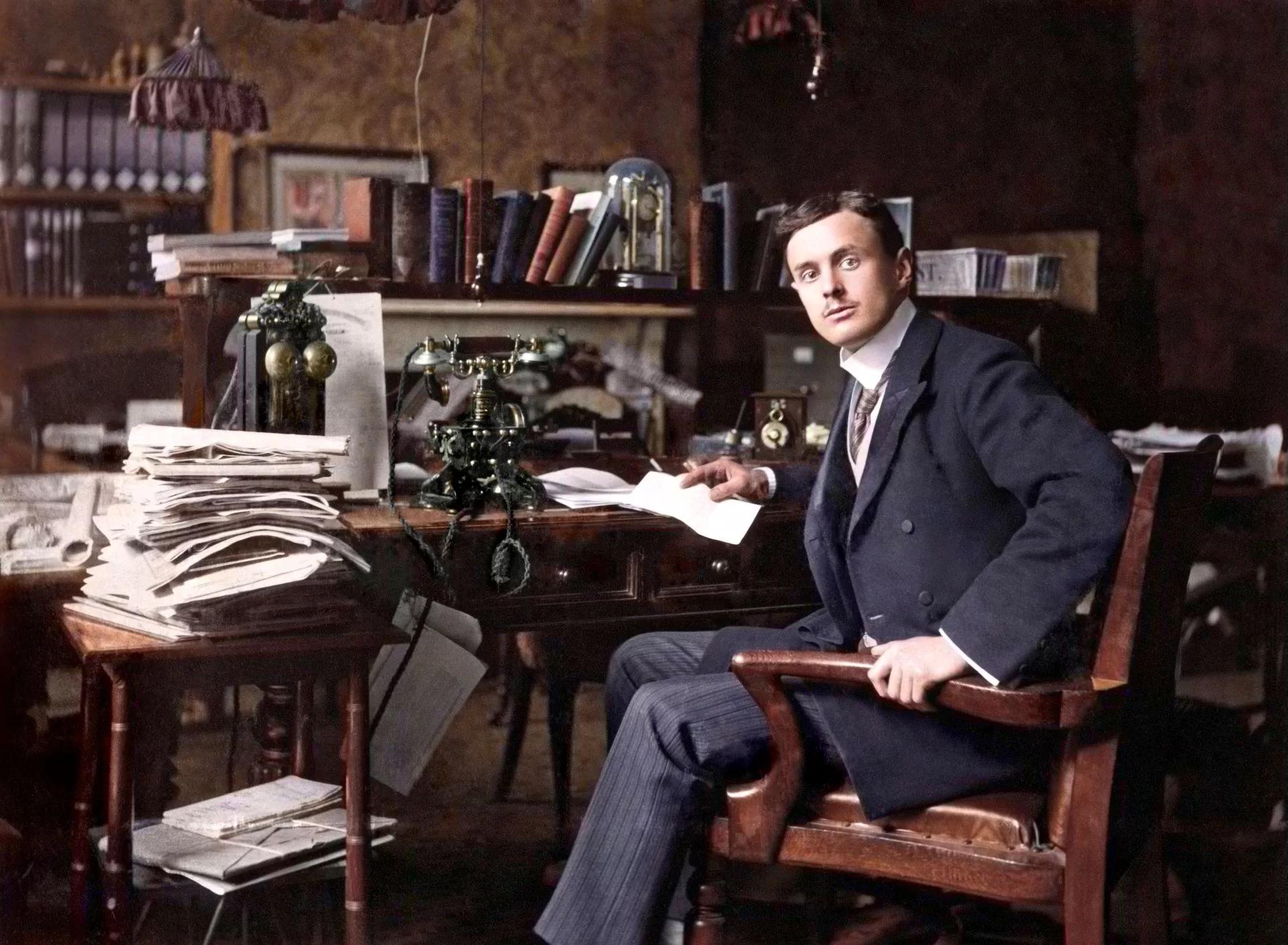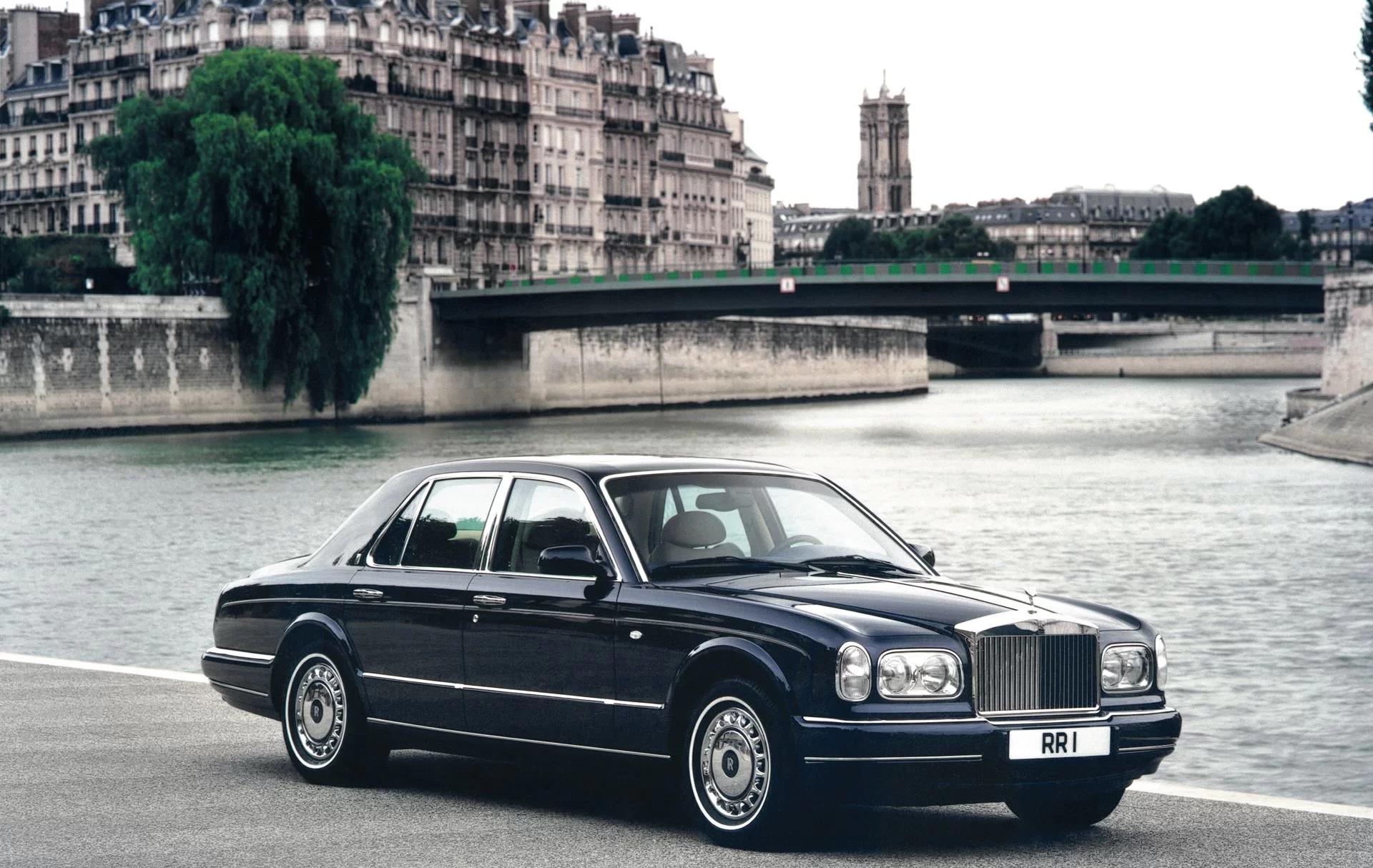
The Rolls-Royce Silver Seraph holds a uniquely significant place in the marque’s storied history. As the latest instalment in the Models of the Marque series—a retrospective marking the 120th anniversary of the first meeting between Henry Royce and The Hon. Charles Stewart Rolls—it is a fitting celebration of a car that served as the tangible, technological link between the pre-Goodwood and contemporary Rolls-Royce eras. Designed using computer-aided design (CAD) for the first time in the company’s history and powered by a BMW V12 engine, Silver Seraph is a bridge between tradition and modernity.
A New Dawn: The Genesis of Silver Seraph
The late 1980s saw Rolls-Royce navigating a rapidly evolving luxury automotive landscape. The Silver Spirit, launched in 1980, was enjoying commercial success, but a successor was already in development under the codename SXB. The challenge was formidable: create a car that would appeal to both American customers, who favoured ostentatious displays of wealth, and British clients, who sought refined elegance amidst economic austerity.
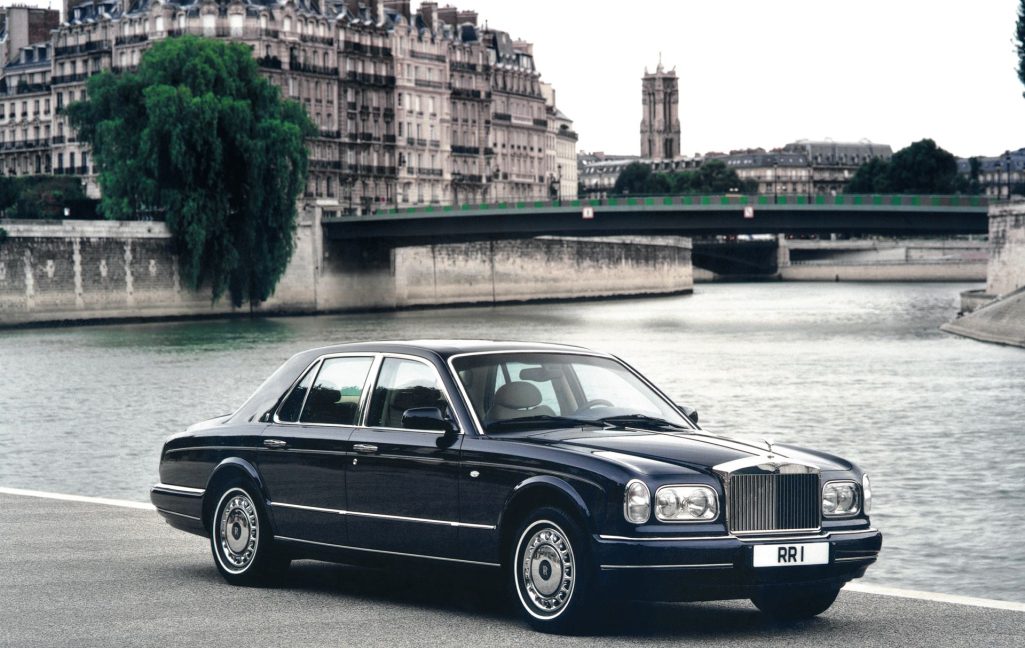
By 1989, CAD technology became available, revolutionising the design process. Despite initial plans for a smaller vehicle than its predecessors, the imperative to retain the brand’s hallmark comfort, interior space, and commanding presence led to extensive refinements. The final design paid homage to the Silver Cloud, incorporating yacht-inspired aesthetics, with a prominent prow-like radiator and sweeping curves that exuded timeless sophistication.
Engineering Excellence Amidst Corporate Turmoil
The Silver Seraph’s development coincided with a tumultuous period for Rolls-Royce. Initially halted for financial reasons in 1992, the project was revived in 1994 under the designation P600, later renamed P3000. A significant turning point came with the decision to adopt a BMW 5.4-litre V12 engine—a historic departure from the traditional Rolls-Royce V8 and a harbinger of BMW’s eventual acquisition of the marque.
The meticulous engineering and design process culminated in the Silver Seraph’s unveiling in January 1998 at Scotland’s Ackergill Tower Castle. Rolls-Royce encapsulated its essence with the words: “Solidness without heaviness. Authority without arrogance. Elegance without effort. Presence without pomp.” To illustrate the car’s aesthetic lineage, journalists were even presented with a limited-edition print of Chief Designer Graham Hull’s Yacht Aesthetics rendering.
A Short-Lived Yet Pivotal Legacy
Despite its technological advancements and refined aesthetics, the Silver Seraph’s production run was notably brief, ending in 2002 with the long-wheelbase Park Ward variant introduced in 2000. However, its role in Rolls-Royce’s evolution is immeasurable. The adoption of BMW powertrains and engineering expertise not only influenced the Silver Seraph’s exceptional refinement but also solidified BMW’s interest in acquiring Rolls-Royce.
Although it diverged from the later philosophy of grandeur embodied by Goodwood-era Rolls-Royces, the Silver Seraph was the right design for its time. Its understated elegance and harmonious proportions remain as captivating today as they were upon its debut. As a symbol of transition, the Silver Seraph will always stand as the car that gracefully carried Rolls-Royce from the past into the future.