


The Dawn of an Icon
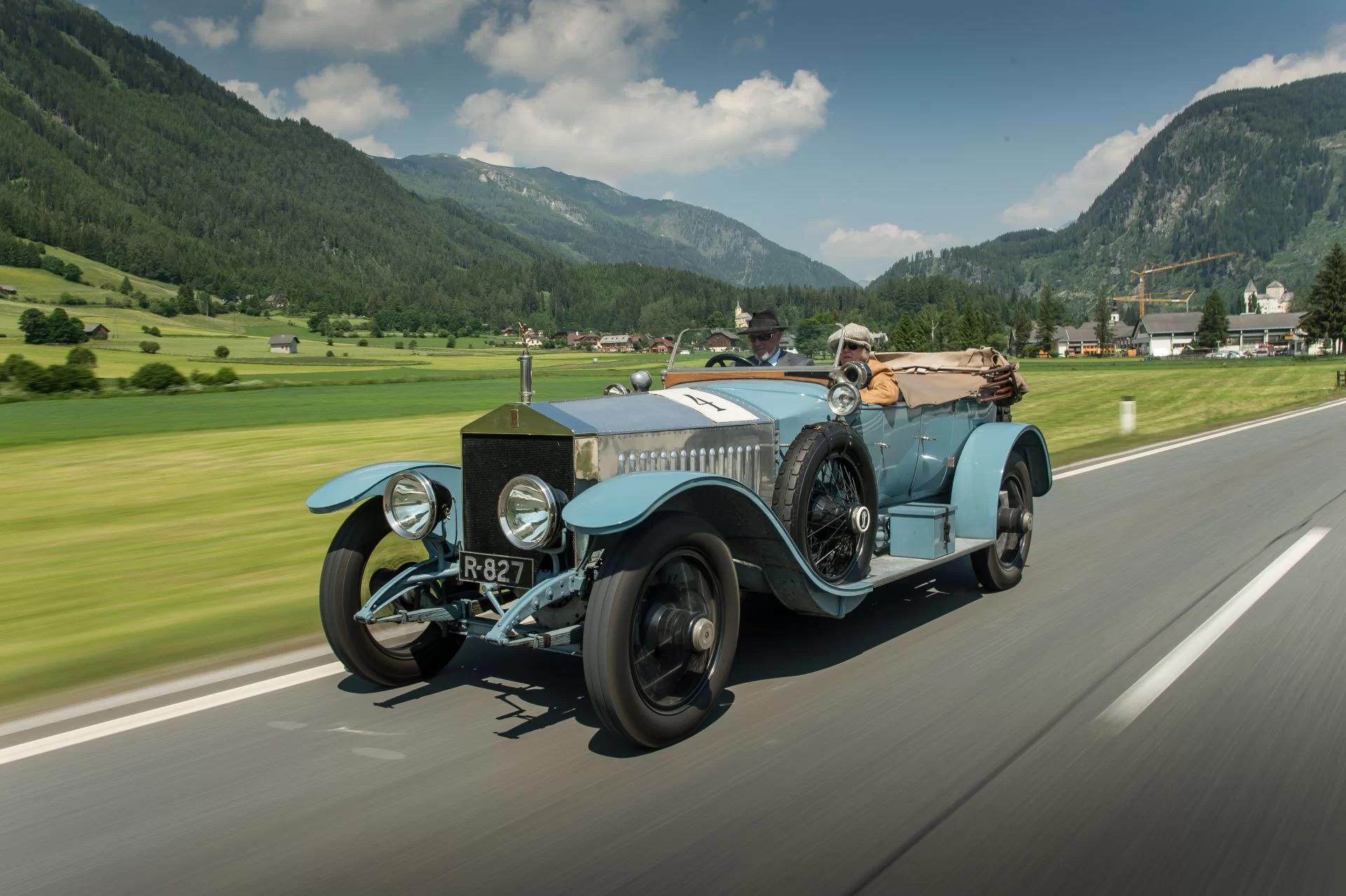
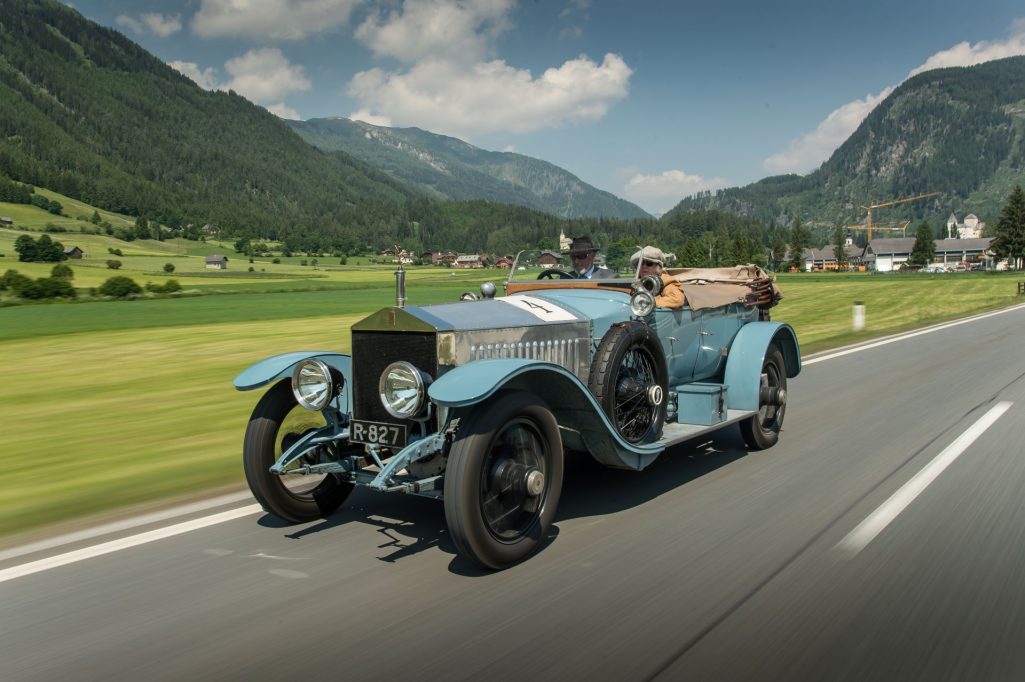
In 1906, Rolls-Royce unveiled the 40/50 H.P., a model that would become one of the most celebrated and enduring vehicles in automotive history. Known universally as the Silver Ghost, this car played a pivotal role in establishing Rolls-Royce’s reputation for unparalleled engineering and luxury. Its remarkable performance in early 20th-century motor trials and commercial success solidified its place as “the best car in the world.”
Engineering Marvels
By the time the Silver Ghost was launched, Rolls-Royce had already established a diverse lineup, ranging from the twin-cylinder 10 H.P. to the six-cylinder 30 H.P. Despite the company’s early success, the variety of models led to manufacturing complexities and inefficiencies. Henry Royce’s continuous improvements added to these challenges, as even minor components were often unique to specific production series.
The Single-Model Strategy
Claude Johnson, the commercially astute Managing Director, recognized the need for a streamlined approach. He proposed focusing on a single model to reduce costs and simplify production. Charles Rolls supported this idea, emphasizing the importance of maintaining Rolls-Royce’s position at the top end of the market. Royce, ever the pragmatist, saw the merit in this strategy and developed the 40/50 H.P., which would later be dubbed the Silver Ghost.
Innovative Design
The Silver Ghost featured a groundbreaking six-cylinder engine with a 7036cc capacity, later increased to 7428cc in 1910. Royce’s innovative design divided the engine into two units of three cylinders, eliminating the vibration issues that plagued six-cylinder engines of the time. This technical achievement alone would have secured the Silver Ghost’s place in automotive history.
Marketing Genius
Claude Johnson’s marketing prowess played a crucial role in the Silver Ghost’s enduring legacy. Recognizing that the model’s original designation, 40/50 H.P., lacked the allure necessary for a luxury vehicle, Johnson christened the twelfth chassis the ‘Silver Ghost’ in homage to its near-silent operation and smooth ride. This name, along with the car’s exceptional performance in reliability trials, cemented its legendary status.
Legendary Performances
The Silver Ghost’s dominance in early motor trials was unparalleled. In the 1907 Scottish Reliability Trial, it covered 2,000 miles without a single breakdown. It then set a world record for continuous travel by driving 15,000 miles non-stop. The car’s reliability and performance were further demonstrated in the 1911 London to Edinburgh trial, where it achieved remarkable fuel efficiency and speed.
Sporting Triumphs
In 1913, the Silver Ghost’s performance in the Alpine Trial and the Spanish Grand Prix showcased its engineering excellence and competitive spirit. The car’s victories in these grueling events not only bolstered its reputation but also expanded Rolls-Royce’s market presence, particularly in Spain.
Enduring Legacy
The Silver Ghost’s production spanned nearly two decades, with 6,173 units built in Britain and 1,703 in the United States. Its longevity is a testament to Henry Royce’s engineering genius and Rolls-Royce’s commitment to quality. Today, many Silver Ghosts remain in full working order, capable of performing the same feats they achieved over a century ago.
In 2013, 47 Silver Ghosts retraced the 1,800-mile route of the 1913 Alpine Trial, and in 2021, chassis 1701 repeated its record-breaking London-Edinburgh run, locked in top gear just as it had been 110 years earlier. These feats highlight the enduring legacy of the Silver Ghost and its place as a symbol of automotive excellence.
The Rolls-Royce Silver Ghost remains a landmark in the history of automotive engineering, design, and luxury. Its story is a testament to the vision and innovation of its creators and the timeless appeal of a true masterpiece.