Seville has always had a way of folding time into itself. Ancient stone meets modern pulse, and for two days in May, that contrast sharpened into something almost cinematic. Against this backdrop, the magnificent Plaza de las Setas became more than an architectural landmark. It transformed into a stage where storytelling, design, and performance converged.
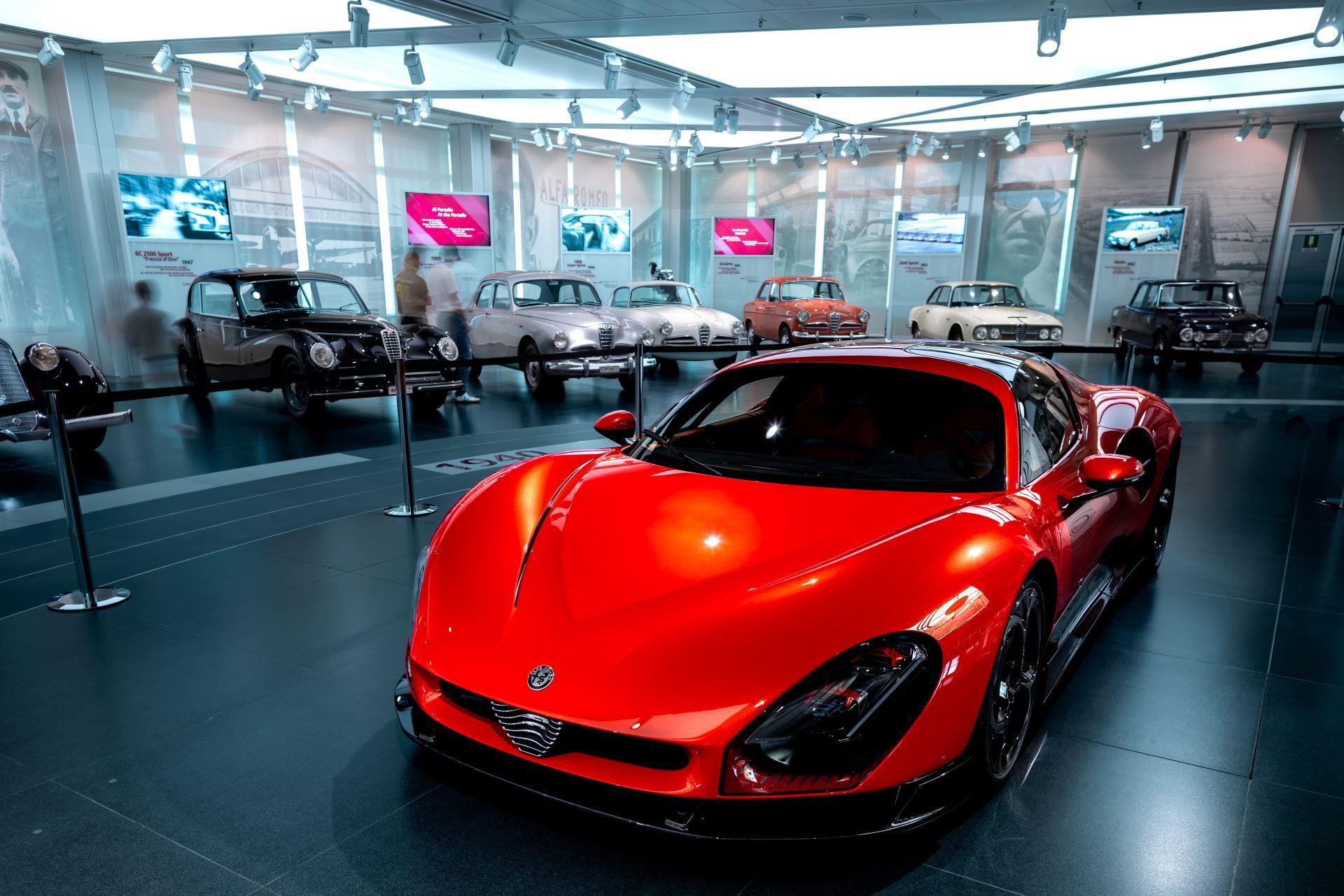
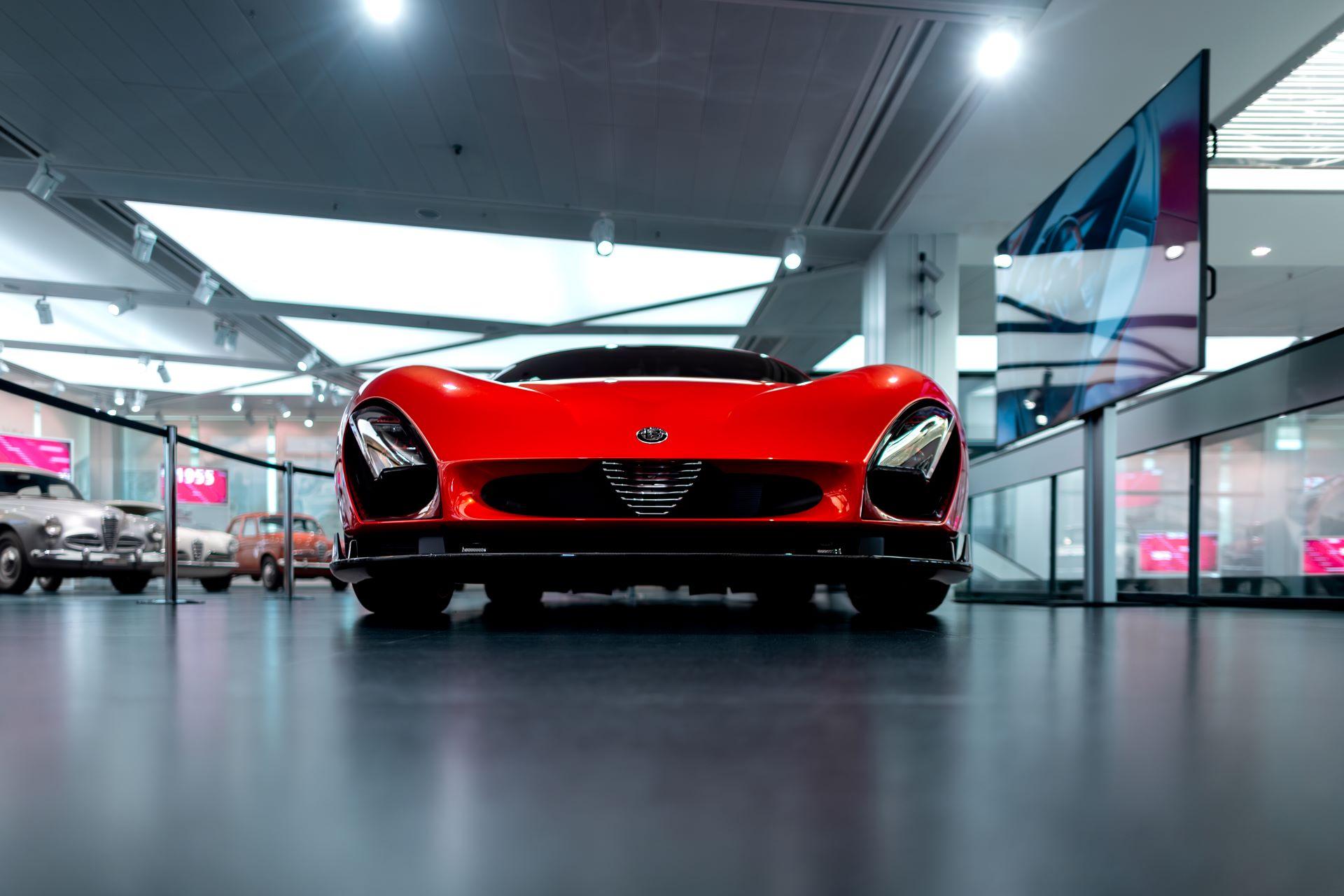
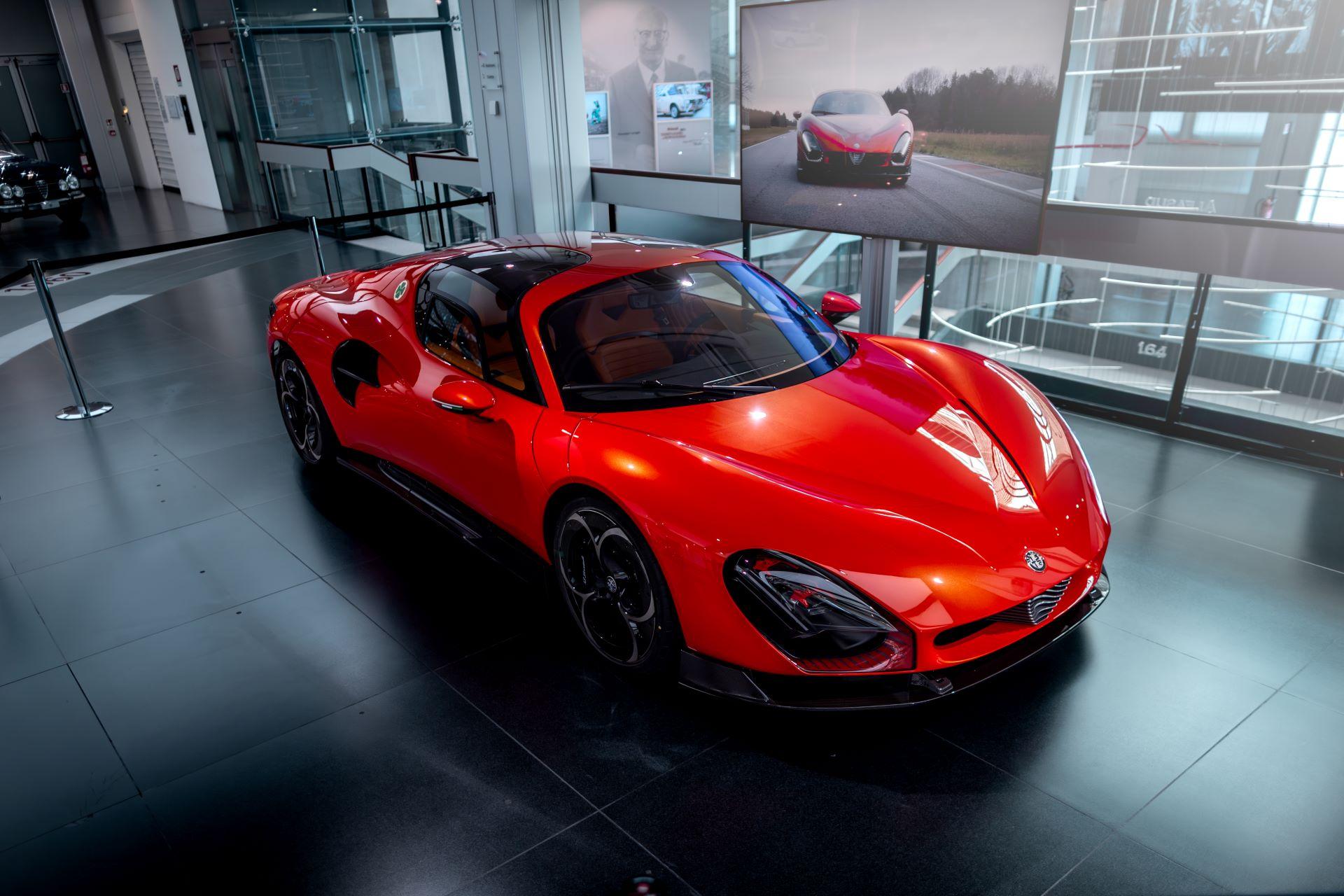
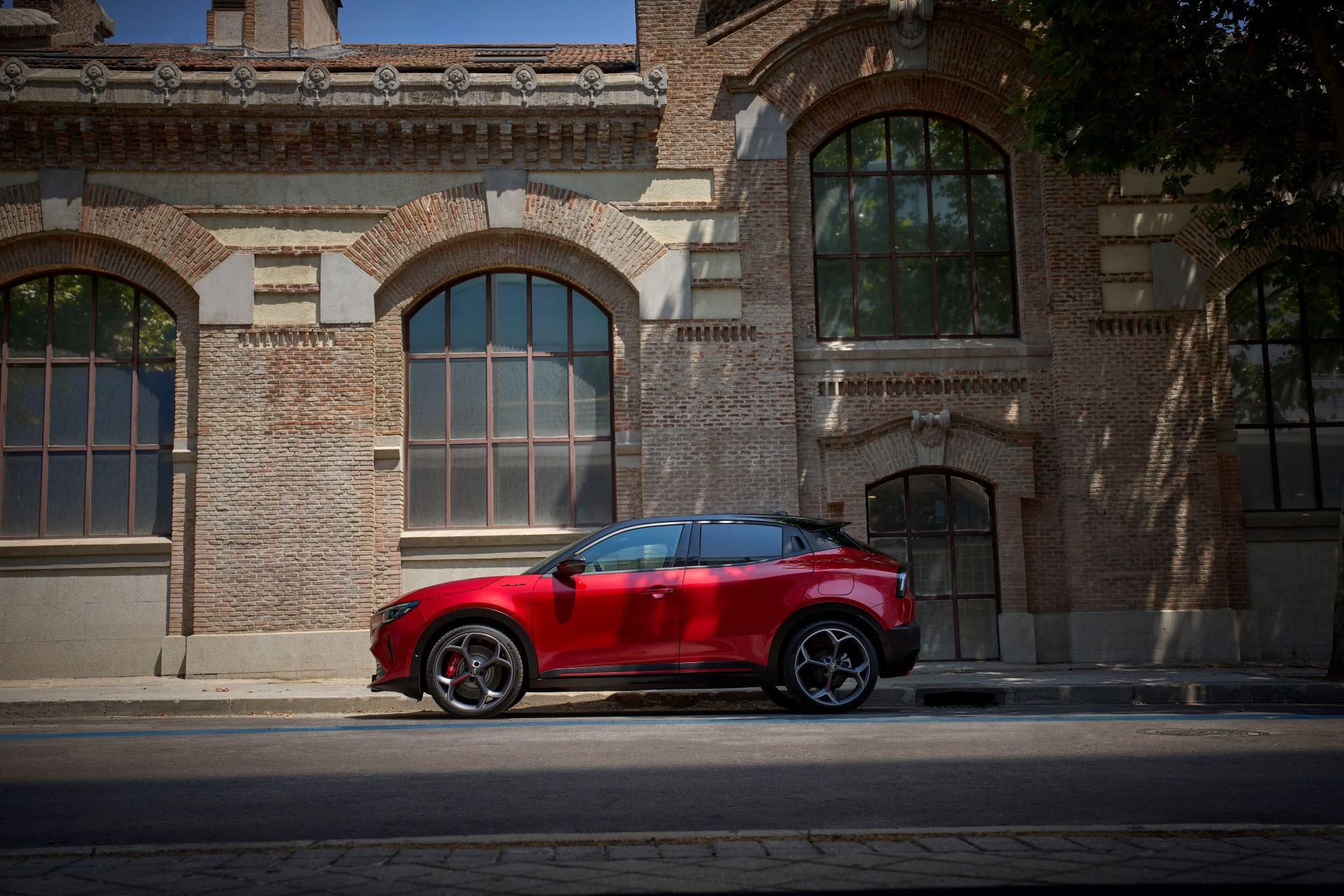
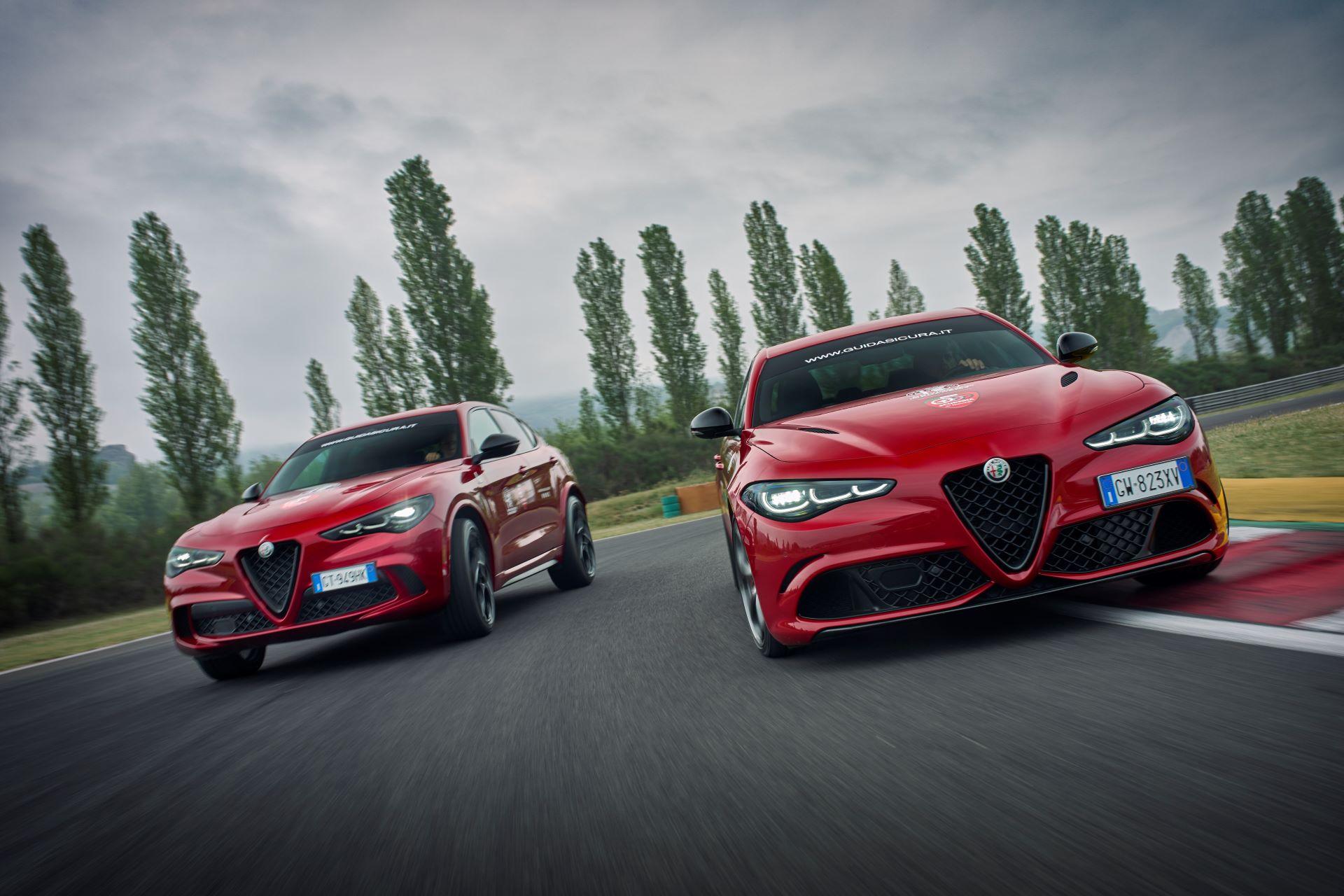
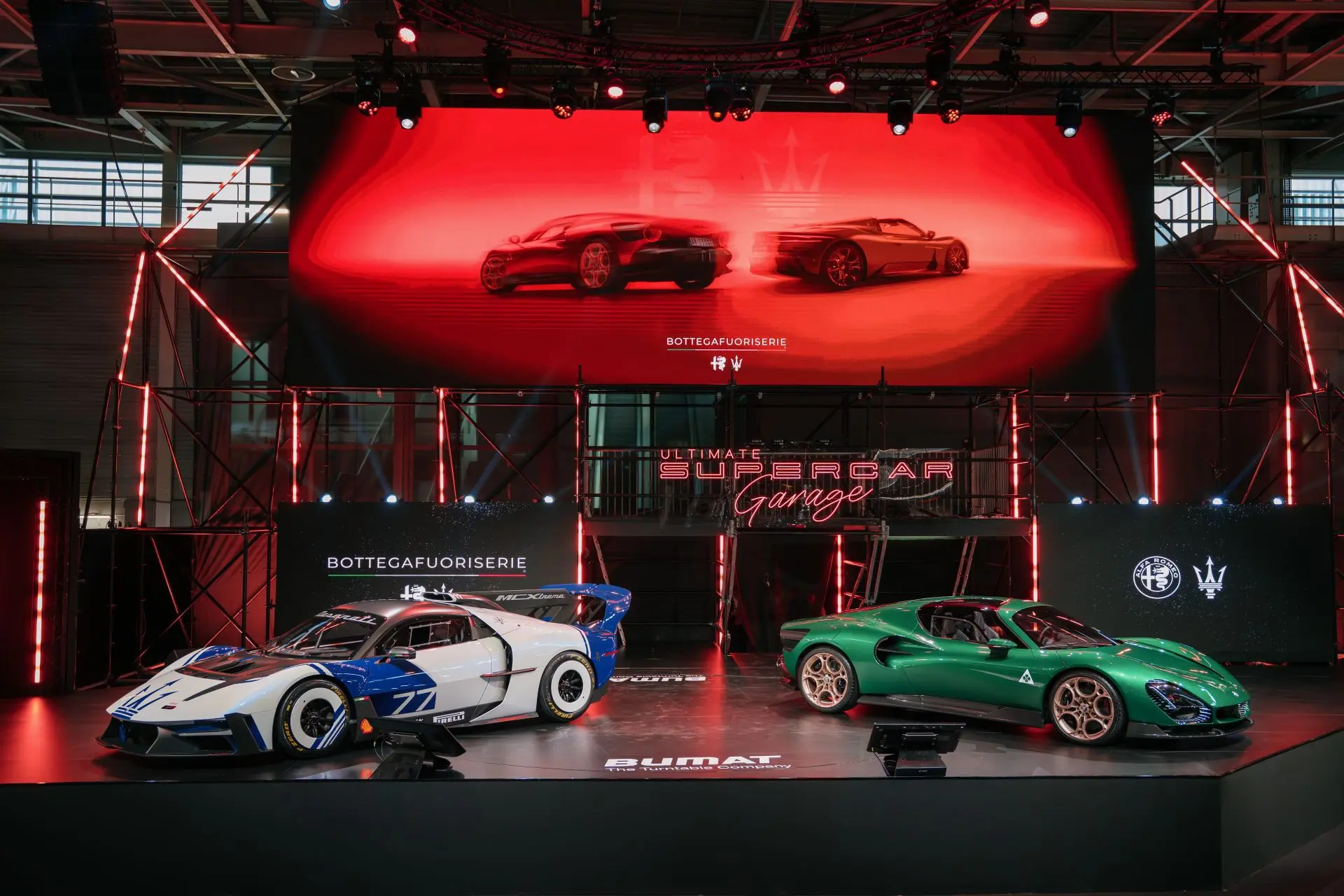
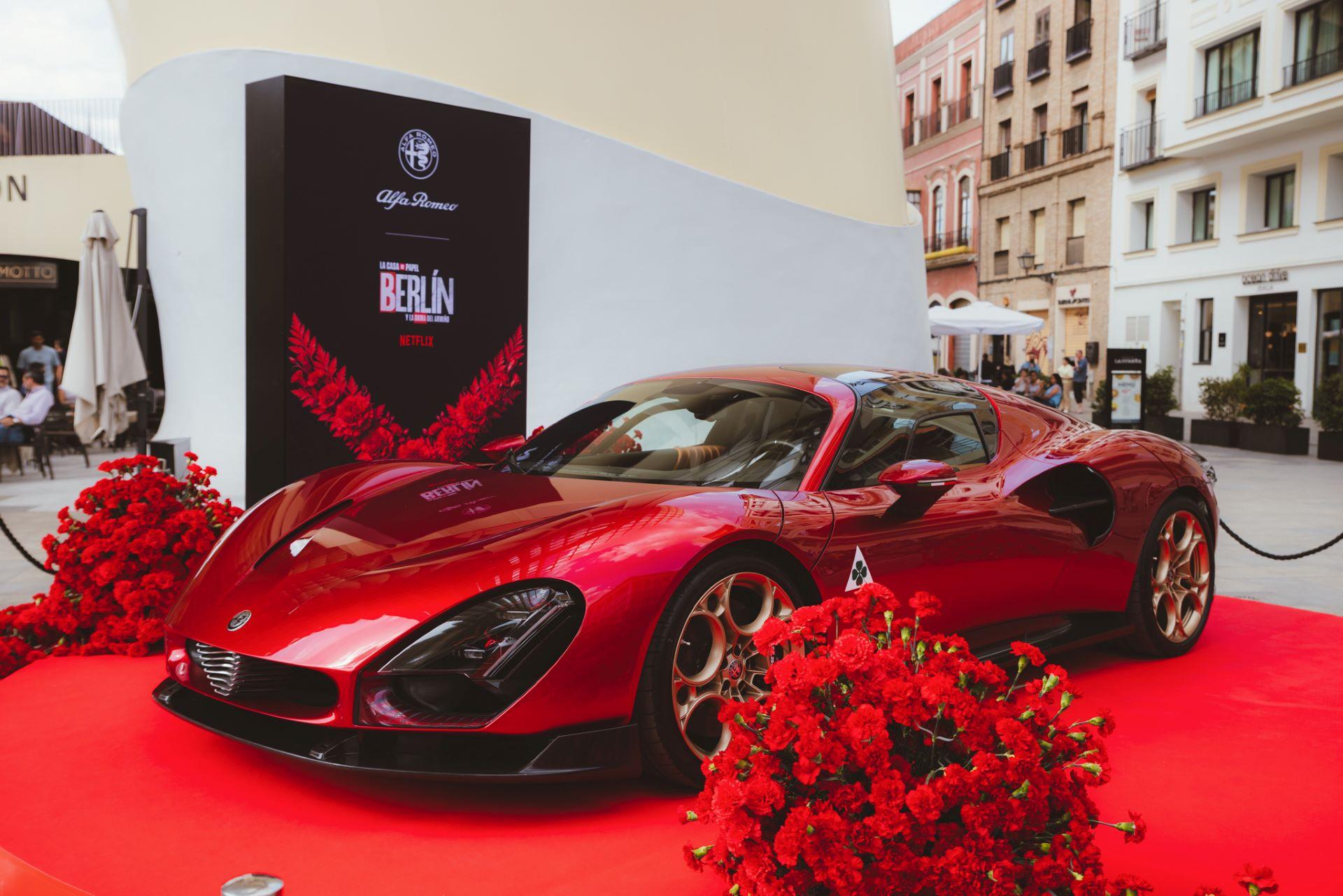
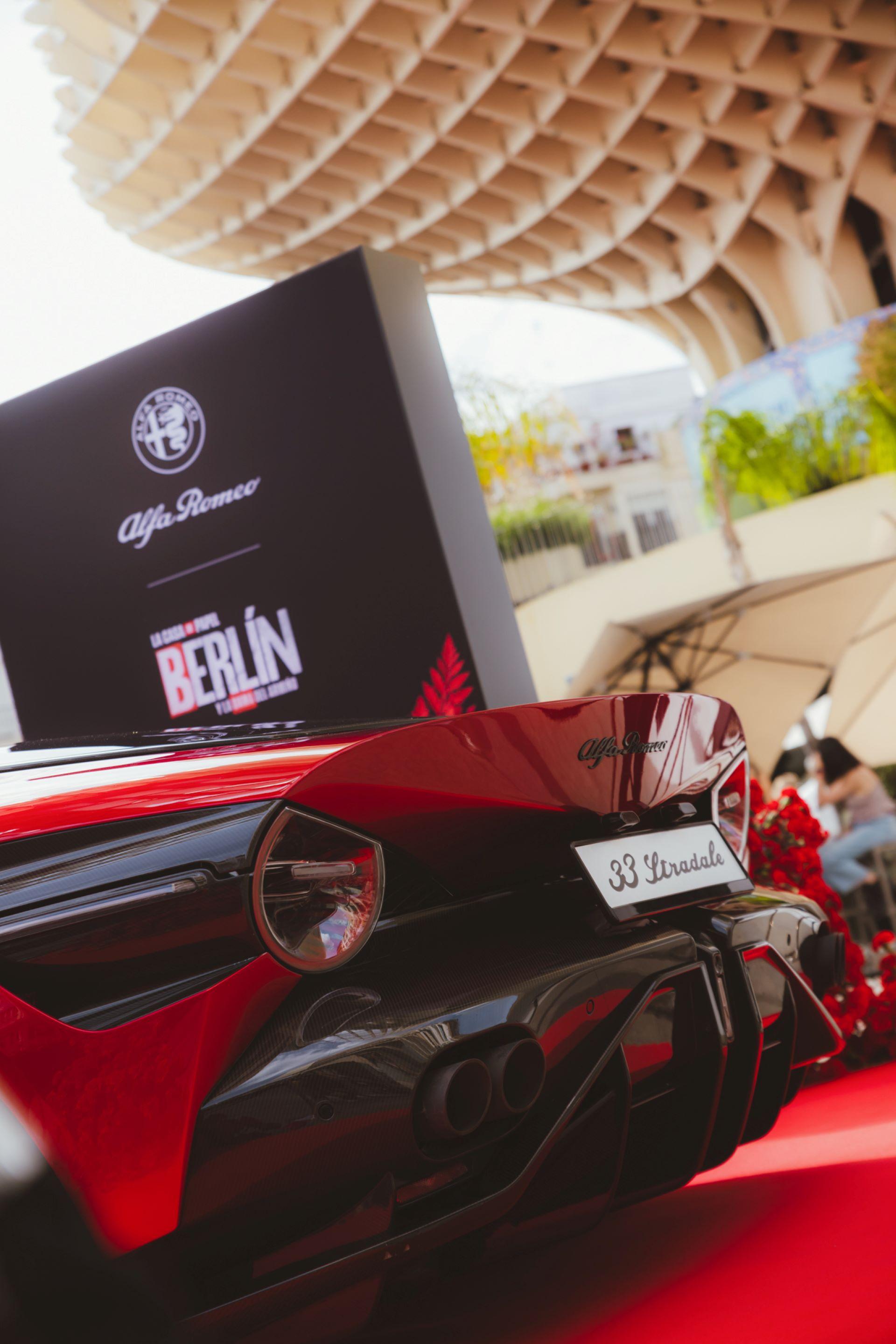
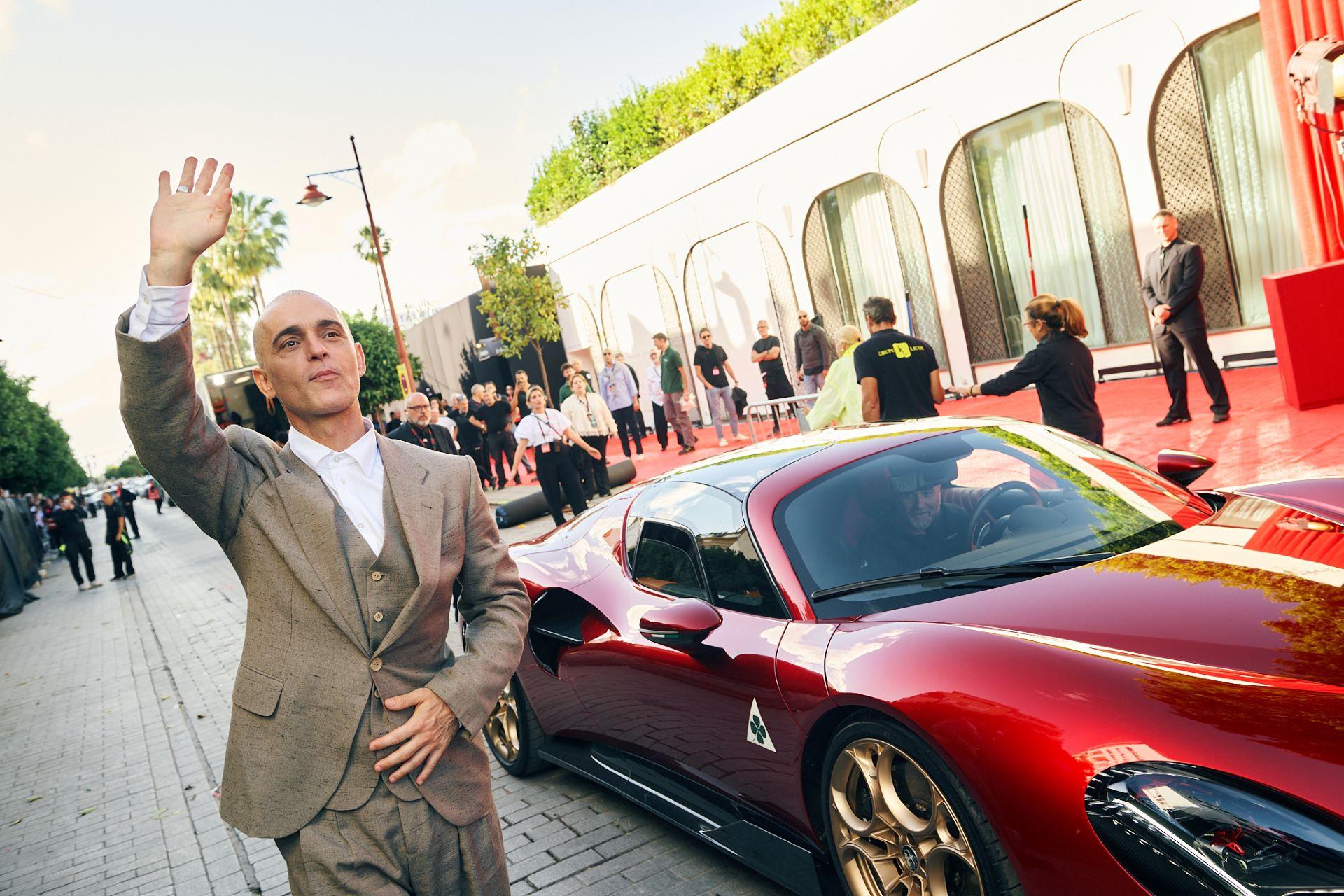
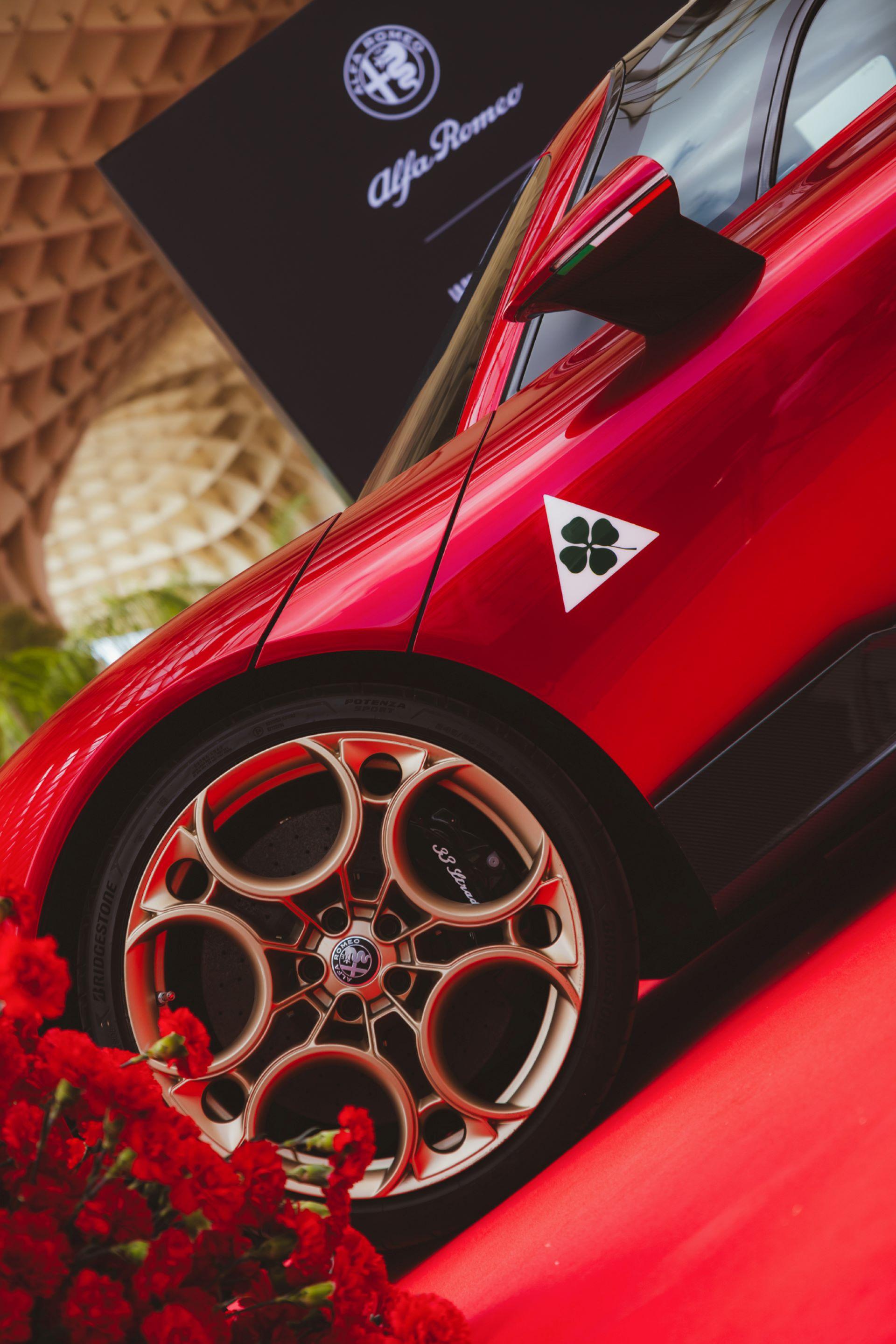
At the heart of it stood the new Alfa Romeo 33 Stradale, a sculptural expression of Italian automotive artistry. More than a vehicle, it presented itself as a crafted idea made metal, a dialogue between heritage and experimentation. Its presence in Seville was not incidental. It was deliberate theatre, aligning its radical form with one of Europe’s most visually ambitious urban spaces.
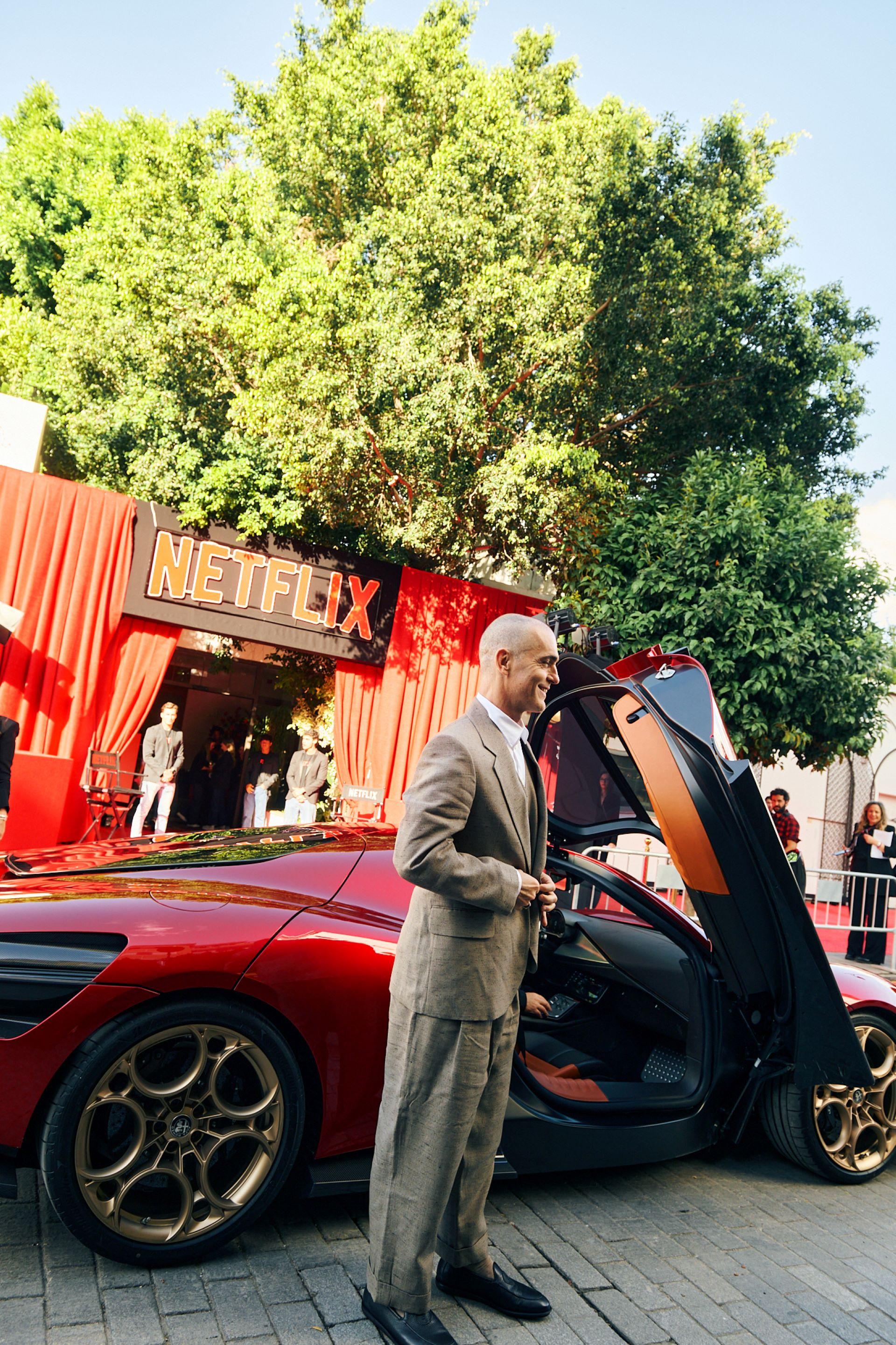
The installation formed part of a broader cultural moment created around the launch of :contentReference[oaicite:1]{index=1} on :contentReference[oaicite:2]{index=2}. From 8 to 9 May, the Andalusian city became an extension of the series itself, as Netflix staged a sequence of events that blurred the boundary between fiction and urban reality. Seville, in this context, was no longer just a filming location. It behaved like a character, weaving intrigue through its alleyways, facades, and illuminated squares.
At the centre of that narrative universe is Andrés de Fonollosa, better known as Berlin, played by :contentReference[oaicite:3]{index=3}. His portrayal carries a magnetic tension that has already captivated global audiences, and in this new chapter, that presence expands into Seville’s layered geography. The city becomes both accomplice and obstacle, a living labyrinth for deception, strategy, and shifting identities.
Within this unfolding spectacle, Alfa Romeo’s participation added another narrative layer. The 33 Stradale did not simply sit on display at Plaza de las Setas. It entered into conversation with its surroundings. The sweeping geometry of the structure mirrored the car’s own design language, creating a visual echo between architectural ambition and automotive form. It was less exhibition, more exchange.
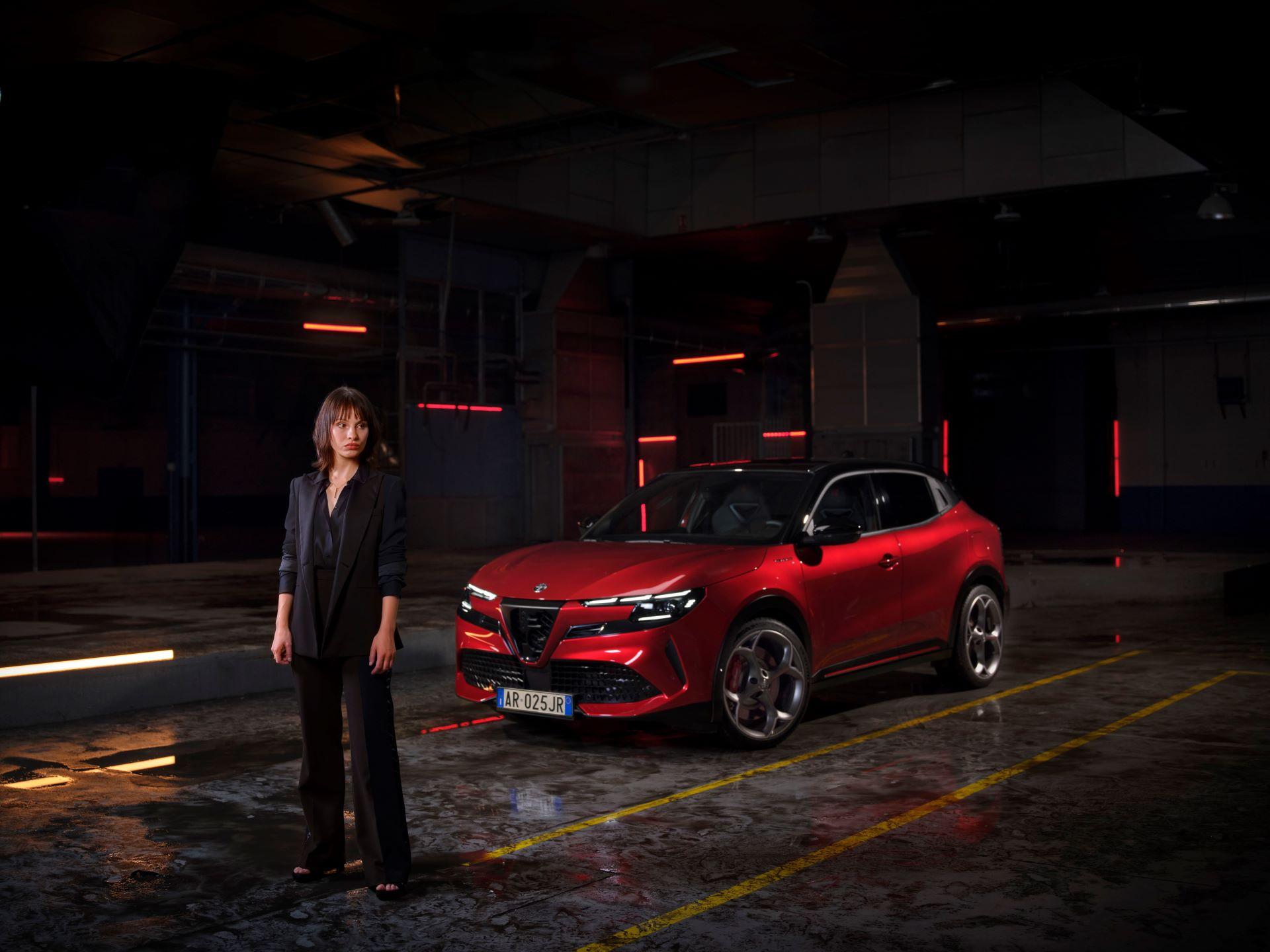
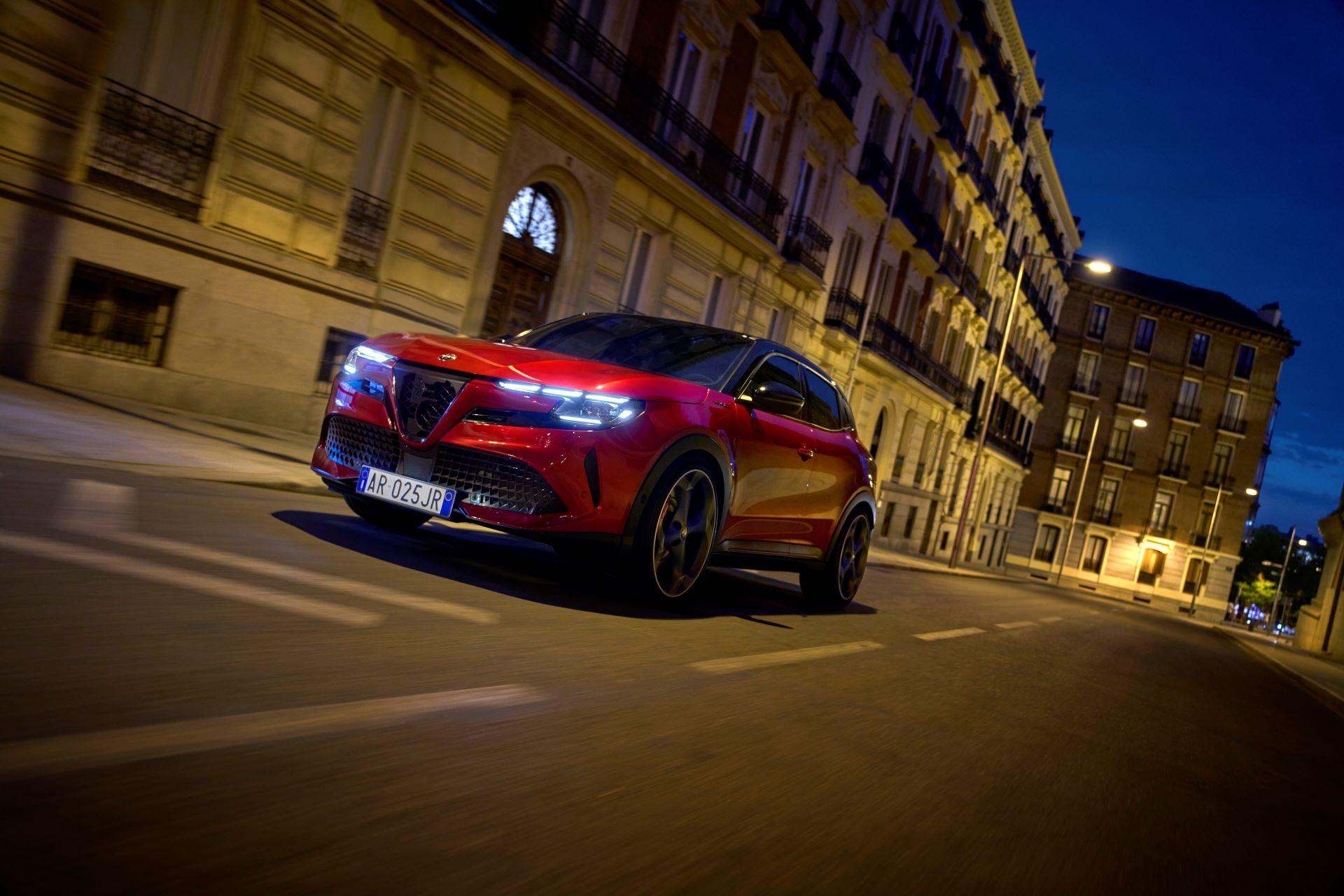
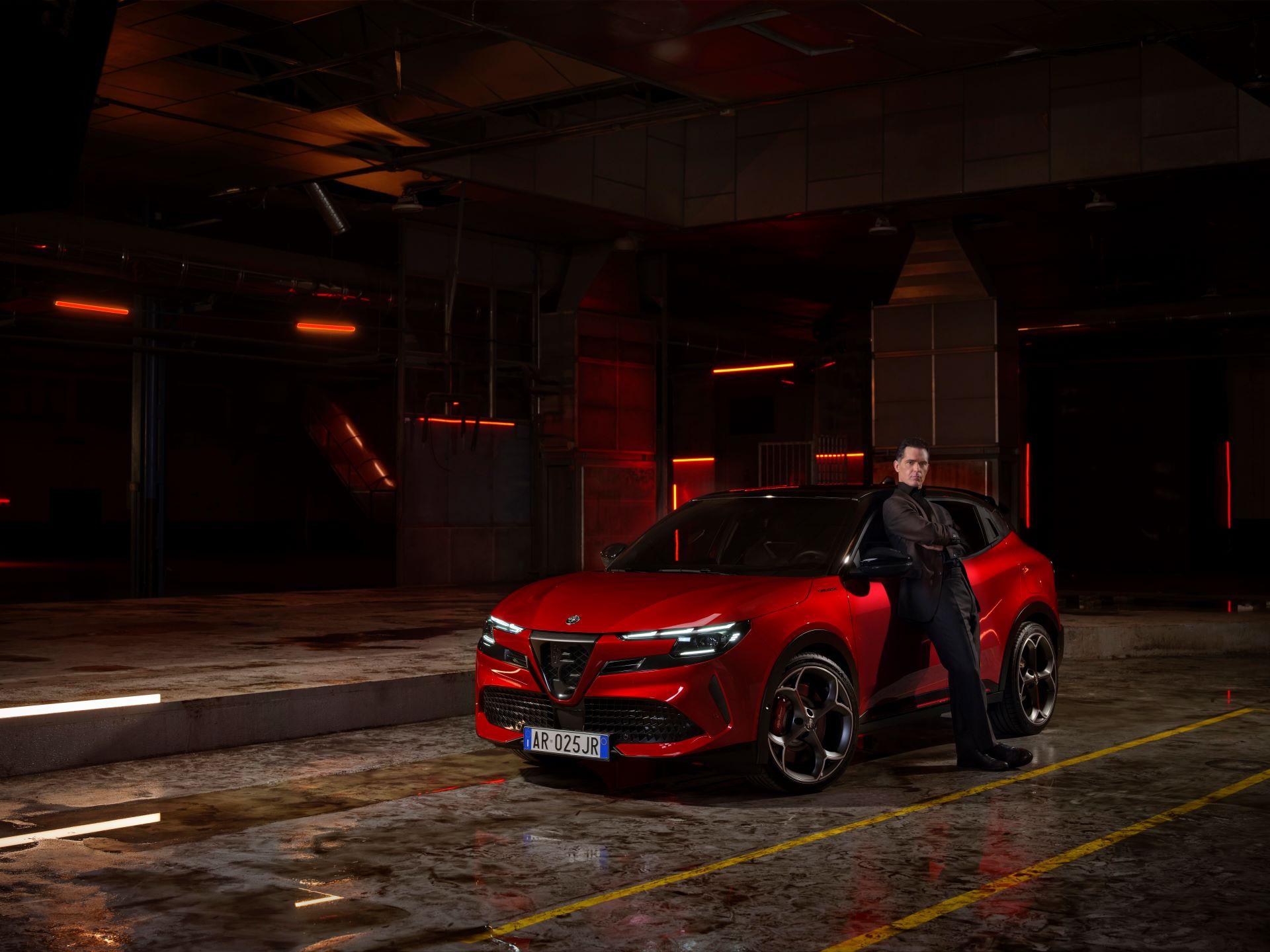
The collaboration also extended into performance storytelling through Alfa Romeo’s creative partnership tied to the brand’s newer generation model, the Alfa Romeo Junior. Actor Pedro Alonso appears in the short film trilogy “Learn to Love Again,” culminating in the chapter titled “Interrogation.” In this final piece, tension is distilled into a psychological test, where emotion and logic collide. When the key to the Junior finally appears, the narrative resolves with a simple truth that feels almost poetic in its restraint. The heart, ultimately, refuses to be interrogated into silence.
That same episode was woven into the promotional fabric of Berlin, The Lady with an Ermine. During its first month on Netflix, “Interrogation” is screened as a commercial extension of the series itself, merging advertising and storytelling into a single uninterrupted experience. Viewers encounter the same character, the same emotional gravity, and the same question of trust versus instinct, without ever leaving the streaming environment.
What emerges from Seville is not just a launch event or a promotional activation, but a layered cultural experiment. Architecture, cinema, performance, and automotive design overlap until the boundaries between them become difficult to separate. The Plaza de las Setas holds it all together, its organic structure acting as both stage and witness.
In this convergence of brands, narratives, and spaces, the city does what it has always done best. It absorbs influence, refracts it, and returns it transformed. The result is not a single story, but a network of them, each reflecting the others in motion, like light bouncing across polished metal and ancient stone.