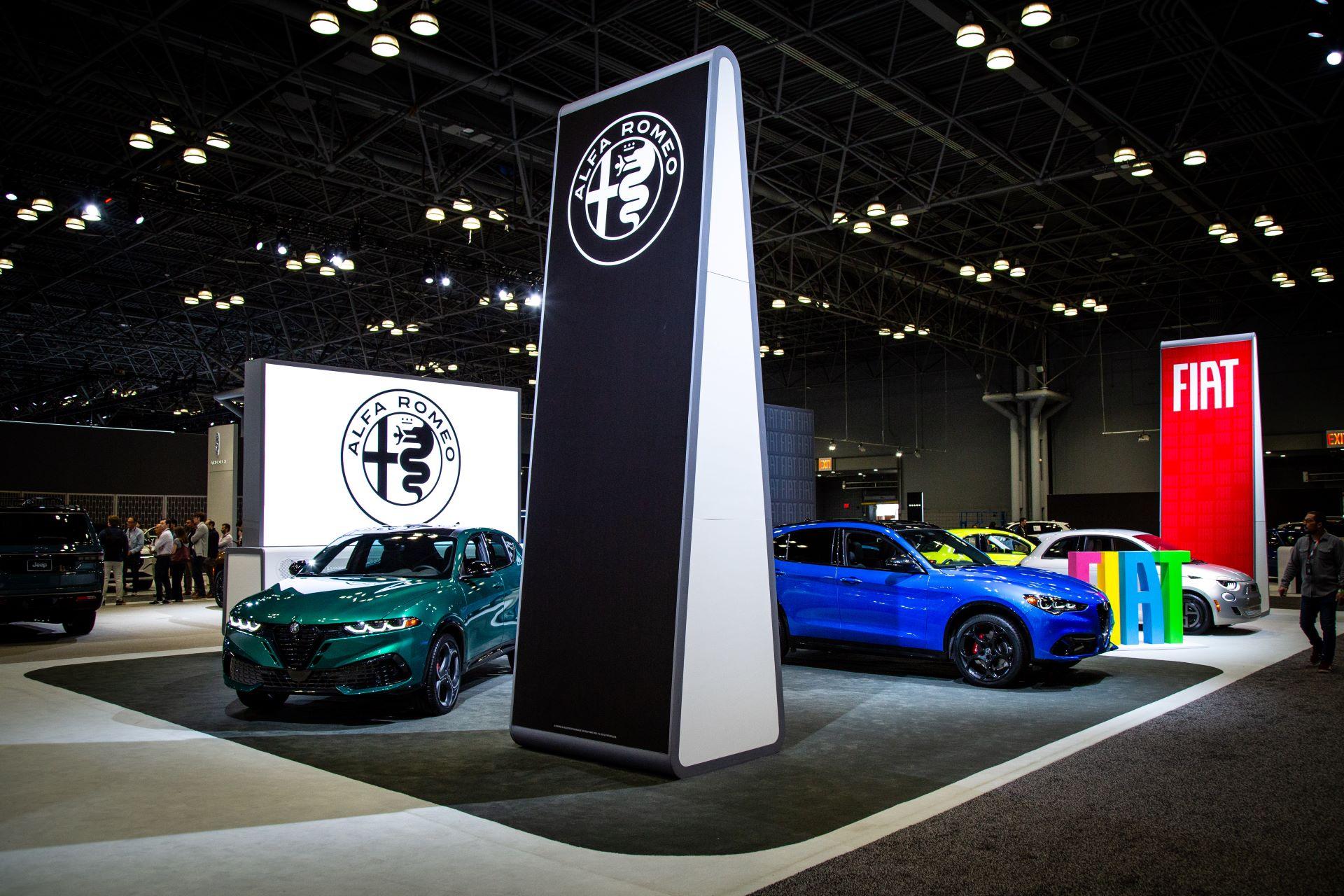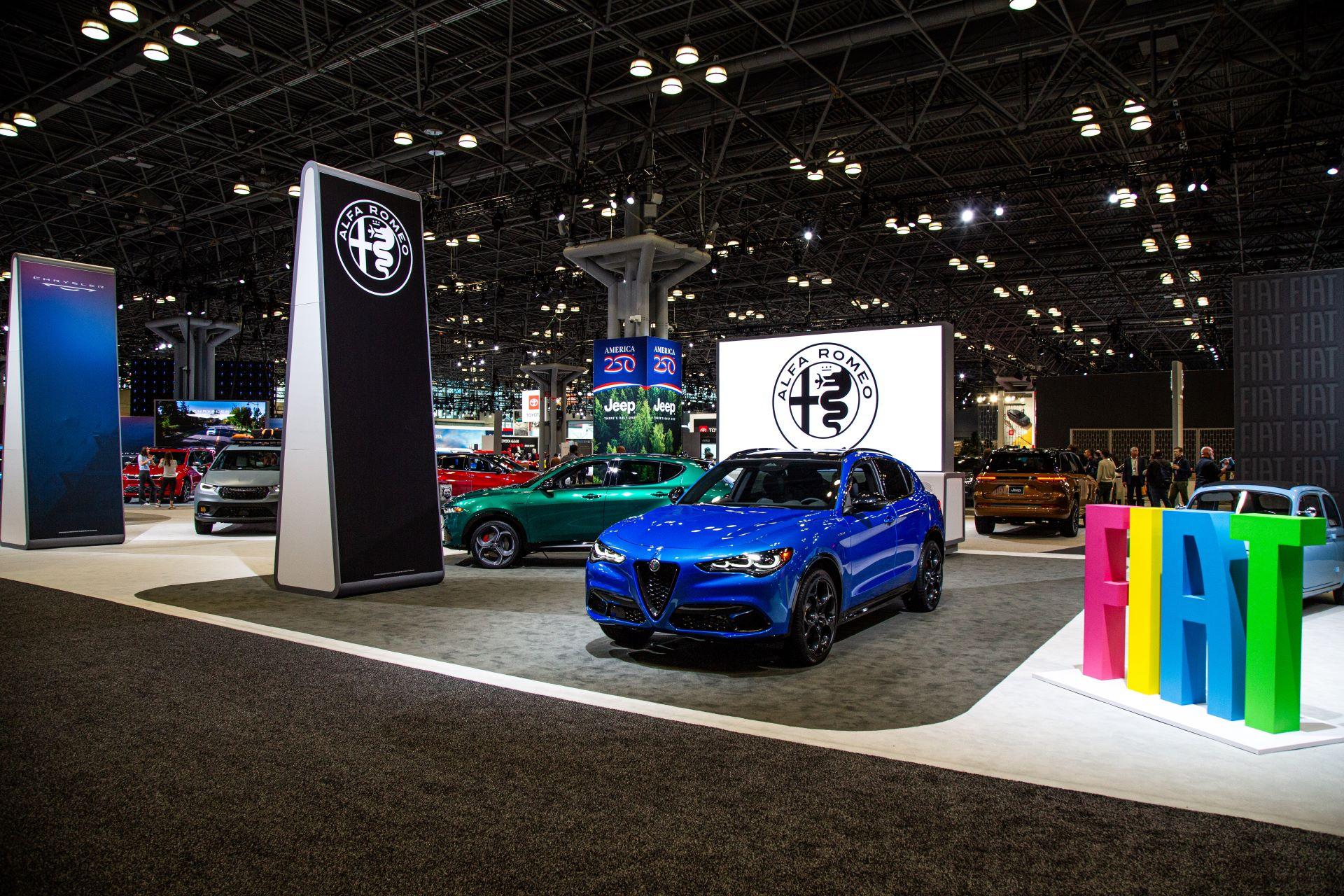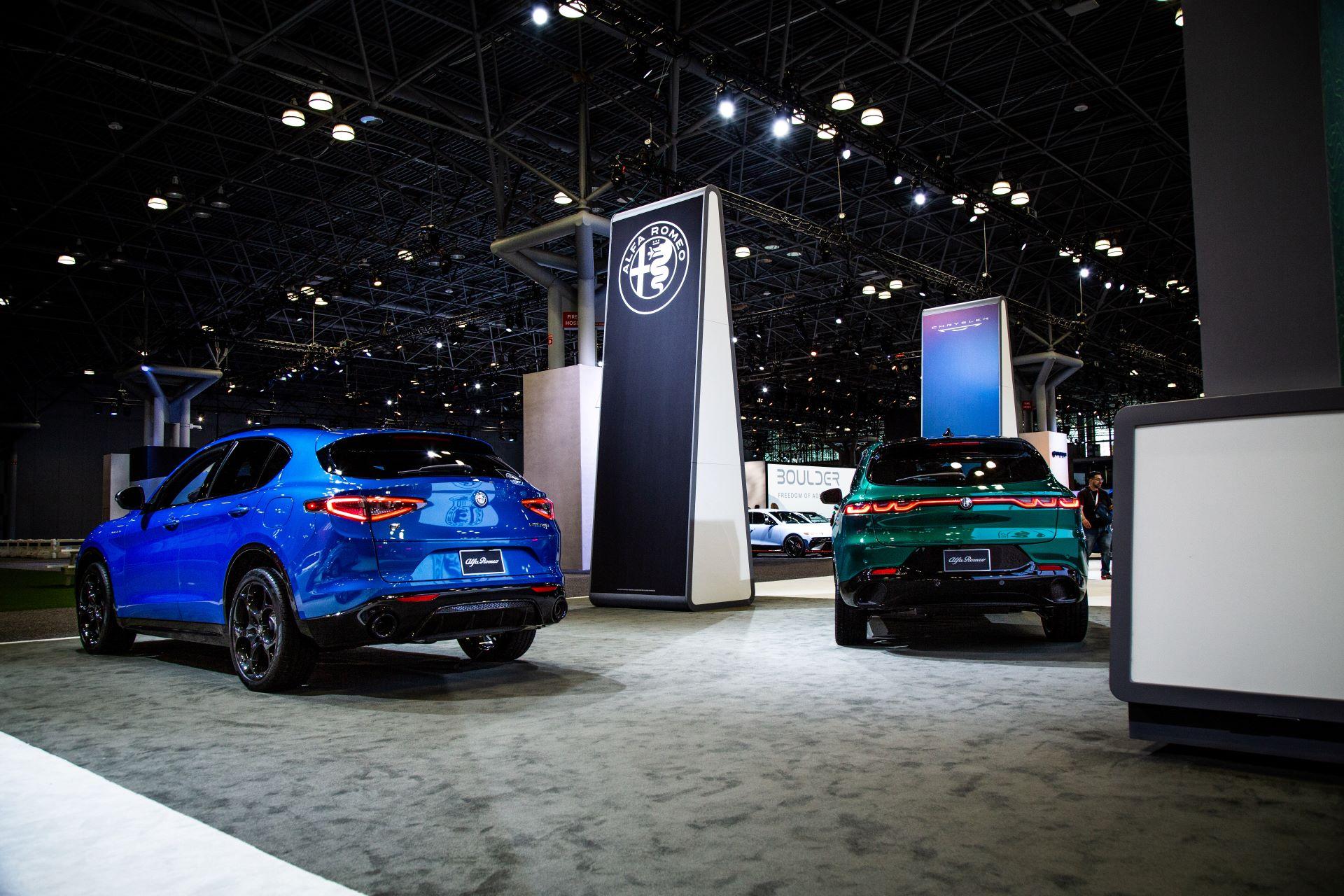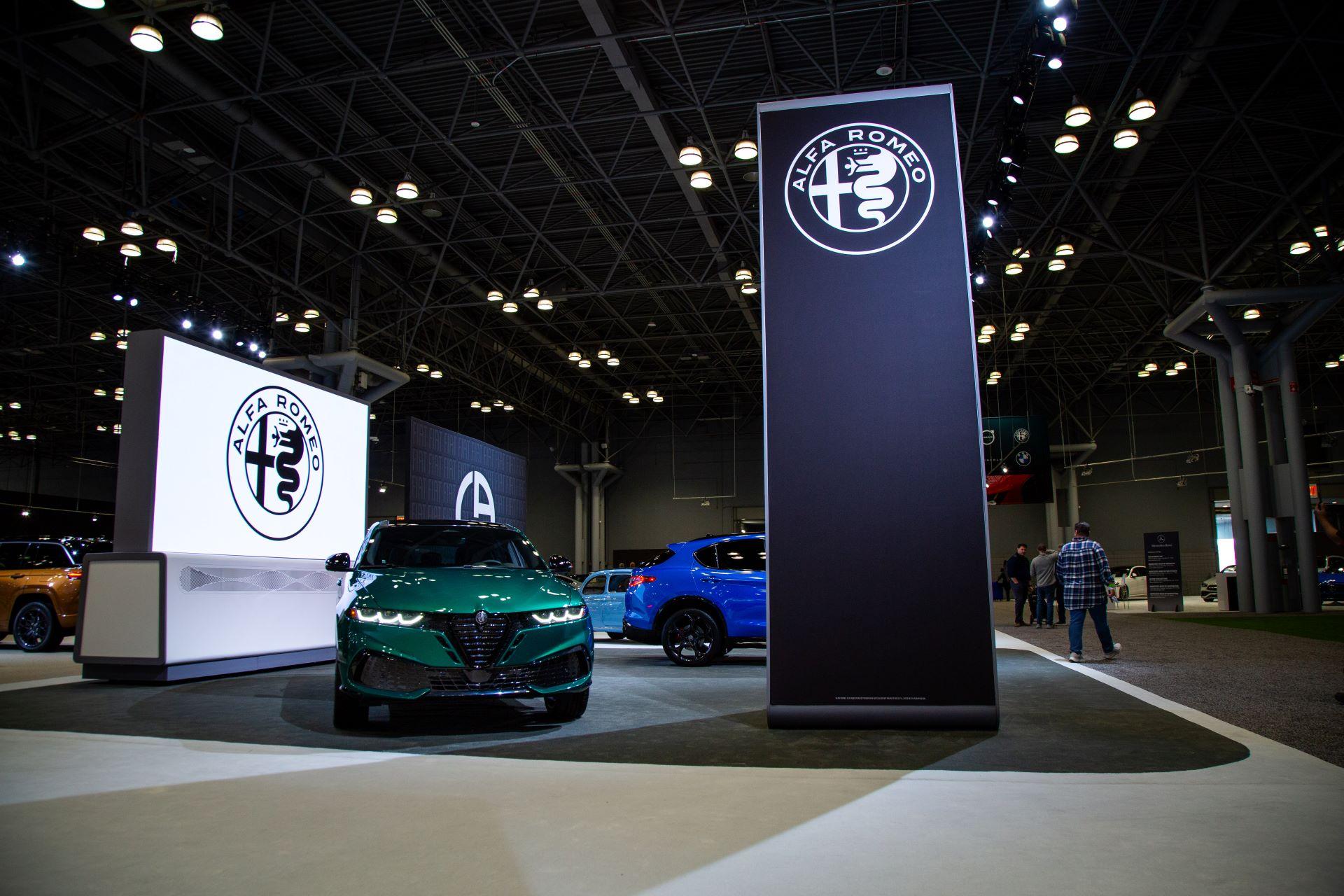
Alfa Romeo is heading back to one of South Africa’s most revered motorsport stages, and it’s doing so with a line-up that feels like a conversation between past, present and future. From 30 April to 3 May 2026, the Simola Hillclimb in Knysna will once again echo with the sound and silence of performance as Stellantis South Africa fields three factory-backed Alfa Romeo models in this year’s event.
The Simola Hillclimb, part of the broader Knysna Speed Festival, has become something of a pilgrimage for performance enthusiasts. The course itself is short but unforgiving, a ribbon of tarmac that demands precision, courage and mechanical brilliance. It is not merely about outright speed, but about how a machine translates engineering into motion under pressure. That is precisely why Alfa Romeo’s return carries weight.
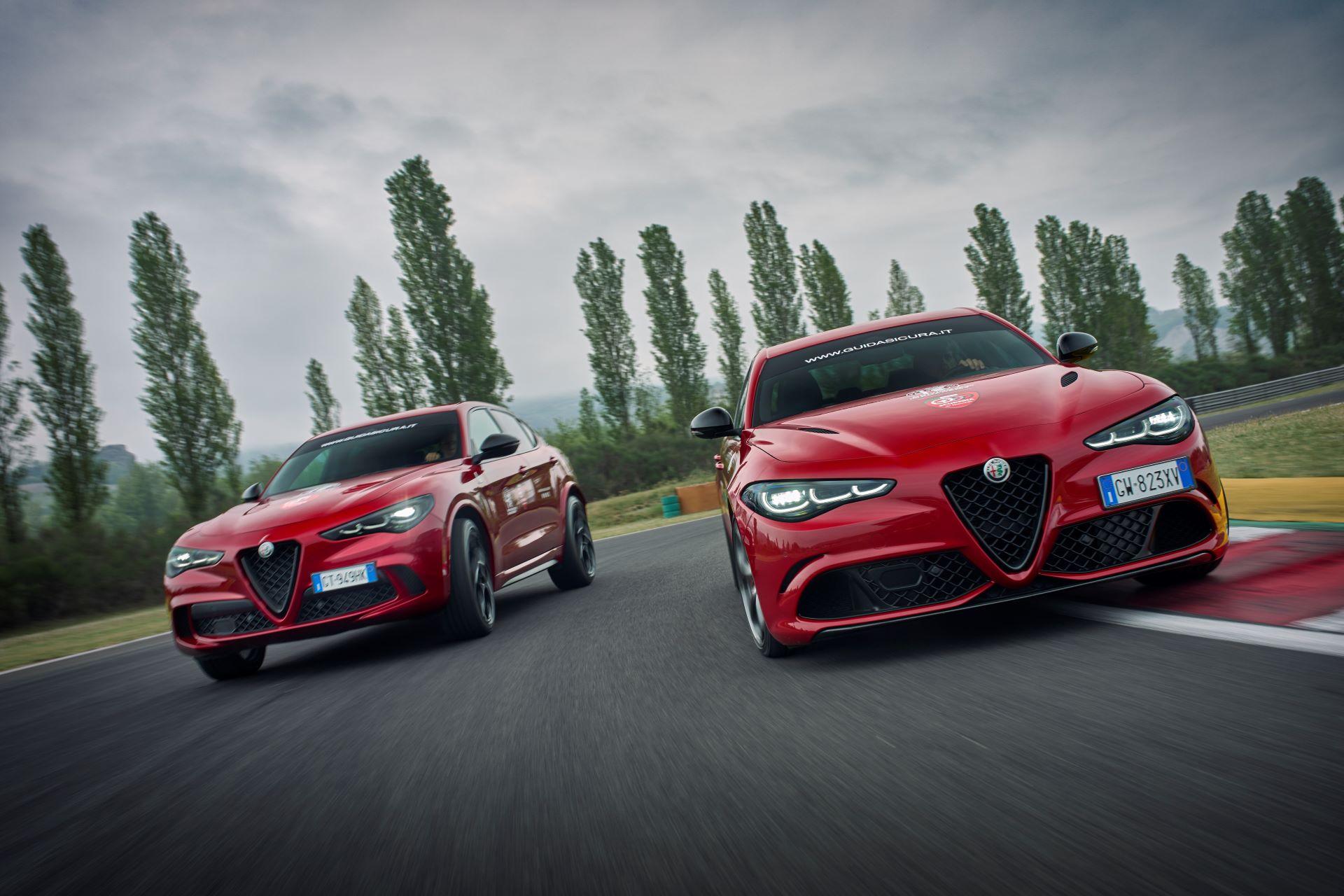
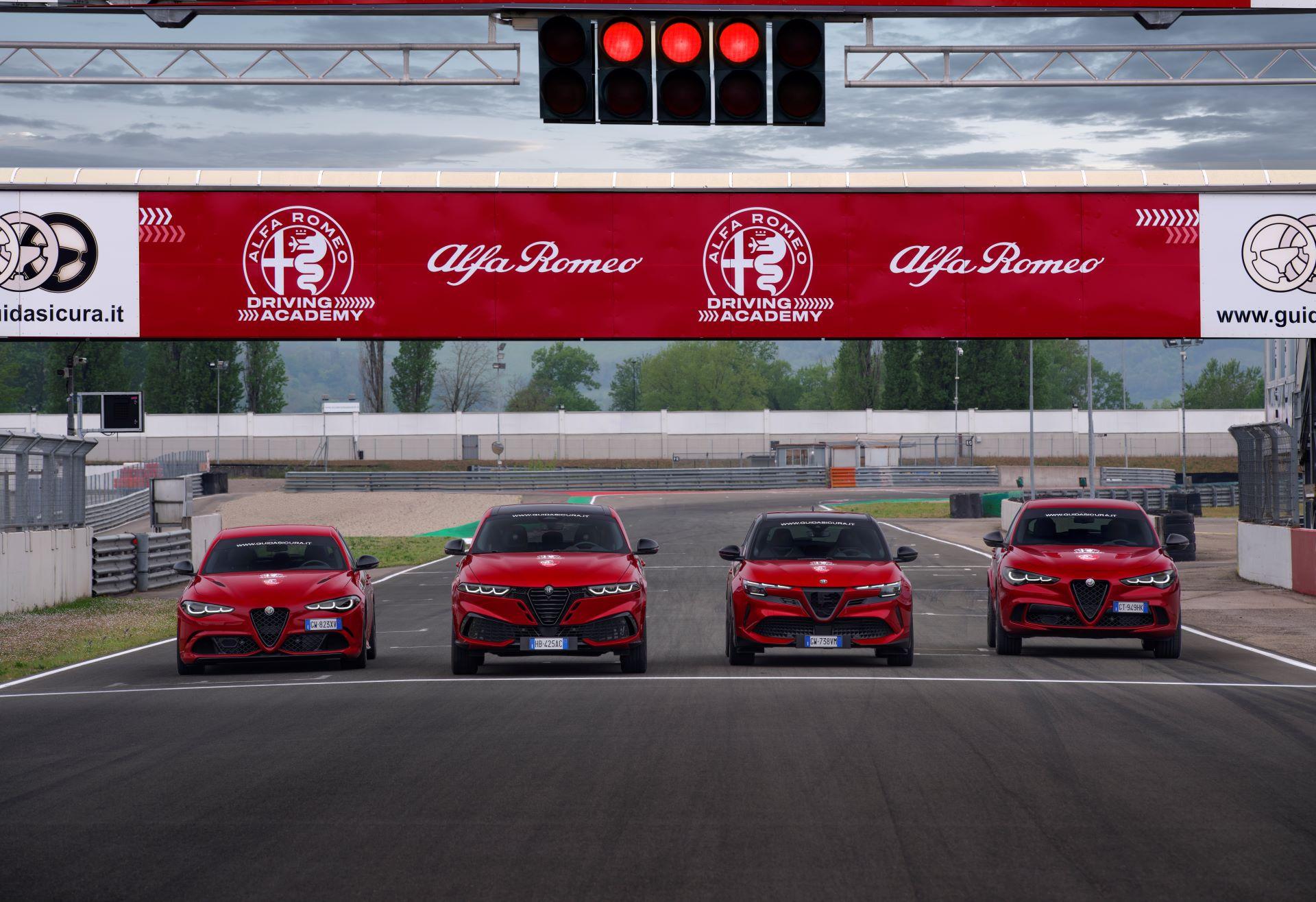
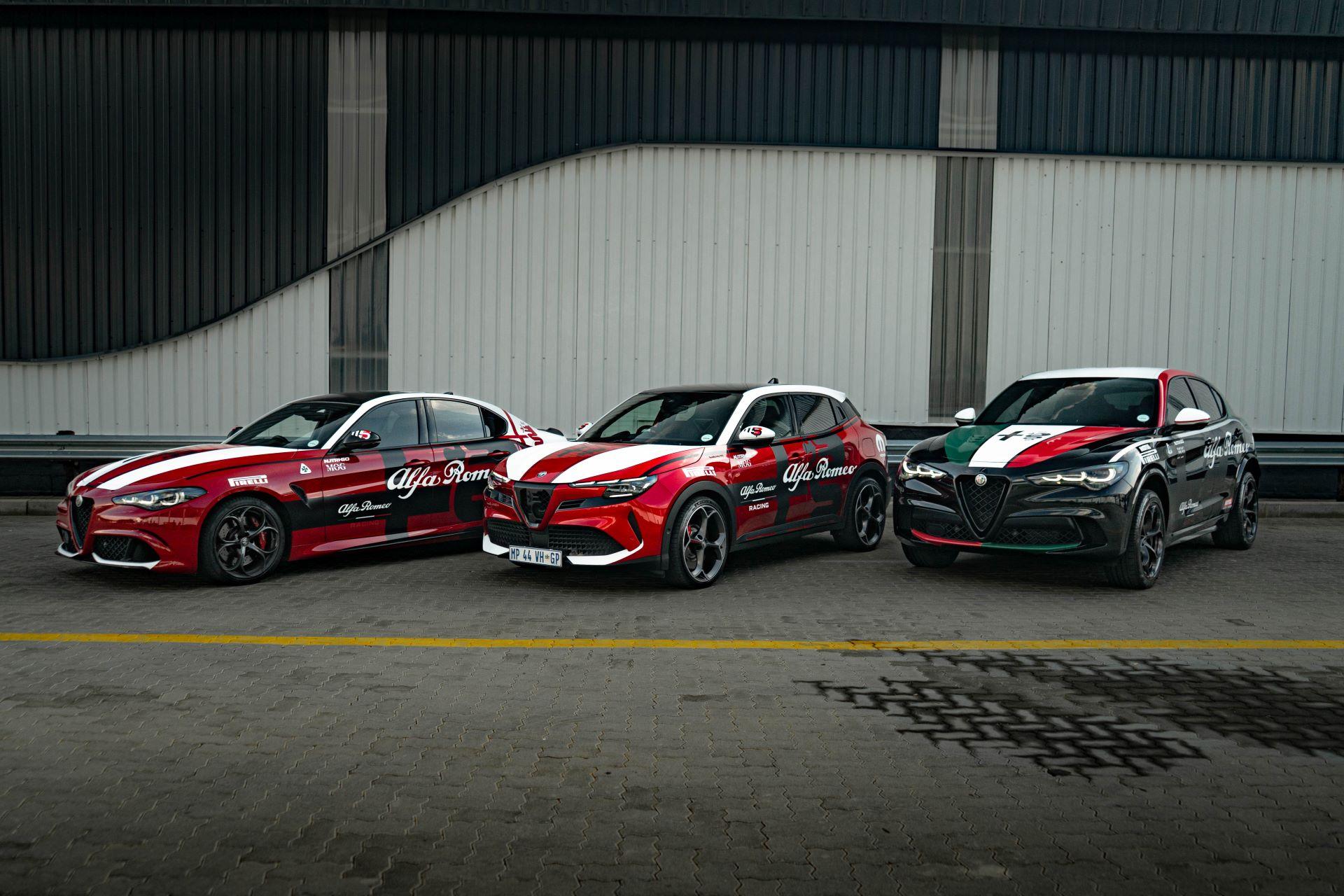
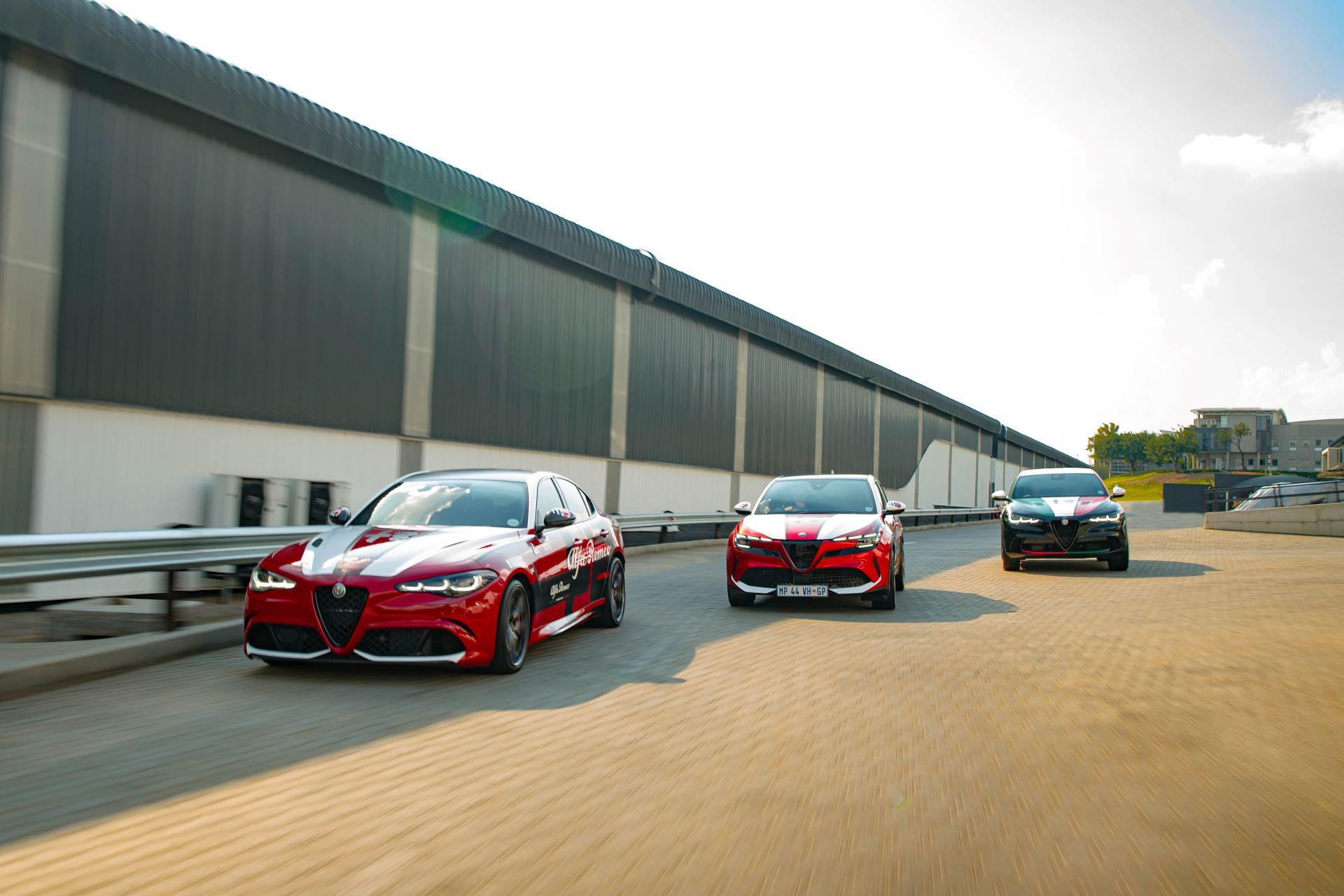
This year’s entry is deliberately balanced. It places internal combustion and electric performance on equal footing, not as rivals, but as different dialects of the same language. Representing the brand are the Giulia Quadrifoglio, the Stelvio Quadrifoglio and the all-electric Junior Elettrica Veloce. Each car brings a distinct personality to the hill, yet all are bound by Alfa Romeo’s long-standing obsession with driver engagement.
Janus Janse van Rensburg, Head of Marketing and Sales for Alfa Romeo, frames the return as more than a competitive outing. For him, it is about putting the brand’s essence on display where it matters most, in front of people who understand the nuance of performance. When a Giulia or Stelvio Quadrifoglio charges up the Simola course among exotic machinery, it becomes a rolling statement of capability, one that doesn’t rely on brochures or specifications to make its case.
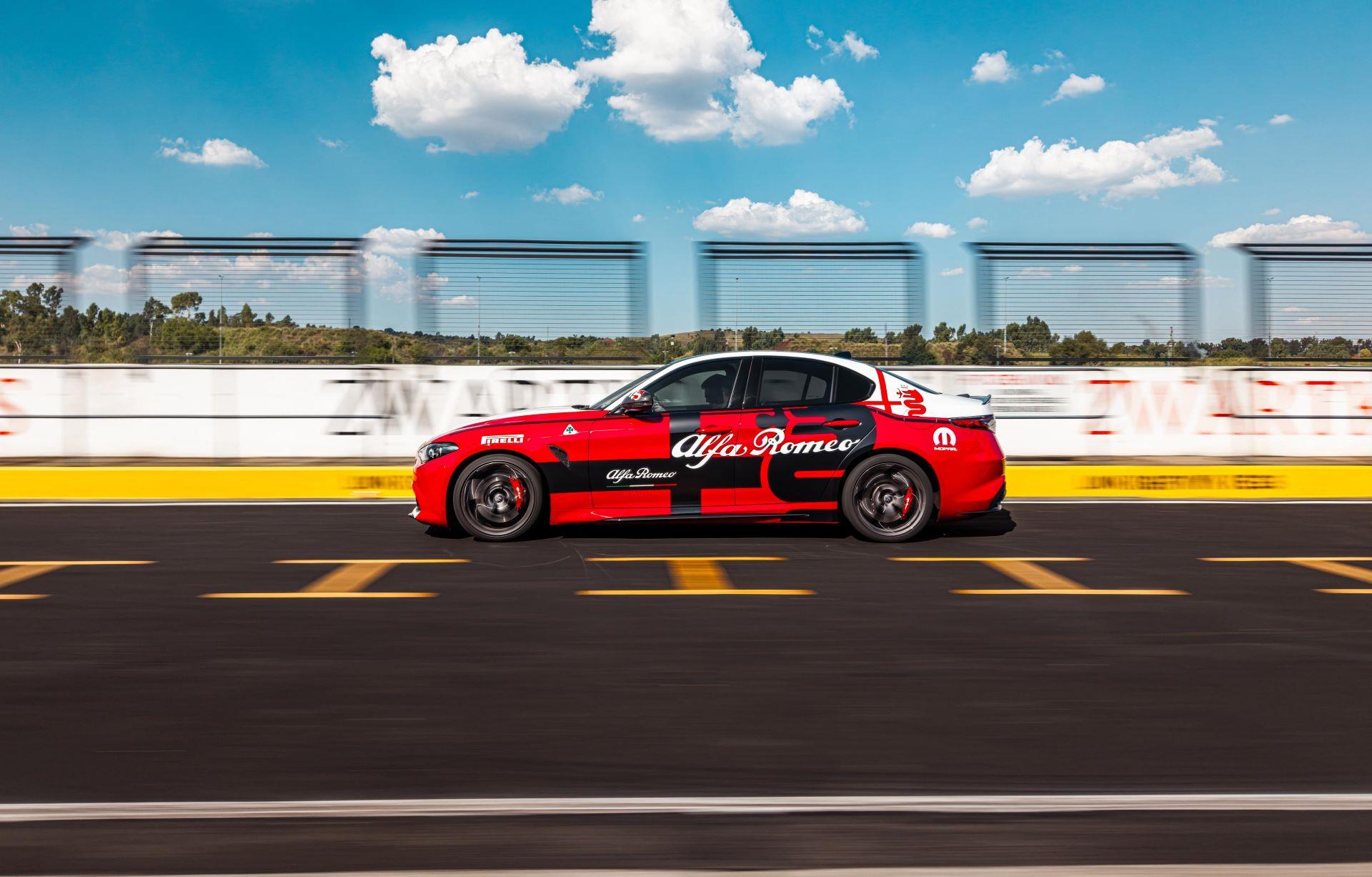
The Giulia Quadrifoglio, entered in class A3, will be driven by Art Denisov. His inclusion follows a strong showing at the 2025 Speed Classic Cape Town, where his performance in a privately run Giulia captured the attention of Alfa Romeo South Africa. Now stepping into a factory-backed seat, Denisov represents a bridge between grassroots passion and professional opportunity. The Giulia itself remains one of the most focused performance sedans available, a car that blends sharp handling with a relentless engine note that feels almost alive under load.
In class B9, the Stelvio Quadrifoglio returns with Janse van Rensburg behind the wheel. As the defending class winner from 2025, he carries both experience and expectation into this year’s event. This will be his fourth appearance at Simola, and his familiarity with the course may prove decisive. The Stelvio’s presence is particularly interesting because it challenges conventional thinking around performance. It is, after all, an SUV. Yet on a course like Simola, where balance and traction matter as much as outright power, the Stelvio’s ability to combine everyday usability with genuine motorsport capability becomes impossible to ignore.
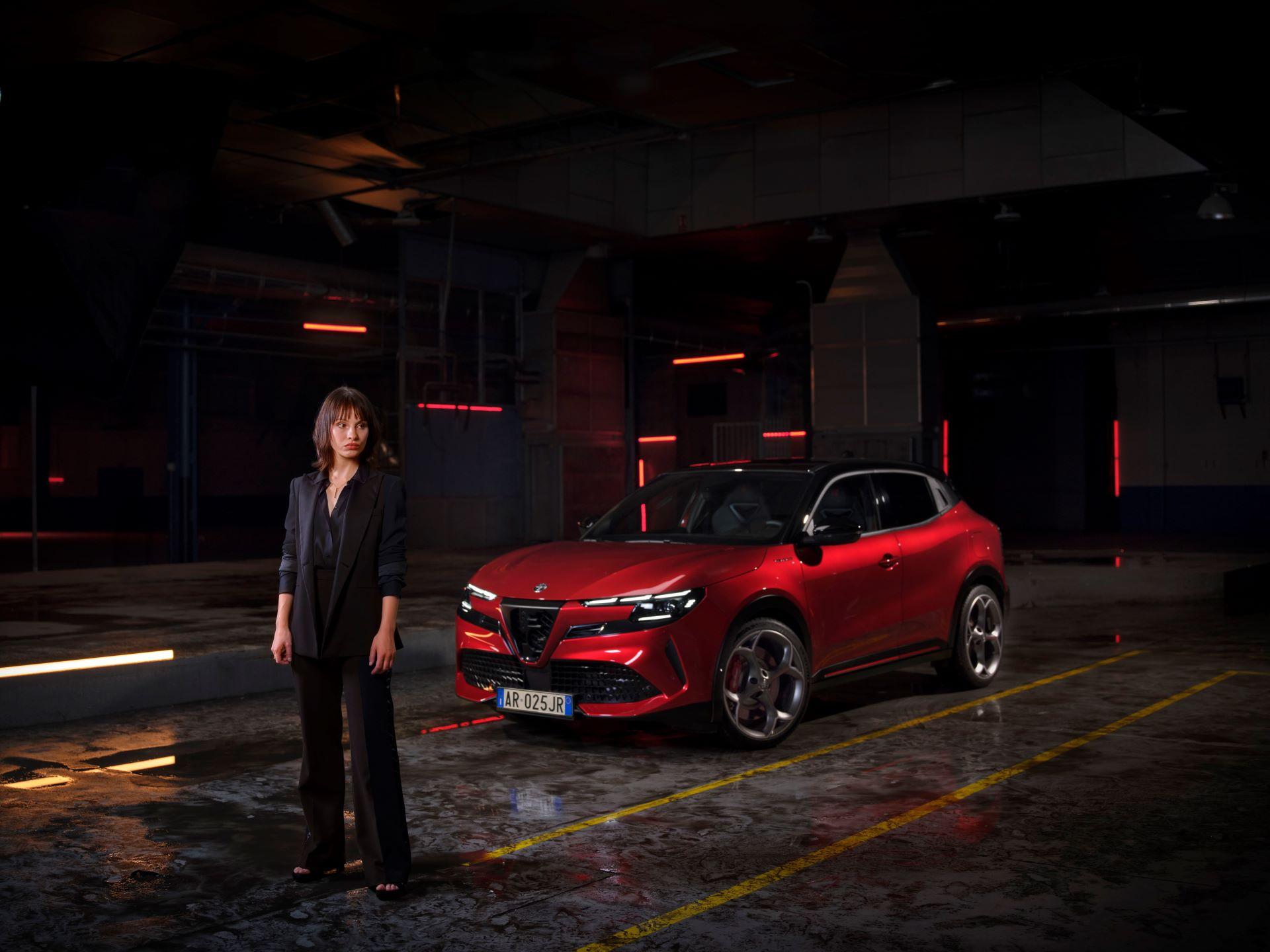
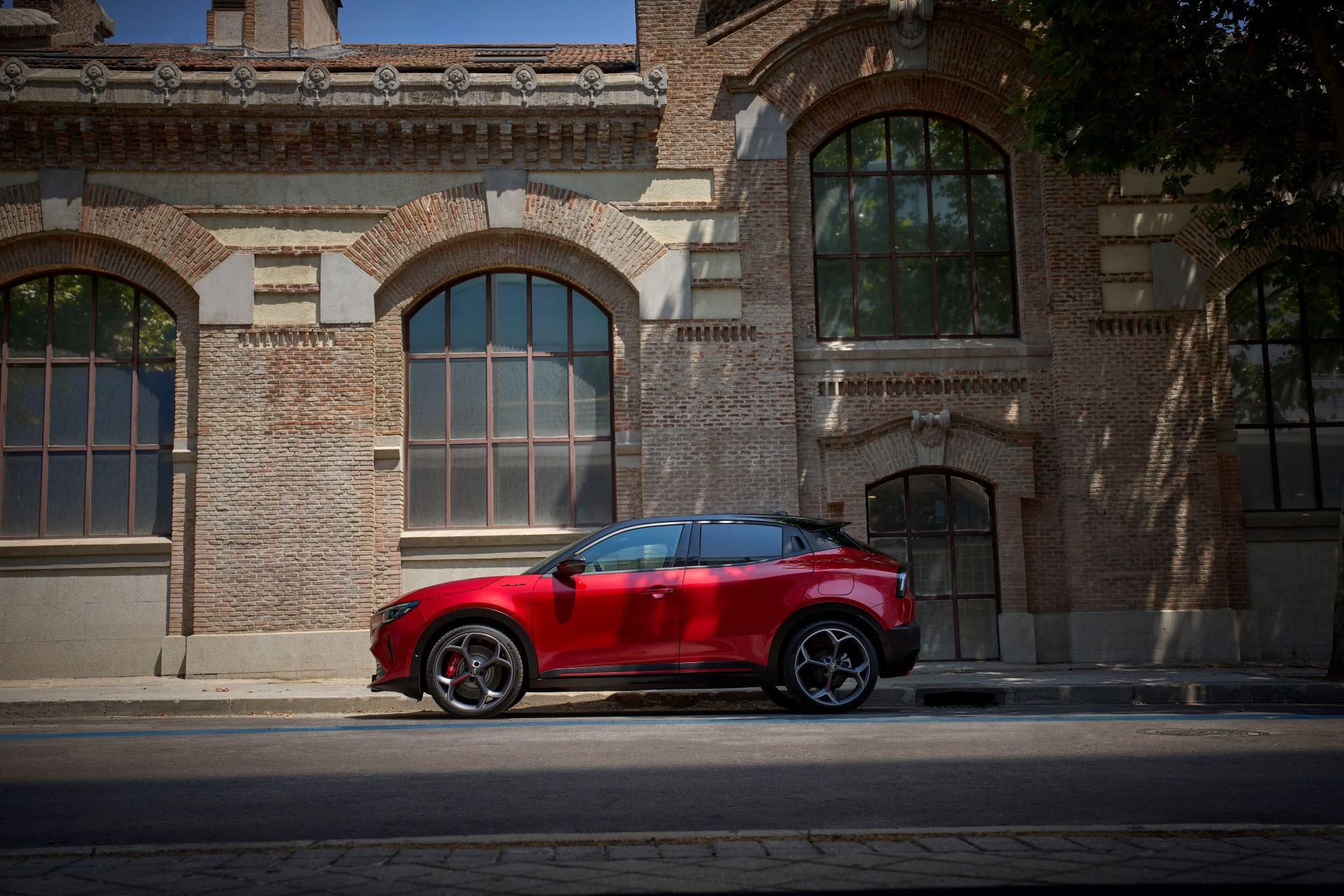
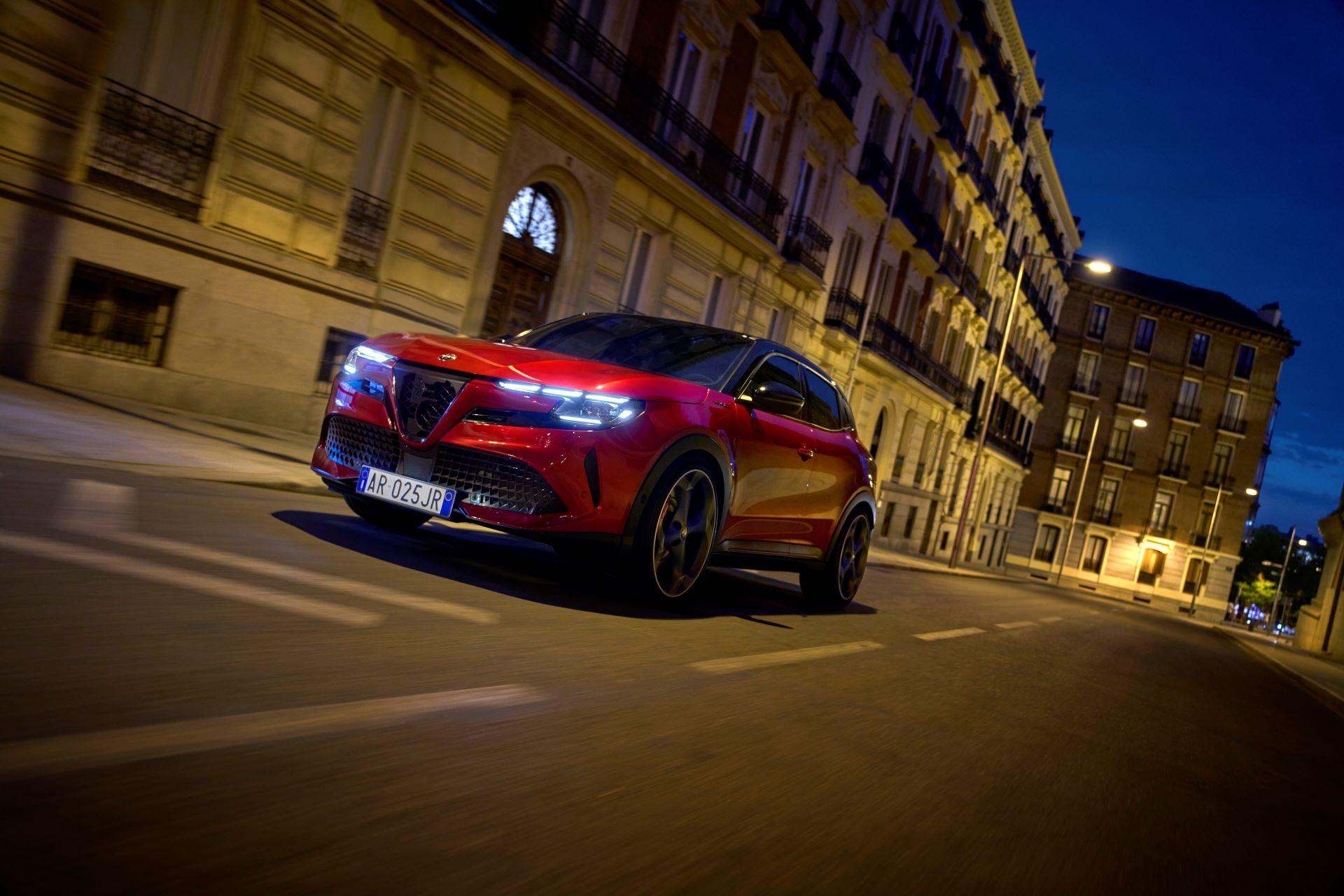
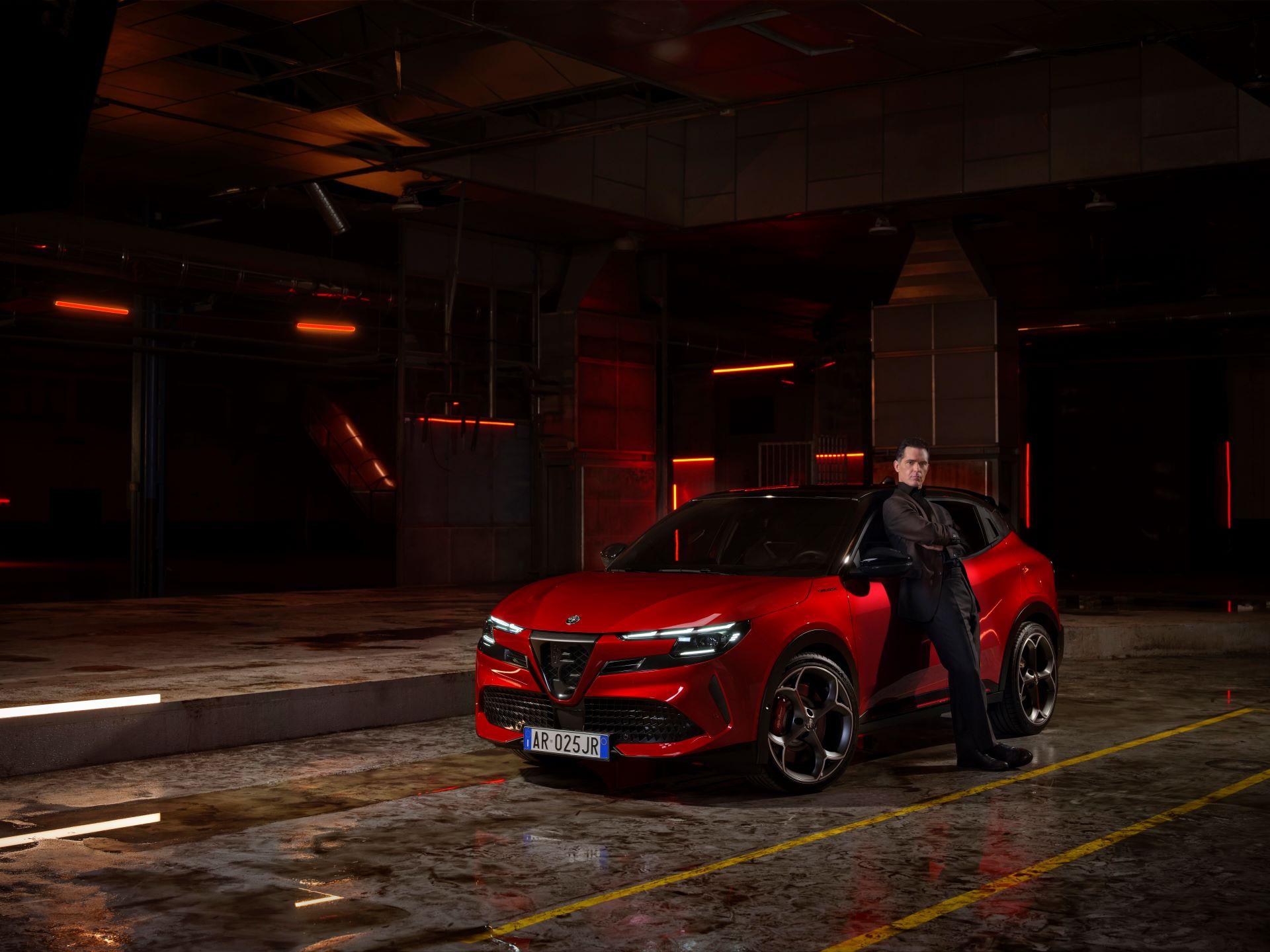
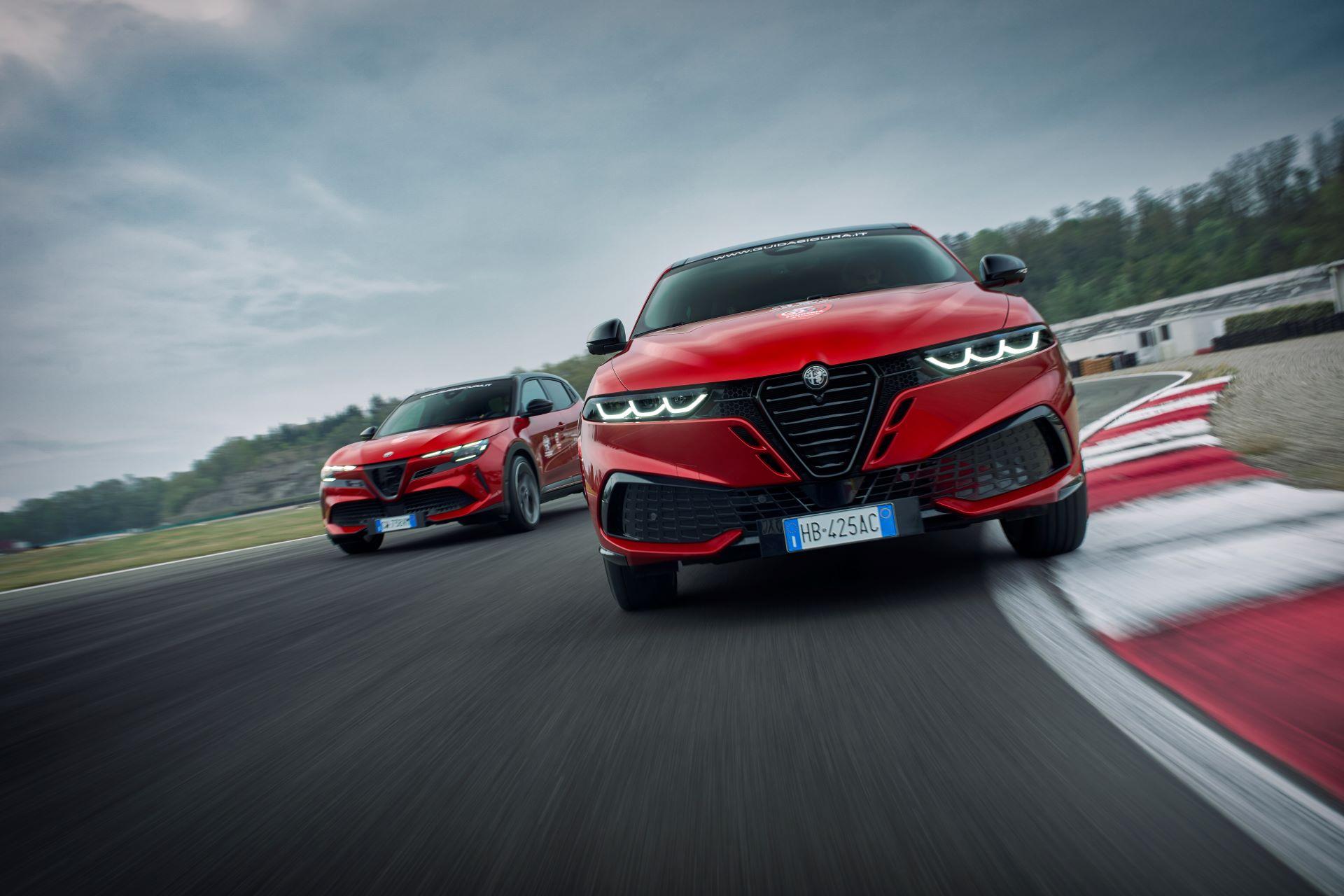
Then there is the wildcard, the Alfa Romeo Junior Elettrica Veloce. Entered in class A8 and driven by Trevor Tuck, the electric contender represents Alfa Romeo’s evolving identity. Tuck is no stranger to the brand, having spent years racing Alfa Romeos across historic categories. His transition to an electric platform is symbolic, not just of personal adaptation, but of the broader shift taking place within the automotive world.
The Junior Elettrica Veloce arrives with its own narrative already in motion, having been named a finalist for the 2026 South African Car of the Year competition. Its inclusion at Simola is less about proving that electric cars can compete, and more about demonstrating how performance itself is being redefined. Where the Quadrifoglio models rely on combustion and mechanical drama, the Junior delivers its performance with immediacy and precision, almost like a surge of intent translated directly into movement.
Charl Timms, Chief Commercial Officer at Stellantis South Africa, views this mix of technologies as a reflection of the group’s broader philosophy. Stellantis houses a wide range of brands, each with its own identity, yet Alfa Romeo’s connection to motorsport remains one of its most authentic expressions. By entering both traditional and electric performance models, the brand is not choosing sides. Instead, it is showing that its DNA persists regardless of how power is generated.
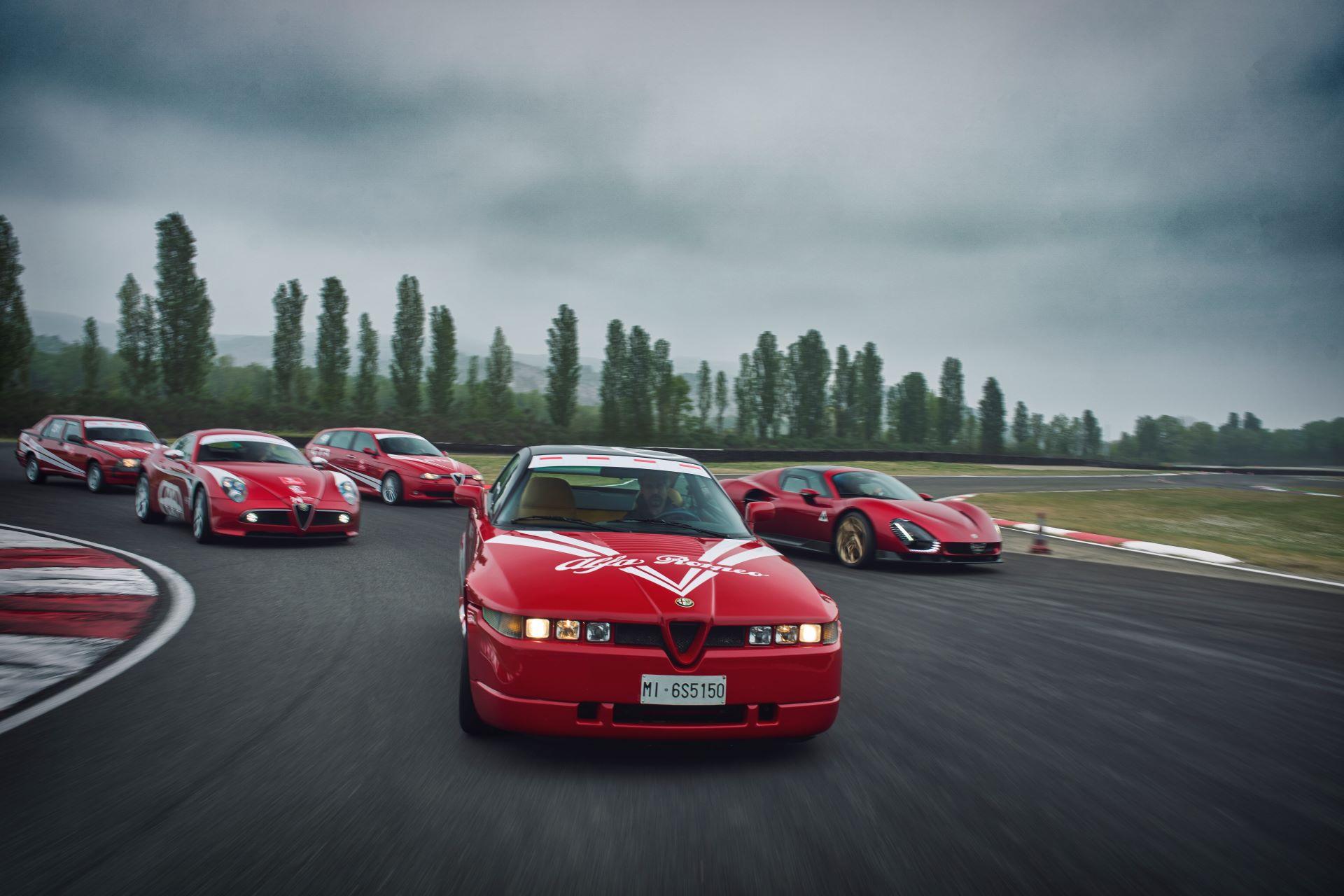
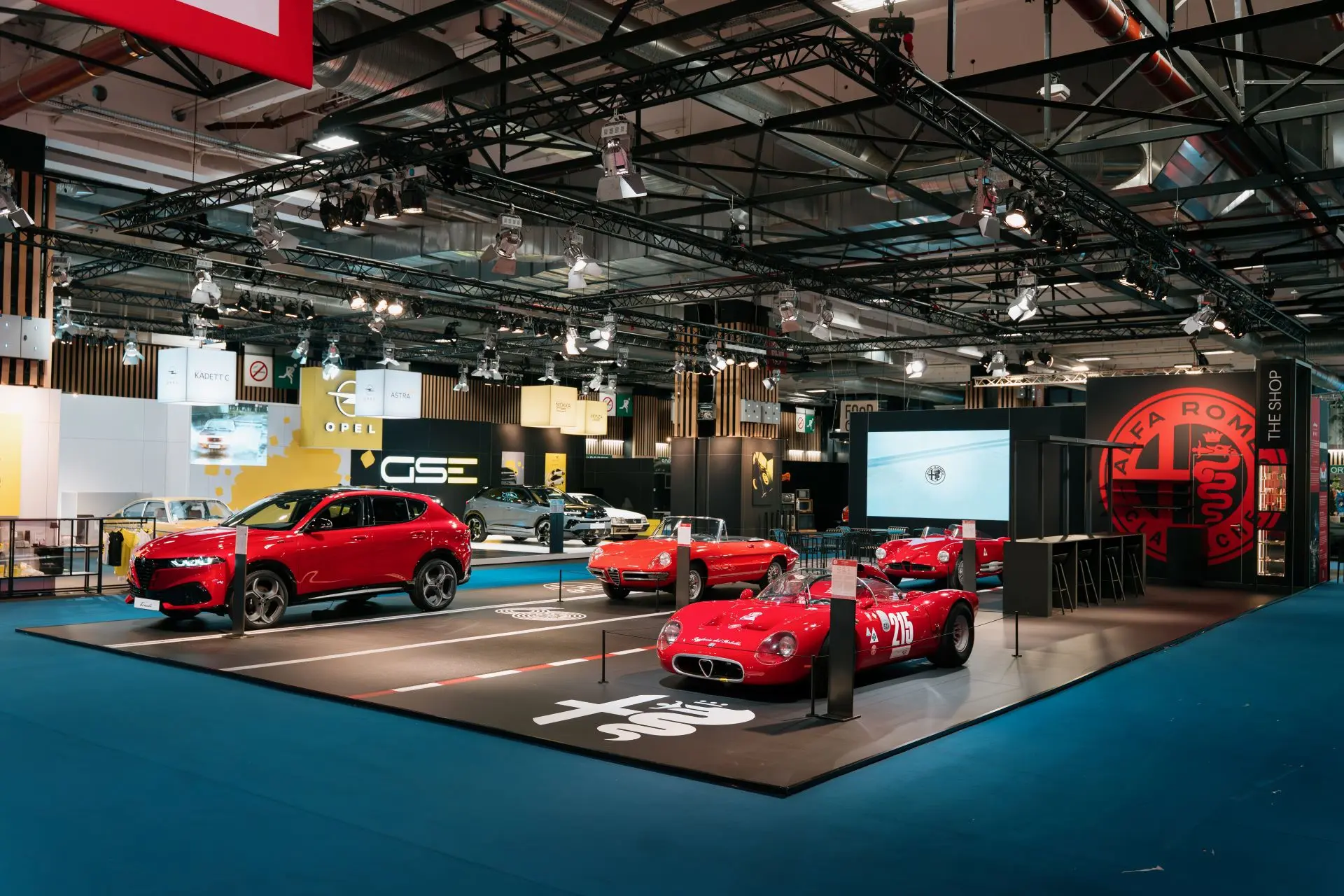
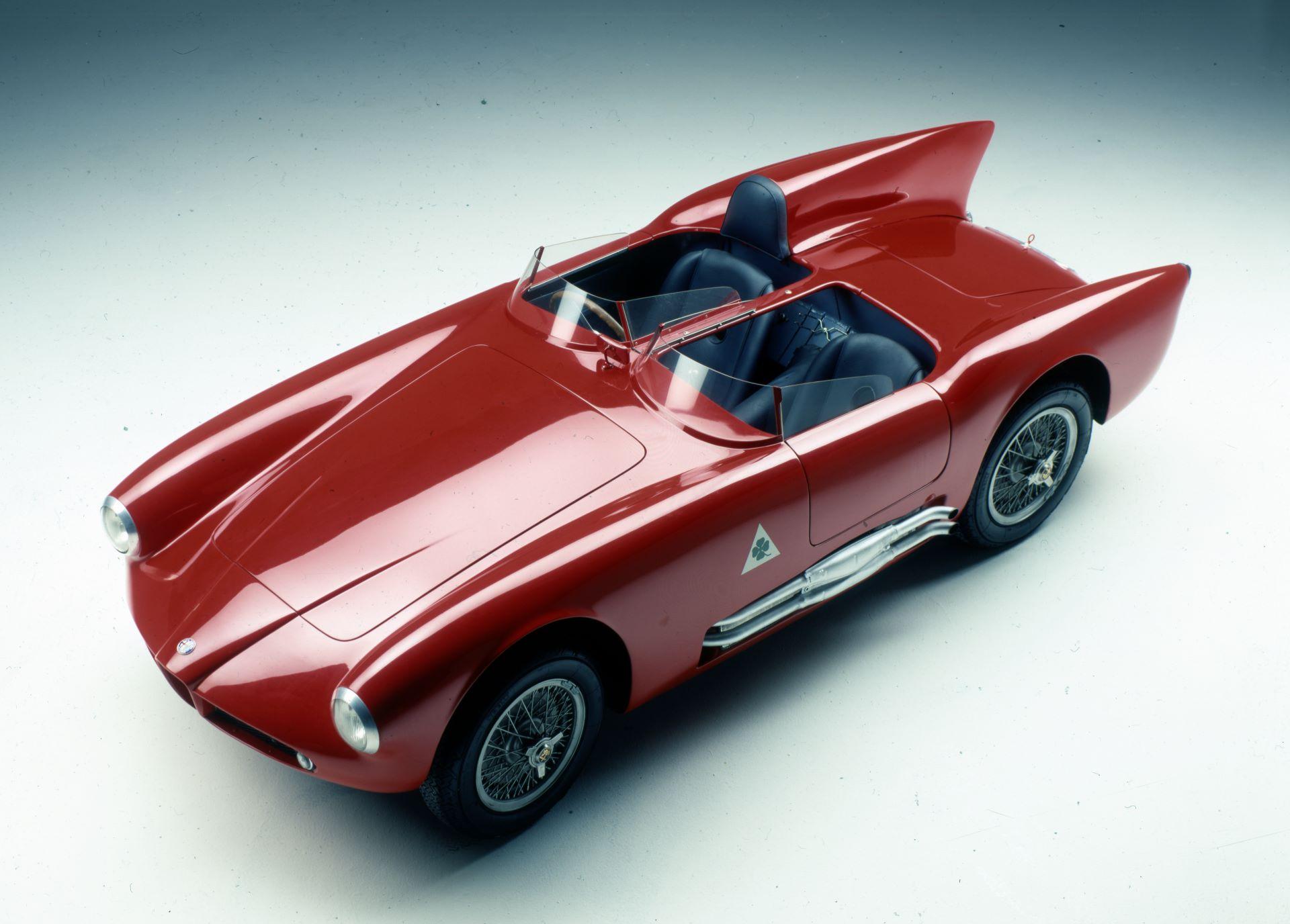
Beyond the factory entries, Alfa Romeo’s presence at Simola extends into the enthusiast community. The event will once again feature privately owned Alfa Romeos participating in Classic Car Friday and the King of the Hill programme. This creates a unique visual timeline, where historic race cars share space with modern performance machines. It is in these moments, when old and new stand side by side, that Alfa Romeo’s continuity becomes most apparent.
For the Alfisti, those deeply loyal to the brand, Simola is more than an event. It is a gathering point, a place where shared passion turns into something tangible. The sight of historic Alfa race cars lining up alongside the latest Quadrifoglio models and the electric Junior reinforces a simple but powerful idea. The spirit of Alfa Romeo has never been static. It evolves, adapts and occasionally surprises, but it never disappears.
From a strategic perspective, Stellantis South Africa’s involvement in Simola also speaks to the importance of visibility. In a market where brand awareness is constantly being reshaped, events like this offer a rare kind of engagement. They allow people to see, hear and feel what a brand represents, rather than simply reading about it. Motorsport becomes a living showroom, one where credibility is earned in seconds and remembered for much longer.
As the 2026 Simola Hillclimb approaches, Alfa Romeo’s return feels purposeful. It is not just about chasing times up a hill, but about telling a story through motion. A story where combustion engines still roar, electric motors hum with intent, and a century-old passion for performance continues to find new ways to express itself.