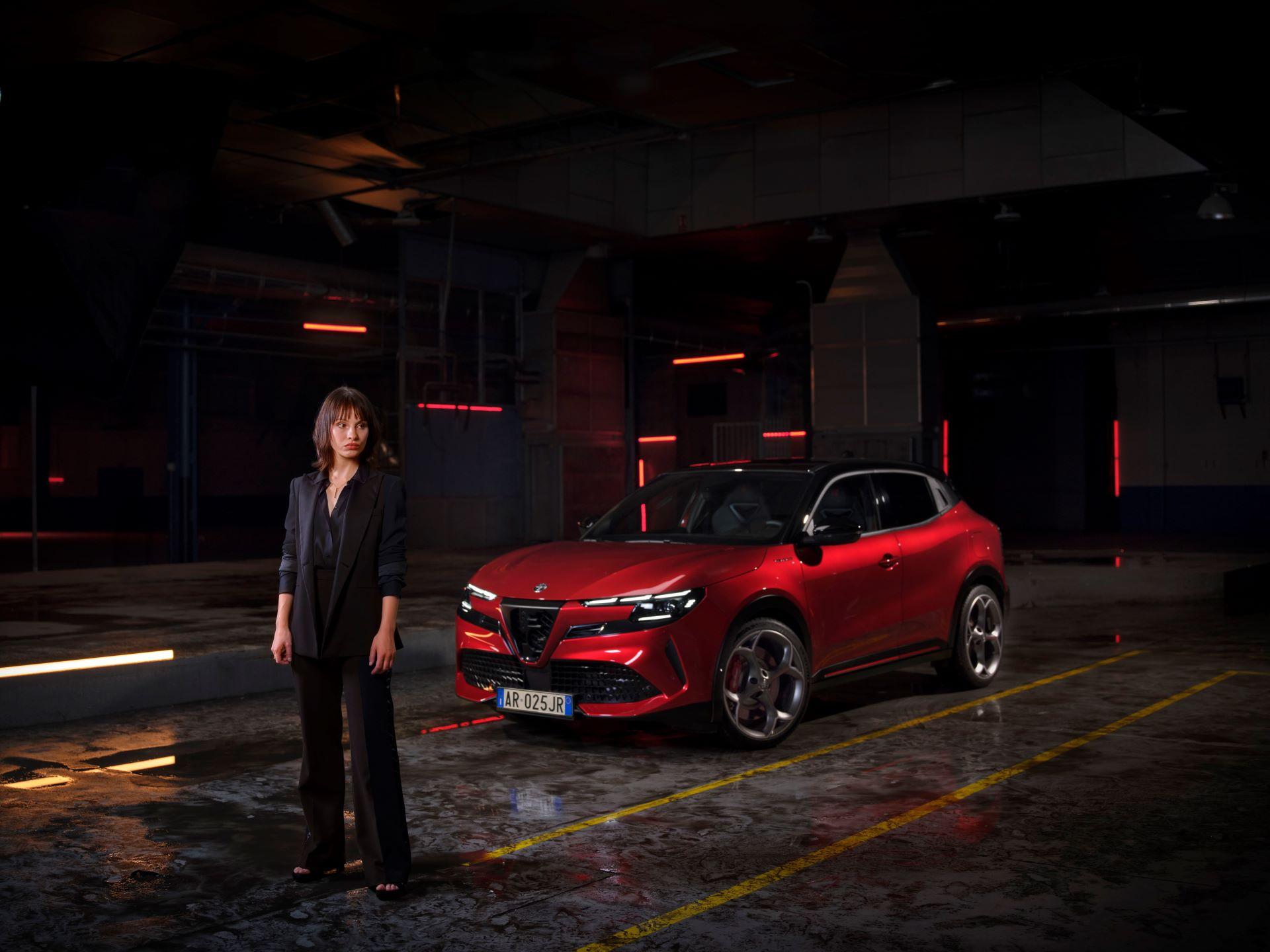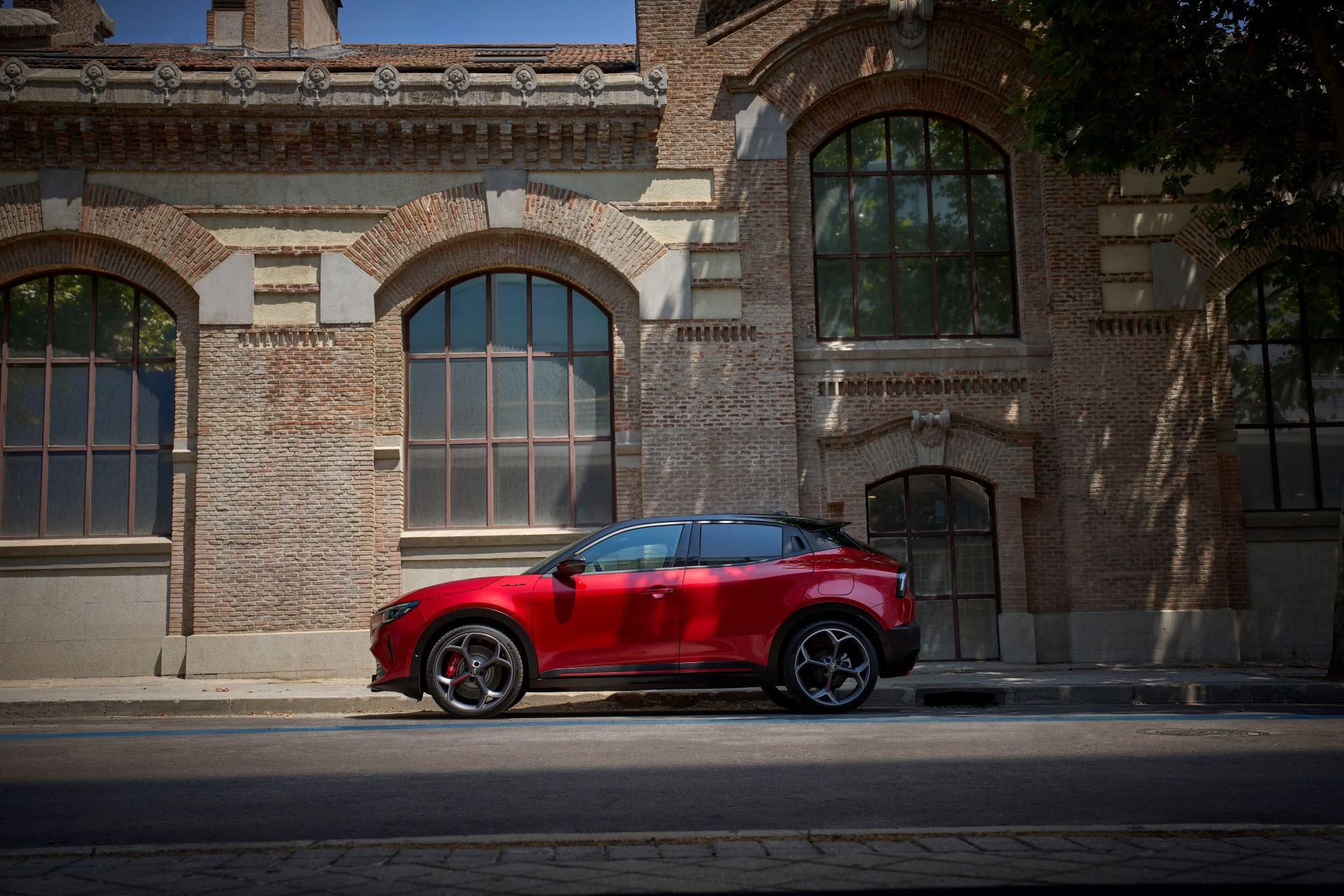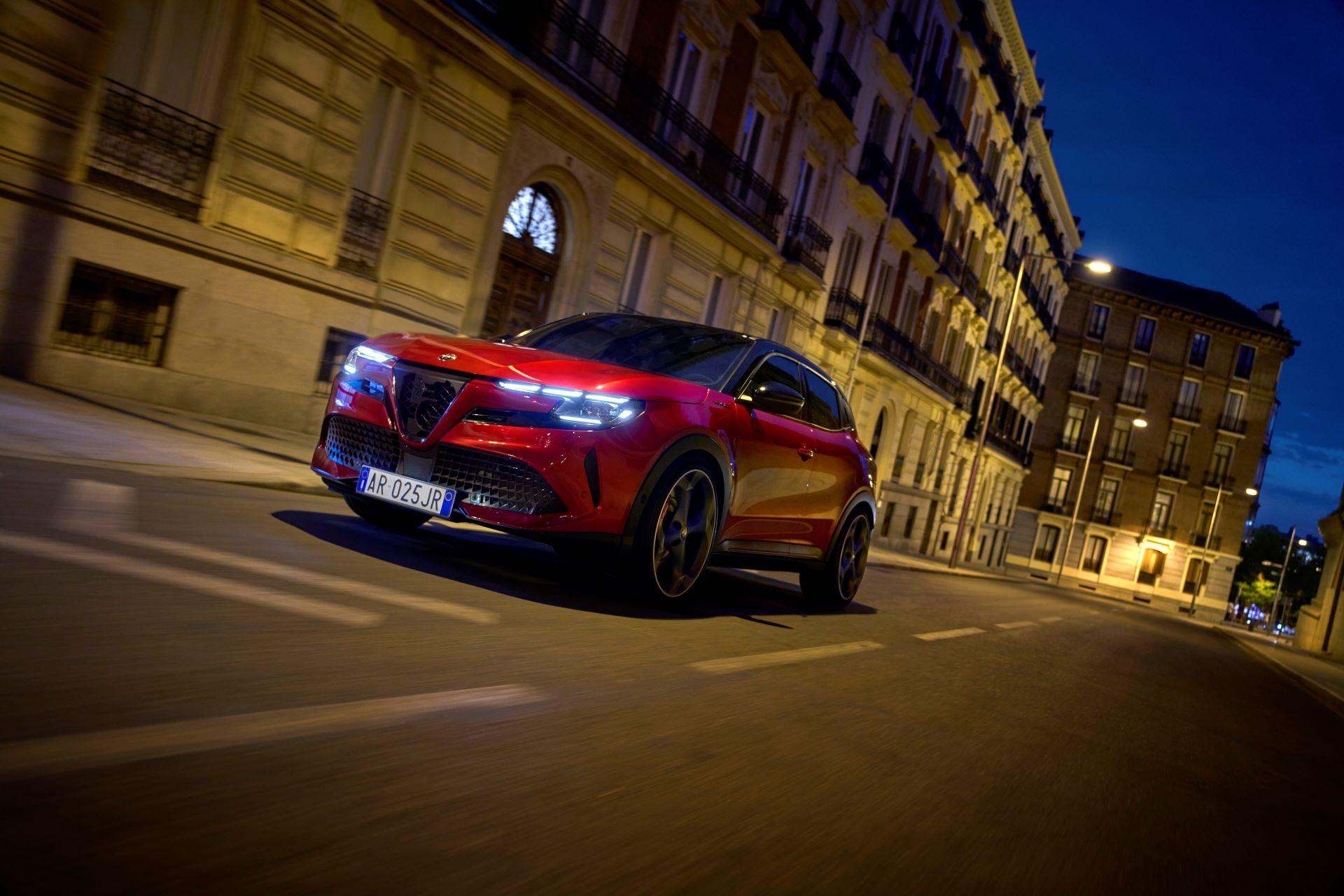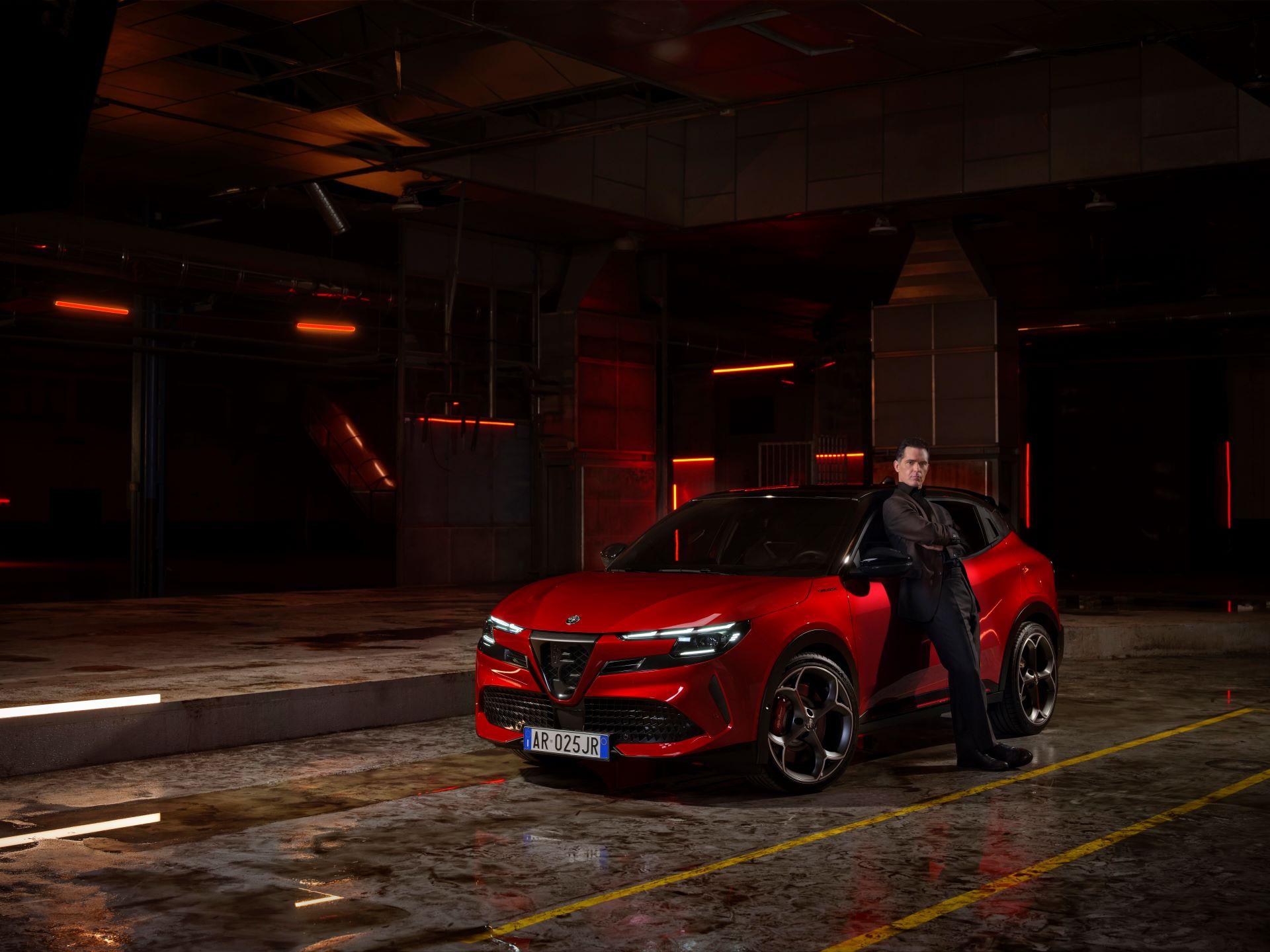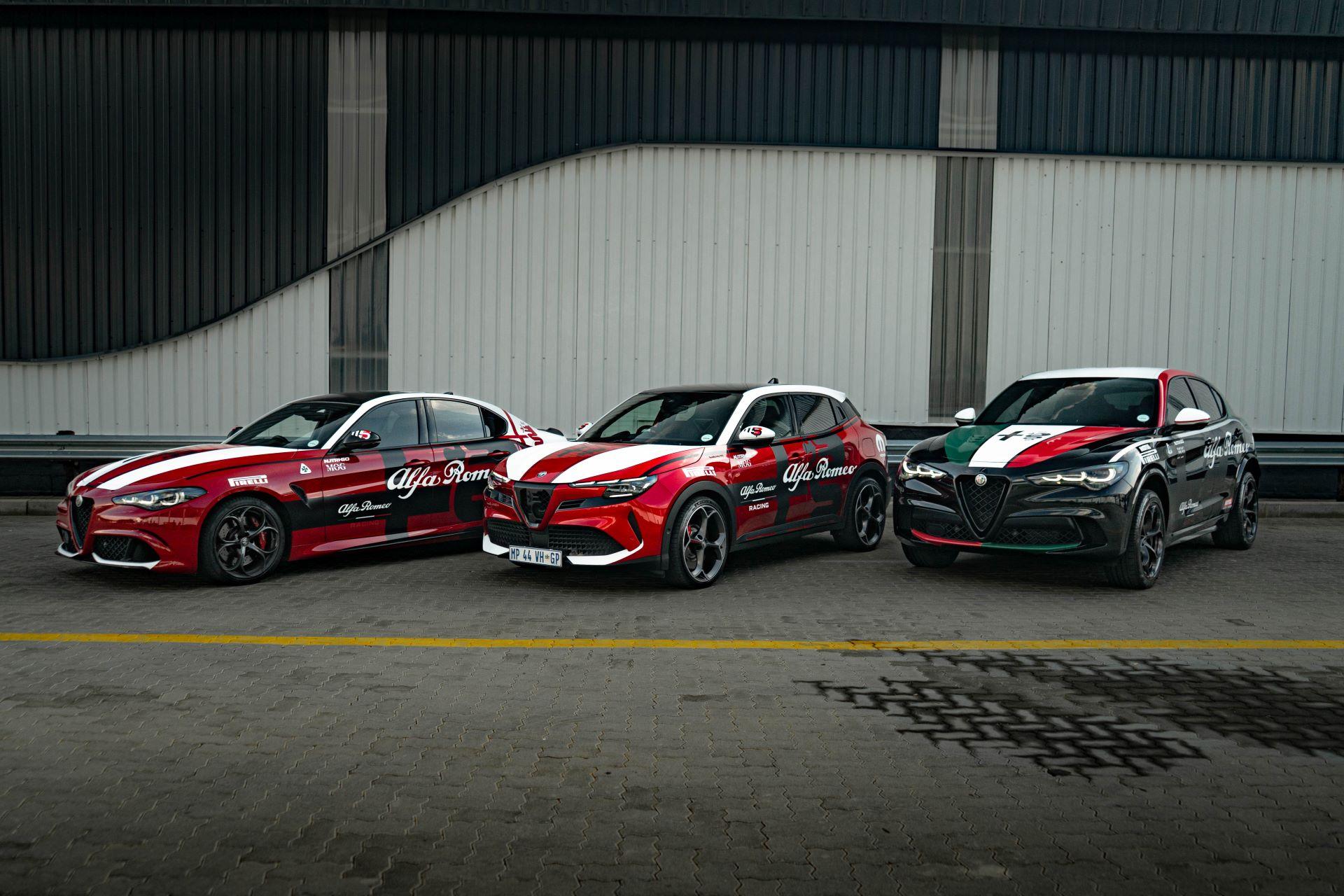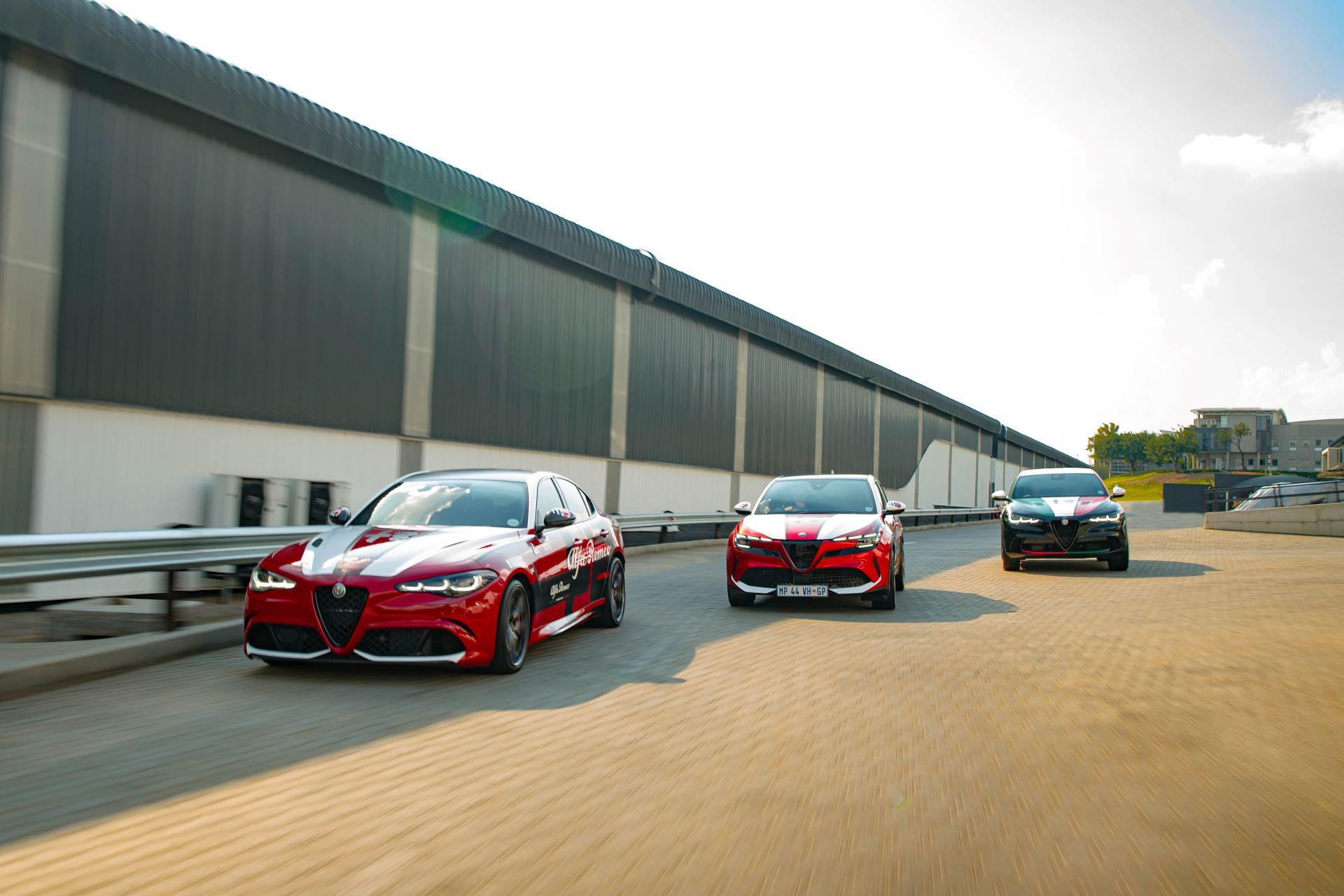





The Alfa Romeo Junior Elettrica marks a significant shift for one of Italy’s most distinctive performance brands. Smaller than a Stelvio, more urban than a Giulia, and fully electric in a way that signals Alfa Romeo’s next chapter, the Junior arrives in South Africa as a compact premium SUV aimed at buyers who want style, personality and modern EV usability in one sharply drawn package.
There are some cars that feel like new models, and others that feel like statements. The Alfa Romeo Junior Elettrica falls into the second category. Not because it is the most powerful electric SUV on sale, nor because it is trying to dominate the market on price, but because it asks a more interesting question: can a compact electric SUV still feel like a proper Alfa Romeo?
That question matters more than it might appear. Alfa Romeo has always traded on emotion as much as engineering. Buyers have historically come to the brand for design, charisma, a sense of occasion and, at its best, a distinctly driver-focused character. The challenge with any modern EV, especially one built in a highly competitive premium compact segment, is preserving that identity while meeting the practical expectations of today’s buyers.
In South Africa, where the electric vehicle market is still small but gradually expanding, the Junior Elettrica enters an interesting space. It is not a mainstream budget EV, nor is it positioned as an ultra-expensive flagship. Instead, it sits in the middle as a premium compact electric SUV with Italian styling, strong brand heritage and a clear attempt to blend electrification with everyday usability.
What the Alfa Romeo Junior Elettrica is, and why it matters
The Alfa Romeo Junior Elettrica is the brand’s compact electric SUV and, in many respects, its new gateway model. Positioned below the Tonale and Stelvio, it gives Alfa Romeo a fresh entry point into the local market. That matters because it broadens the brand’s reach. Traditionally, Alfa Romeo ownership has sat slightly outside the mainstream, appealing to buyers who wanted something more expressive than the obvious German alternatives. The Junior Elettrica keeps that spirit alive, but packages it in a format that makes more sense for urban buyers and EV-curious motorists.
At 4173 mm long, the Junior Elettrica is sized for modern city life. It is compact enough to feel manageable in tighter urban environments, yet substantial enough to avoid feeling like a compromised lifestyle car. Its 400-litre boot also suggests that Alfa Romeo has not forgotten the everyday realities of school runs, shopping trips, weekend luggage and routine practicality. For South African buyers, particularly those living in major metros where parking, maneuverability and short-to-medium commuting distances matter, this footprint makes a lot of sense.
More importantly, the Junior is symbolically important. This is not merely another derivative added to the range. It is Alfa Romeo acknowledging that the future of premium mobility will not be defined only by larger SUVs and high-powered sedans, but also by compact electrified vehicles that still carry a clear identity. That makes the Junior Elettrica one of the most strategically important Alfa Romeo products in recent years.
Design and brand identity: still unmistakably Alfa Romeo
If platform-sharing and electrification have introduced one recurring concern into the modern car market, it is sameness. A number of EVs are competent, but visually interchangeable. The Junior Elettrica has to work harder than that, because Alfa Romeo does not have the luxury of being anonymous. The car needs to look like it belongs to the badge on its nose.
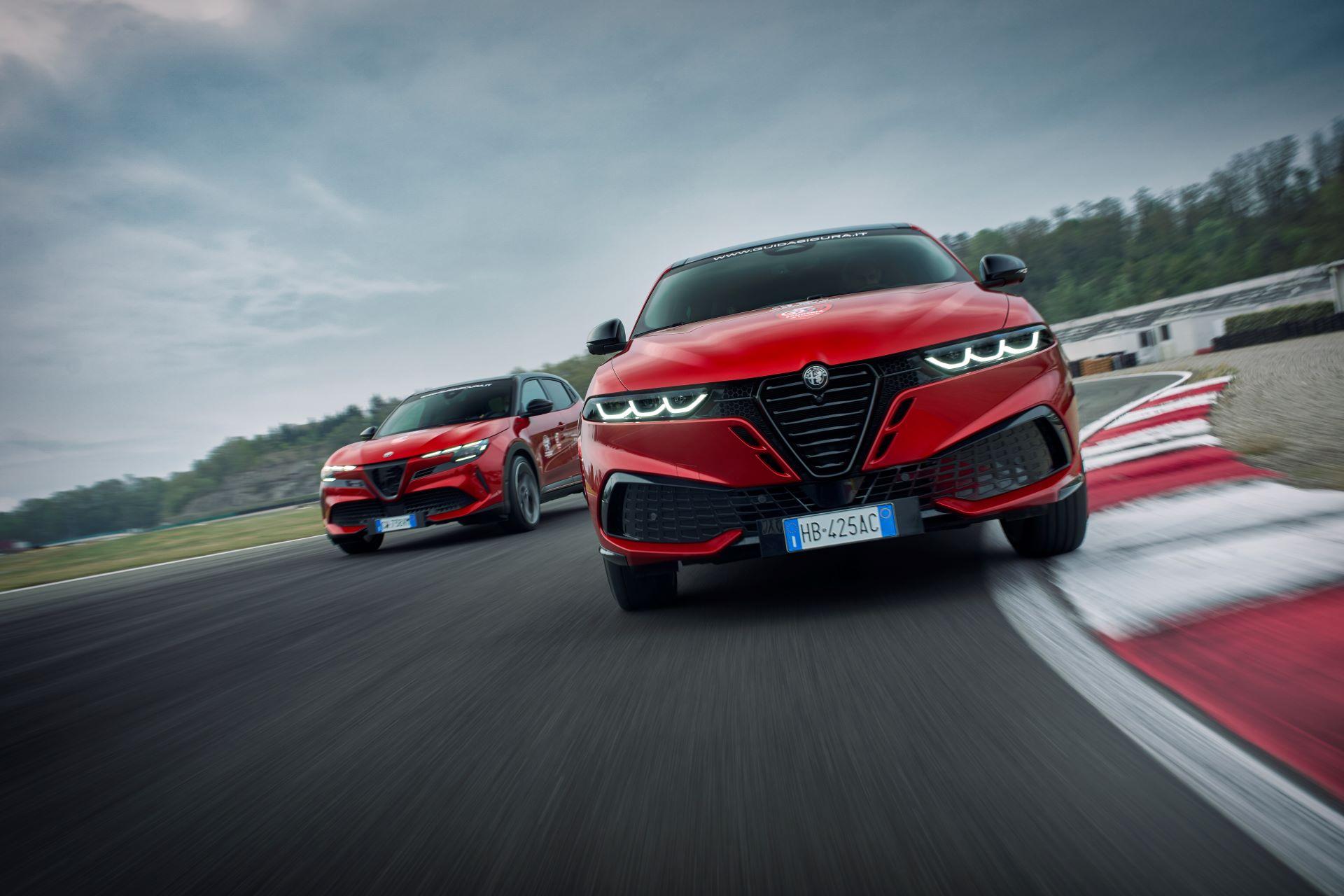
Fortunately, it does. The Junior Elettrica brings familiar Alfa Romeo themes into a more compact crossover shape. The front-end treatment, with its recognisable shield-inspired design language, gives the car immediate visual identity. The proportions are tighter and more upright than those of a Giulia, naturally, but the car still avoids the visual heaviness that affects many small SUVs. There is a degree of tension in the surfacing, some real intent in the stance, and enough attitude in the detailing to remind you that Alfa Romeo is aiming for more than mere functionality.
This is especially important in the compact premium segment, where design often becomes the decisive factor once the core requirements of range, charging and technology have been met. Buyers shopping in this category are not only buying transport. They are buying taste, identity and, to some extent, a reflection of how they want to be seen. The Junior Elettrica leans into that reality. It looks like a car you would choose, not merely one you would rationalise.
That emotional pull is part of what gives the Junior its edge. In a market that is filling up with clever, efficient and highly competent electric SUVs, Alfa Romeo is trying to keep desire in the conversation.
Power, performance and what the numbers mean in the real world
The Alfa Romeo Junior Elettrica range is split between a more mainstream electric variant and the more focused Veloce derivative. On paper, the standard Junior Elettrica produces 115 kW and 260 Nm. Those are healthy figures for a compact urban EV. They suggest a vehicle that should feel brisk off the line, easy to drive in traffic and responsive enough for day-to-day use without needing headline-grabbing power outputs to make its case.
The more interesting version, from an enthusiast perspective, is the Junior Elettrica 280 Veloce. Here output rises to 206 kW, equivalent to 280 HP, while torque climbs to 345 Nm. That moves the Junior out of the merely competent bracket and into something more serious. But the real story is not just that it is quicker. It is that Alfa Romeo has made specific chassis choices to give the Veloce greater dynamic intent. A 25 mm lower suspension setup and a Torsen D limited-slip differential are not decorative additions. They are the sort of features that suggest the engineers were thinking about how the car will behave when driven with purpose, not just how quickly it can deliver an acceleration figure.
That distinction matters. In the EV world, instant torque is common. Strong straight-line acceleration no longer guarantees character. The Junior Veloce becomes interesting because Alfa Romeo appears to be chasing more than speed. It is chasing feel. If that translates cleanly on the road, then the Veloce may end up being the version that best justifies the Alfa badge.
Range and charging: the South African reality check
The Alfa Romeo Junior Elettrica offers a quoted WLTP combined range of up to 410 km. On its own, that is a respectable headline figure and puts the car in a competitive position within the compact premium EV category. For many readers, however, the bigger question is not the lab-tested claim, but what that number means in South African use.
In practical terms, the 410 km figure positions the Junior Elettrica as a vehicle that should comfortably handle routine urban and suburban use. A buyer with a typical office commute, weekend social trips and daily errands is unlikely to find the range restrictive. In fact, for many households, the car could go several days between charges depending on usage. That is exactly the kind of ownership pattern that suits the current local EV environment.
Where the range becomes more nuanced is in long-distance use. South African buyers are often more distance-conscious than their European counterparts because intercity travel can involve long stretches between major nodes. EV ownership here still depends heavily on planning, charger availability and the discipline of working around infrastructure rather than assuming it is everywhere. In that context, the Junior Elettrica feels strongest as an urban and peri-urban premium SUV rather than a carefree cross-country machine.
Charging capability supports that view. DC fast charging can take the battery from 20% to 80% in under 30 minutes, which is a meaningful number for modern EV buyers. It means highway or shopping-centre top-ups can be practical rather than frustrating. More importantly, the 11 kW AC home charging setup can replenish the battery from 0% to 100% in about 5 hours and 45 minutes. That gives the Junior Elettrica a credible overnight charging story, and for South African buyers with access to suitable home charging infrastructure, that is likely to be the most important ownership advantage of all.
Ultimately, the charging and range equation suggests that the Junior Elettrica will make the most sense for buyers who can charge at home or at work and who use public fast charging as a supplement, not a dependency. In that usage pattern, the Junior looks well judged.
Trim levels and model range: not just a spec walk
One of the stronger aspects of the Junior range is that the different trims appear to represent different buyer priorities rather than arbitrary packaging exercises. That matters because premium buyers tend to care less about simply having more features and more about choosing a version that fits the way they want the car to feel.
The standard Junior Elettrica is likely to appeal to the buyer who wants the design, the electric drivetrain and the Alfa Romeo ownership experience in its most accessible form. It is the version that makes the strongest rational case, especially given the local starting price of R799,900 including VAT. For many buyers, that will probably be the sweet spot of the range.
The Junior Elettrica Speciale adds another layer of desirability, likely targeting the customer who wants extra visual or convenience features without stepping all the way into the flagship performance derivative. In premium markets, these middle trims often become the volume sellers because they balance emotional appeal and real-world value.
The Junior Elettrica Intensa shifts the emphasis toward a richer cabin experience and a slightly more premium character. This will matter for buyers who see the Junior less as a sporty object and more as a daily companion that should feel special every time they step into it.
Then there is the Junior Elettrica 280 Veloce, the version that clearly exists for a different sort of customer. This is not the trim you choose because it has a few extra convenience features. This is the one you choose because you care about how it drives, how it reacts and whether there is still room in the EV era for a compact Alfa Romeo with genuine dynamic intent.
Interior, technology and daily usability
Inside, the Junior Elettrica is tasked with delivering something difficult: the sense of modernity that EV buyers expect, without becoming a cold, purely digital appliance. The standard and upper trims feature a 10.25-inch infotainment screen and a matching 10.25-inch digital instrument display, which immediately places the Junior in line with current premium expectations.
Those numbers alone are not especially remarkable in 2026. What matters is how the space is likely to be perceived by buyers. Alfa Romeo’s challenge is to create a cabin that feels driver-oriented, contemporary and premium, while still retaining some warmth and character. Too much minimalism can feel sterile. Too much theatre can feel dated. The Junior Elettrica’s interior specification suggests a car aimed squarely at buyers who want digital convenience without surrendering the sense that they are still sitting in something emotional and brand-specific.
The 400-litre boot also deserves attention because it points to the Junior’s broader practicality. This is not a compromised weekend toy. It is a car that is meant to fit into normal life. That means grocery runs, laptop bags, airport drop-offs, shopping, family duties and the occasional weekend escape. In the compact electric SUV class, that balance between size and utility is critical. Too small, and the vehicle becomes niche. Too large, and it loses the urban agility that gives the format its appeal.
For South African buyers, daily usability also includes the less glamorous questions: does it fit a normal household routine, does it feel manageable in traffic, and does it make sense in secure parking environments where charging may need to be installed or managed? On those points, the Junior Elettrica seems thoughtfully aligned with how many premium EVs are actually used locally.
The Veloce as the enthusiast choice
Every Alfa Romeo range benefits from having one derivative that carries the emotional weight of the brand. In the Junior lineup, that job belongs to the Veloce. Even if most buyers never choose it, the existence of the Veloce gives the entire range a sense of credibility. It says that Alfa Romeo has not forgotten the people who still care about steering feel, chassis balance and the difference between rapid transport and rewarding transport.
The Veloce’s 206 kW and 345 Nm will naturally attract attention, but the lower suspension and Torsen D limited-slip differential are arguably the more revealing details. They suggest an engineering philosophy that goes beyond marketing. In a segment crowded with EVs that can all claim speed, Alfa Romeo is trying to claim something rarer: involvement.
Whether the Veloce fully delivers on that promise will ultimately be decided on the road, but as a concept it is exactly the right move. It gives the Junior range a halo model that makes the car more than a badge exercise. It also provides a vital narrative for enthusiasts who might otherwise dismiss the Junior as just another compact crossover shaped by market trends rather than brand conviction.
South African pricing and market position
Pricing is where the Junior Elettrica’s South African story becomes especially interesting. The standard Junior Elettrica starts from R799,900 including VAT, while the Junior Elettrica 280 Veloce starts from R999,900 including VAT. Those prices place the car in premium territory, but not in an unreachable one.
That middle ground may be exactly where the Junior has its strongest chance. It is not trying to undercut more affordable electric offerings, and it is not pretending to compete purely on value. Instead, it is selling a blend of brand heritage, design distinctiveness, premium positioning and modern electric capability. That approach will appeal to buyers who want something with more character than a purely rational EV purchase, but who are not yet prepared to leap into higher-end luxury EV pricing.
There is, however, no ignoring the fact that South Africa remains a highly price-sensitive market. Electric vehicles still carry a premium, and buyers will weigh the Junior not only against direct EV rivals, but also against premium internal-combustion SUVs, hybrids and even executive hatchbacks. In that context, Alfa Romeo cannot rely on brand romance alone. The Junior has to persuade buyers that its design, specification, usability and overall ownership proposition justify the asking price.
The battery warranty helps here. An 8-year battery warranty with at least 70% capacity retention over the warranty period provides a measure of reassurance for buyers still cautious about EV longevity. That is not just a technical detail. It is a trust signal, and in a developing EV market, trust matters almost as much as the product itself.
Who the Alfa Romeo Junior Elettrica is really for
The Junior Elettrica is not aimed at everyone, and that is part of its appeal. It is best suited to a buyer who values design, brand identity and an element of driving character, but who also wants the convenience and lower day-to-day friction of electric urban motoring. It will likely resonate with professionals, style-conscious buyers, Alfa Romeo loyalists and premium compact SUV shoppers who are ready to try something different from the usual German shortlist.
It also makes sense for a buyer whose life is centred around city and suburban travel, and who has dependable access to home or workplace charging. In that environment, the Junior Elettrica becomes much easier to justify. The range feels sufficient, the charging becomes manageable, and the compact dimensions start to look like a strength rather than a compromise.
By contrast, buyers who regularly cover long intercity distances or who lack practical charging access may still find a hybrid or efficient petrol alternative easier to live with. That is not a weakness unique to Alfa Romeo. It is simply the reality of EV ownership in South Africa at this stage. But for the right buyer, the Junior Elettrica looks like a compelling fit.
Final thoughts: a compact electric Alfa with genuine significance
The Alfa Romeo Junior Elettrica matters because it represents more than a new badge on a new body style. It represents Alfa Romeo’s attempt to translate its identity into a very different automotive future. That is not easy. EVs demand efficiency, packaging discipline and technological relevance. Alfa Romeo, on the other hand, has always been judged on less tangible qualities: style, emotion and driver appeal.
The Junior Elettrica appears to understand that tension. It brings a competitive range figure, modern charging capability, useful practicality and credible technology, but it also tries to hold onto the brand’s sense of character. The Veloce, in particular, suggests that Alfa Romeo has not given up on the idea that an electric car can still be something you look forward to driving.
For South Africa, the Junior Elettrica enters a market that is still finding its EV rhythm. That gives it both a challenge and an opportunity. It will need to convince buyers that it is not simply an interesting niche product, but a genuinely relevant premium compact SUV for modern local use. If it succeeds, it could become one of the most important Alfa Romeos of the current era, not because it is the most extreme, but because it may be the model that proves the brand can move forward without becoming generic.