

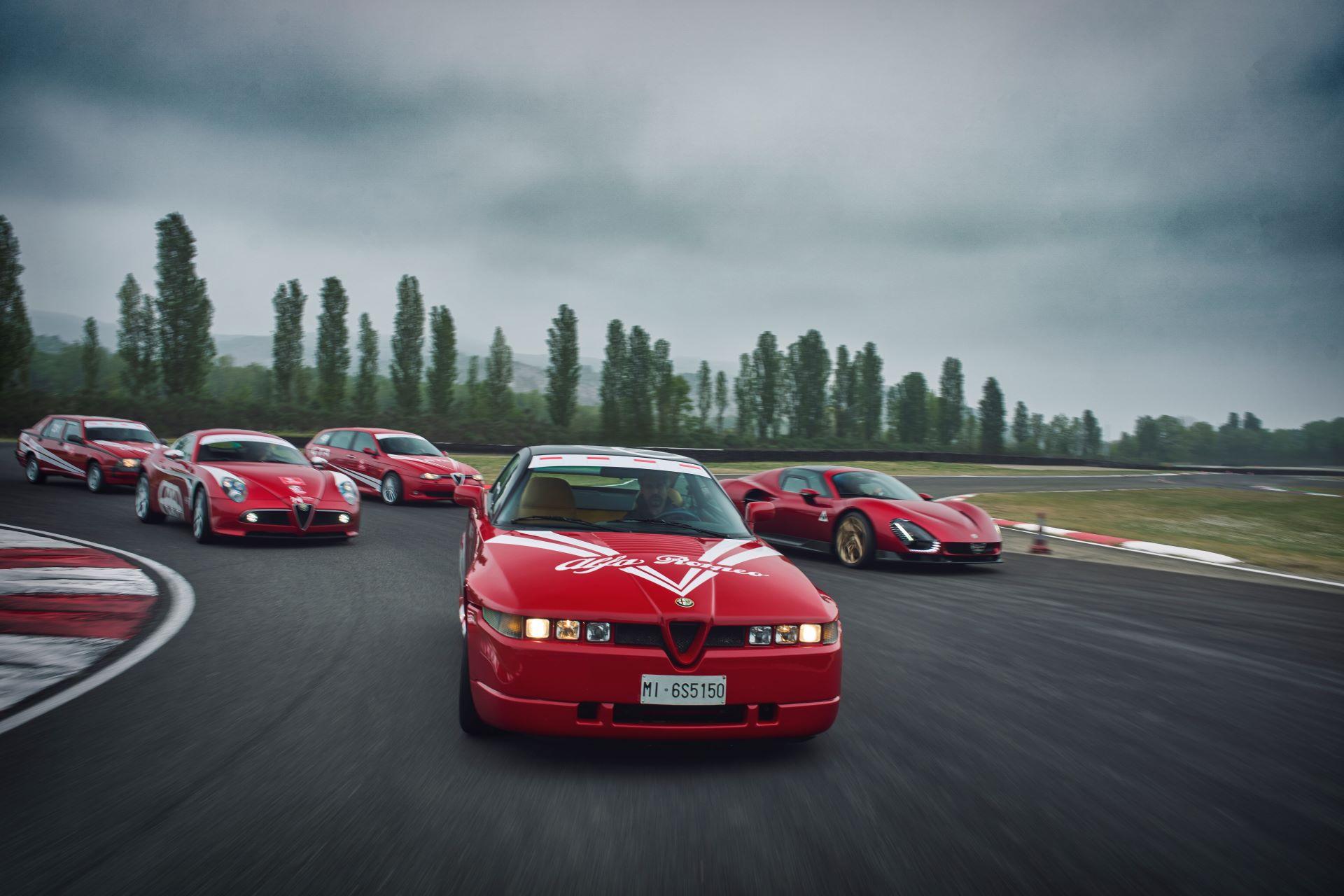
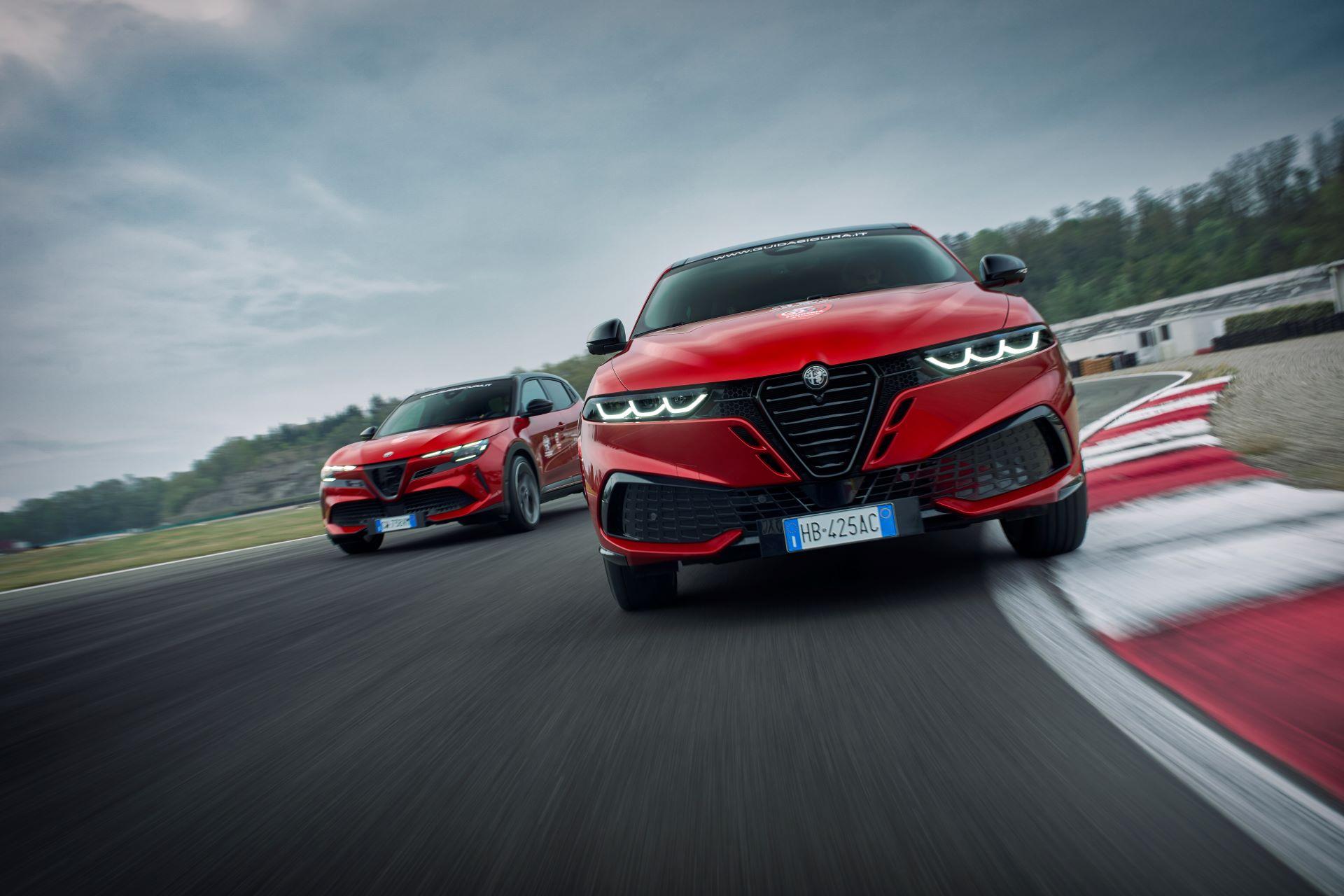
There’s something quietly poetic about a car being returned to the place it truly understands itself. Not a showroom, not a suburban street, but a racetrack, where intention sharpens and instinct takes the wheel. With the revival of the Alfa Romeo Driving Academy, the Italian marque isn’t simply offering a programme. It’s reopening a dialogue between driver and machine that began more than a century ago.
This renewed chapter, developed in partnership with Scuderia de Adamich, rekindles a collaboration that has been refining driving excellence since 1991. It’s a relationship forged not just in speed, but in discipline, safety, and a shared belief that performance is only meaningful when it is understood. Set against the backdrop of the Varano de’ Melegari circuit near Parma, the academy places participants inside a living ecosystem of engineering heritage and visceral experience, deep within Italy’s revered Motor Valley.
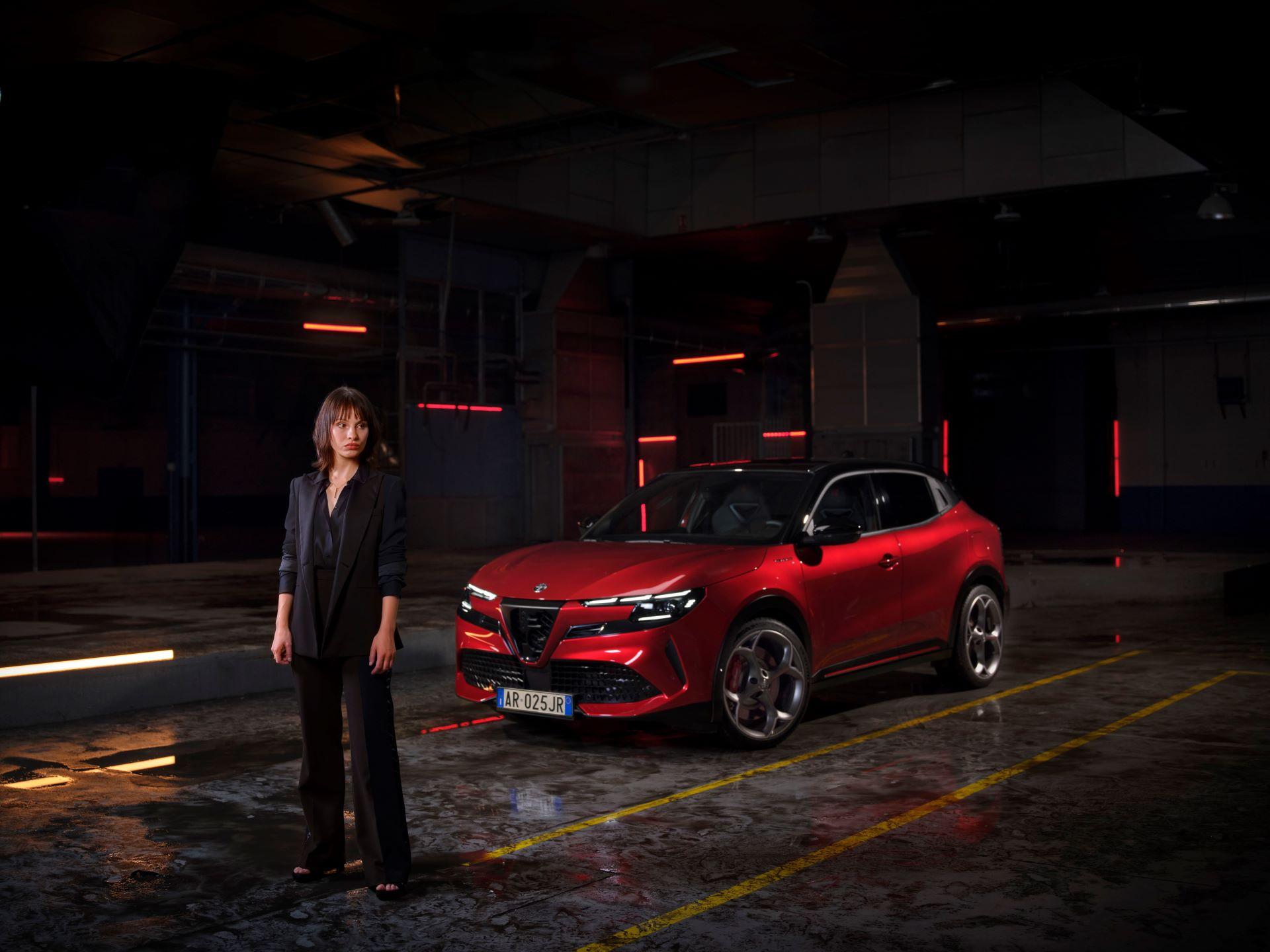
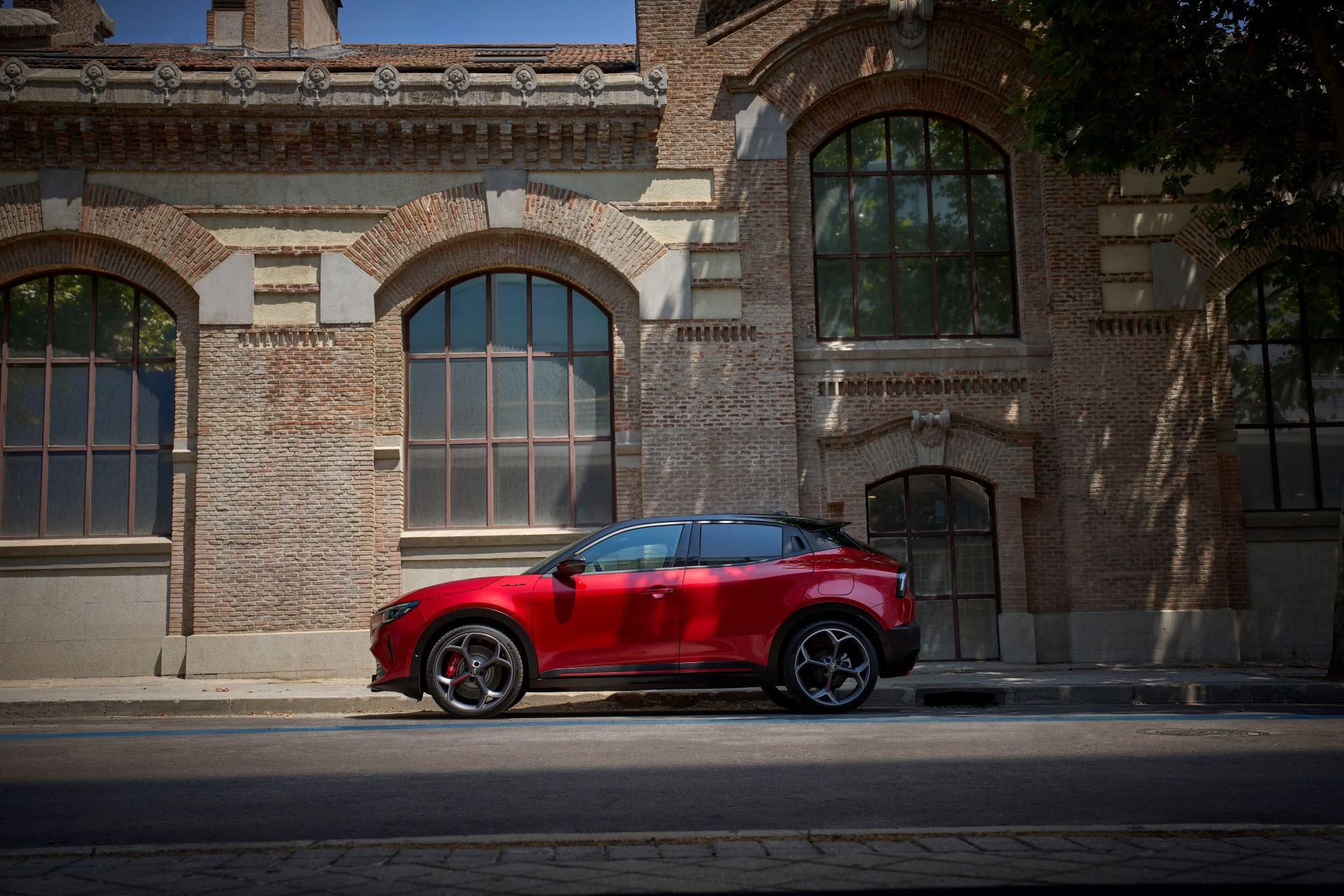
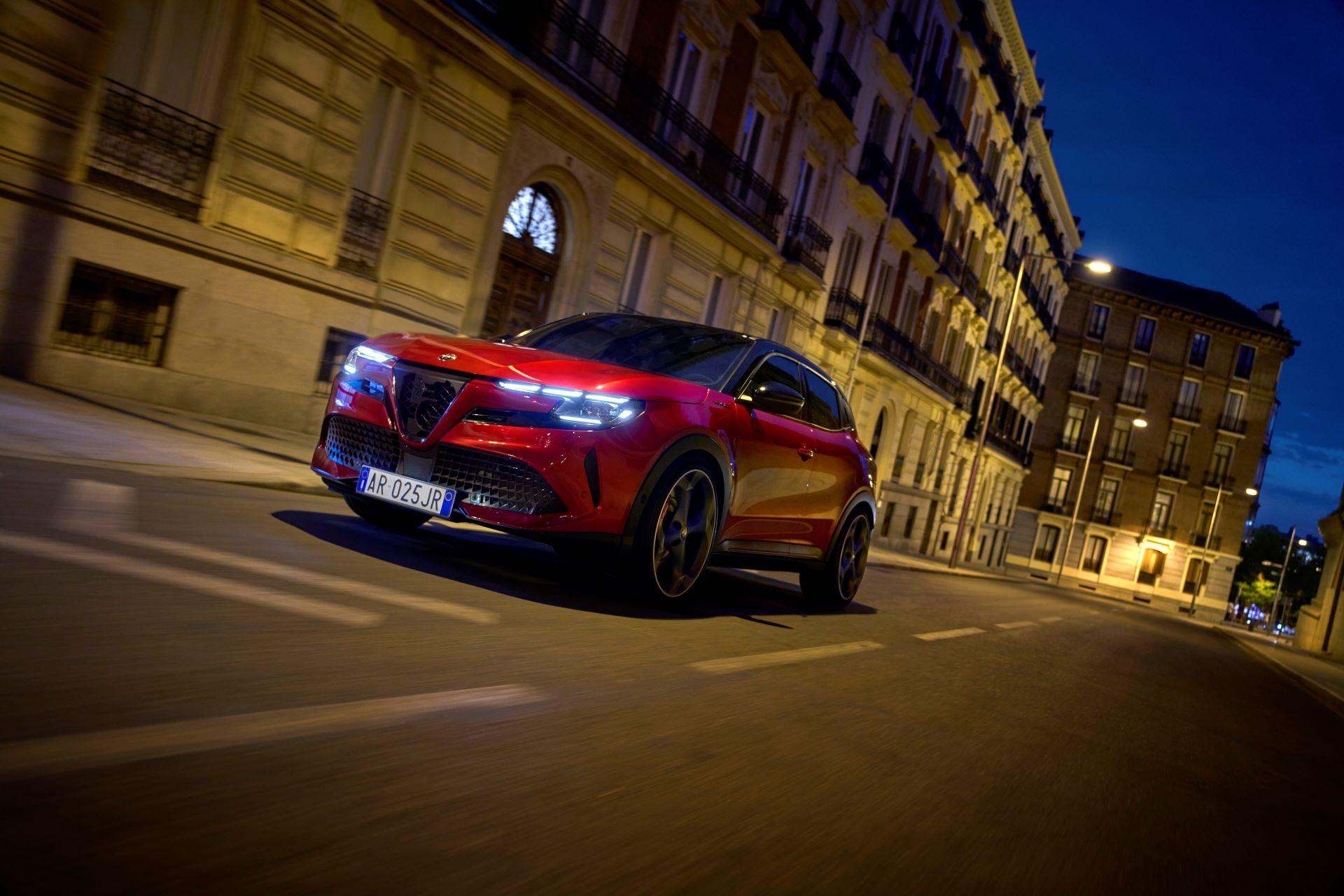
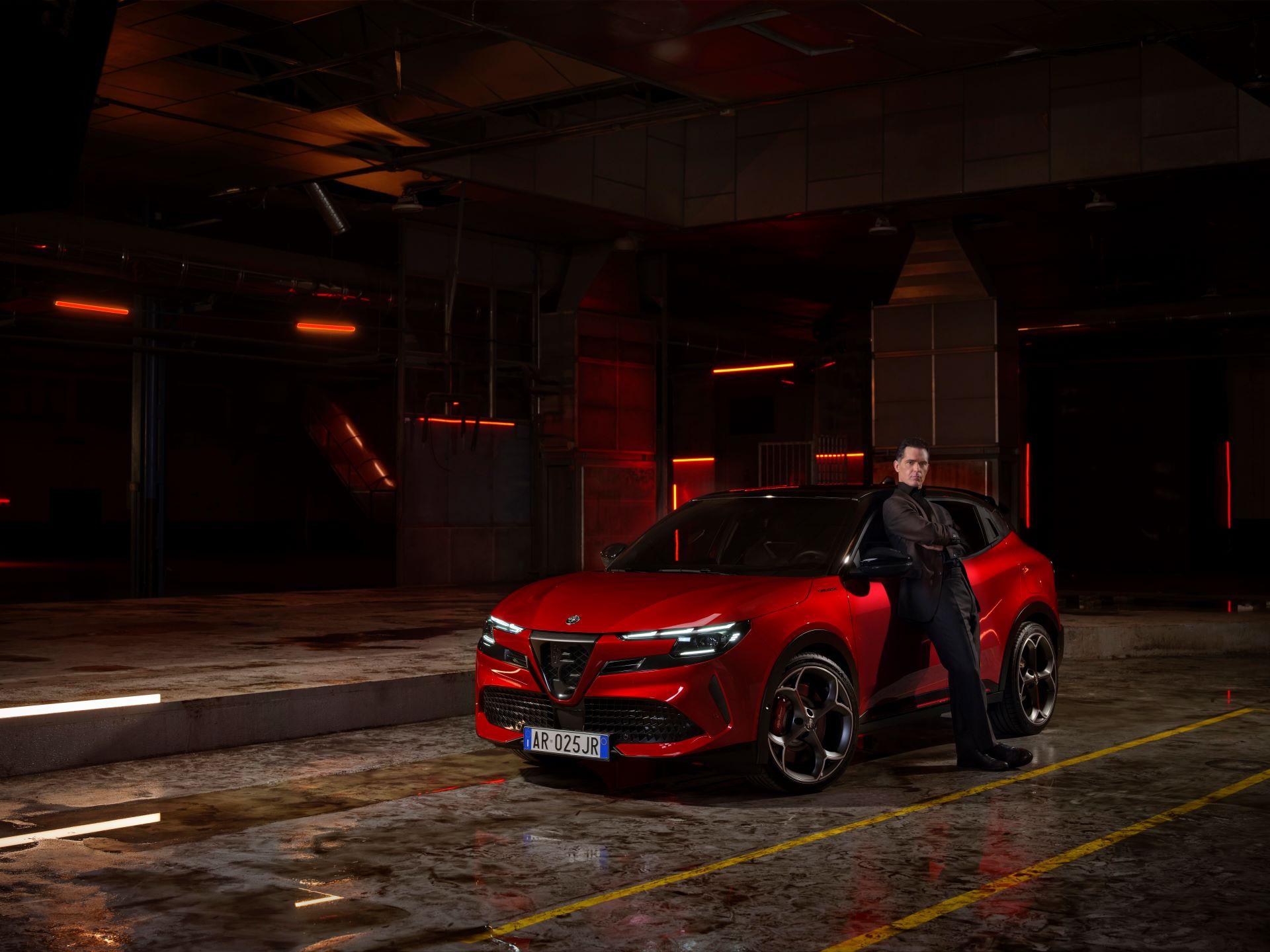
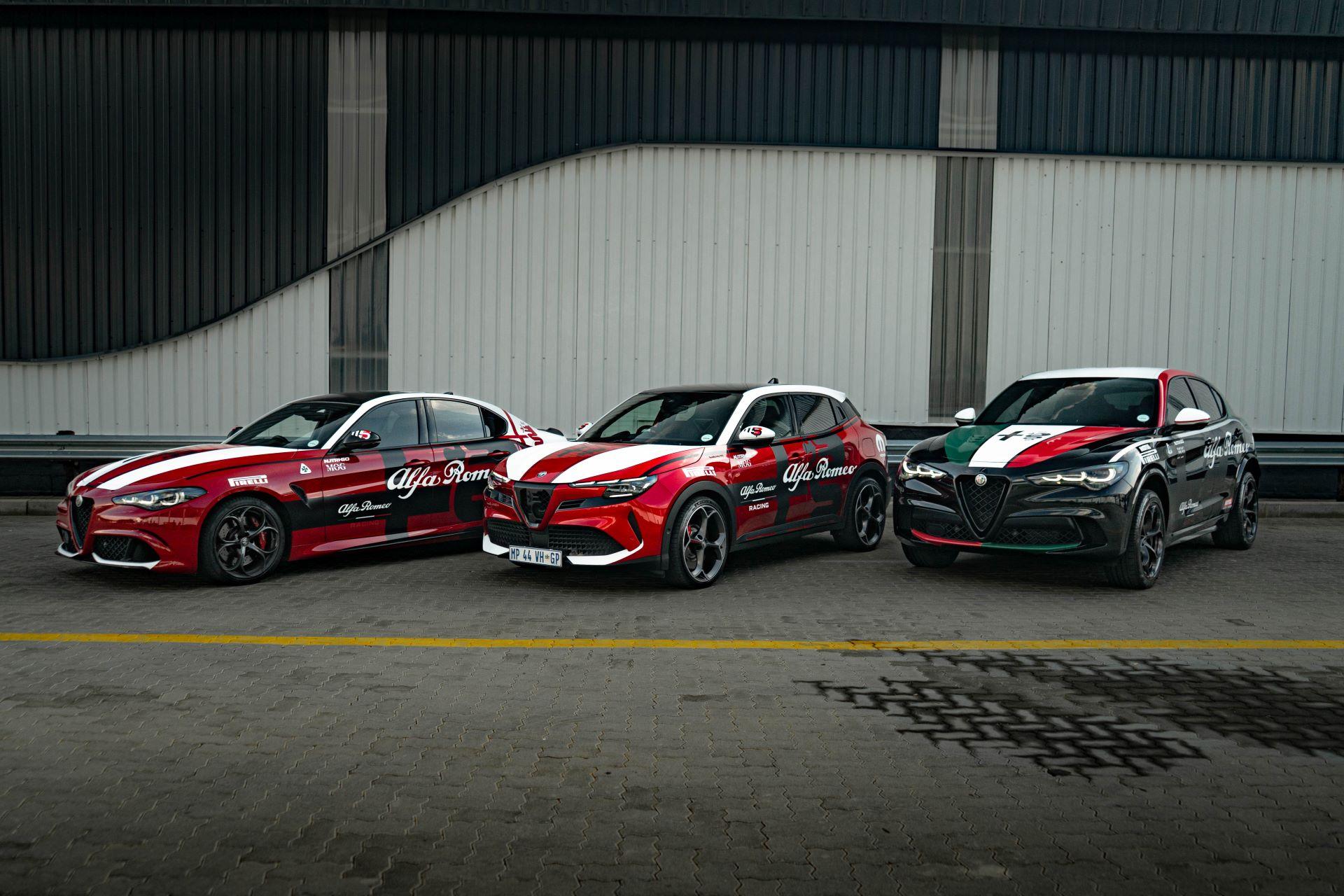
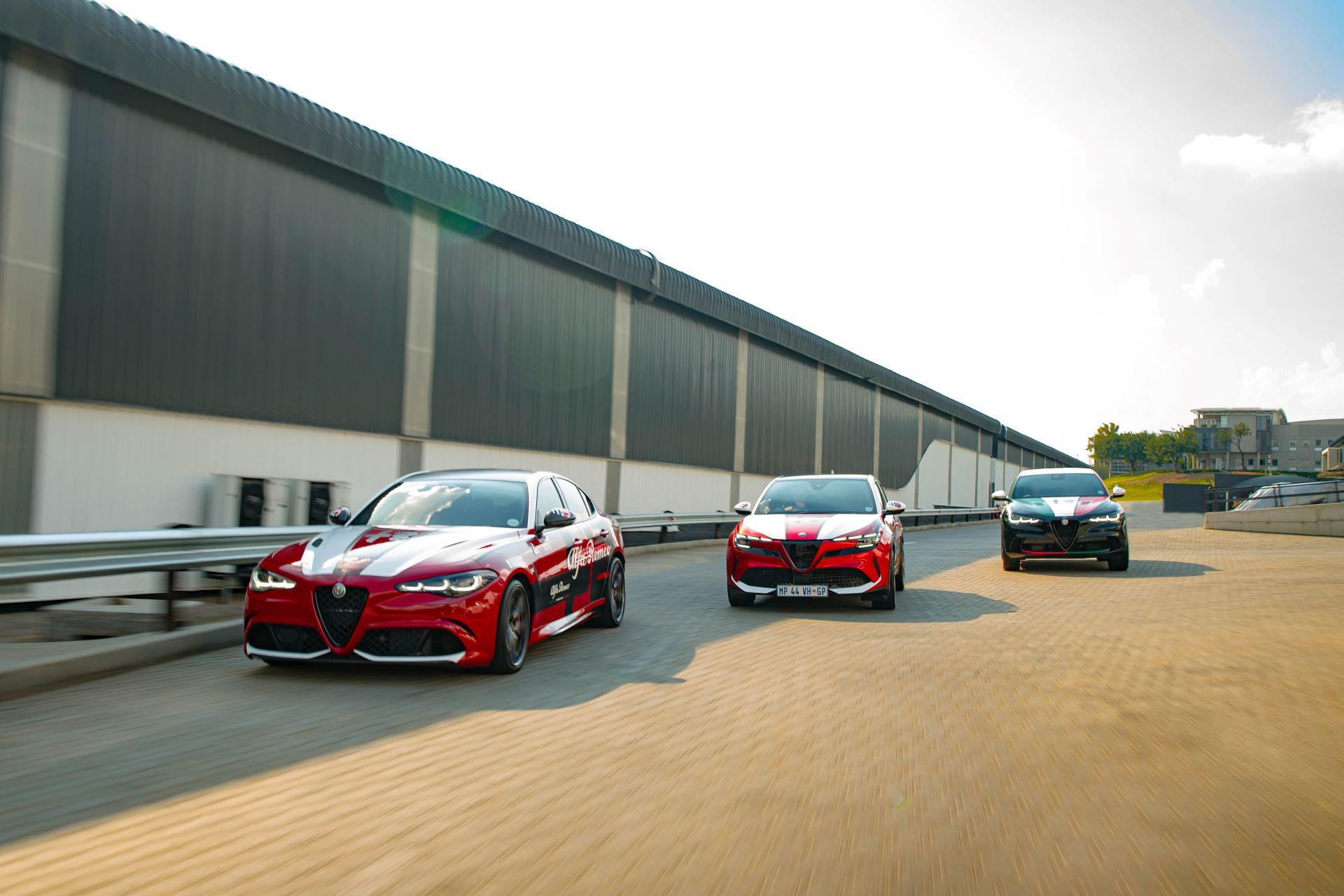
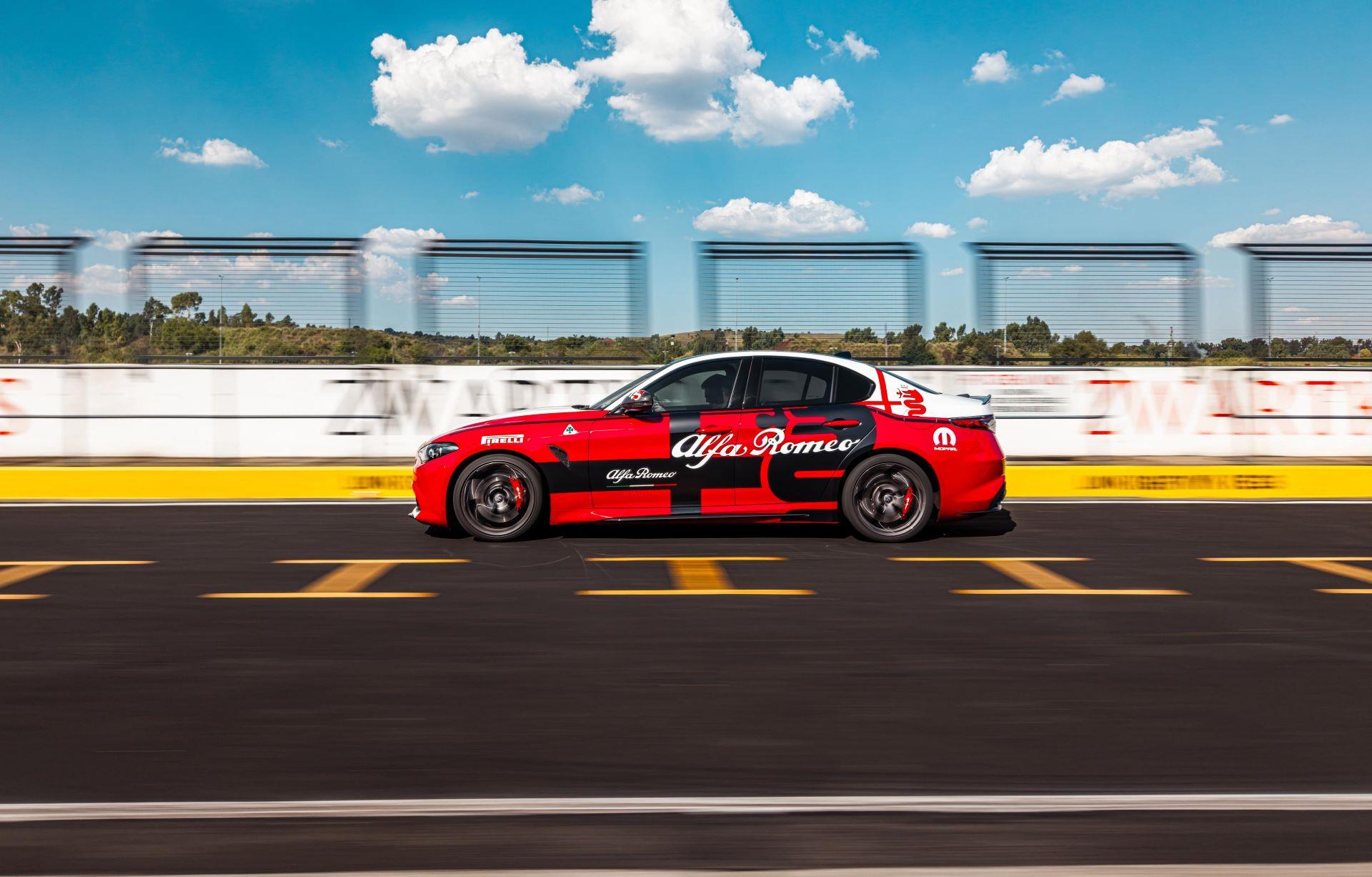
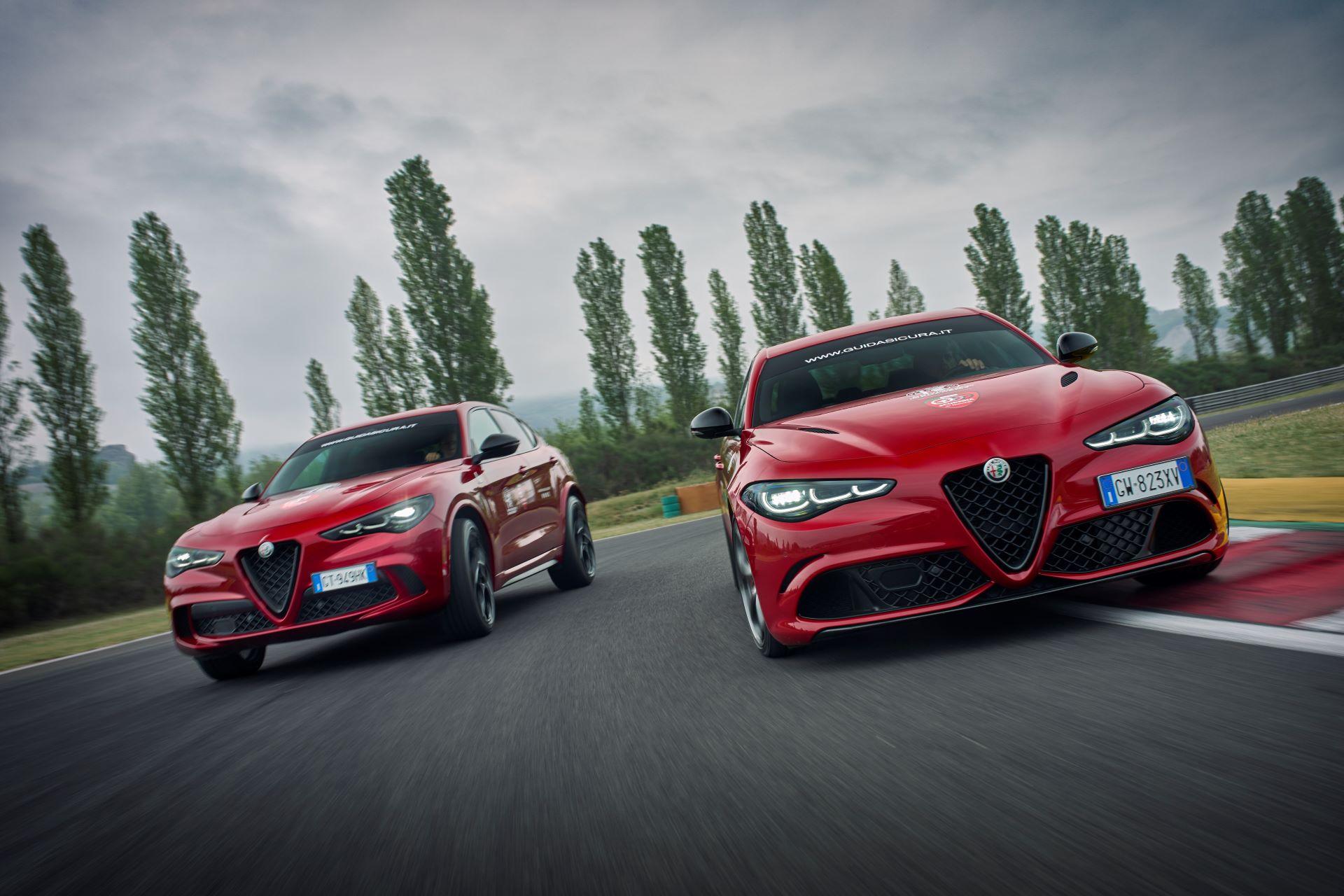
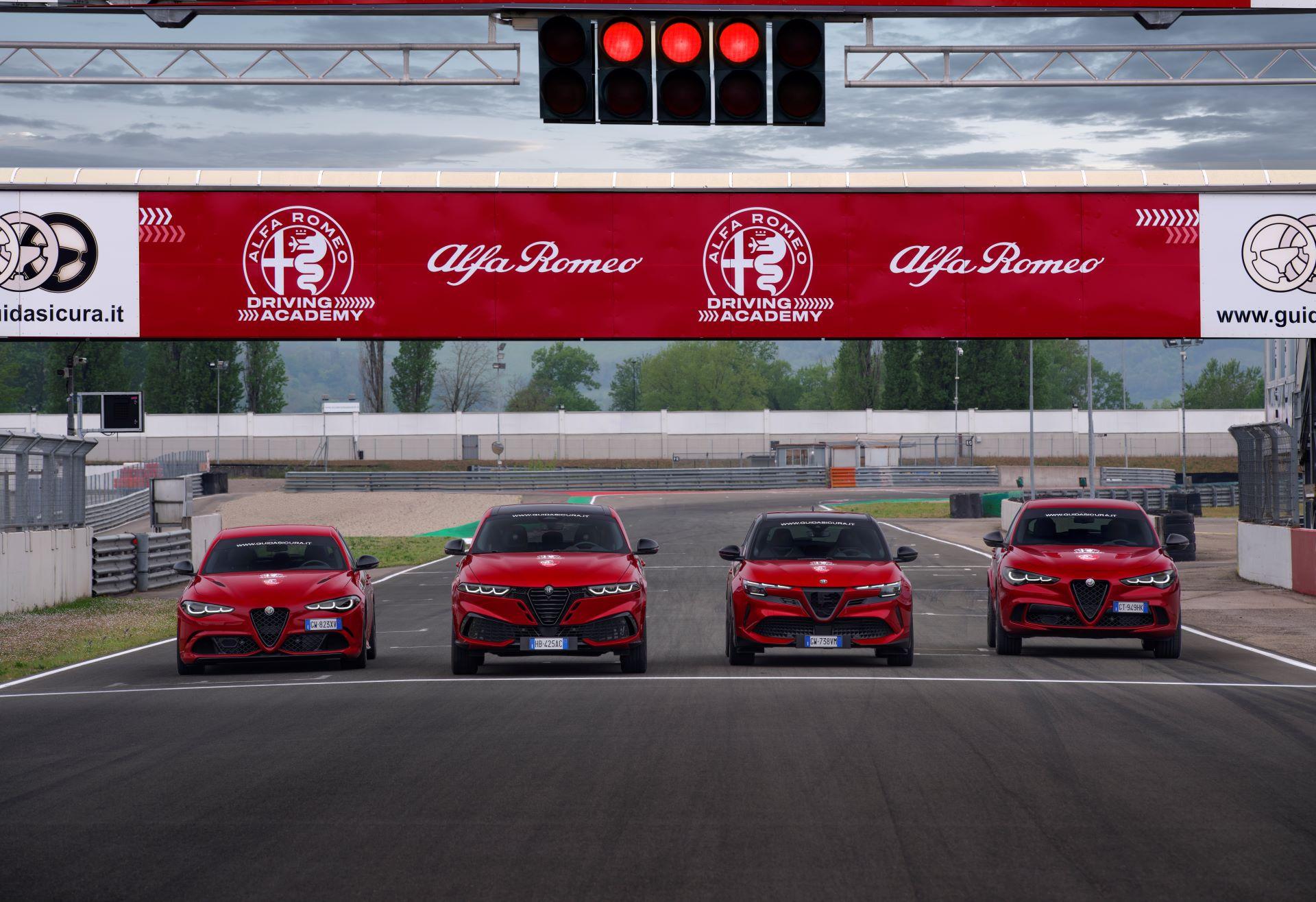
Here, the Alfa Romeo range becomes more than a line-up. From the compact agility of the Junior to the composed assertiveness of the Tonale, and from the Giulia’s precision to the Stelvio’s commanding versatility, each model becomes a teaching instrument. Electric, hybrid, petrol, and diesel powertrains all find their place in a curriculum designed not around speed alone, but around fluency. Drivers are taught to read the language of grip, to interpret the subtle conversations between chassis and surface, and to respond with clarity rather than hesitation.
The structure of the academy reflects this layered philosophy. Foundational programmes focus on safety, sharpening awareness and control in unpredictable conditions. From there, participants can move deeper, exploring the mechanical and dynamic limits of their vehicles in progressively more demanding environments. At its most intense, the experience becomes something close to choreography, where precision inputs and refined technique transform raw power into something controlled, almost elegant.
Yet the academy is not confined to individual mastery. Alfa Romeo has also shaped the experience for collective engagement, offering tailored corporate programmes that merge performance driving with team-building dynamics. In these sessions, the racetrack becomes a proving ground not just for skill, but for communication, trust, and shared focus.
The presence of Scuderia de Adamich gives the academy its spine. Founded by former Formula 1 driver Andrea de Adamich, the organisation has long stood as a benchmark in performance driving education. Its instructors, drawn from professional racing and rallying backgrounds, bring a depth of expertise that elevates the experience beyond instruction into mentorship. Their role is not merely to guide, but to recalibrate how drivers think, react, and ultimately connect with the car.
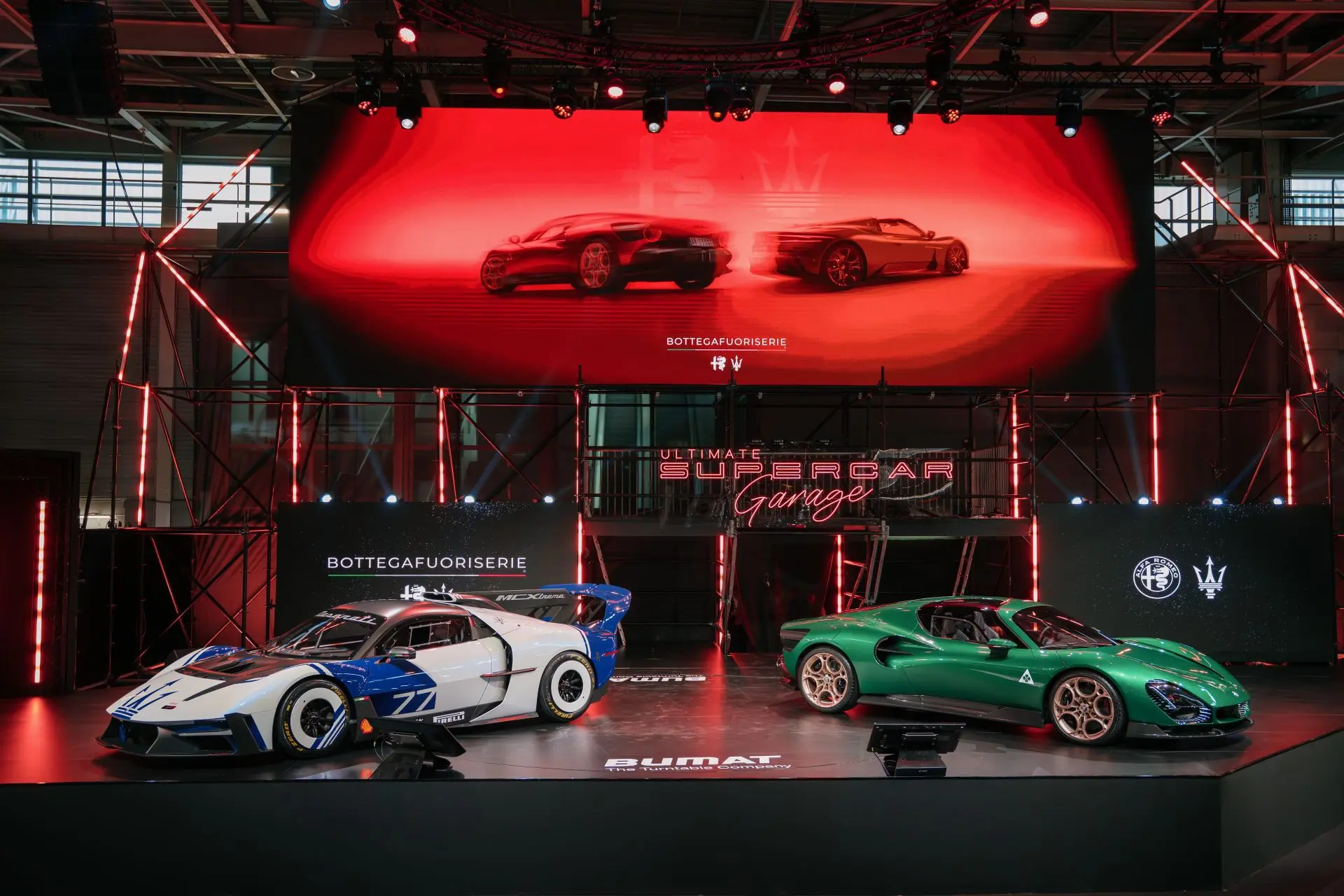
This philosophy echoes Alfa Romeo’s broader vision of building an ecosystem around its vehicles. It’s the same thinking that inspired the BOTTEGAFUORISERIE project, where craftsmanship and personalisation converge to redefine ownership as something deeply individual. In the Driving Academy, that idea extends beyond the car itself and into the act of driving, transforming it into a skill that can be shaped, refined, and ultimately mastered.
For Alfa Romeo, this is less about revisiting the past and more about reasserting a core truth. Driving, in its purest form, is not about reaching a destination. It’s about understanding the journey at a level most never attempt. On the track at Varano, with an instructor’s voice cutting cleanly through the rush of acceleration, that understanding begins to take shape.
And in that moment, the car is no longer just a machine. It becomes a partner, precise and demanding, waiting for the driver to meet it halfway.