Used coupes are quietly staging one of the most striking comebacks in the UK’s used car market, even as their presence on forecourts continues to thin out. According to new data from the CarGurus Price Trends Index, the coupe body style has recorded an 11% year-on-year increase in used values, making it the strongest appreciating segment in the entire market. At the same time, the broader used car landscape has remained relatively steady, with average prices edging up by just 1% over the same period.
This divergence tells a clear story of scarcity meeting desire. Where coupes were once a common sight across mainstream line-ups, they are now edging toward niche status. Just 12 coupe models are available new across the UK’s top 30 manufacturers in 2026, a dramatic 64% decline compared with 2021 and a staggering 67% drop over the past decade. As manufacturers pivot toward SUVs and electrification strategies, the coupe has become an increasingly rare proposition in new car showrooms, pushing buyers firmly into the used market.
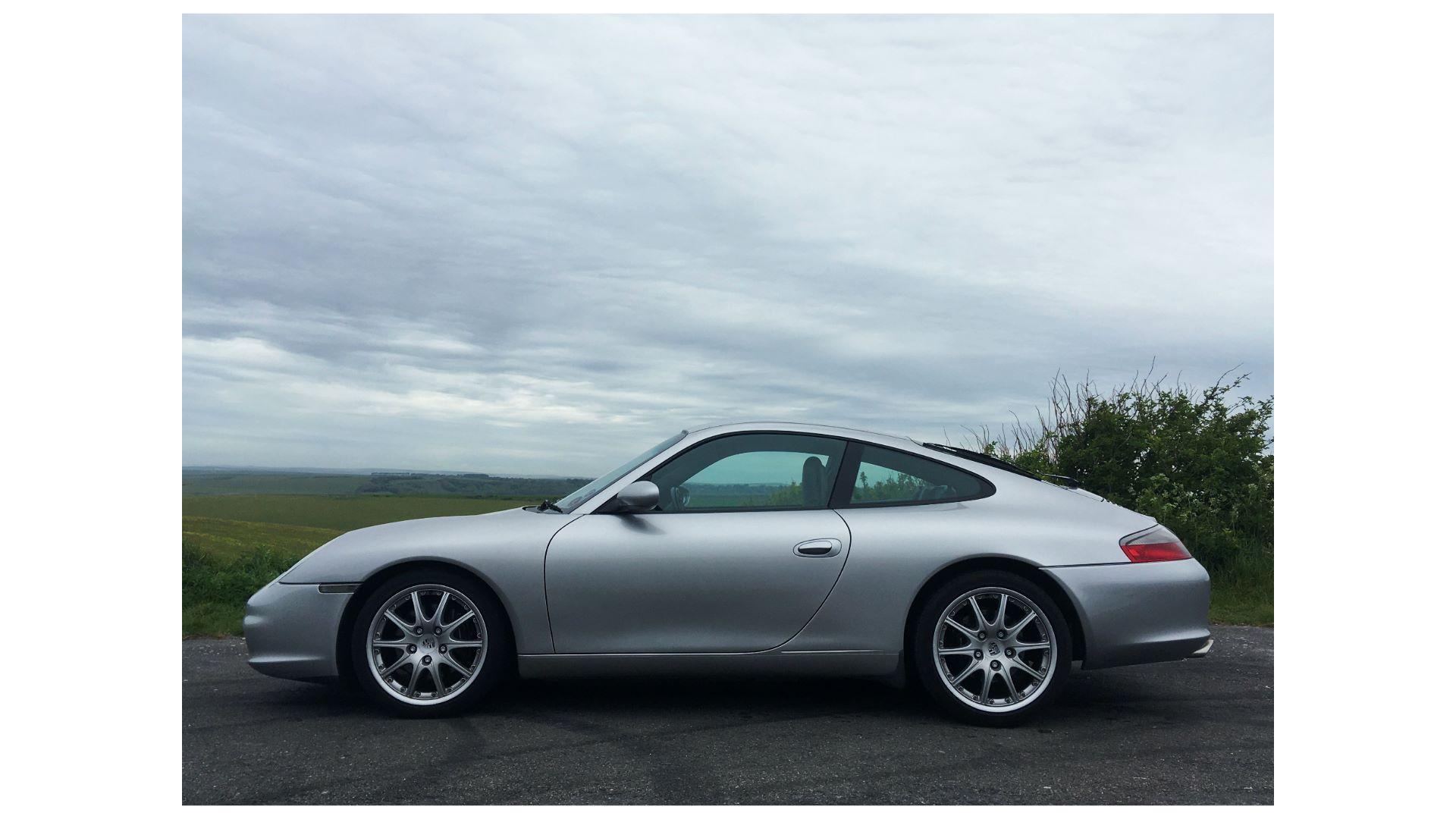
That pressure is showing up most clearly in performance-led nameplates that are evolving into modern collectibles. The Jaguar F-Type, for example, has seen used values climb by 16% year-on-year, while the Porsche 911 has strengthened by 14%, reinforcing its long-standing status as both a driver’s car and a store of automotive desirability. The Audi TT has also edged upward by 4%, while newer electrified entrants such as the BMW i4 have posted a 9% rise over the past 90 days, suggesting that even contemporary interpretations of the coupe formula are benefiting from the same demand dynamics.
What is particularly notable is how concentrated the new coupe offering has become. BMW now accounts for half of all new coupe models available in the UK, with its range including the 2 Series Coupe, 4 Series Coupe, 8 Series Coupe, M2, M4 and the i4, which has increasingly taken on coupe-like responsibilities following the discontinuation of models such as the M8 Coupe. Porsche has narrowed its line-up to the iconic Porsche 911 following the retirement of the 718 Cayman, while Mercedes-Benz continues to hold ground with models such as the CLA Coupe, CLE Coupe and AMG GT. Ford’s Mustang remains one of the few enduring mainstream coupe offerings, while Honda has re-entered the segment with the sixth-generation Prelude in 2025 after a long absence.
This shrinking pipeline of new metal has had a direct impact on pricing behaviour in the used market. The average used coupe now sits at approximately £19,600, positioning it second only to pickup trucks in terms of average value. Against a backdrop where SUVs have risen by 1.8% and hatchbacks have actually declined by 0.8%, coupes are clearly operating on a different trajectory altogether.
The underlying force is a simple but powerful imbalance between availability and appetite. Enthusiast buyers, once able to choose from a wide spread of new coupe models, are now competing for a dwindling pool of used examples. That competition is amplifying value retention and, in some cases, pushing prices into territory usually associated with far newer or more mainstream segments.
Industry voices echo this interpretation. Chris Knapman, UK Editorial Director at CarGurus, notes that the trend is a textbook example of supply and demand in action. As niche, enthusiast-focused models become harder to source new, the used examples naturally become more desirable and, in turn, more valuable. The ability to track these shifts through live market intelligence is becoming increasingly important for both buyers and sellers navigating a fast-moving landscape.
That is where tools such as the CarGurus Price Trends Index prove particularly useful. By analysing millions of live listings, it offers a real-time view of how prices are shifting across body styles, makes and individual models, helping buyers identify value and allowing sellers to price more accurately in a market where timing can significantly influence outcome.
CarGurus
For shoppers considering a coupe, the appeal is no longer just about style or performance. It is increasingly about availability, long-term desirability and the knowledge that what is parked in the driveway today may already belong to a shrinking generation of vehicles.
Within that context, models like the Porsche 911, Jaguar F-Type and Audi TT are not just cars in circulation. They are becoming markers of a transition period in automotive design, where the coupe’s traditional role is being rewritten by electrification and shifting consumer preference. And in that transition, scarcity is doing what scarcity always does best: quietly pushing value upward.